
© 2026 SCREENPRO®. Specifications are subject to change without notice. | SamsAV All Rights ReservedSite Map Designed by iwonder.cn


In the world of acoustic transparent projection screens, many woven fabrics may look similar at first glance. But once you begin comparing image sharpness, moiré resistance, contrast performance, and long-term viewing comfort, the structure behind the fabric becomes far more important than the specifications printed on paper.
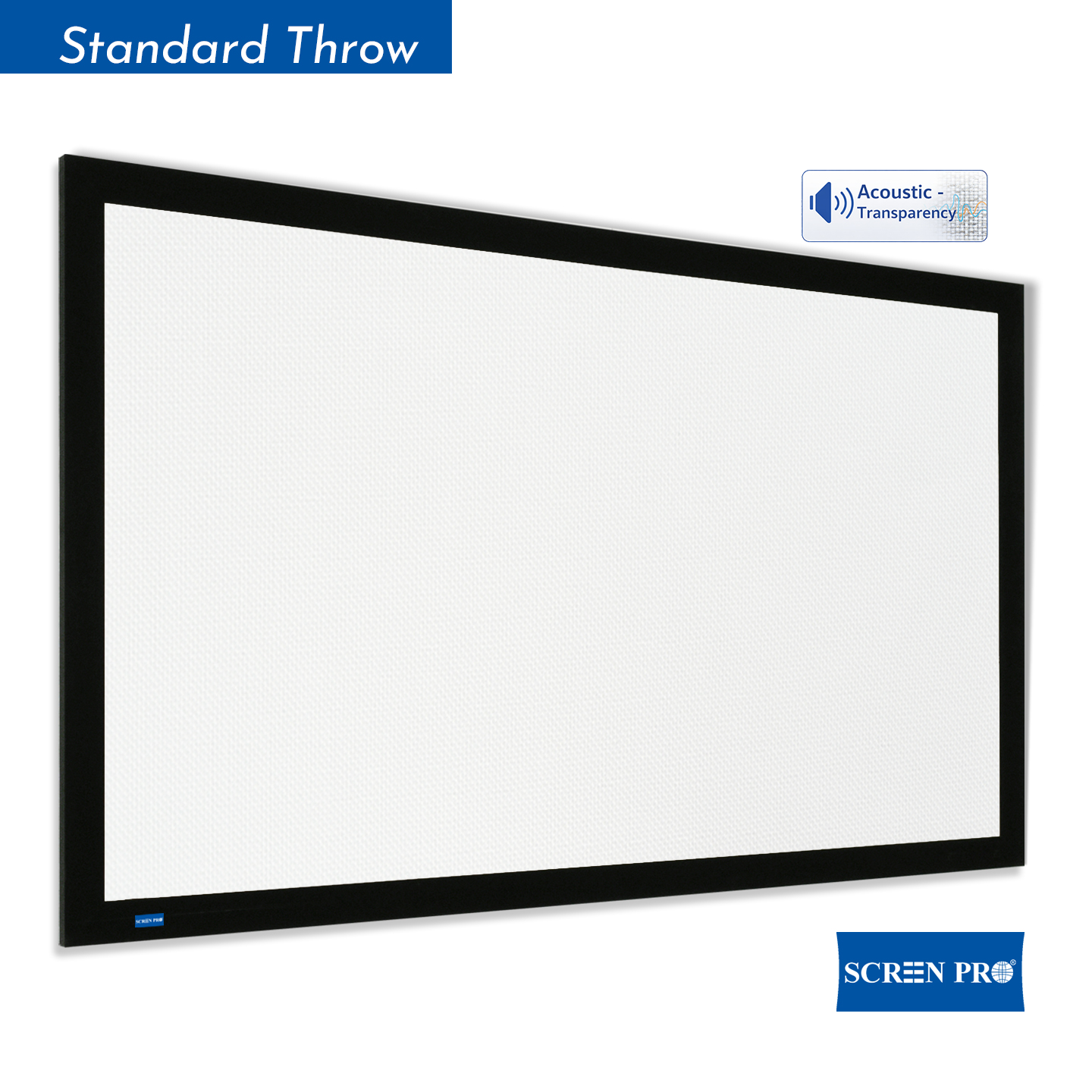
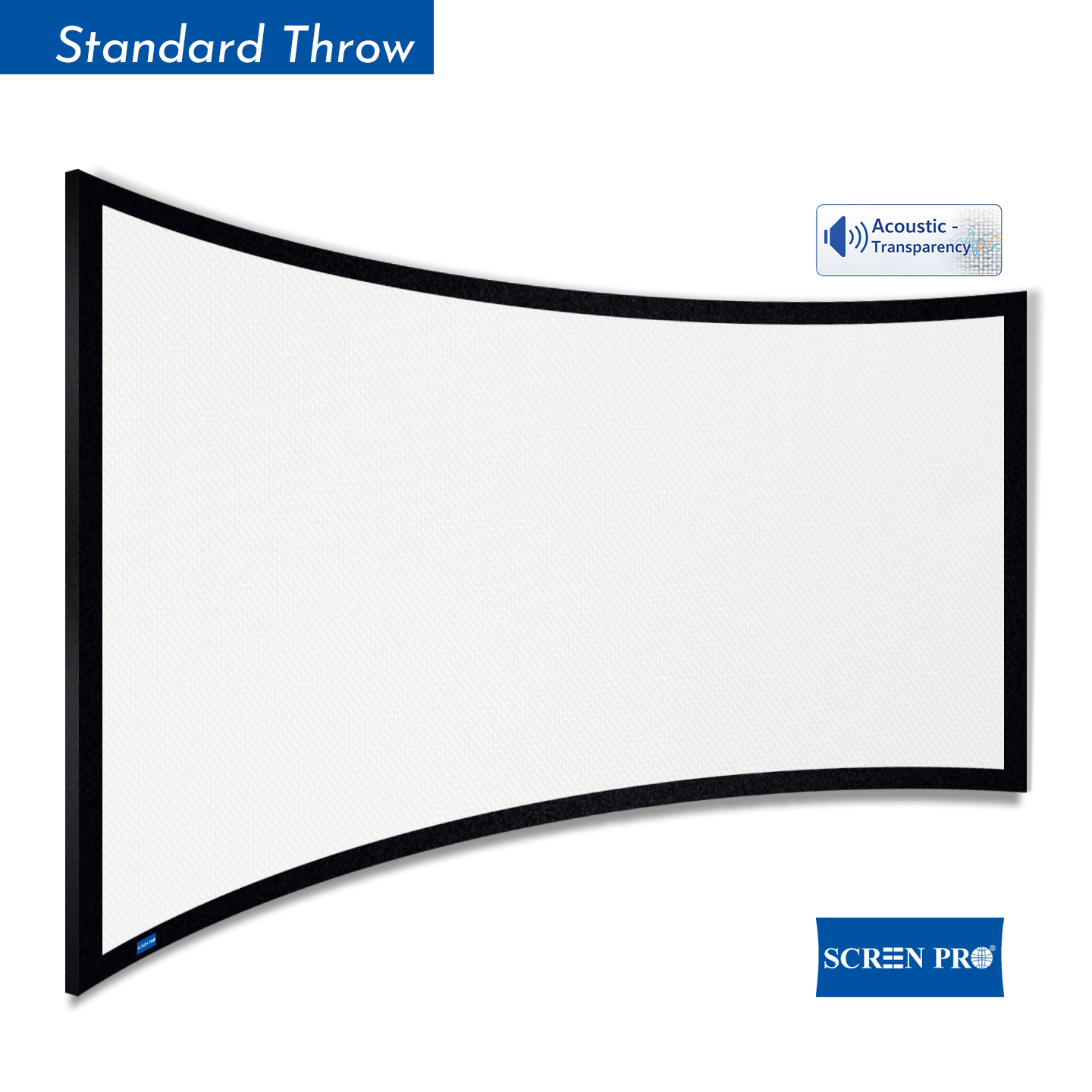
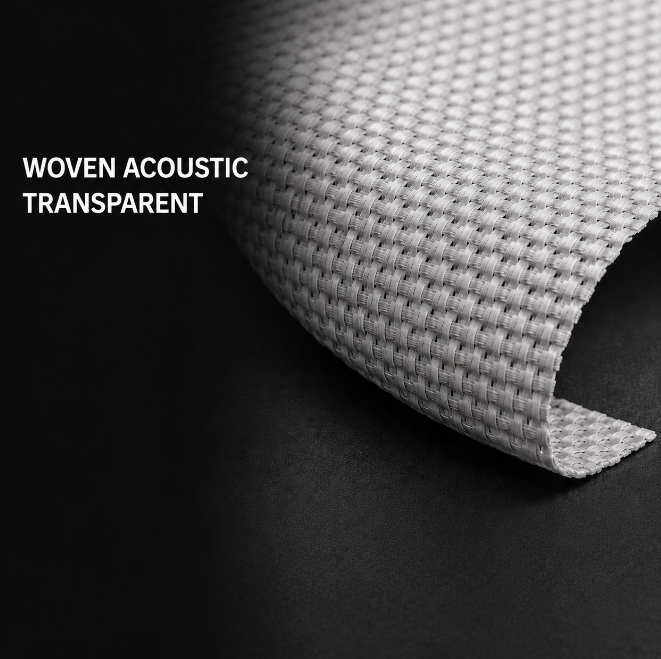
SCREENPRO’s woven acoustic transparent fabric was developed with a different philosophy from many conventional woven screens on the market: not only to transmit sound, but also to optimize projected image performance for modern 4K and laser projection systems.
The difference begins with two key design directions:
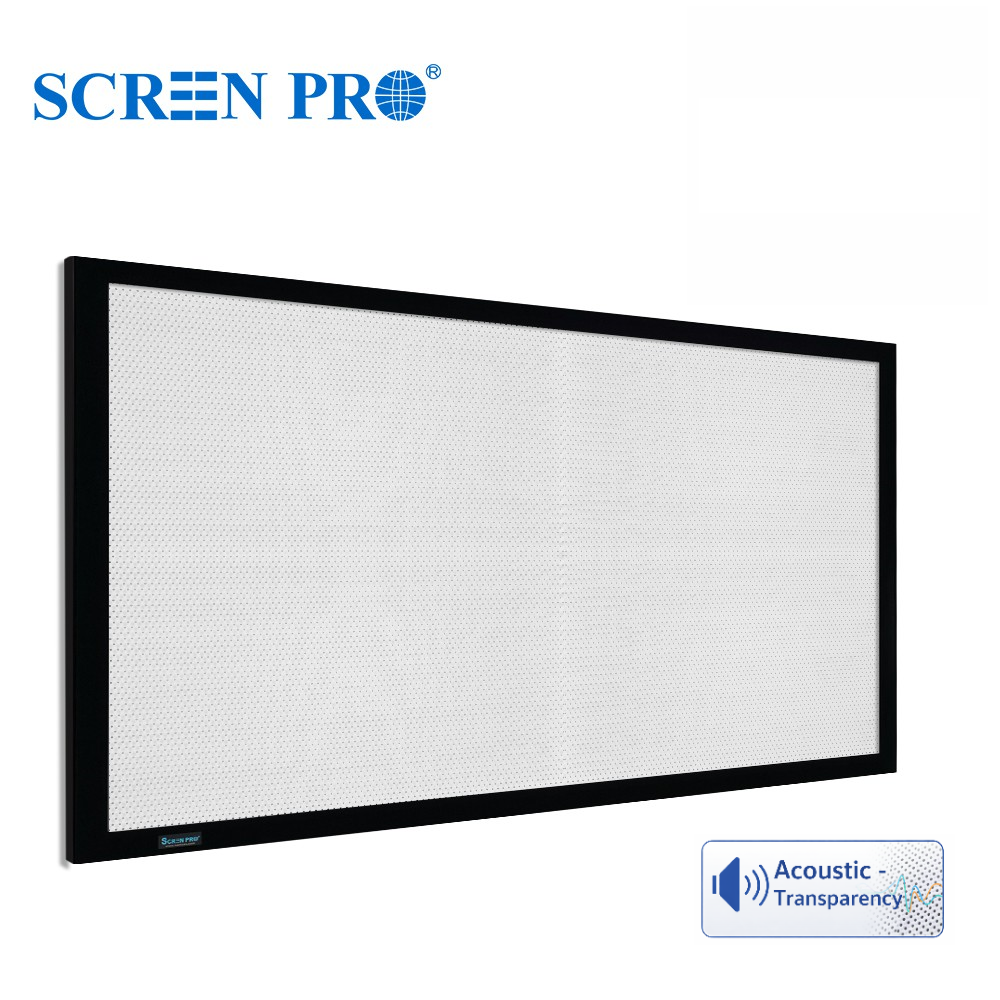
Traditional woven fabrics commonly use a straight horizontal-and-vertical weave pattern. While effective for basic sound transmission, this regular structure can interact with the pixel grid of modern projectors, increasing the risk of visible moiré patterns and texture interference — especially with 4K and laser projection systems.
SCREENPRO uses a specially designed diagonal woven structure that helps break up repetitive alignment between the projector’s pixel structure and the fabric weave itself. Because the weave angles are less mechanically uniform than standard straight-grid patterns, the screen surface appears visually smoother and more natural from typical viewing distances.
This diagonal weave approach also contributes to a softer and more cinematic image texture, reducing the digital harshness that can sometimes appear on thinner woven fabrics.
At the same time, SCREENPRO fabric is intentionally built with greater material thickness than many lightweight woven acoustic screens.
This thicker construction provides several practical advantages:
A denser woven structure helps reduce excessive light penetration through the fabric, allowing projected blacks to appear deeper and more controlled. Instead of looking overly transparent or “washed out,” the image maintains better visual solidity — especially in darker scenes.
For home cinema users, this often translates into:
Because the thicker material creates a more optically diffused surface structure, the visibility of fine interference patterns is further minimized. Combined with the diagonal weave, this makes the fabric particularly suitable for:
Ultra-thin woven materials sometimes reveal uneven brightness or hotspotting under certain projection angles. SCREENPRO’s denser surface helps maintain more uniform light diffusion across the screen area, creating a cleaner and more balanced image.
Acoustic transparency is not simply about making the fabric as thin as possible. A properly engineered woven structure must balance:
SCREENPRO’s fabric is designed to preserve clear dialogue and speaker localization while still maintaining a premium cinematic image.
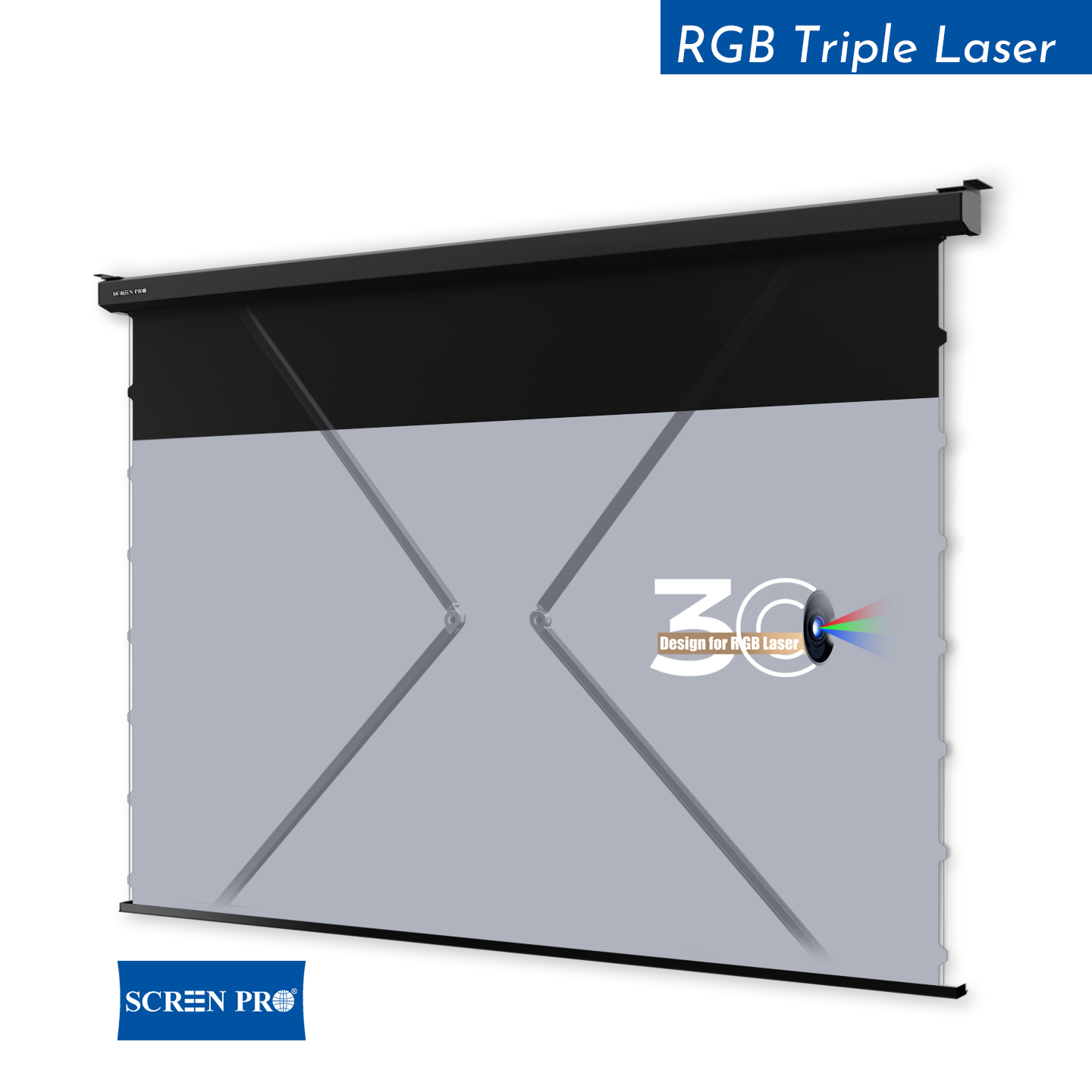
Modern RGB laser projectors place far greater demands on screen materials than traditional lamp projectors. Fine texture, speckle visibility, moiré interaction, and excessive sharpness artifacts become much easier to notice.
The diagonal woven structure and thicker surface design help SCREENPRO fabrics work more naturally with high-resolution laser systems, creating a smoother and more comfortable viewing experience for long-form movie watching.
Rather than pursuing the thinnest possible woven material, SCREENPRO focuses on achieving a more balanced combination of:
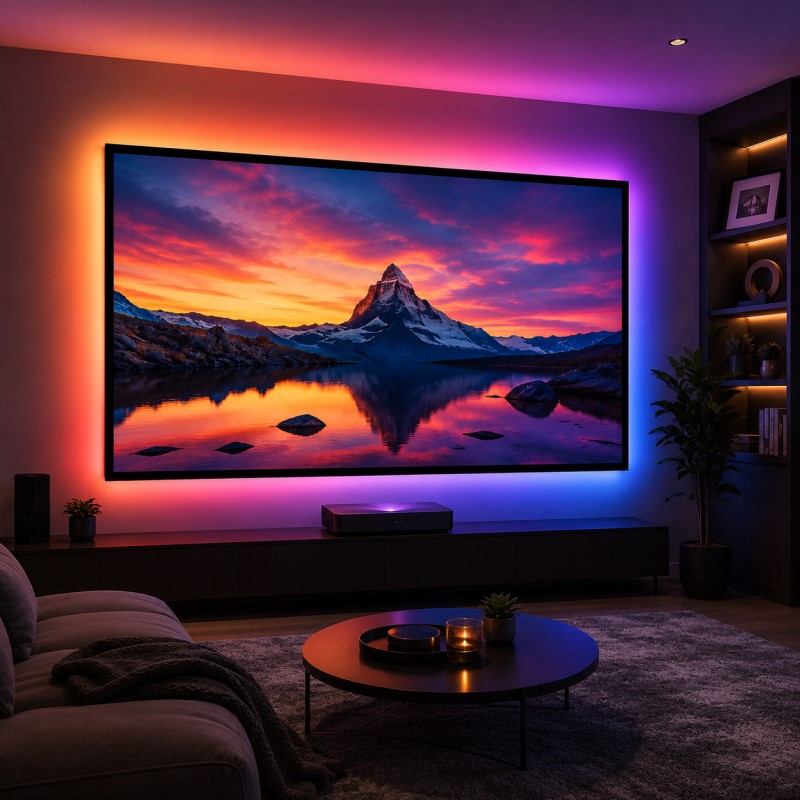
For many home theater users, the result is a screen that feels less like a technical fabric — and more like a true cinema surface.





© 2026 SCREENPRO®. Specifications are subject to change without notice. | SamsAV All Rights ReservedSite Map Designed by iwonder.cn