

© Copyright 2004-2026 SCREEN PRO® All Rights Reserved | Specifications are subject to change without notice. All Rights ReservedSite Map Designed by iwonder.cn


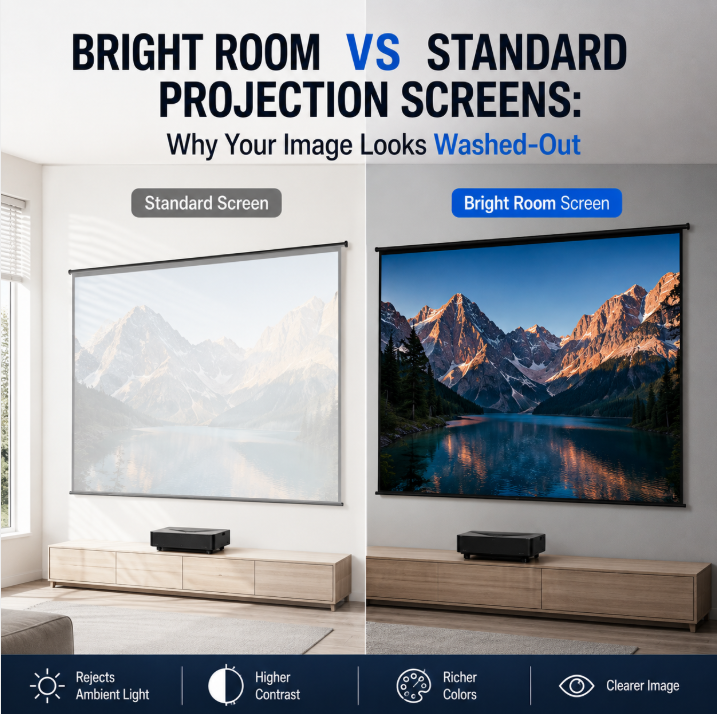
If your projector looks dull, faded, or washed out during the day, the issue is not always your projector. In many cases, the real limitation is the projection screen.
Standard projection screens can perform well in dark rooms, but once ambient light enters the room, image contrast quickly collapses. Blacks become gray, colors lose depth, and the picture starts to look flat.
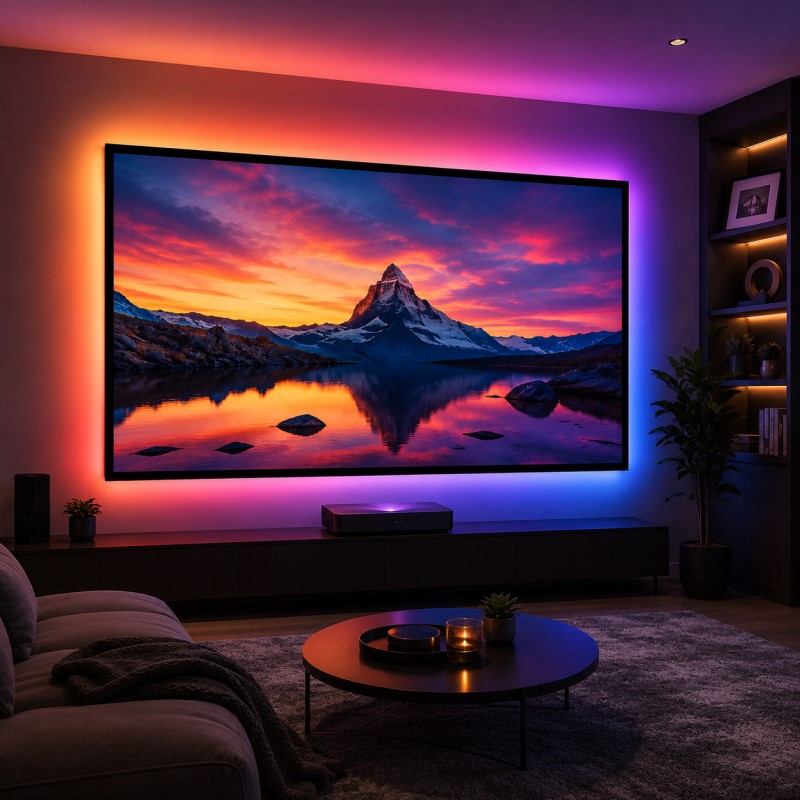
This is why many modern home theater, living room, and laser TV setups require specialized solutions such as ALR screens, high-contrast screens, or ambient-light-optimized projection materials.
A brighter projector can help, but brightness alone does not restore black level or contrast. The screen surface must reject or control unwanted room light while reflecting projector light back to the viewer.
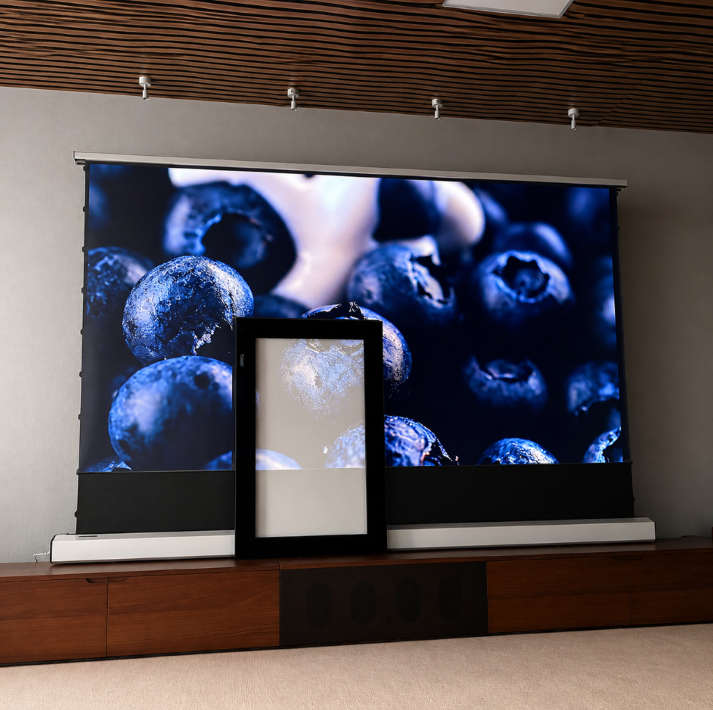
A standard matte white screen is designed to reflect light evenly in many directions. This is useful in a dark room because it gives a wide viewing angle and natural image reproduction.
However, in a bright room, the same surface also reflects unwanted ambient light from windows, ceiling lights, and wall reflections.
The result is simple:
• black areas become gray
• shadow detail becomes harder to see
• color saturation drops
• the image looks faded or cloudy
• increasing projector brightness does not fully solve the problem
| Feature | Standard Projection Screen | Bright Room / ALR Screen |
|---|---|---|
| Best environment | Dark or light-controlled room | Living room, media room, bright room |
| Ambient light control | Low | High |
| Black level | Easy to wash out | Better perceived contrast |
| Color saturation | Reduced under room light | Richer and more stable |
| Recommended use | Dedicated theater | Modern home cinema and laser TV setups |
A bright room screen is not simply a darker screen. A good bright room projection screen uses surface structure, optical coating, or directional reflection to manage how light behaves.
The goal is to reflect projector light toward the viewer while reducing the effect of unwanted light from other directions.
For this reason, the right screen depends heavily on projector type.
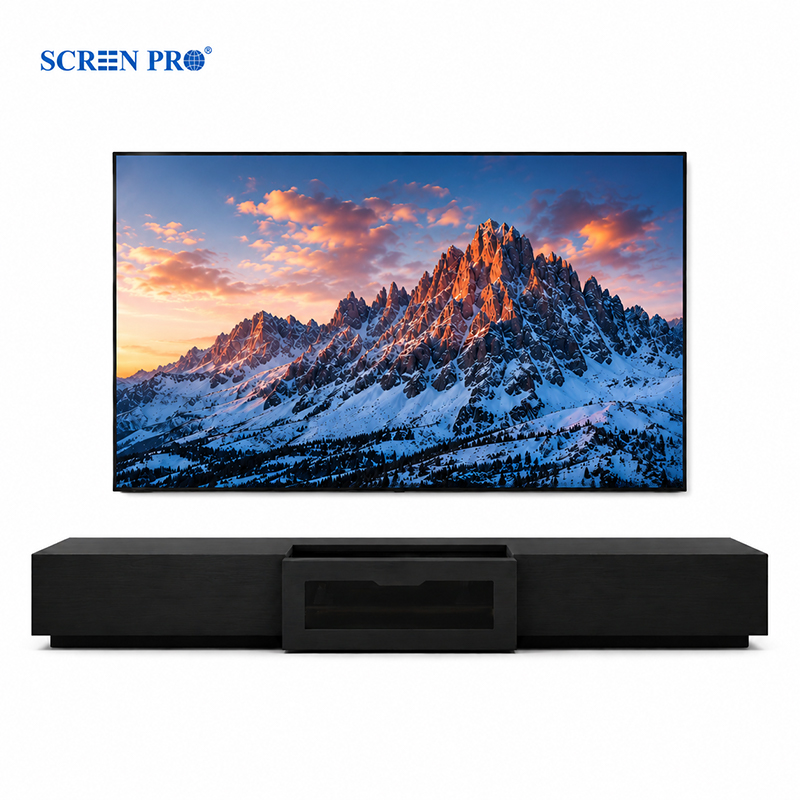
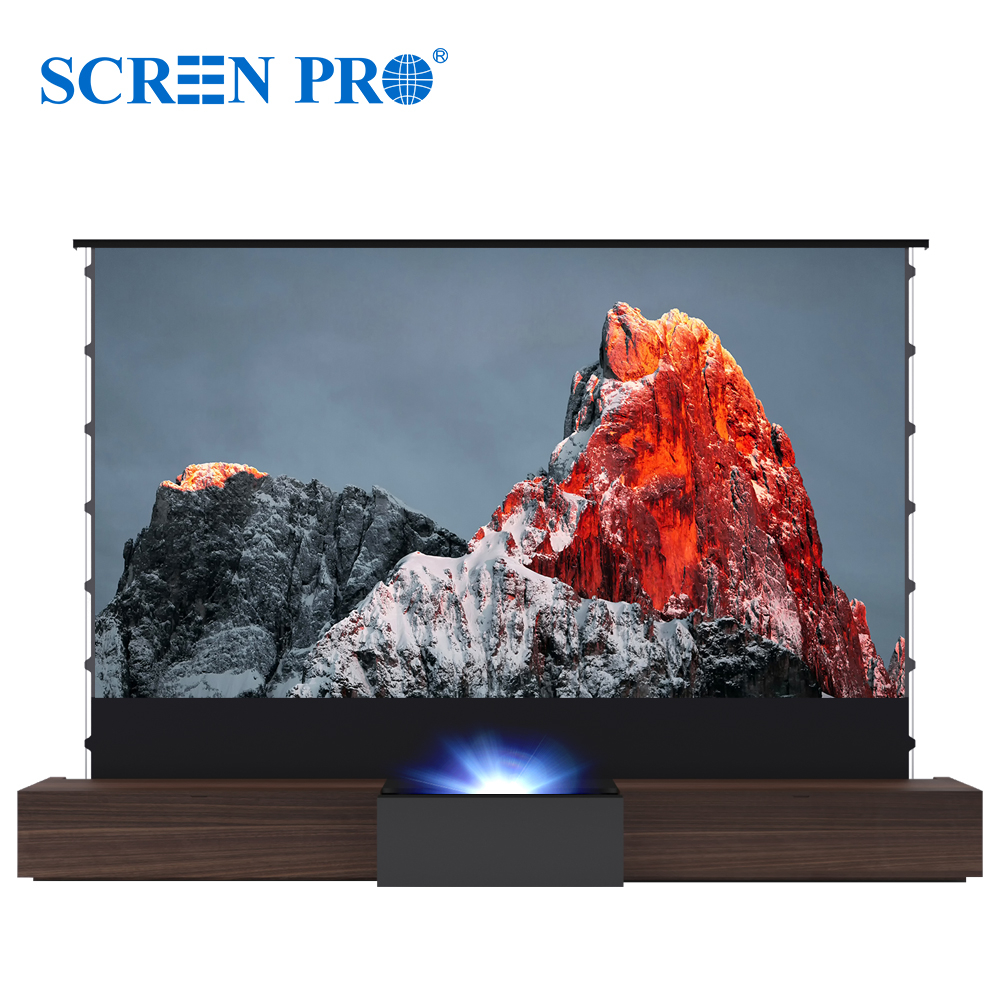
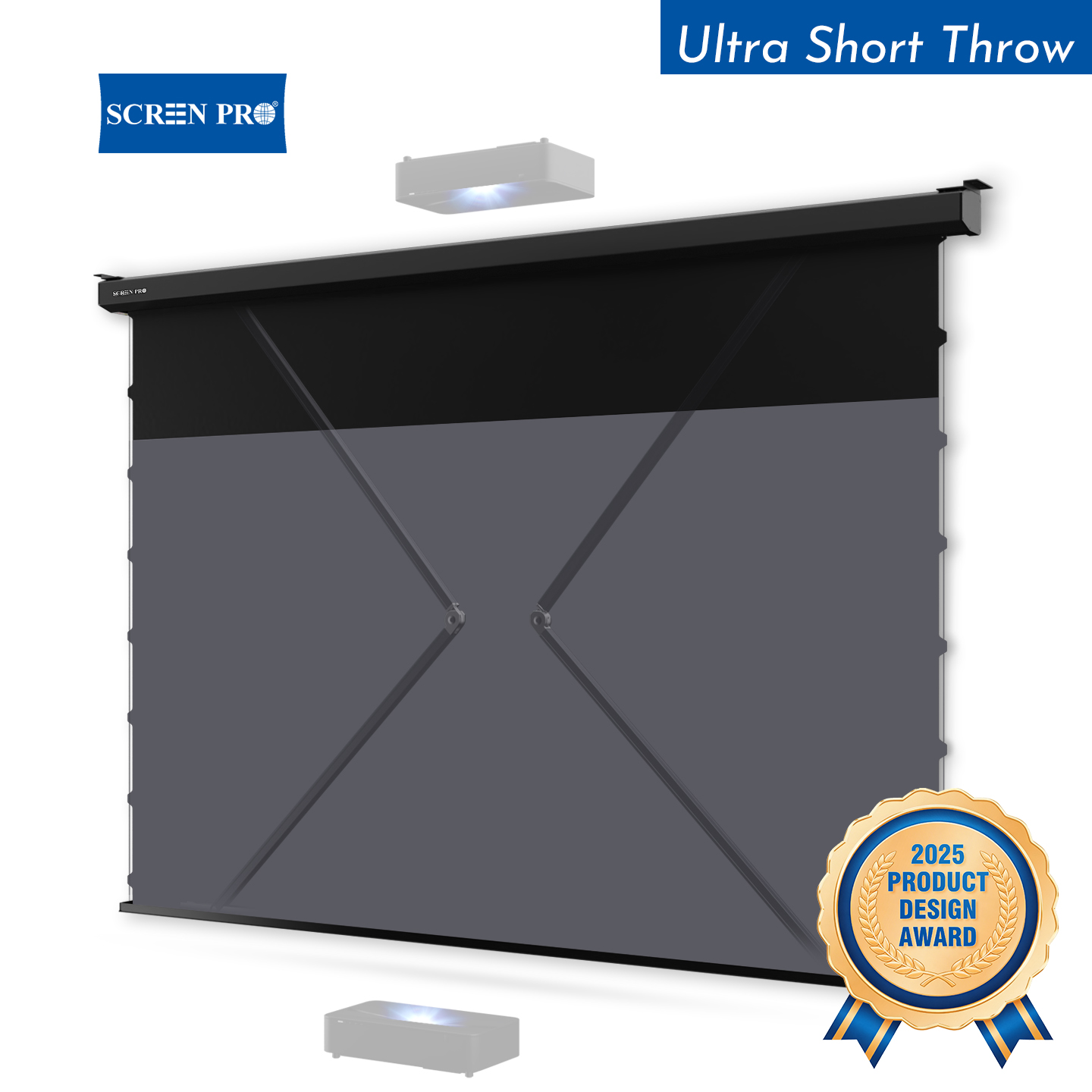
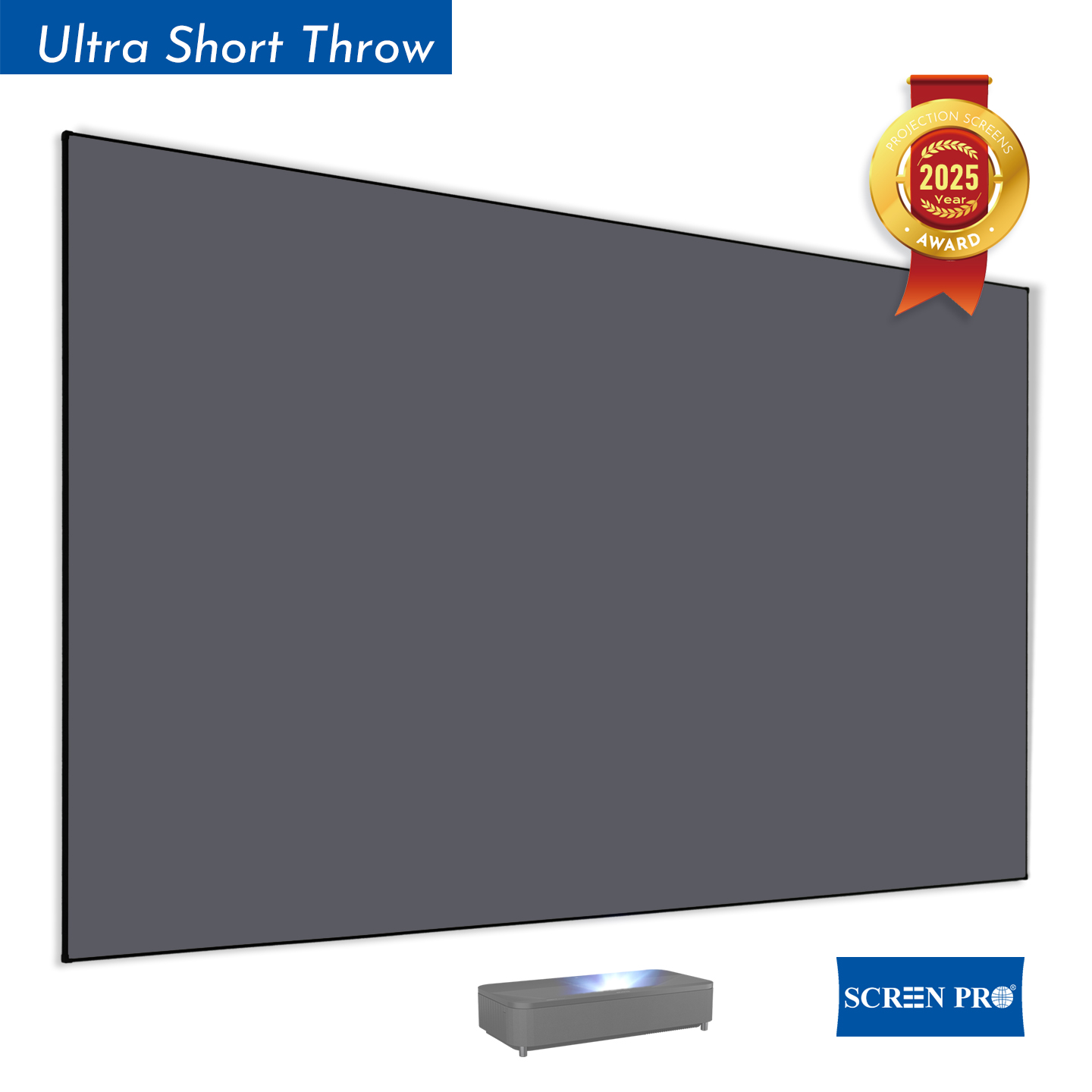
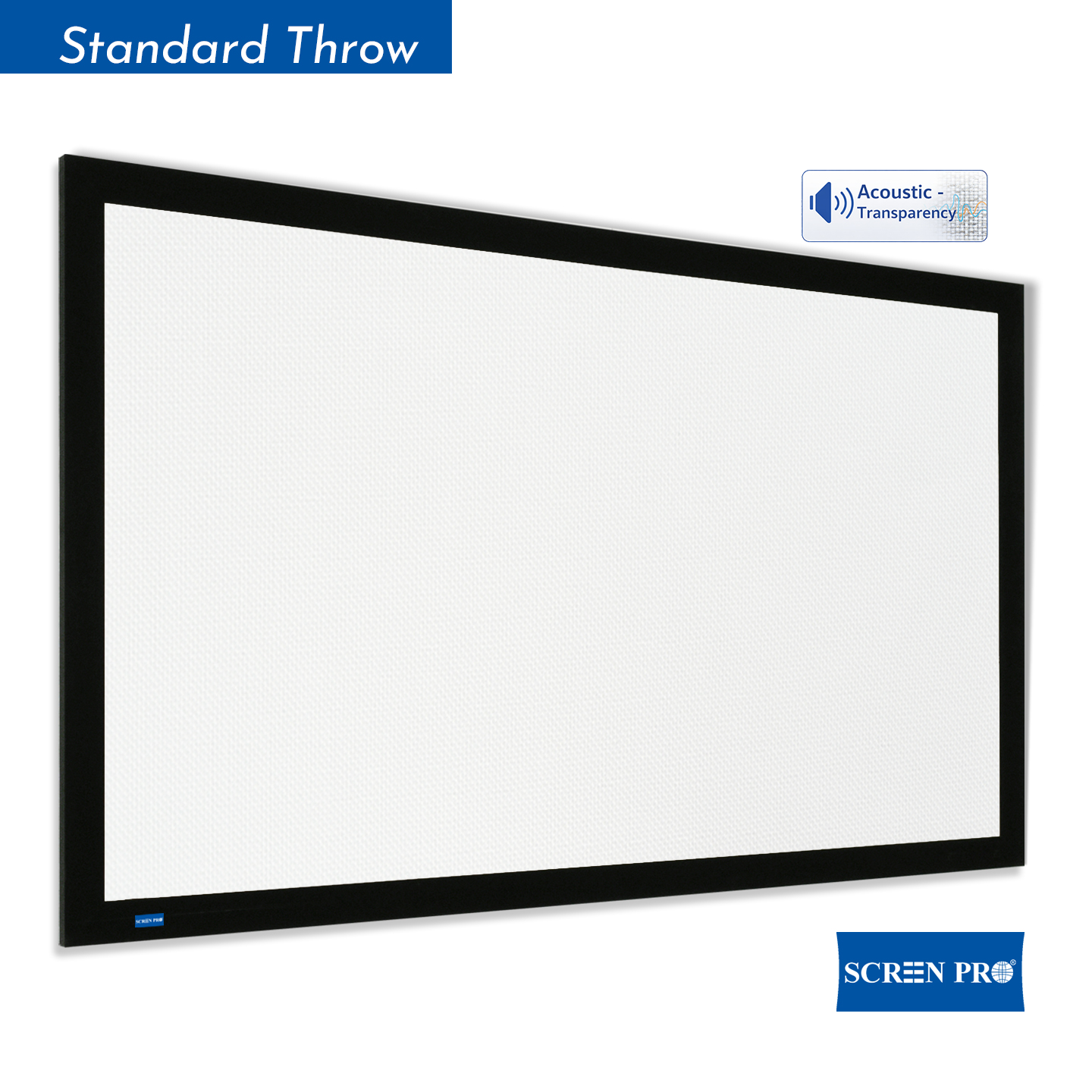
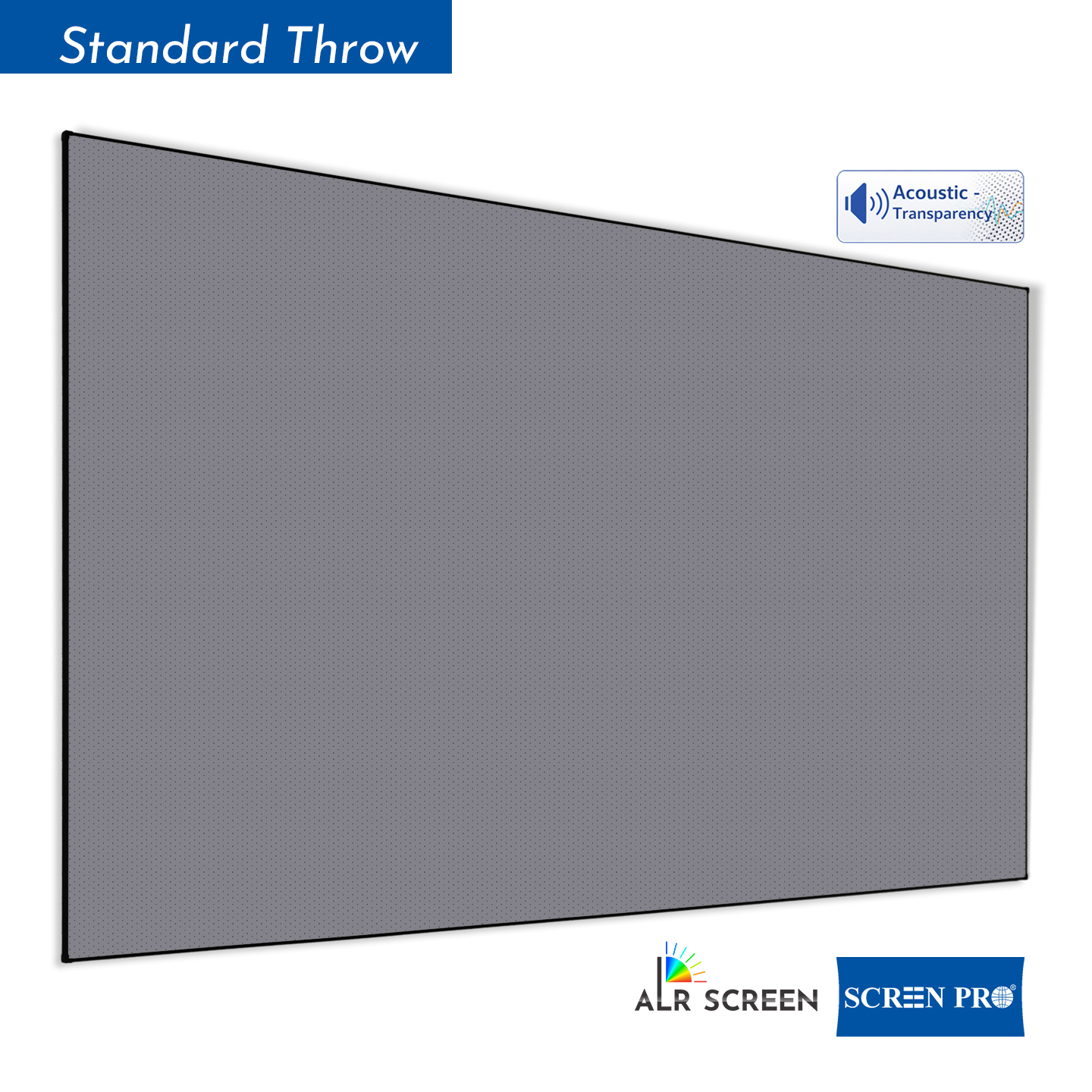
Use a UST ALR screen designed for ultra-short-throw light angles. This helps reject overhead and side ambient light.
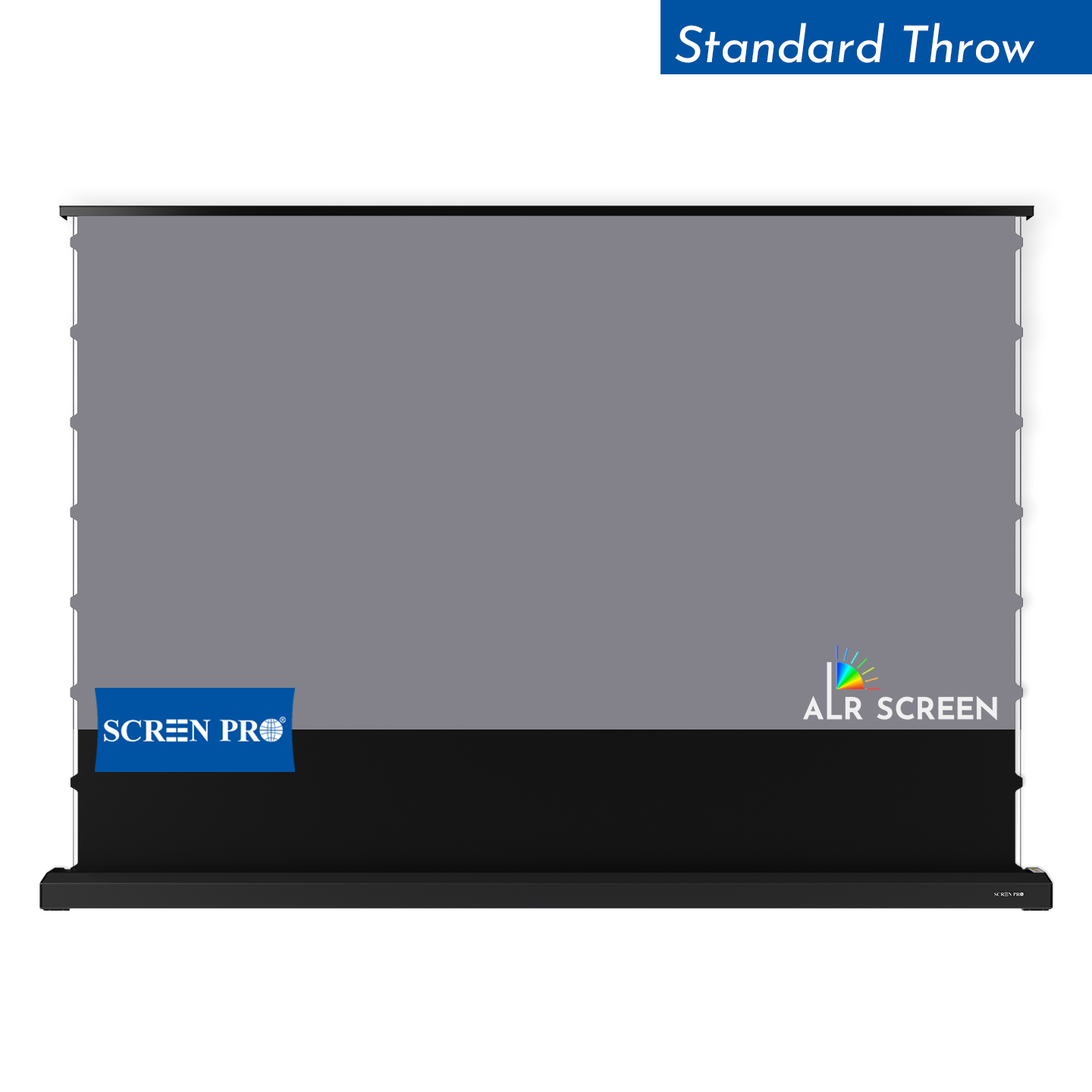
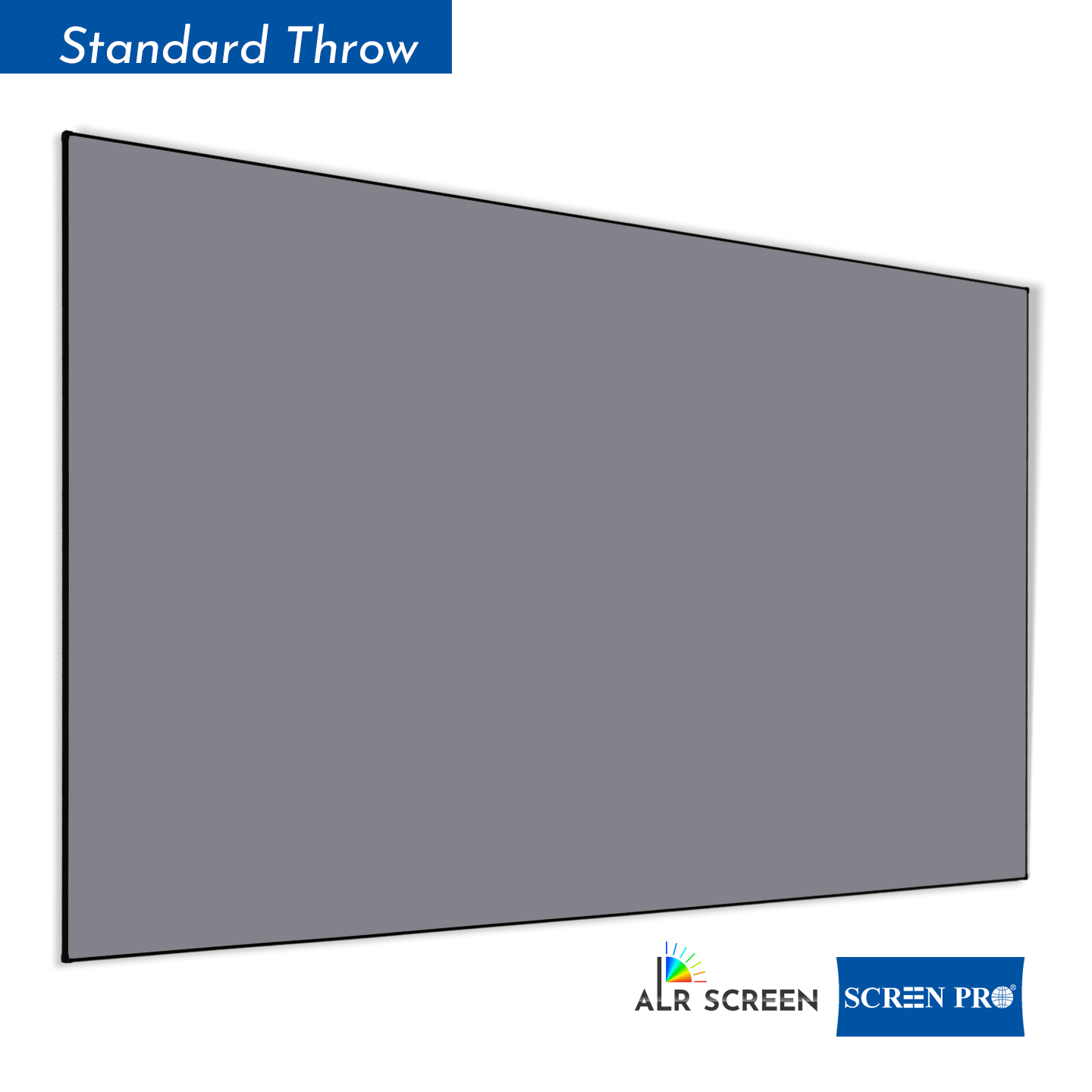
View UST ALR Screens →Use long-throw ALR material or high-contrast projection material matched to standard projector throw distance.
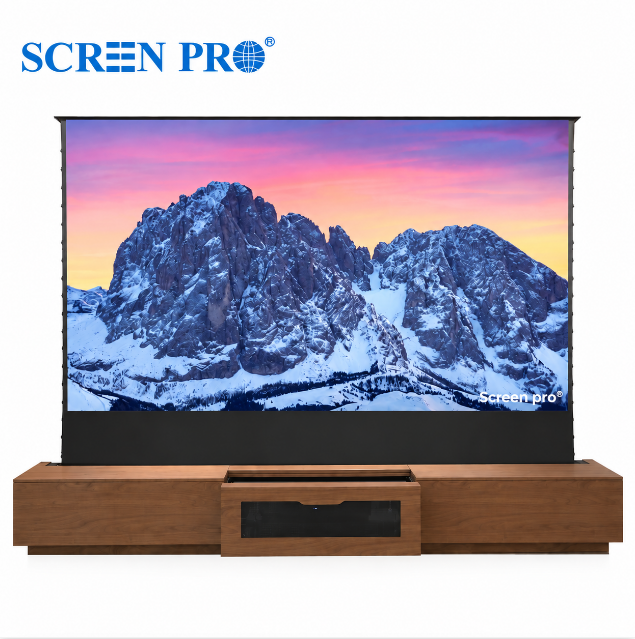
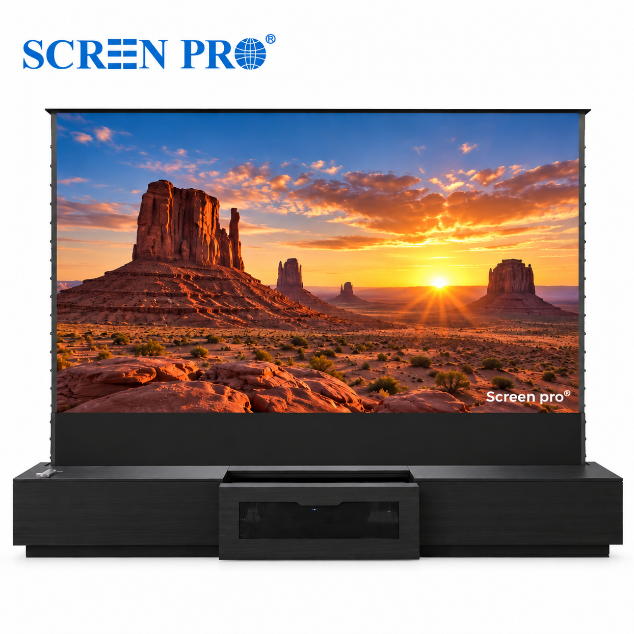
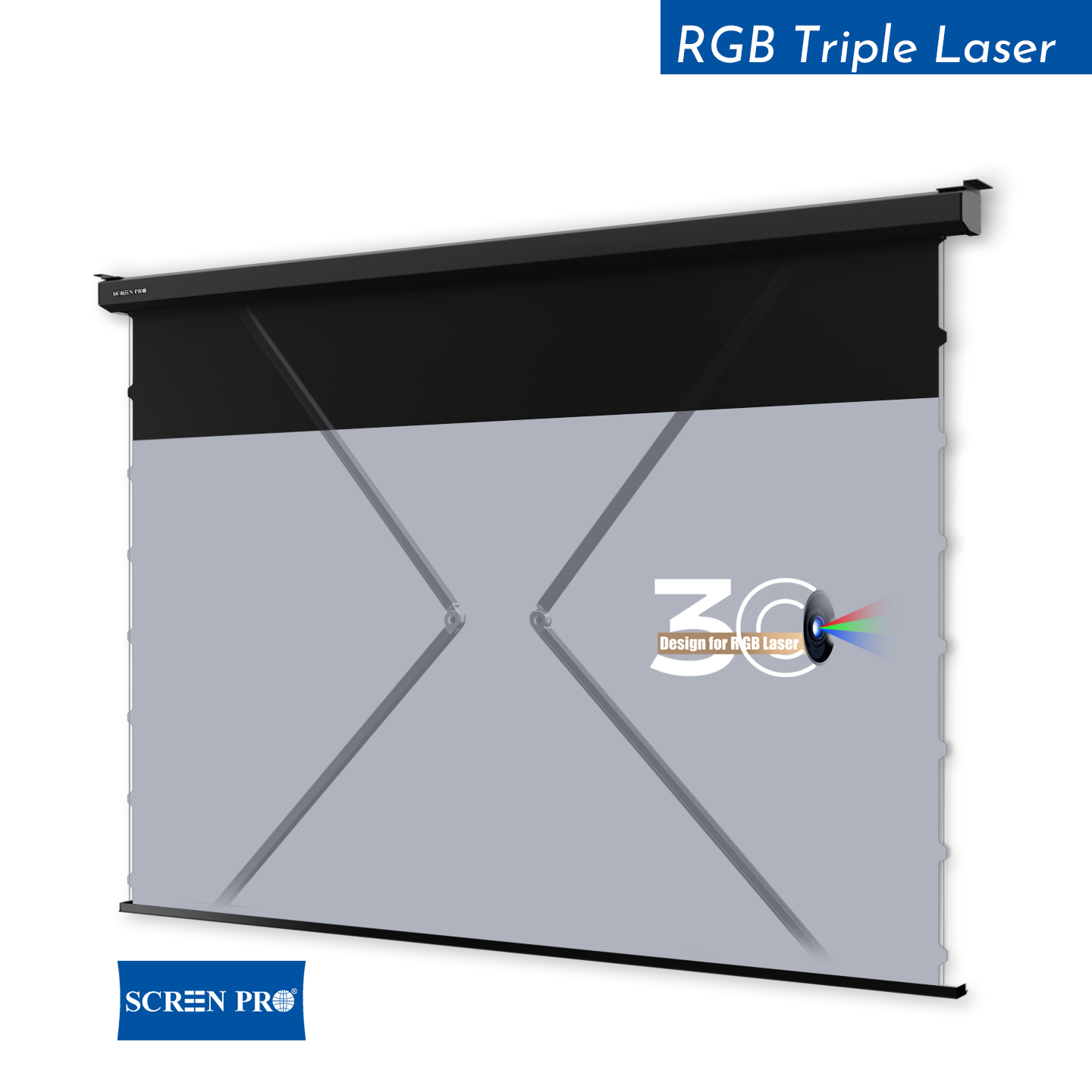
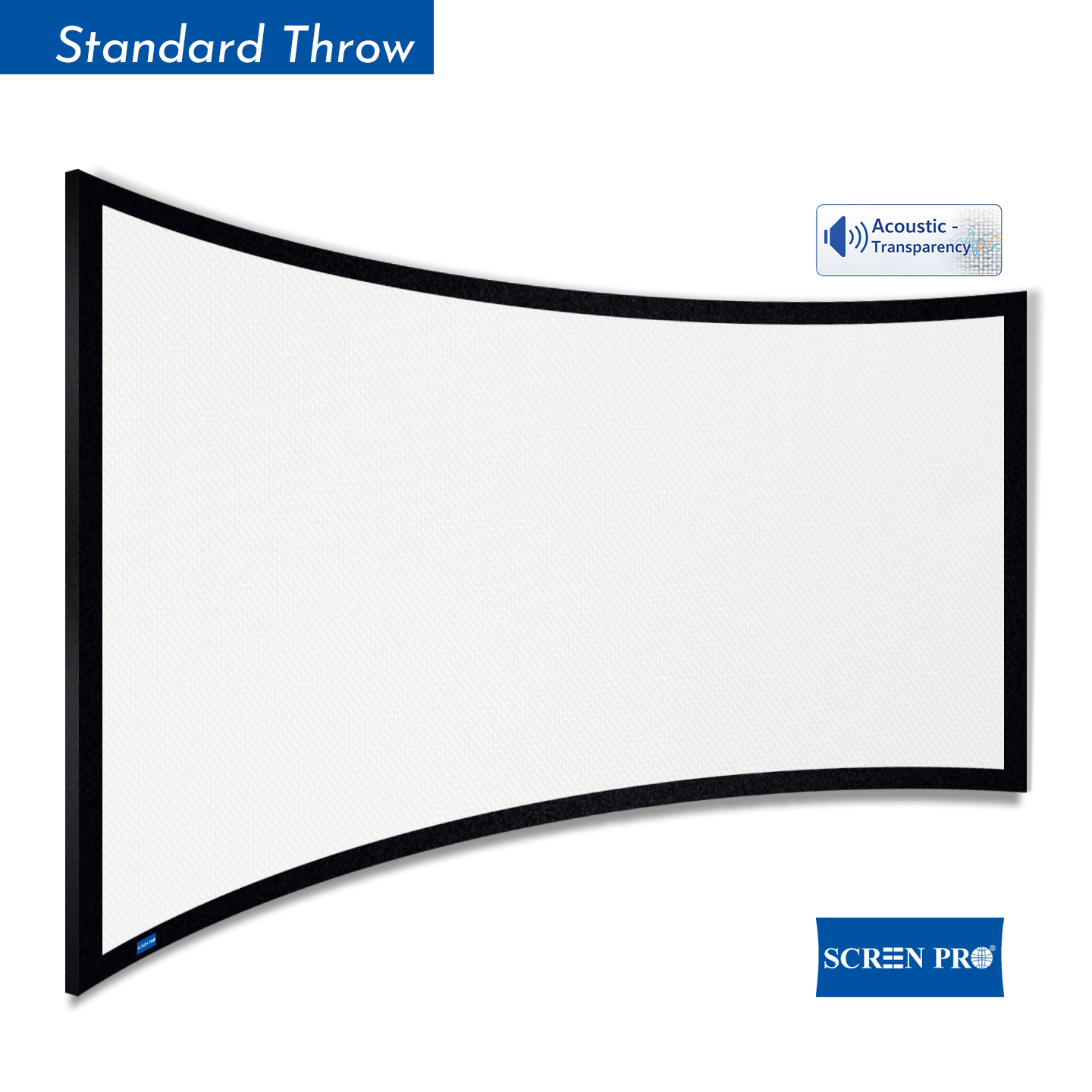
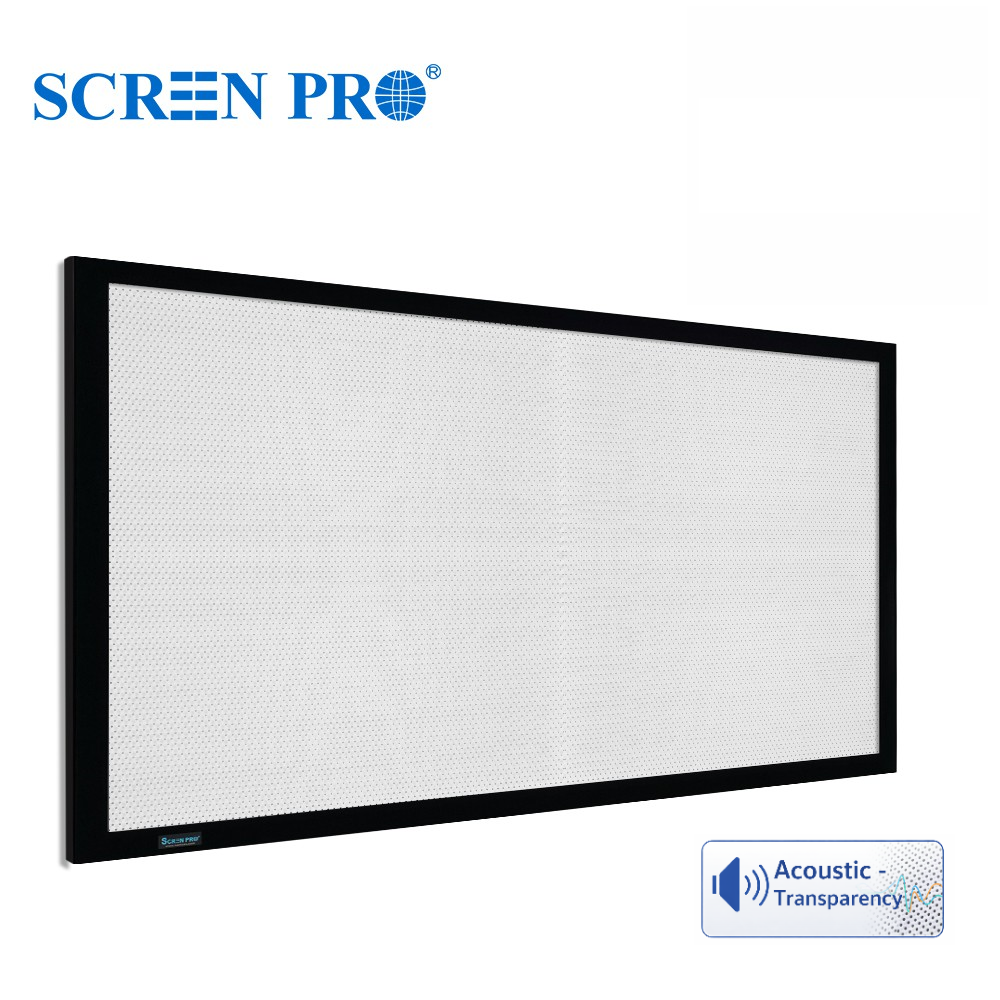
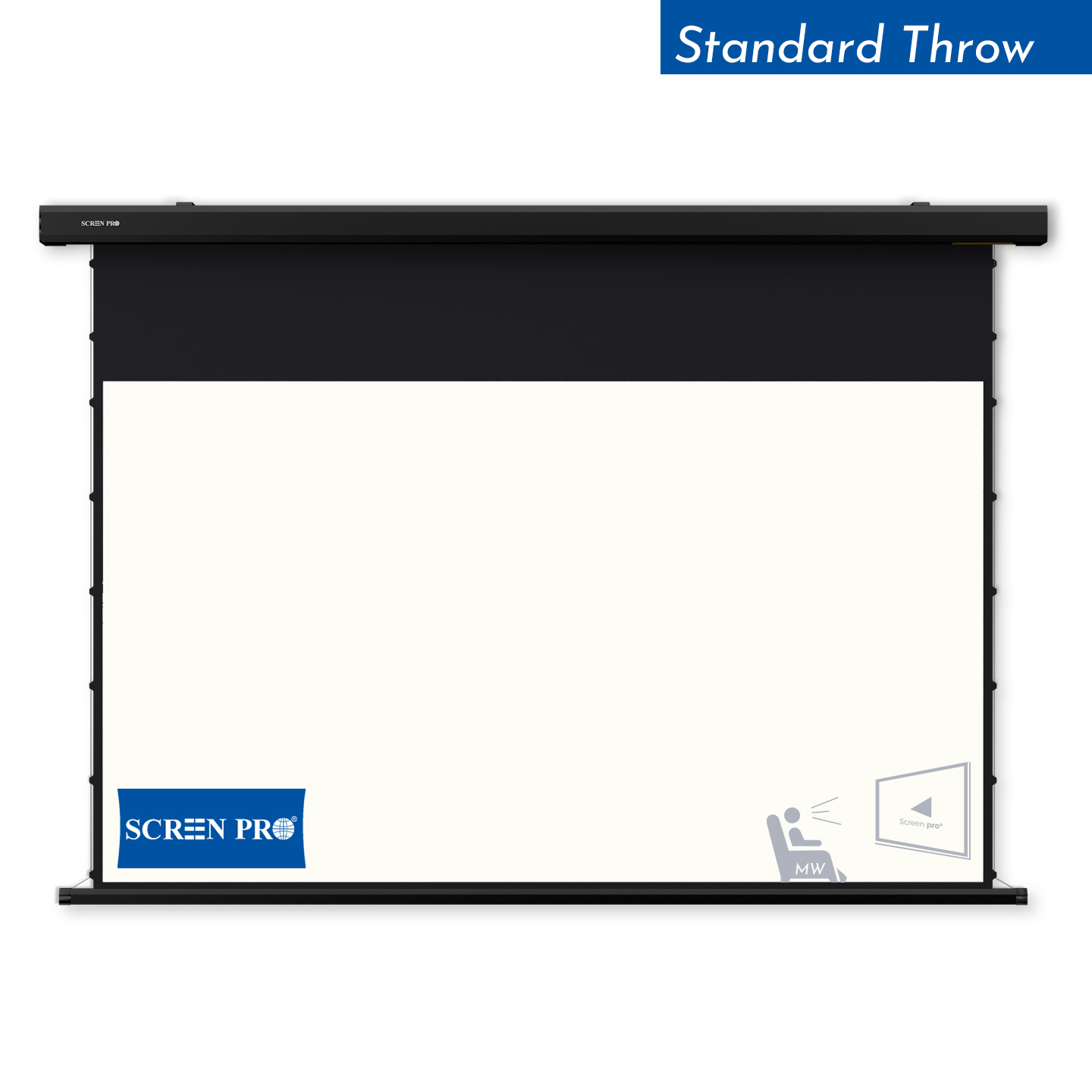
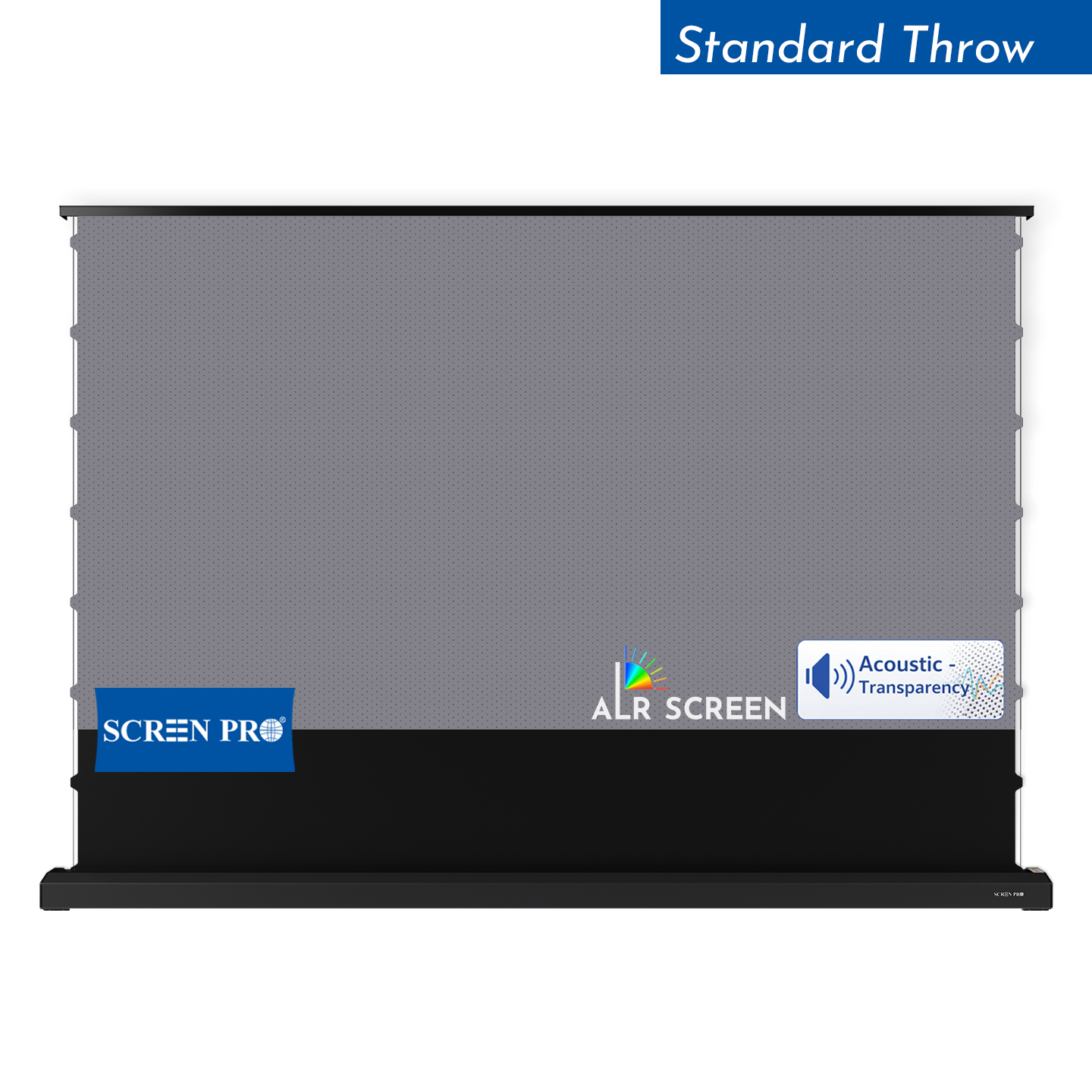
View Long-Throw ALR →Choose motorized, ceiling-recessed, fixed frame, or floor rising formats depending on room layout.
Explore SCREENPRO Screens →Many users try to solve washed-out images by buying a brighter projector. This can improve highlights, but it does not automatically restore contrast.
If the screen is reflecting ambient light back to your eyes, even a brighter projector may still look flat during the day.
A better screen helps protect contrast by improving how the projection surface handles room light.
For ultra-short-throw laser TV projectors, choose UST ALR. For standard long-throw projectors, choose long-throw ALR or high-contrast material. This avoids choosing the wrong optical surface for your setup.
Different rooms require different installation styles. The screen material matters, but the screen format also affects the final user experience.
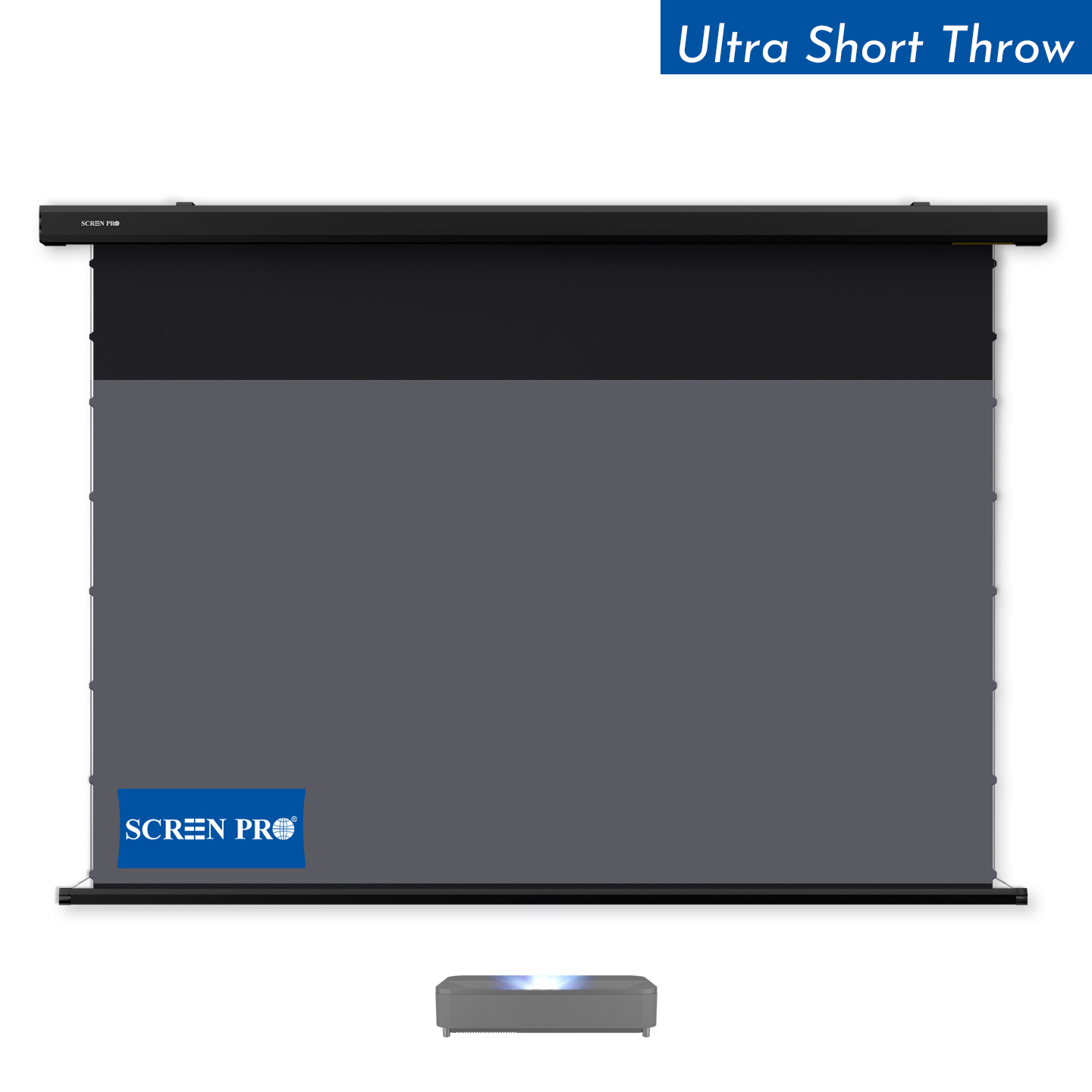
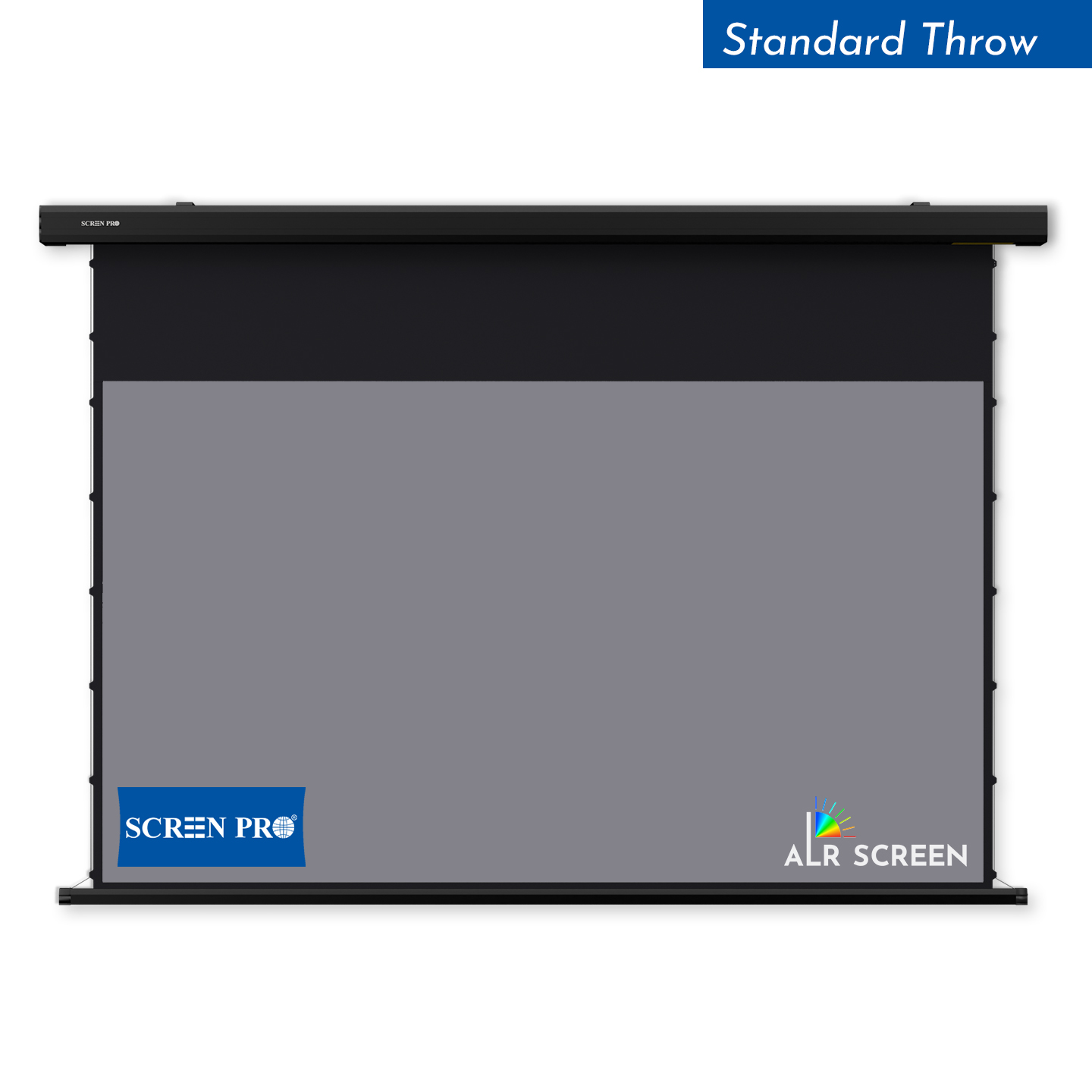
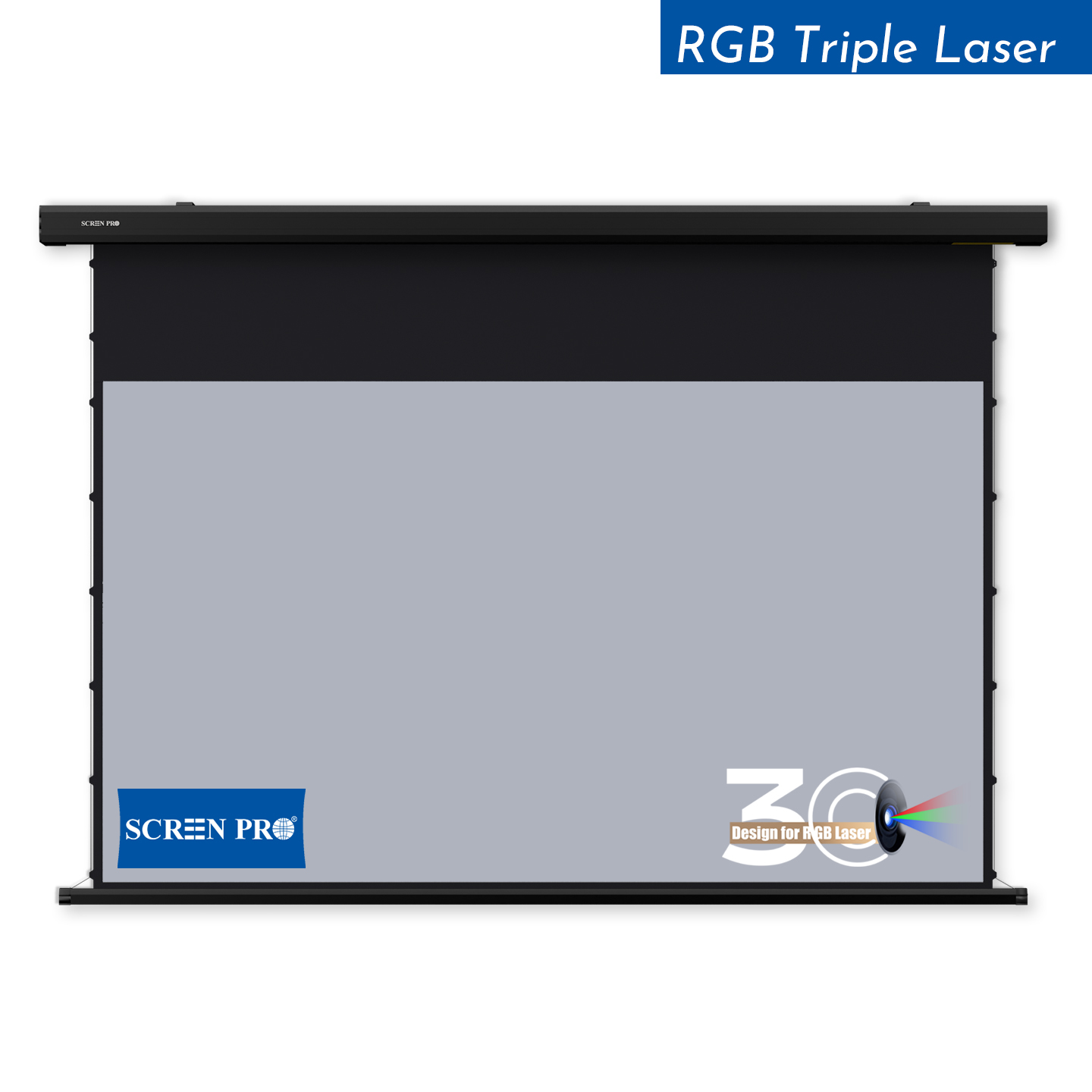
A good choice for premium home cinema rooms where flatness, clean operation, and a retractable design are important.
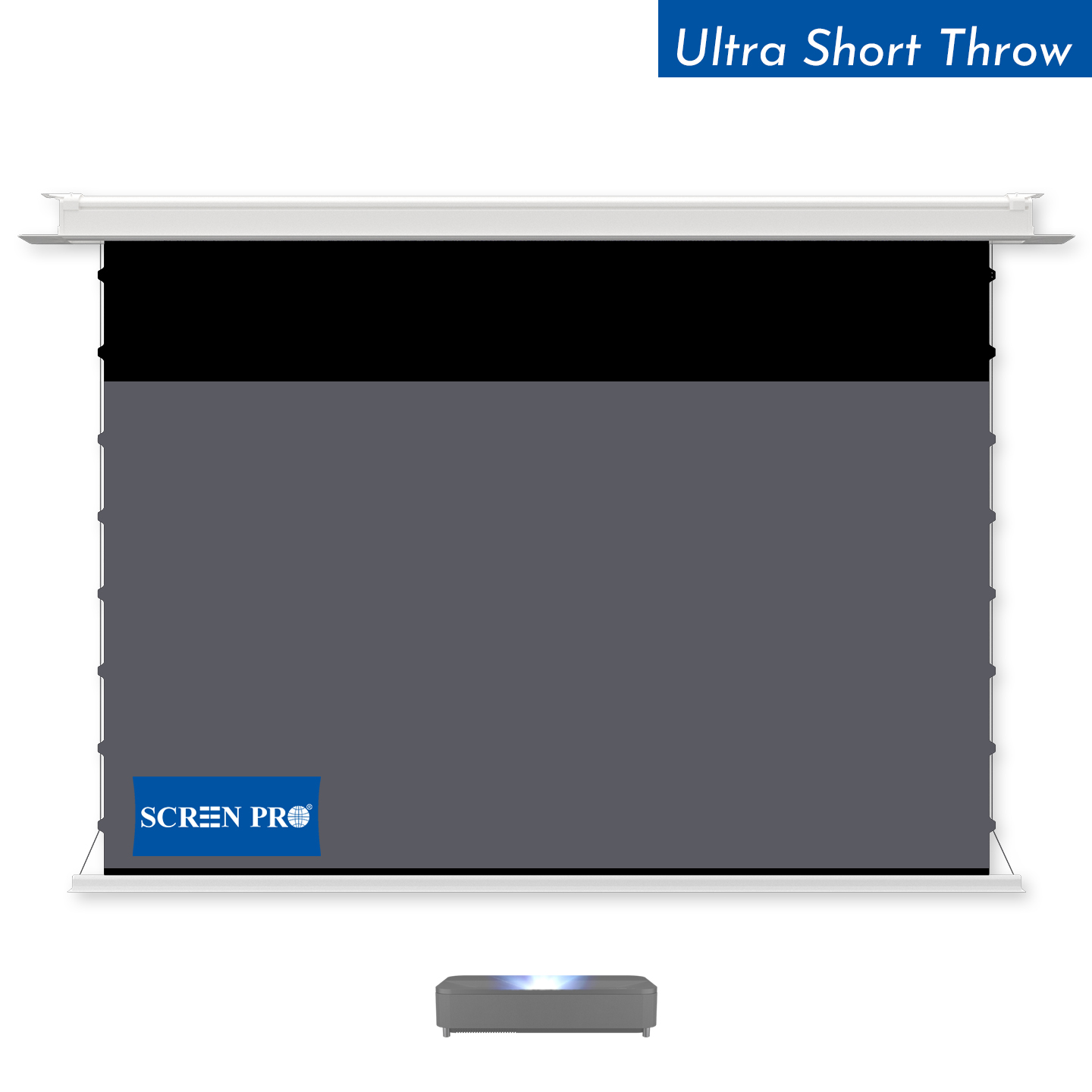
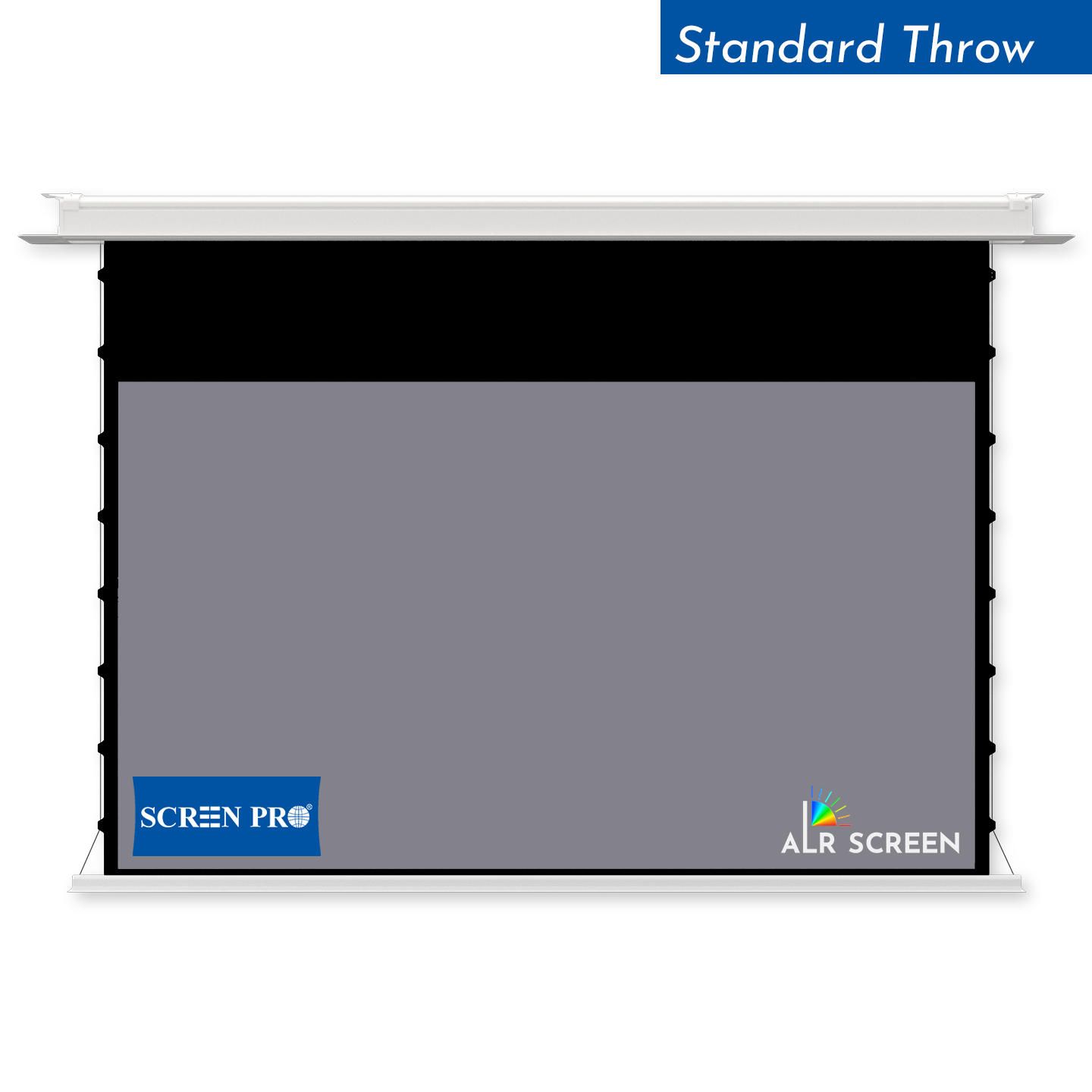
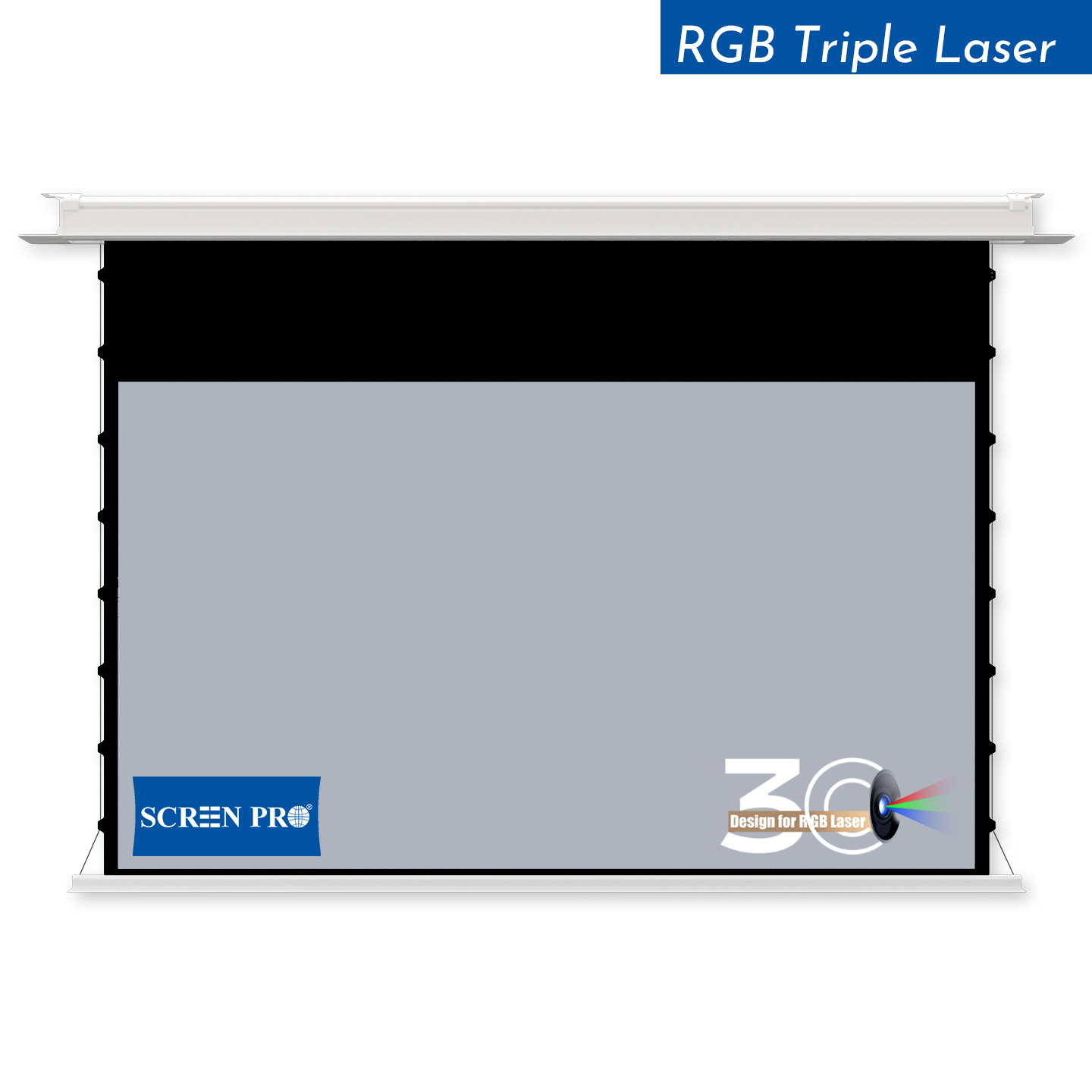
View Motorized UST ALR →Ideal for modern interiors where the screen should disappear into the ceiling when not in use.
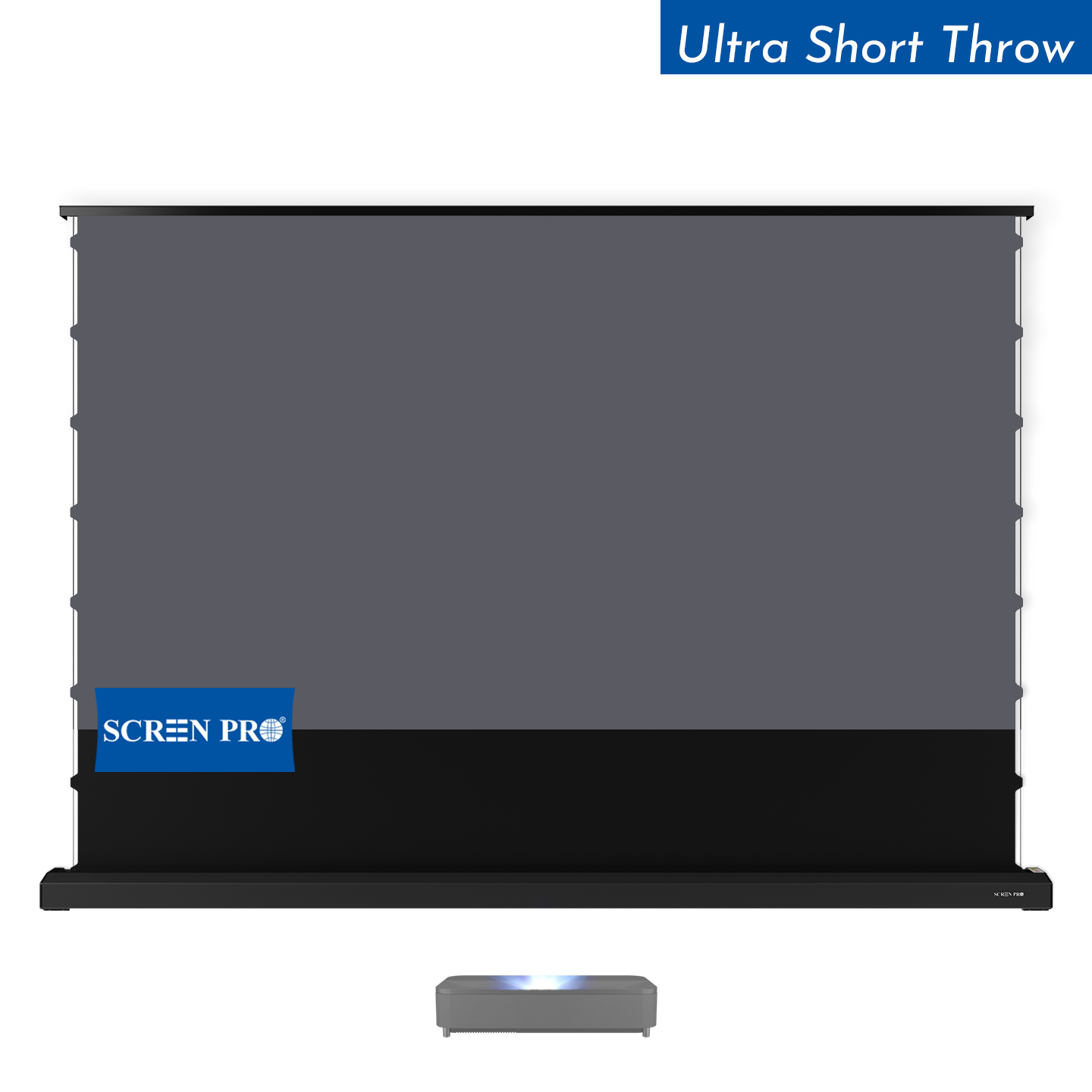
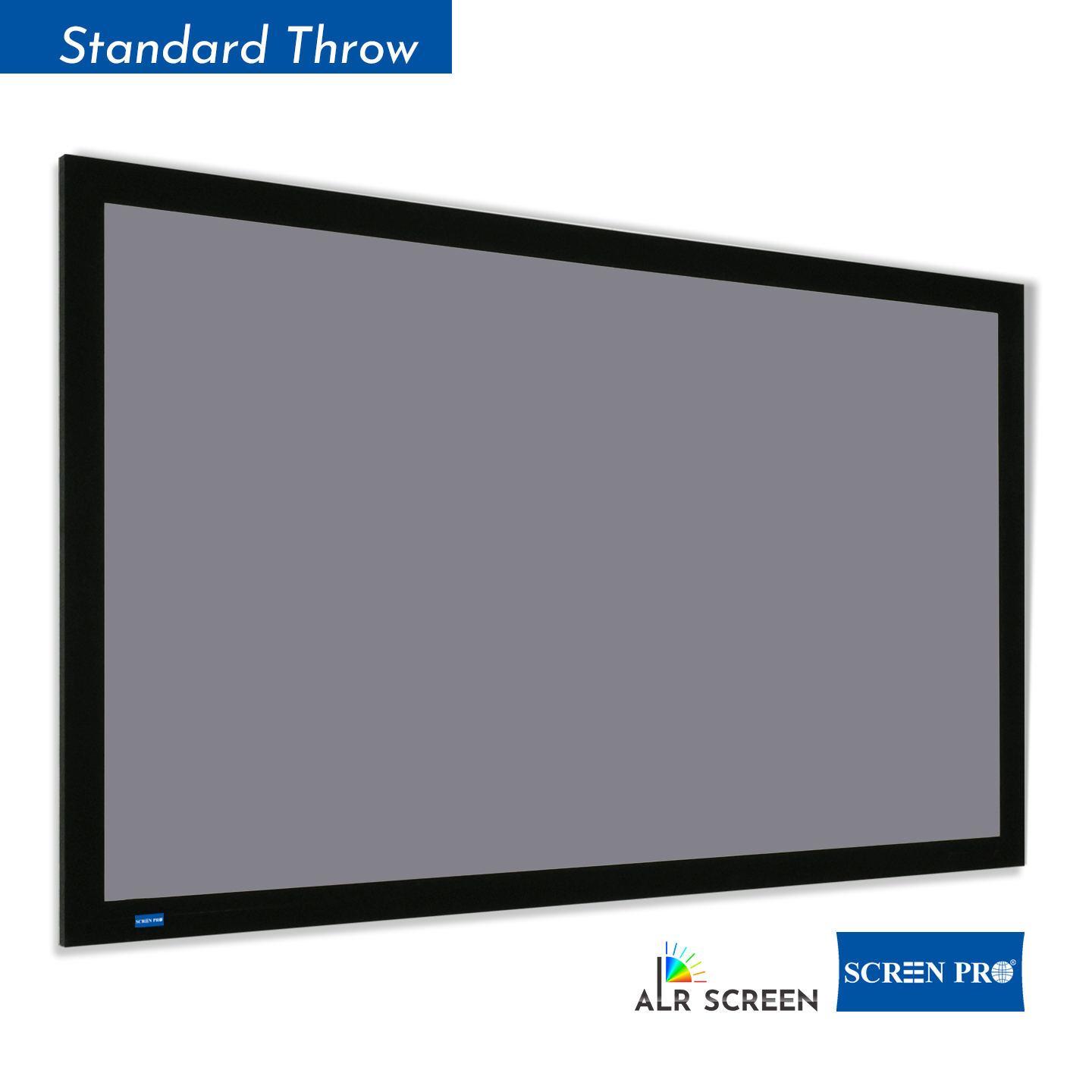
View Ceiling-Recessed Screen →Best for reference-level flatness and dedicated room setups where the screen remains permanently installed.
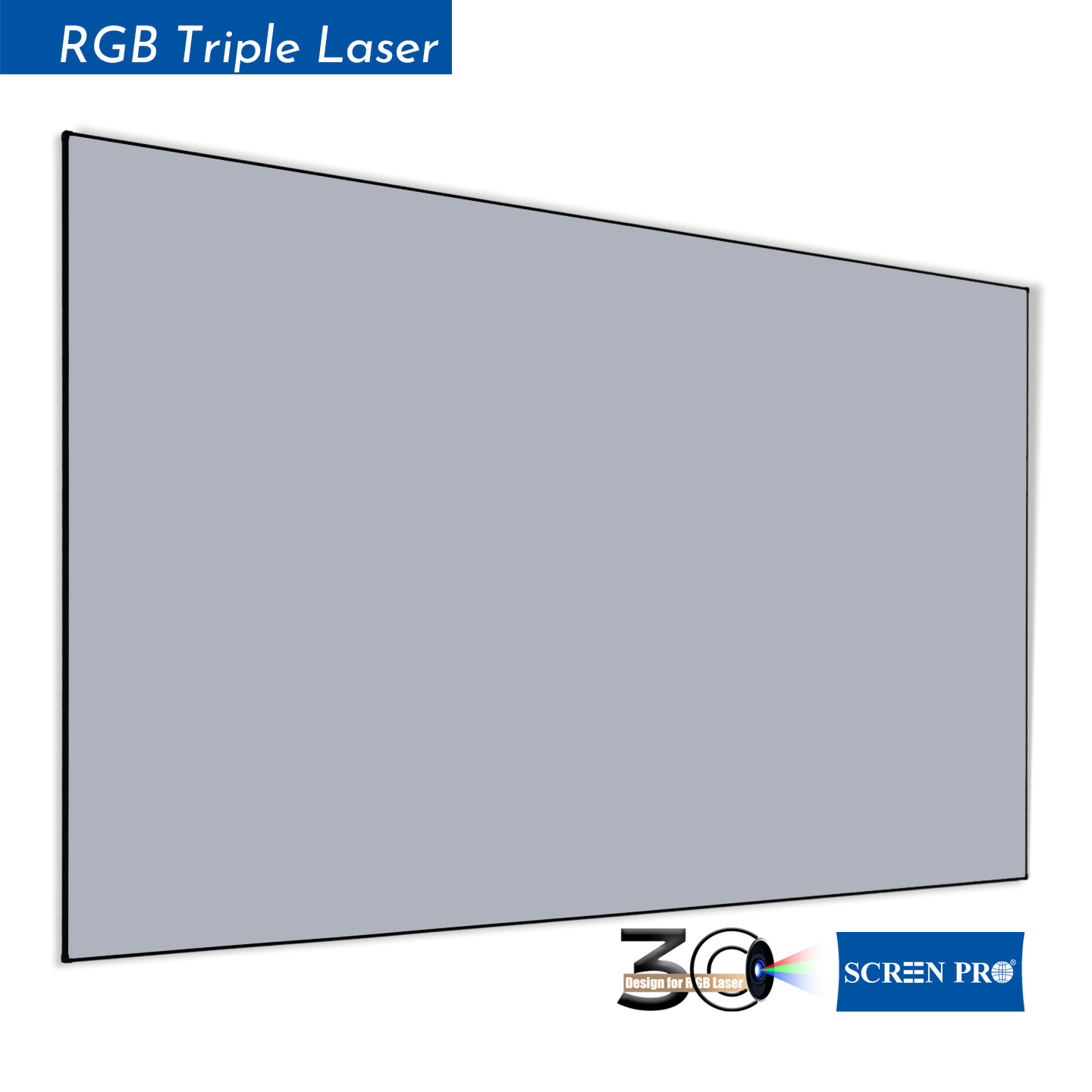
View Fixed Frame UST ALR →If your image looks washed out in a bright room, do not judge the projector alone. The screen surface plays a major role in perceived contrast, color depth, and image clarity.
For dark rooms, a standard screen can still work well.
For living rooms, daylight environments, or rooms with uncontrolled ambient light, a bright-room projection screen or ALR screen is usually the better solution.
The right choice starts with three questions:
• Is your projector ultra-short-throw or long-throw?
• How much ambient light is in the room?
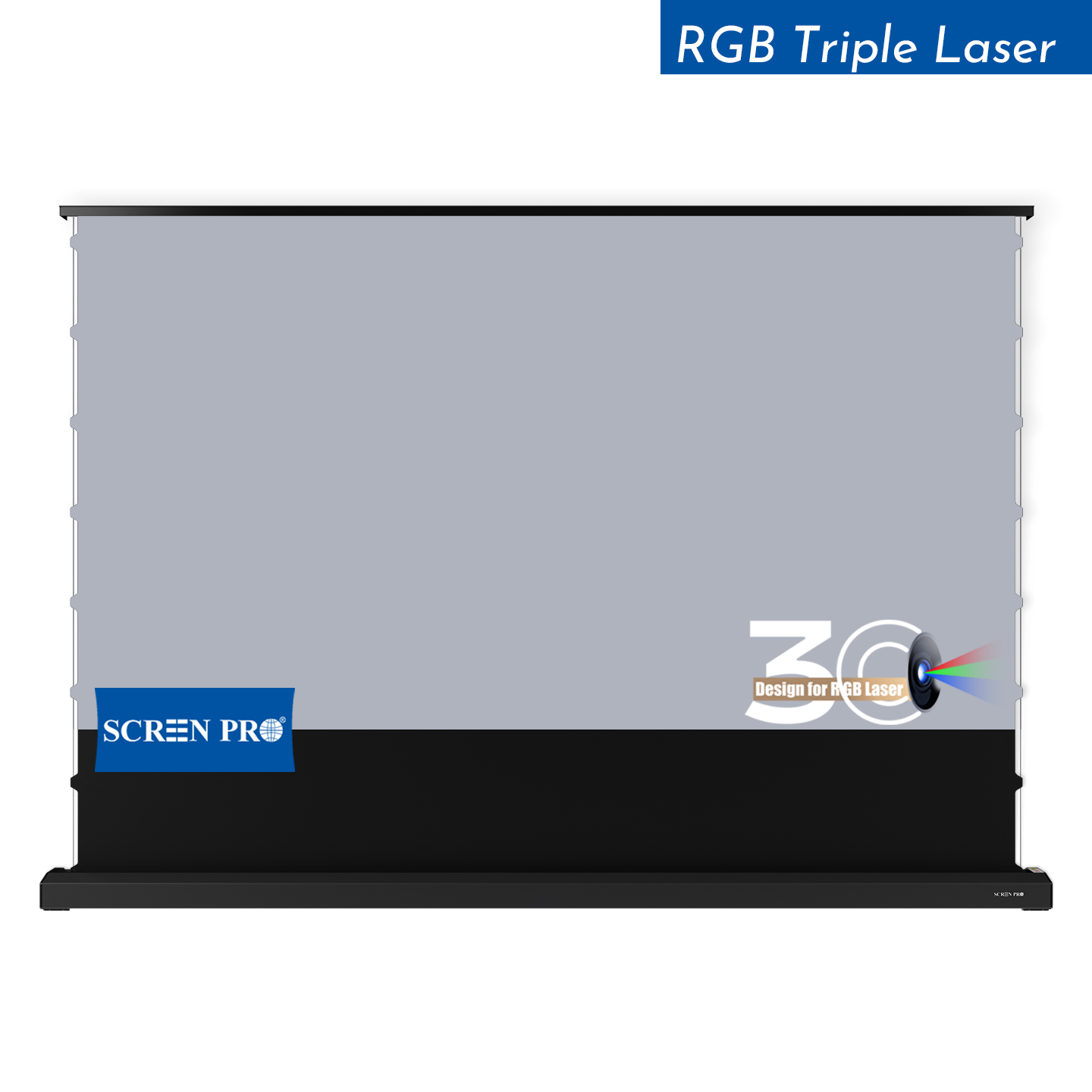
• Do you prefer fixed frame, motorized, ceiling-recessed, or floor-rising installation?
Tell us your projector model, screen size, room brightness, and installation style. SCREENPRO can help recommend the correct ALR or high-contrast screen solution.





© Copyright 2004-2026 SCREEN PRO® All Rights Reserved | Specifications are subject to change without notice. All Rights ReservedSite Map Designed by iwonder.cn