




How to Select the Right Projection Screen
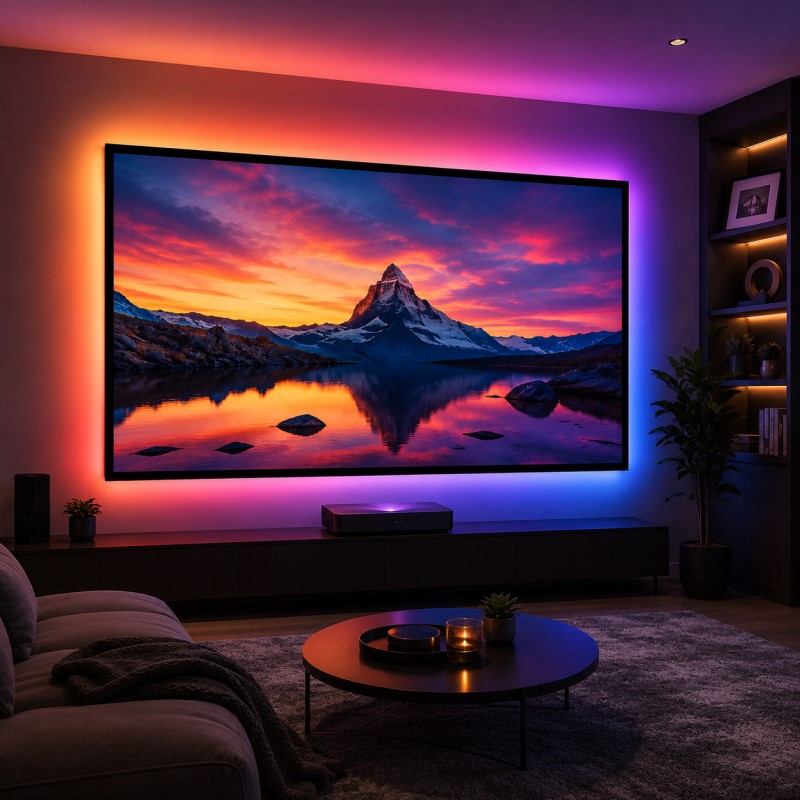
Choosing the right projection screen affects image brightness, contrast, viewing comfort, and the overall home theater or commercial presentation experience. This guide explains the key factors you should compare before buying a projector screen.
What Is a Projection Screen?
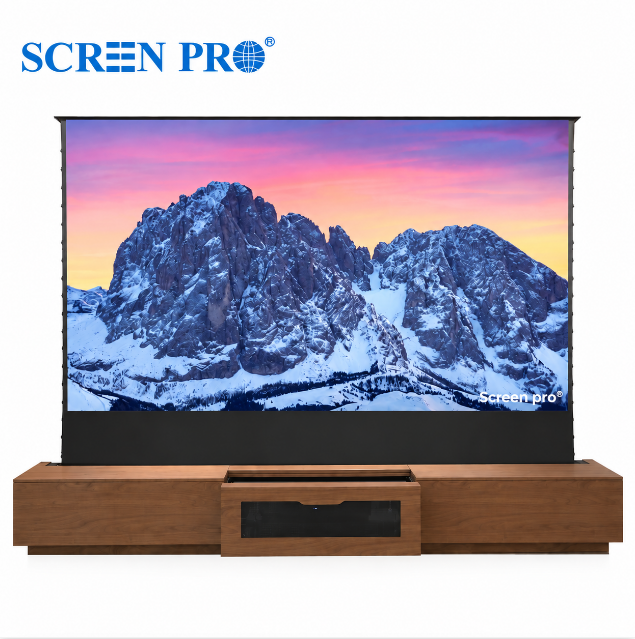
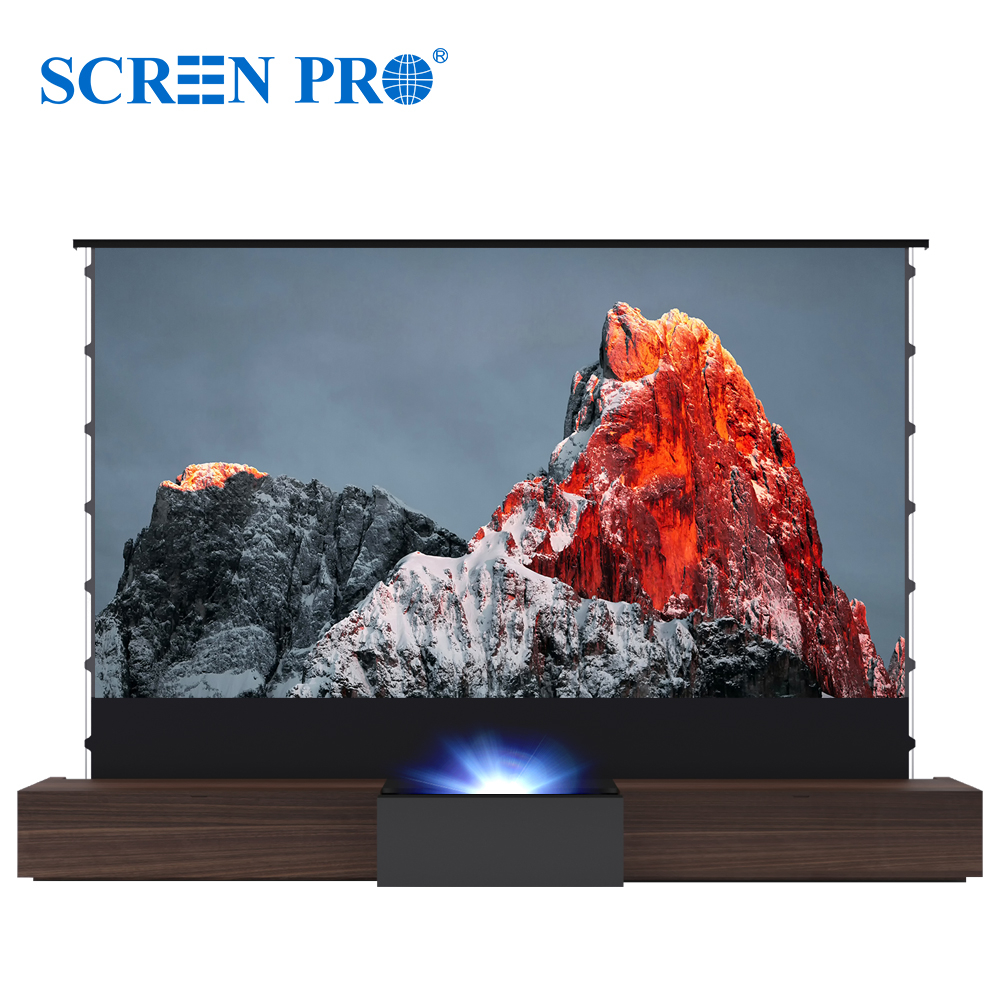
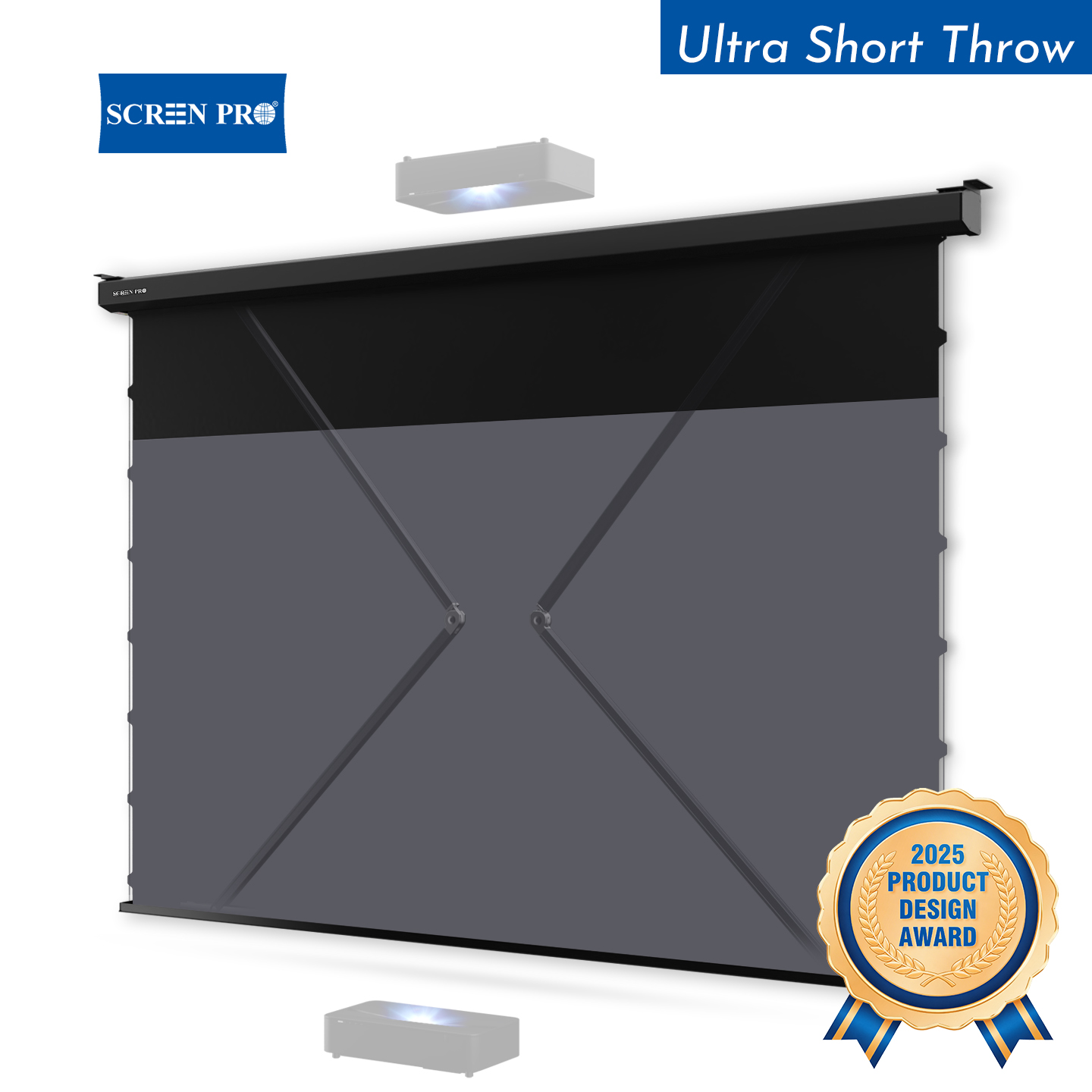
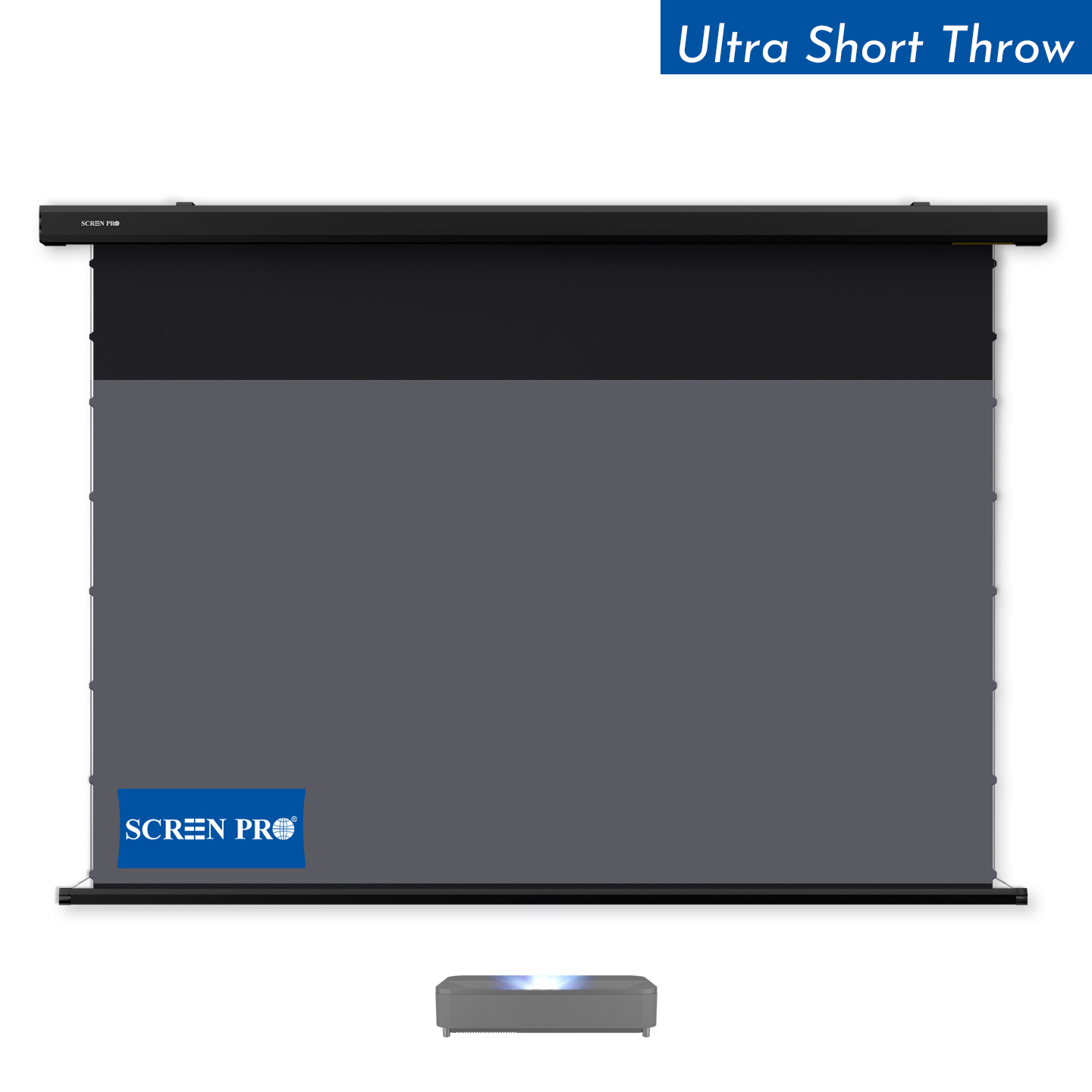
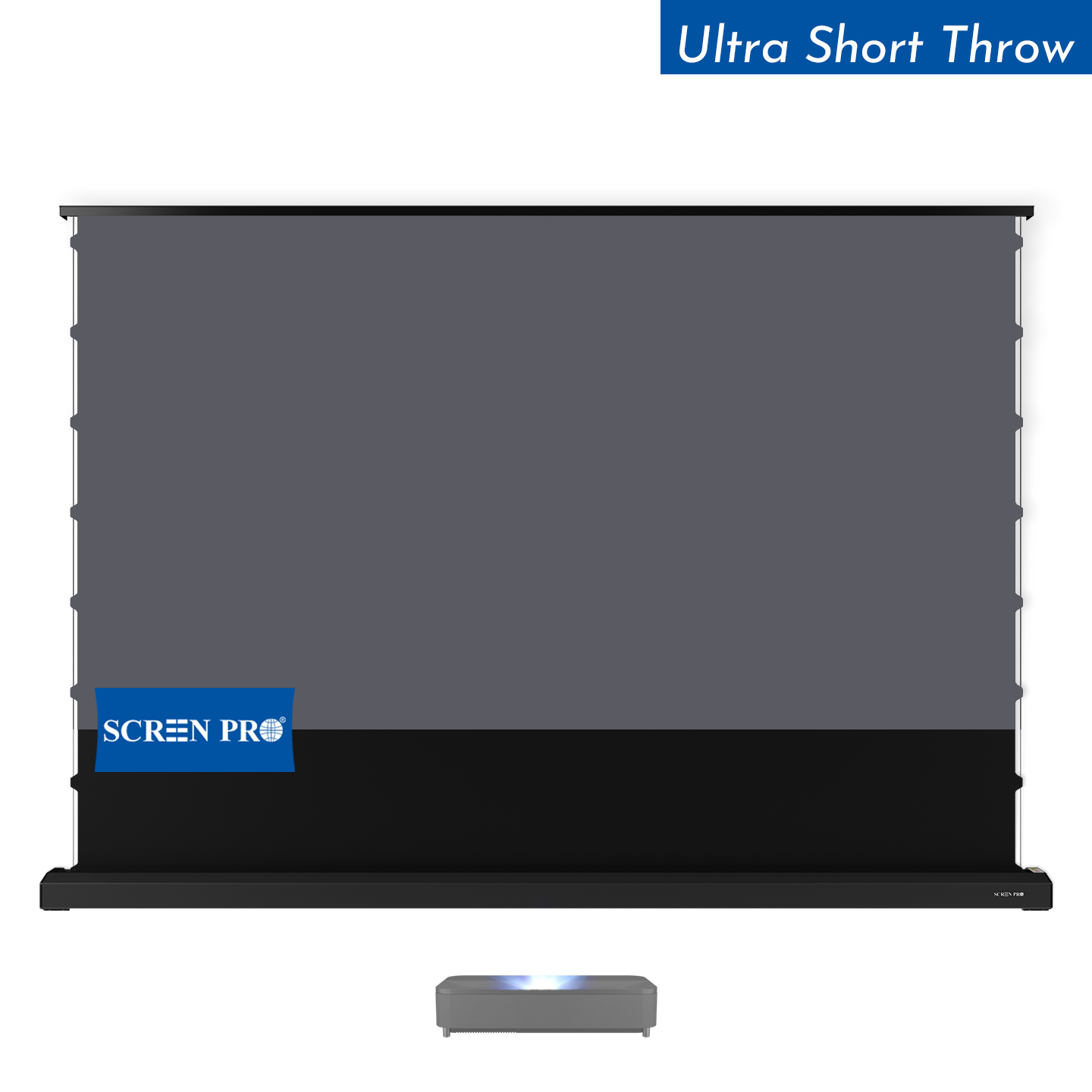
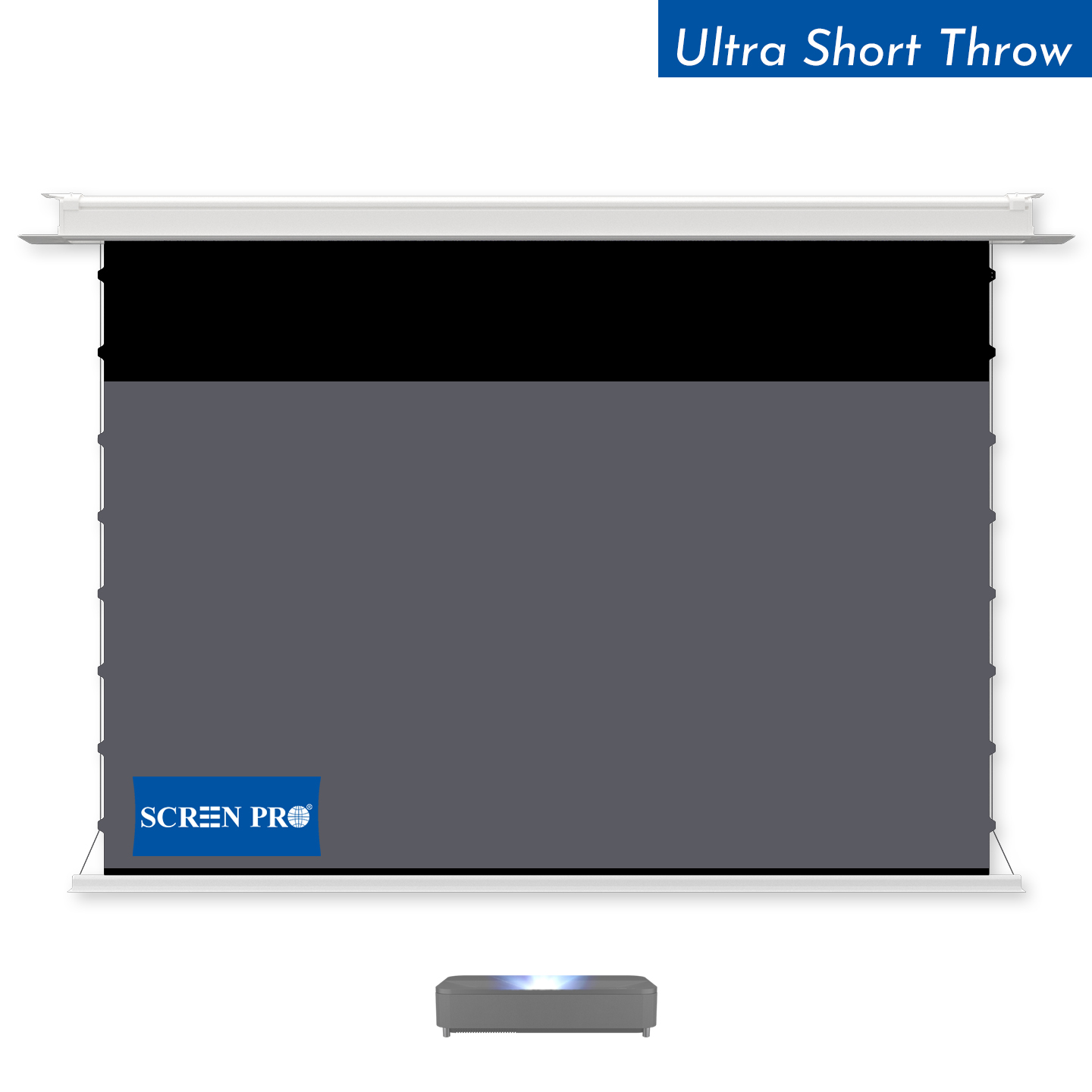
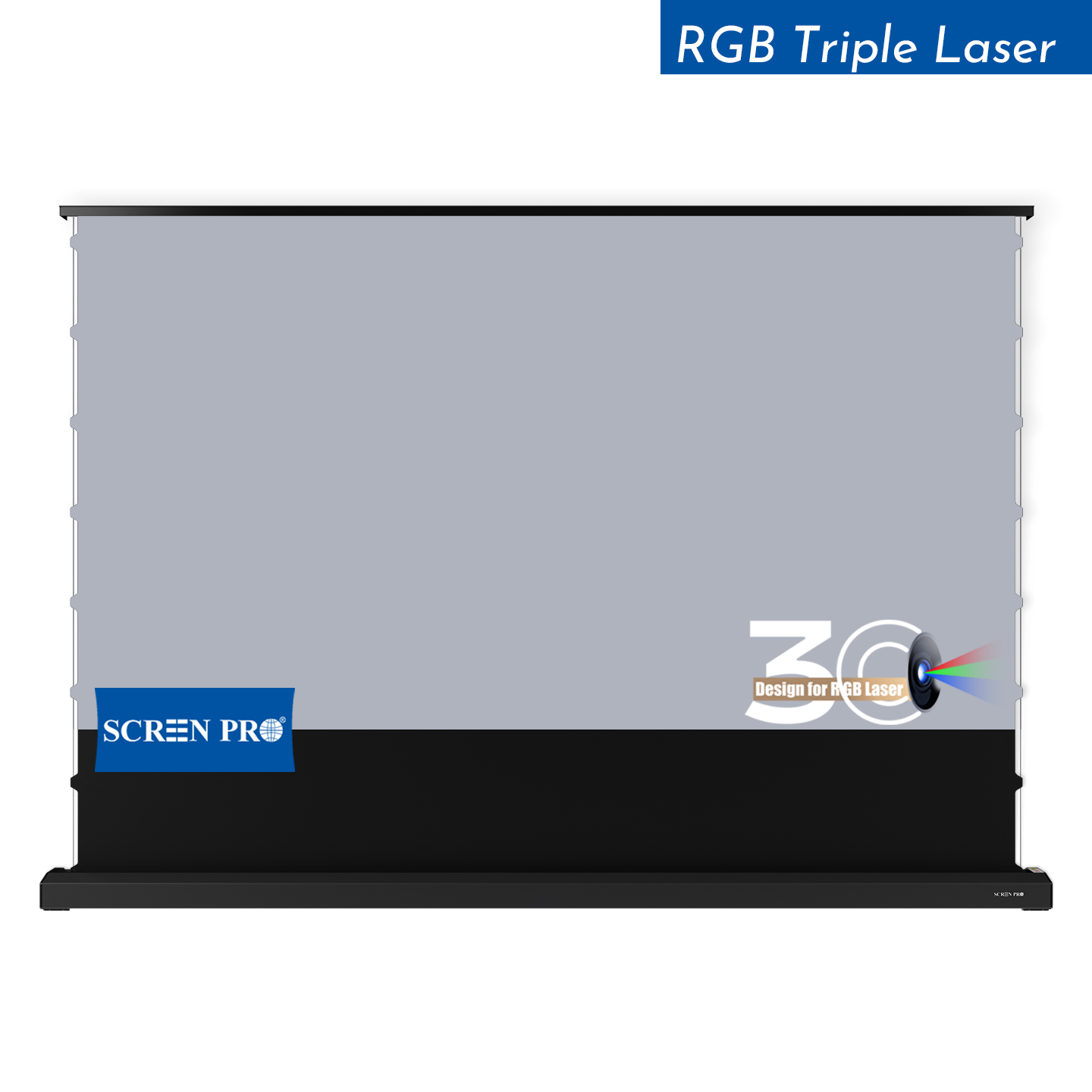
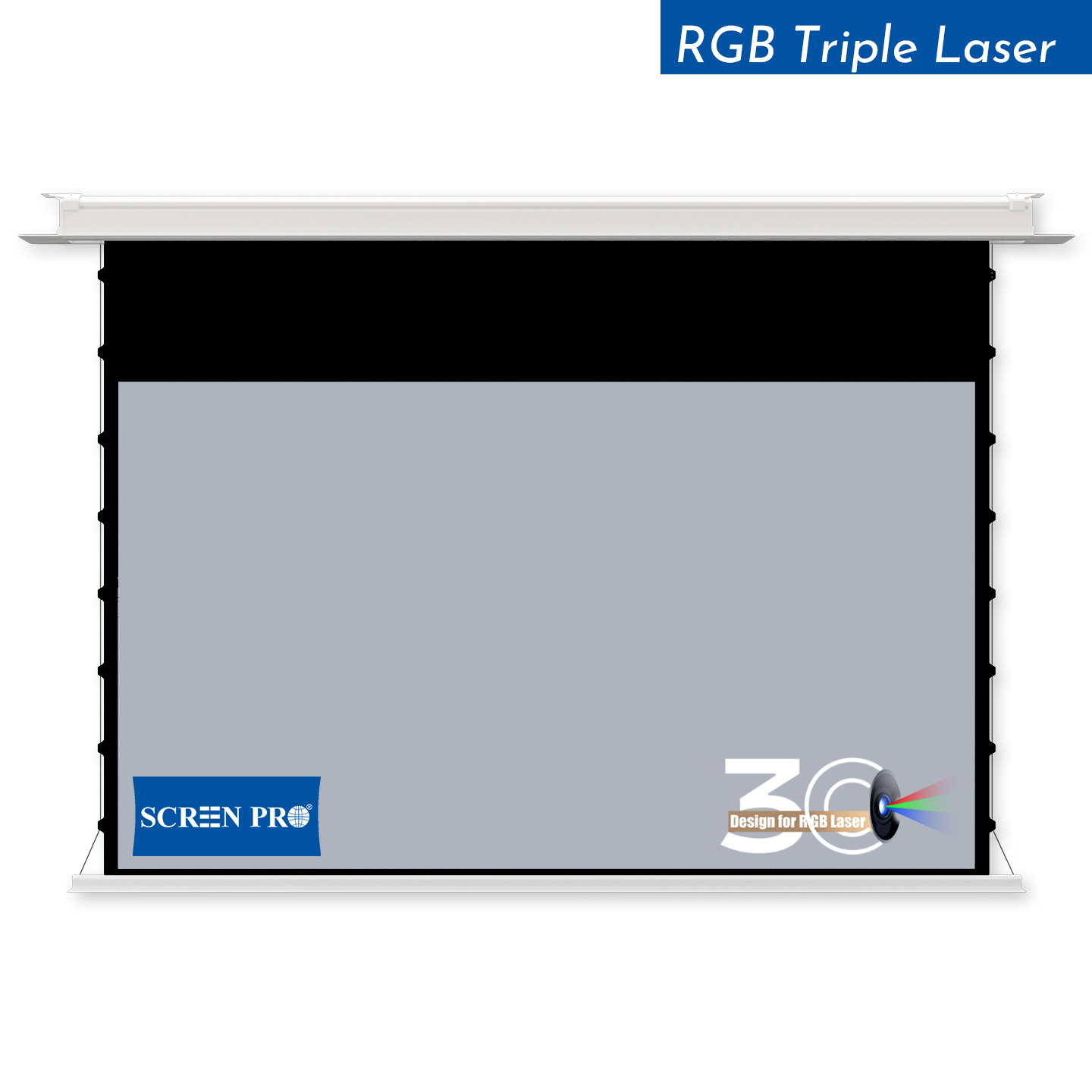
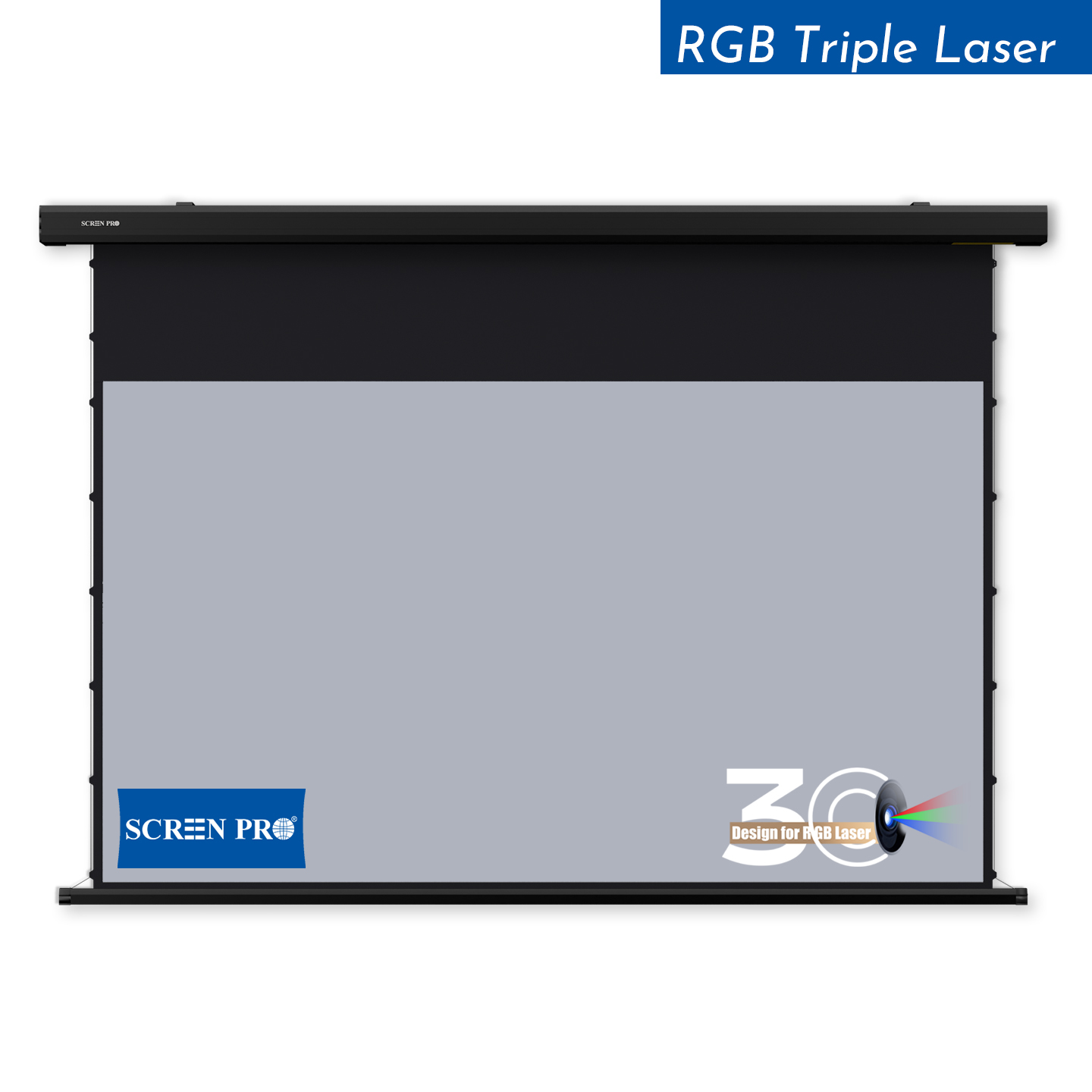
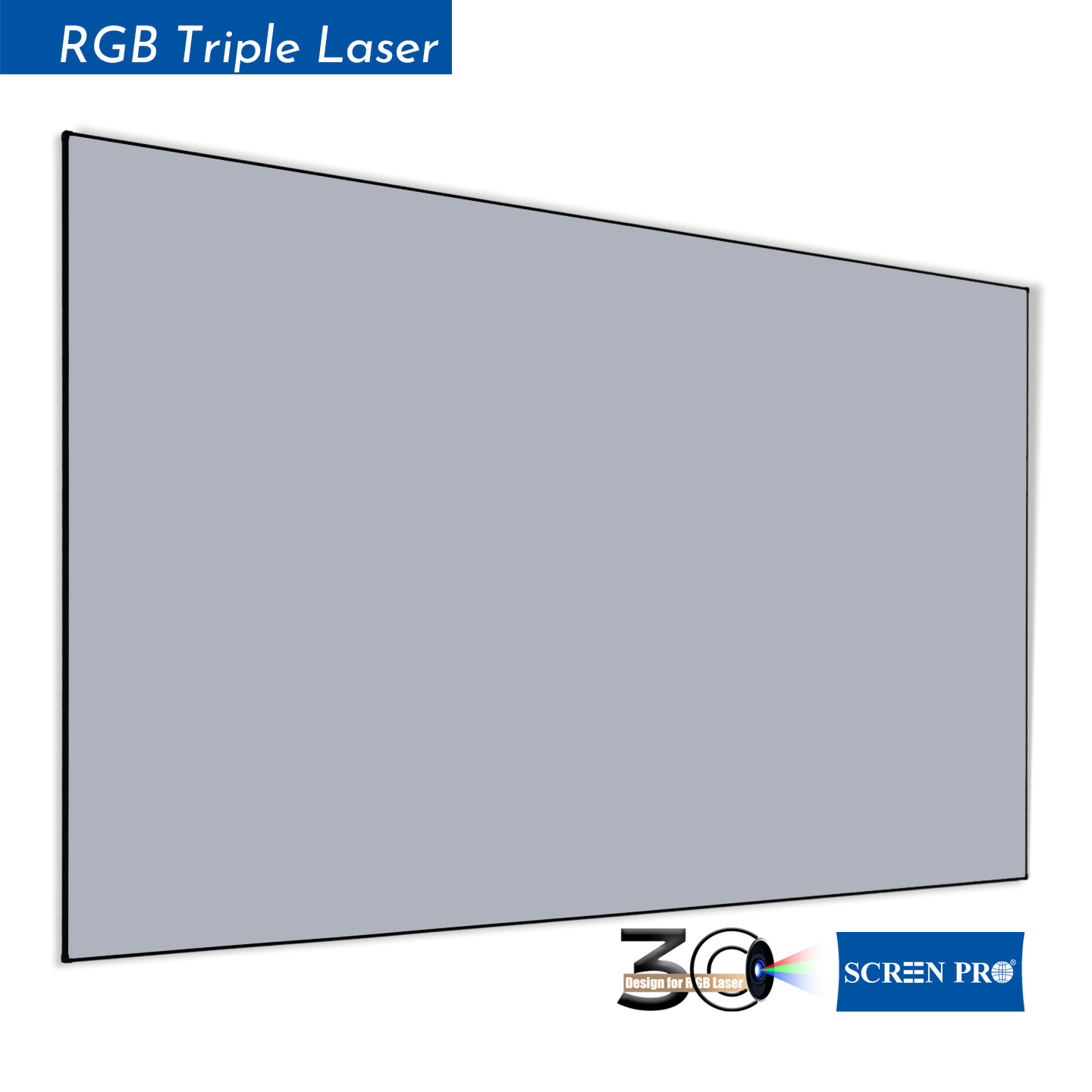
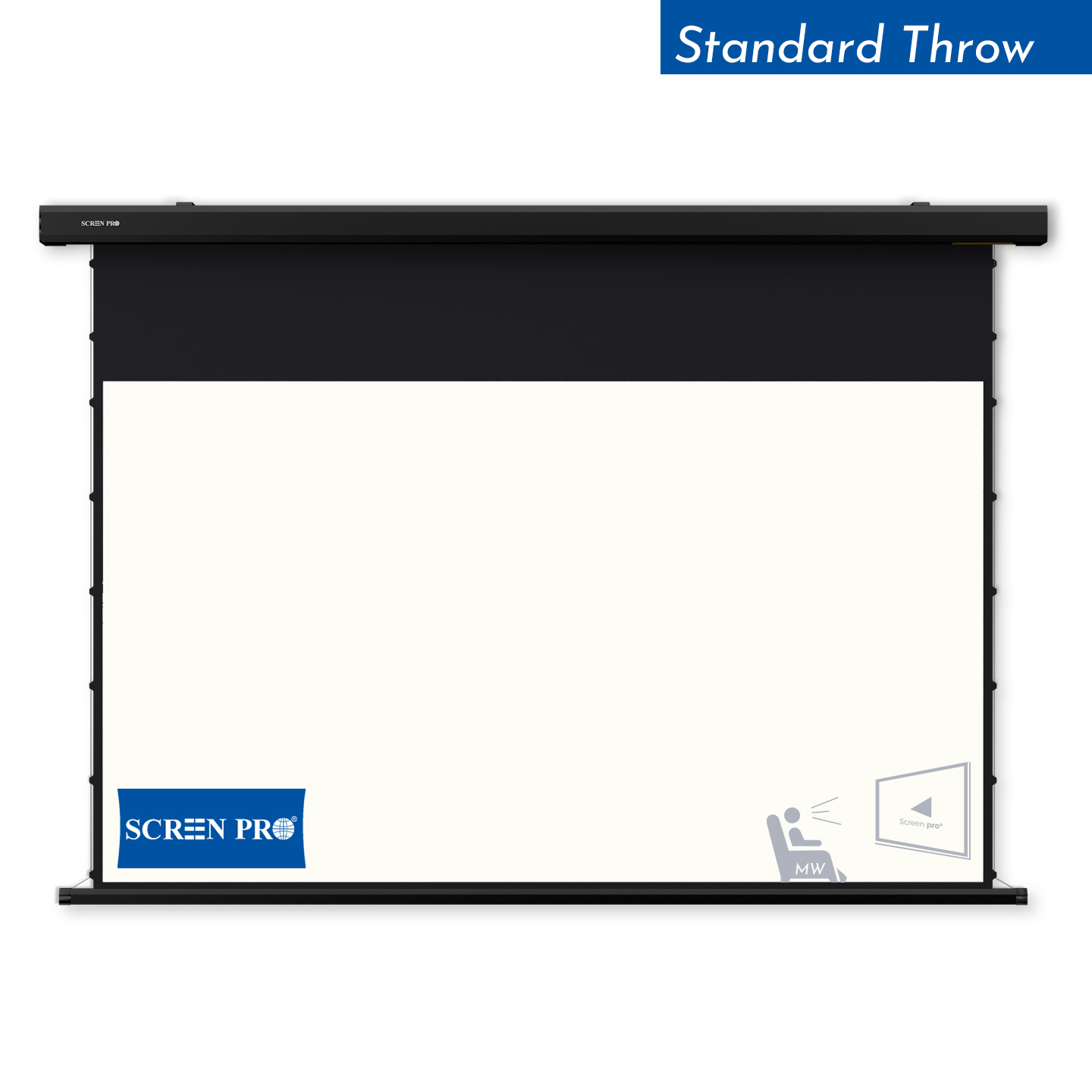
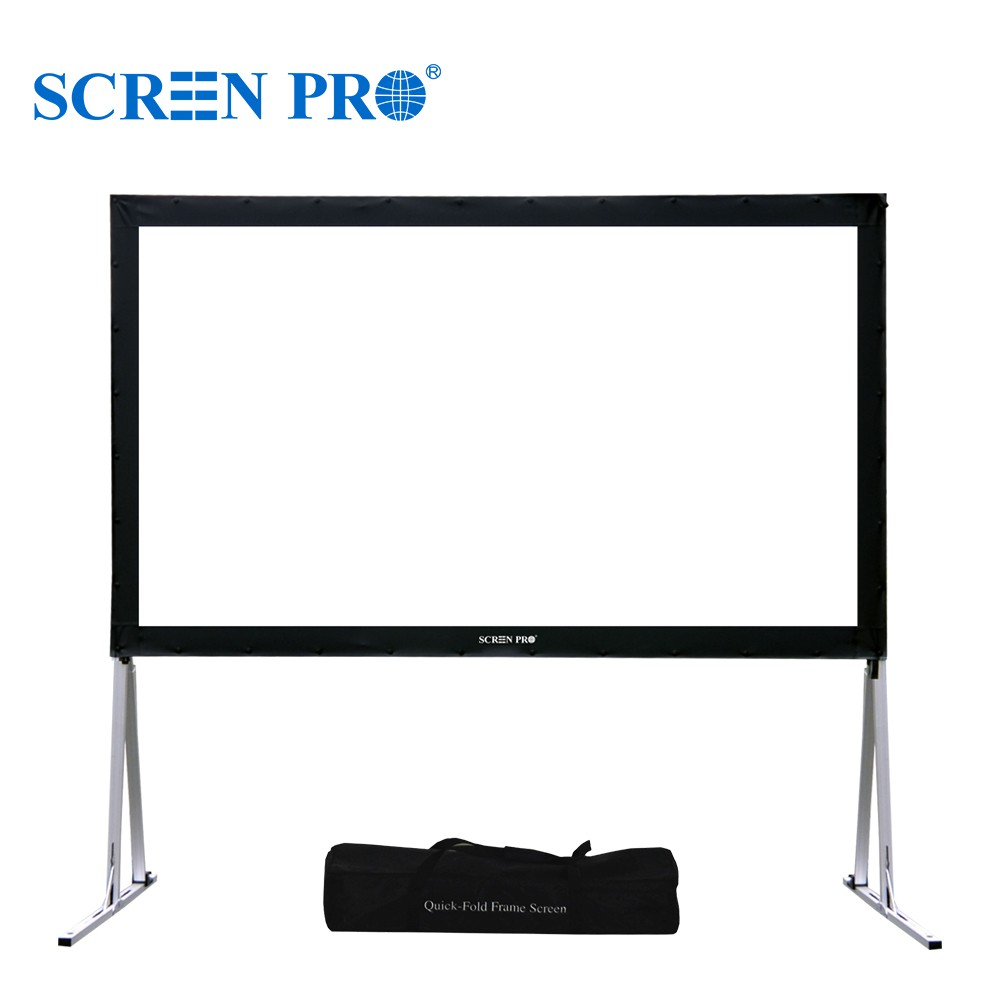
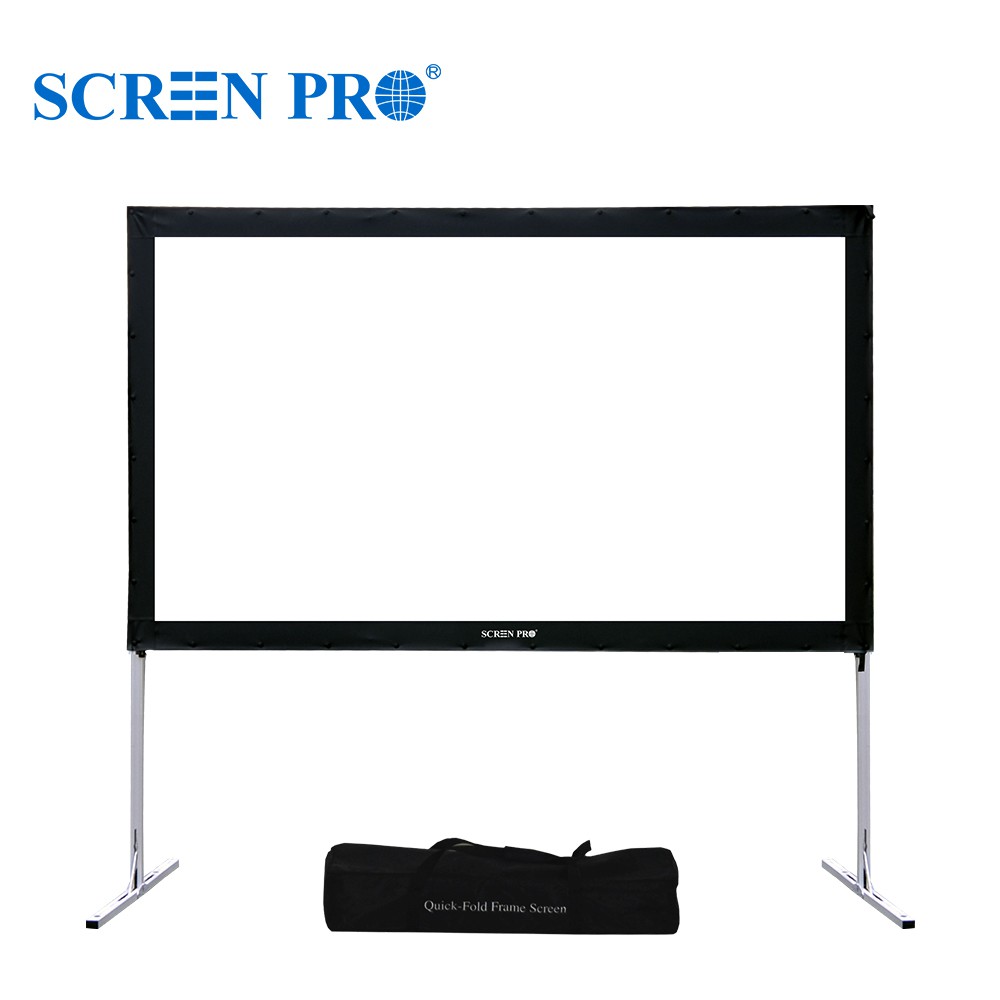
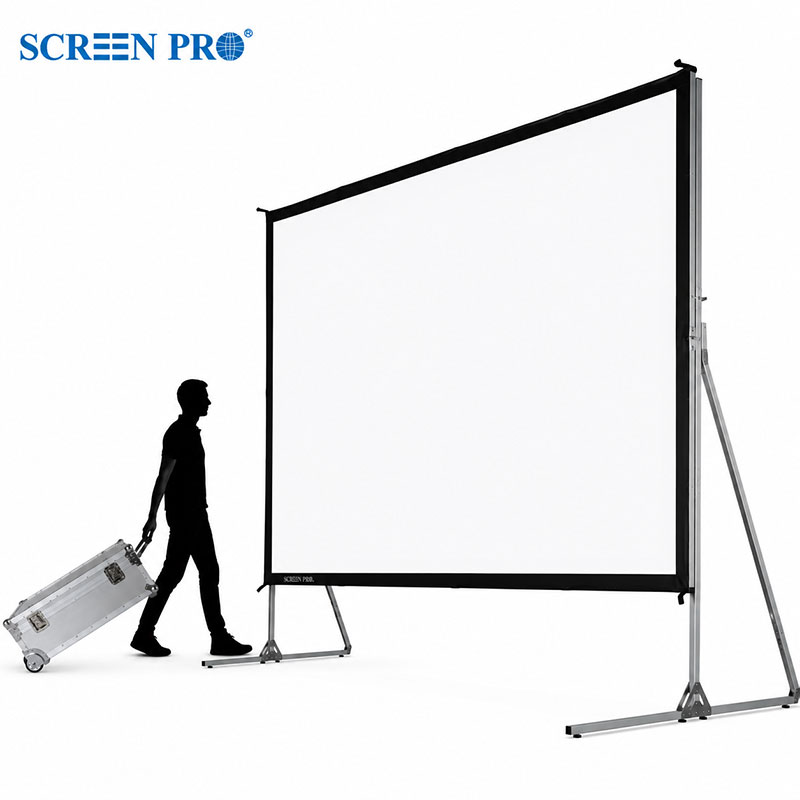
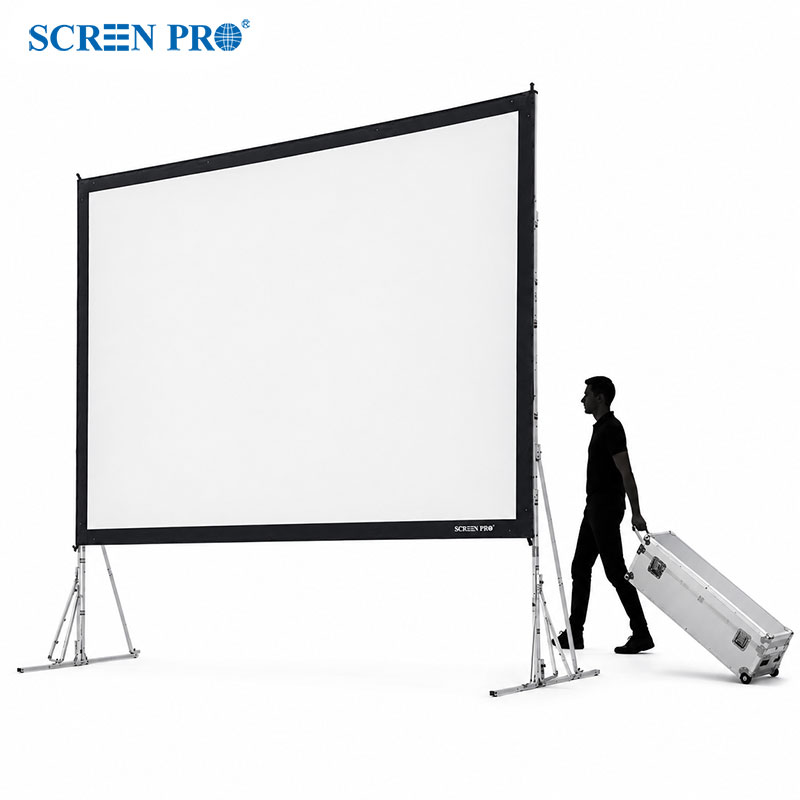
A projection screen is a display surface with a supporting structure designed to reflect projected images to the audience. It can be permanently installed in a home theater, conference room, classroom, or cinema, or used as a portable screen for temporary applications.
The screen material directly affects screen gain, ambient light rejection, viewing angle, black level, color performance, and image uniformity.
Key Factors When Choosing a Projection Screen
-
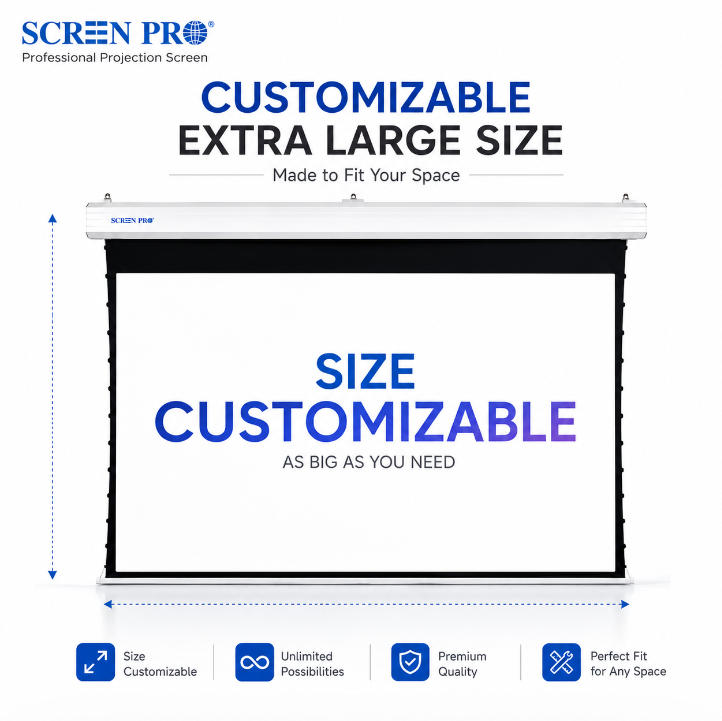
Screen Size
Choose based on room size, seating distance, and ceiling height. -
Aspect Ratio
Match the screen format with your projector and main content type. -
Screen Gain
Higher gain increases brightness but may reduce viewing angle. -
Light
There will be a significant difference in image quality. -
Viewing Angle
Important when viewers sit across a wide seating area. -
Screen Material
Choose based on projector type, room light, and image goals. -
Installation Type
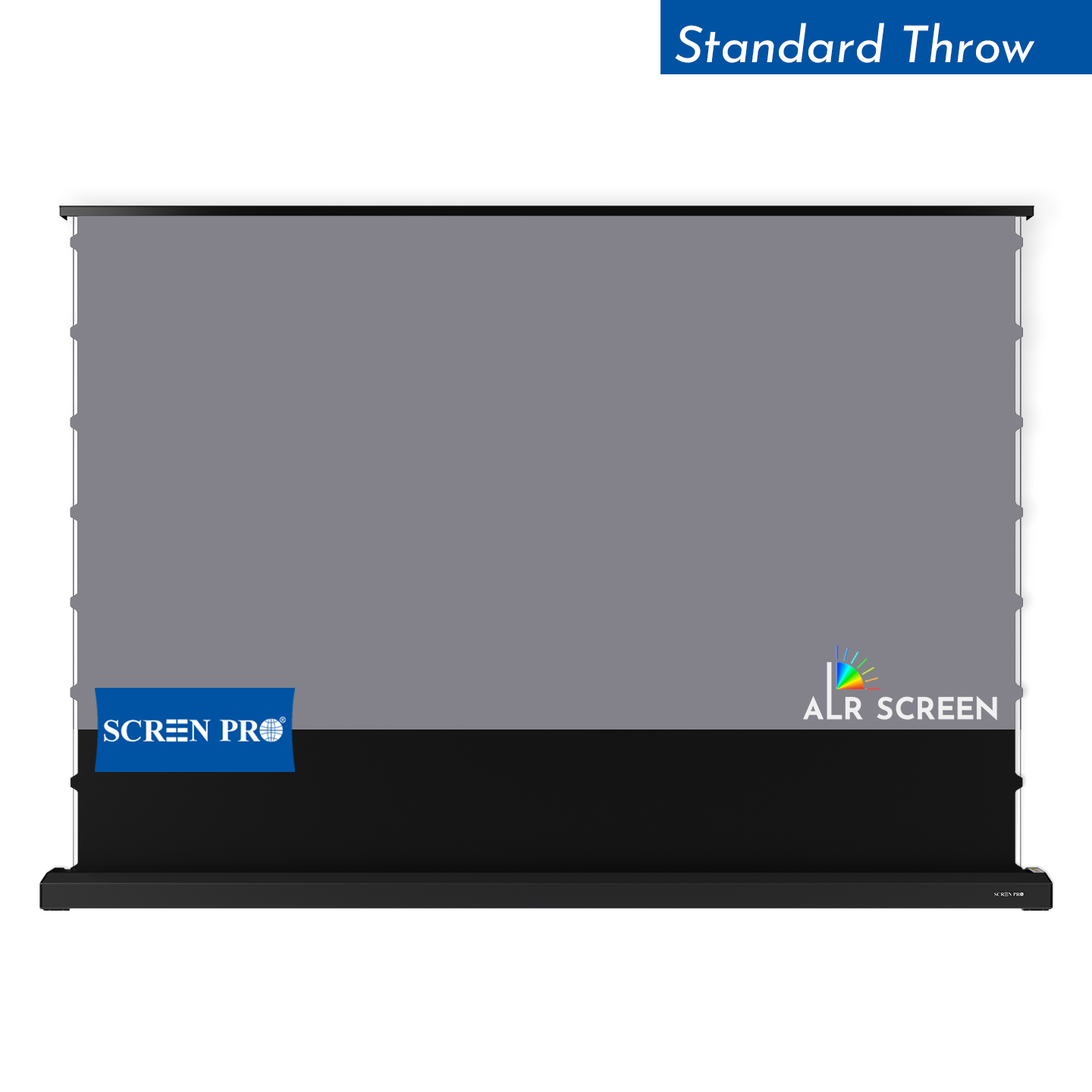
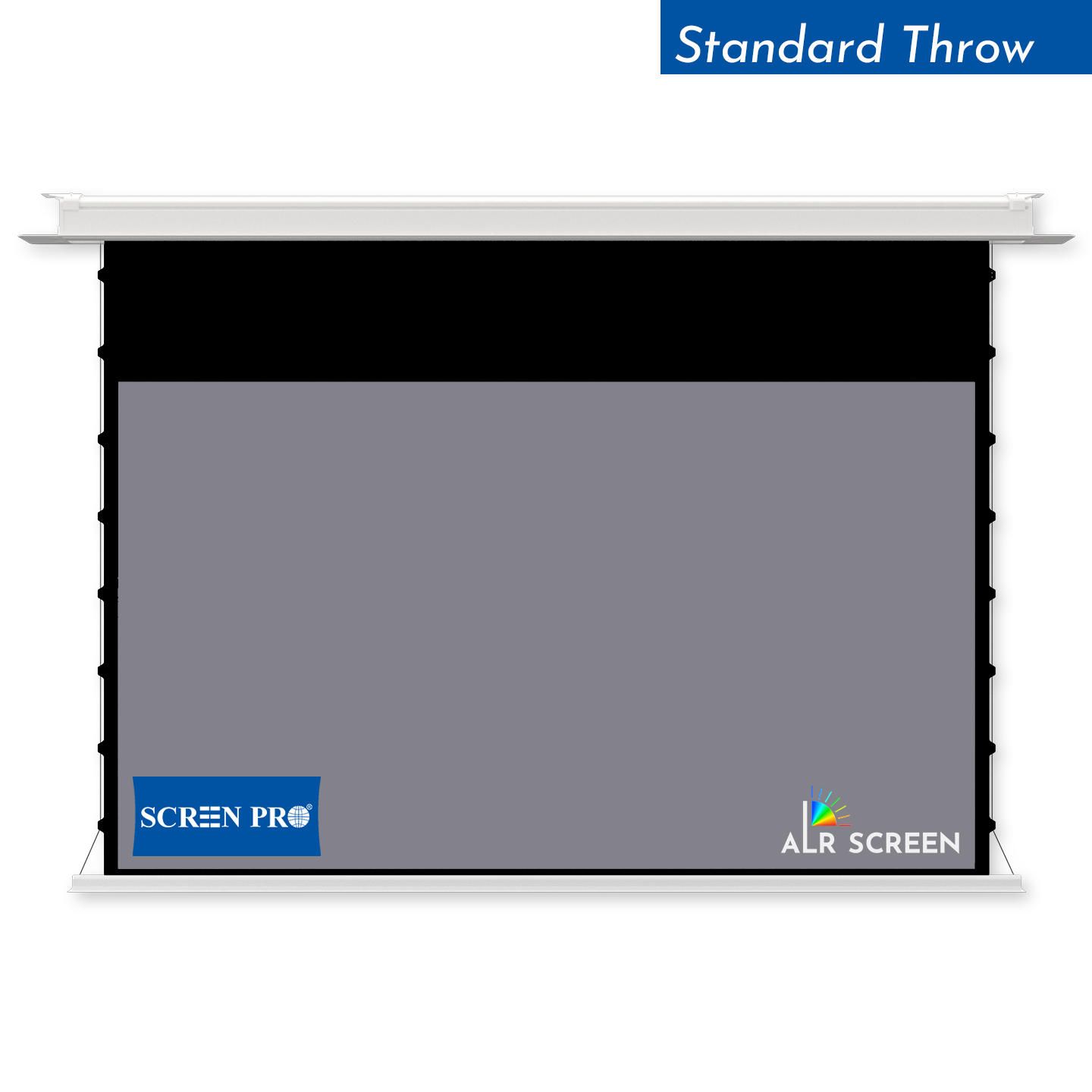
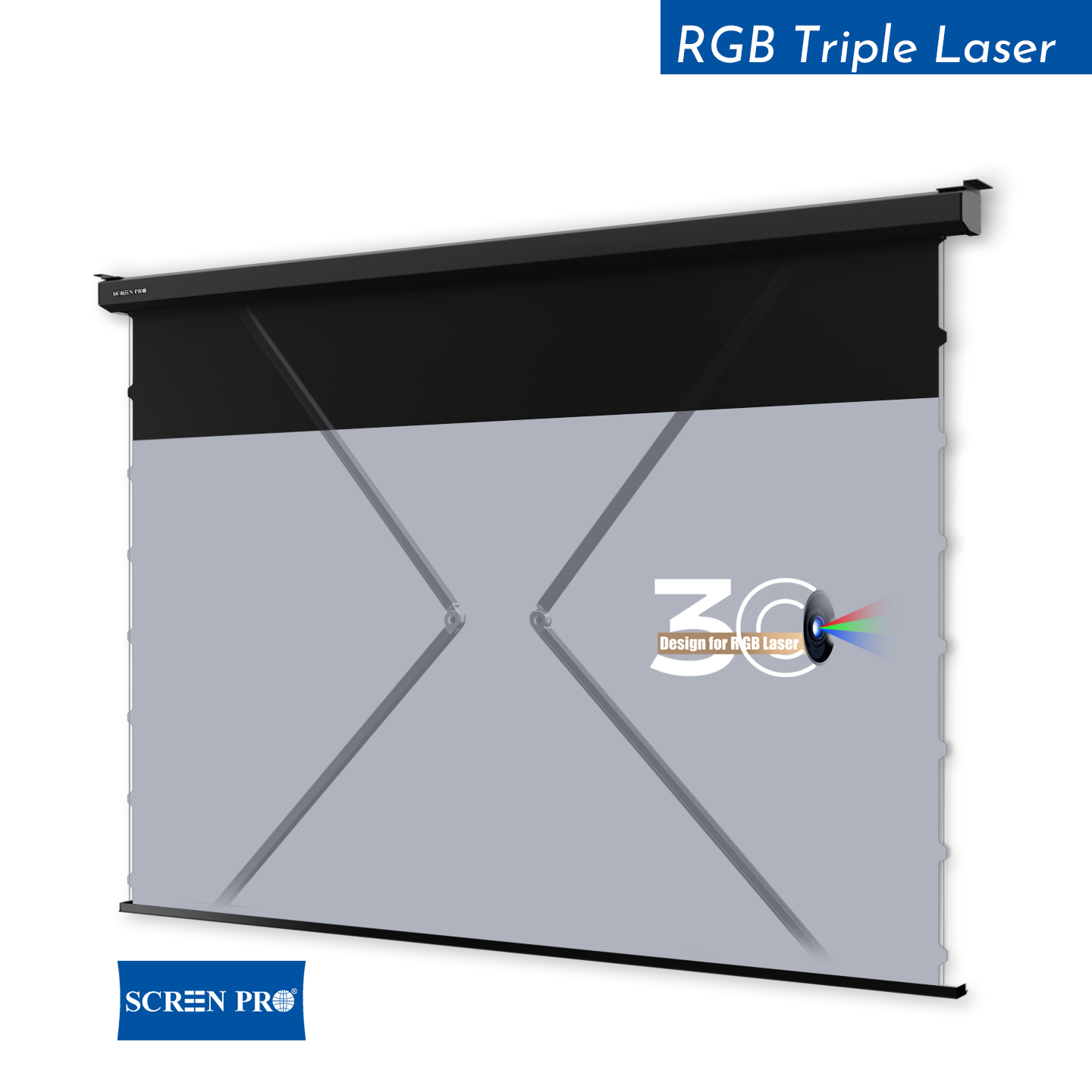
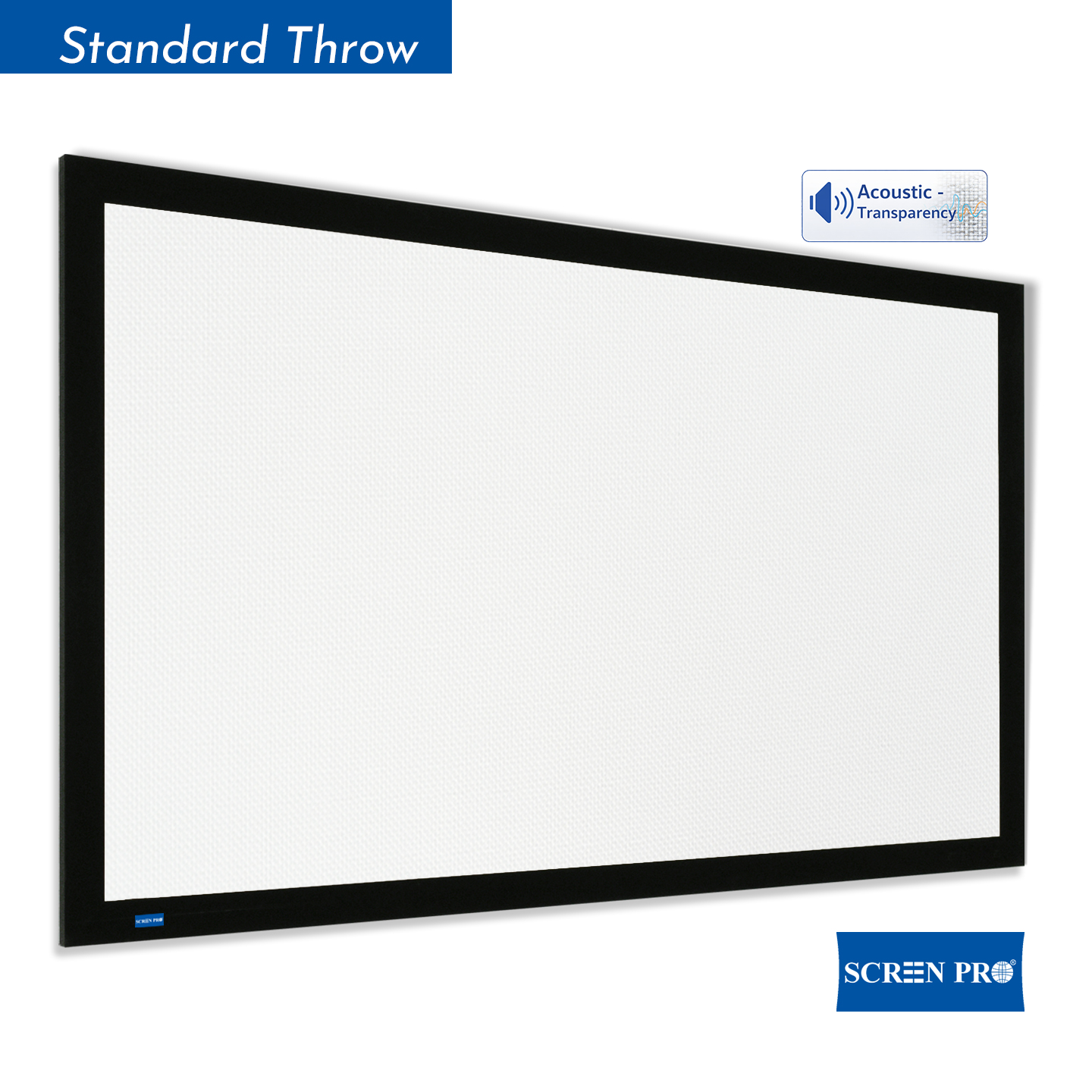
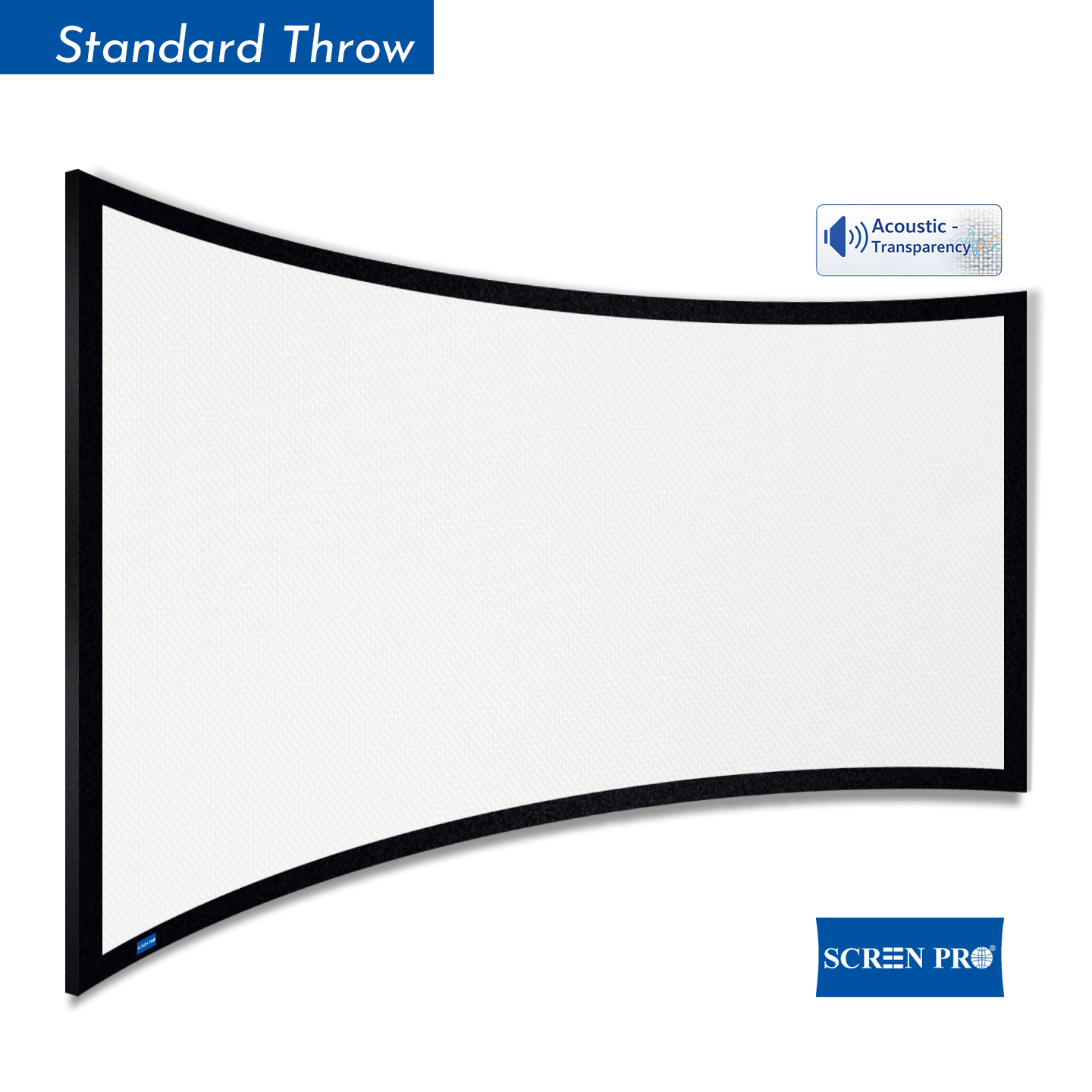
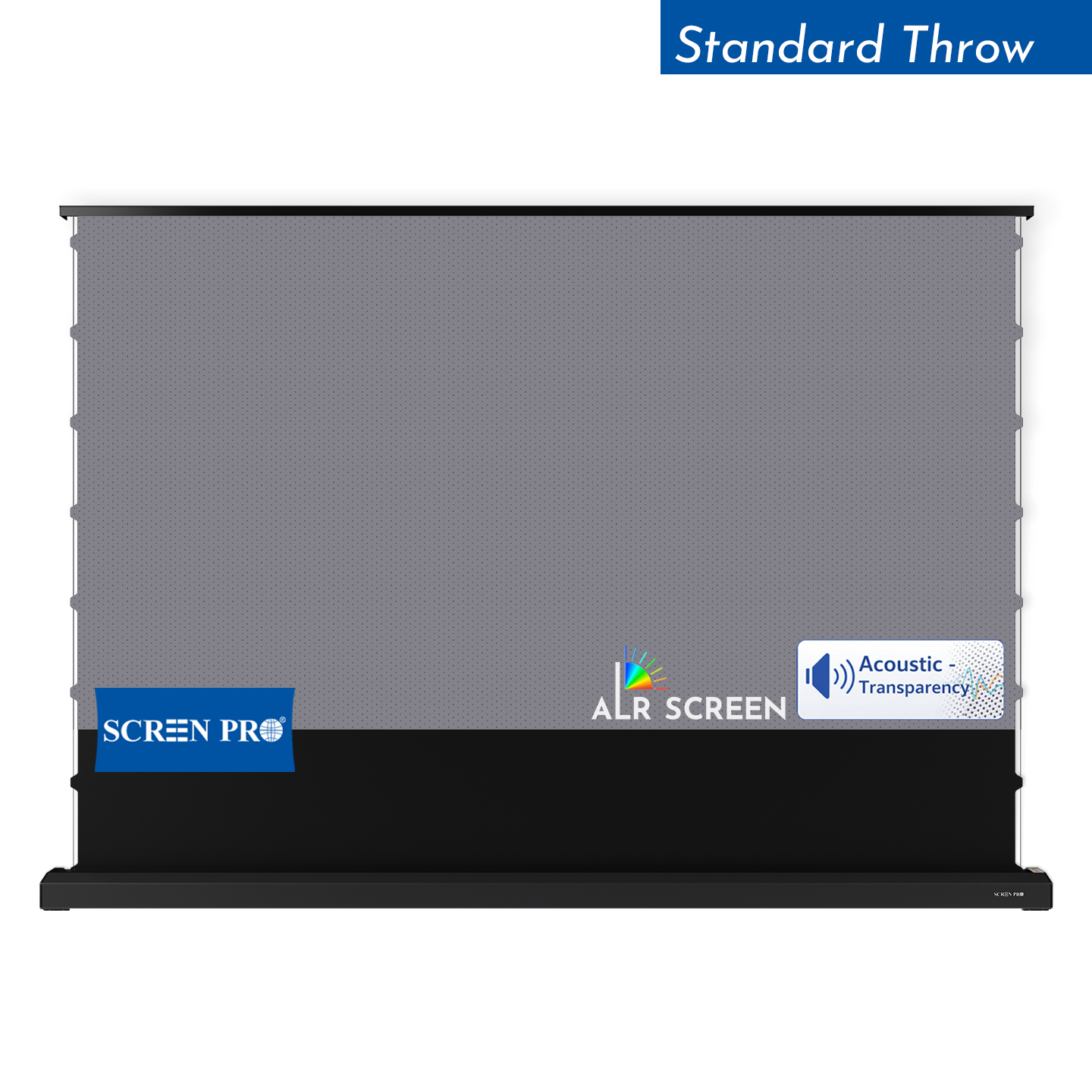
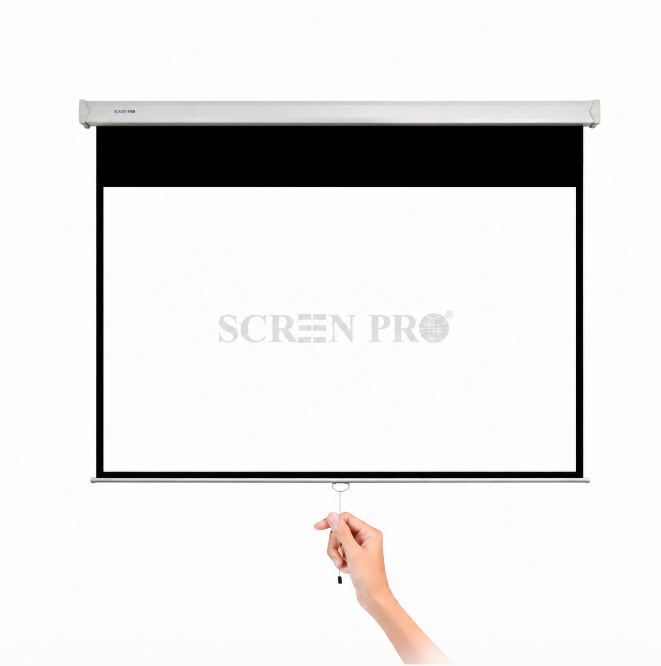
Fixed frame, motorized, floor-rising, portable, or pull-down. -
Throw Distance
Make sure the screen size matches your projector’s throw ratio.
How to Choose the Right Screen Size
Start by measuring the viewing distance between the screen and the farthest viewer. For many home theater and meeting room setups, a common guideline is to keep the viewing distance around 1.5 to 2 times the screen width.
You should also check your room height, wall width, seating layout, projector throw distance, and installation space before selecting the final screen size.
Screen Size Selection Guide
| Factor | What to Check | Why It Matters |
|---|---|---|
| Viewing Distance | Distance from screen to farthest viewer | Helps ensure comfortable and immersive viewing. |
| Audience Size | Number of viewers and seating rows | Larger audiences usually need a larger screen. |
| Aspect Ratio | 16:9, 4:3, 2.35:1, or other formats | Should match your projector and main video content. |
| Throw Distance | Projector lens-to-screen distance | Determines the maximum image width your projector can produce. |
| Available Space | Wall width, ceiling height, and mounting position | Prevents installation problems after purchase. |
| Budget | Screen size, structure, and material level | Helps balance image performance and cost. |
How to Calculate Projection Screen Size
If you know the projector position, measure the distance from the projector lens to the wall or screen position. Then multiply that distance by the projector’s throw ratio to estimate the projected image width.
After getting the image width, use your selected aspect ratio to calculate the image height. The diagonal screen size can then be calculated from the width and height.
Which Projection Screen Material Should You Choose?
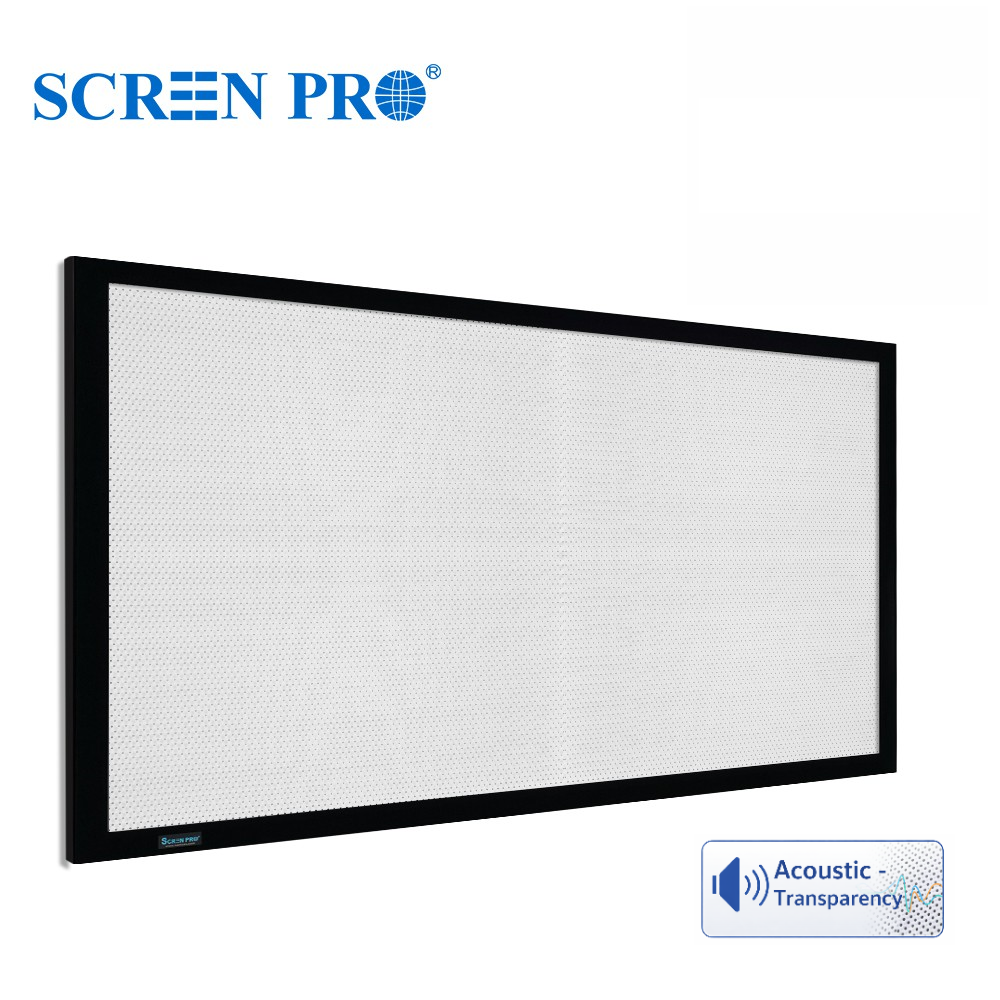
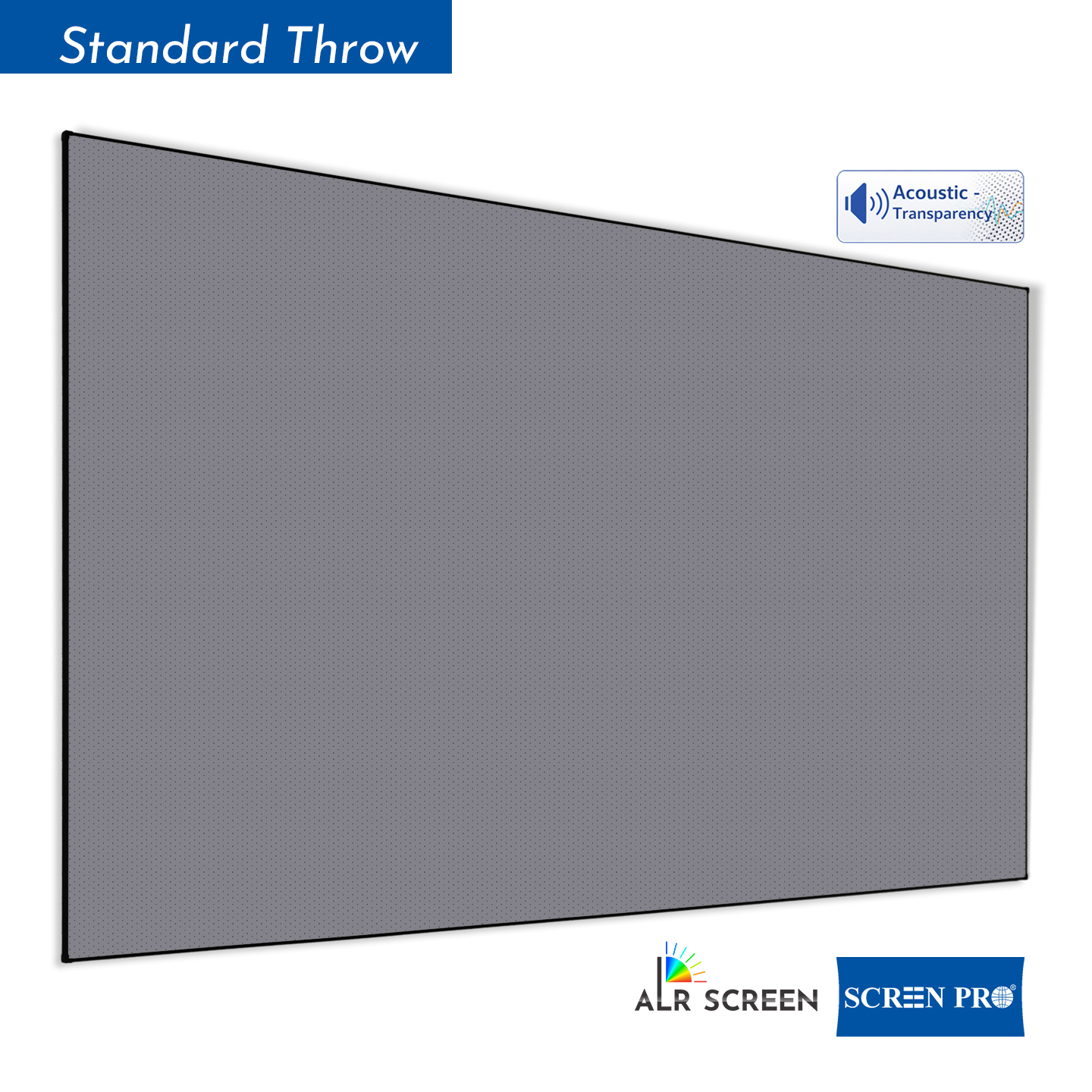
Choose an acoustically transparent screen if your priority is immersive cinema sound with hidden speakers and a clean front layout. Choose a standard projection screen if you want maximum image brightness, simpler installation, and a more budget-friendly solution.
FAQ: Projection Screen Buying Guide
What size projection screen should I buy?
Choose a screen size based on viewing distance, room height, projector throw distance, and the number of viewers. A larger screen is more immersive, but it must fit your room and projector setup.
What is screen gain?
Screen gain measures how much light the screen reflects back toward the viewer. Higher gain can increase brightness, while lower gain may provide wider viewing angles and better uniformity.
What aspect ratio is best for a projector screen?
16:9 is the most common choice for home theater, streaming, sports, gaming, and business presentations. Other formats may be suitable for cinema or special commercial applications.
Need Help Choosing a Projection Screen?
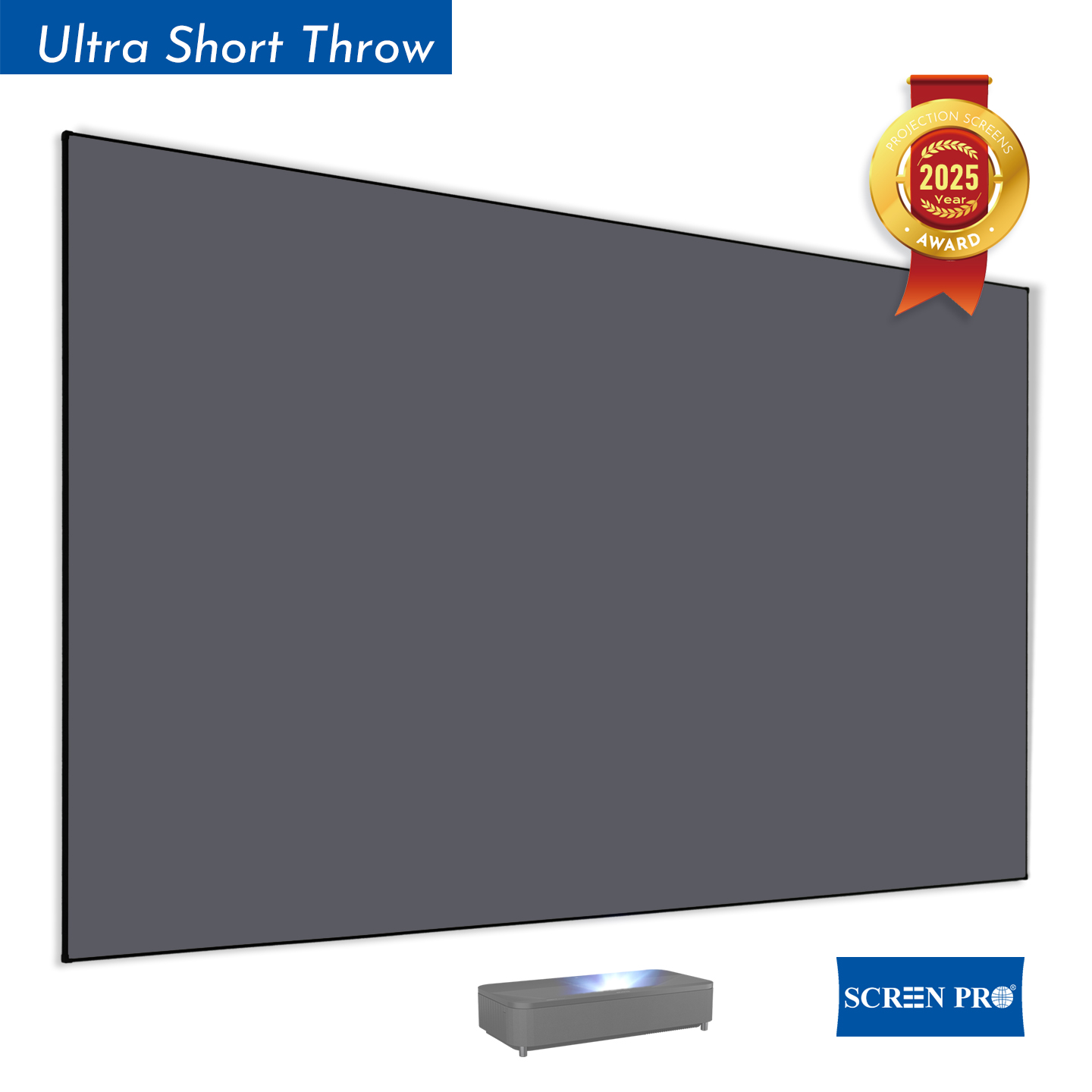
Explore SCREENPRO projection screens for home theater, commercial AV, UST projectors, ALR applications, and custom installations.
Shop Projection Screens