

© 2026 SCREENPRO®. Specifications are subject to change without notice. | SamsAV All Rights ReservedSite Map Designed by iwonder.cn


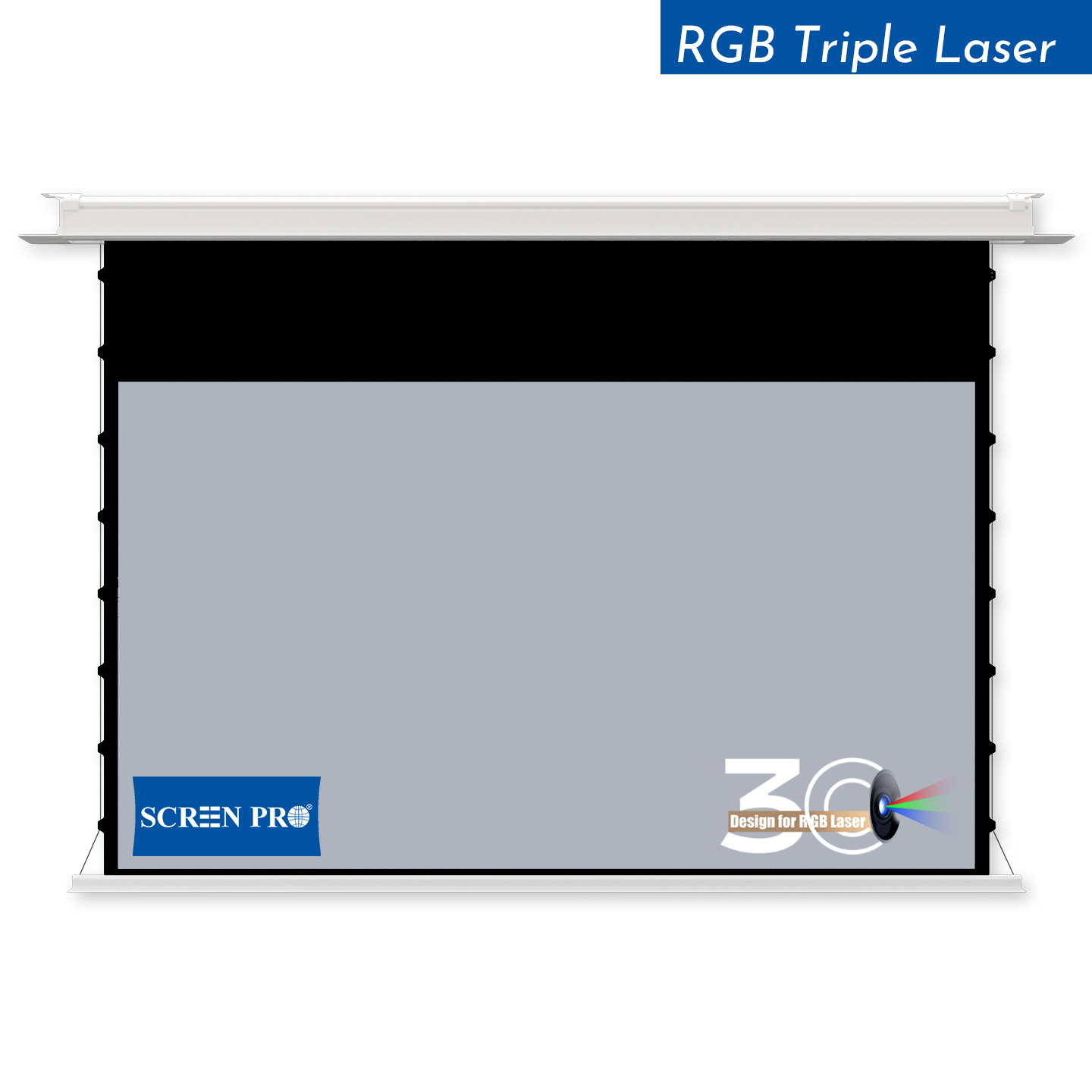
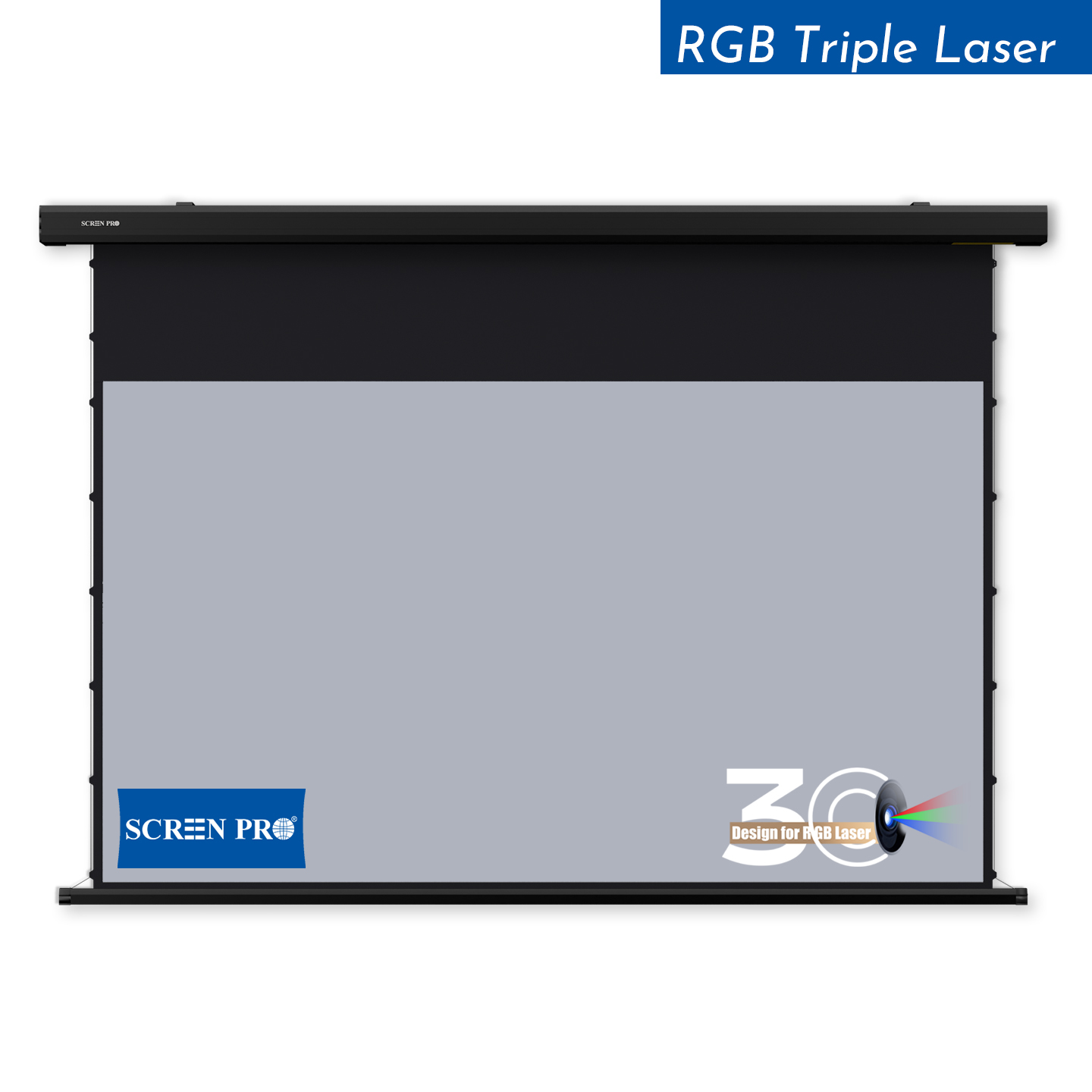
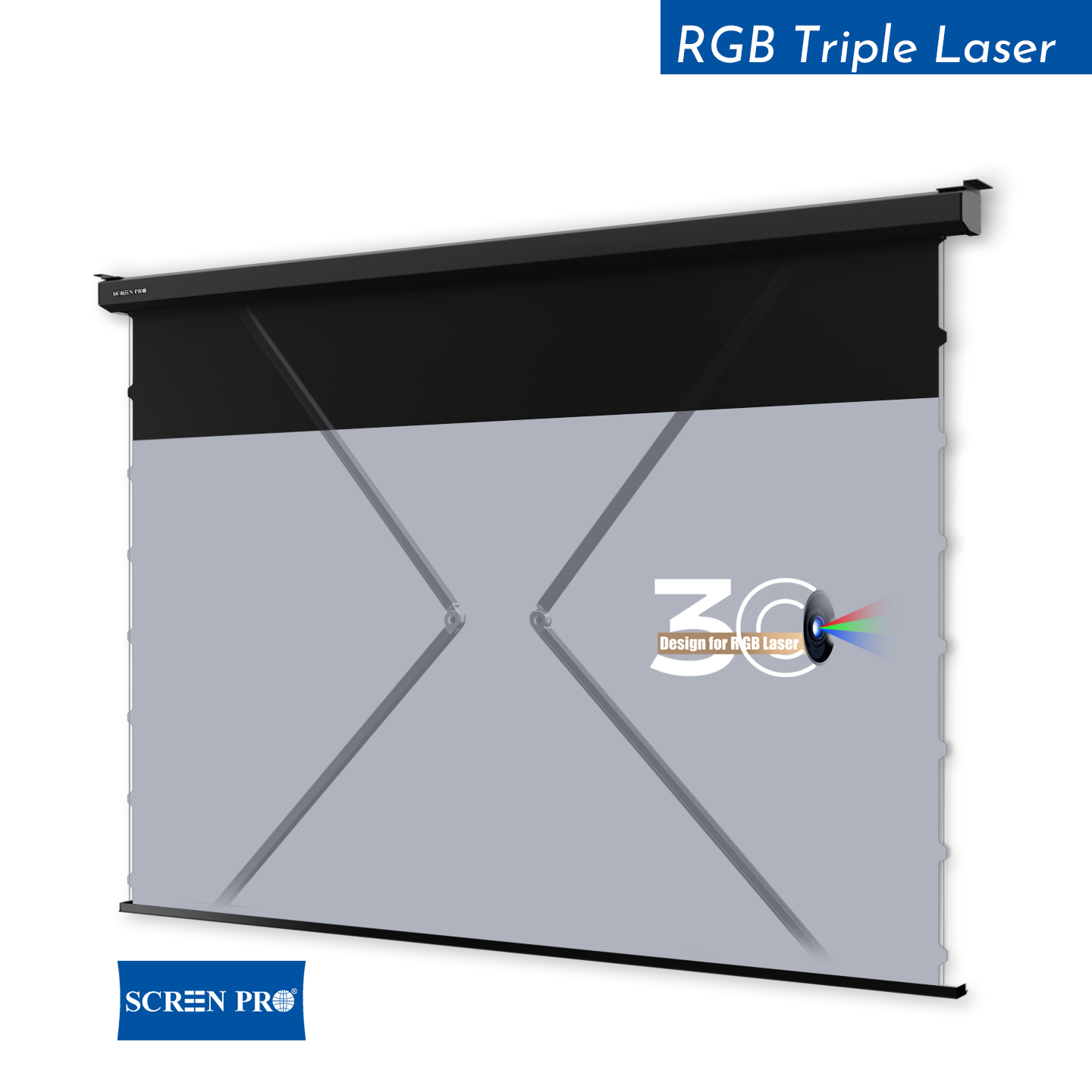
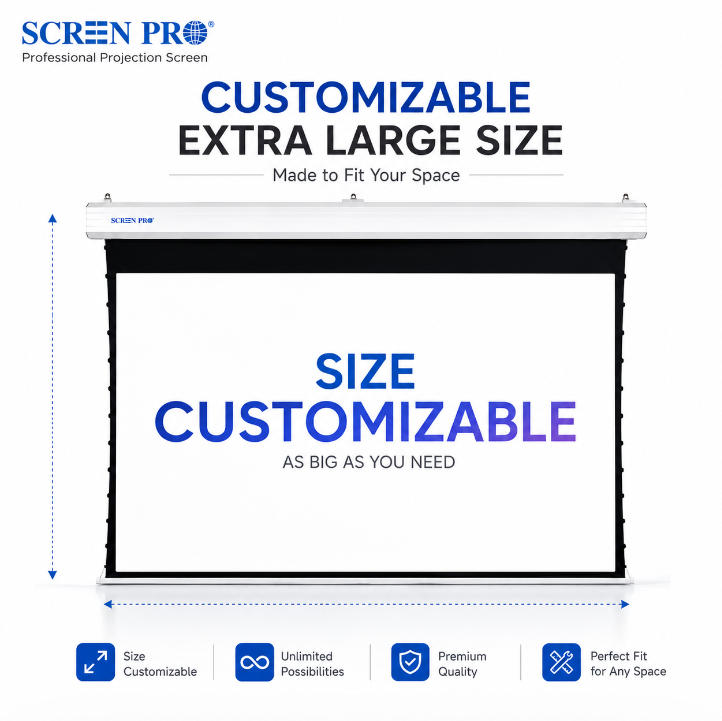
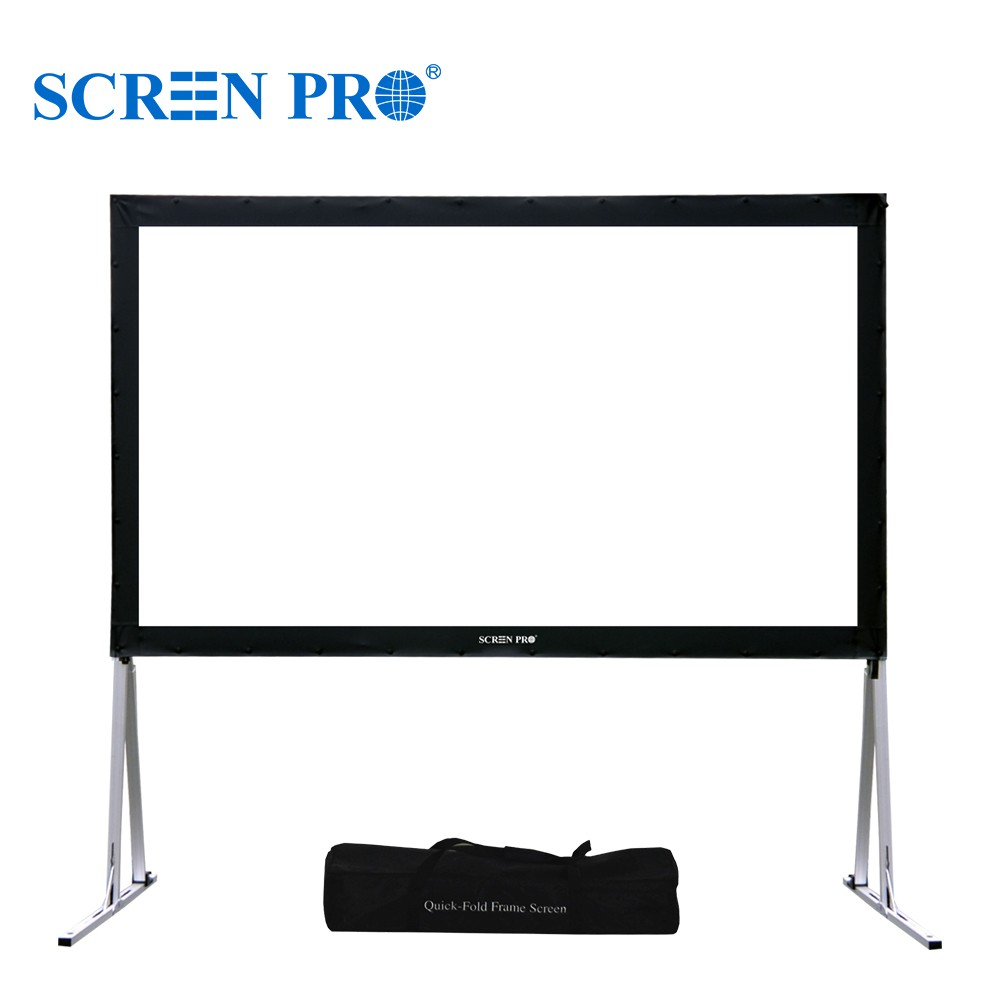
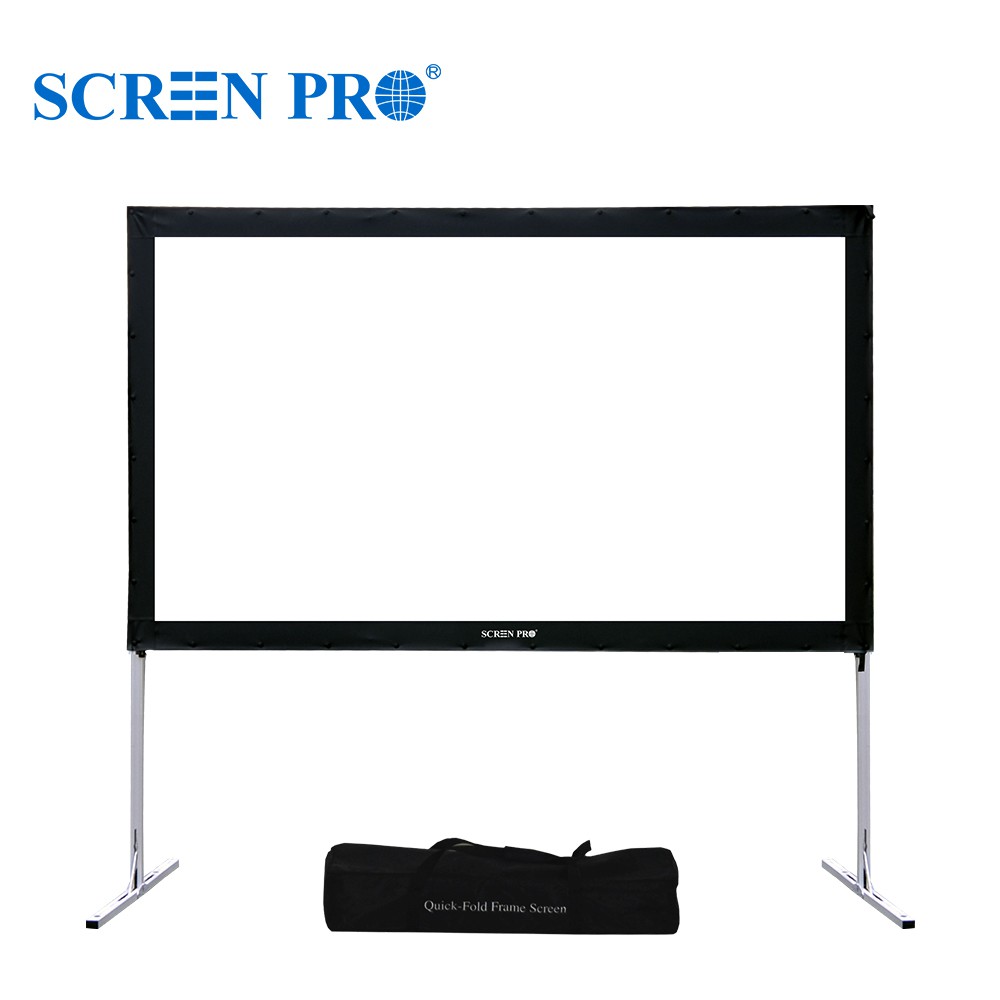
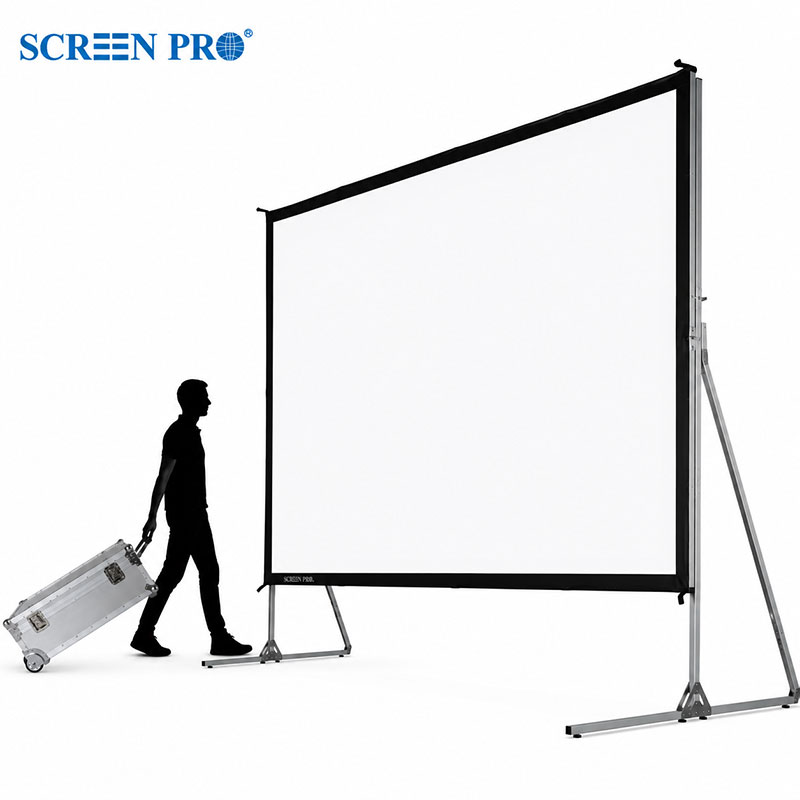
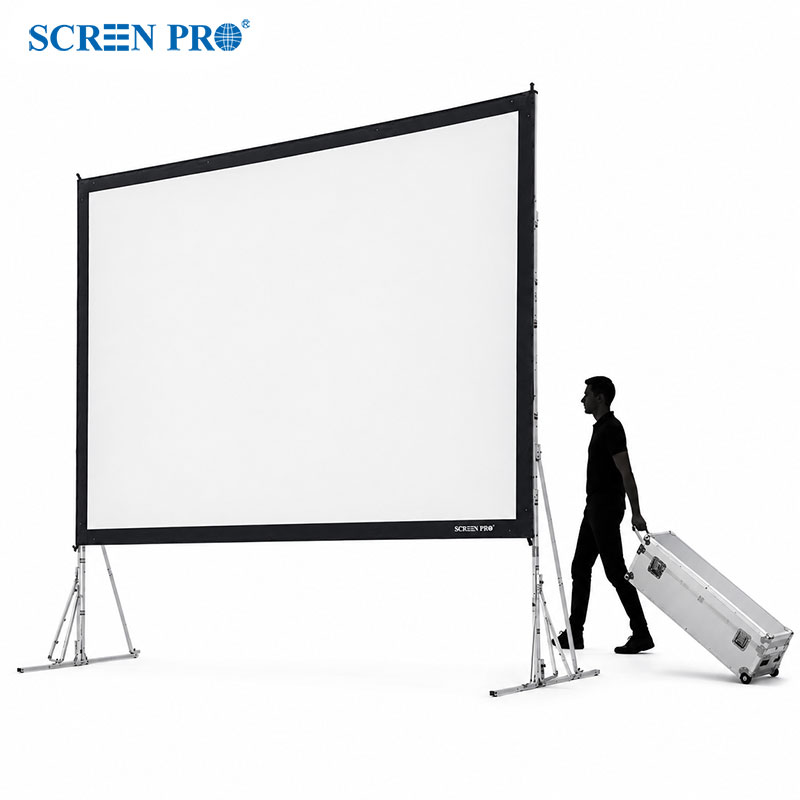
When choosing a large projection screen (120", 133", 150" or above), many users notice references to fabric seams, stitching, or multi-piece construction. This guide explains why large screens are built this way—and what it means for real-world viewing.
Projection screen materials are manufactured in limited widths. For larger sizes, especially above 120 inches, it is often necessary to join multiple pieces of fabric during production.
Seams are the joining lines between fabric sections. They may appear as subtle horizontal or vertical lines depending on the screen structure.
Laser projectors or bright scenes can make surface variations more visible.
Seams may appear differently depending on seating position and light direction.
Flat color backgrounds reveal seams more than dynamic video content.
In most real-world viewing environments, seams are not noticeable during normal use and do not significantly affect overall image quality.
Our goal is to maintain a balance between large screen size, structural stability, and visual performance.
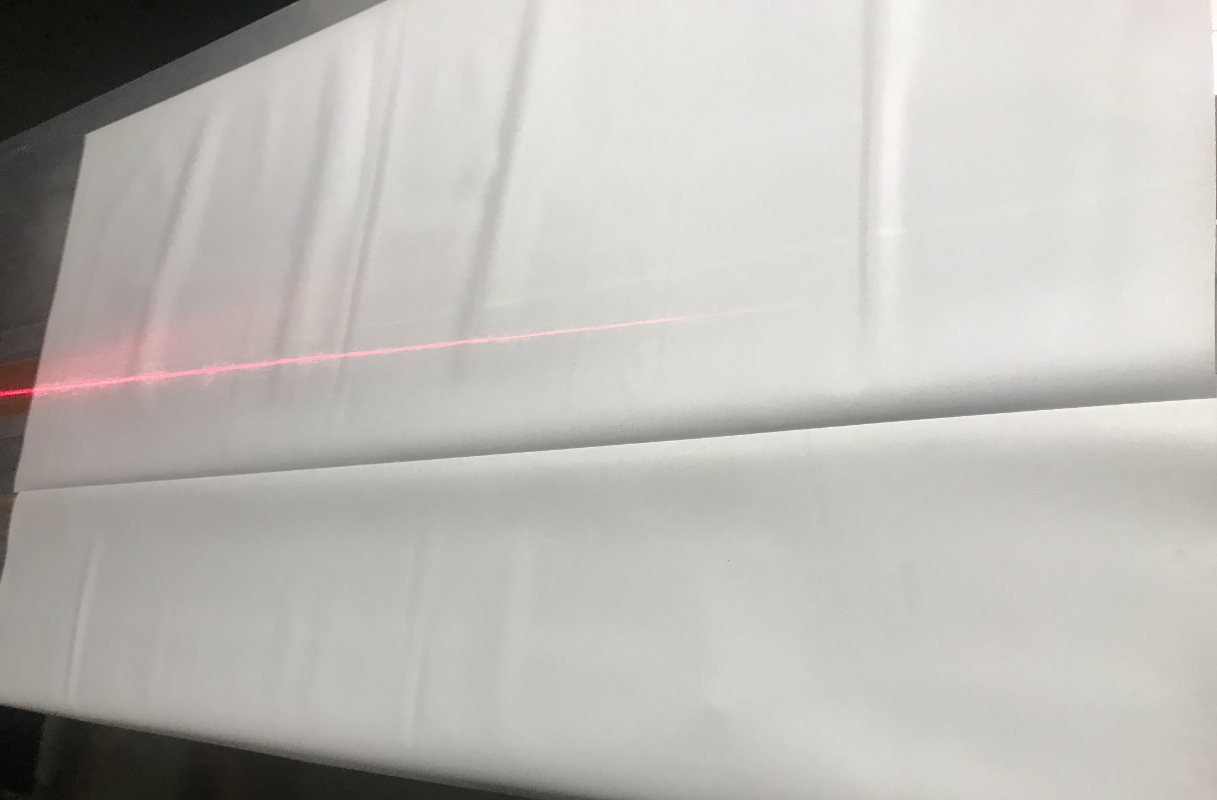
Seamless screens are typically limited to smaller sizes or specific materials. For large formats—especially 150" and above—multi-piece construction is widely used throughout the industry.
Choosing the right screen material for your projector has a greater impact than seam presence.
A stable screen structure ensures consistent image quality across the entire viewing area.
Contrast, color accuracy, gain, and speckle control define the actual viewing experience.
No. Seams are a normal result of manufacturing large screens and are widely used throughout the projection industry.
In most cases, seams are not noticeable during normal viewing of movies, streaming content, or gaming.
Not necessarily. Material performance and structural flatness generally have a greater impact on image quality.
Some large screens may include seams depending on material width limitations and construction methods.
Explore SCREENPRO® screen technologies or contact our team for recommendations based on your projector, room environment, and installation requirements.
Start a Project Inquiry





© 2026 SCREENPRO®. Specifications are subject to change without notice. | SamsAV All Rights ReservedSite Map Designed by iwonder.cn