

© Copyright 2004-2026 SCREEN PRO® All Rights Reserved | Specifications are subject to change without notice. All Rights ReservedSite Map Designed by iwonder.cn


When home theater enthusiasts start building their dream theater, they often spend countless hours researching projectors, speakers, receivers, and screen materials.
Yet after living with their setup for a year or two, many discover something surprising:
The next upgrade they want isn't a brighter projector or a new surround processor.
It's a bigger screen.
In fact, one of the most common comments heard across home theater communities is:
"I wish I had gone bigger."
Rarely does someone install a 150-inch screen and later wish they had chosen a 120-inch model instead.
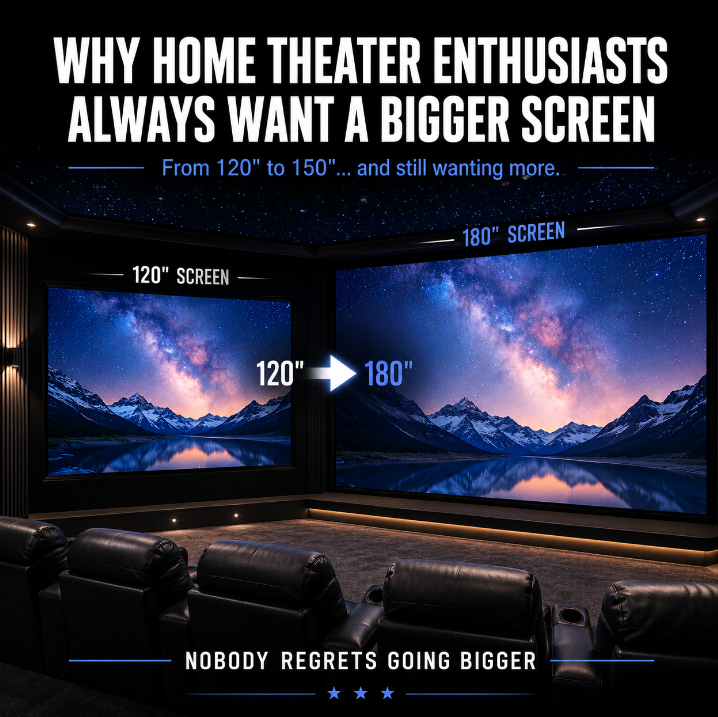
But many enthusiasts who start with 100-inch or 120-inch screens eventually dream of 150 inches, 170 inches, or even a wall-to-wall cinema experience.
Why does this happen?
Modern projectors have become incredibly capable.
Today's laser projectors can deliver:
However, image quality is only part of what makes cinema feel cinematic.
The real magic comes from immersion.
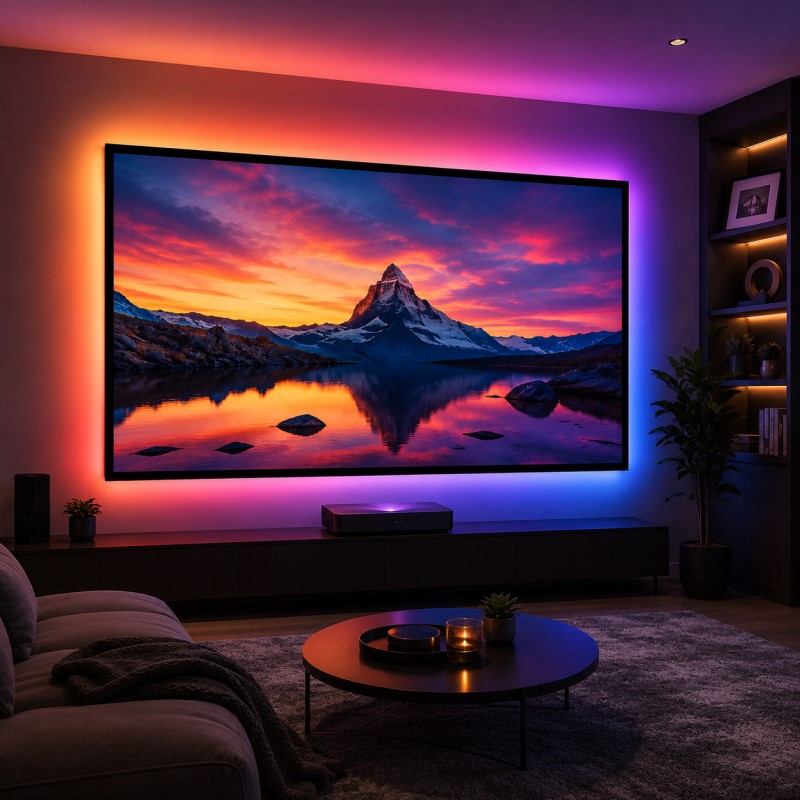
A larger screen occupies more of your field of view, making movies feel larger than life and pulling viewers deeper into the story.
This is why commercial cinemas continue to build larger auditoriums and why premium formats like IMAX remain so popular.
The goal is not simply to watch a movie.
The goal is to feel inside the movie.
A 98-inch television can look stunning.
A 150-inch projection screen creates an entirely different experience.
When viewing angles increase, several things happen:
This is why many home theater owners eventually discover that screen size influences enjoyment more than they initially expected.
Projectors offer the freedom to create an image size that televisions cannot economically match.
In a recent home theater screen comparison video, an enthusiast reviewed multiple screen materials while planning a future upgrade from a 150-inch screen to an even larger cinema format.
The key message was clear: even after investing in projectors and premium screen materials, many enthusiasts eventually look for a larger, more immersive image.
At first glance, moving from a 150-inch screen to a 170-inch screen may not seem significant.
In reality, the increase in image area is dramatic.
A larger screen can provide:
As projector brightness continues to improve, larger screens become increasingly practical.
Many enthusiasts who once considered 150 inches the ultimate size now view it as a stepping stone toward an even more immersive experience.
Not necessarily.
Several factors should be considered:
The room should comfortably accommodate the desired screen size while maintaining proper viewing distances.
Larger screens require more light output to maintain image brightness.
The right screen material becomes increasingly important as screen size grows.
Different environments may benefit from:
The ideal viewing distance varies depending on content and personal preference.
Many enthusiasts discover they can sit closer than expected while still enjoying a comfortable experience.
As screen sizes increase beyond 120 inches, screen material becomes increasingly important.
Many enthusiasts focus mainly on projector specifications, but large-format installations benefit greatly from selecting a screen material designed for the room, projector type, and seating layout.
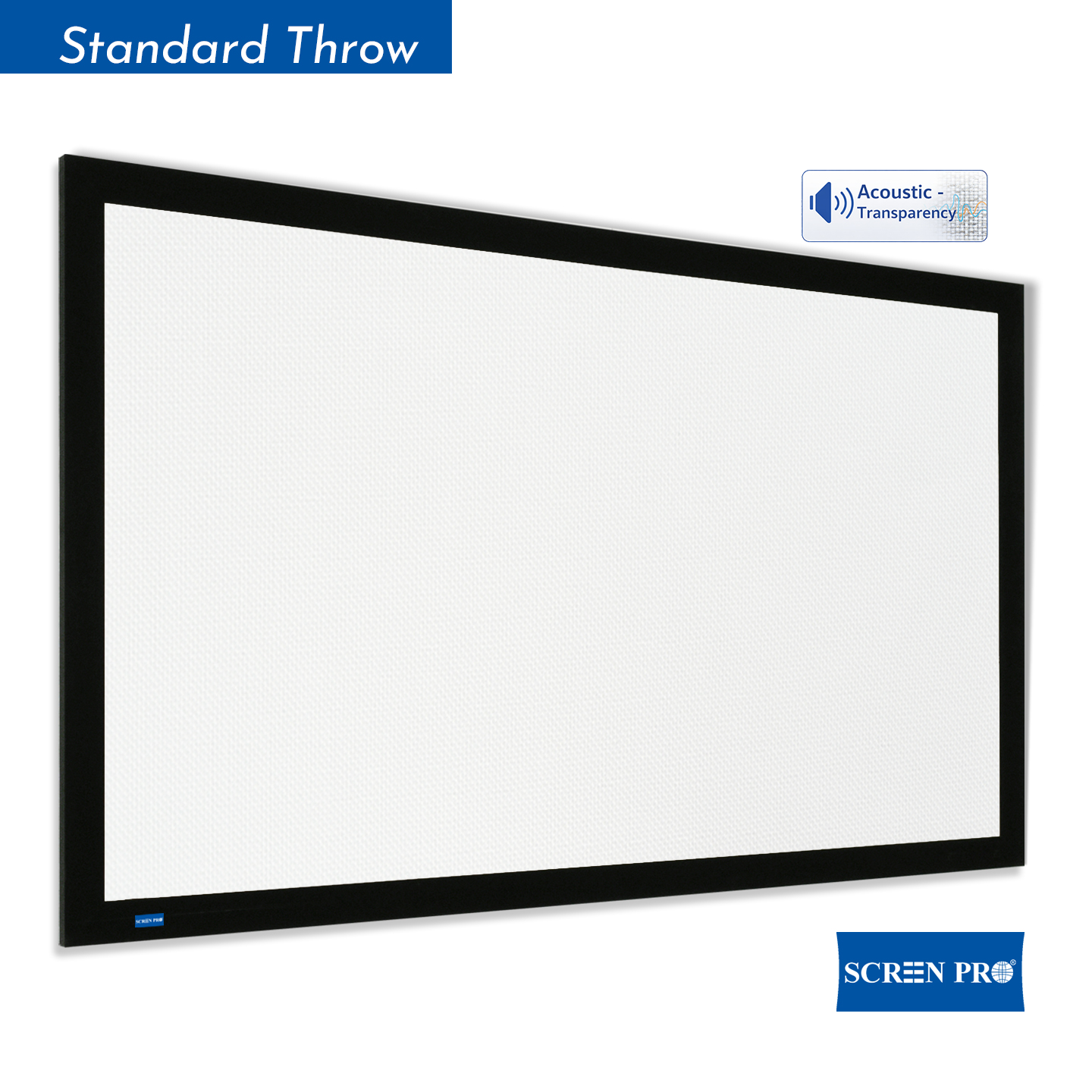
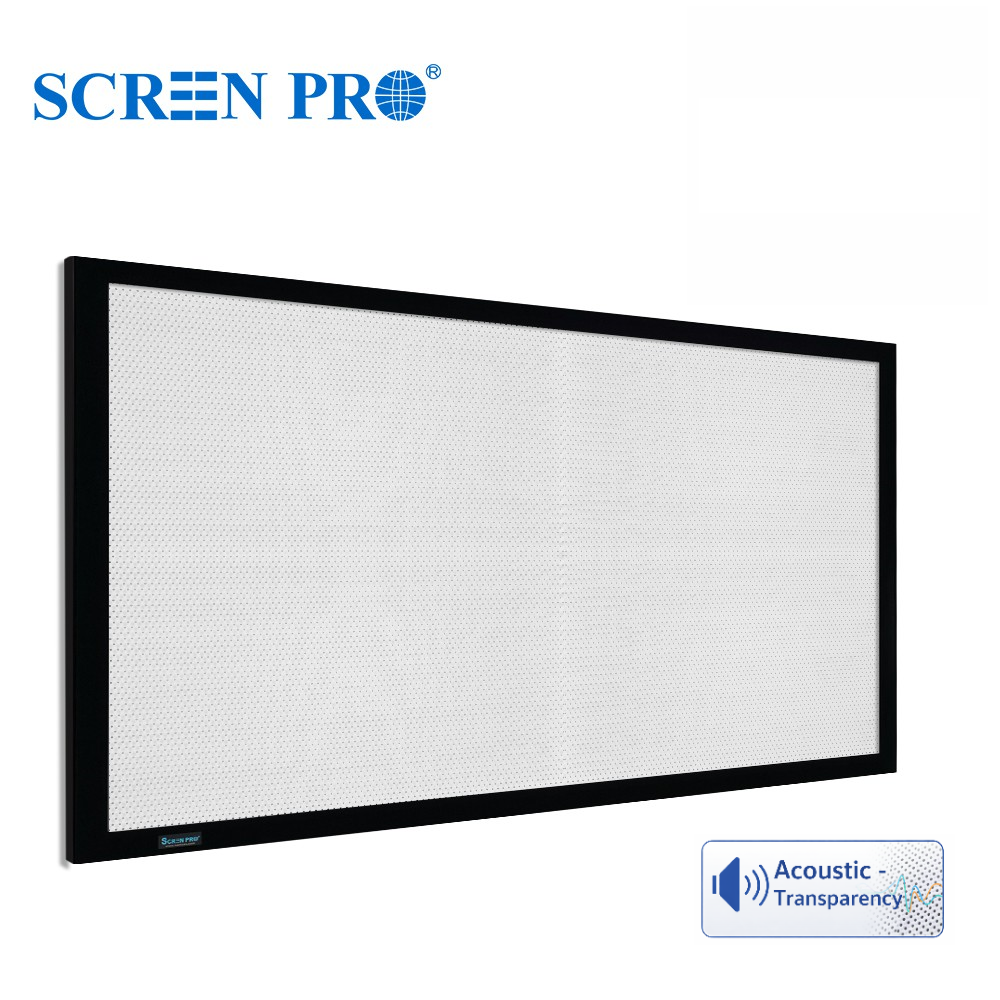
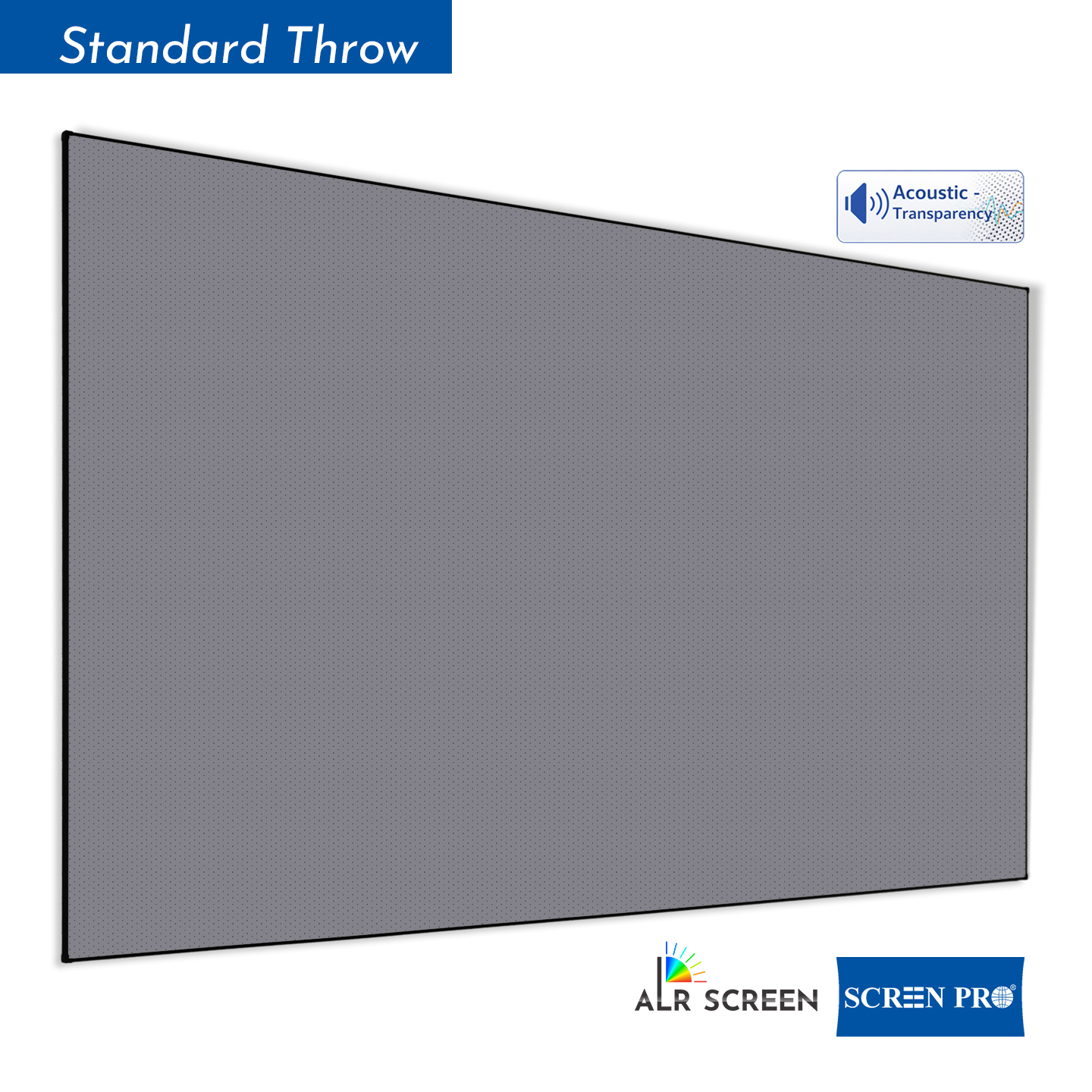
For dedicated home theaters, woven acoustic transparent materials are becoming increasingly popular because they allow speakers to be positioned behind the screen while maintaining a clean, cinema-style front wall.
Designed for dedicated home theaters, TW is a strong option for large-format projection systems where both image performance and speaker placement matter.
Key benefits include:
A common misconception is that the projector determines all image quality.
In reality, the screen plays a major role.
The final image is the result of three components working together:
Projector × Screen × Room Environment
An excellent screen can improve:
This becomes even more important as screen sizes increase.
Projector technology continues to evolve.
Laser light sources are brighter than ever.
Ultra-short-throw projectors are becoming increasingly popular.
Screen materials continue to improve in performance.
As these technologies advance, larger screen sizes become more accessible for homeowners.
For many enthusiasts, the question is no longer:
"Should I buy a projector screen?"
The question becomes:
"How large can I realistically go?"
The pursuit of a larger screen is not about chasing specifications.
It is about chasing immersion.
While projector brightness, contrast ratios, and color performance all matter, the element that most dramatically transforms a room into a true cinema is often the screen size itself.
That is why so many home theater enthusiasts eventually come to the same conclusion:
Nobody regrets buying a bigger screen.
But many regret buying one that was too small.
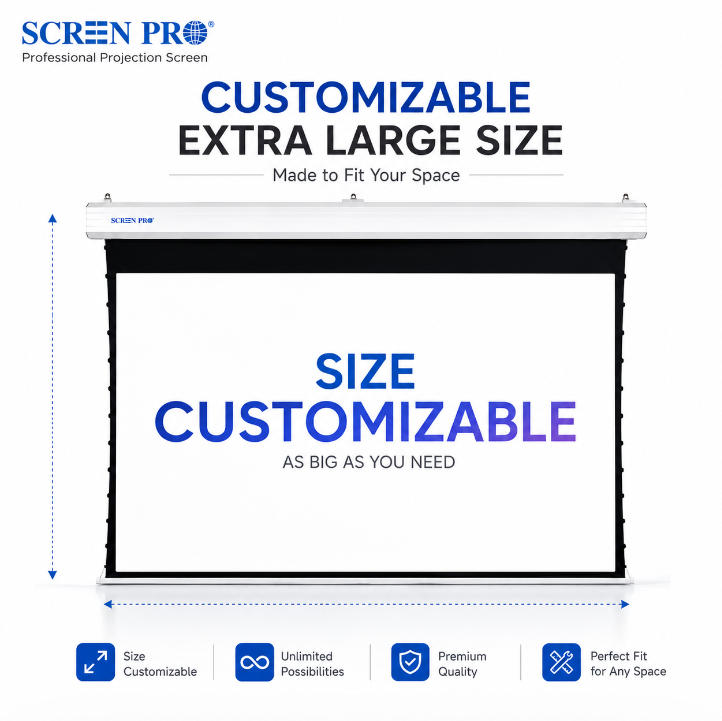
Whether you're moving from 100 inches to 150 inches or planning a wall-to-wall dedicated theater, choosing the right screen size and material can dramatically improve the viewing experience.
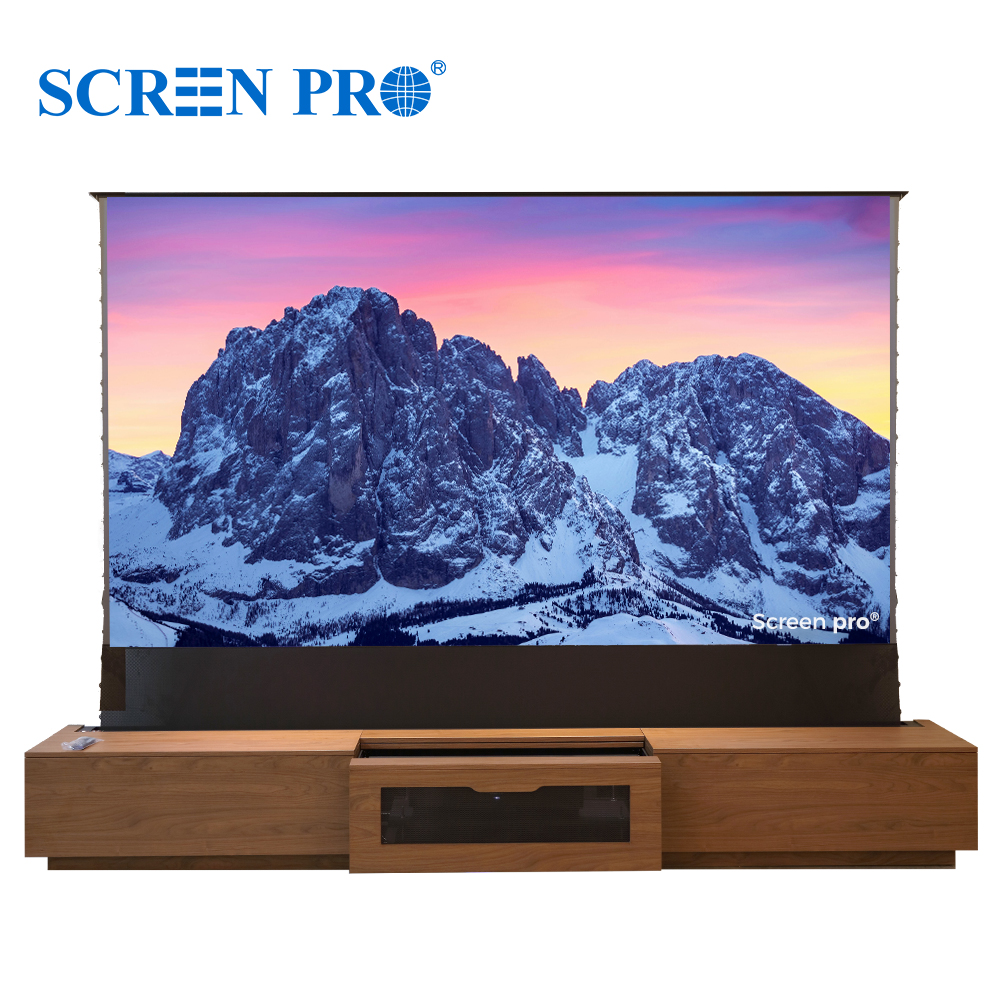
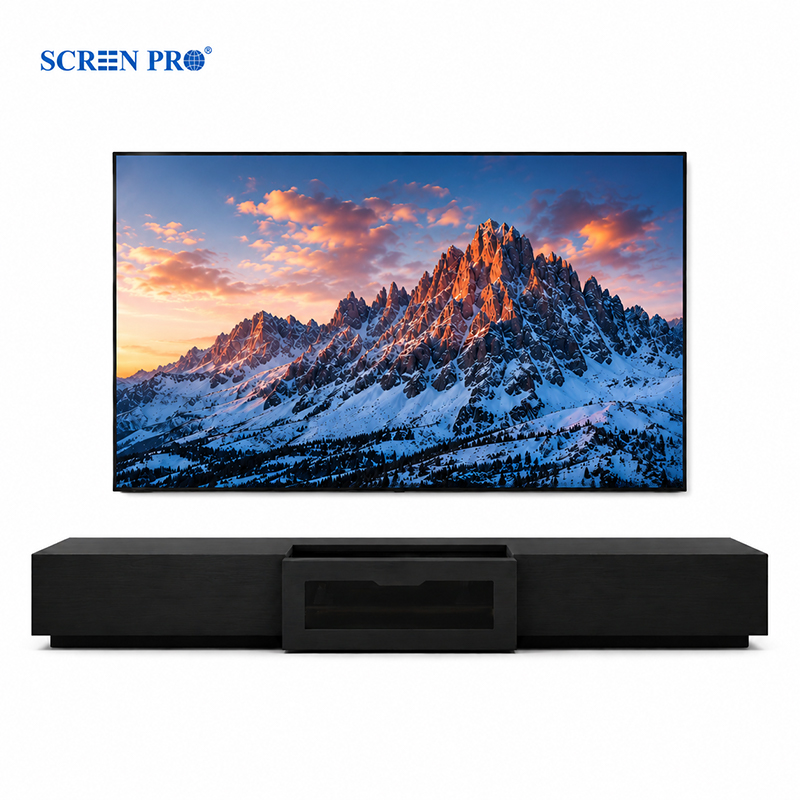
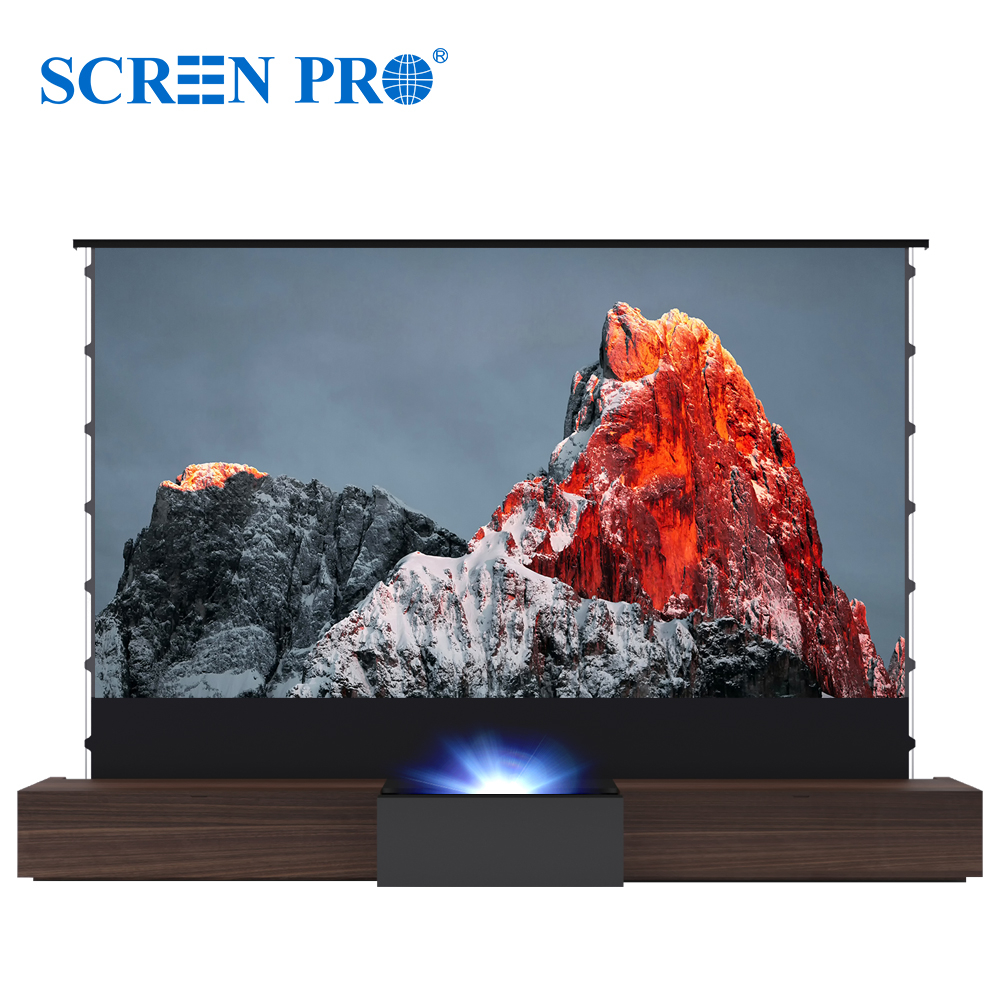
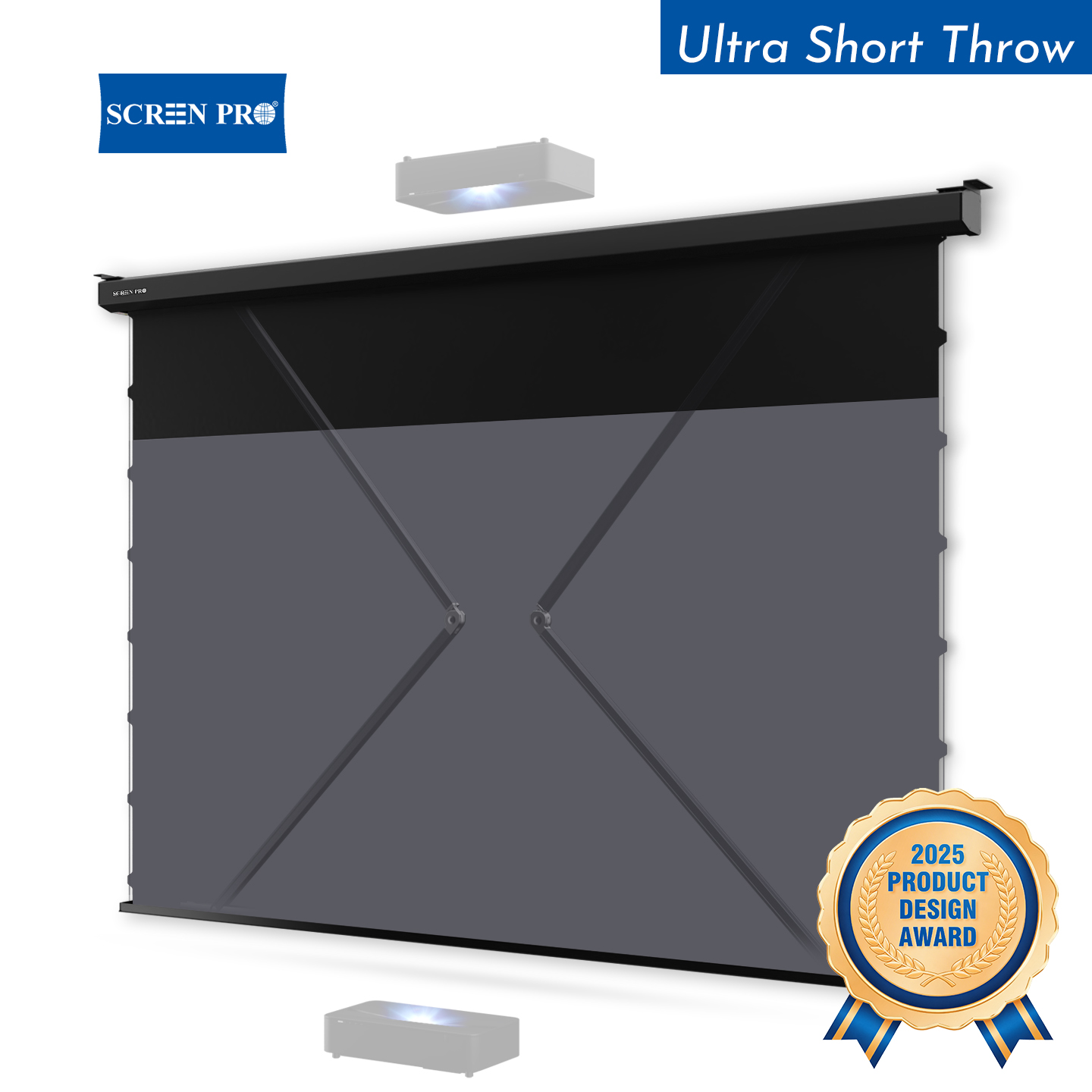
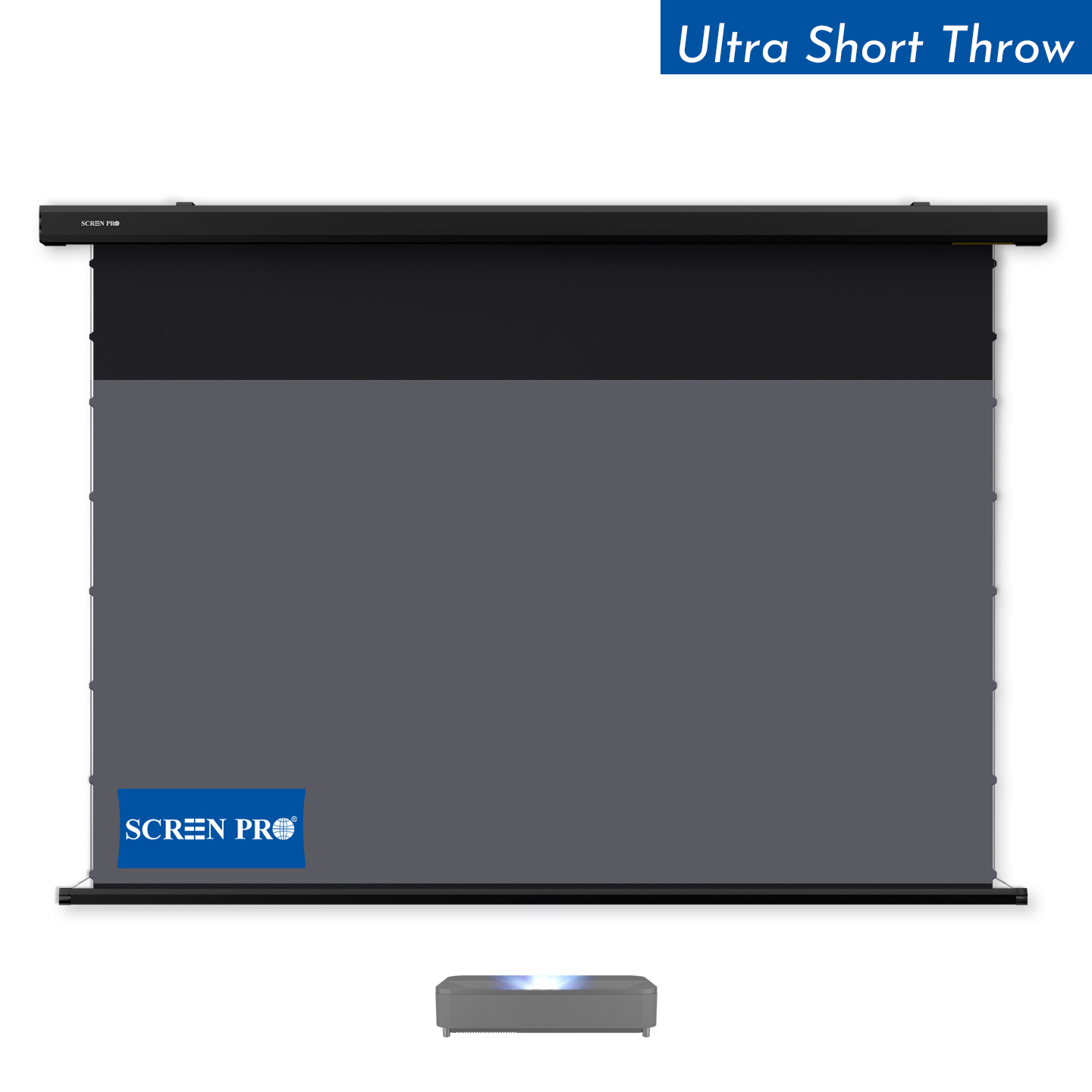
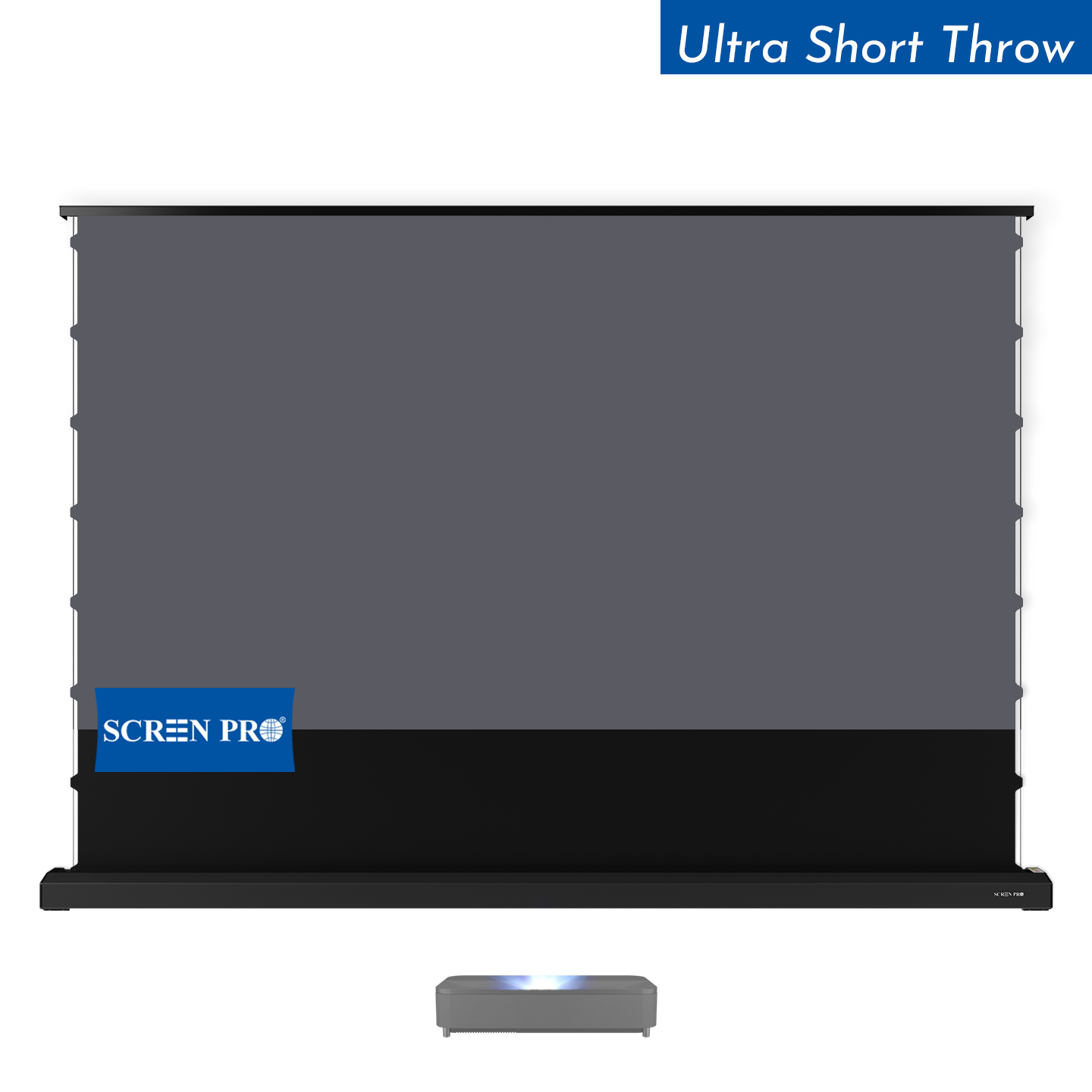
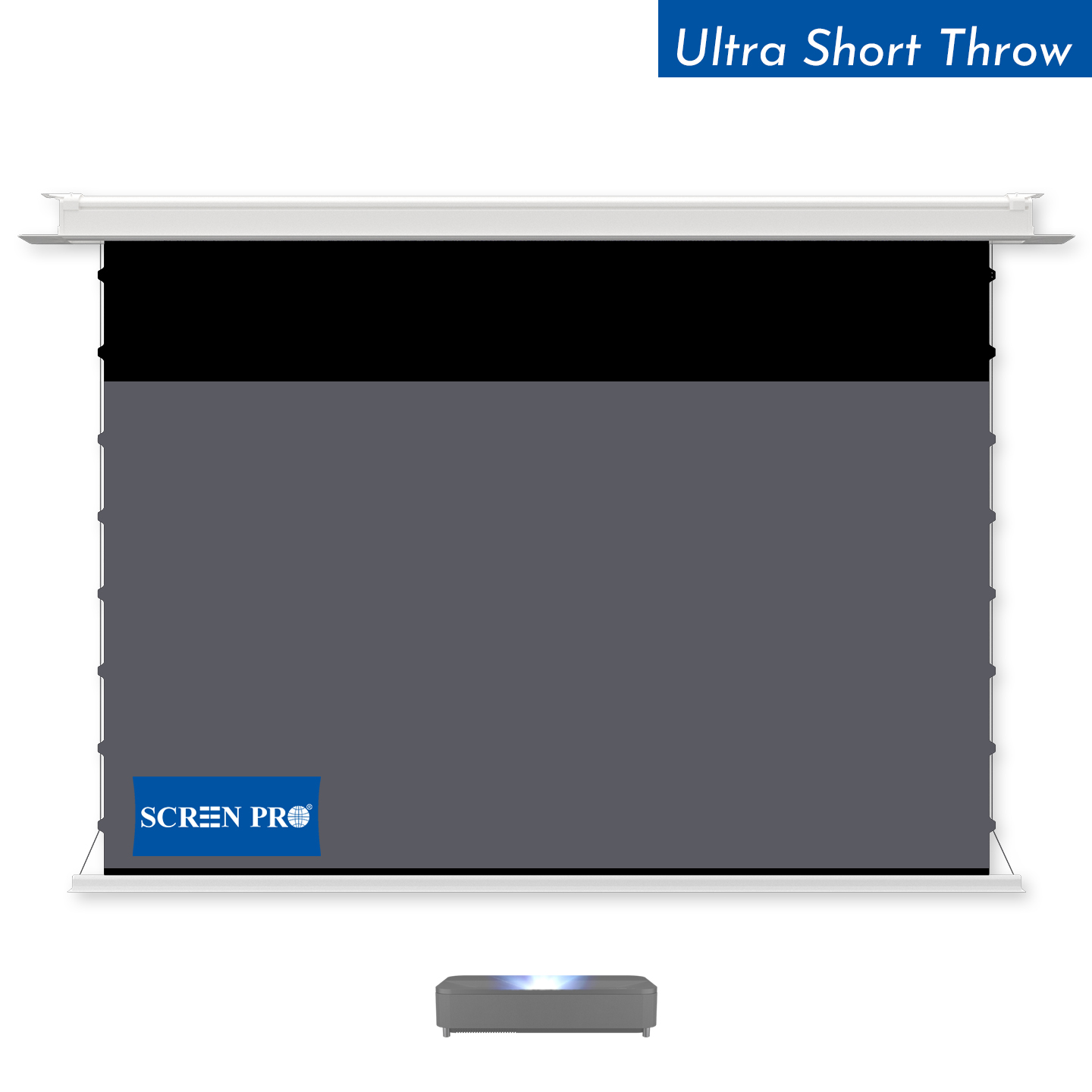
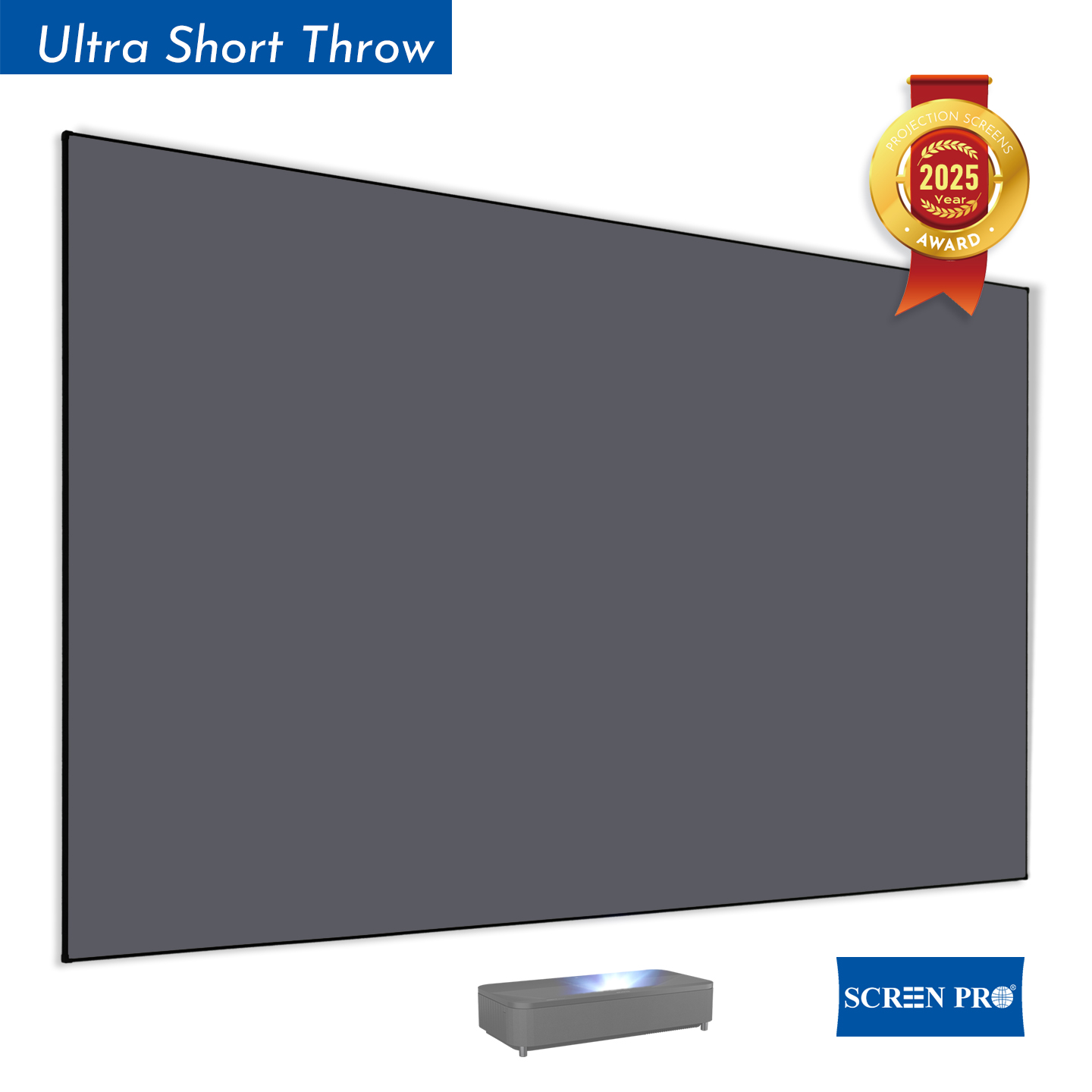
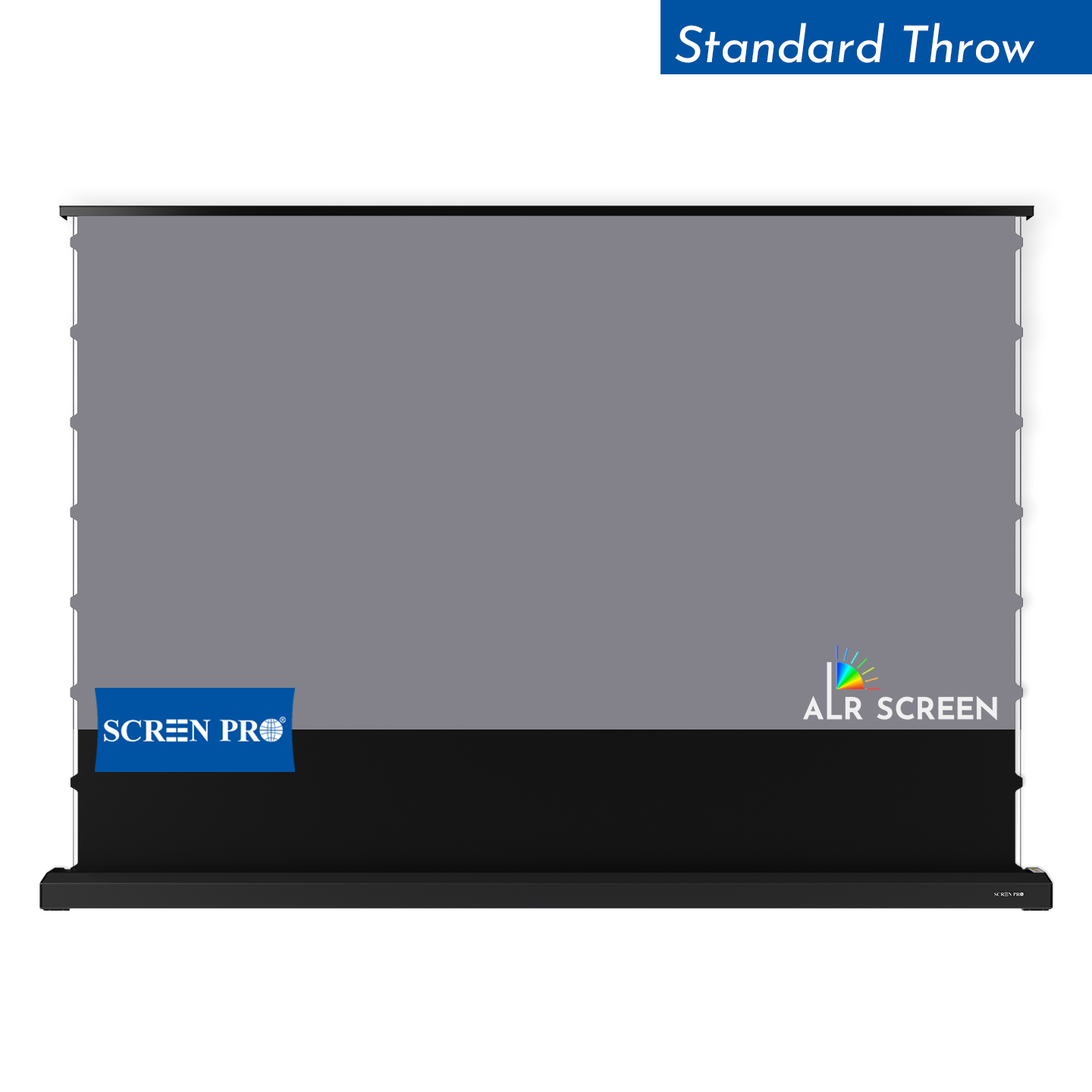
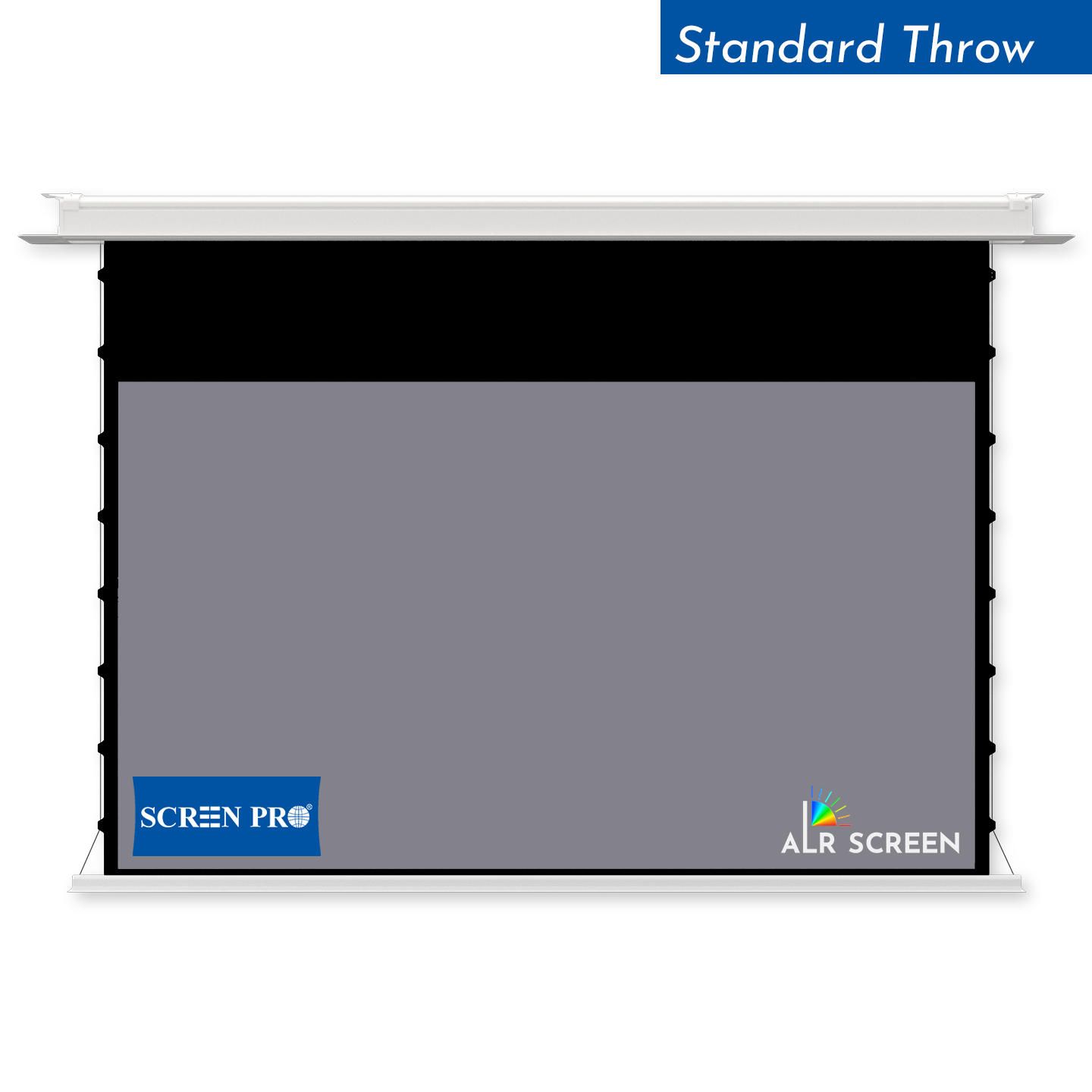
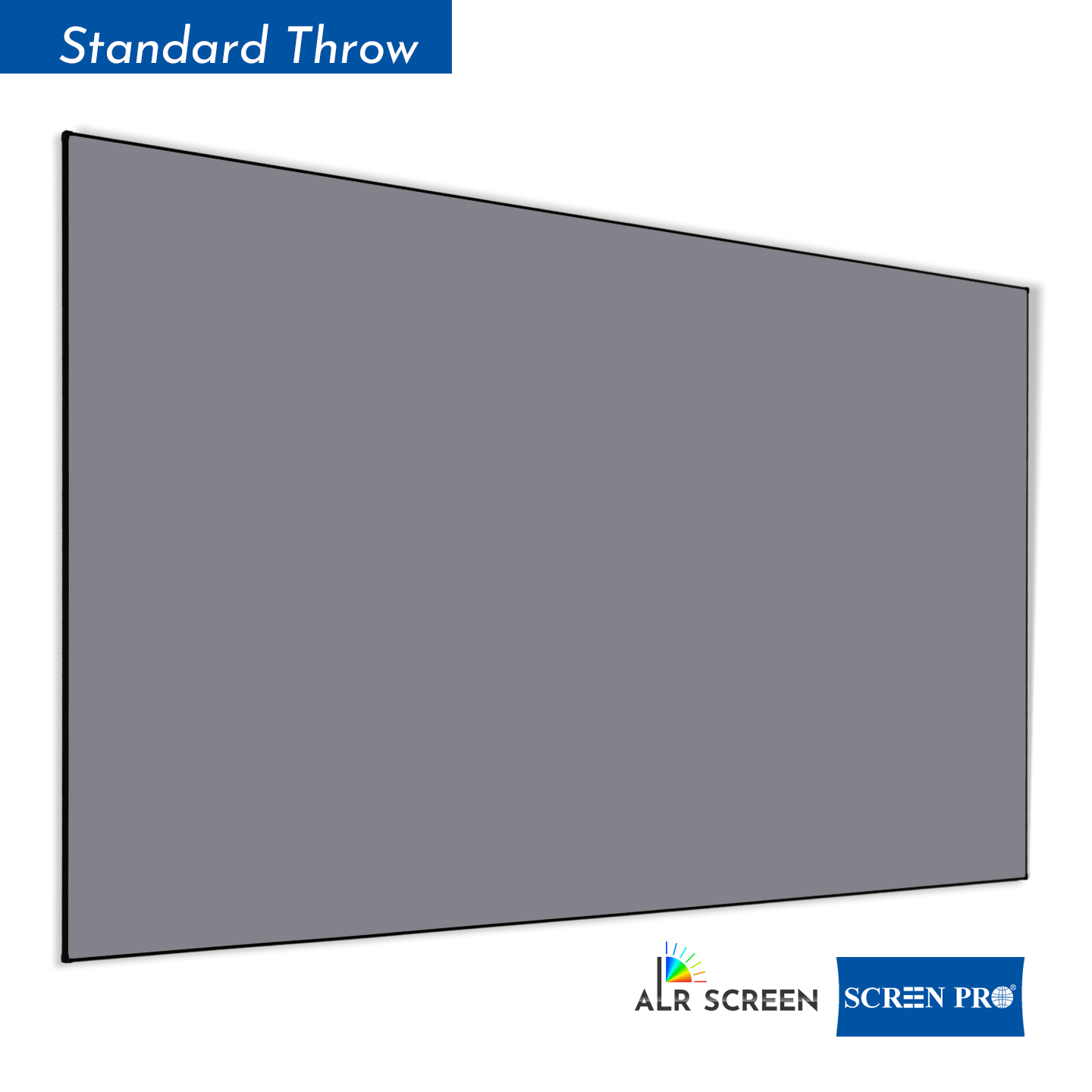
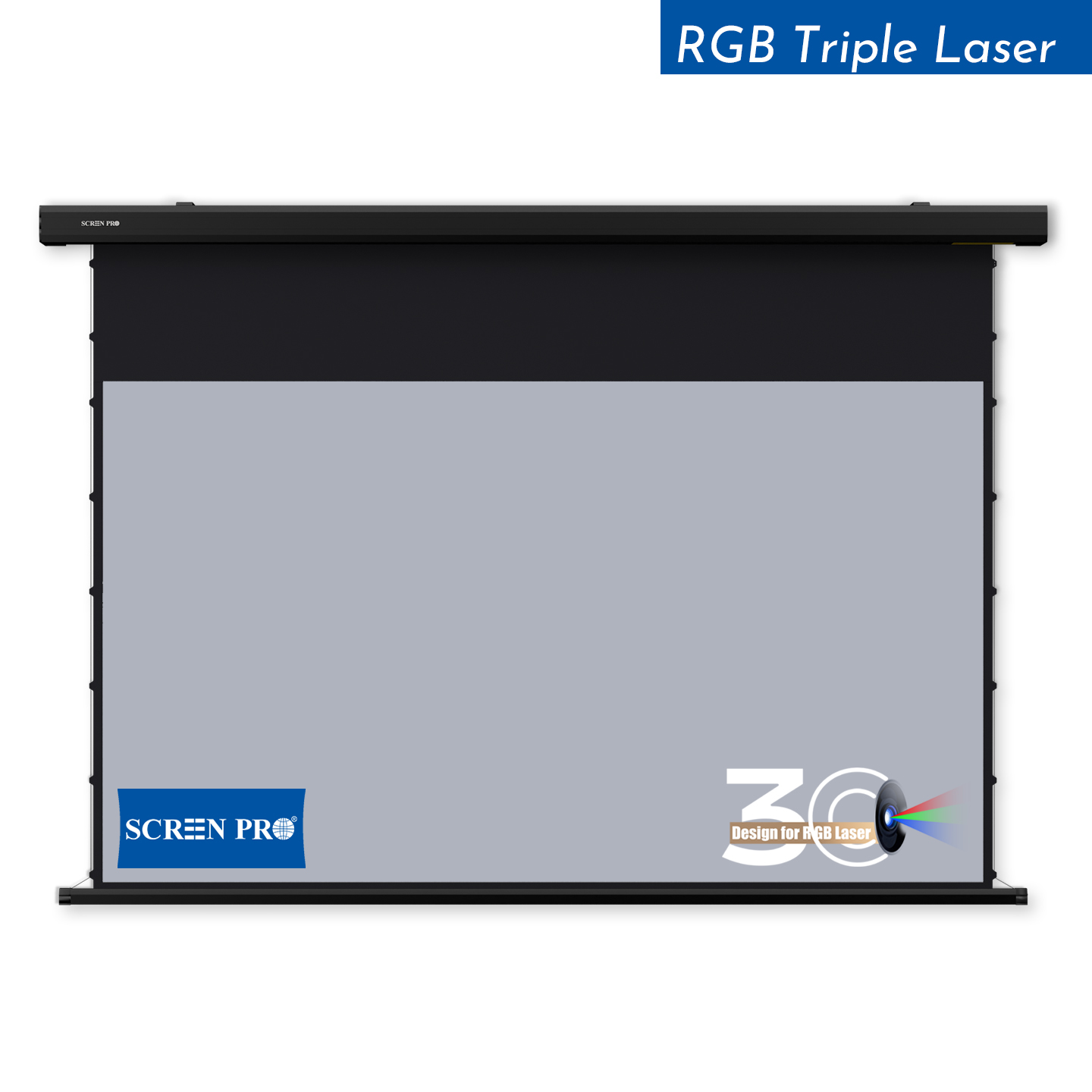
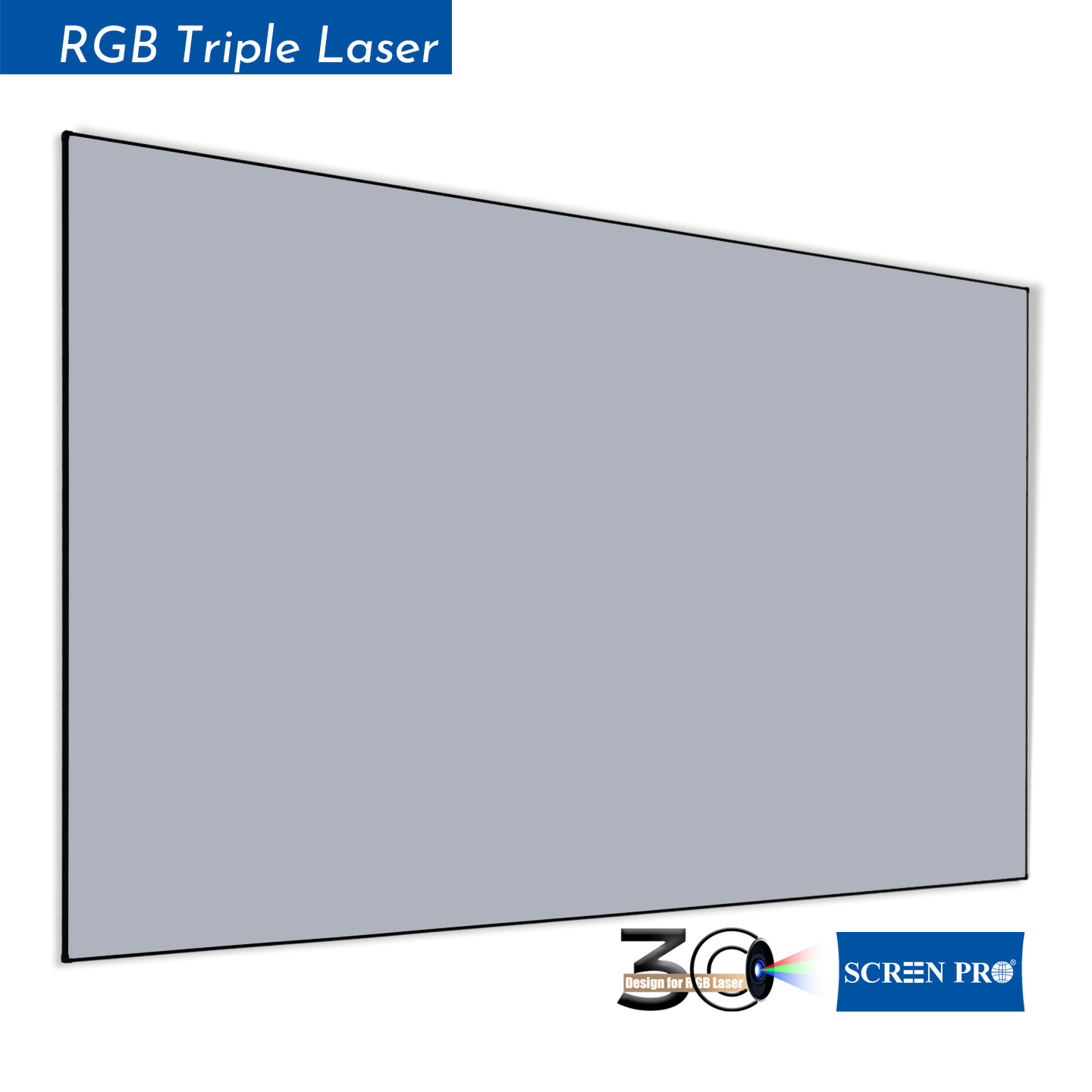
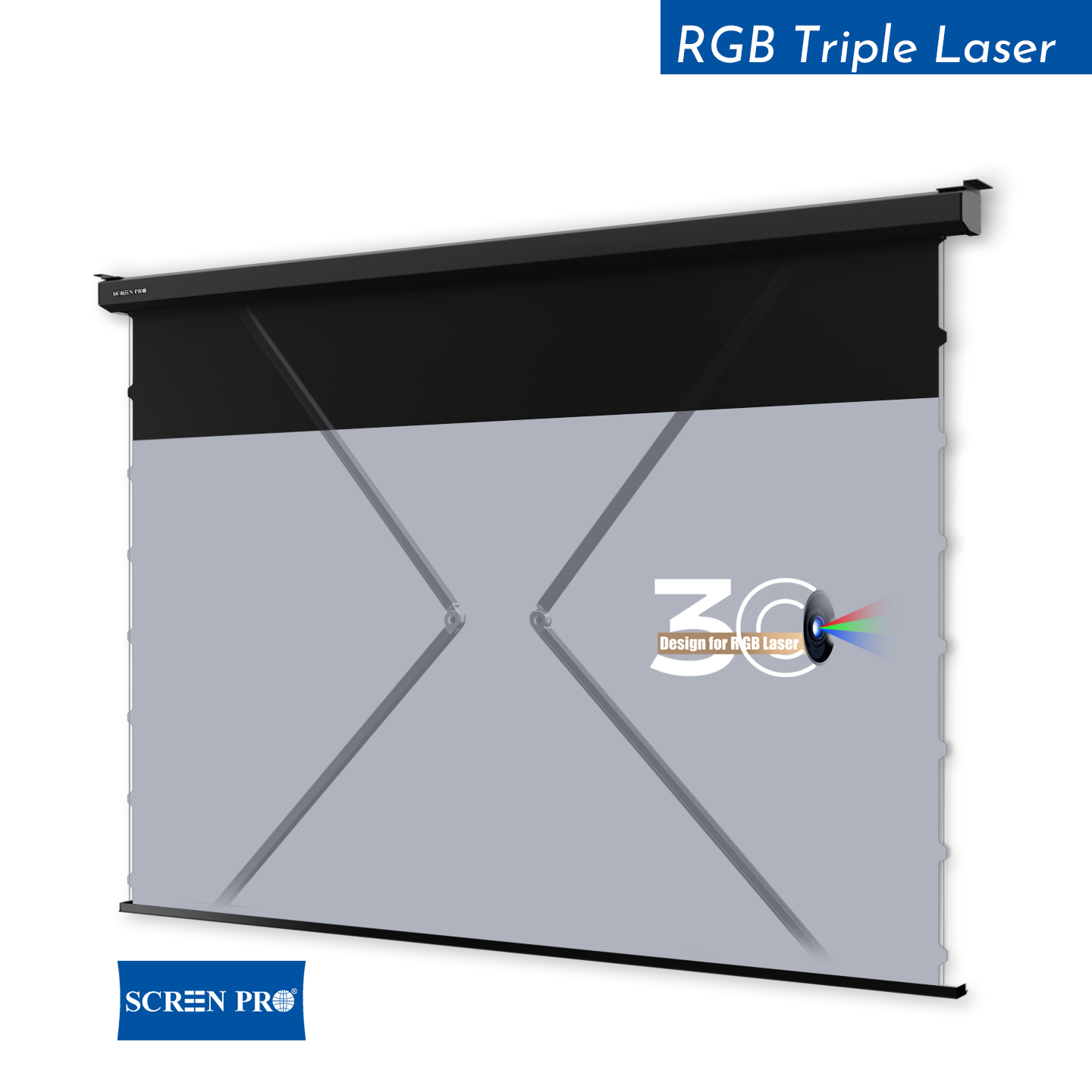
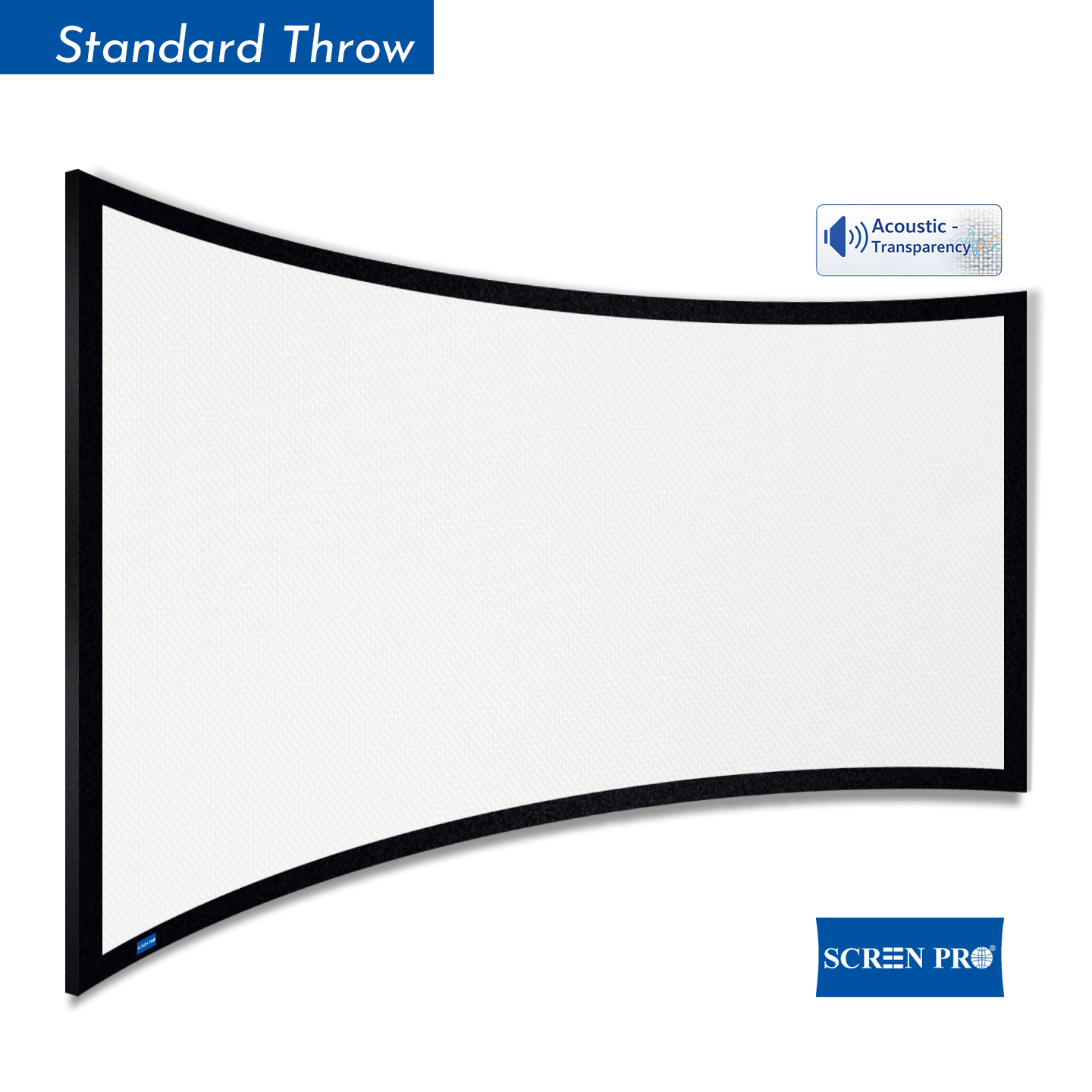
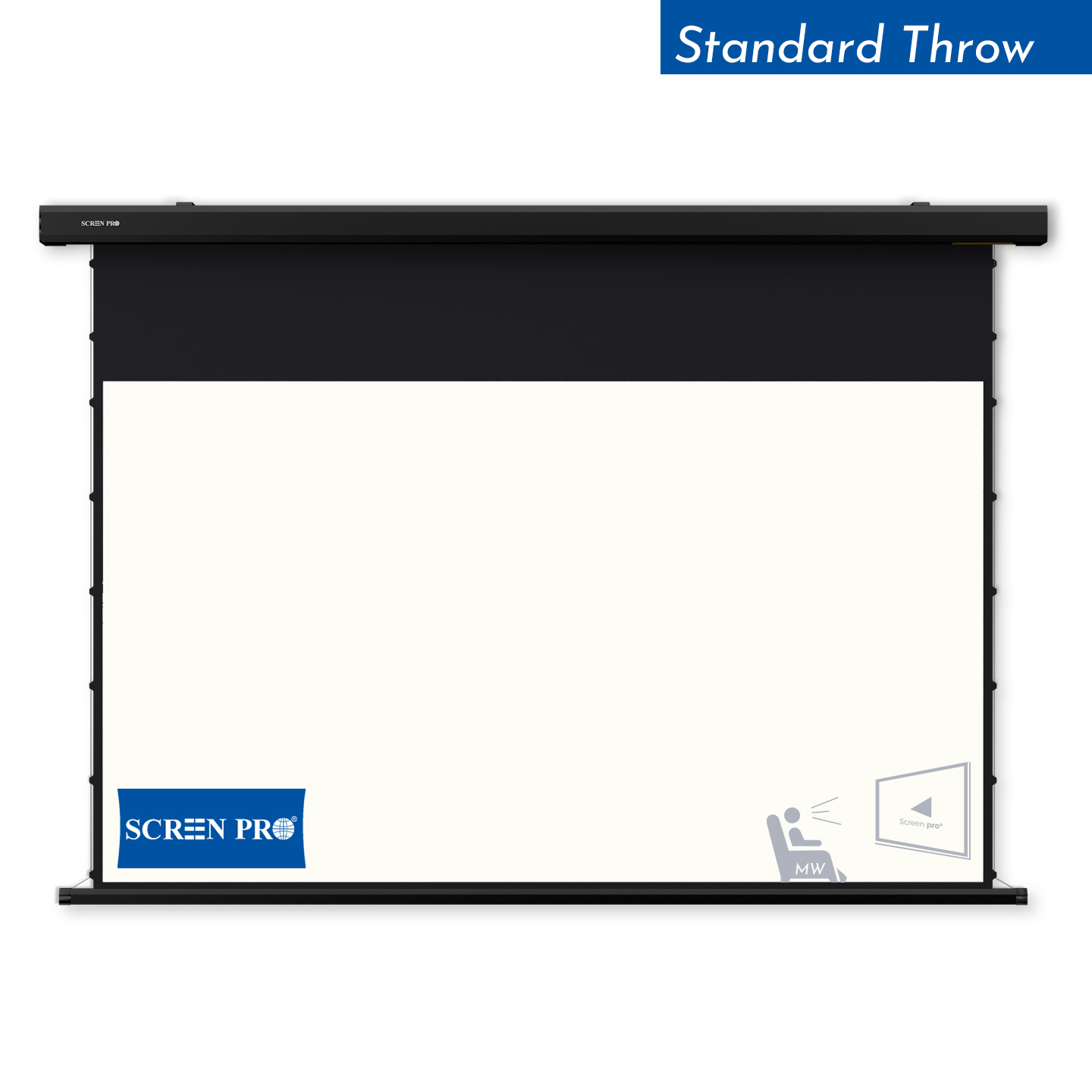
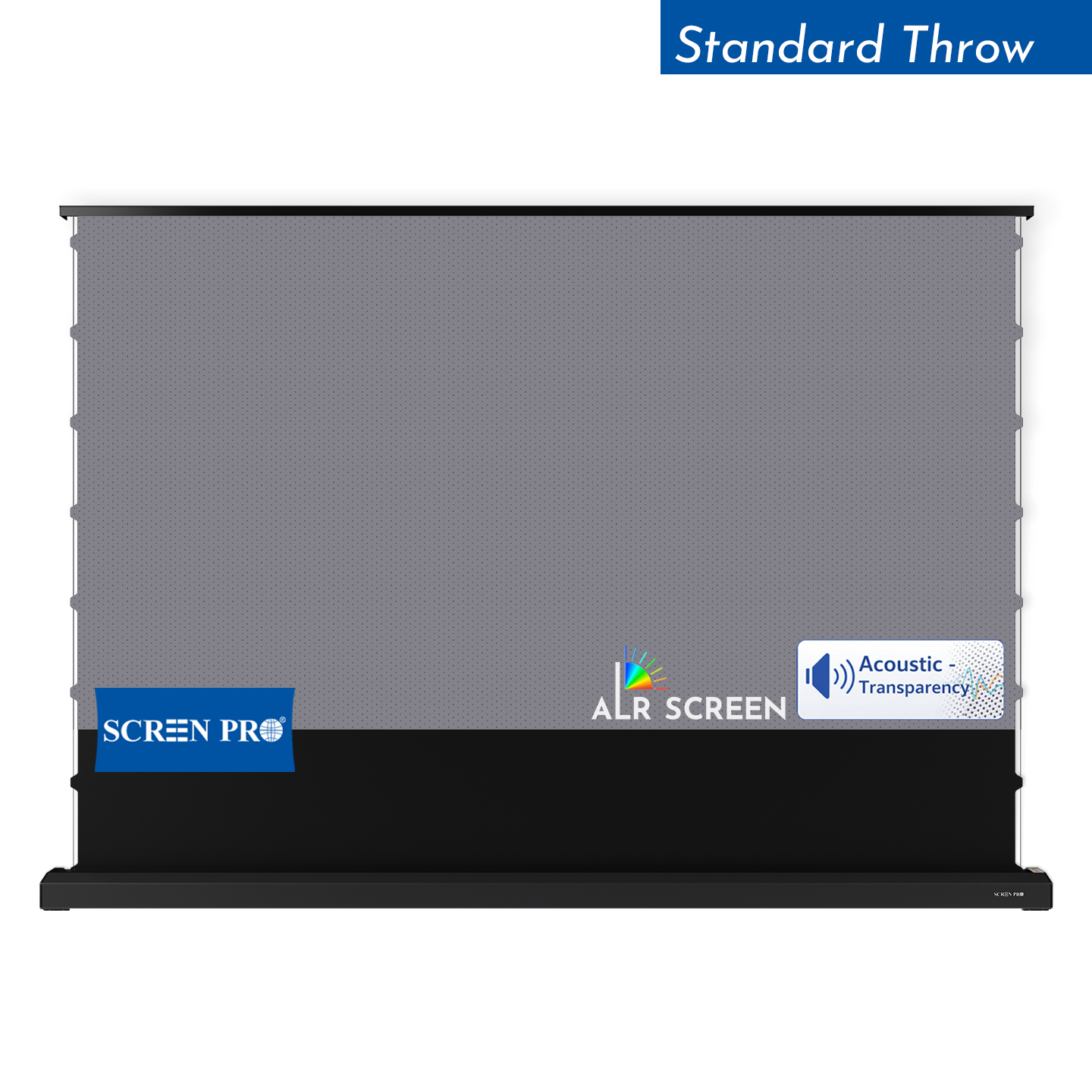
Explore SCREENPRO® solutions, including:
For dedicated home theater applications, we recommend exploring:
SCREENPRO® TW Woven Acoustic Transparent Fabric
Because the best home theater upgrade isn't always a new projector.
Sometimes it's simply a bigger screen.
```





© Copyright 2004-2026 SCREEN PRO® All Rights Reserved | Specifications are subject to change without notice. All Rights ReservedSite Map Designed by iwonder.cn