
© 2026 SCREENPRO®. Specifications are subject to change without notice. | SamsAV All Rights ReservedSite Map Designed by iwonder.cn


UST Laser Projection · Ambient Light Rejection · SCREENPRO T-Prism
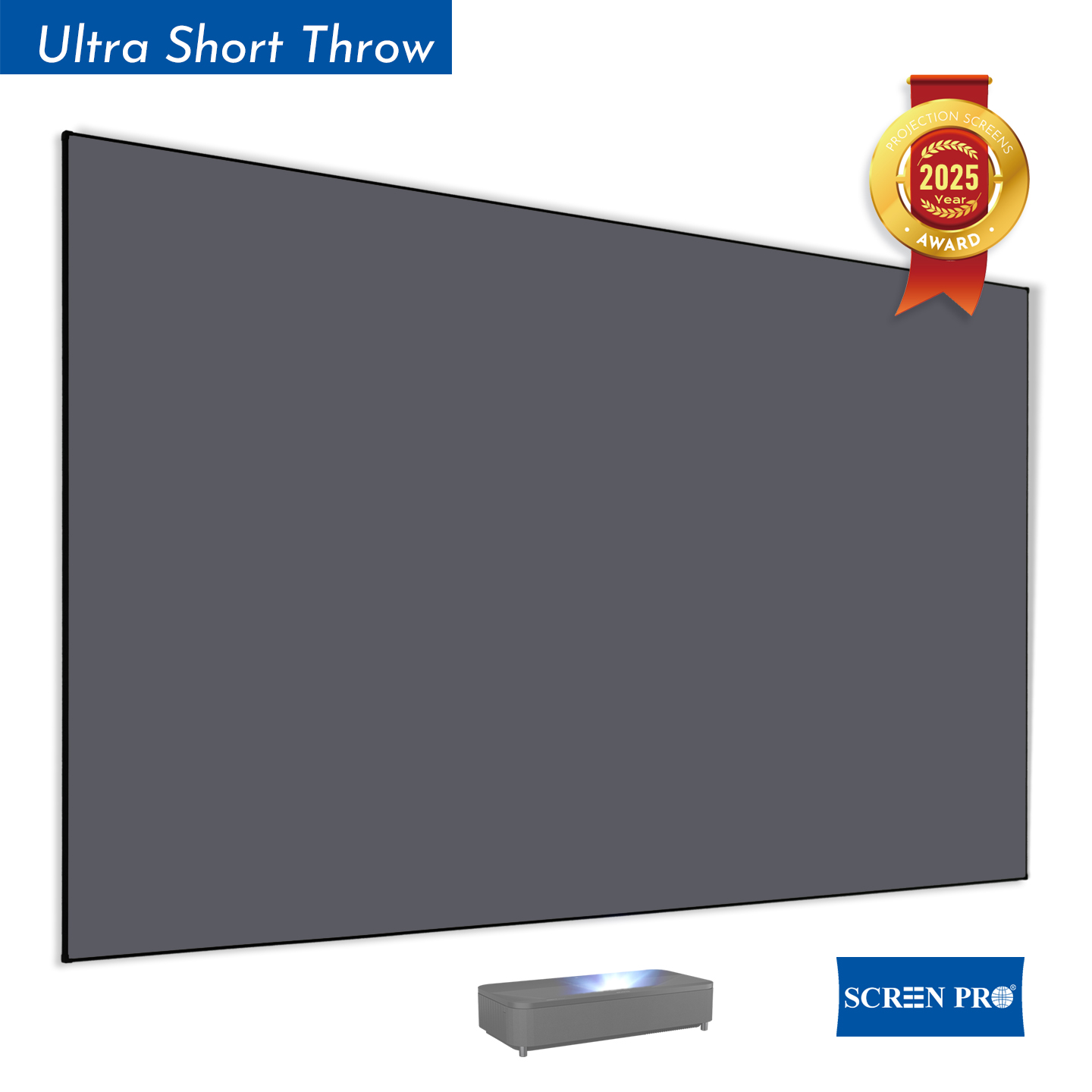
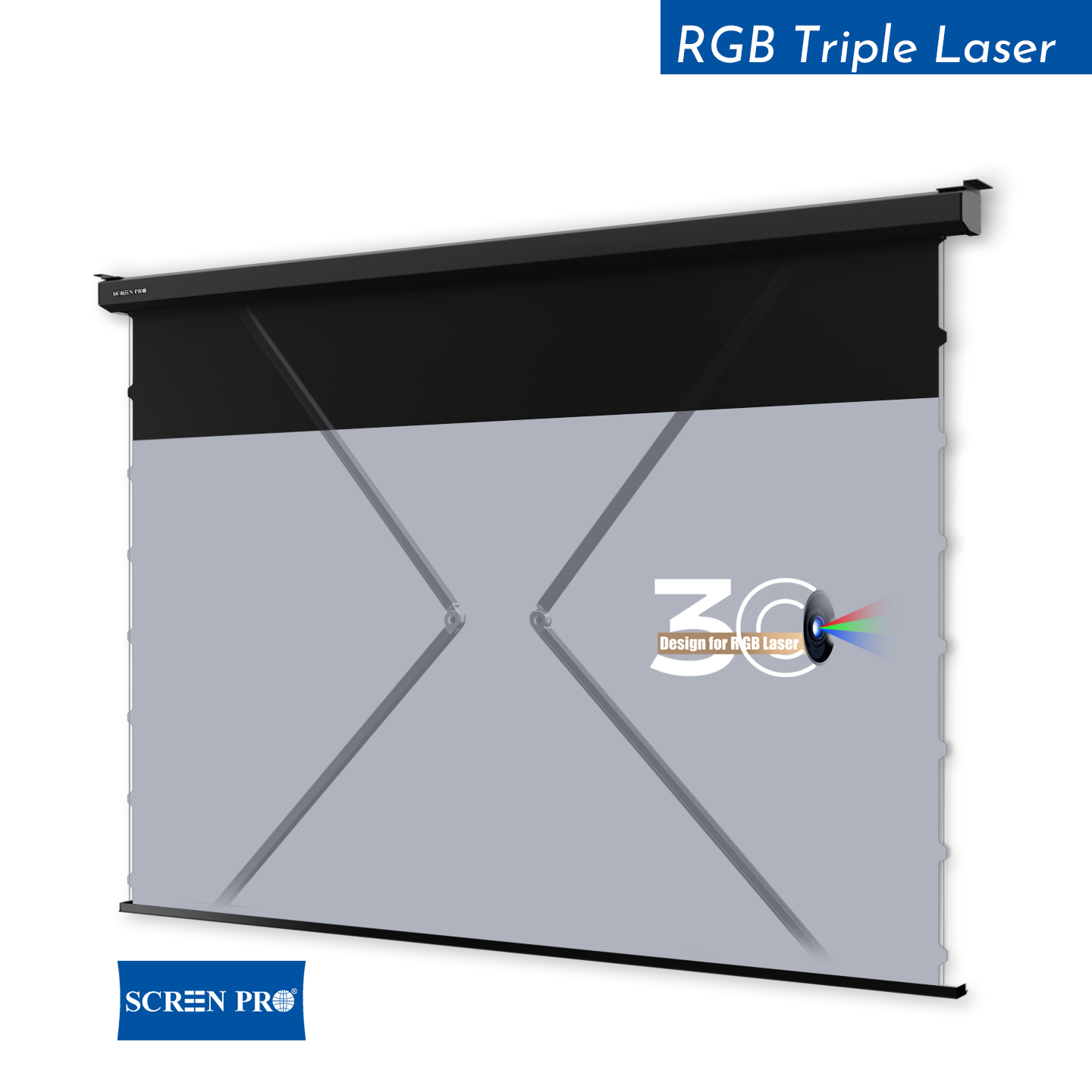
Laser short throw projectors can deliver large, bright images from a very short distance. To achieve a TV-like viewing experience in living rooms or bright environments, the projector must be paired with a proper ALR screen.
A typical projection system includes signal equipment, a projector, a projection screen, and audio equipment. For image quality, the projector and the projection screen are the two most important components. Ambient light is also a key factor that affects contrast, brightness, and perceived image clarity.
In this article, we focus on laser short throw projector technology and ALR screen technology, especially how SCREENPRO® T-Prism helps improve projection performance in ambient light environments.
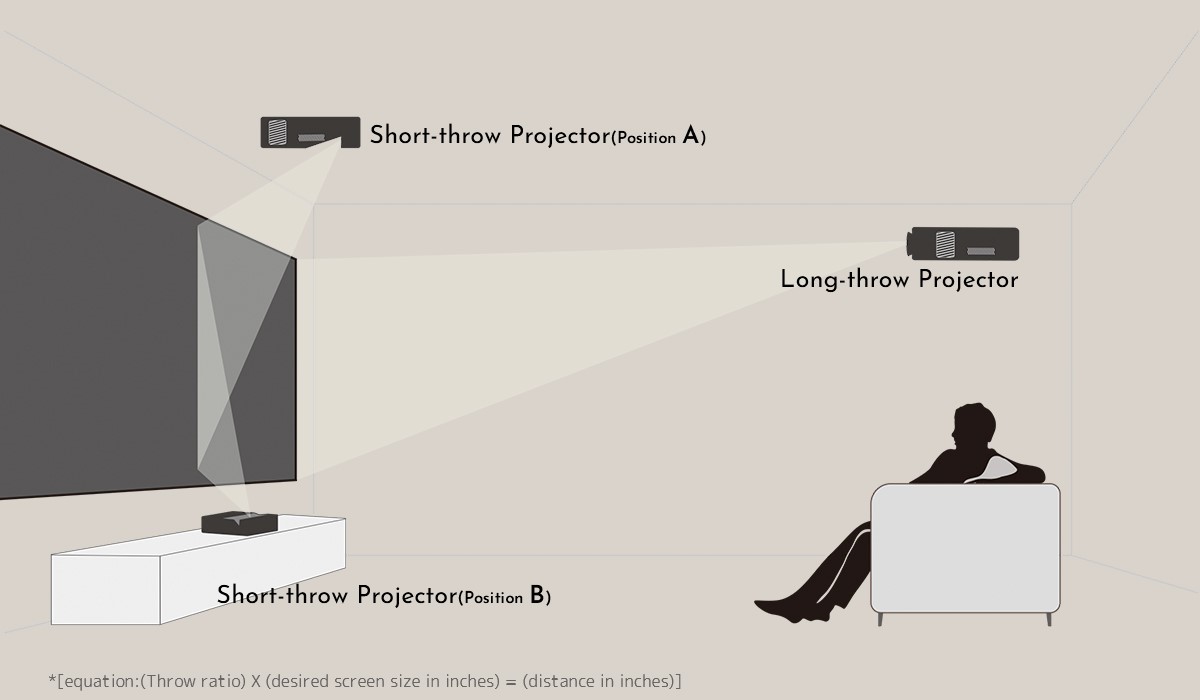
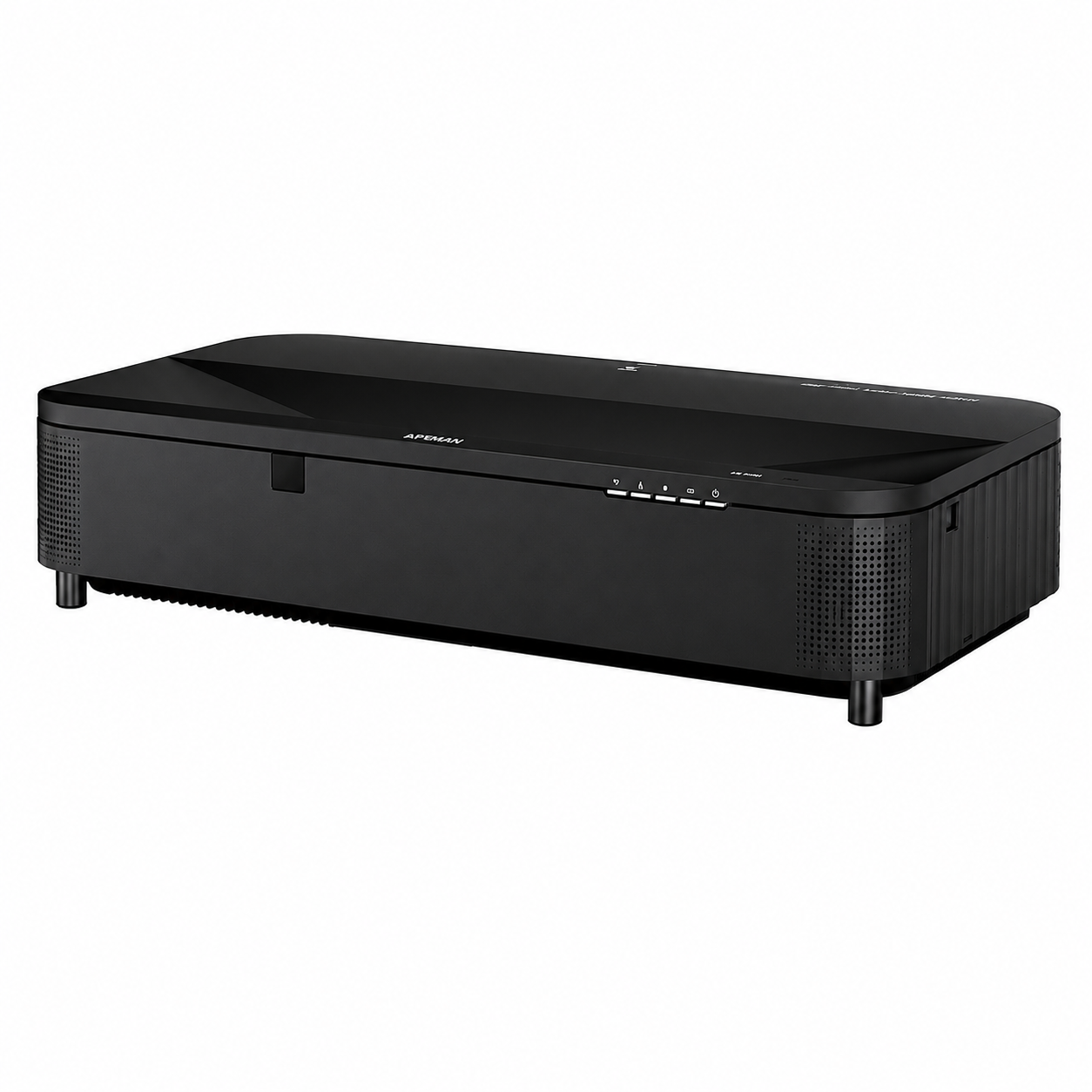
A projector is generally composed of a light source, an optical engine, and a lens. Based on light source and lens focal length, projectors can be grouped into laser short throw projectors, laser projectors, LED projectors, LCD projectors, and DLP projectors.
In simple terms:
Laser Short Throw Projector = Laser Light Source + Ultra Wide-Angle Lens
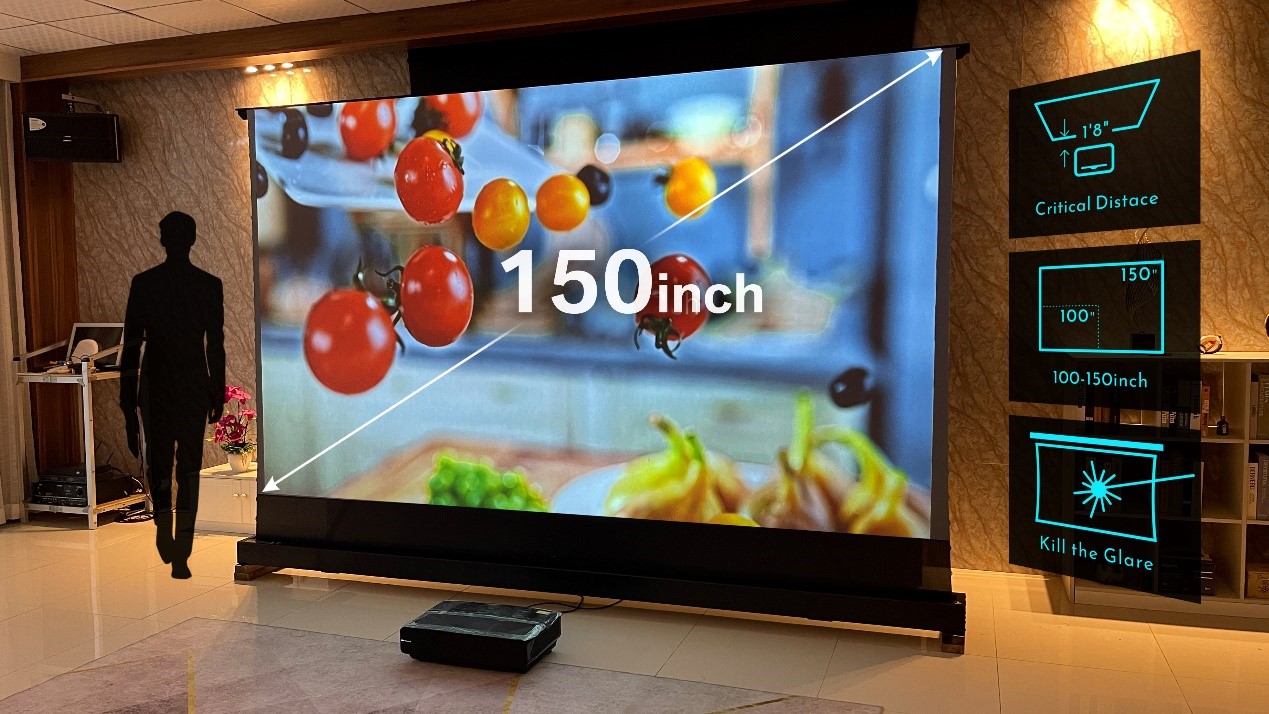
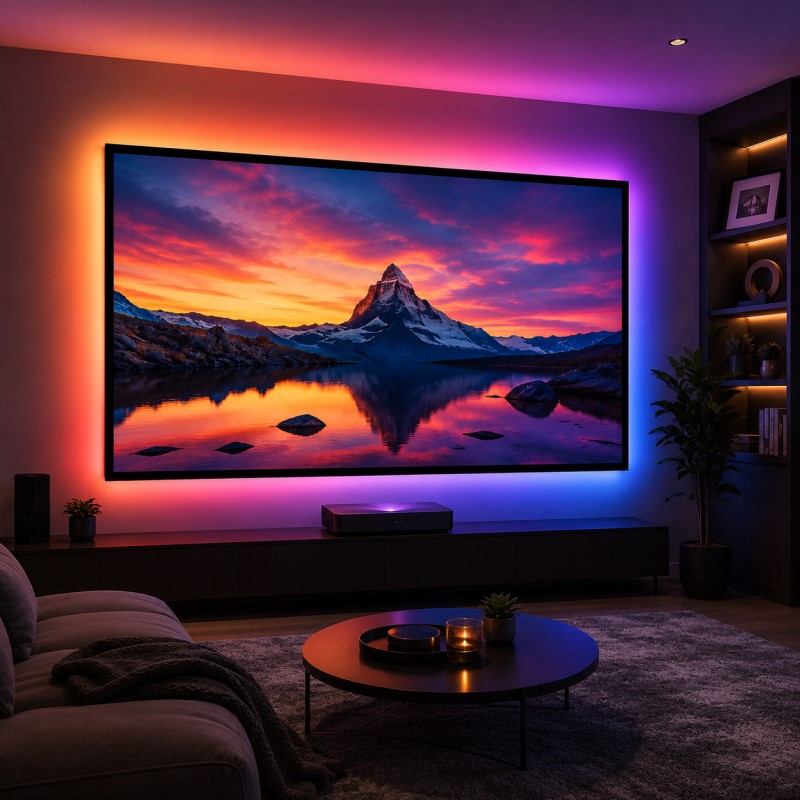
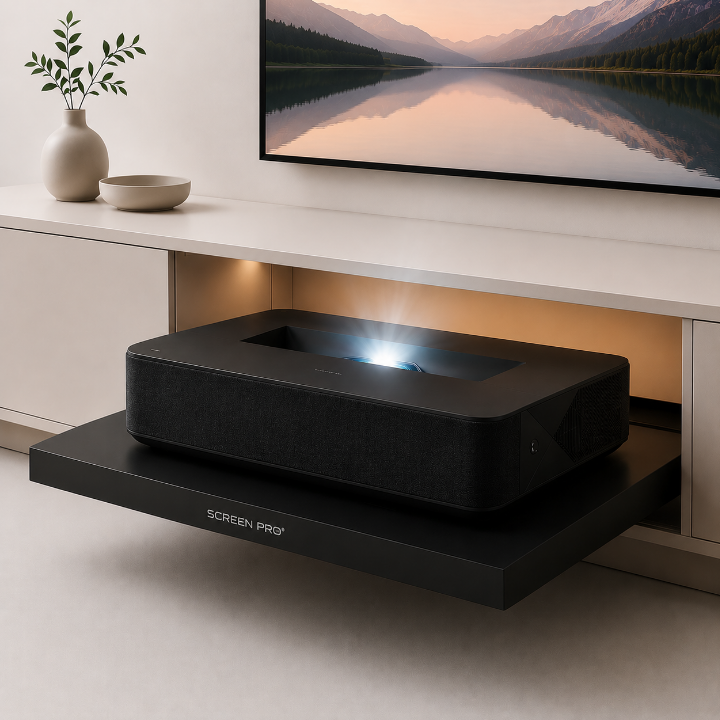
Laser TV is a projection system that combines a laser short throw projector with a compatible ALR screen. The goal is to create a large image size with a viewing experience closer to a television, especially in living rooms and non-dark environments.
For a laser short throw projector to work effectively as a laser TV system, the screen must support bright-room viewing, maintain good flatness, and provide a larger image size than a conventional TV.
Although a laser short throw projector can output a bright image, the screen surface determines how that image is reflected toward the viewer. In a room with ambient light, a standard matte white screen reflects both projector light and environmental light, which can wash out the image.
An ALR screen is designed to reject or absorb unwanted ambient light while reflecting projector light toward the viewing area. This helps improve contrast, black level, and image visibility.
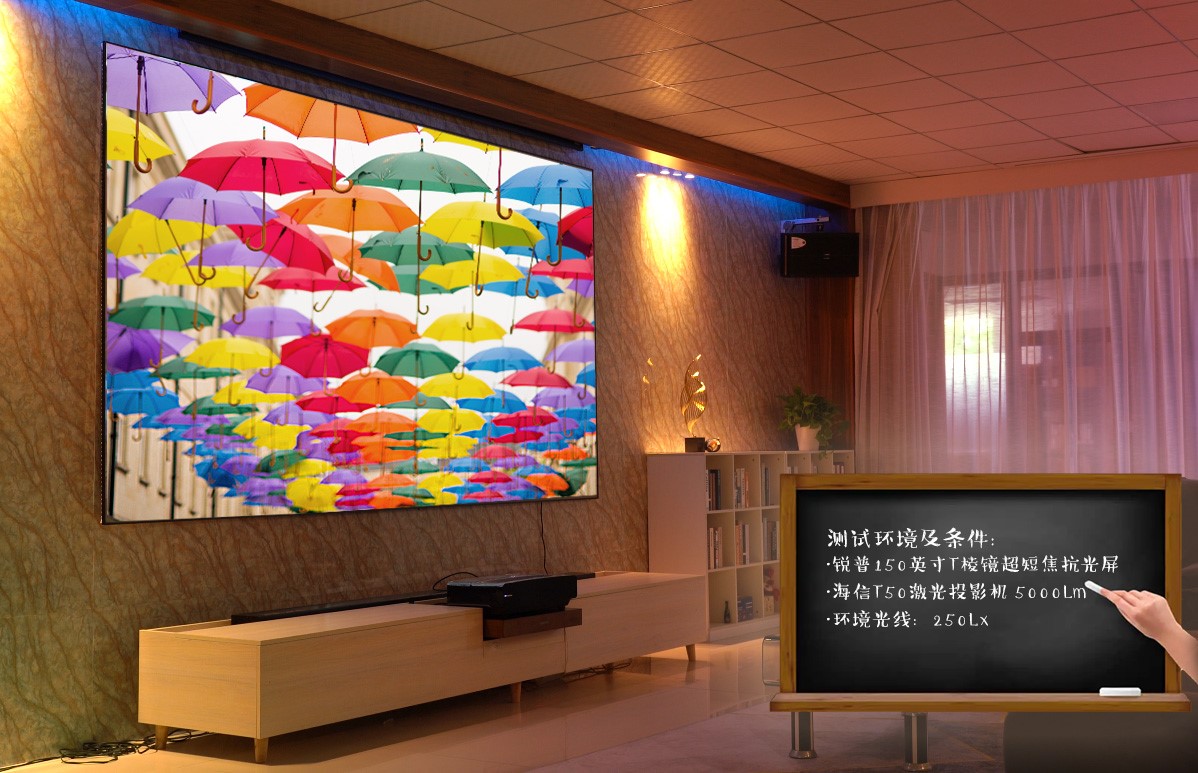
There are several ALR technologies used for ultra short throw and laser TV applications. The most common types include Fresnel ALR, Black Matrix ALR, and SCREENPRO T-Prism ALR.
| ALR Technology | Main Strength | Limitation | Typical Use |
|---|---|---|---|
| Fresnel ALR | Strong side-light rejection and high center brightness. | Smaller viewing angle, limited rollability, and size restrictions. | Rigid laser TV screens. |
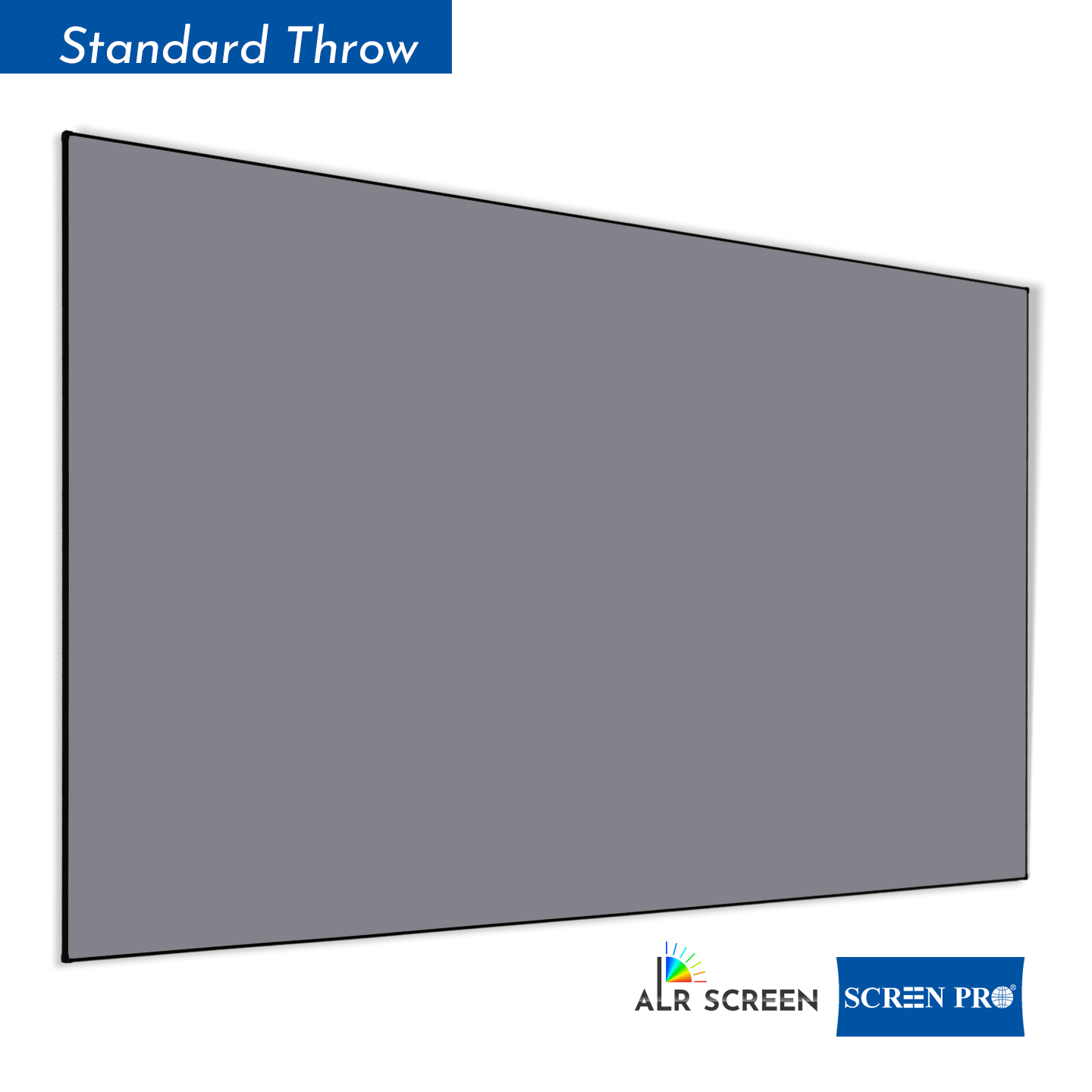
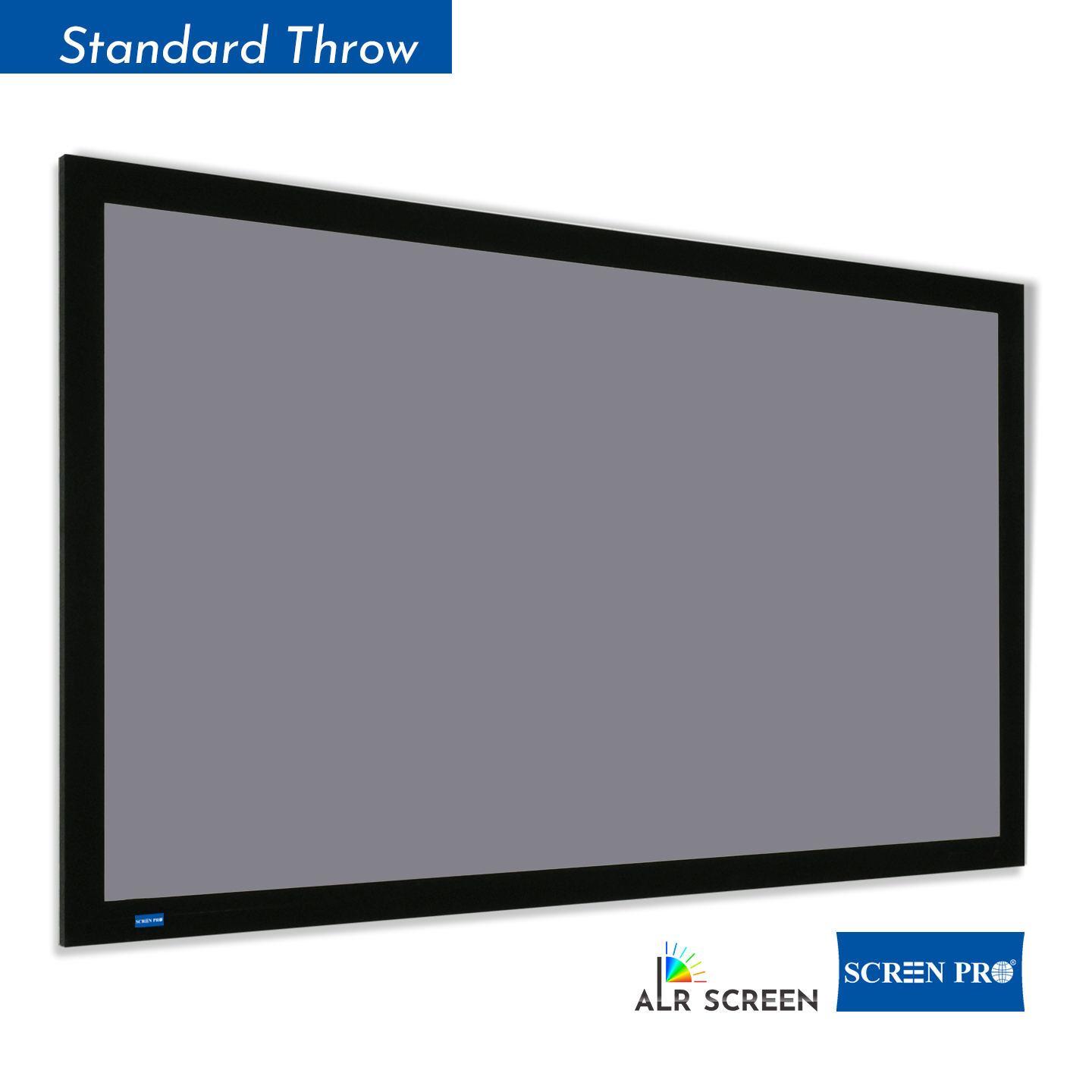
| Black Matrix ALR | Good top-light rejection and wide viewing angle. | Product structure and optical direction must match the projector setup. | Fixed frame, ultra frame, and selected motorized screens. |
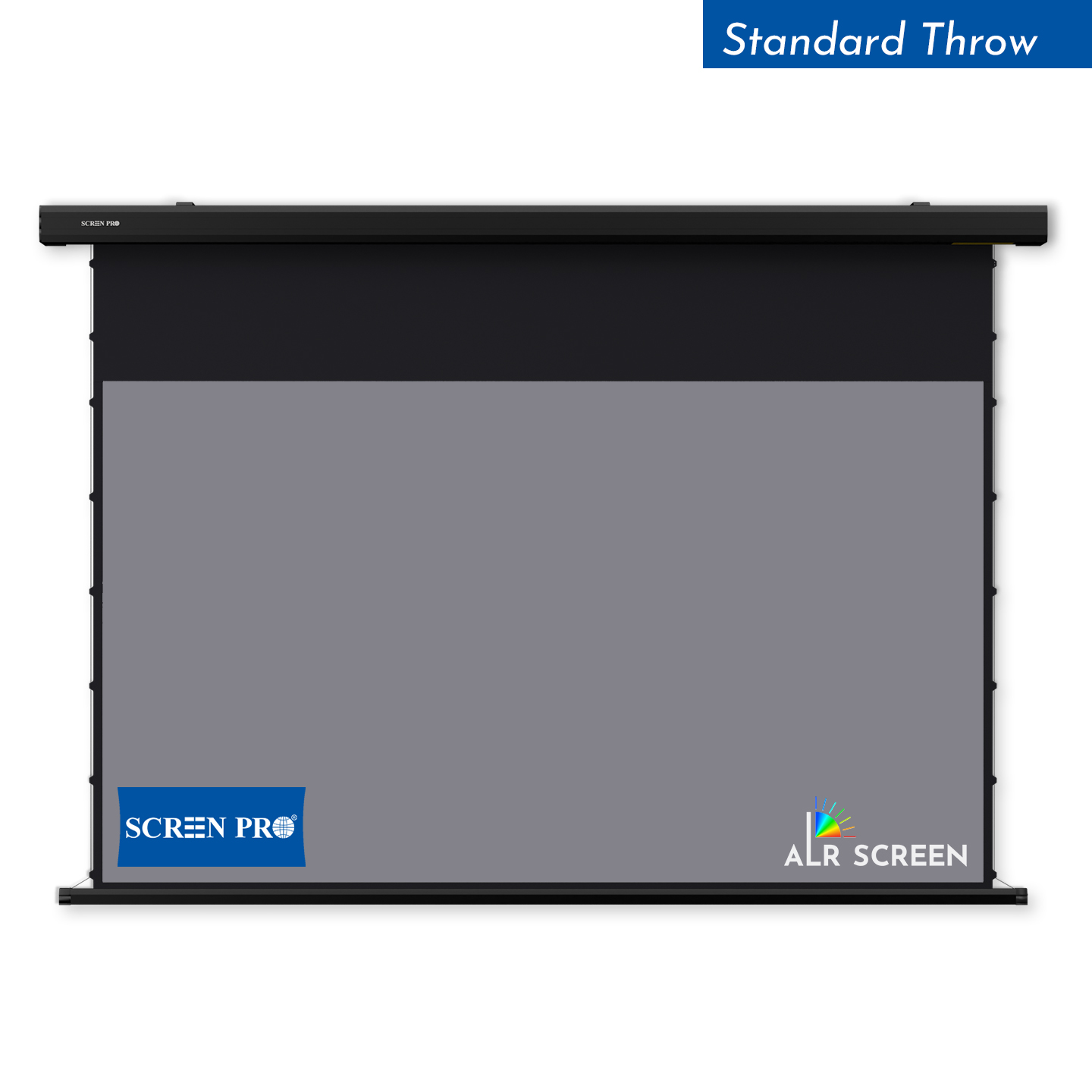
| SCREENPRO T-Prism | Wide viewing angle, better rollability, and flexible product structures. | Side-light and top-light rejection may vary depending on installation environment. | Motorized, floor rising, fixed frame, and in-ceiling UST ALR screens. |
Fresnel ALR screens use an arc-shaped optical structure. They can provide strong side-light rejection and high brightness in the central viewing area. However, the viewing angle is usually narrower, the material is less suitable for rolling, and product sizes are often more limited.
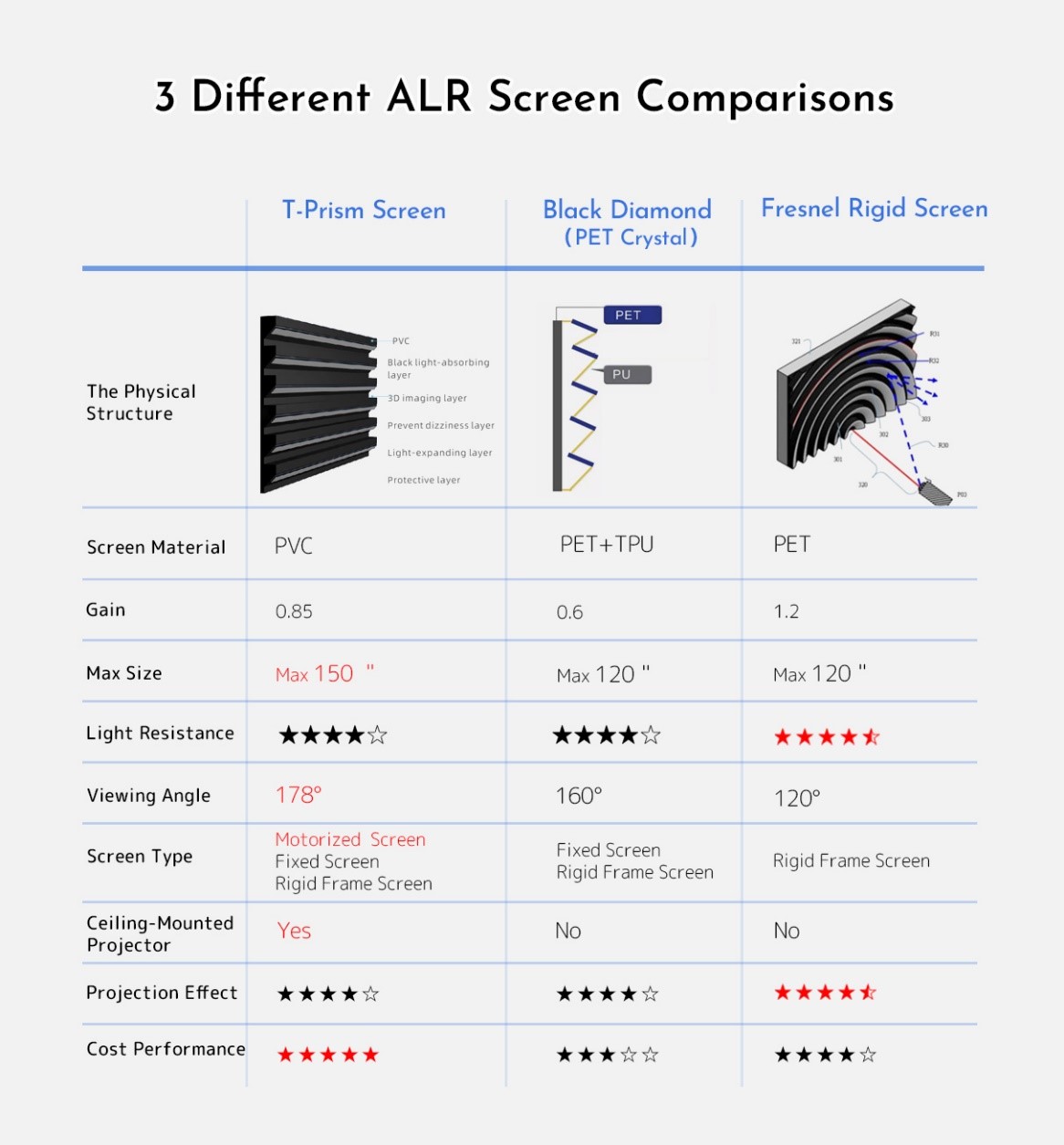
Black Matrix ALR screens use a linear optical structure to manage ambient light and projector light. They can offer wide viewing angles and better rollability than traditional Fresnel rigid screens, making them suitable for selected fixed frame and motorized applications.
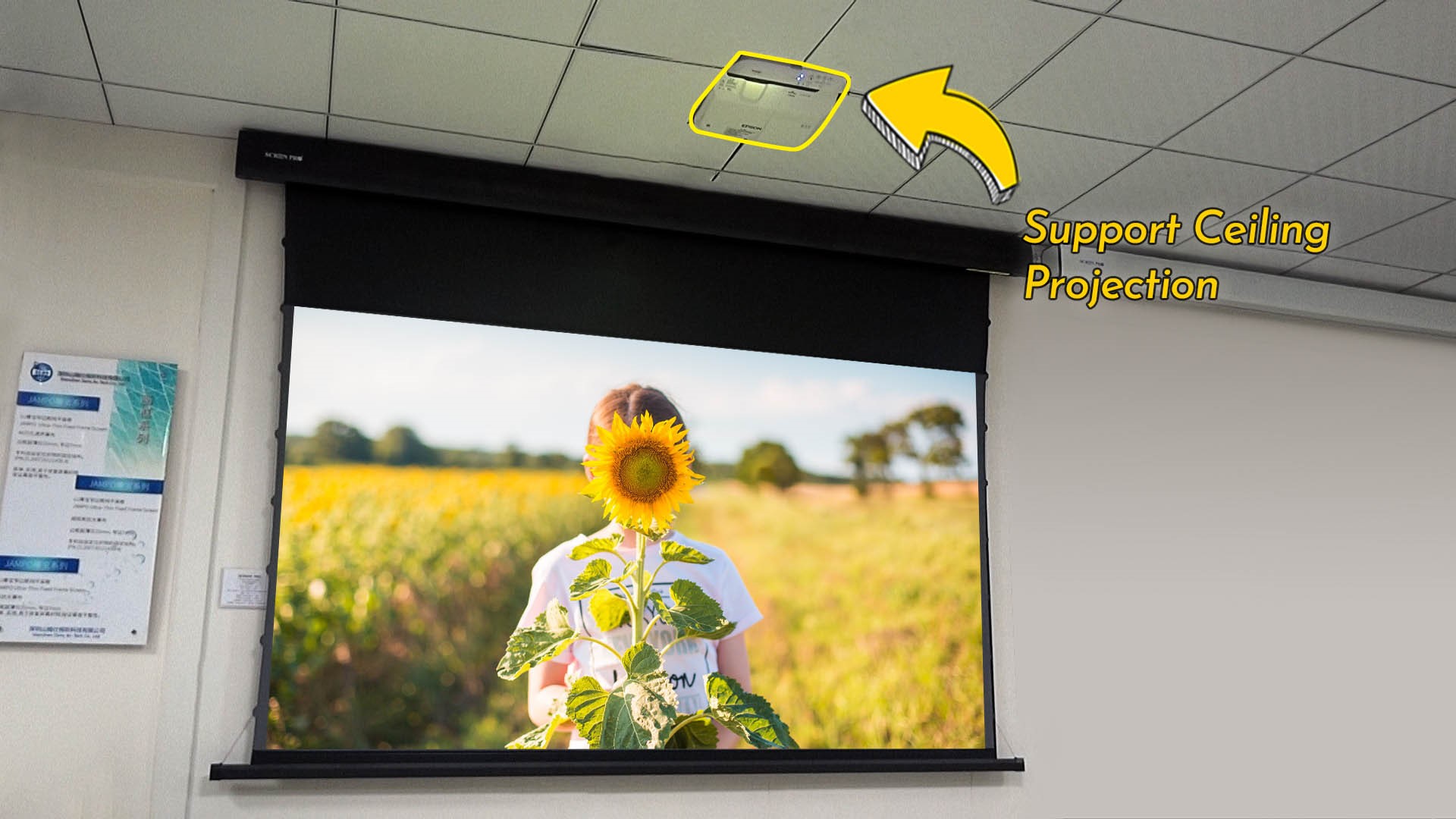
SCREENPRO T-Prism is a directional ambient light rejecting screen technology developed for ultra short throw laser projectors. It uses a trapezoidal optical structure to guide projector light toward the viewer while reducing unwanted ambient light.
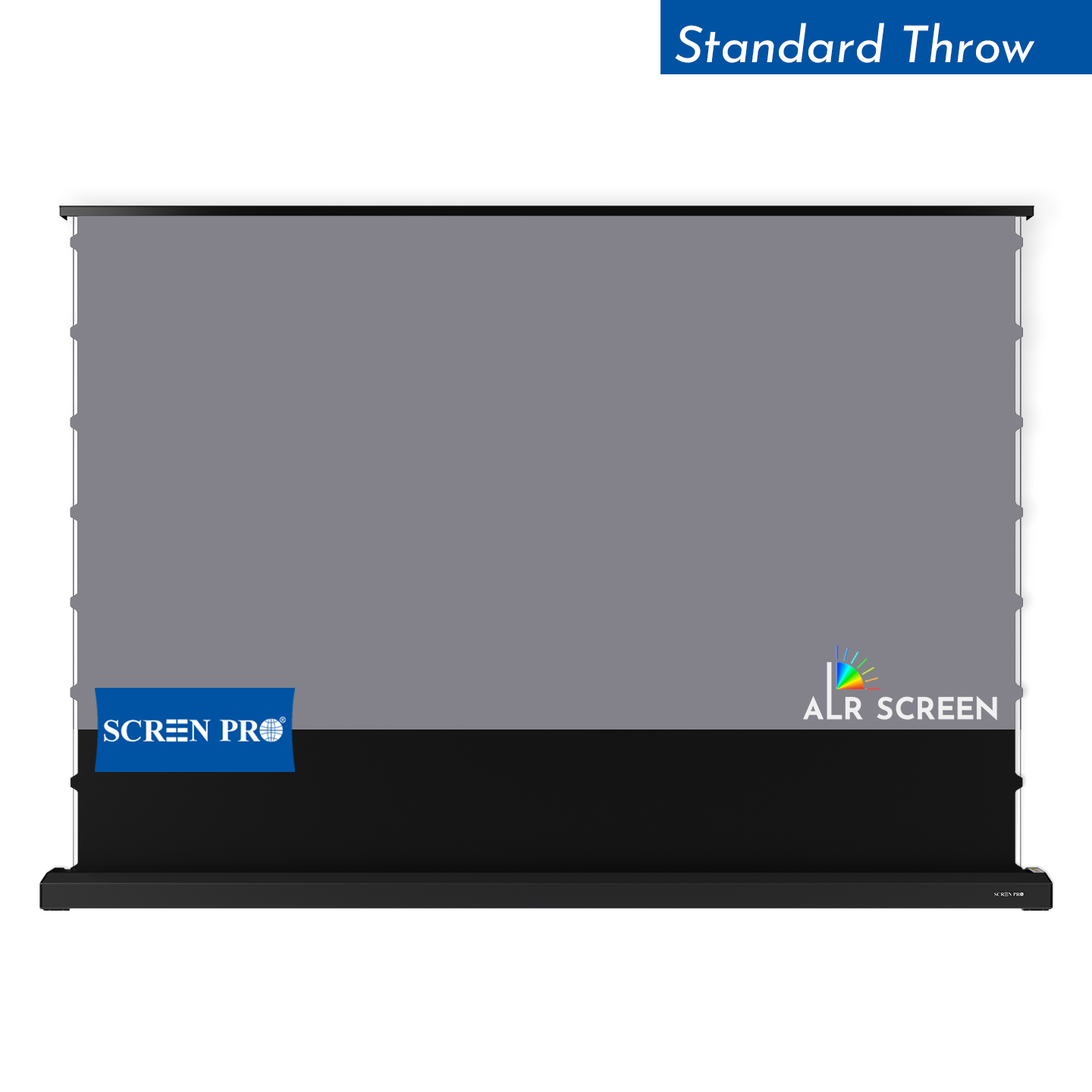
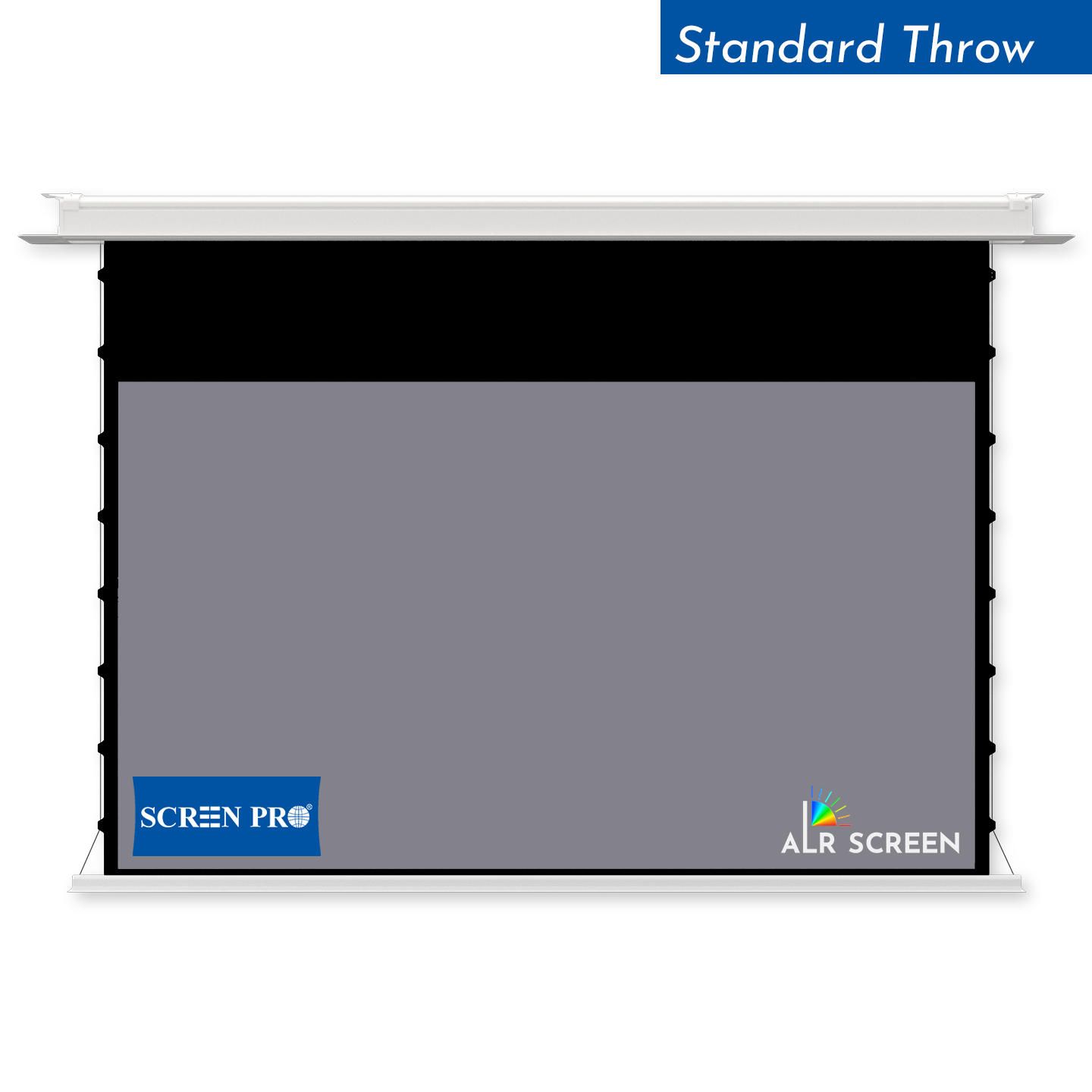
The key advantage of T-Prism is its balance between optical performance and product flexibility. It can be used in multiple screen structures, including fixed frame screens, motorized screens, floor rising screens, and in-ceiling UST ALR screens.
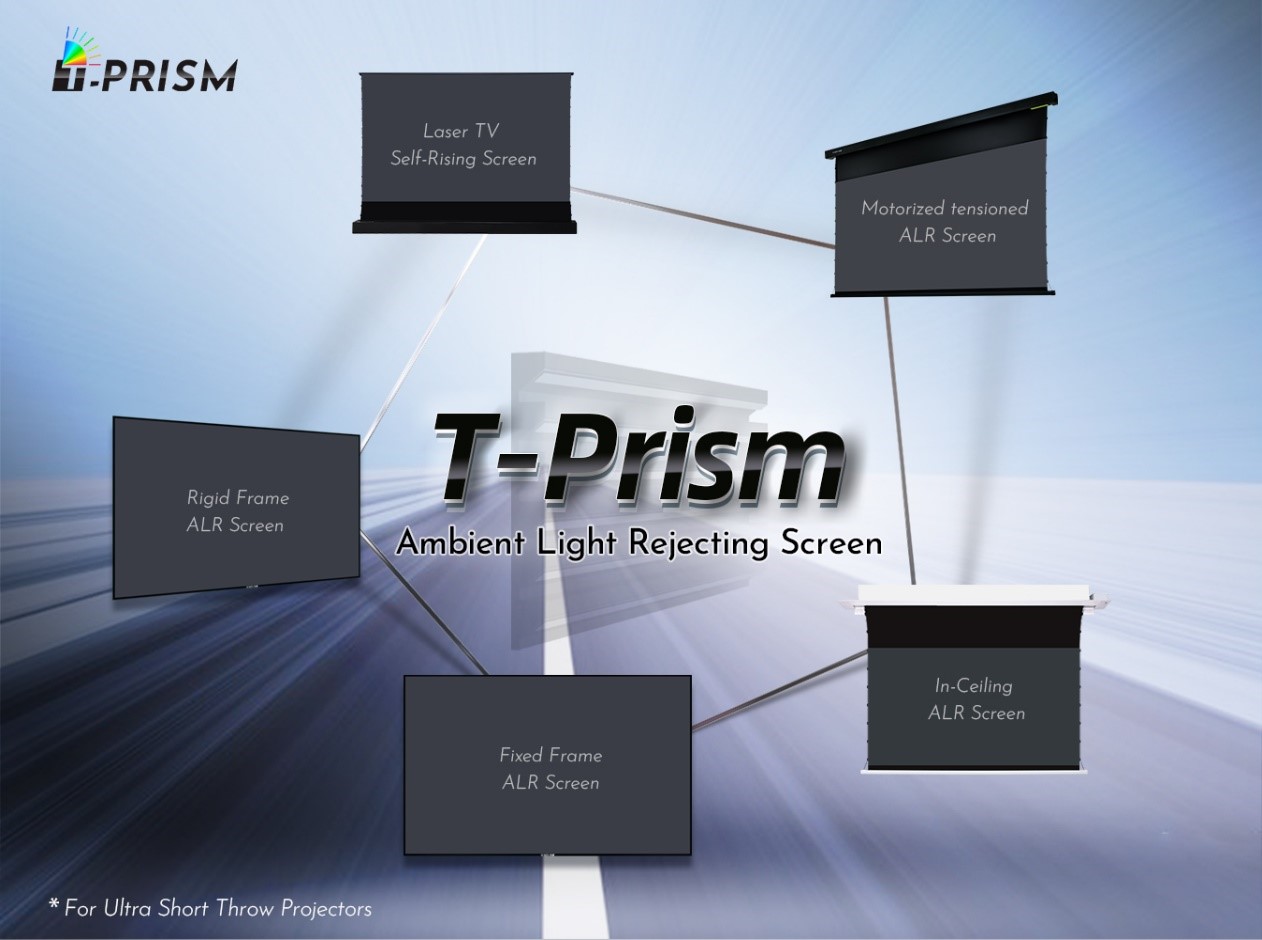
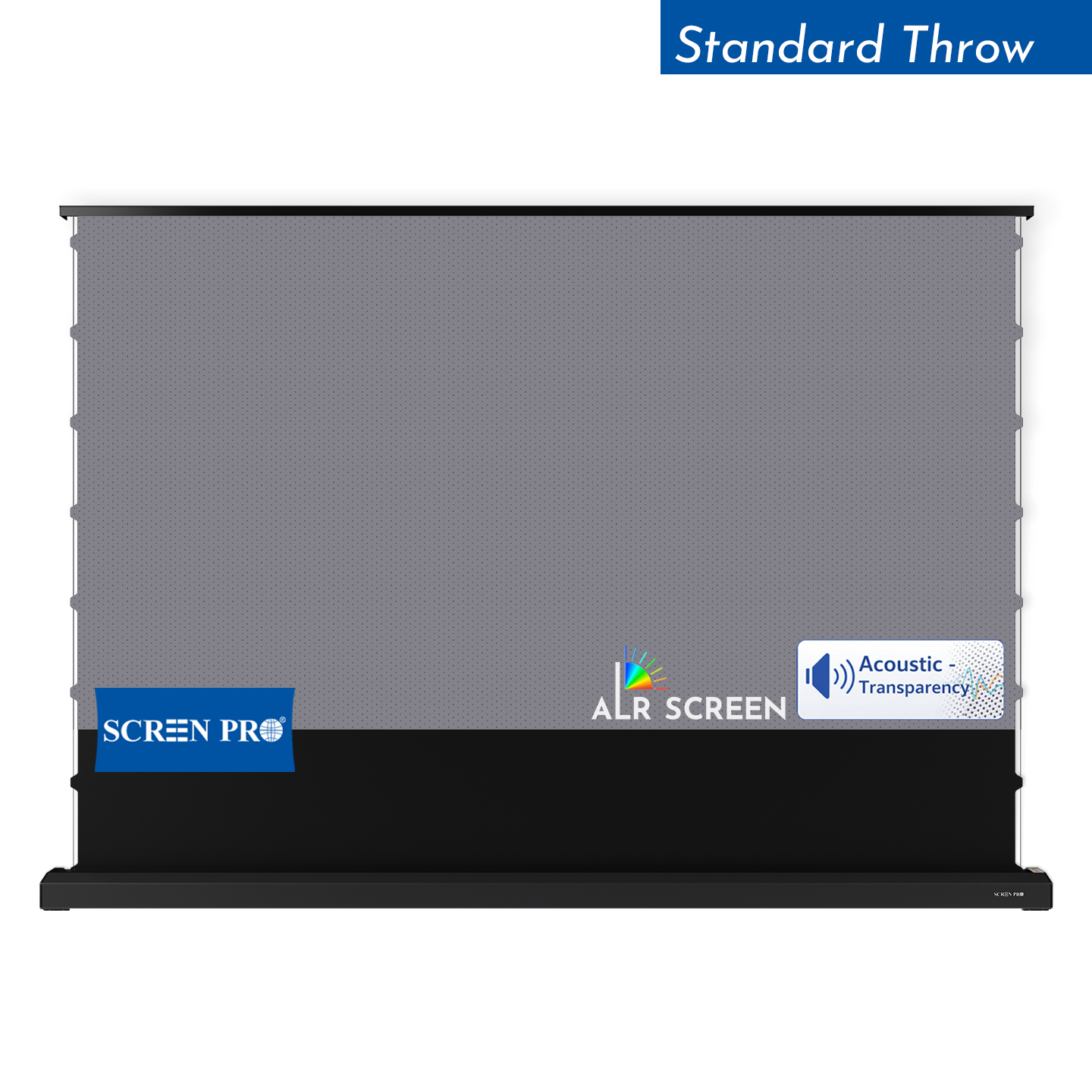
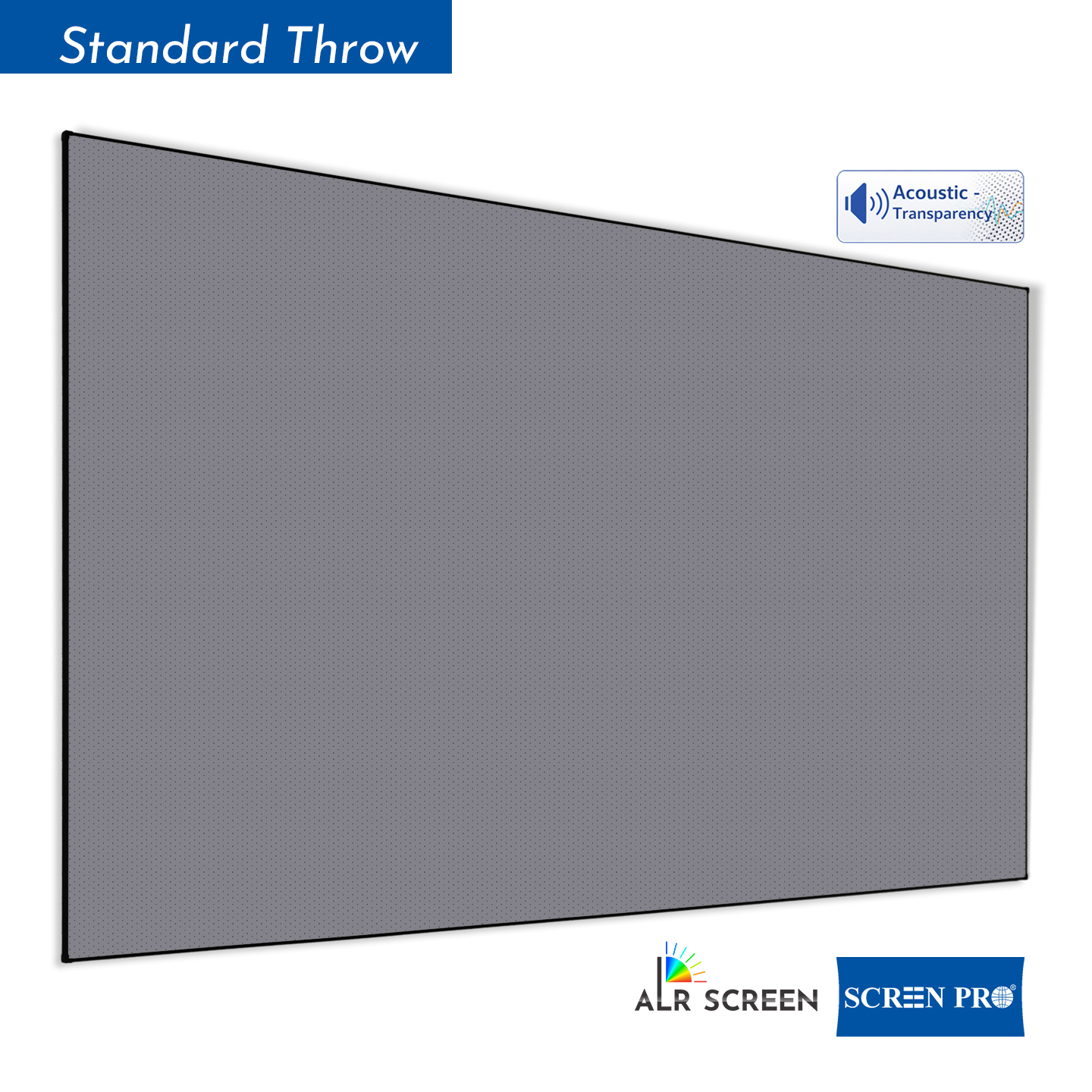
SCREENPRO T-Prism technology is available across several UST ALR screen structures, allowing users to select the installation method that best matches their room, projector, and design requirements.
For bright living rooms or laser TV-style setups, an ALR screen is strongly recommended because it helps preserve contrast and reduce image washout caused by ambient light.
A normal white screen can display an image, but it usually reflects ambient light as well as projector light. This can reduce contrast in bright environments.
T-Prism offers a balance of ambient light rejection, wide viewing angle, rollable structure, and compatibility with multiple screen formats such as motorized, floor rising, fixed frame, and in-ceiling screens.
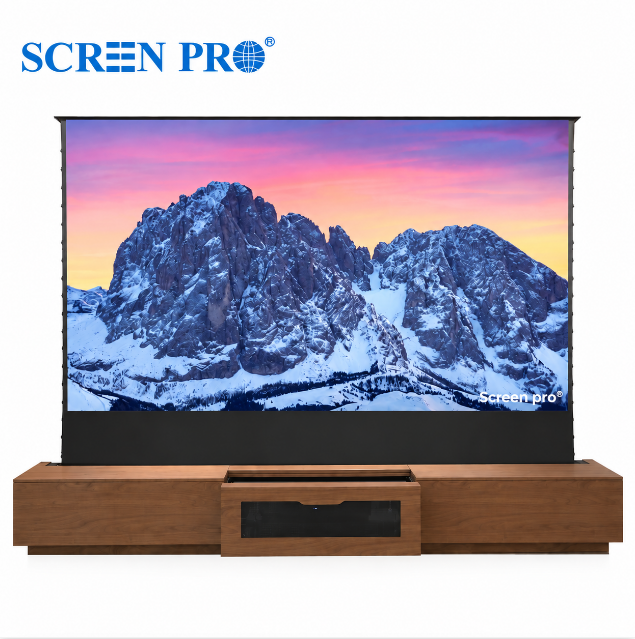
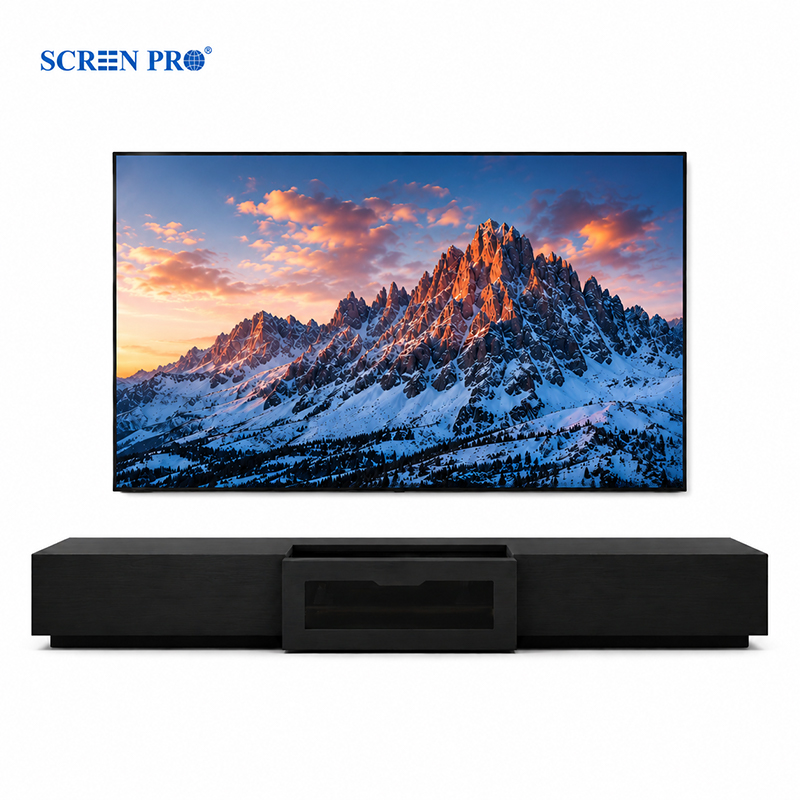
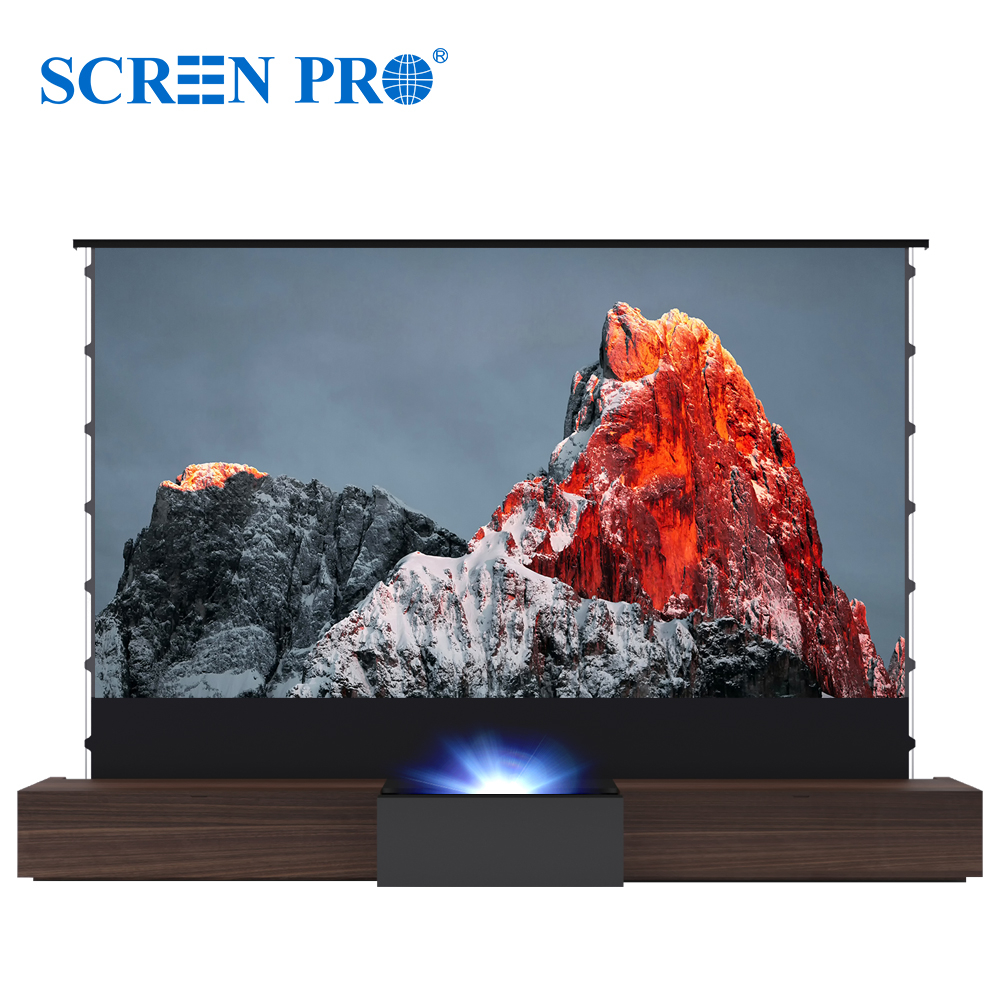
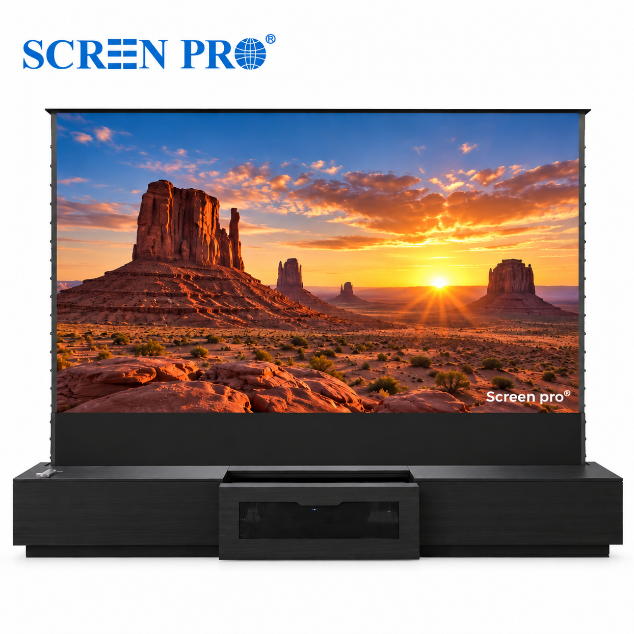
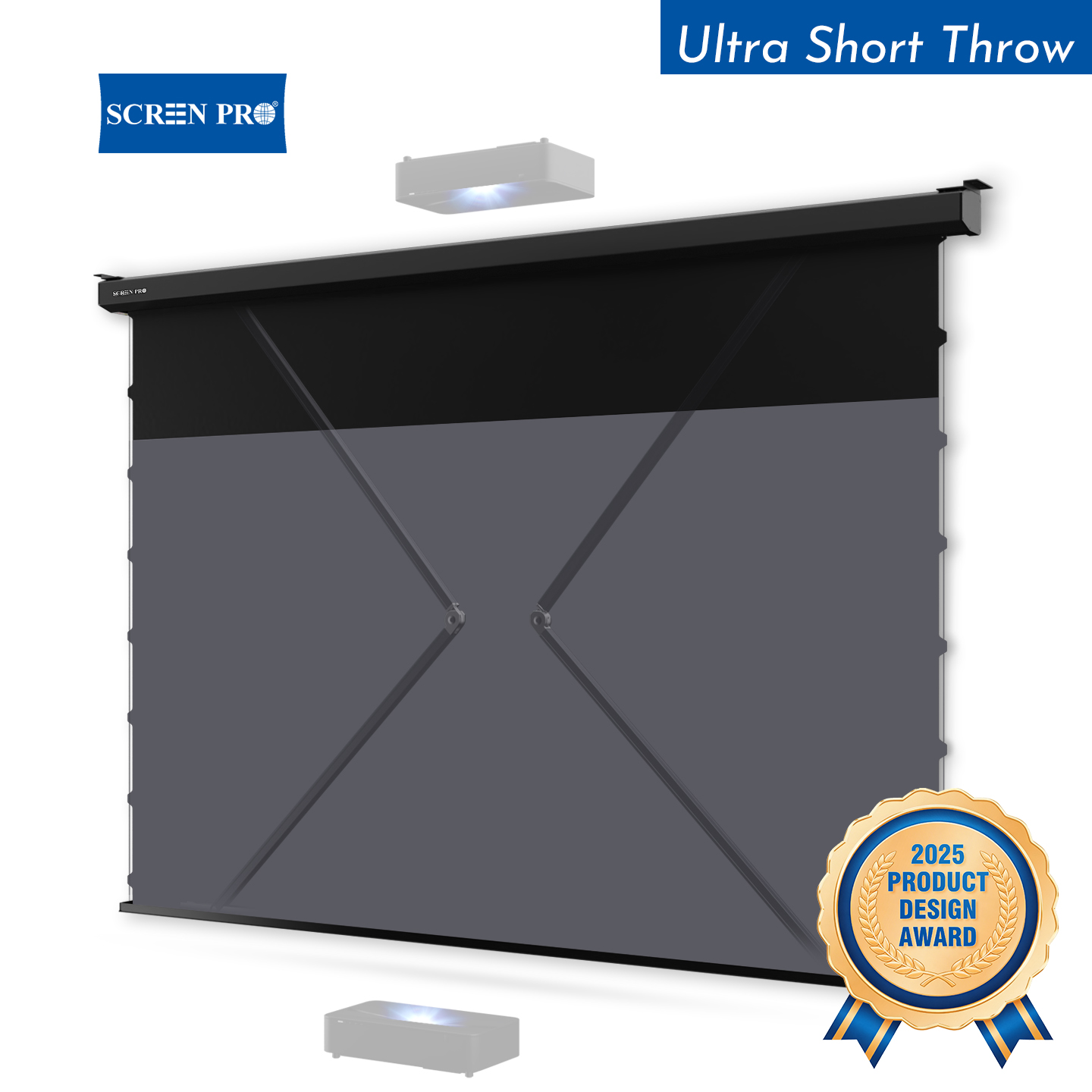
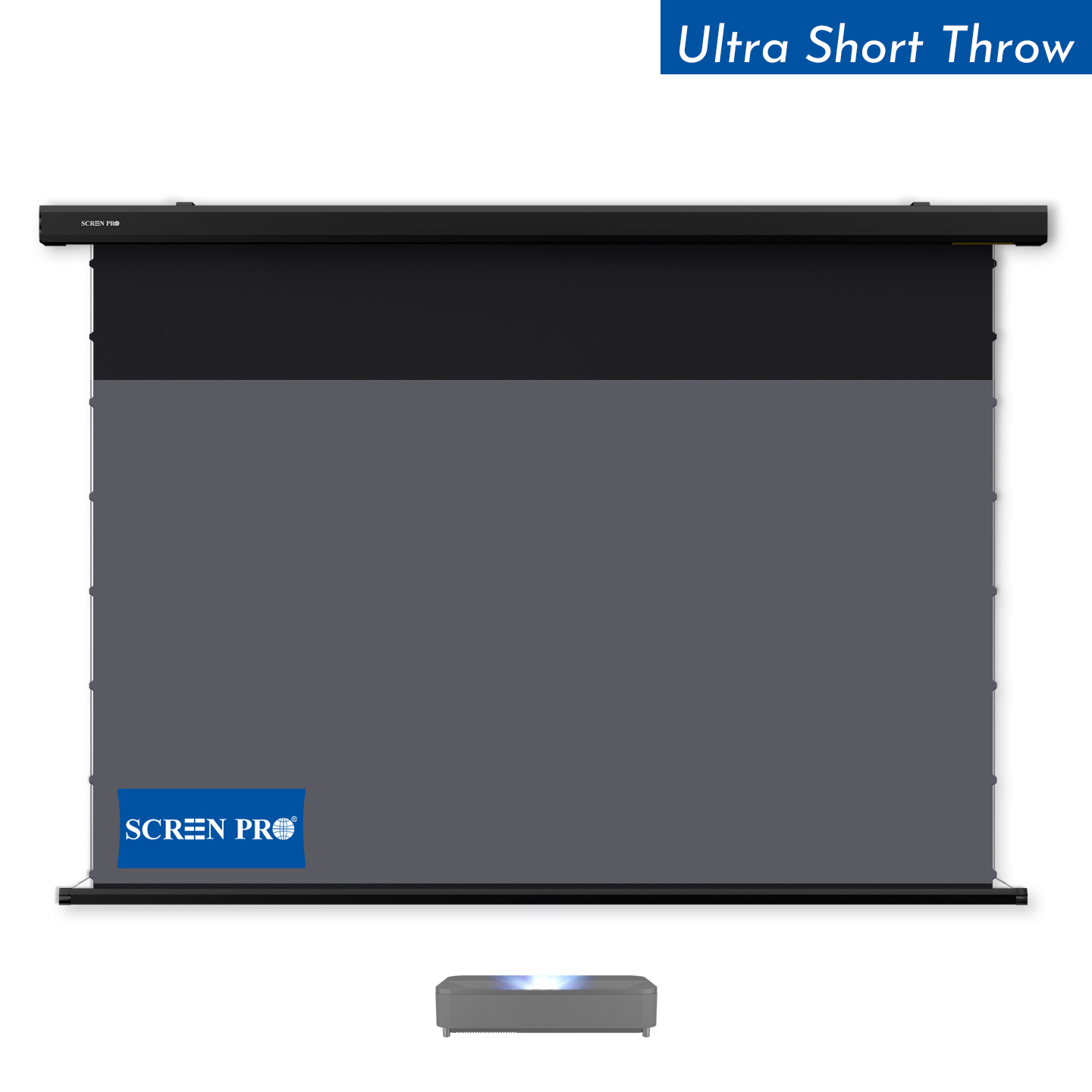
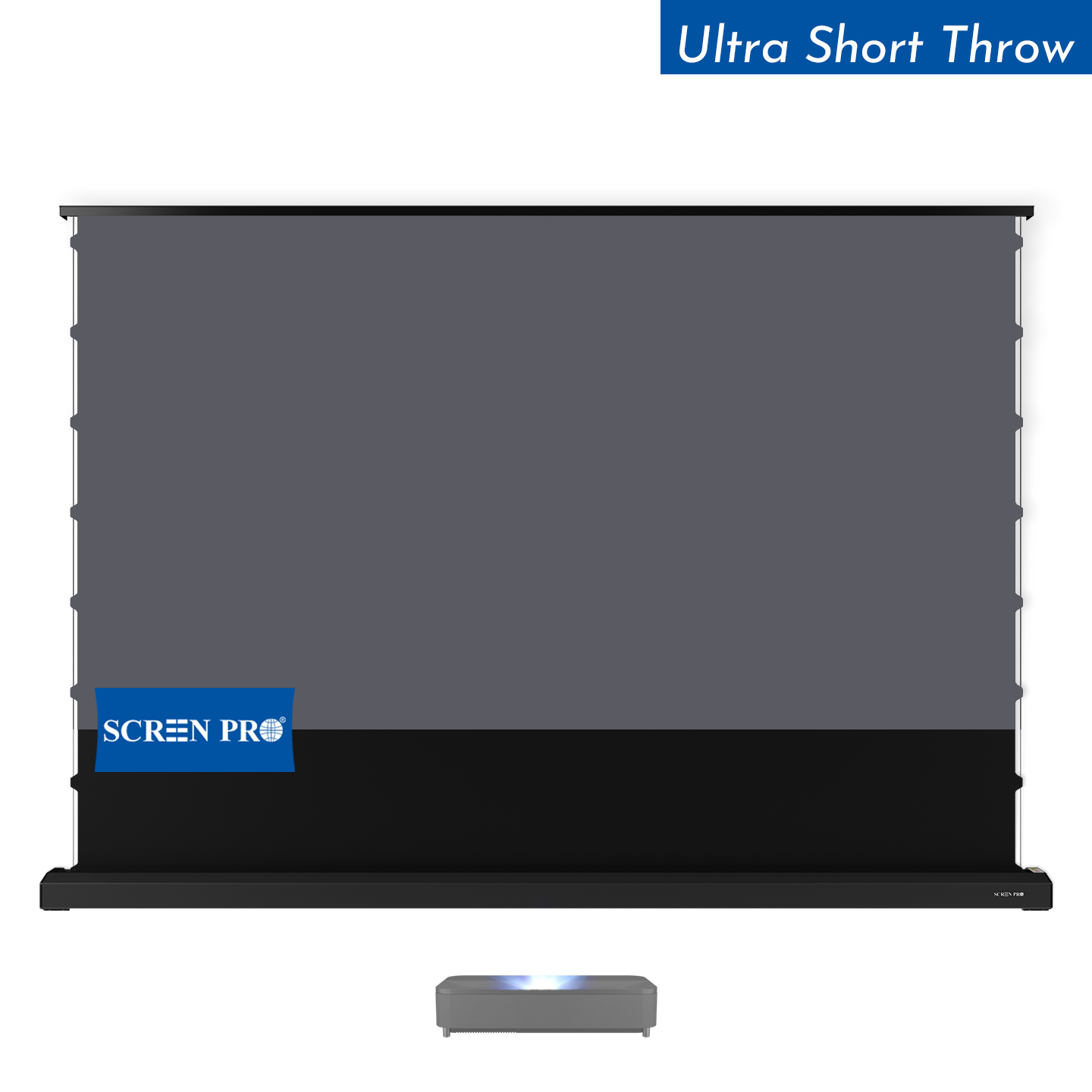
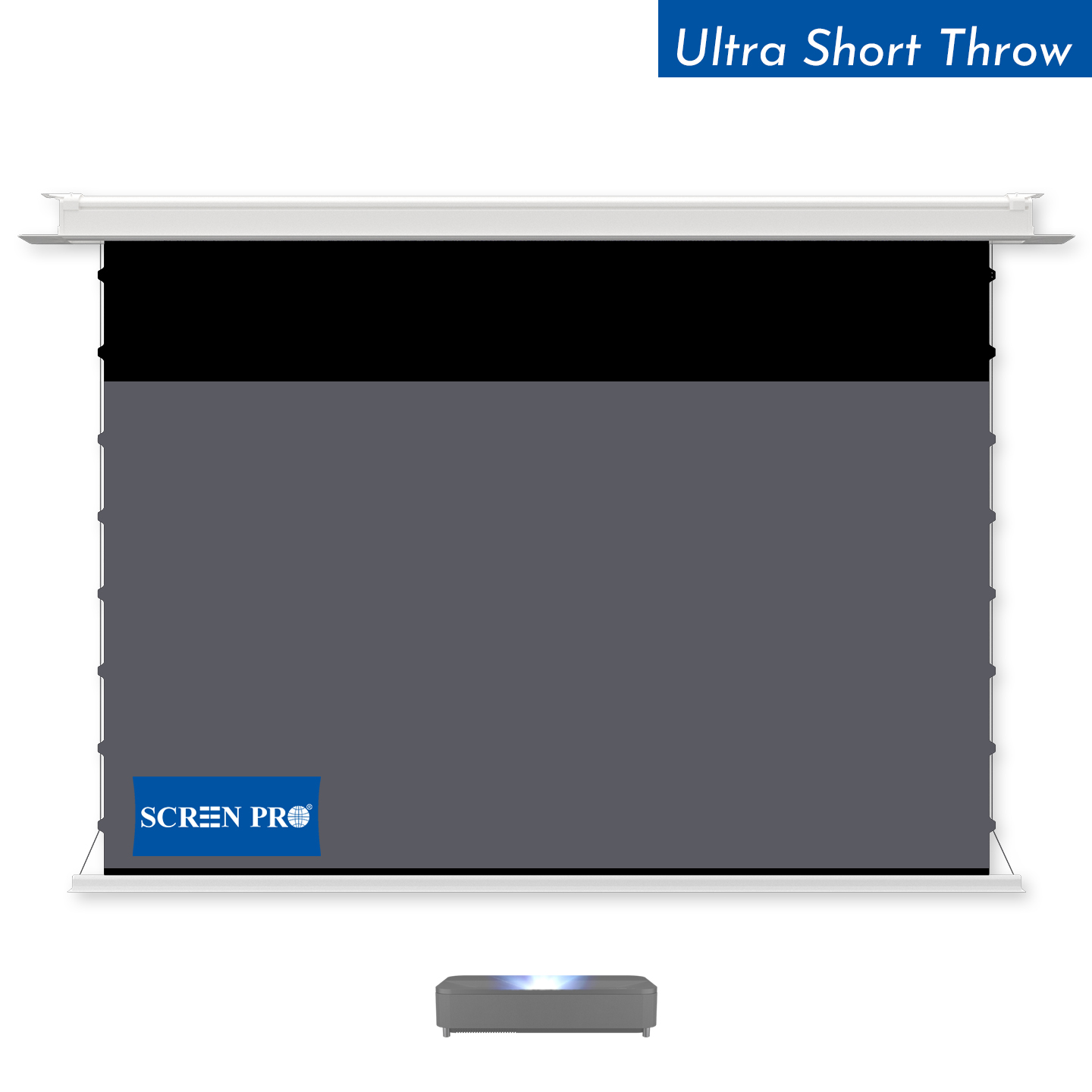
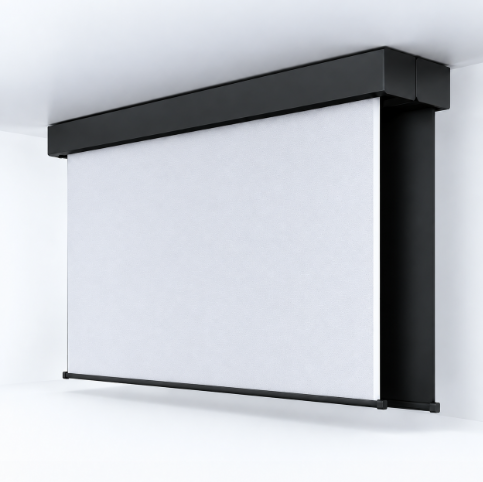
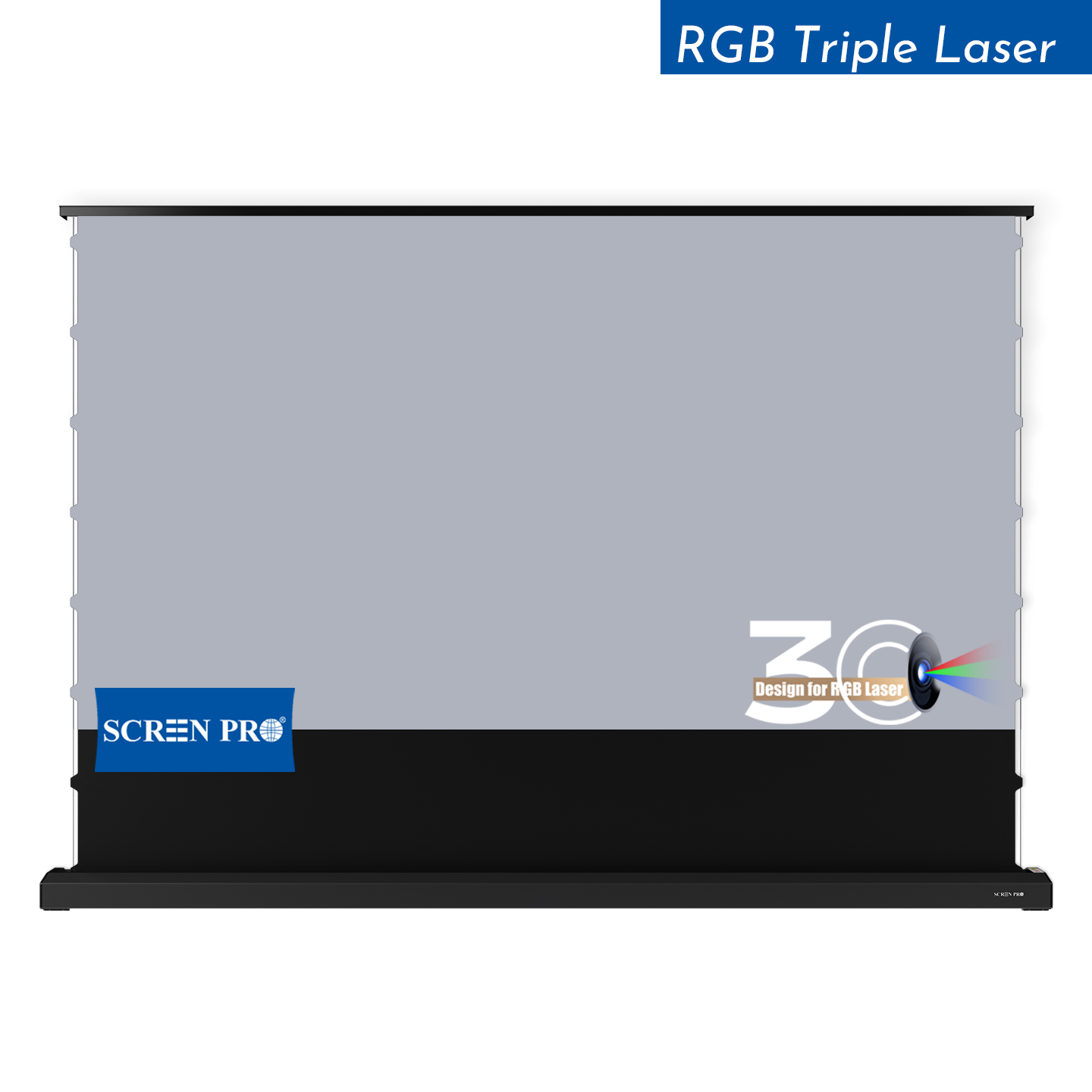
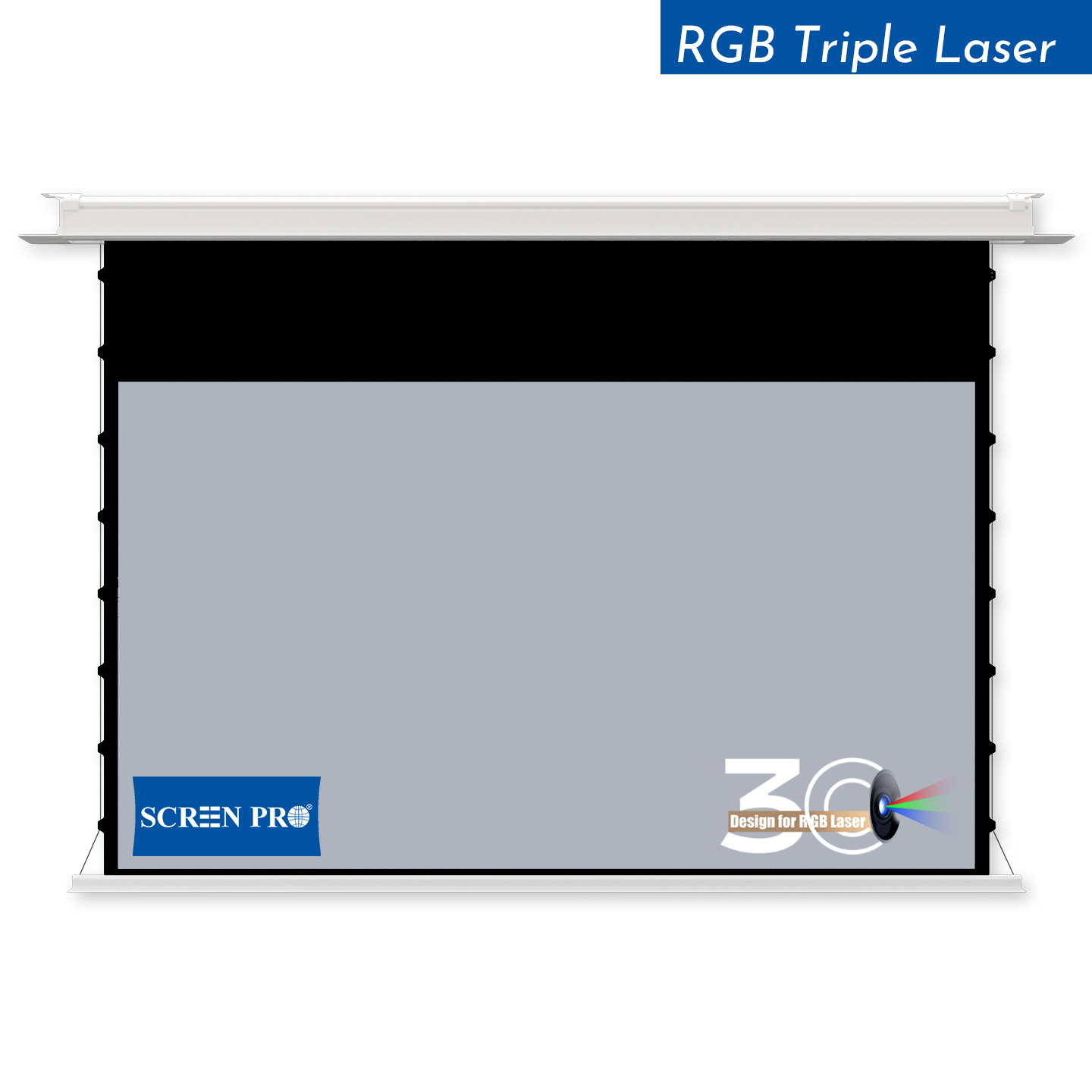
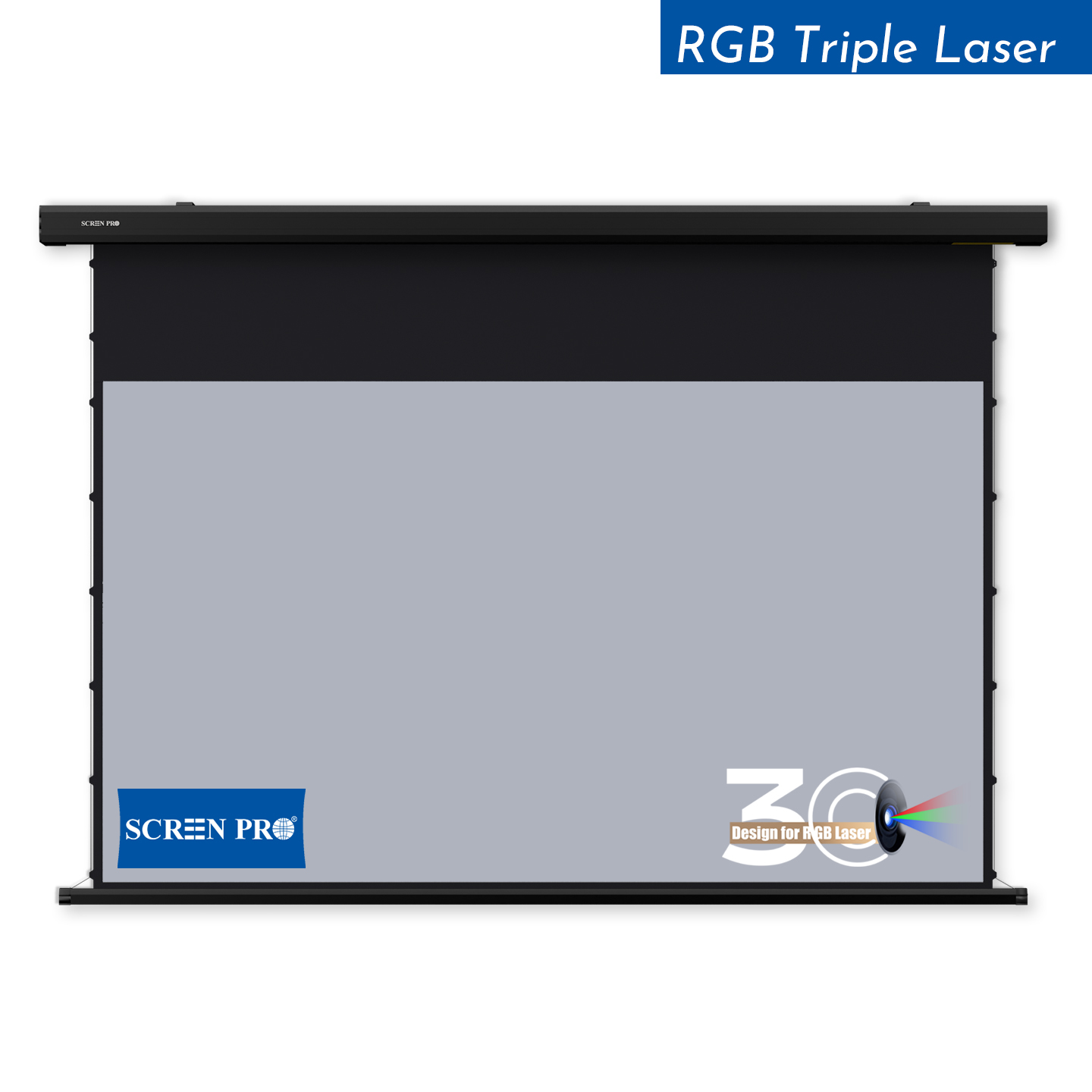
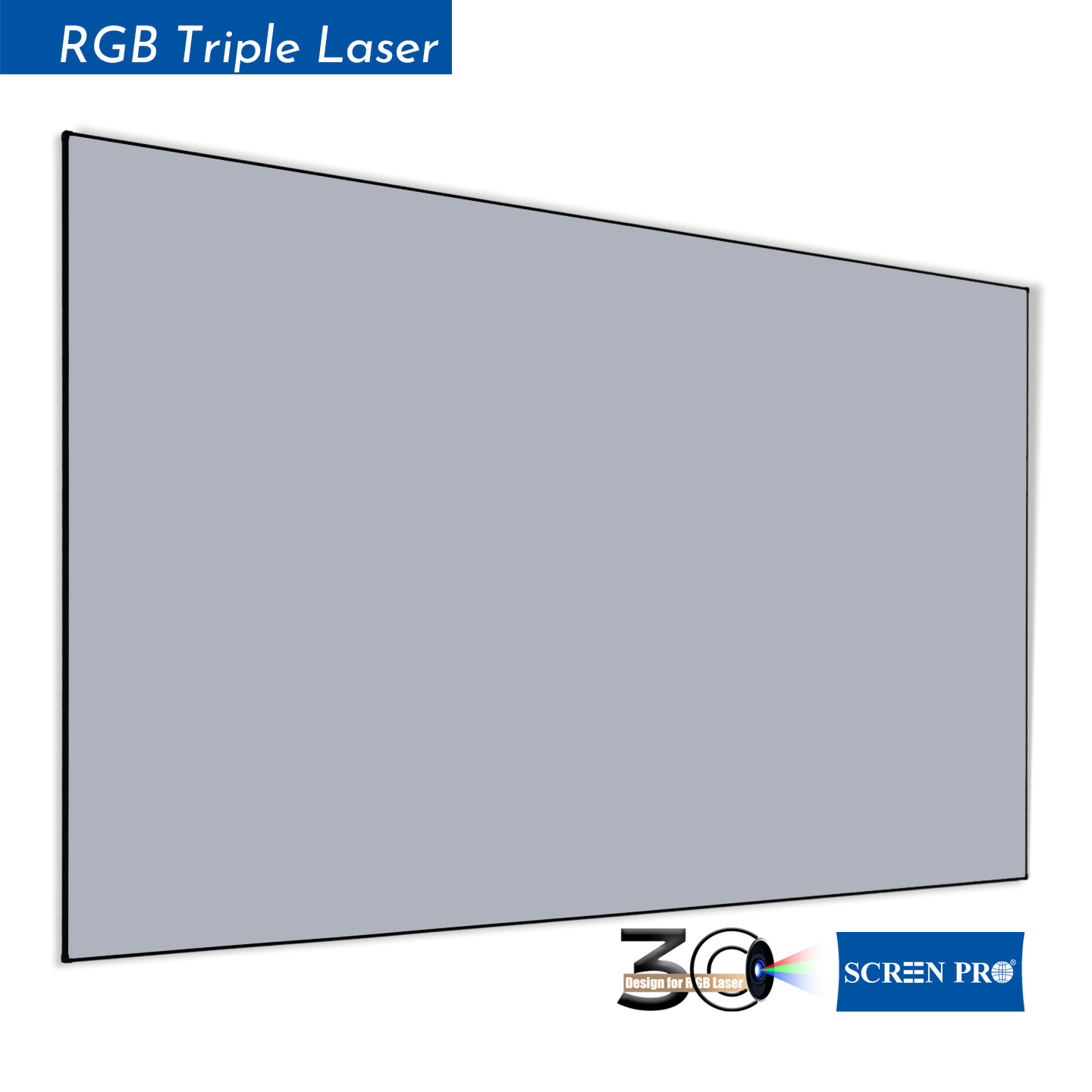
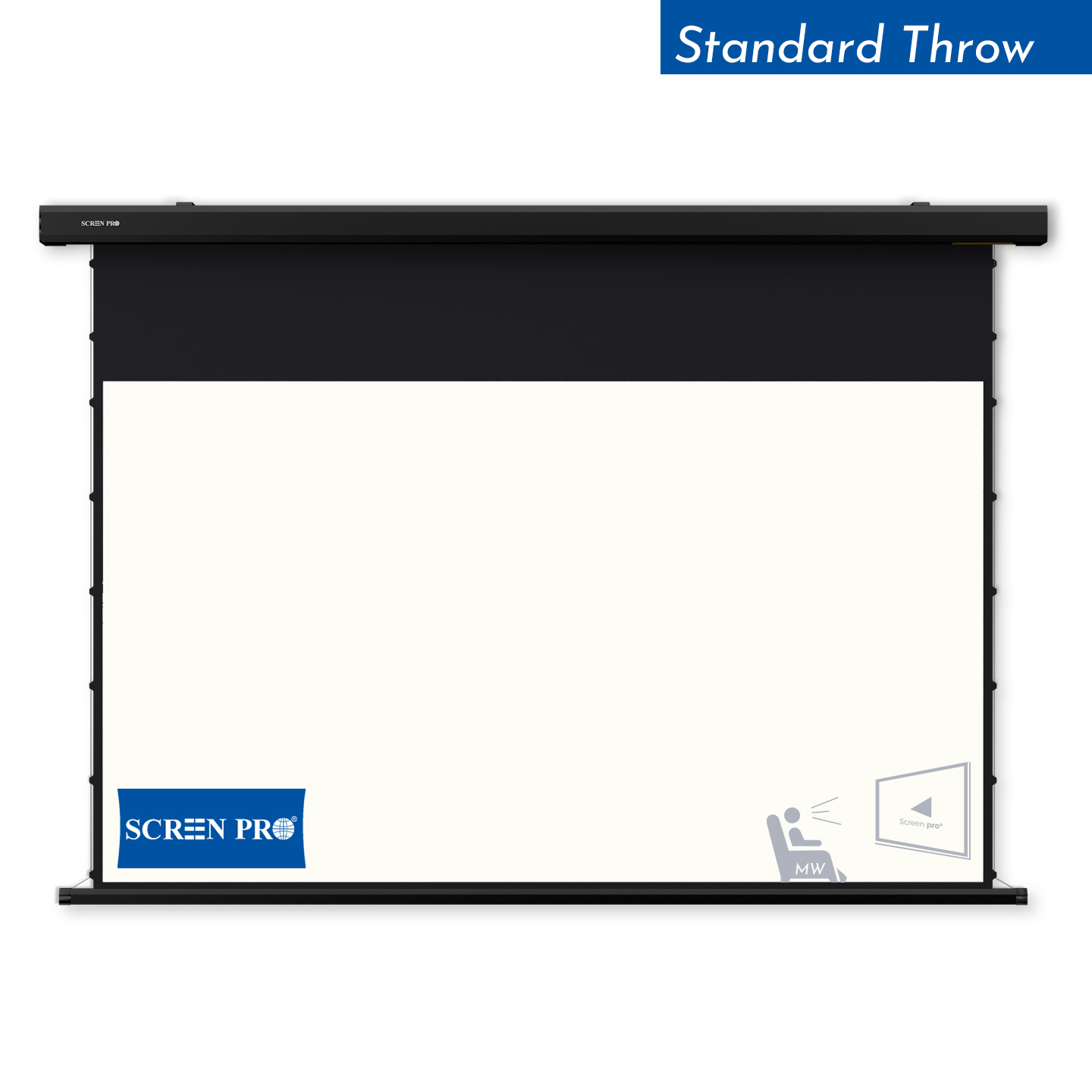
SCREENPRO UST ALR options include AD self-rising screens, AJ wall-mounted motorized screens, AZ fixed frame screens, and AI in-ceiling screens.
Explore SCREENPRO T-Prism UST ALR screen solutions for laser TV, living room projection, premium home theater, and custom AV projects.
```





© 2026 SCREENPRO®. Specifications are subject to change without notice. | SamsAV All Rights ReservedSite Map Designed by iwonder.cn