




How to Choose an Acoustically Transparent Projection Screen
A true home theater is not only about image size. It is about sound and picture working together. Acoustically transparent screens allow speakers to be placed behind the image, creating a more natural, cinema-like experience where the sound comes directly from the screen.
The Three Core Elements of a Home Theater
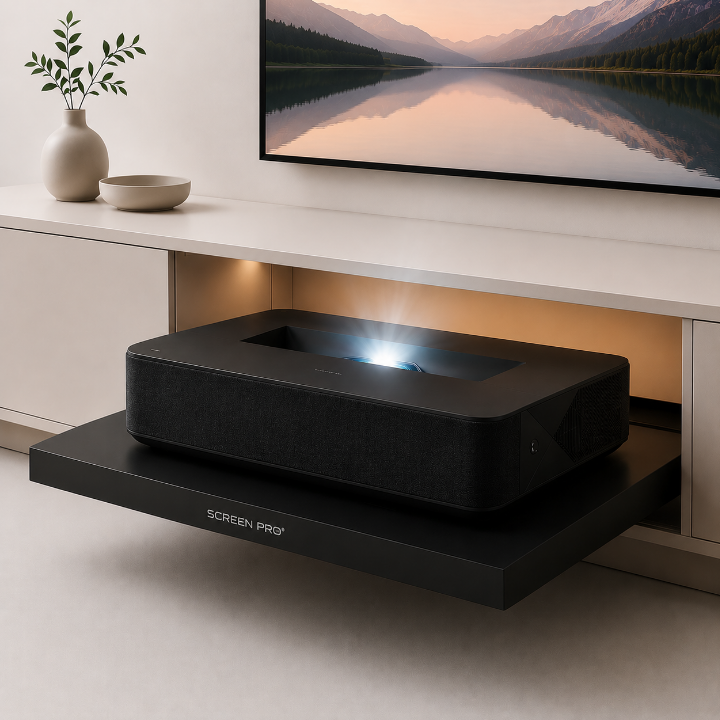
A complete home theater system is built around three major components: the projector, the projection screen, and the audio system. The projector and screen determine image performance, while the audio system determines the sound experience.
Projector
Determines brightness, resolution, contrast, light source type, and projection distance.
Projection Screen
Acts as the image carrier and directly affects brightness, color, resolution, and viewing angle.
Audio System
Creates sound positioning, depth, impact, and the immersive feeling of a real theater.
Why Sound and Picture Synchronization Matters
Human hearing can locate sound direction through differences between the left and right ears. In a home theater, accurate sound positioning is essential. When the sound appears to come from the same location as the image, the viewing experience becomes much more realistic.
Without Acoustic Transparency
Speakers are often placed below or beside the screen, which can make dialogue feel disconnected from the image.
With Acoustic Transparency
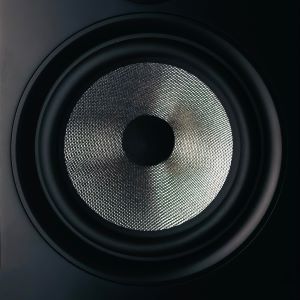
Speakers can be positioned behind the screen, allowing voices and effects to come directly from the picture area.
What Is an Acoustically Transparent Screen?
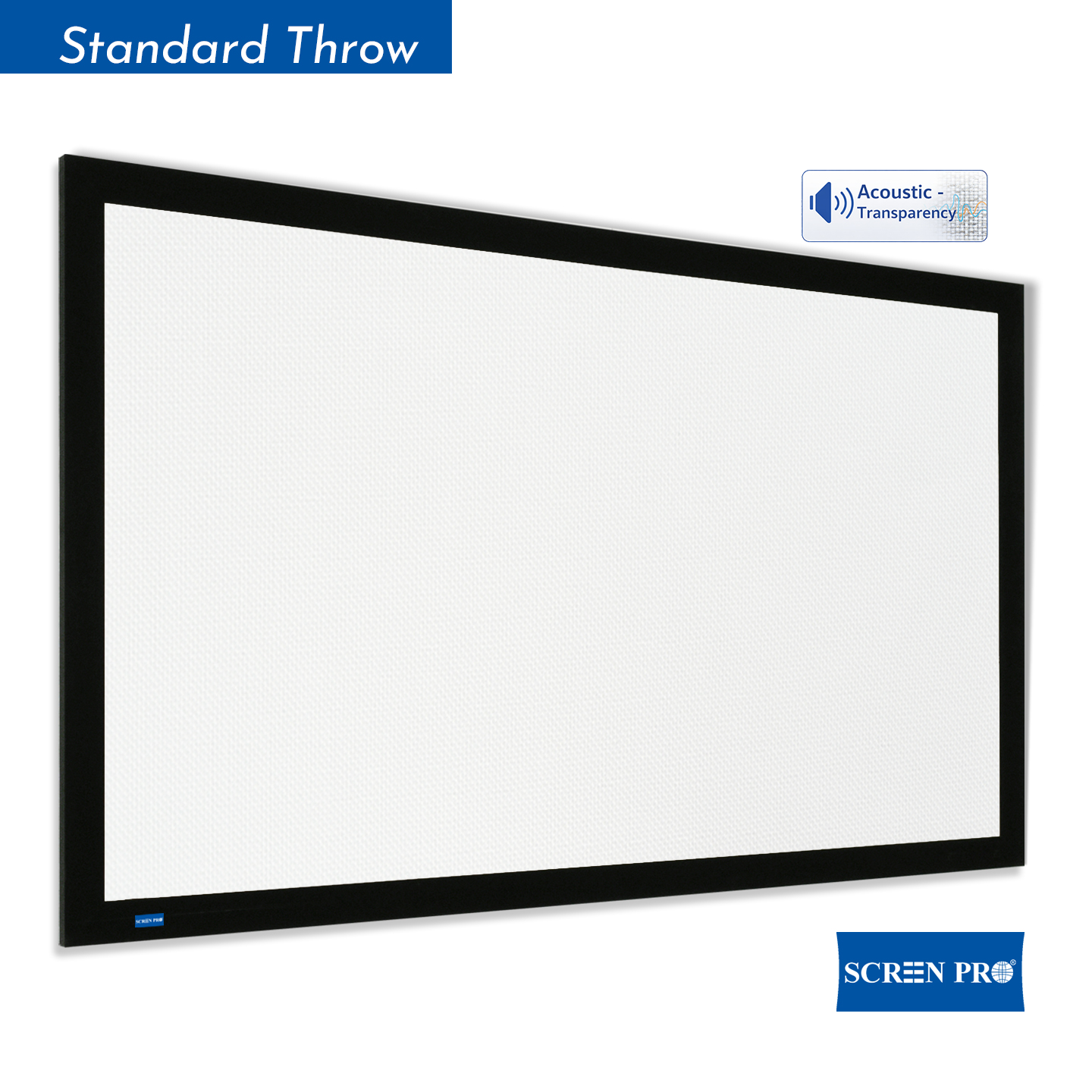
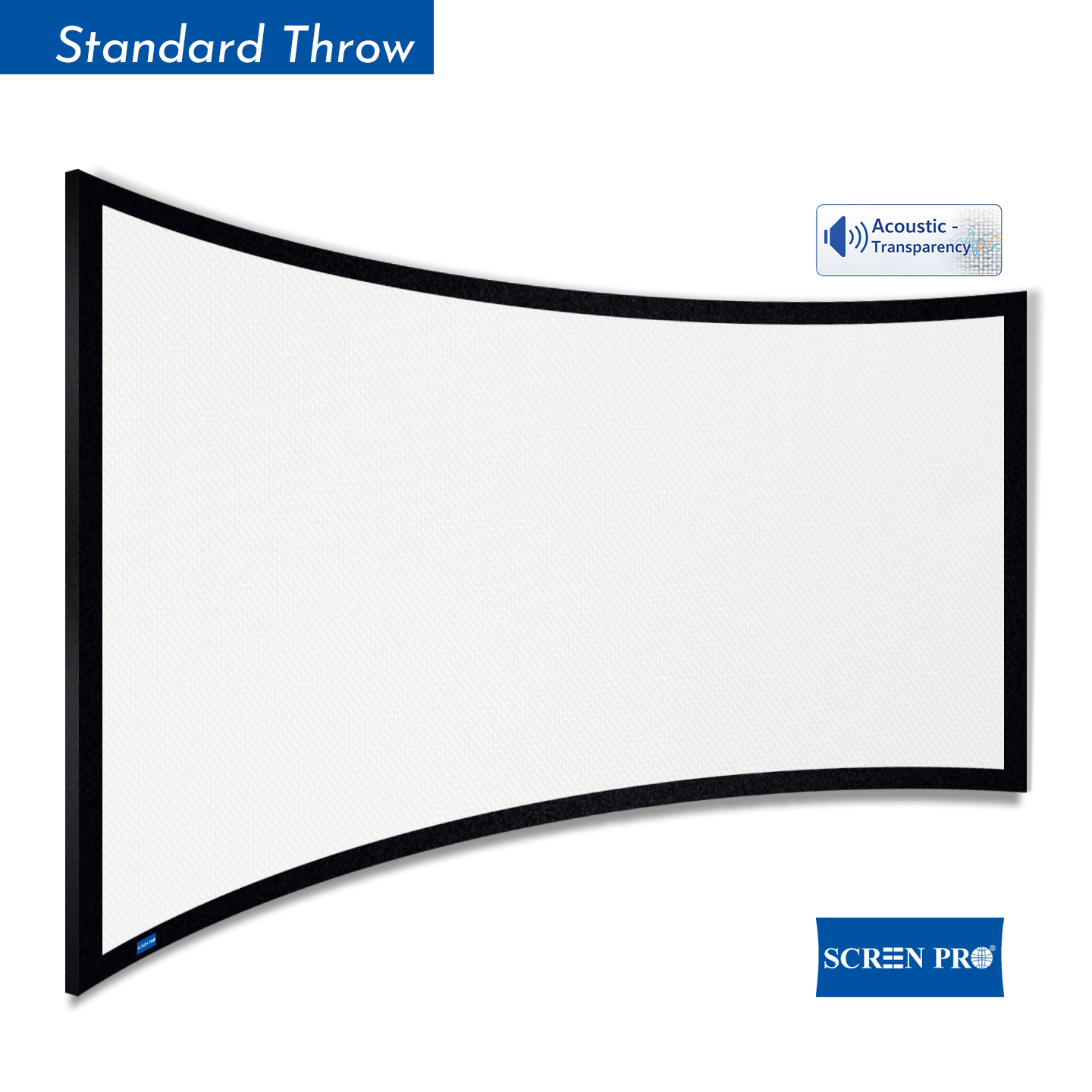
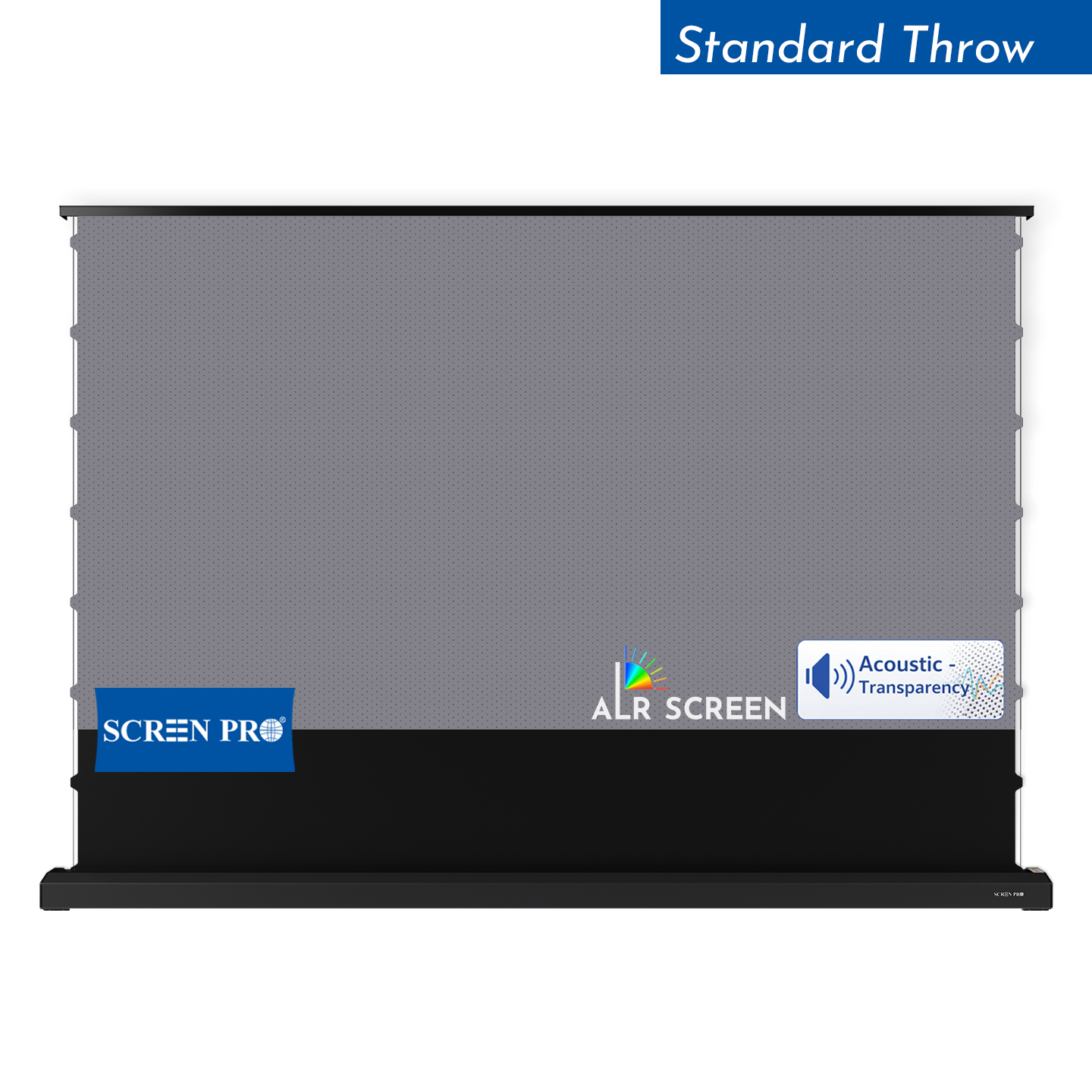
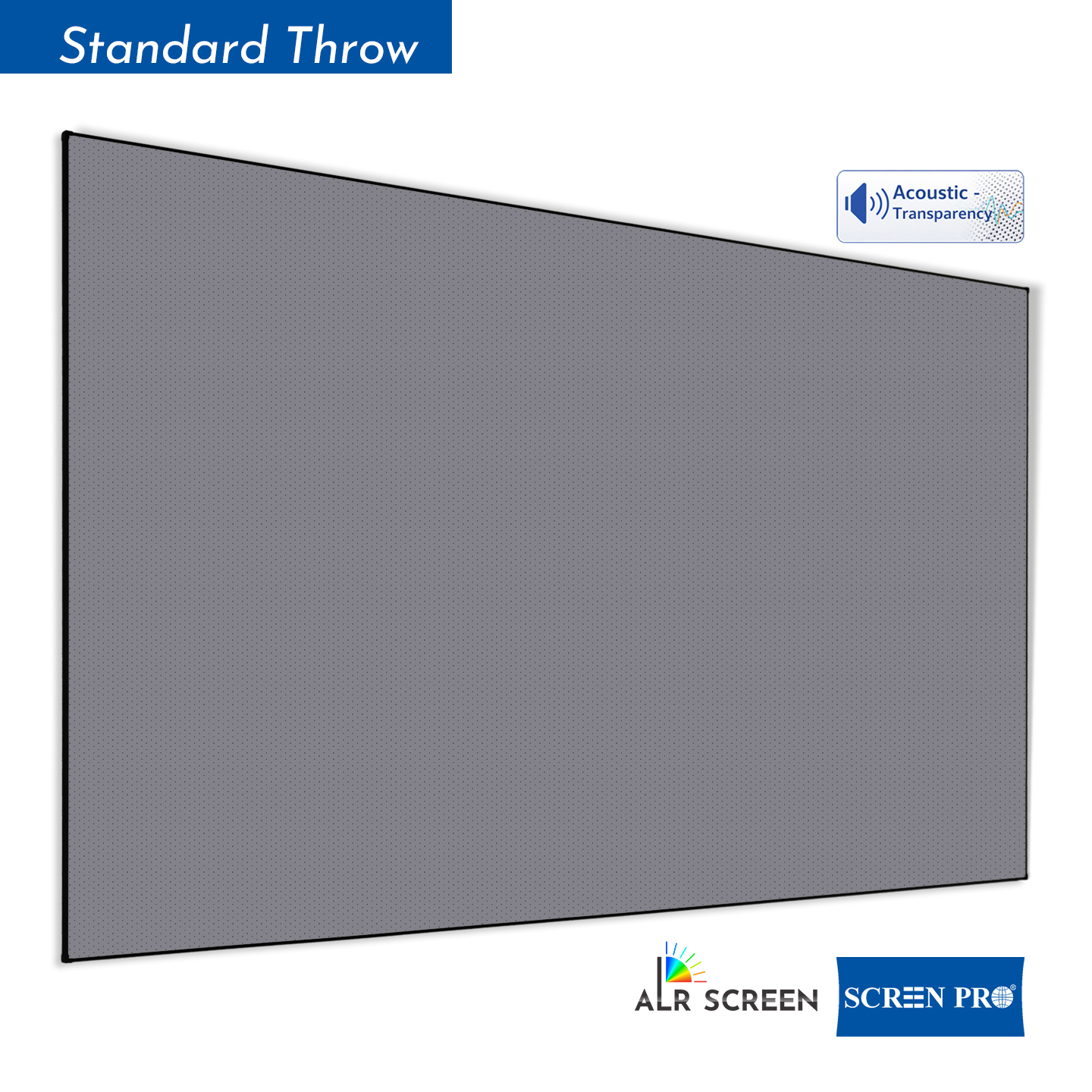
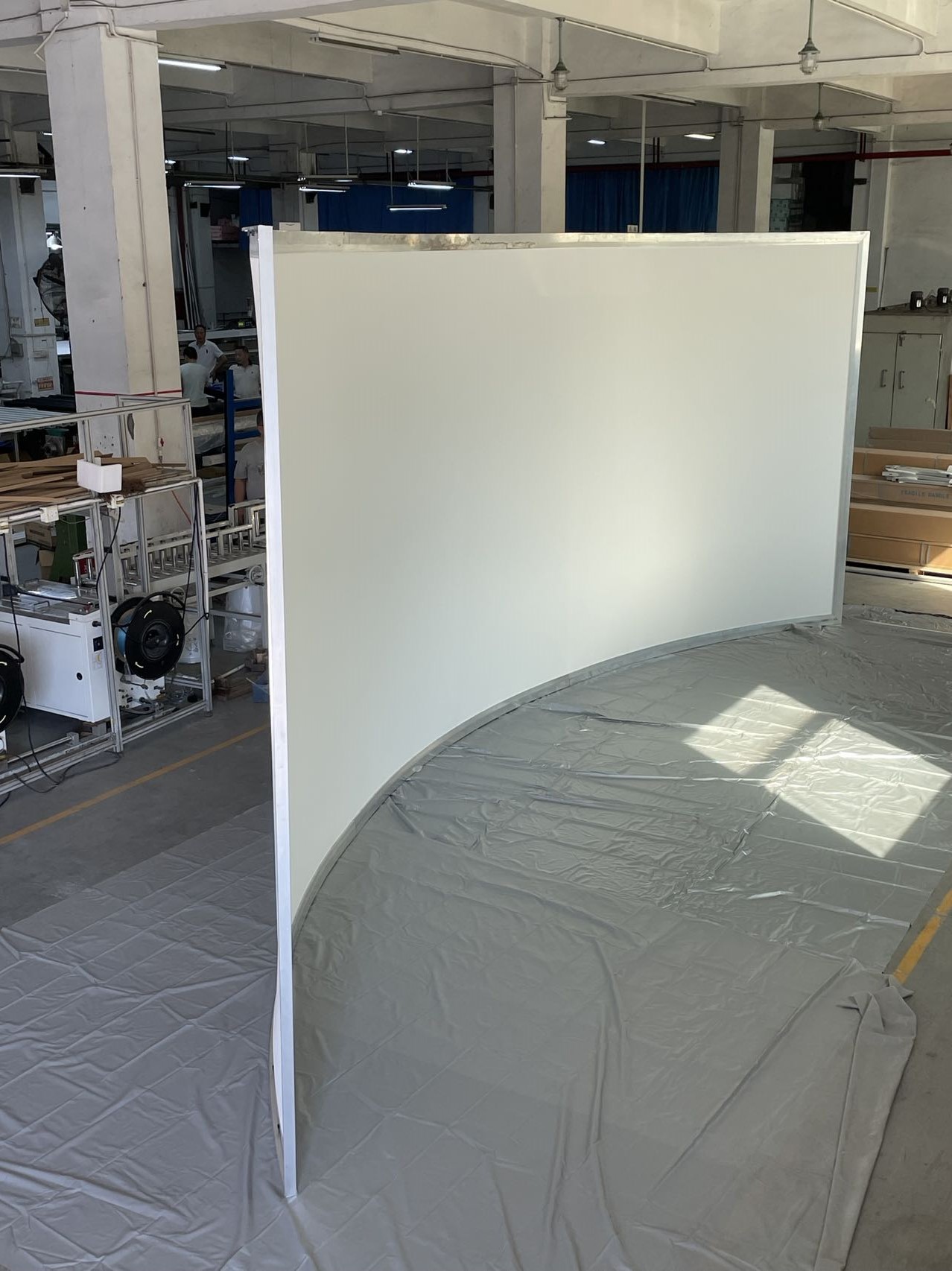
An acoustically transparent projection screen, also known as a sound-transparent screen, is designed to allow sound from front speakers to pass through the screen surface while still maintaining visual quality.
- Allows speakers to be placed behind the screen
- Improves dialogue localization
- Creates a cinema-like front soundstage
- Maintains projected image performance
- Supports private home theater layouts
- Helps integrate audio and image as one system
Key Performance Requirements
A high-quality acoustically transparent screen must balance both sound and image performance. It should transmit sound with minimal loss while preserving brightness, color, detail, and screen uniformity.
| Performance Area | Recommended Direction | Why It Matters |
|---|---|---|
| Sound Transmission | Low sound attenuation | Helps preserve dialogue clarity and speaker detail behind the screen. |
| Perforation / Weave Design | Optimized opening structure | Allows sound to pass through while reducing visible texture and image artifacts. |
| Image Brightness | Low light loss | Maintains projected brightness and overall picture impact. |
| Resolution Support | 4K / 8K compatible surface | Reduces visible texture, moiré, and detail loss at normal viewing distances. |
| Viewing Angle | Wide viewing performance | Keeps image brightness and color more consistent across seating positions. |
Woven vs. Perforated Acoustically Transparent Screens
There are two common types of acoustically transparent projection screens: woven screens and perforated screens. Both allow sound to pass through, but they achieve this in different ways.
Woven Acoustic Transparent Screen
Uses a woven fabric structure to allow sound transmission. It is often preferred for home theater because it can provide smoother acoustic behavior and reduce visible hole patterns.
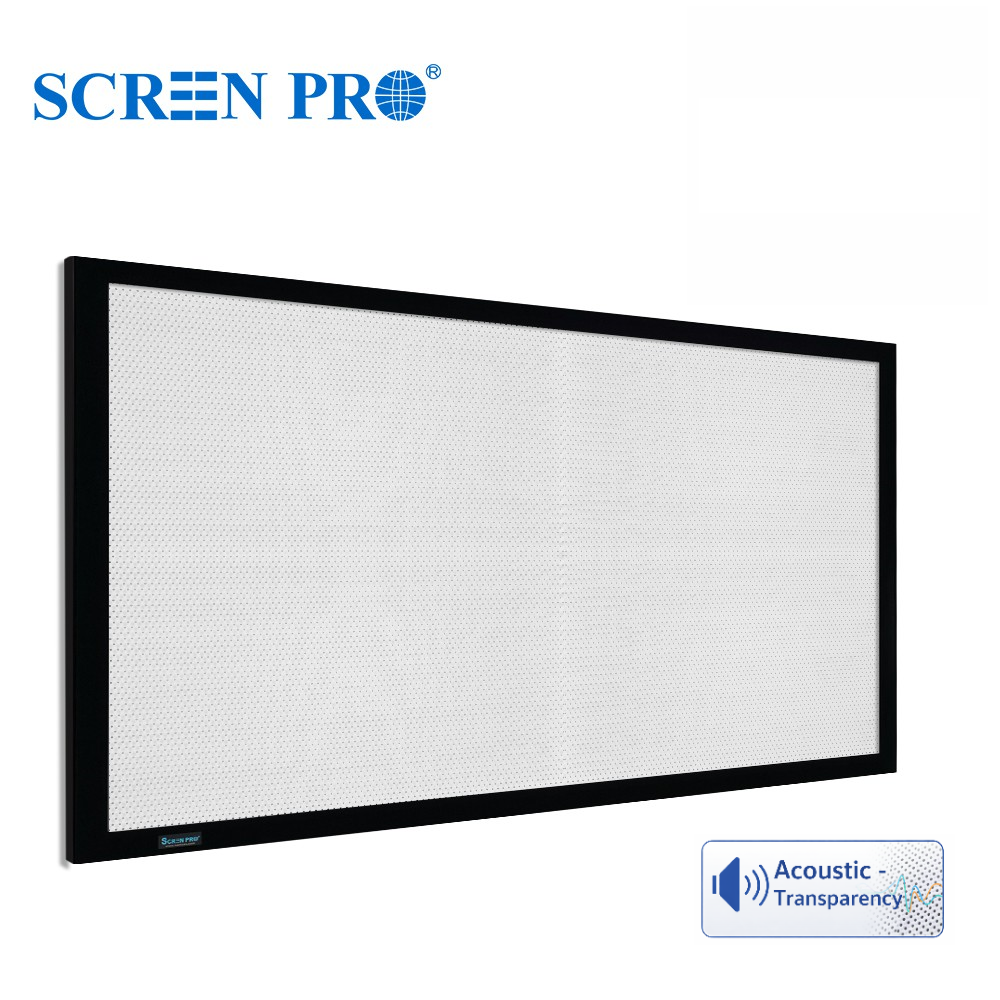
Perforated Acoustic Transparent Screen
Uses micro-perforations across the screen surface. It can deliver strong image brightness, but the hole size, spacing, and viewing distance must be carefully matched to reduce moiré.
Why 4K Resolution Requires Better Screen Surface Design
4K projection contains much more picture detail than traditional HD. A 4K image has roughly four times the pixel count of 2K and about eight times the pixel count of standard 1080p HD. This means the screen surface must be fine enough to avoid interfering with projected image detail.
Common Issues: Moiré and Stray Light
Because acoustically transparent screens use holes or woven openings, two important issues should be considered: moiré patterns and stray light.
Moiré Pattern
Moiré can appear when the screen structure interferes with the projector’s pixel grid. It may look like regular color rings or wave-like patterns on the image.
Stray Light
Some projected light may pass through the openings and reflect from the wall behind the screen, reducing contrast and creating unwanted image interference.
How to Choose the Right Acoustically Transparent Screen
Choosing the right screen requires matching the projector, screen material, room environment, installation structure, and personal budget.
- Confirm projector type: long throw, short throw, or UST
- Check projector brightness and screen size requirements
- Match screen material with projector resolution
- Consider room brightness and light control
- Decide between woven and perforated materials
- Plan speaker placement behind the screen
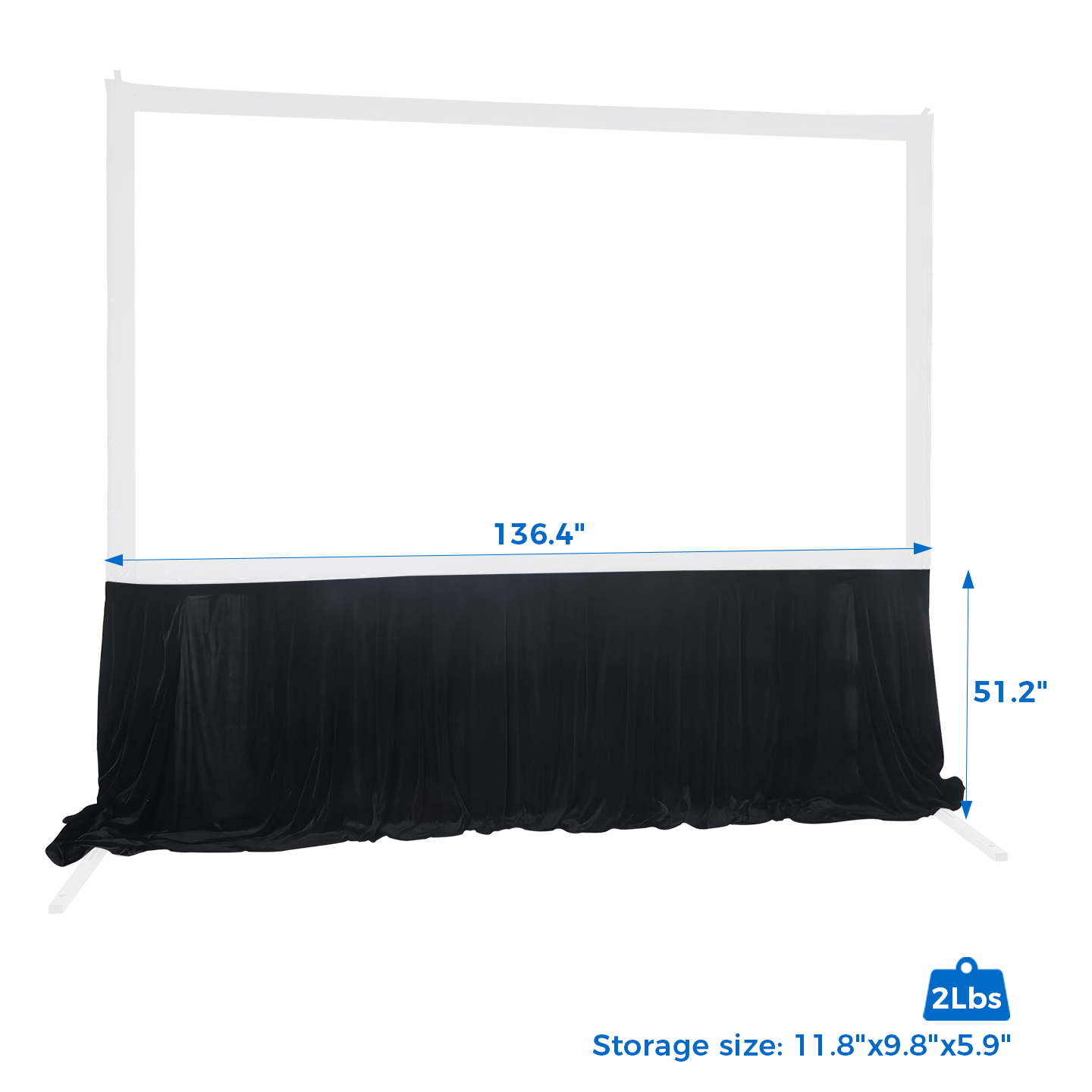
- Use black backing when needed to reduce stray light
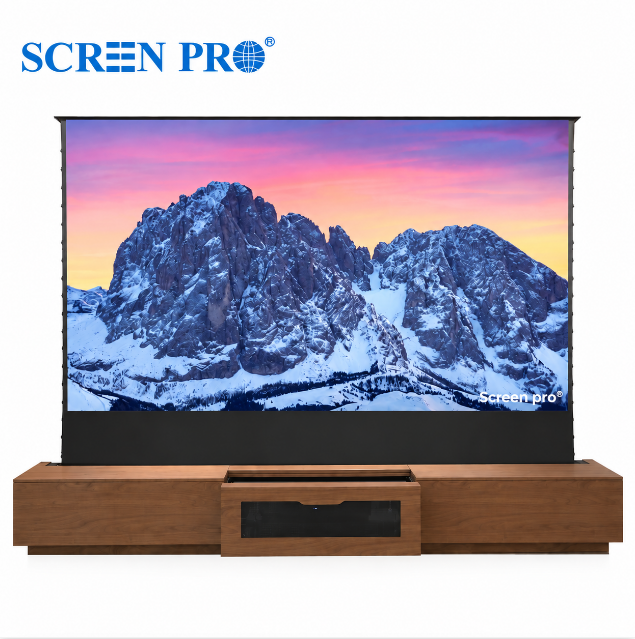
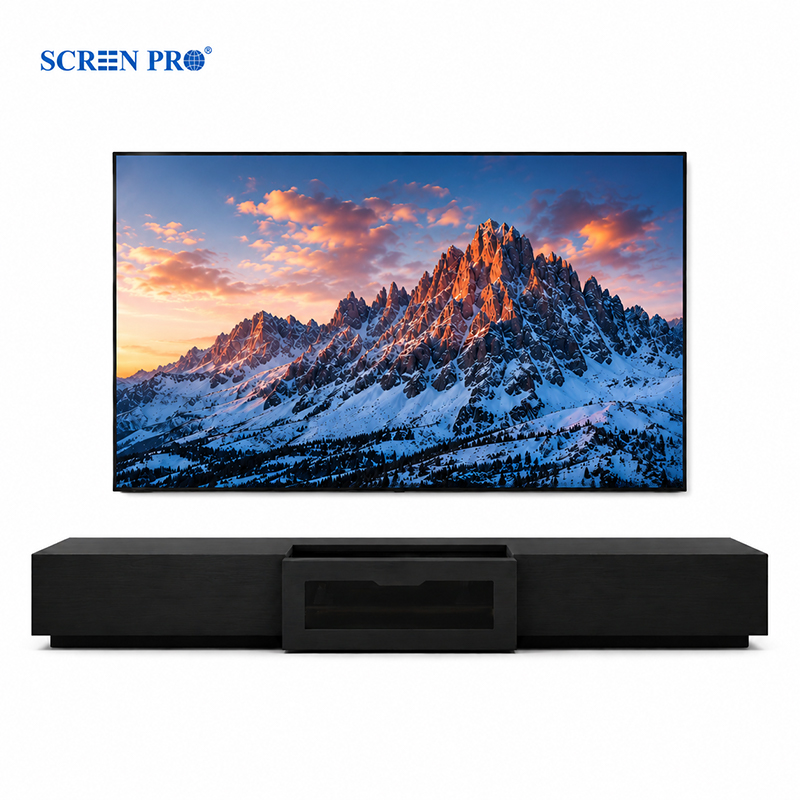
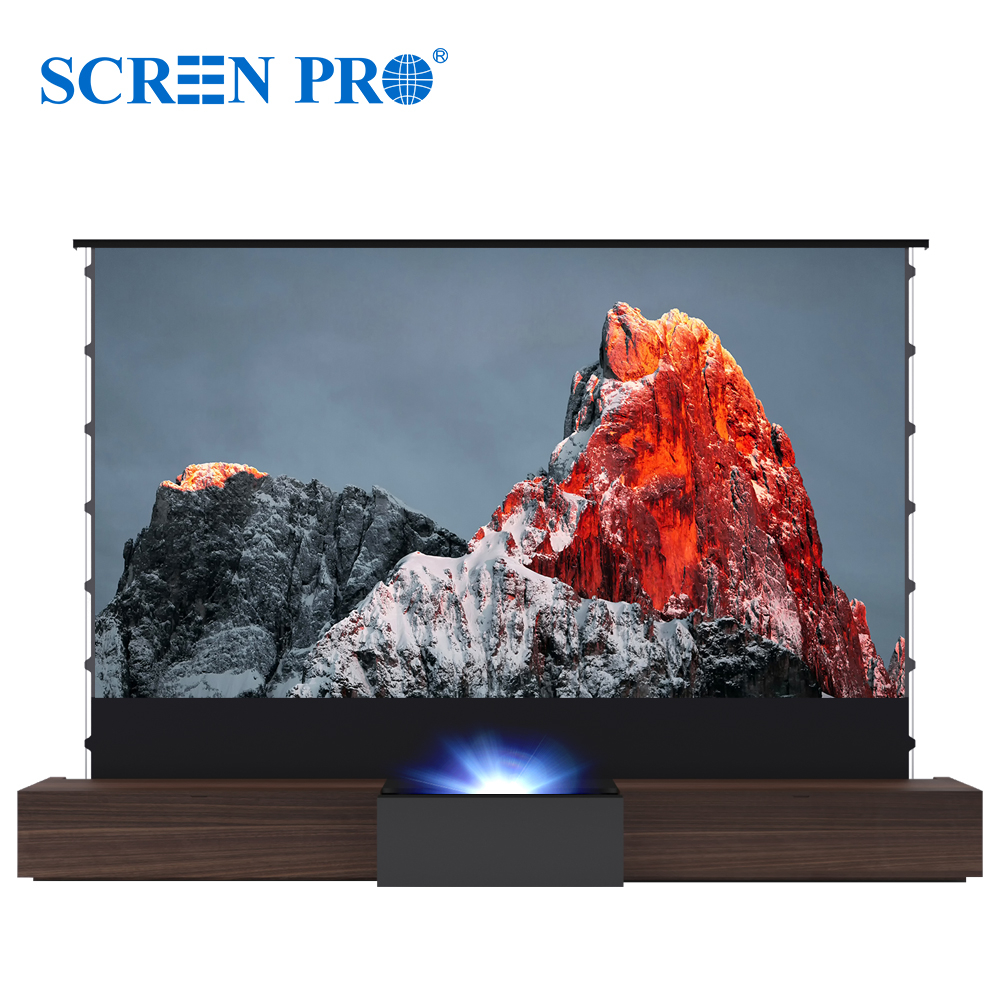
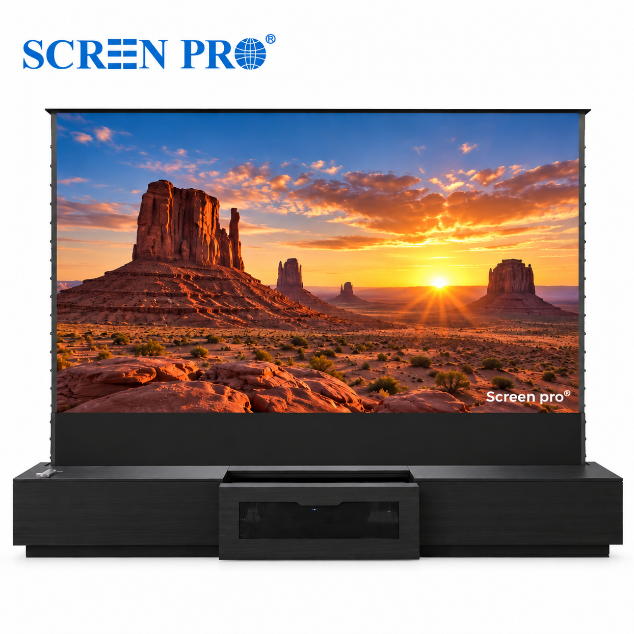
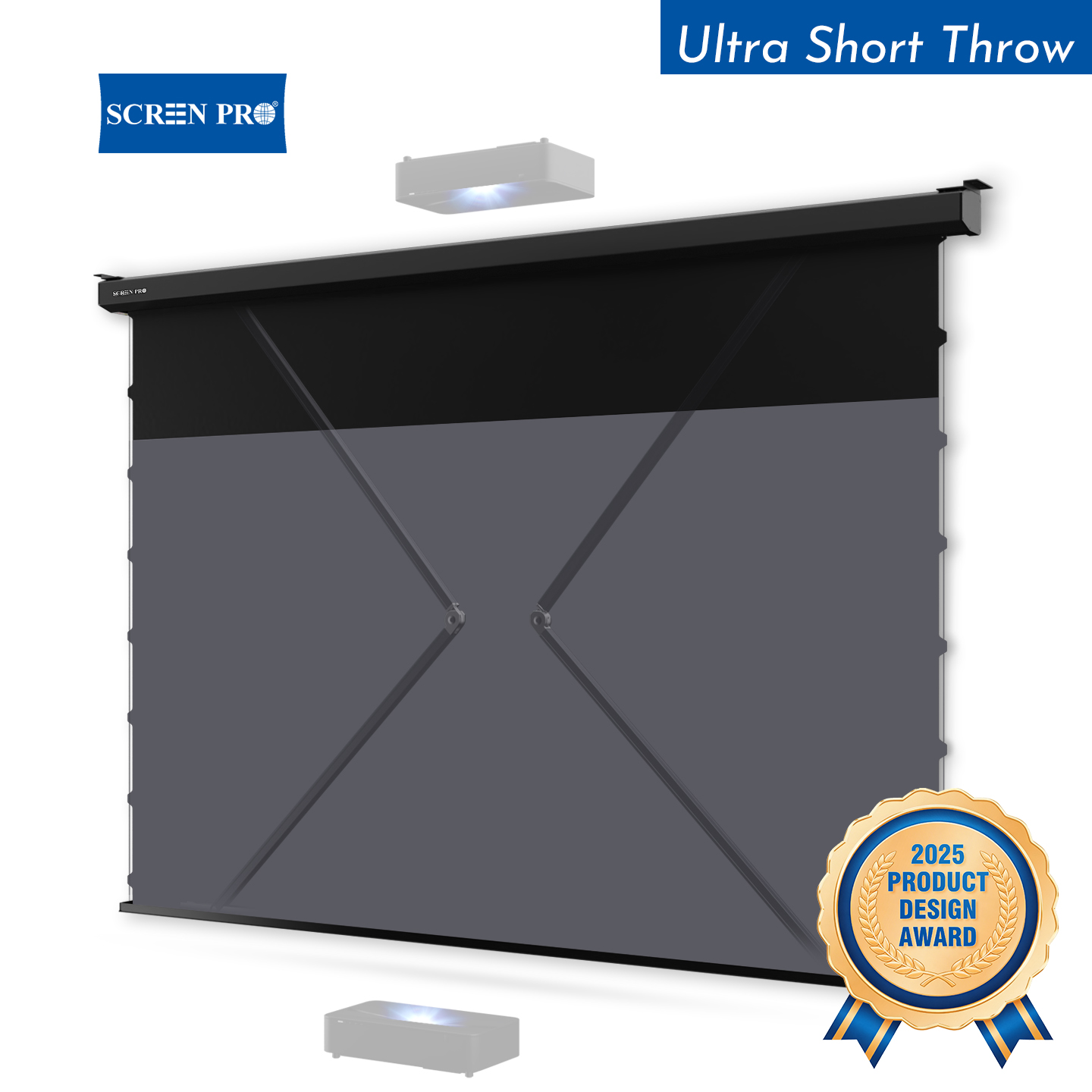
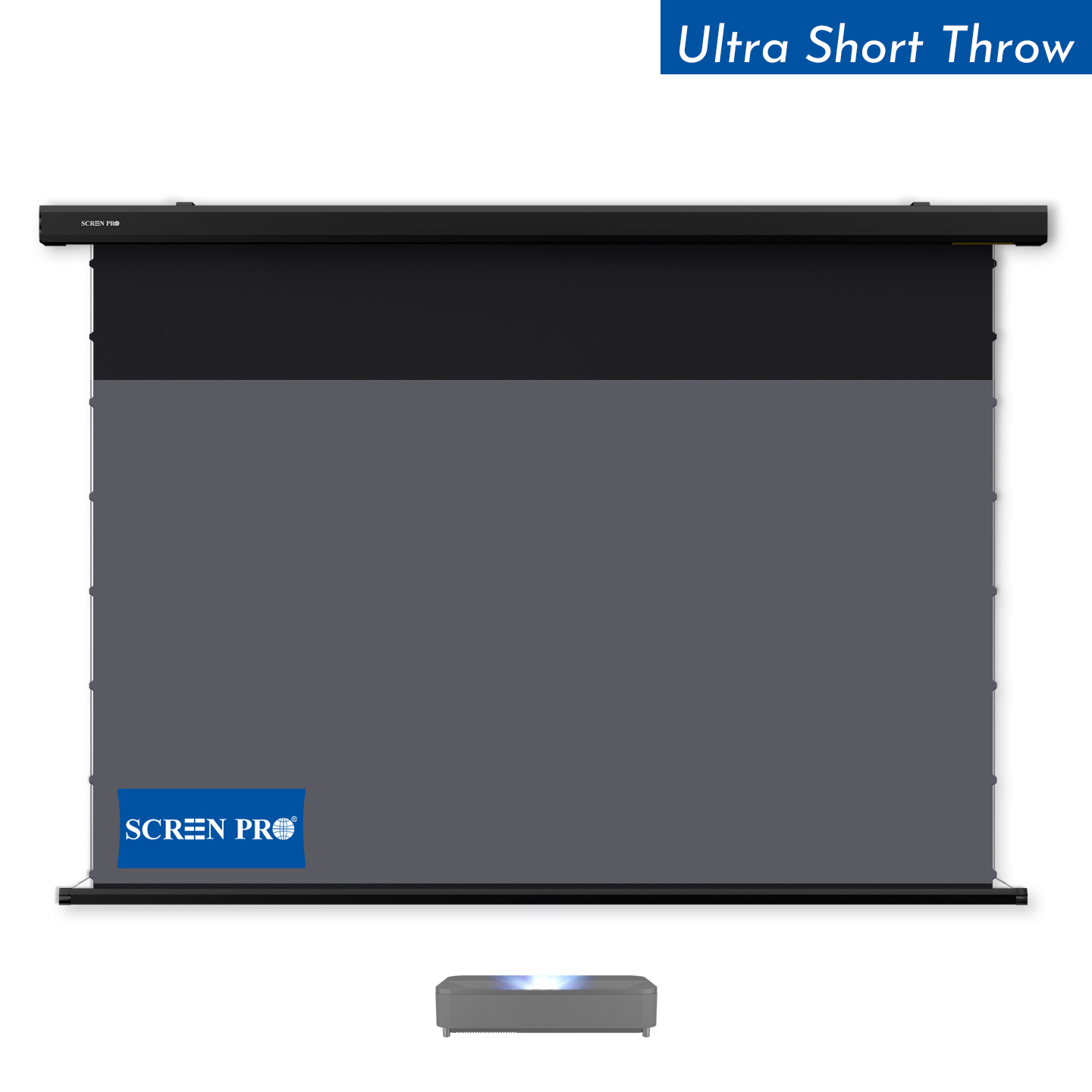
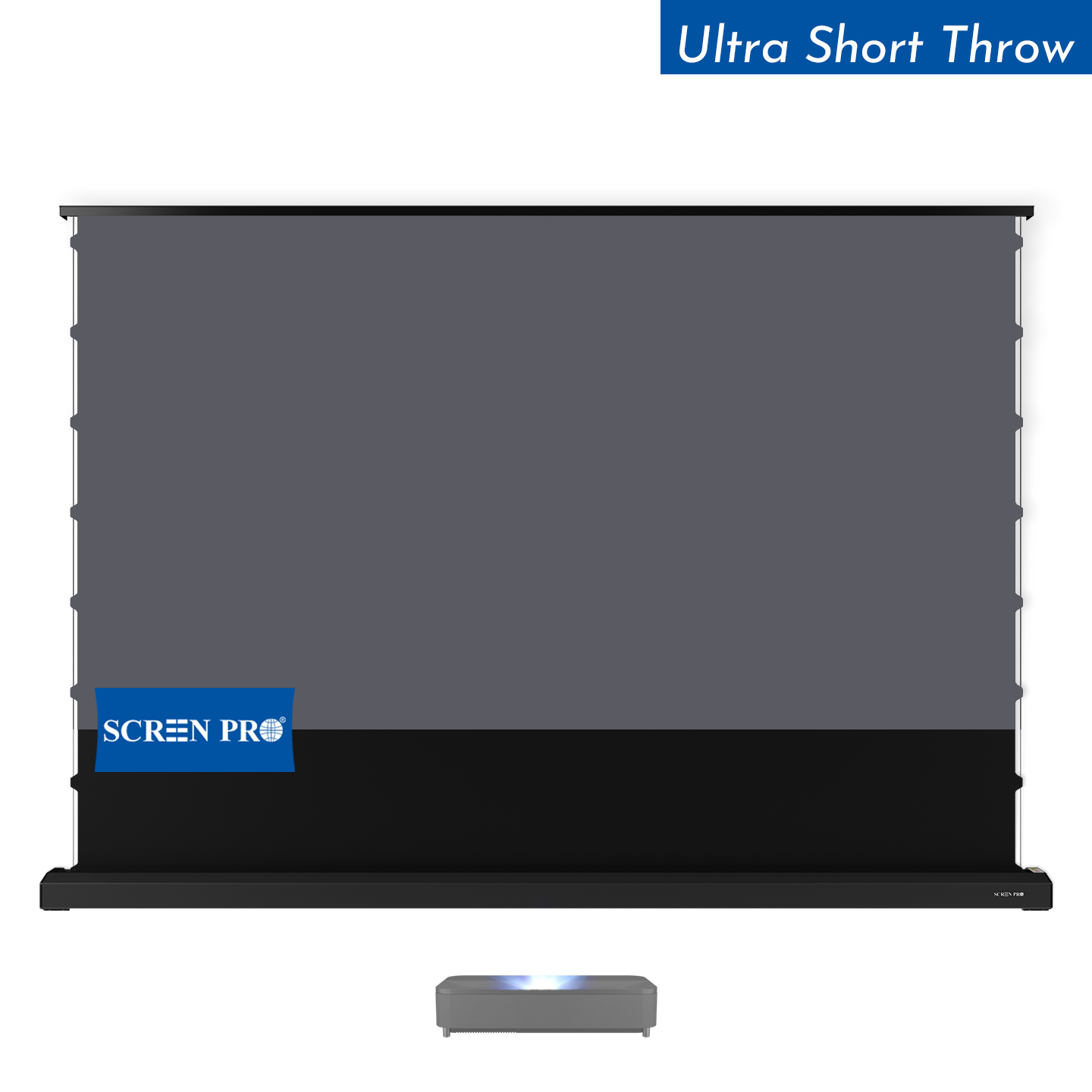
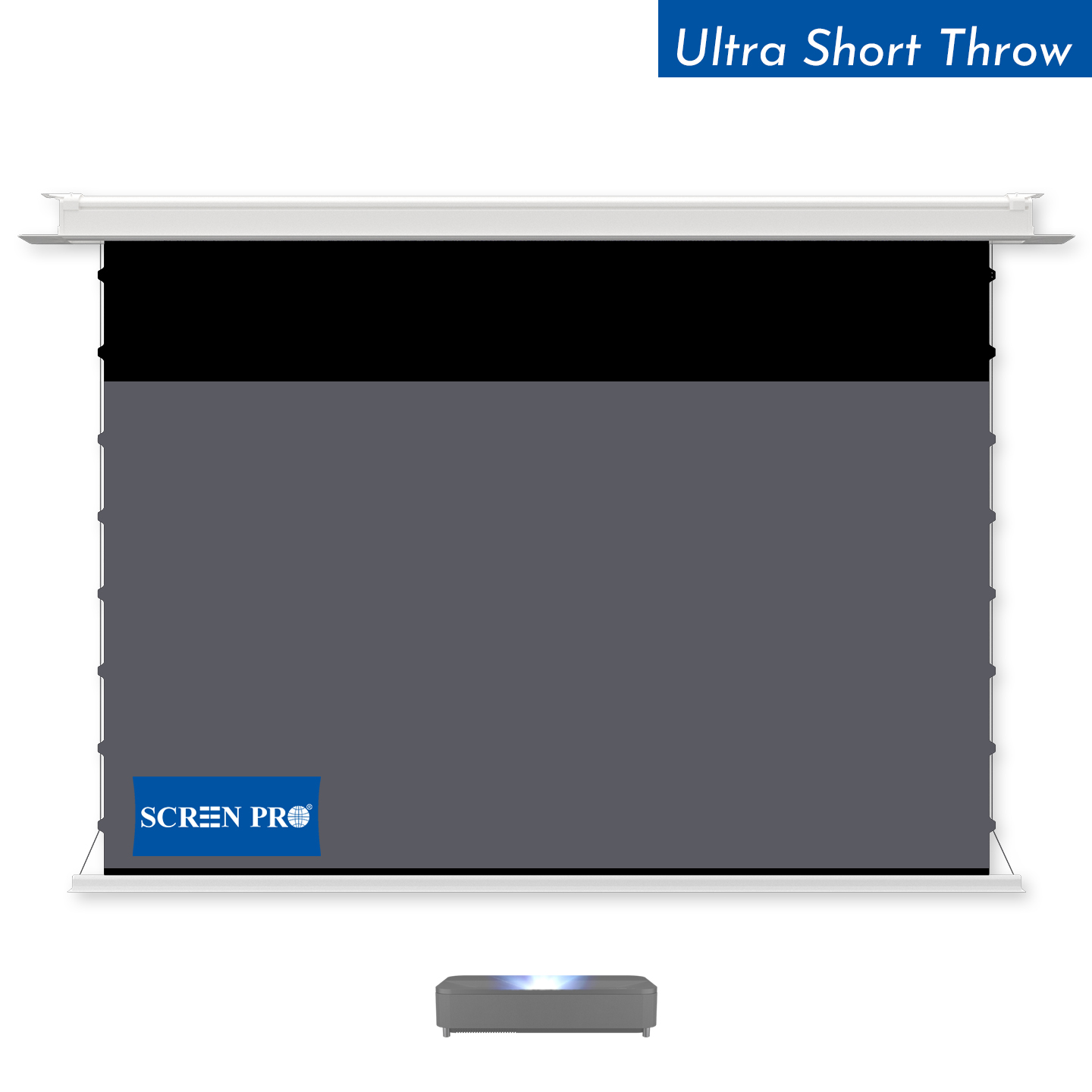
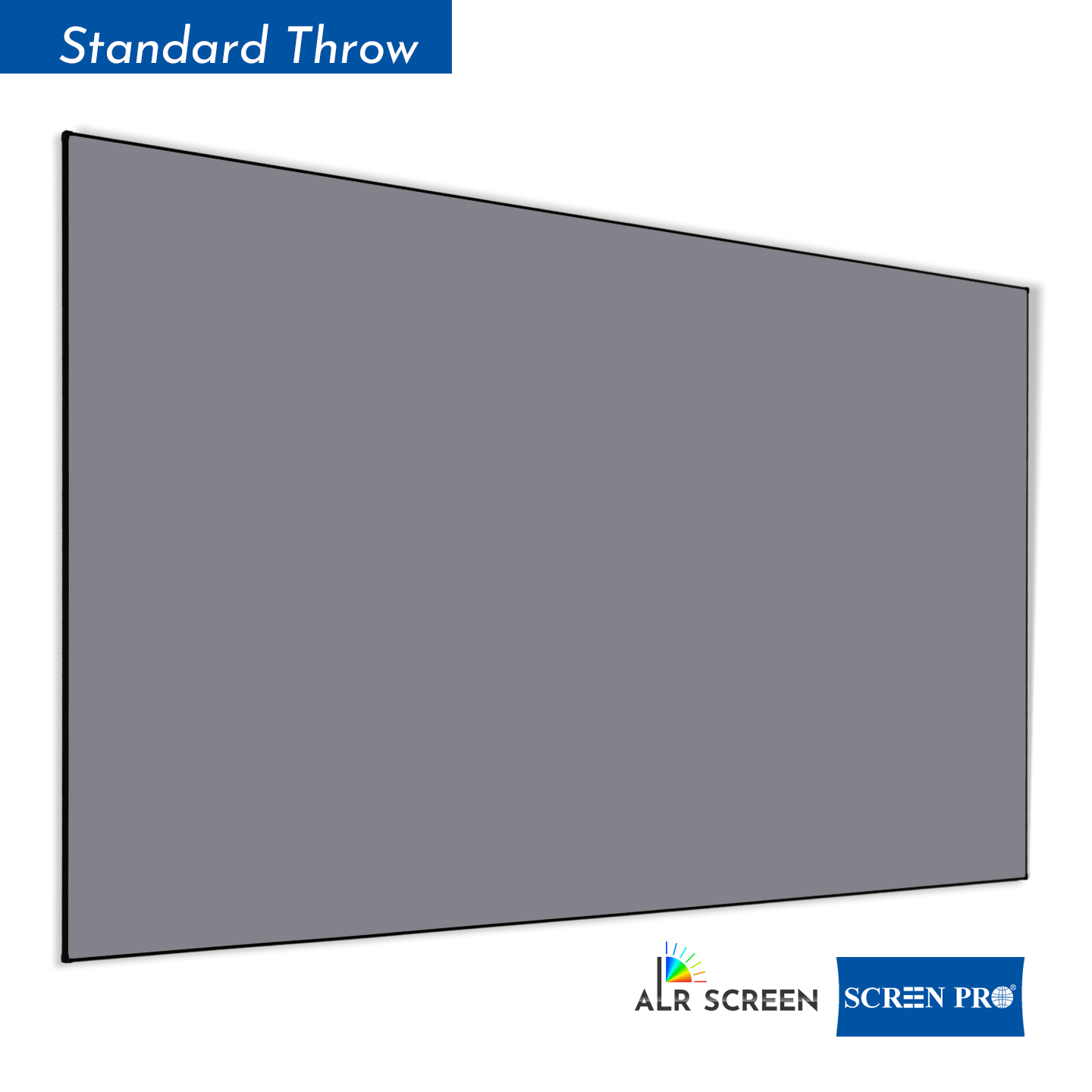
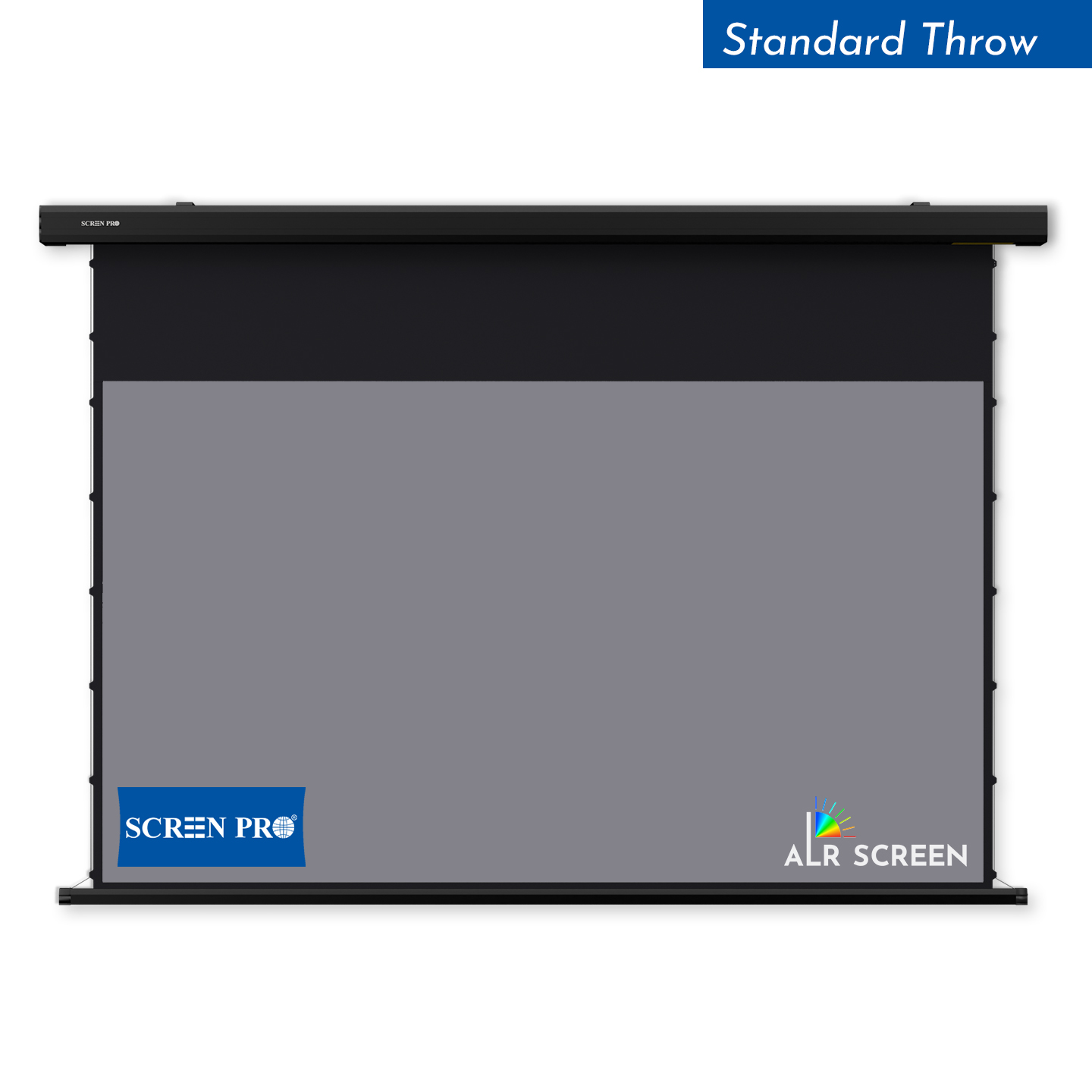
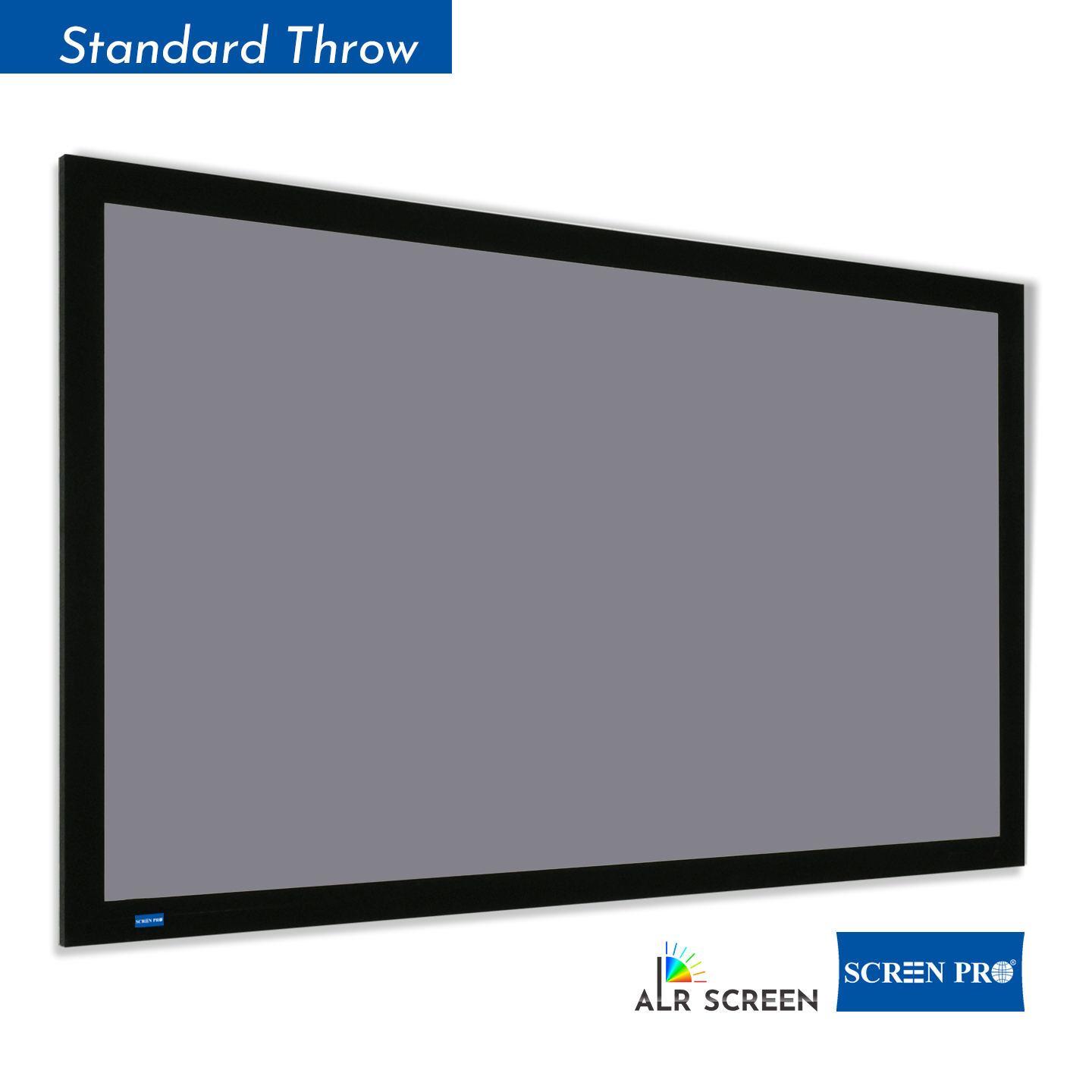
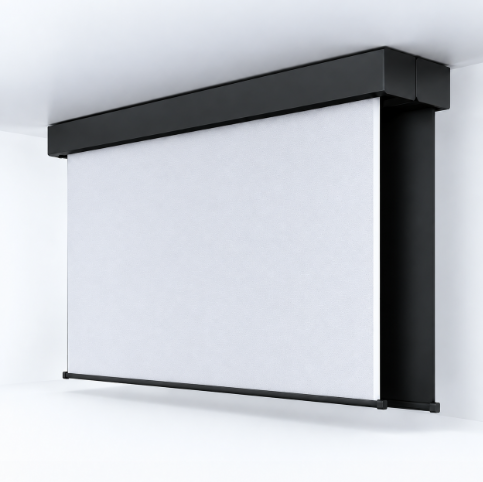
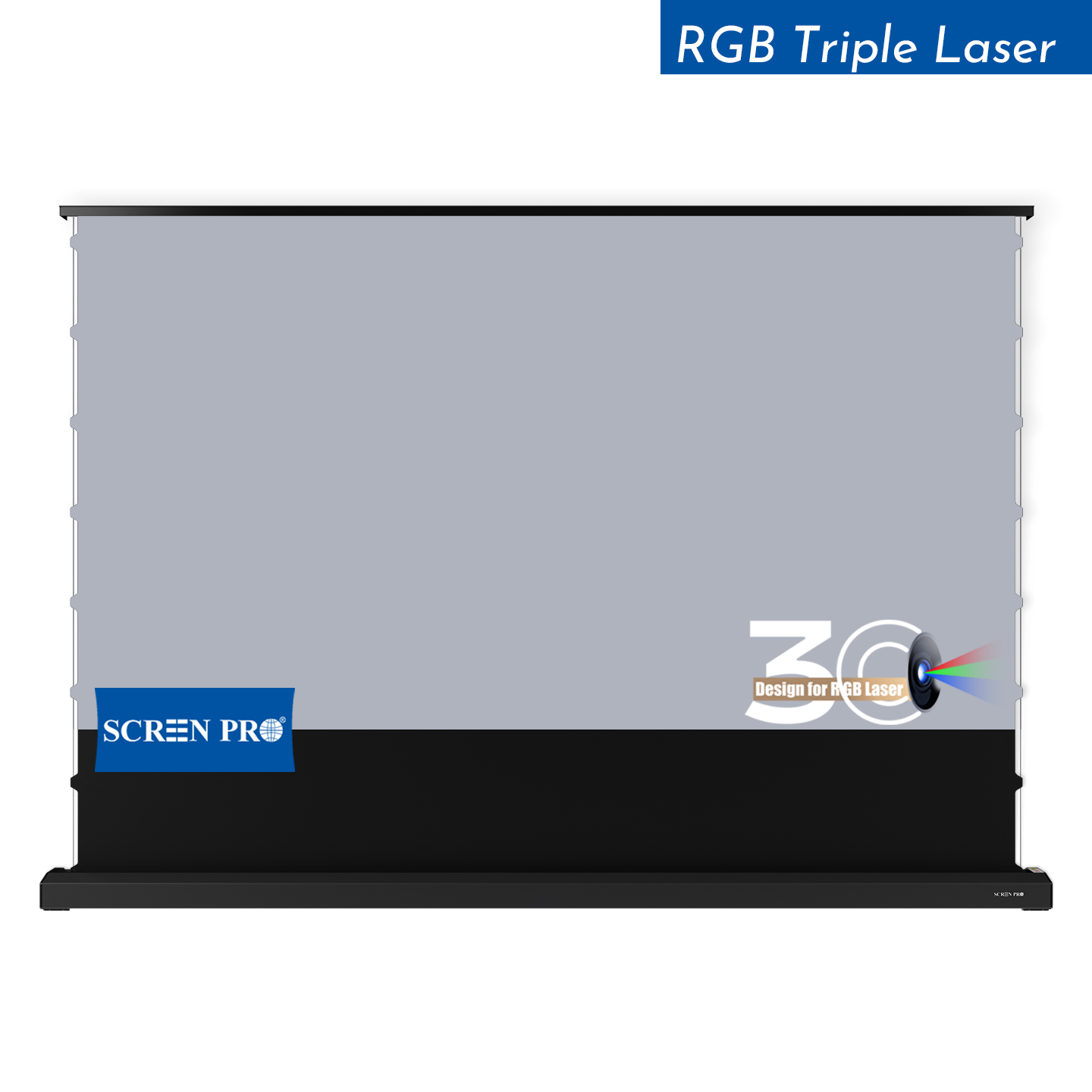
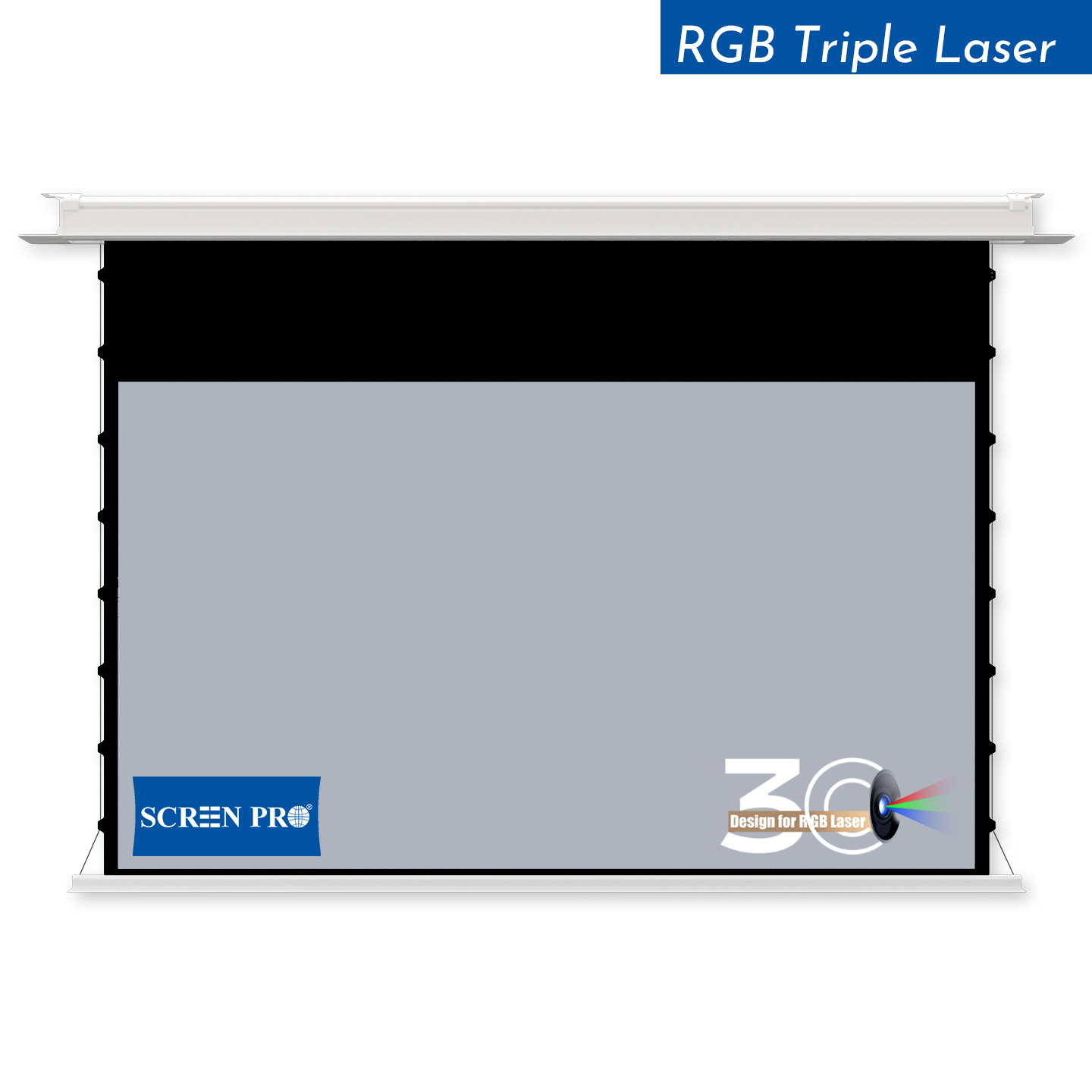
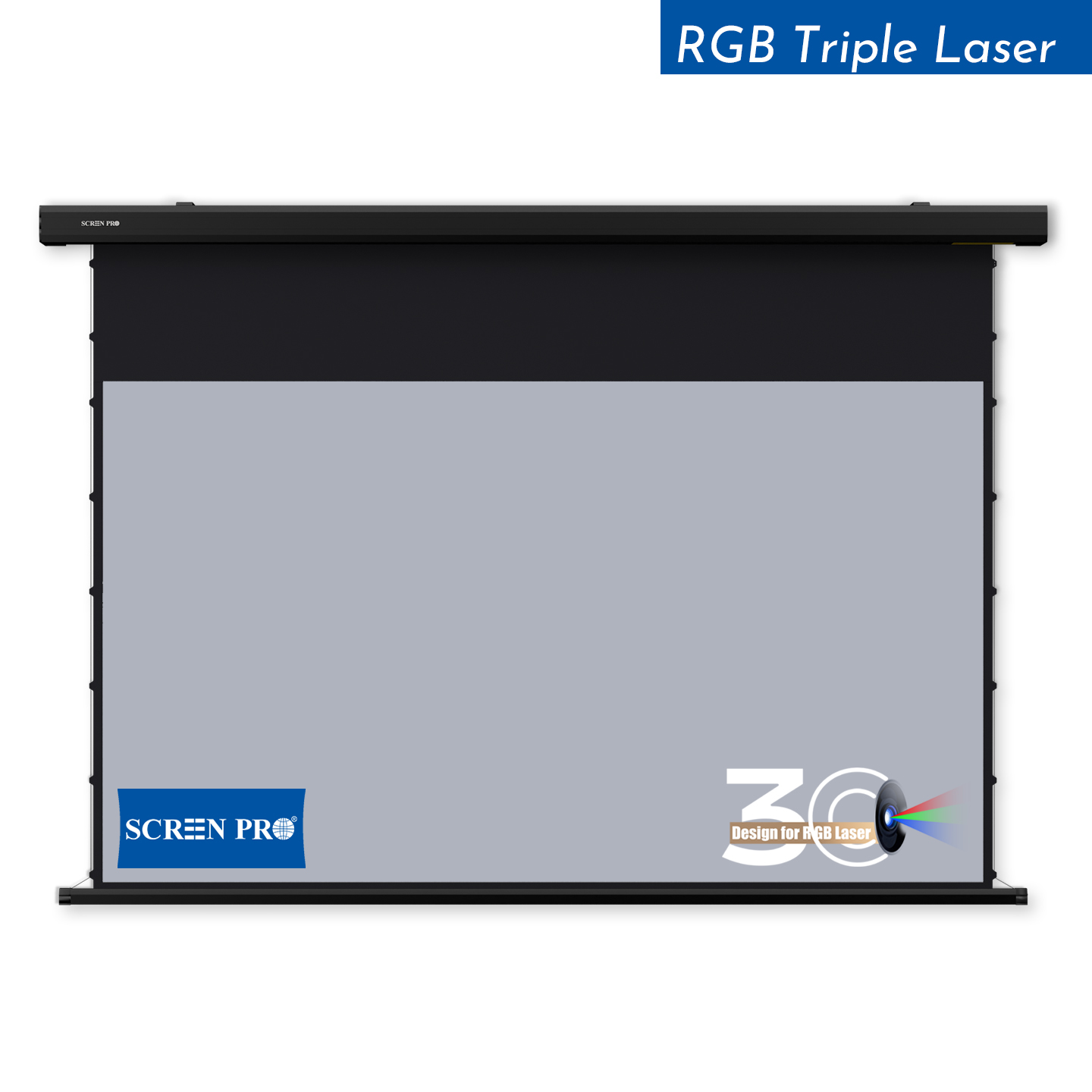
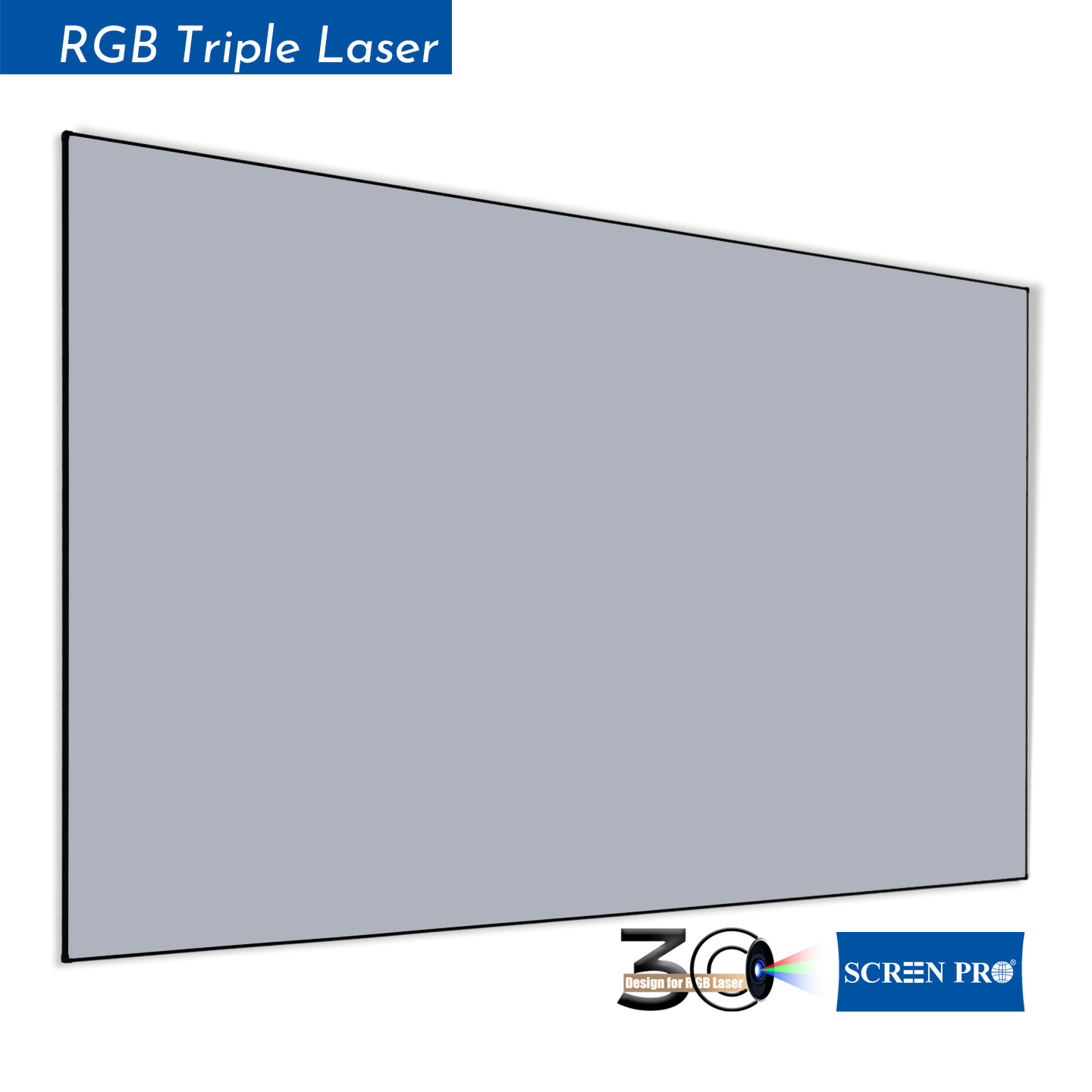
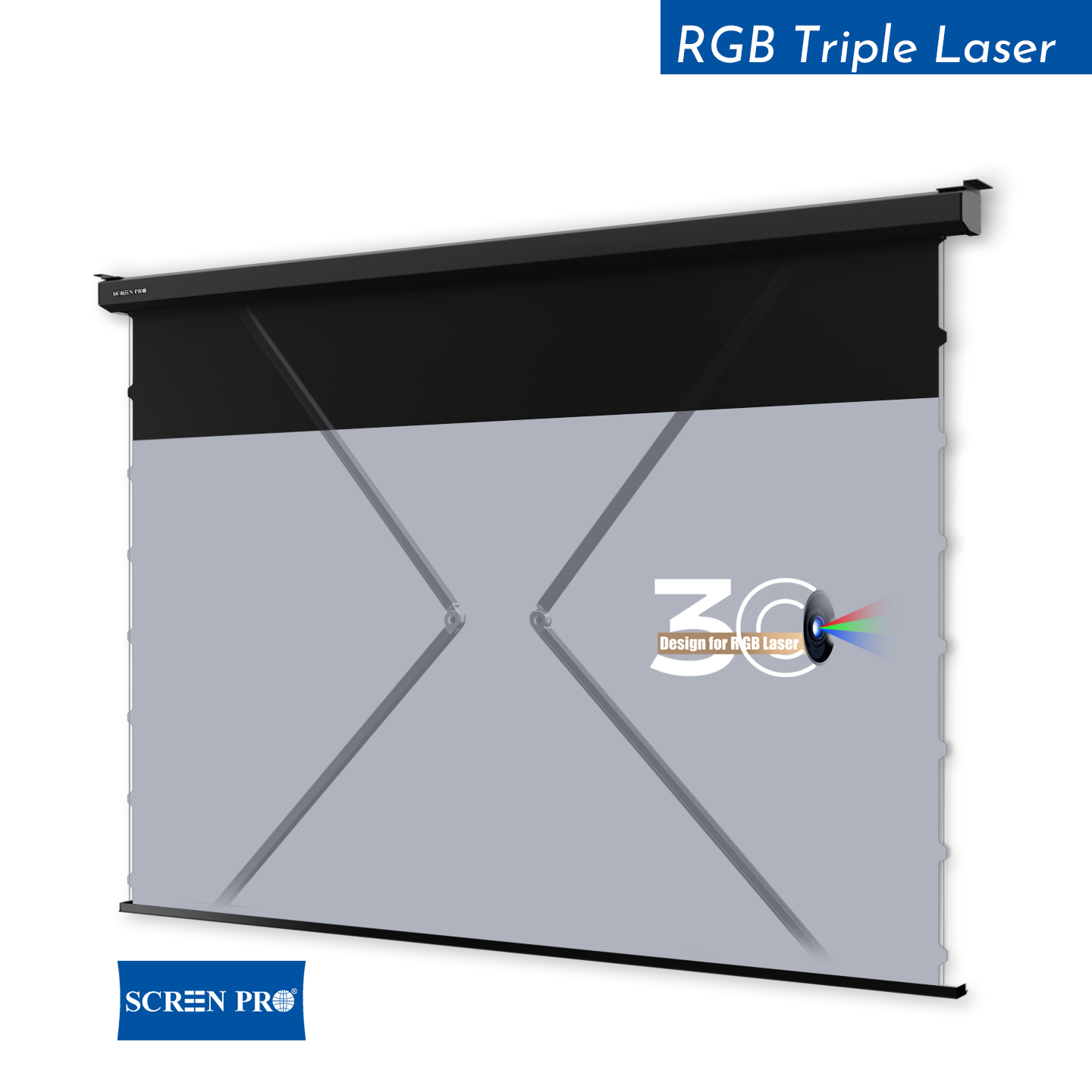
- Select the right structure: fixed frame, motorized, floor rising, or in-ceiling
Recommended Applications
Acoustically transparent screens are especially suitable for private home theaters and dedicated cinema rooms where front speakers can be placed behind the screen for more accurate sound imaging.
Private Home Theater
Ideal for creating a clean cinema-style front wall with speakers hidden behind the image.
High-End Cinema Room
Supports accurate dialogue localization and a more immersive soundstage.
Custom AV Projects
Suitable for integrators who need flexible screen structure, size, and material options.
The Bottom Line
A sound-transparent projection screen allows the audio system and visual system to work together. By placing speakers behind the screen, the sound can appear to come directly from the picture, creating a more natural and immersive home theater experience.
When choosing an acoustically transparent screen, users should consider sound attenuation, image brightness, resolution compatibility, moiré control, stray light reduction, room design, and projector compatibility.
SCREENPRO®
Engineering acoustically transparent projection screens for private home theaters, cinema rooms, custom AV projects, and professional installation environments.
Talk to SCREENPRO