


© 2026 SCREENPRO®. Specifications are subject to change without notice. | SamsAV All Rights ReservedSite Map Designed by iwonder.cn


PVC backing and acoustic transparent backing cloth both help reduce light leakage and improve image contrast, but they are designed for very different screen technologies.
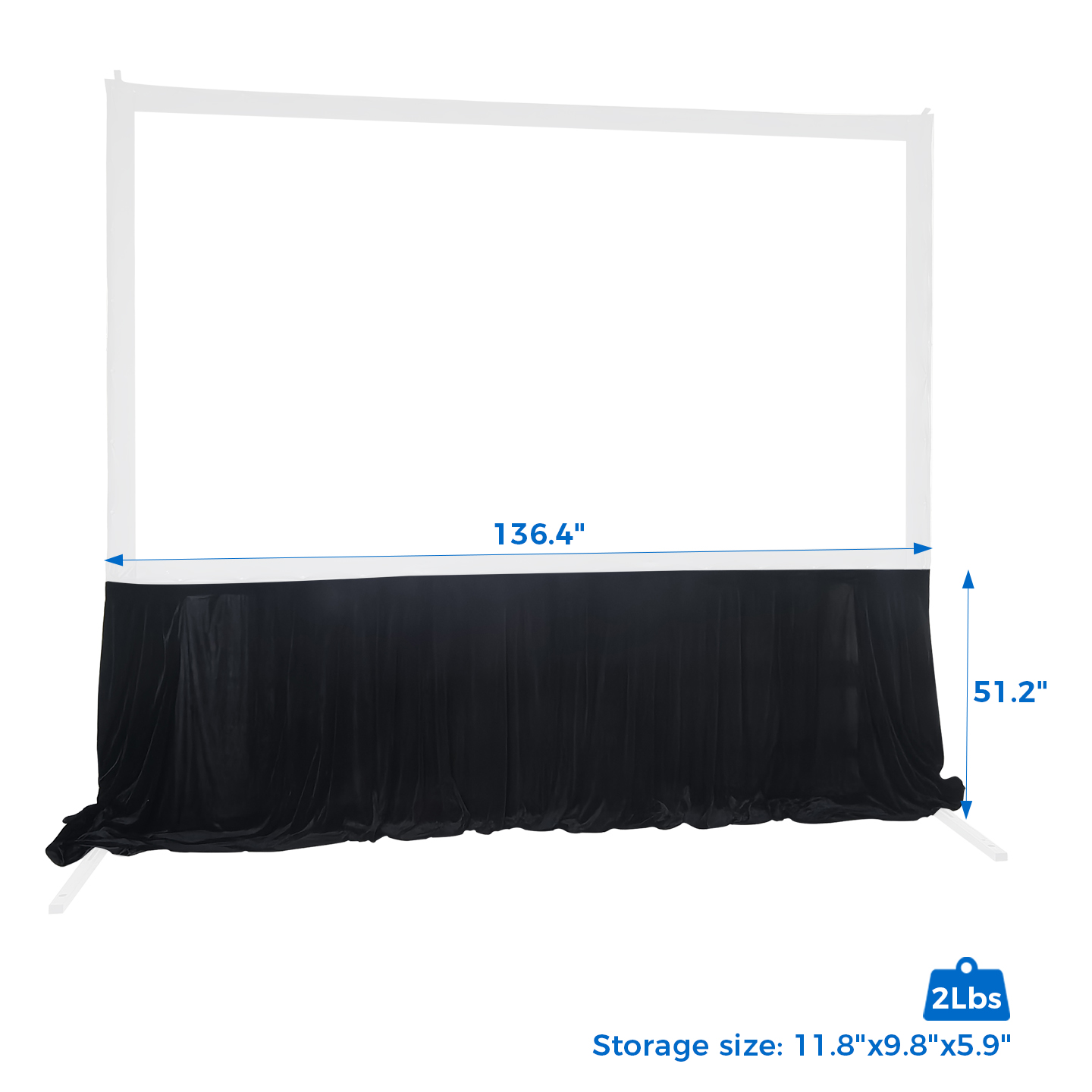
Black backing is a light-control layer used behind a projection screen surface. Its main purpose is to reduce light transmission, minimize reflections from the rear wall, and help the projected image look more consistent.
However, not all black backing materials are the same. Standard projection screens often use a black PVC substrate, while woven acoustic transparent screens require a separate black acoustic transparent backing cloth.
Reduces projector light passing through the screen surface and reaching the wall behind it.
Helps improve perceived black levels by reducing rear reflections and unwanted light return.
Prevents wall color or rear light from affecting the brightness and uniformity of the image.
Soft black PVC substrate backing is commonly used in standard non-acoustic projection screen materials, including matte white, grey, fiberglass matte white, and some ALR screen fabrics.
The black PVC substrate is laminated directly to the rear side of the projection surface. It is not a removable layer.
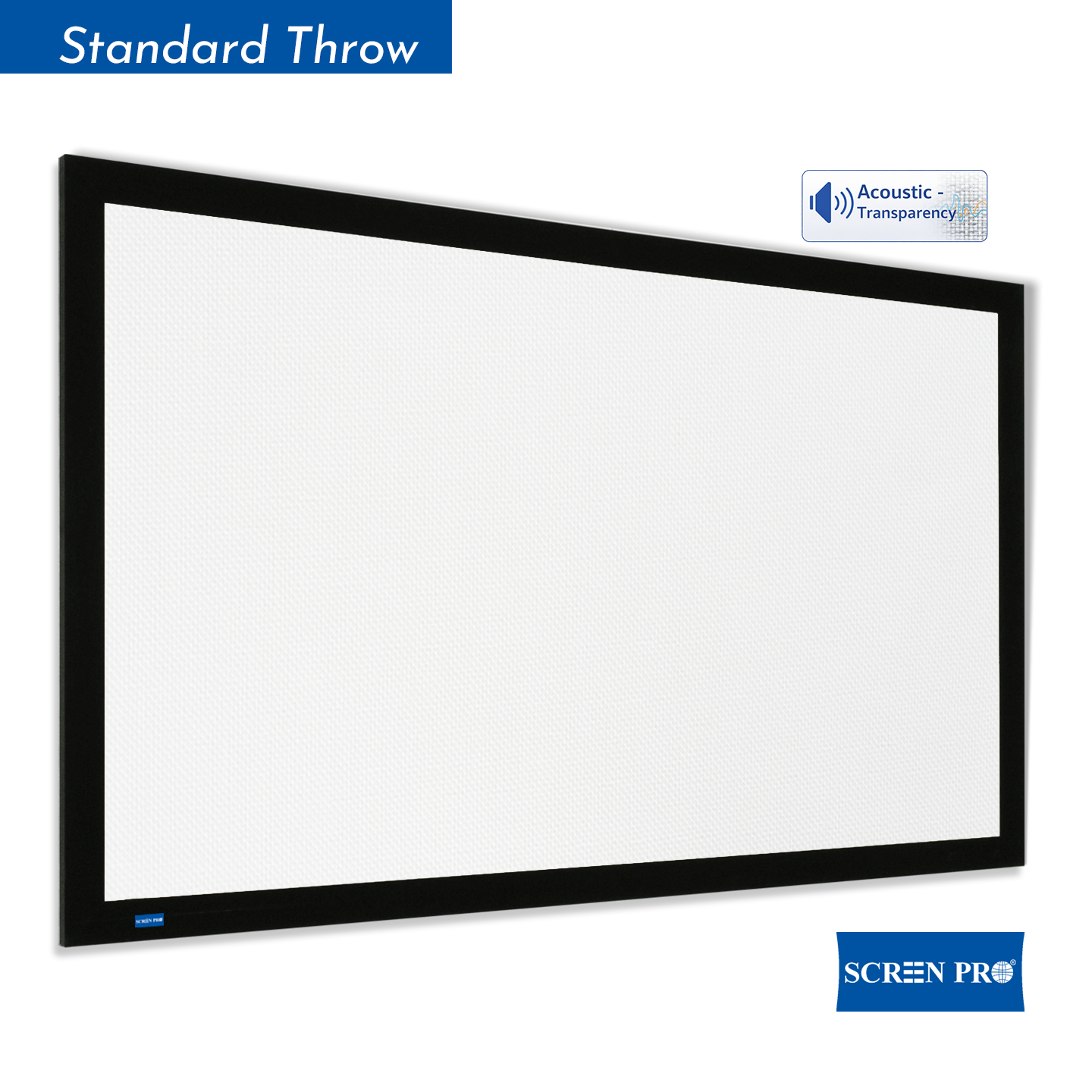
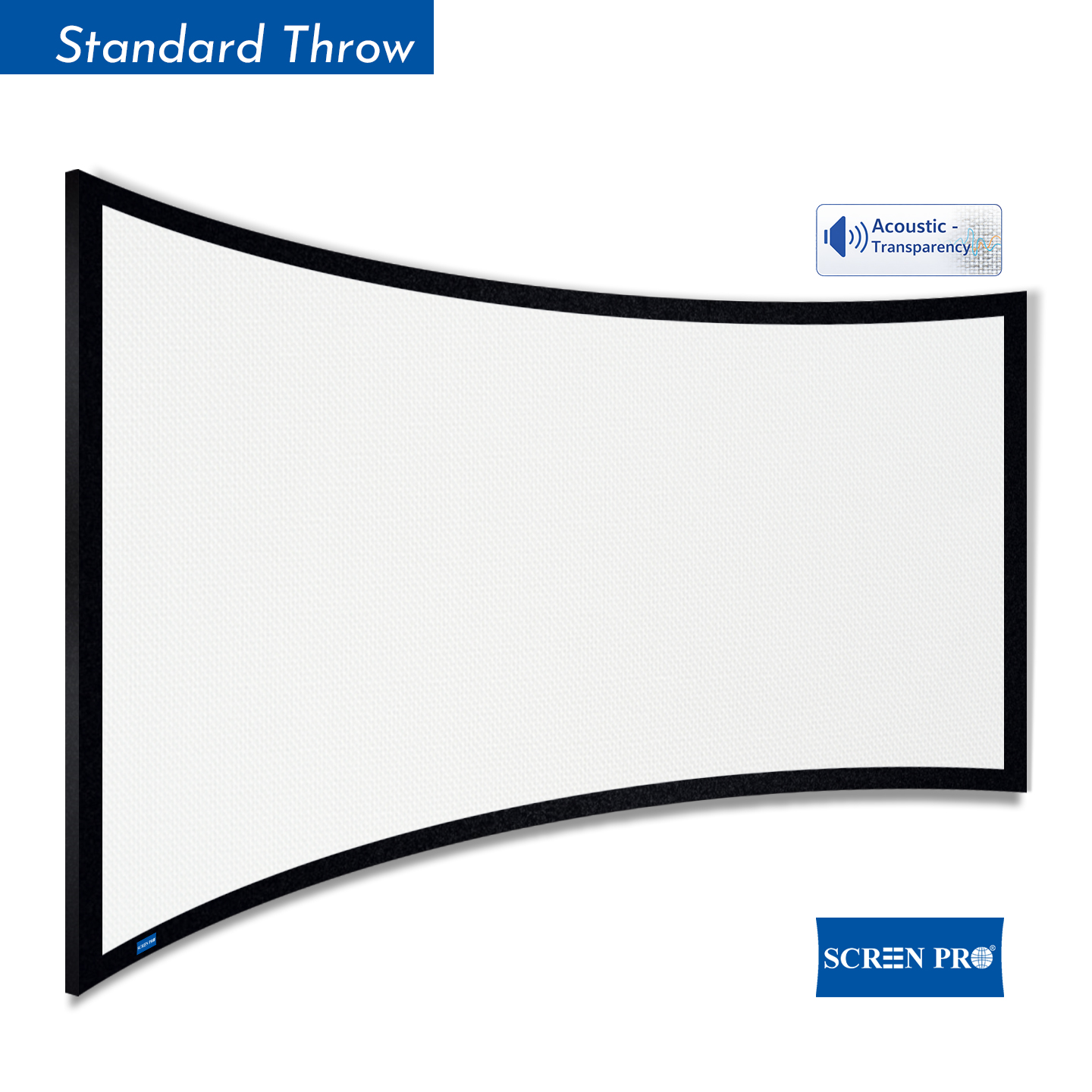
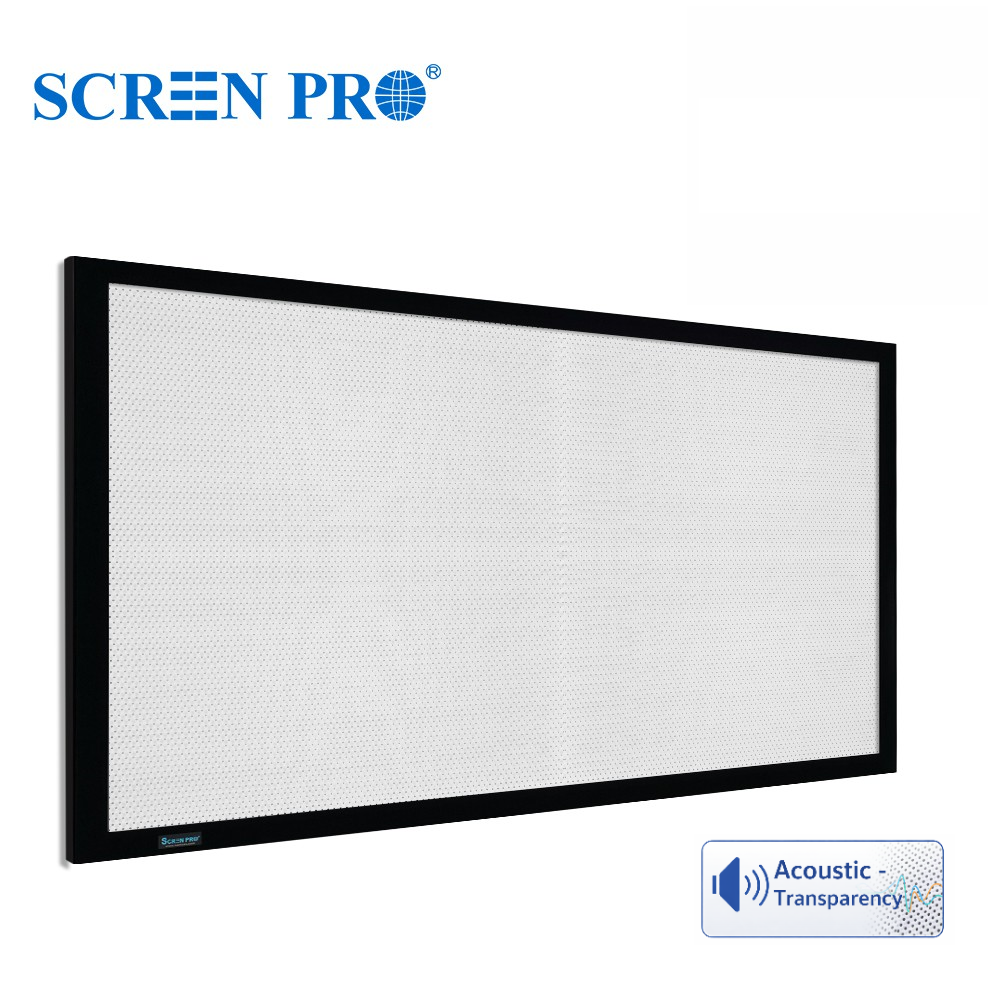
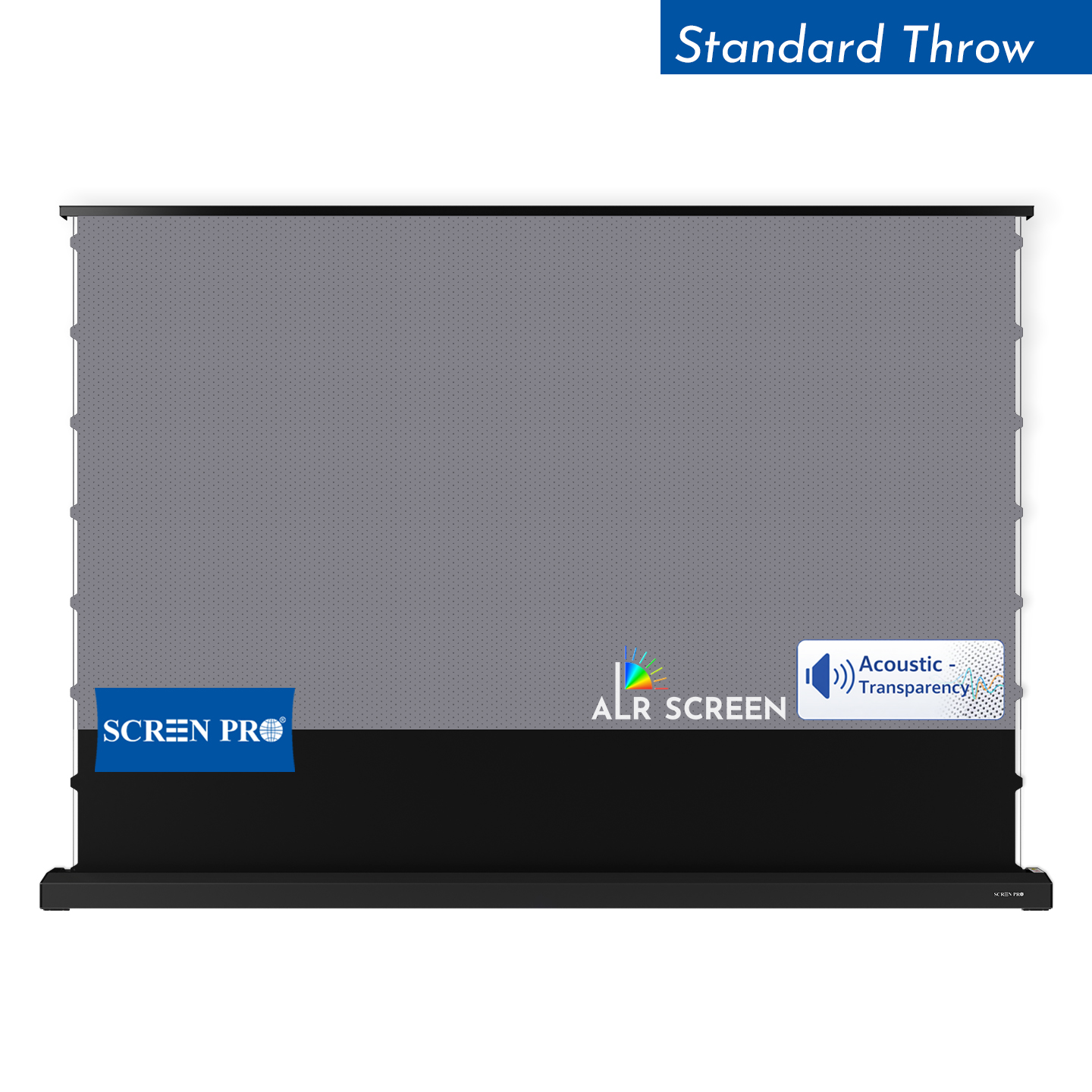
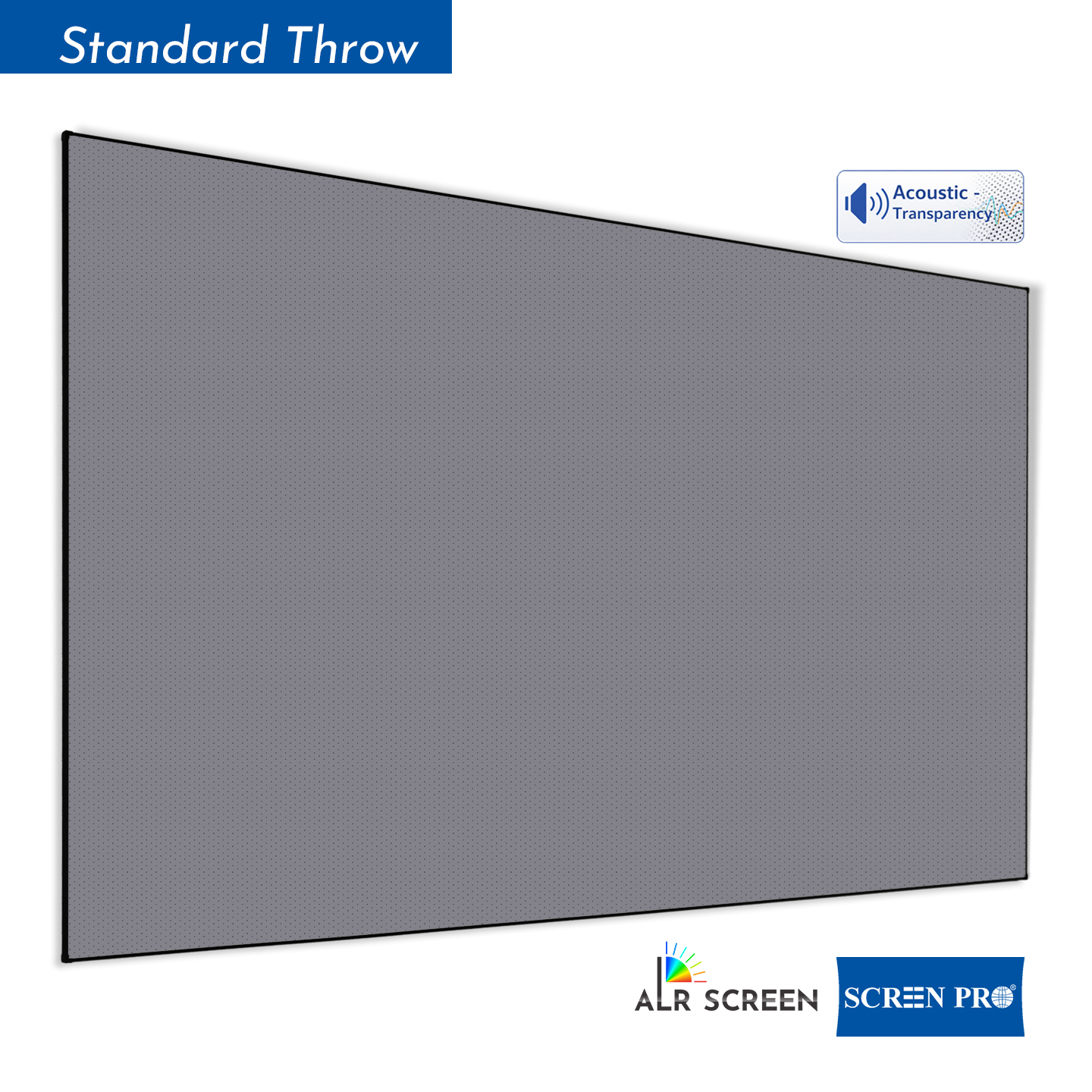
Woven acoustic transparent screens are designed to allow sound to pass through the screen, so they cannot use a solid PVC backing. Instead, SCREENPRO woven acoustic transparent screens are standard with a separate black acoustic transparent backing cloth.
This is a separate black fabric layer installed behind the woven screen surface. It helps control light while maintaining acoustic transparency.
PVC backing blocks both light and sound. For acoustic transparent projection screens, this would defeat the purpose of placing speakers behind the screen.
That is why SCREENPRO uses a separate black acoustic transparent backing cloth for woven acoustic transparent screens. It provides light control without sacrificing the speaker performance required in home theater and cinema installations.
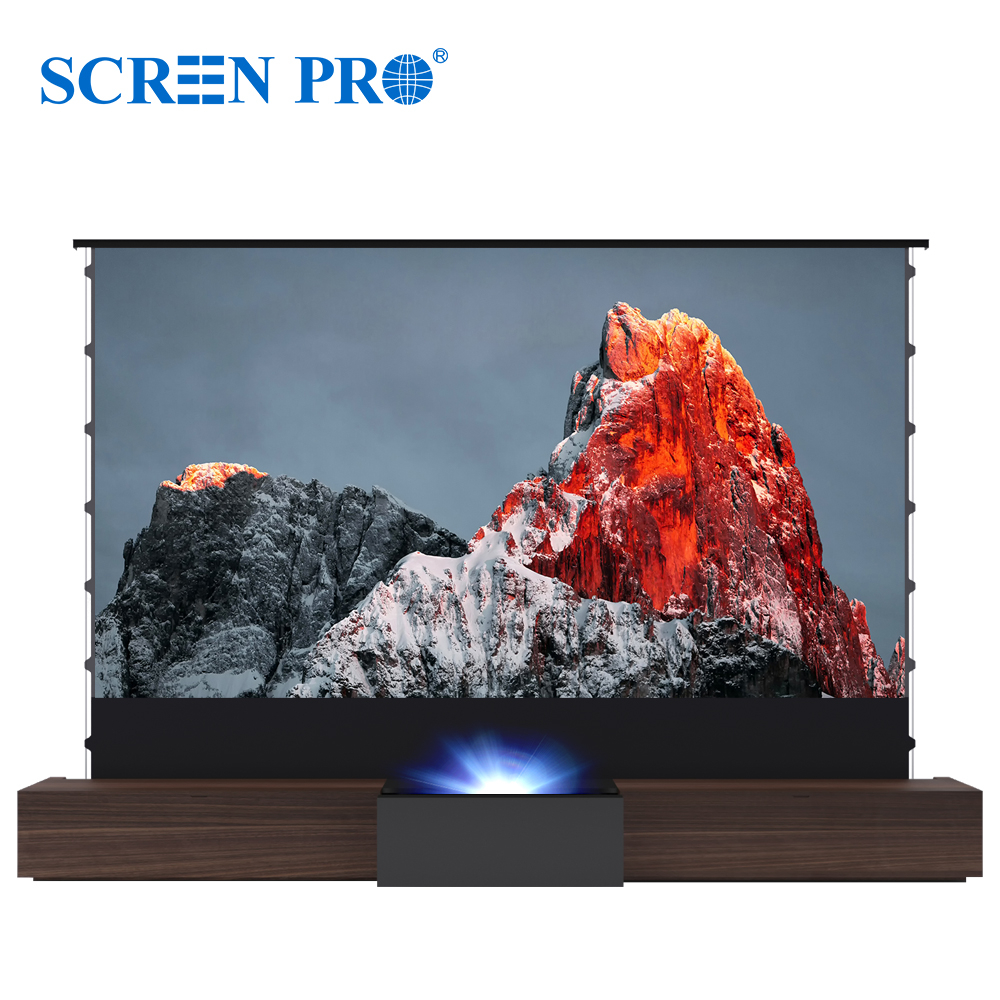
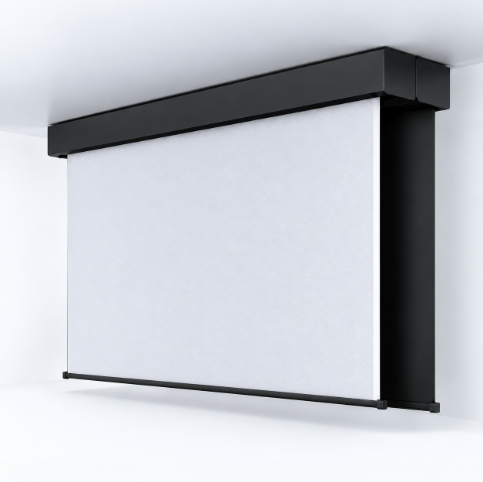
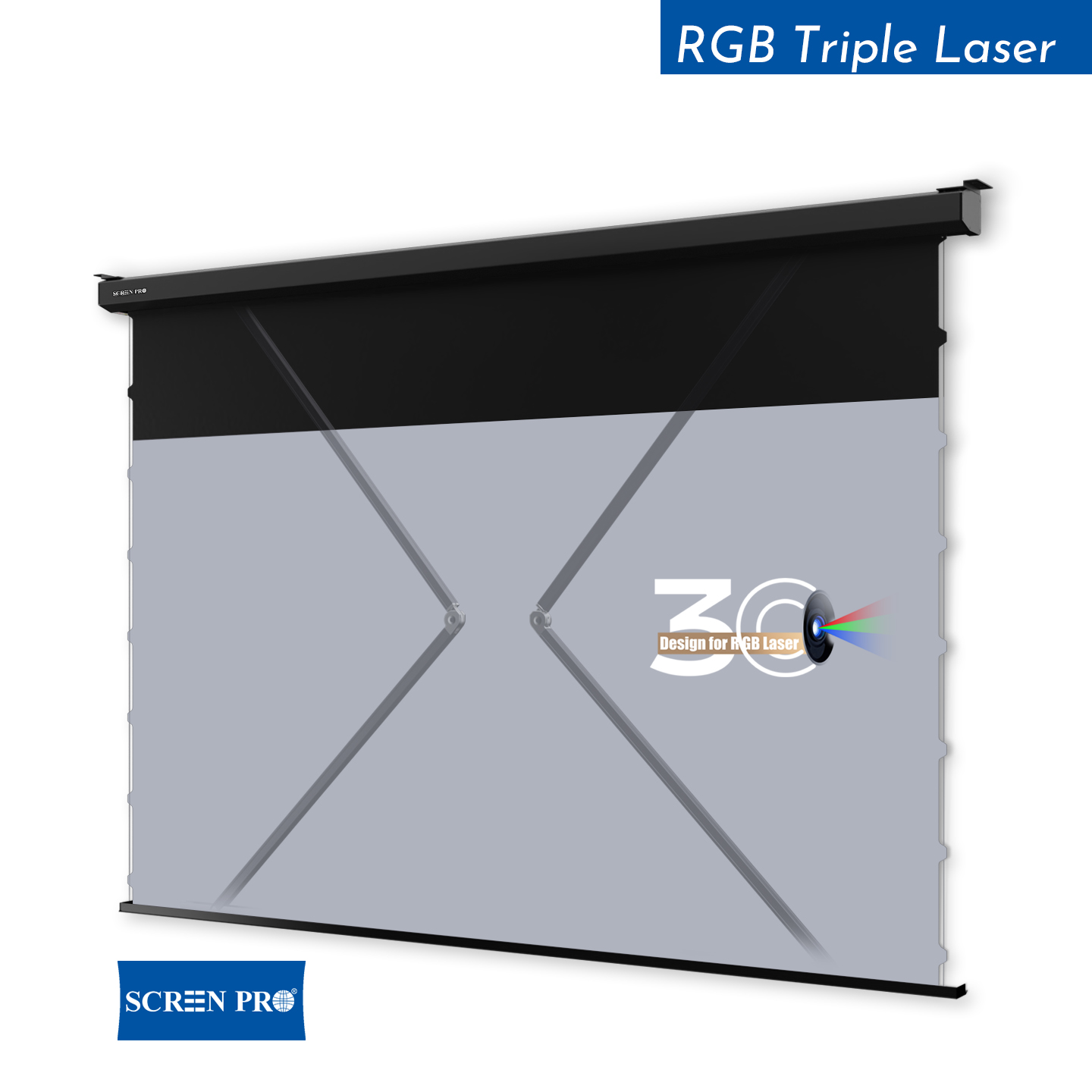
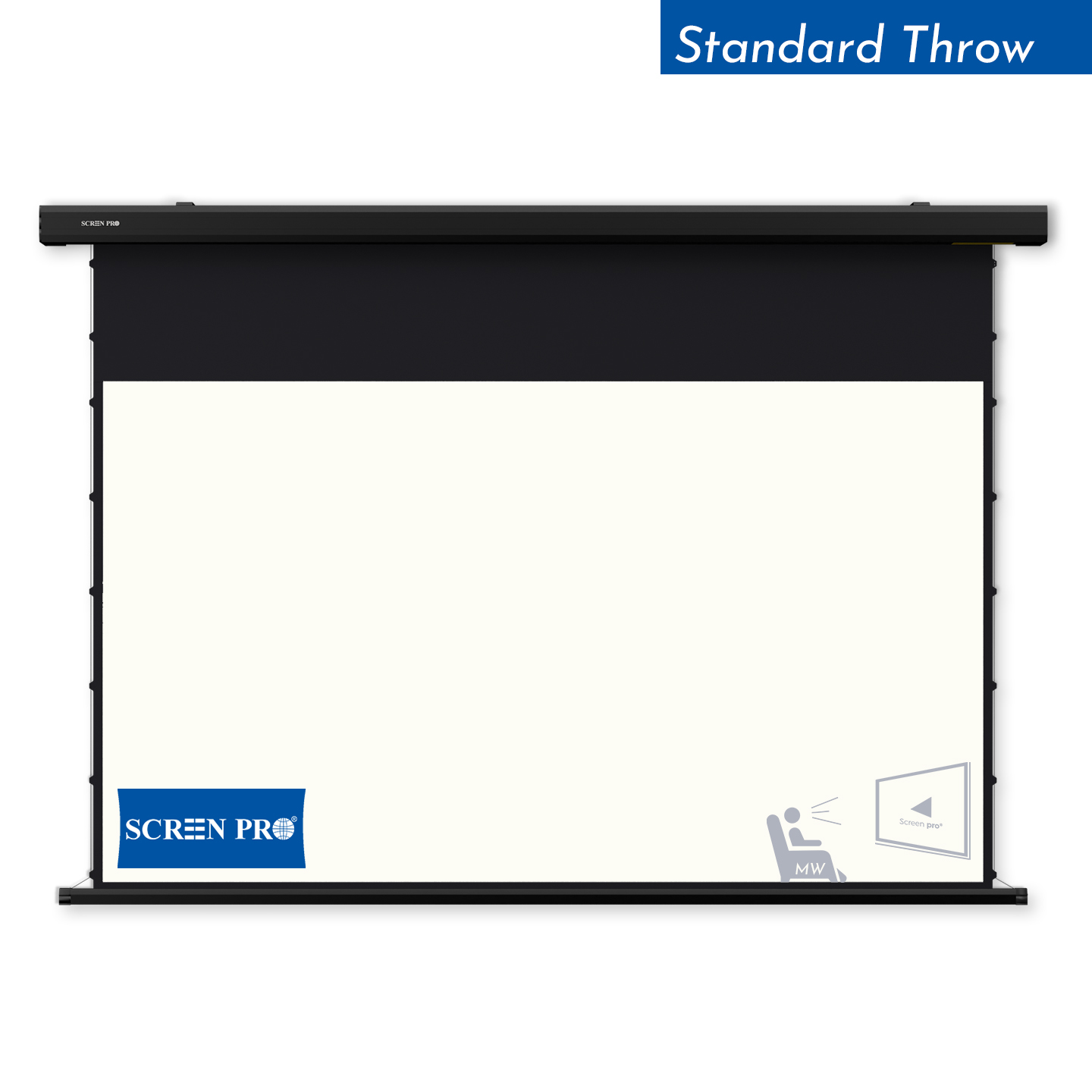
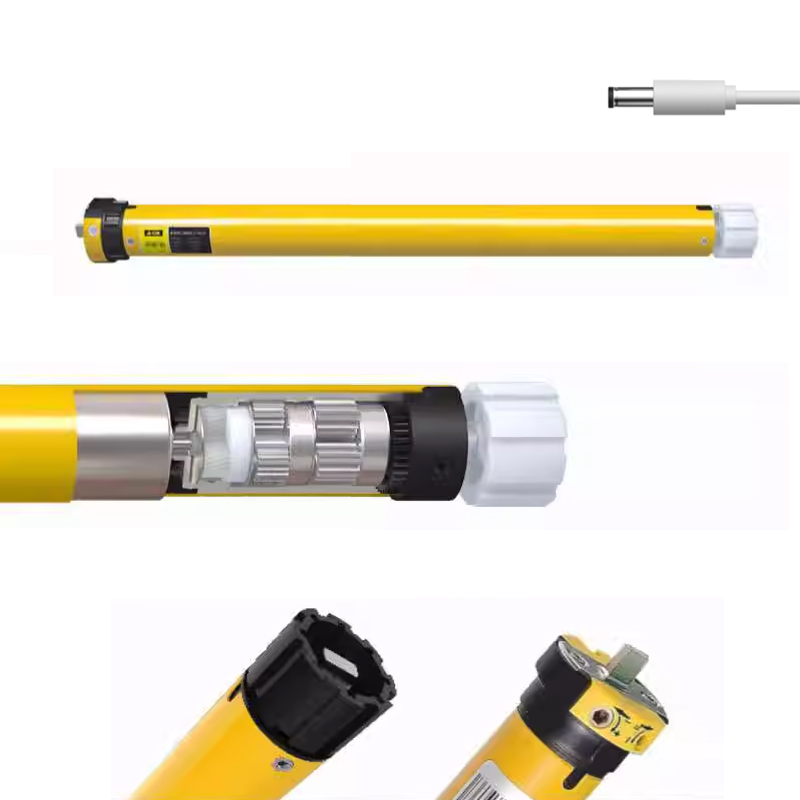
For installations that require both a motorized acoustically transparent projection surface and black acoustic backing, SCREENPRO offers a dual-layer motorized screen system that integrates both functions into one housing.
The projection surface and black acoustic transparent backing layer use independent rollers, keeping the two functional layers separate rather than permanently laminating them together.
The projection surface and black acoustic backing layer are installed on separate roller mechanisms.
The dual-layer structure allows the projection layer and backing layer to remain mechanically independent within one screen system.
The acoustic backing helps control rear light while maintaining the sound-transmission path required for speakers positioned behind the screen.
| Feature | Soft Black PVC Backing | Black Acoustic Transparent Backing Cloth |
|---|---|---|
| Primary Purpose | Light blocking and contrast improvement | Light leakage reduction while preserving sound transmission |
| Material | Soft black PVC substrate | Woven acoustic transparent fabric |
| Sound Transmission | No | Yes |
| Structure | Laminated backing layer | Separate fabric layer |
| Removable | No | Yes |
| Best For | Standard projection screens | Woven acoustic transparent screens |
| Suitable for Behind-Screen Speakers | No | Yes |
Soft black PVC backing is ideal for traditional projection screens where acoustic transparency is not required. It is commonly used for matte white, grey, fiberglass, and selected ALR screen materials.
Black acoustic transparent backing cloth is the correct choice for woven acoustic transparent screens, especially when speakers are installed behind the screen.
No. Some projection screens do not require additional black backing, but many screens benefit from improved light control, especially when the rear wall is bright or reflective.
Yes. By reducing light leakage and rear reflections, black backing can help improve perceived contrast and overall image consistency.
No. PVC backing is an opaque substrate layer, while acoustic transparent backing cloth is a breathable woven fabric layer designed to let sound pass through.
Because PVC blocks sound. Woven acoustic transparent screens are designed for speaker placement behind the screen, so a solid PVC layer would reduce or block acoustic performance.
Yes. SCREENPRO woven acoustic transparent screens are standard with black acoustic transparent backing cloth.
Yes. It helps reduce light leakage behind the woven screen while maintaining acoustic transparency.
Yes. Unlike laminated PVC backing, acoustic backing cloth is a separate fabric layer and can be installed or removed depending on the setup.
SCREENPRO woven acoustically transparent screen systems can use black acoustic transparent backing cloth, including fixed-frame screens and motorized applications. For motorized installations, the SCREENPRO Dual-Layer Motorized Acoustically Transparent Screen uses independent rollers for the projection surface and backing layer.
Yes. A dual-layer motorized design can place the acoustically transparent projection surface and black acoustic backing on separate rollers, allowing both layers to be integrated into one motorized screen system.
Compare SCREENPRO matte white, grey, ALR, and woven acoustic transparent screen materials to find the right solution for your projector, speaker layout, and installation environment.
Explore SCREENPRO Screen Materials





© 2026 SCREENPRO®. Specifications are subject to change without notice. | SamsAV All Rights ReservedSite Map Designed by iwonder.cn