
© Copyright 2004-2026 SCREEN PRO® All Rights Reserved | Specifications are subject to change without notice. All Rights ReservedSite Map Designed by iwonder.cn


Fresnel fabric and PET Crystal T-Prism materials are both used in projection and optical display applications, but they are designed for different viewing needs, screen structures, and projector compatibility. This guide explains the key differences in a clearer and more practical way.
Fresnel fabric usually incorporates a Fresnel lens structure made of concentric grooves or ridges. These microstructures bend and direct light in a way similar to a traditional optical lens, but in a thinner and lighter form.
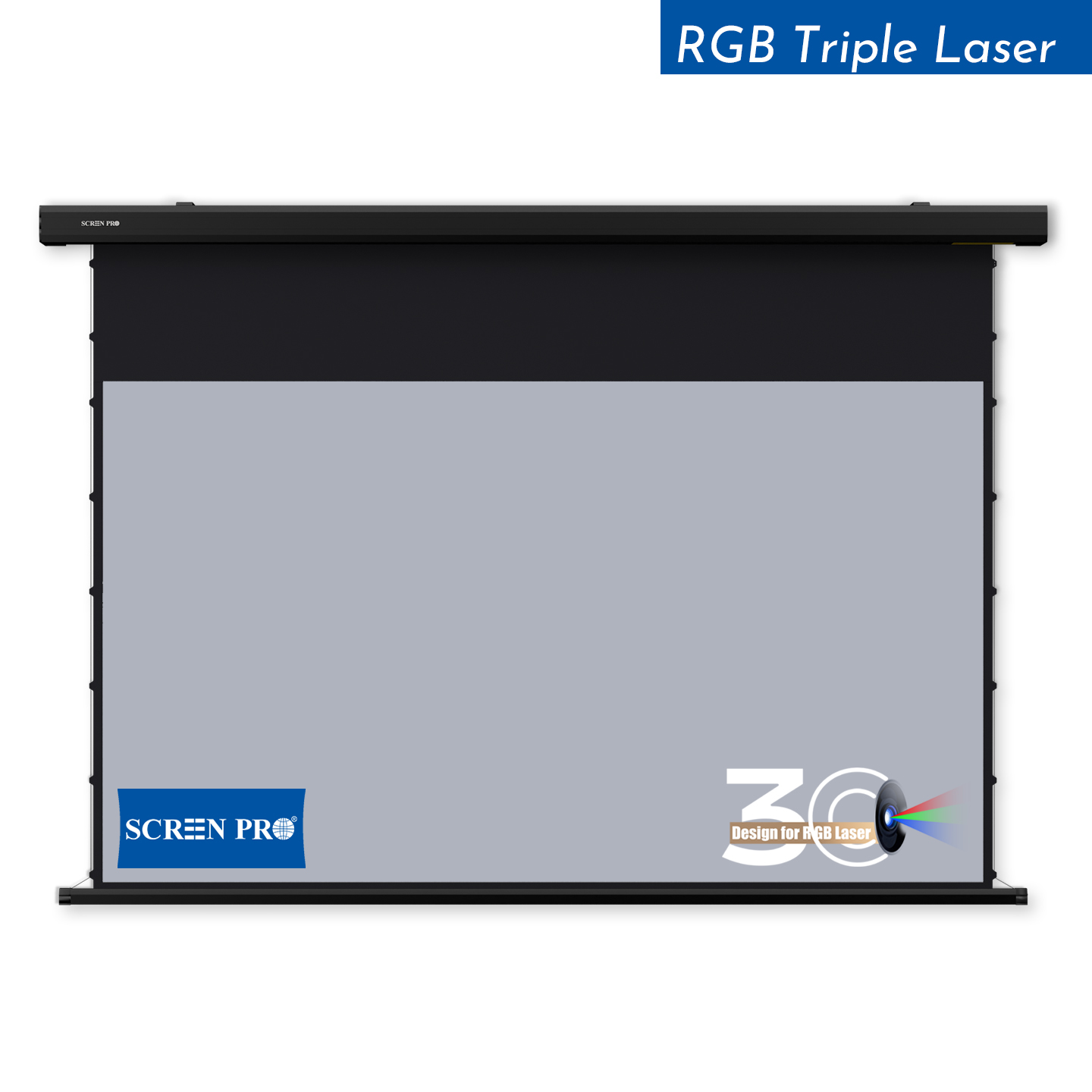
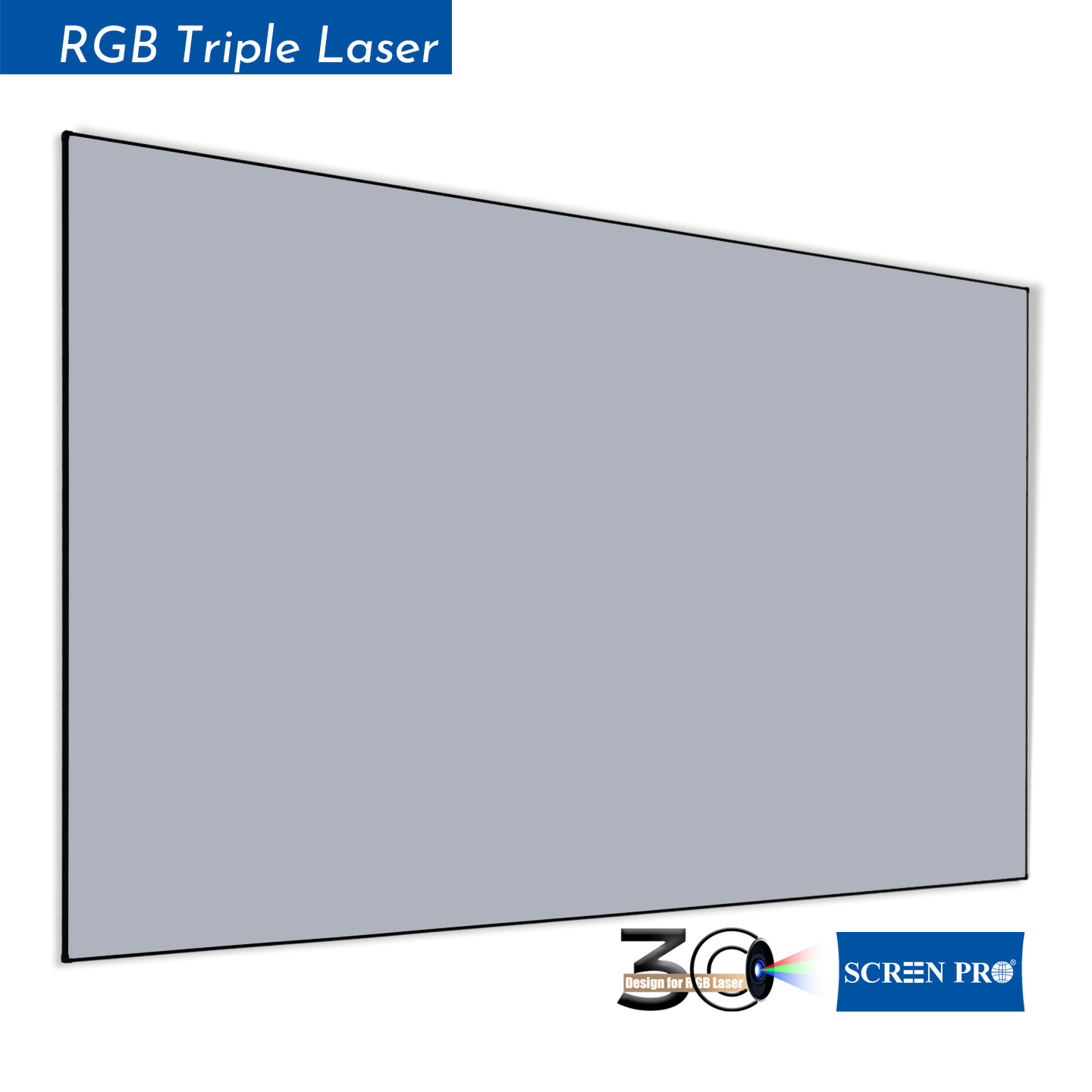
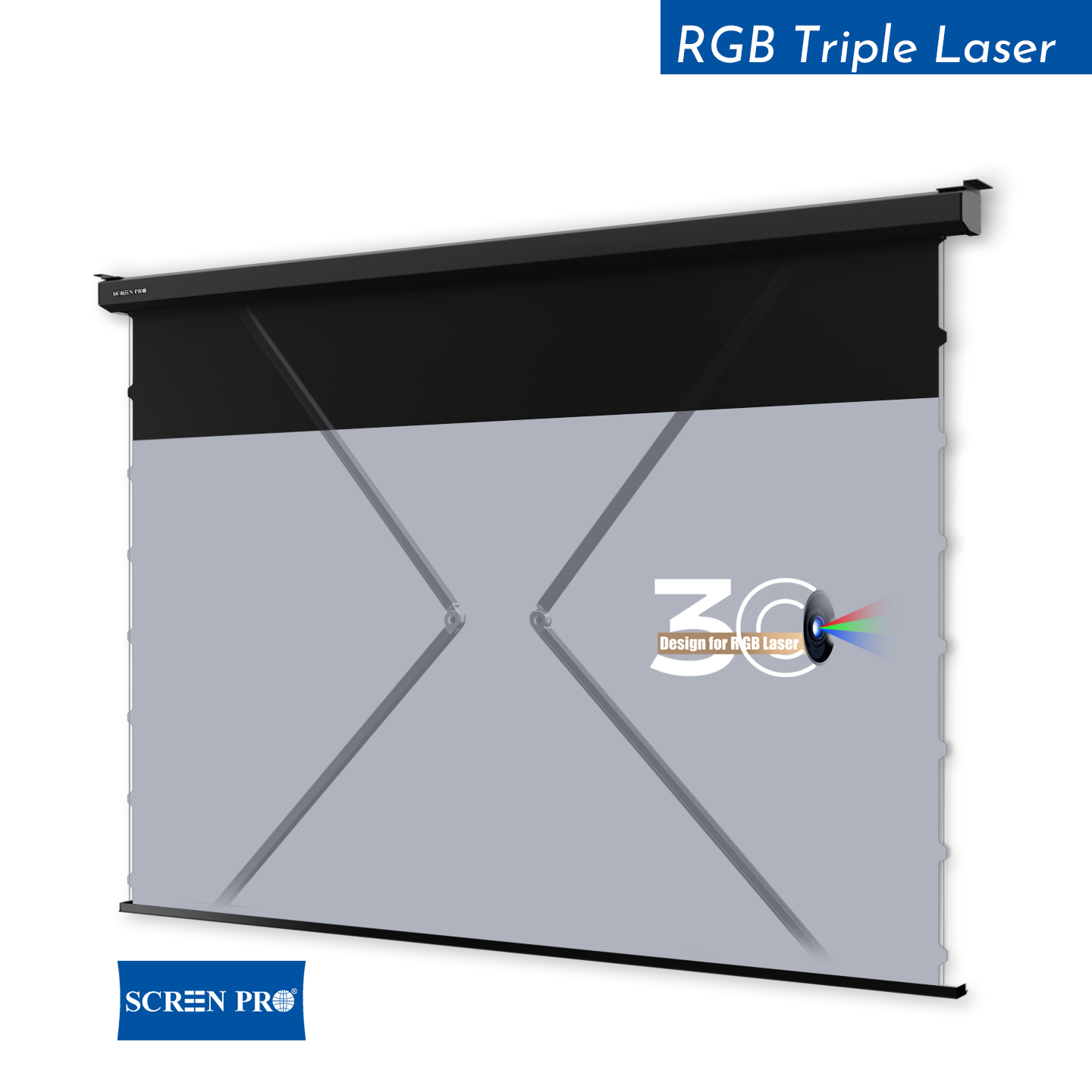
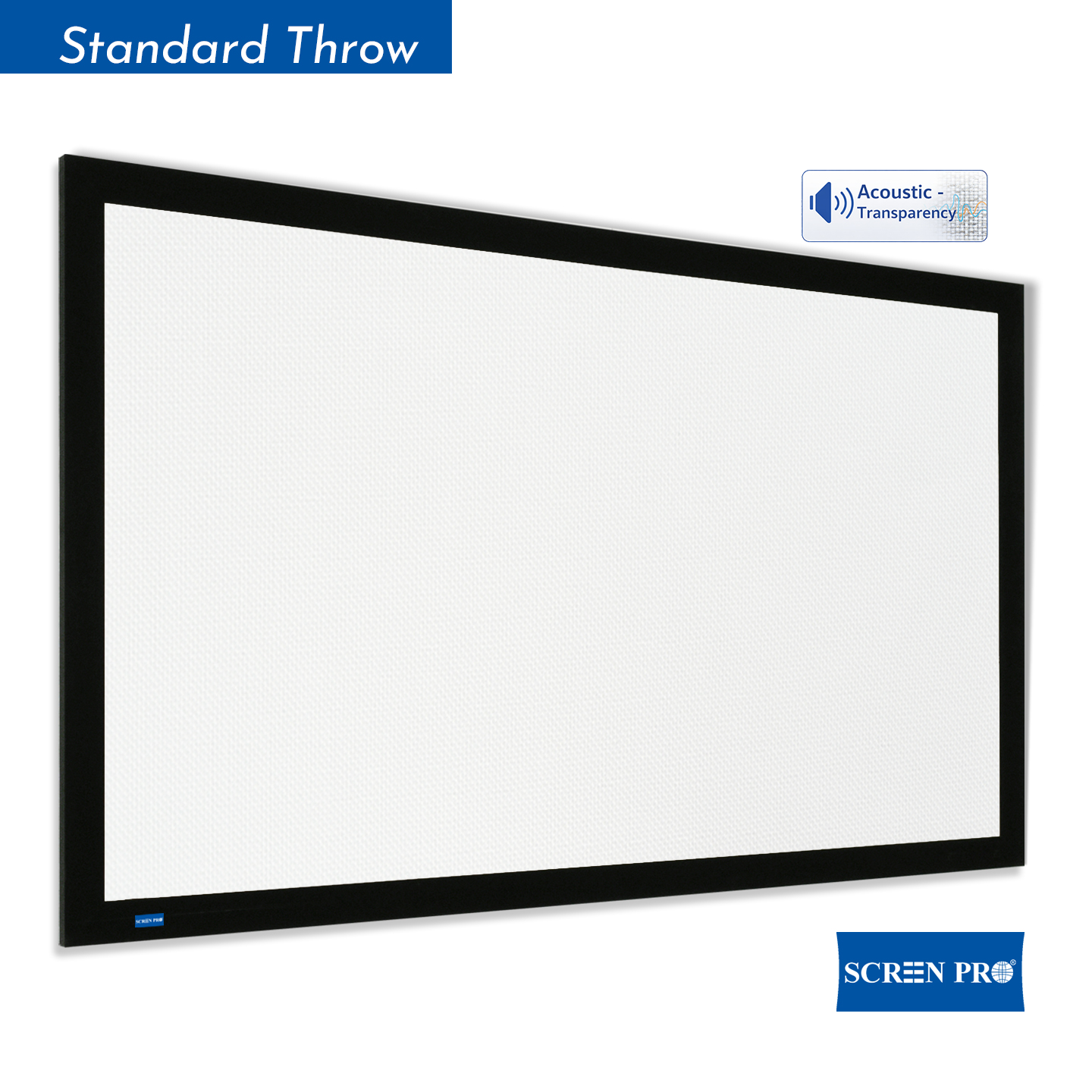
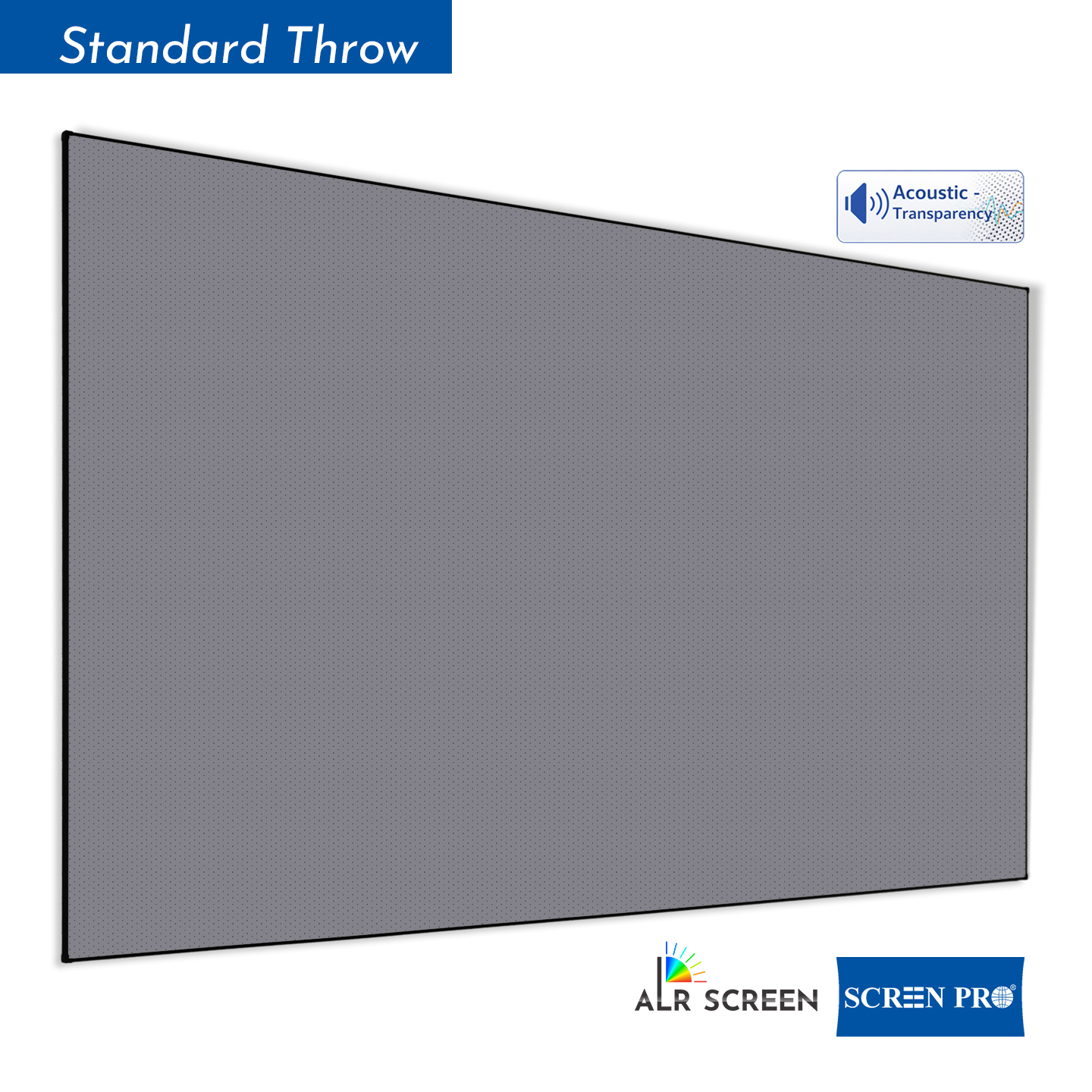
SCREENPRO T-Prism material uses PET Crystal, a transparent and rigid optical material known for clarity, durability, and stable imaging performance.
| Feature | SCREENPRO T-Prism PET Crystal | Fresnel Fabric |
|---|---|---|
| Material Type | Rigid PET Crystal optical material | Thin polymer or plastic with Fresnel microstructures |
| Surface Structure | Smooth optical surface | Concentric grooves or ridges |
| Optical Function | Supports clear image reproduction and stable projection performance | Directs, focuses, or rejects light through lens-like grooves |
| Viewing Experience | More suitable for flexible room layouts and wider practical viewing use | Best performance is usually concentrated in a central viewing area |
| Durability | Durable and easier to clean | Grooved surface may be more sensitive to dust, scratches, and wear |
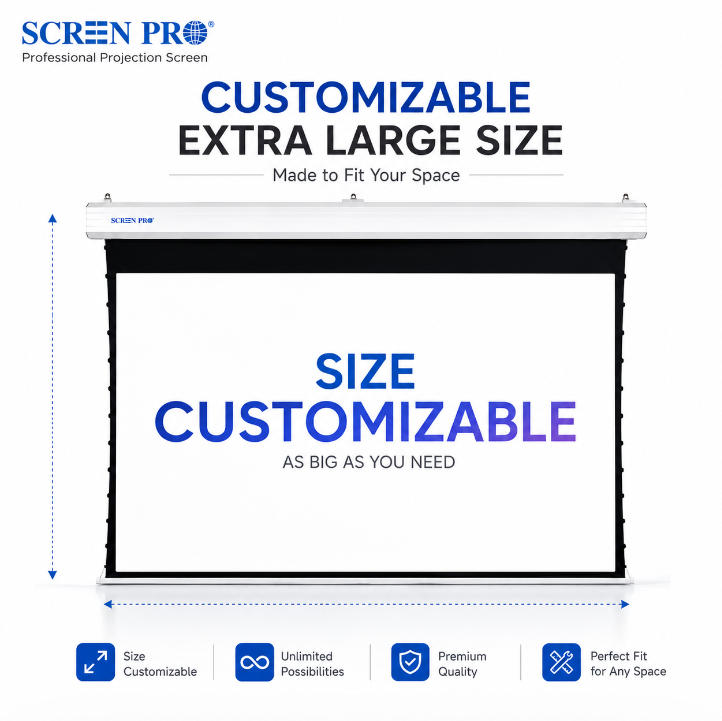
| Screen Structure | Better suited for different screen formats, including more flexible designs | More limited in motorized or large-size applications |
| Projector Compatibility | Designed for broader projection scenarios | May not be ideal for some RGB triple-laser projector setups |
| Best Use | Premium projection screen applications requiring clarity, durability, and flexibility | Directional ALR applications where the viewer sits near the optimal center position |
Choose SCREENPRO T-Prism PET Crystal if you want a premium projection screen material with optical clarity, durability, easier maintenance, and better flexibility for different screen structures.
Choose Fresnel Fabric if your setup requires strong directional light control and your seating position is close to the center viewing zone.
Yes. Fresnel fabric can deliver excellent image quality and strong ambient light rejection when used in the correct setup. However, its performance is usually more dependent on projector position and viewer location.
Fresnel material uses directional grooves to control light. This improves brightness and light rejection in the center area, but viewers sitting far off-axis may experience reduced image performance.
Yes. Compared with Fresnel-style materials, PET Crystal-based T-Prism material is better suited for broader screen applications where durability, clarity, and structural flexibility are important.





© Copyright 2004-2026 SCREEN PRO® All Rights Reserved | Specifications are subject to change without notice. All Rights ReservedSite Map Designed by iwonder.cn