

© 2026 SCREENPRO®. Specifications are subject to change without notice. | SamsAV All Rights ReservedSite Map Designed by iwonder.cn


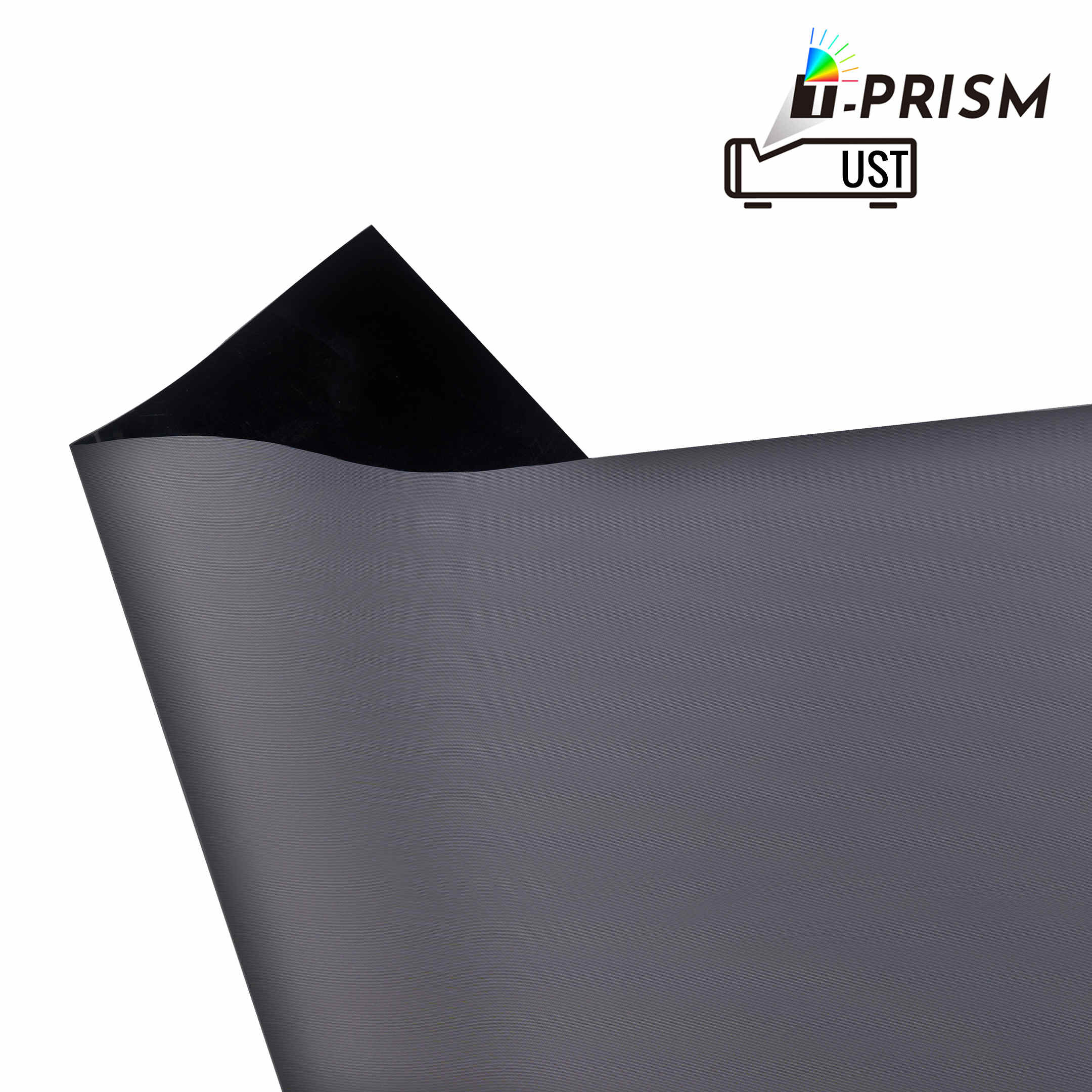
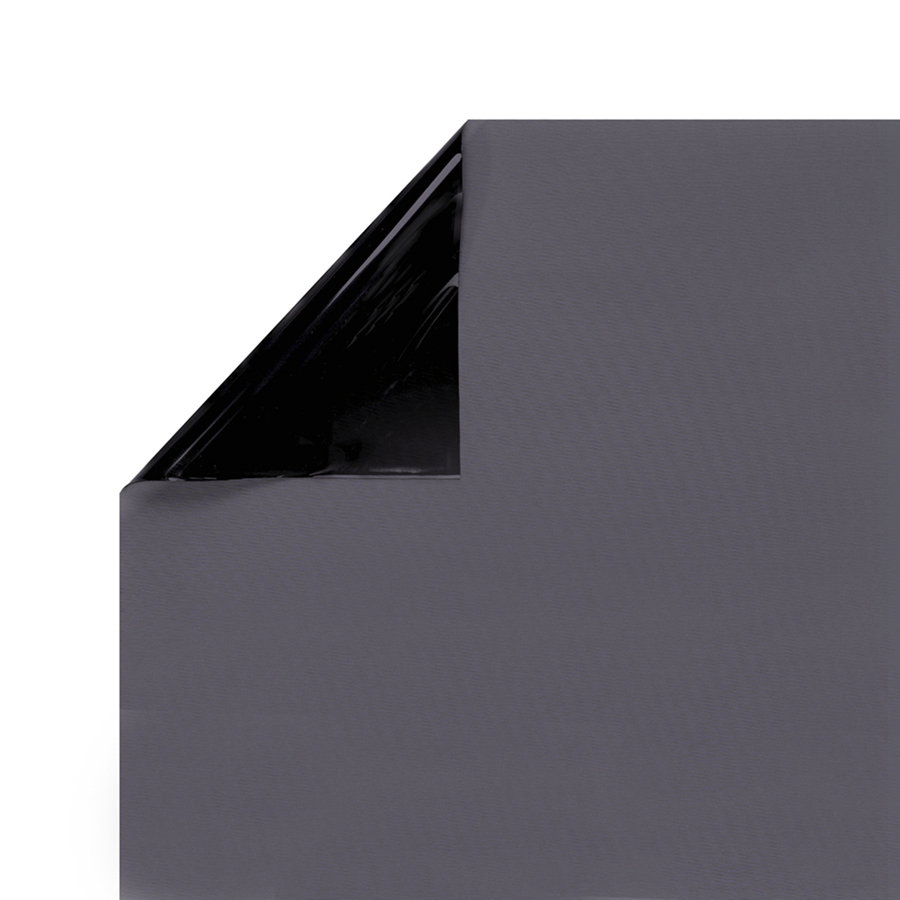
Flexible rollable lenticular ALR fabric with T-Prism optical structure for short-throw and ultra short throw projection.
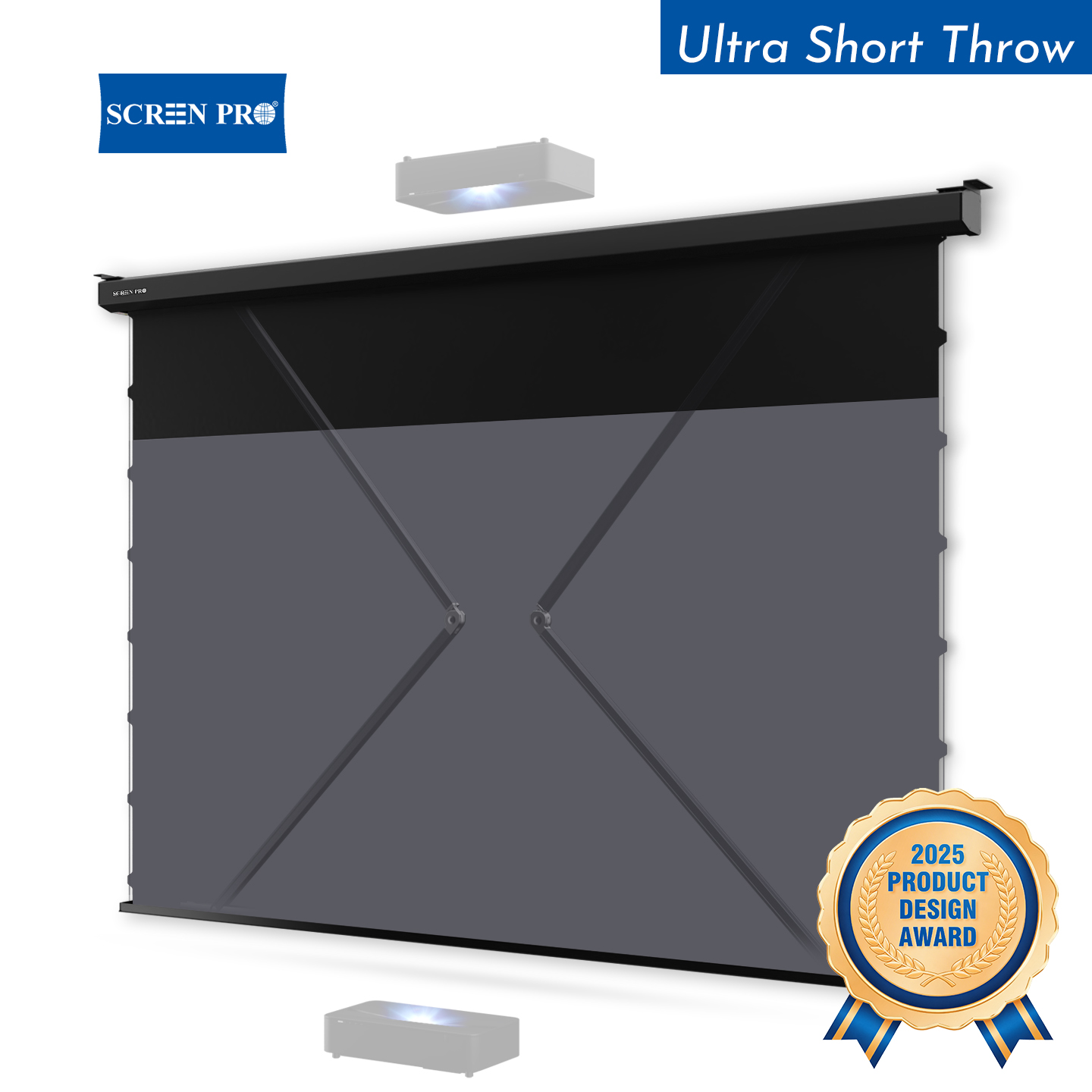
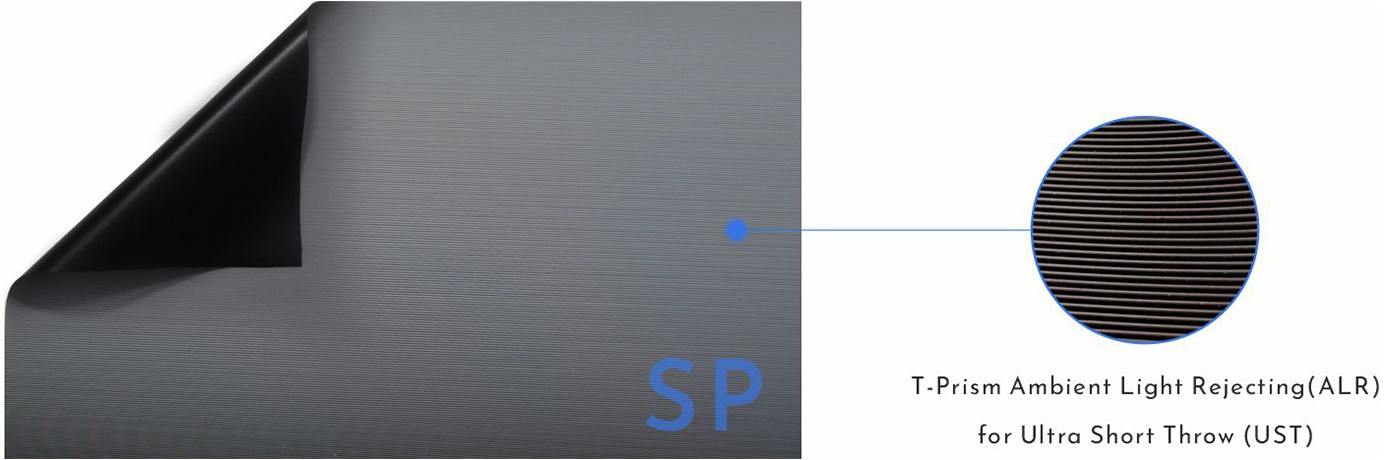
T-Prism™ is SCREENPRO’s rollable lenticular ambient light rejecting screen technology, engineered to control projector light and ambient light through a precision directional micro-prism structure. It combines optical ALR performance with the flexibility required for fixed-frame, floor-rising and tab-tensioned motorized projection screens.
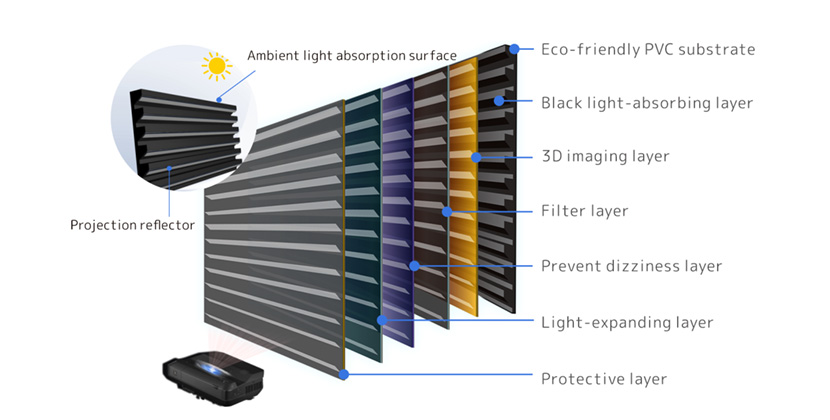
The precision micro-structured surface controls light direction, helping direct useful projected light toward the viewing area while reducing unwanted ambient light.
Unlike rigid optical panels, T-Prism uses a flexible lenticular structure that can be rolled and integrated into retractable screen systems.
The material can be vertically reversed during installation according to projector position and projection-light direction, providing greater installation flexibility.
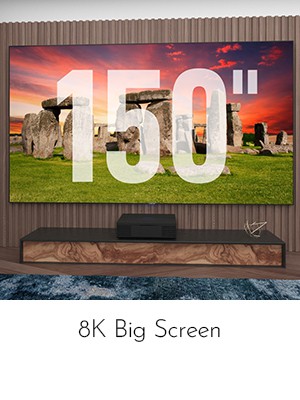
* Due to T-Prism fabric width limitations and the inability to splice, the maximum available size is 16:9 150".
T-Prism combines directional lenticular optics with a flexible, rollable screen construction — making optical ALR technology available in both fixed and retractable projection systems.
T-Prism belongs to the Lenticular ALR family of optical projection surfaces. Instead of relying only on surface color or conventional reflective coatings, its precision microstructure controls the direction of incoming and reflected light.
This directional behavior helps separate projected light from unwanted ambient light, improving perceived contrast, black level and image visibility in rooms where complete light control is not possible.
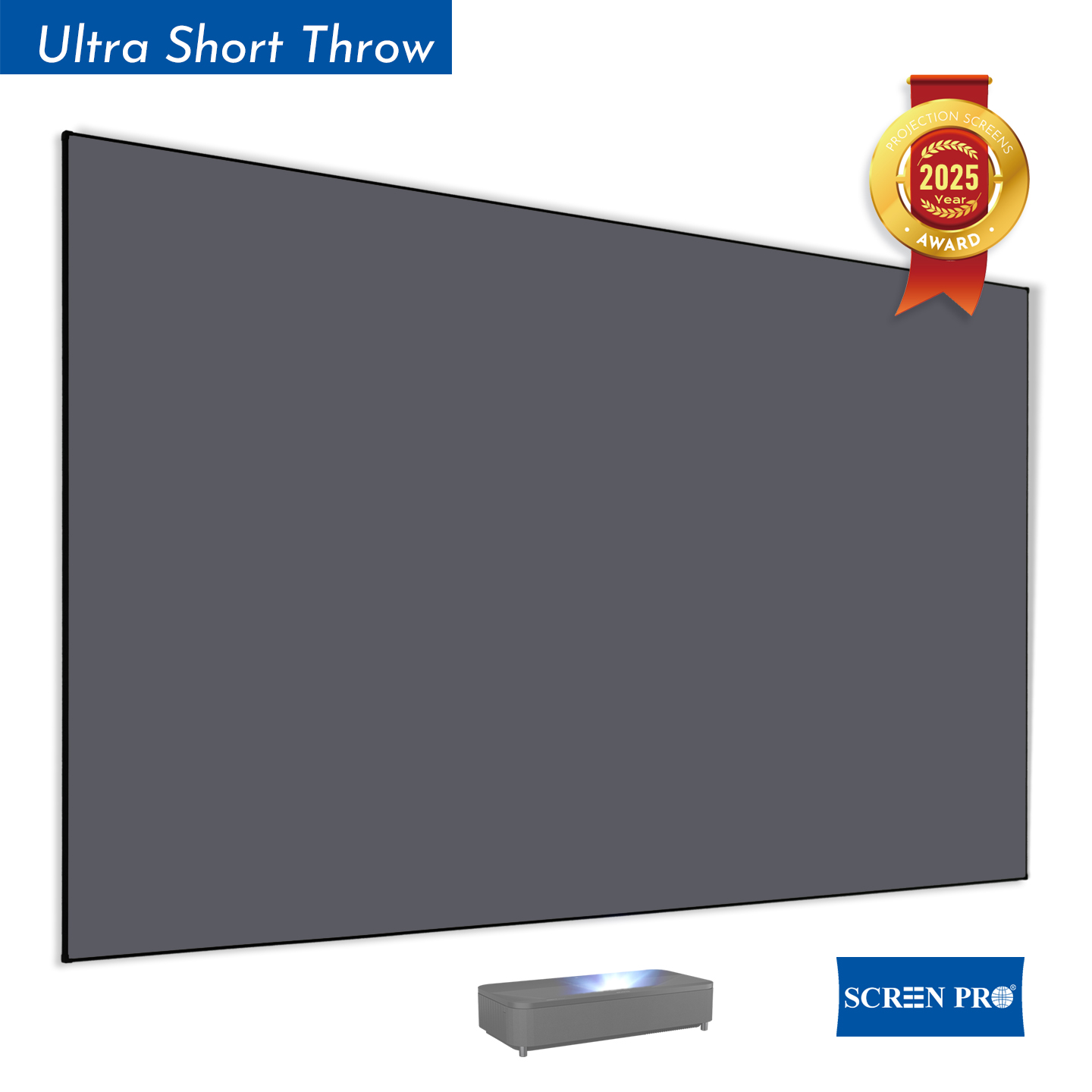
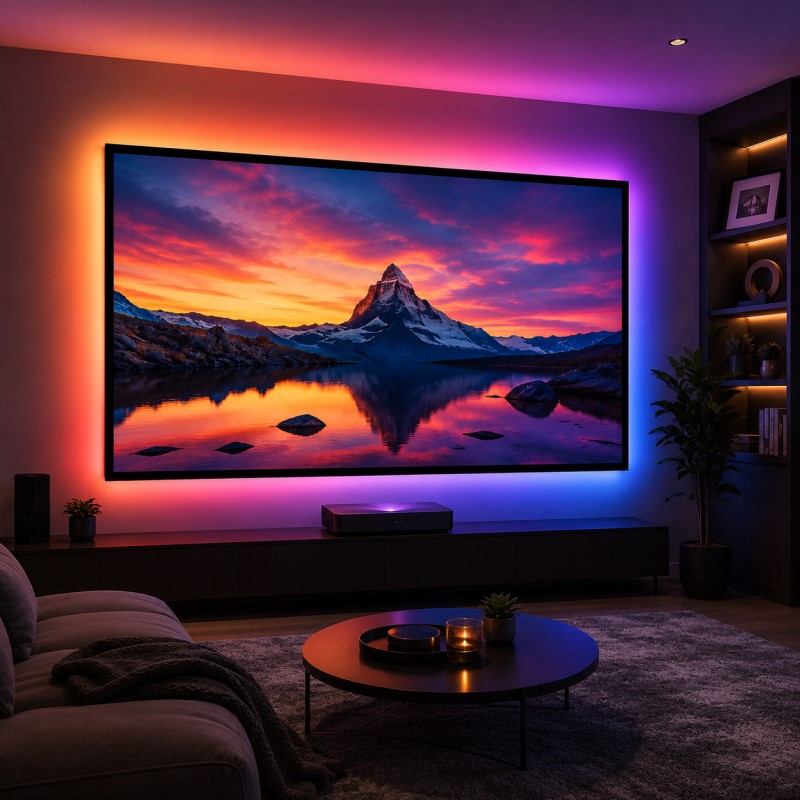
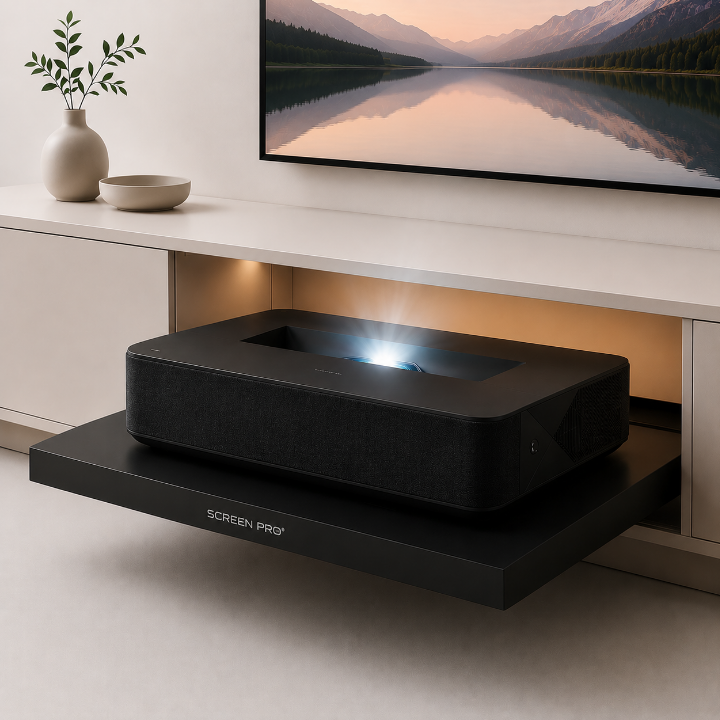
T-Prism is optimized for the steep projection geometry associated with ultra short throw projectors and Laser TVs.
The directional optical structure helps preserve image brightness, color performance, fine detail and perceived contrast while reducing the visual impact of ambient light.
One of the key advantages of T-Prism is its reversible vertical orientation.
The optical material can be installed in either top-to-bottom orientation according to projector position and the direction of incoming projection light.
This provides greater installation flexibility compared with conventional fixed-orientation lenticular ALR materials.
Unlike rigid optical panels, T-Prism uses a flexible and rollable lenticular construction.
This allows the material to be integrated into retractable projection systems while maintaining the directional optical characteristics required for ambient-light rejection.
When combined with a tab-tensioning system, the screen surface remains flat and stable when deployed.
Directional ALR optics, flexible installation and rollable screen construction for premium ultra short throw projection environments.
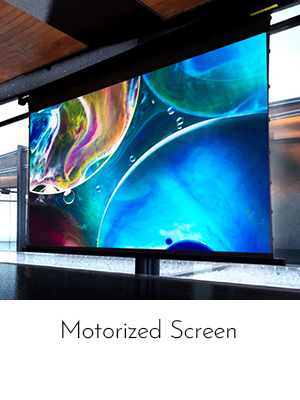
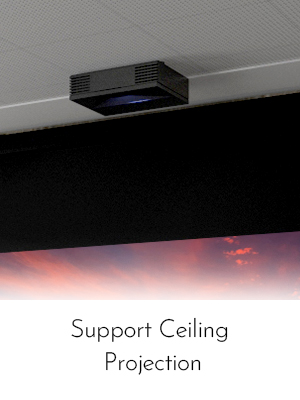
T-Prism extends directional lenticular ALR technology beyond conventional fixed-frame applications, enabling flexible and retractable screen configurations for modern AV installations.
Precision lenticular microstructures help control projected and ambient light for improved perceived contrast in illuminated environments.
The optical material can be vertically reversed during installation to match projector position and projection-light direction.
Flexible optical construction allows T-Prism to be used in retractable screens rather than being limited to rigid panels.
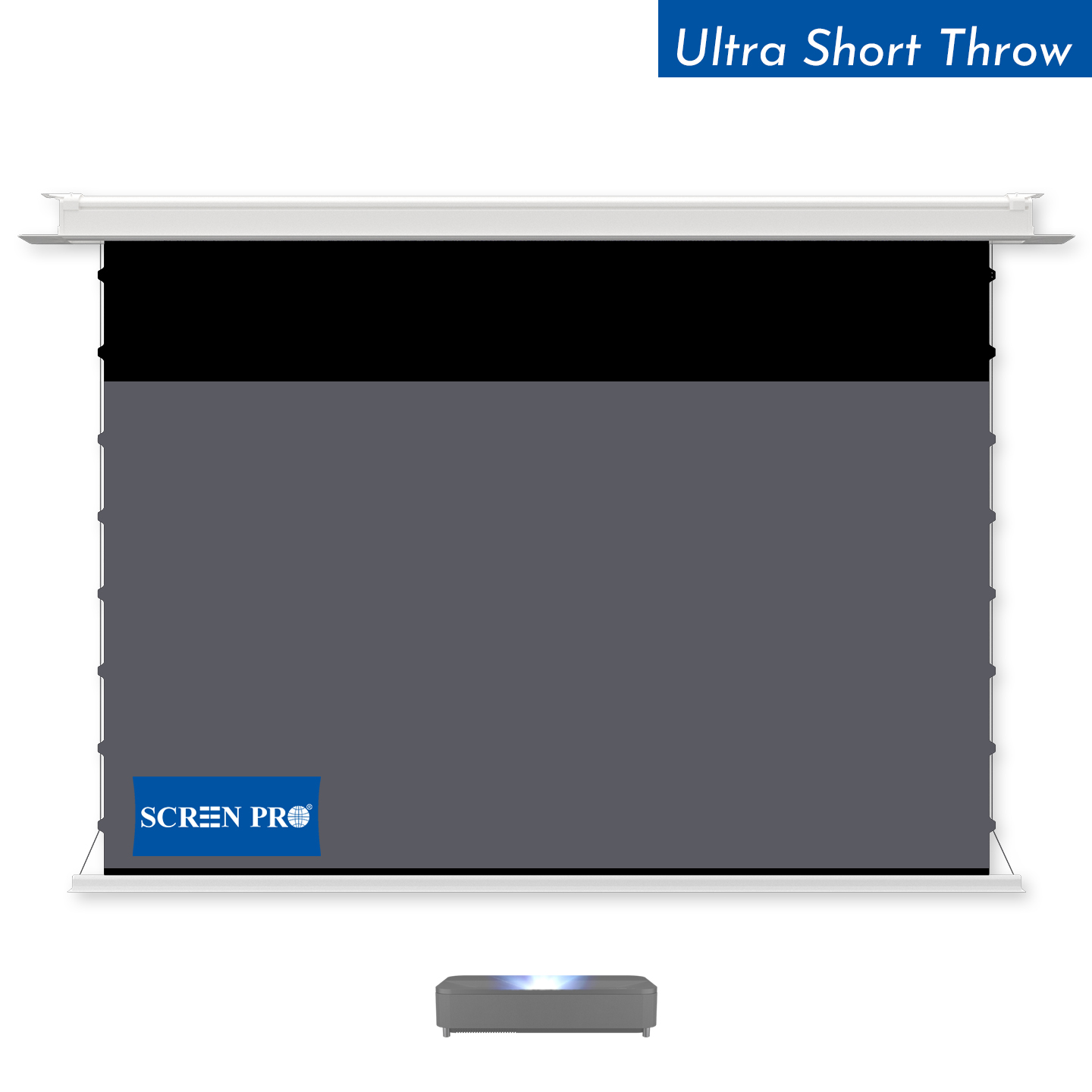
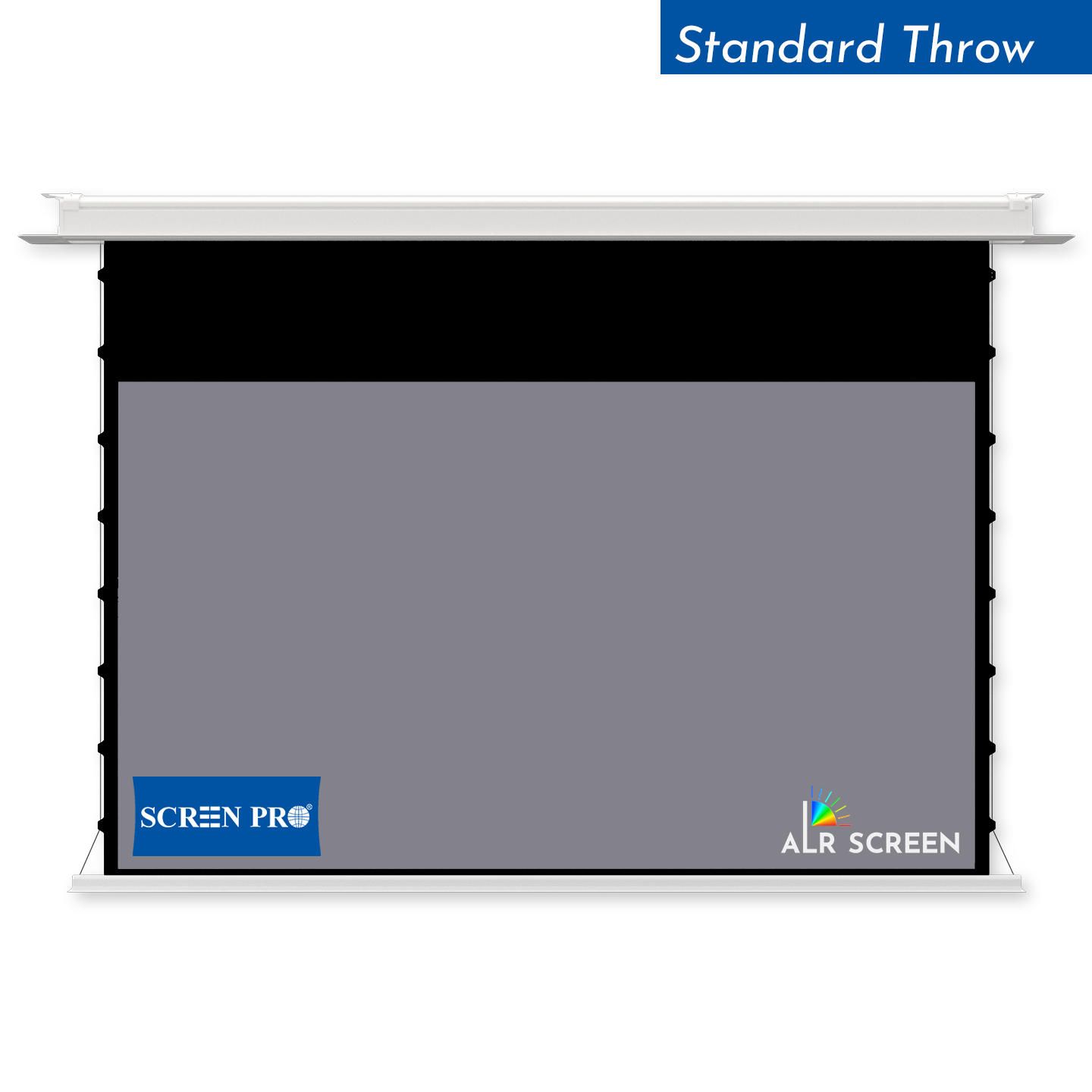
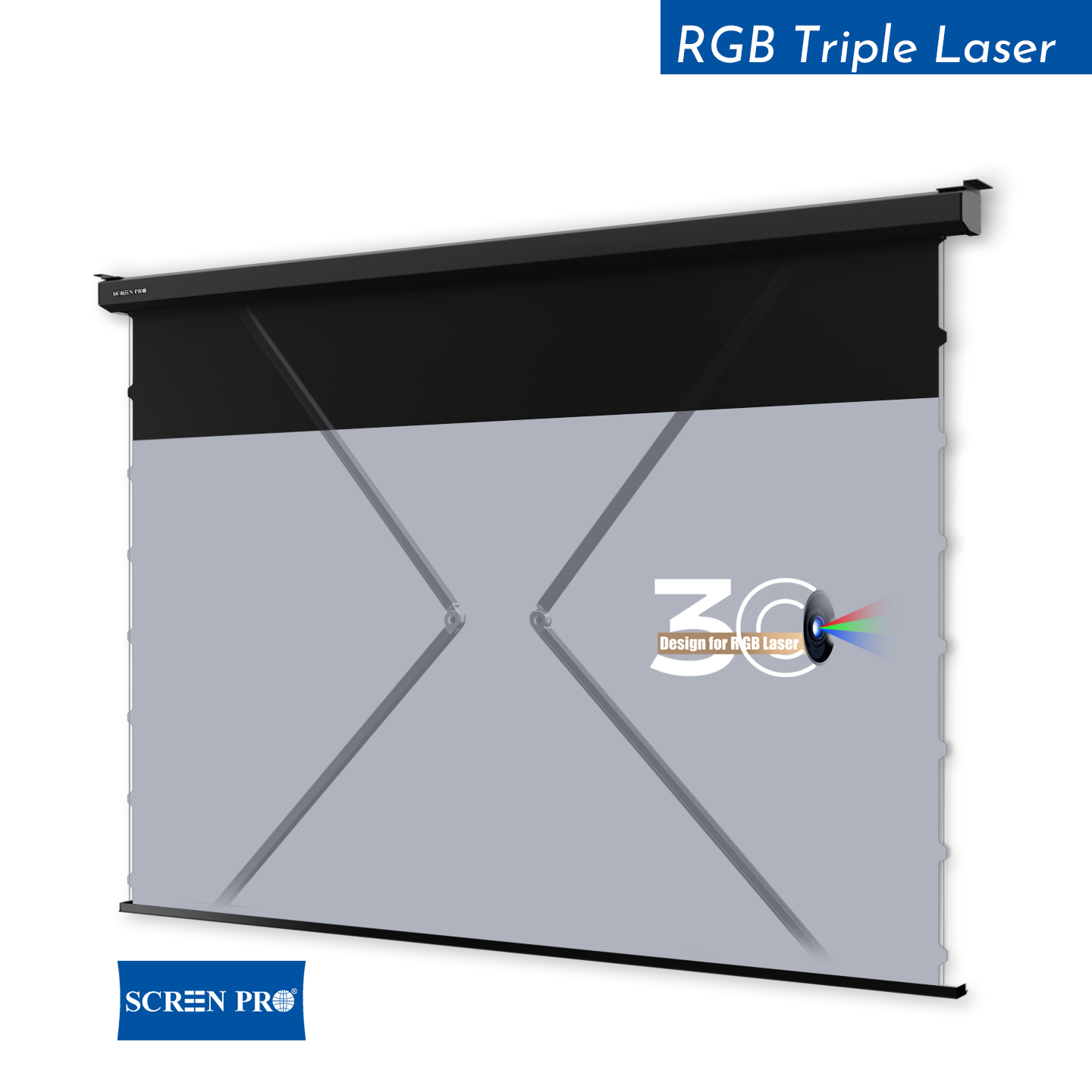
Suitable for tab-tensioned motorized and ceiling-recessed systems where edge tension helps maintain a flat projection surface.
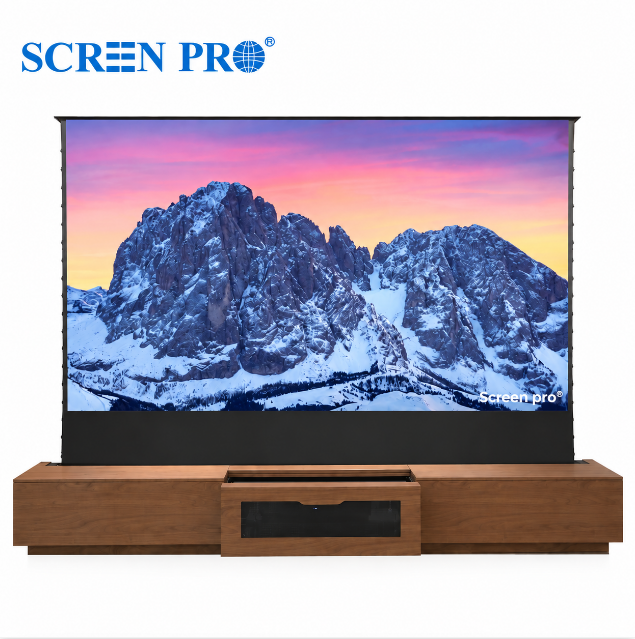
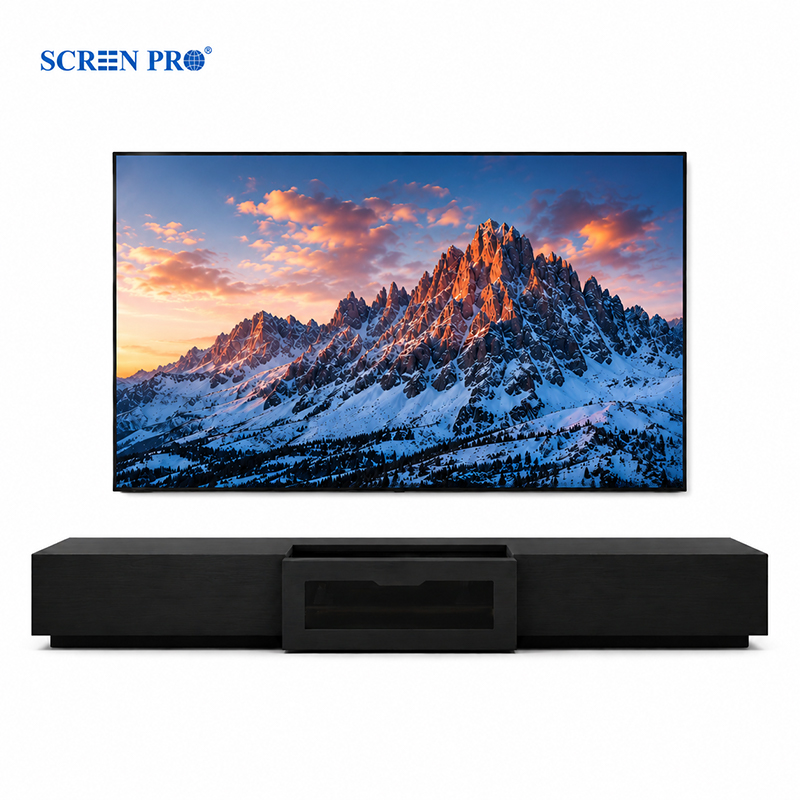
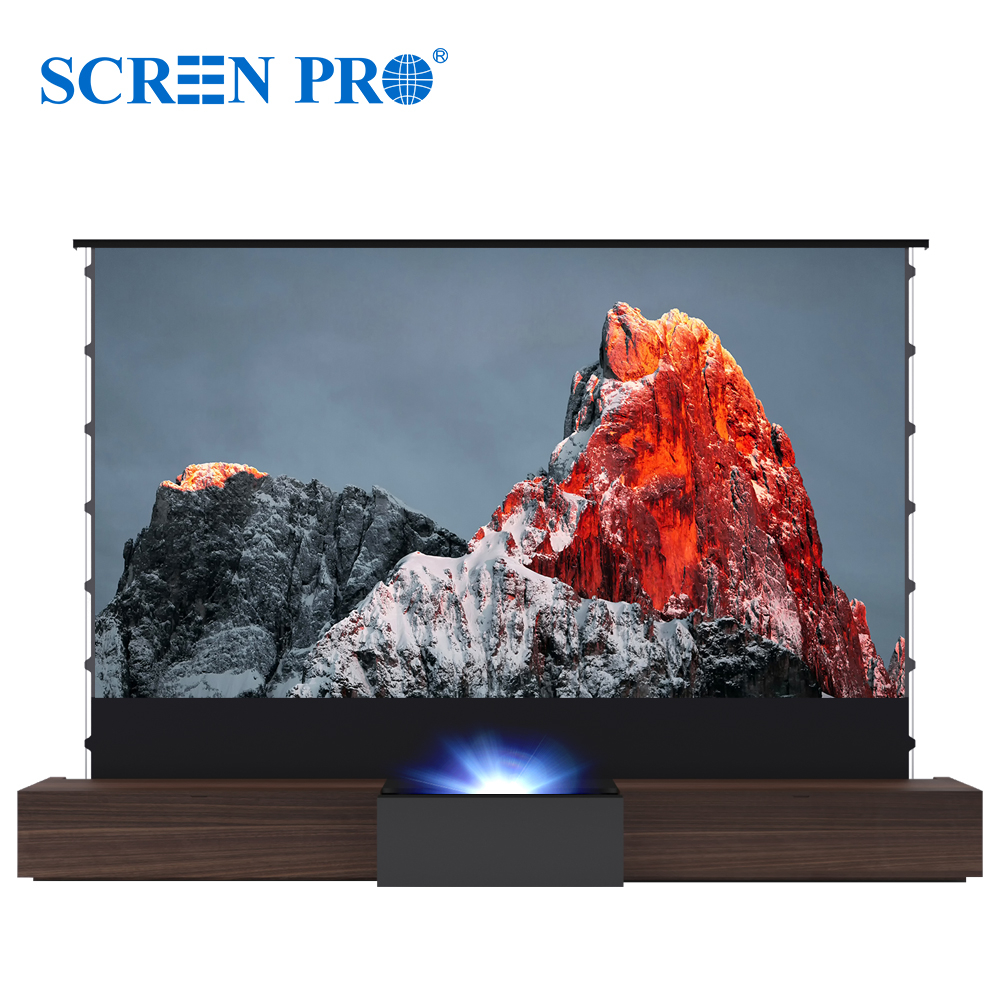
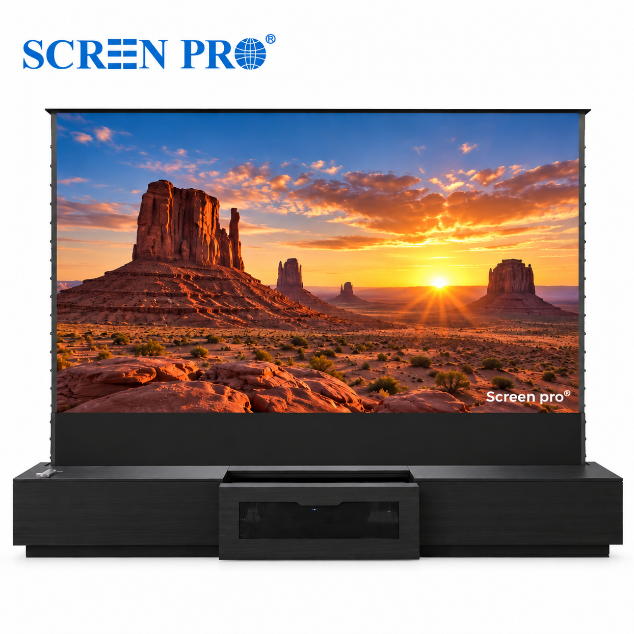
The flexible T-Prism optical material can be integrated into multiple SCREENPRO projection screen formats.
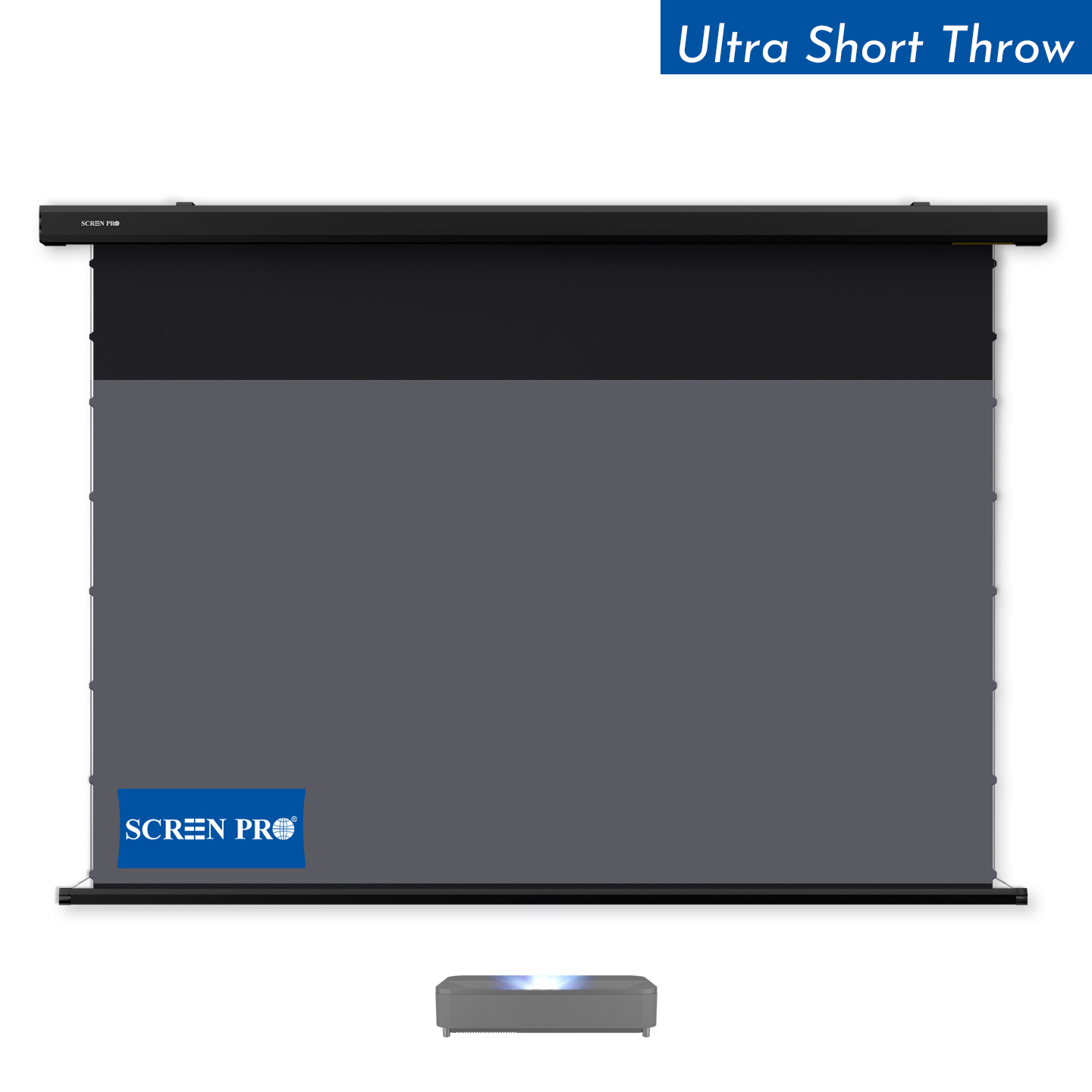
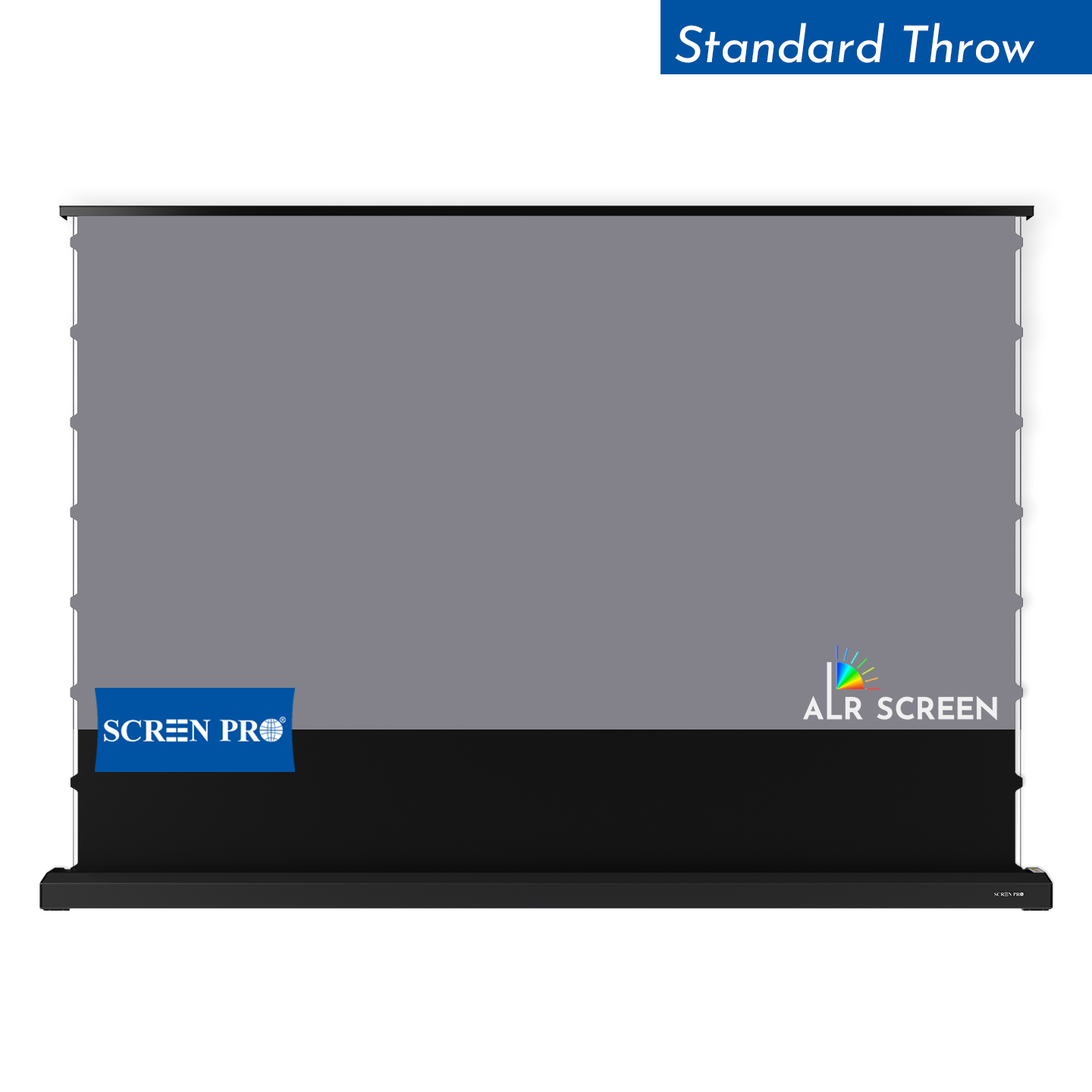
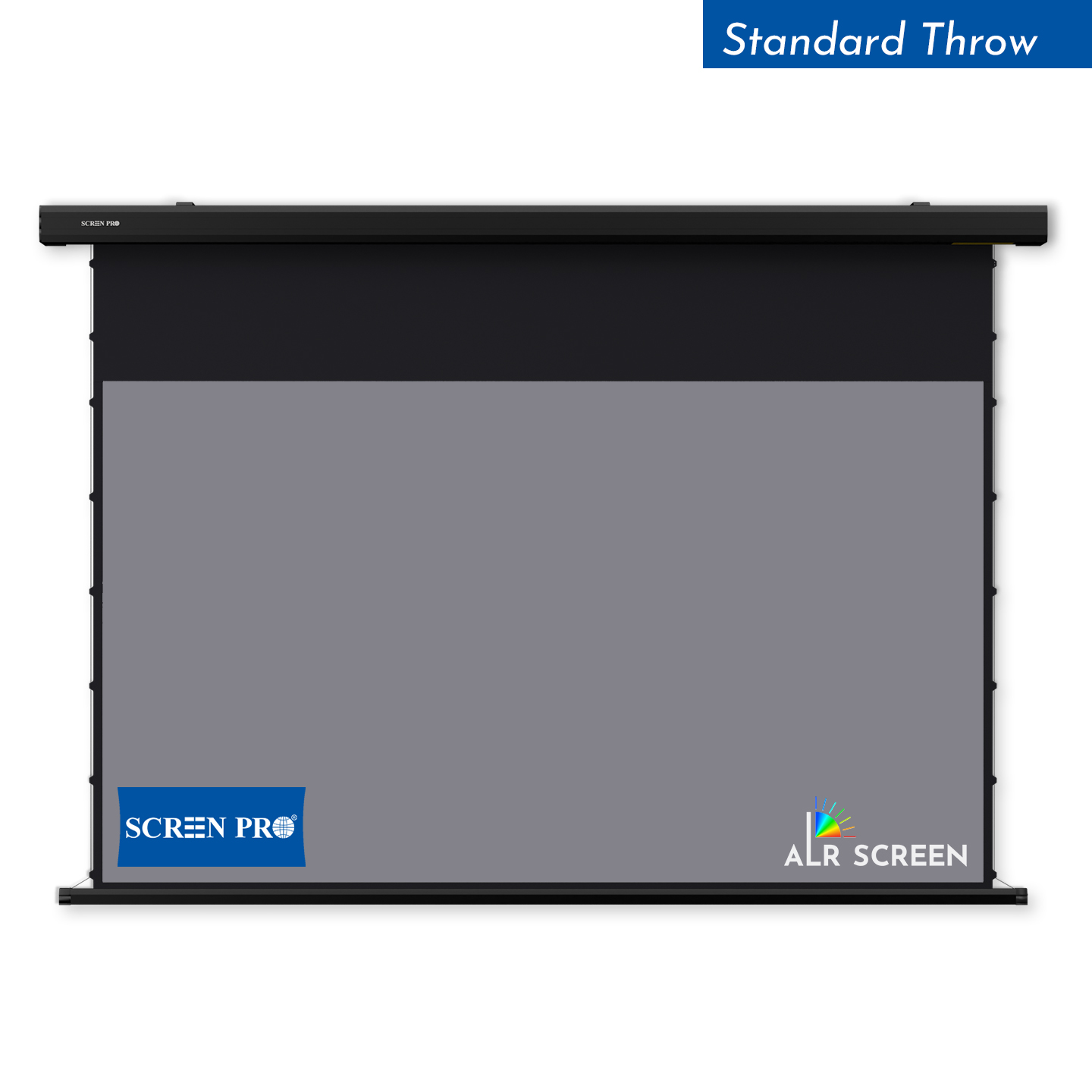
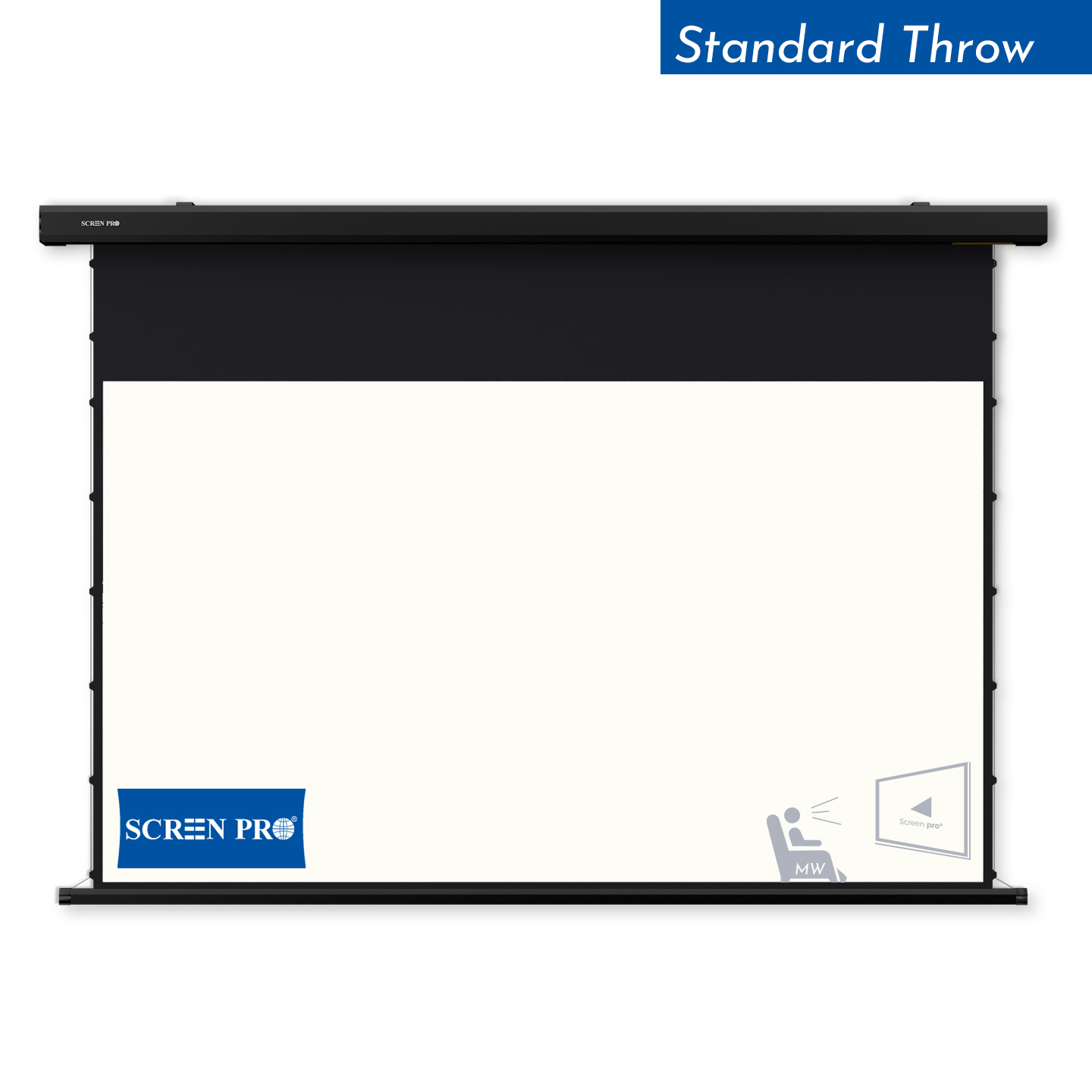
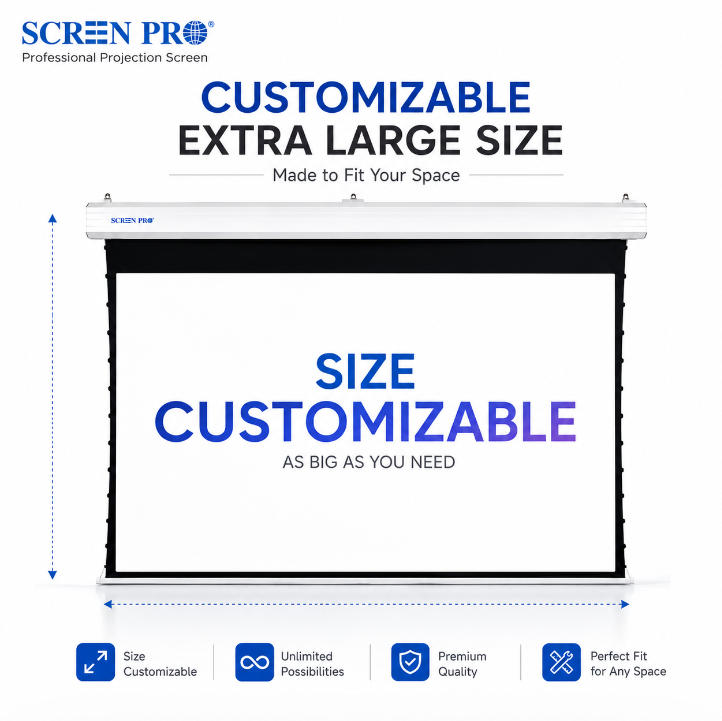
Retractable electric screen format with side tensioning to maintain screen flatness when deployed.
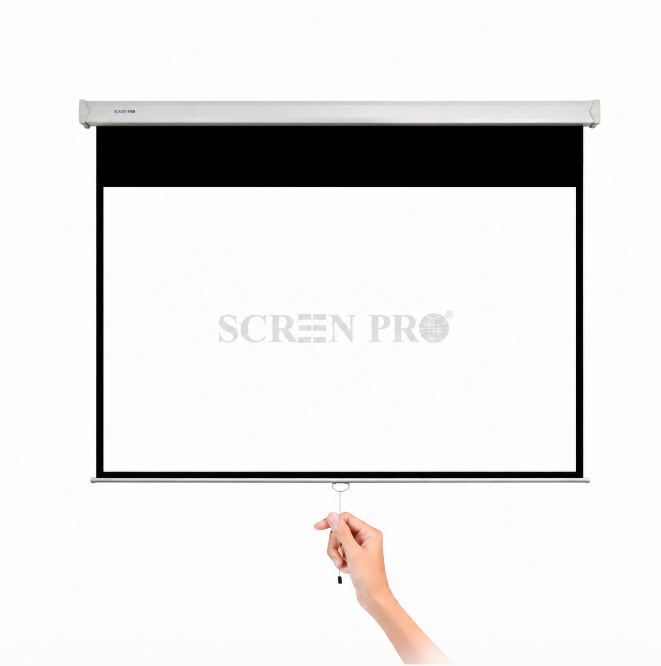
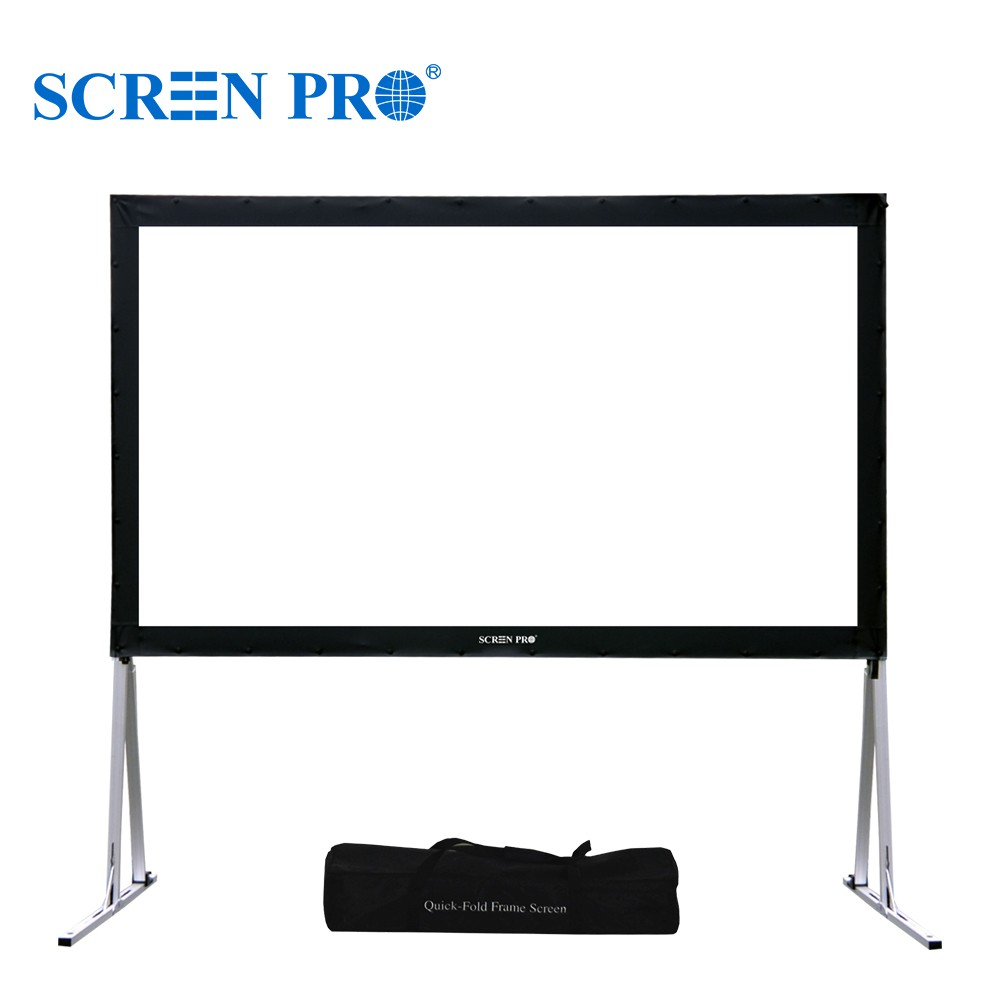
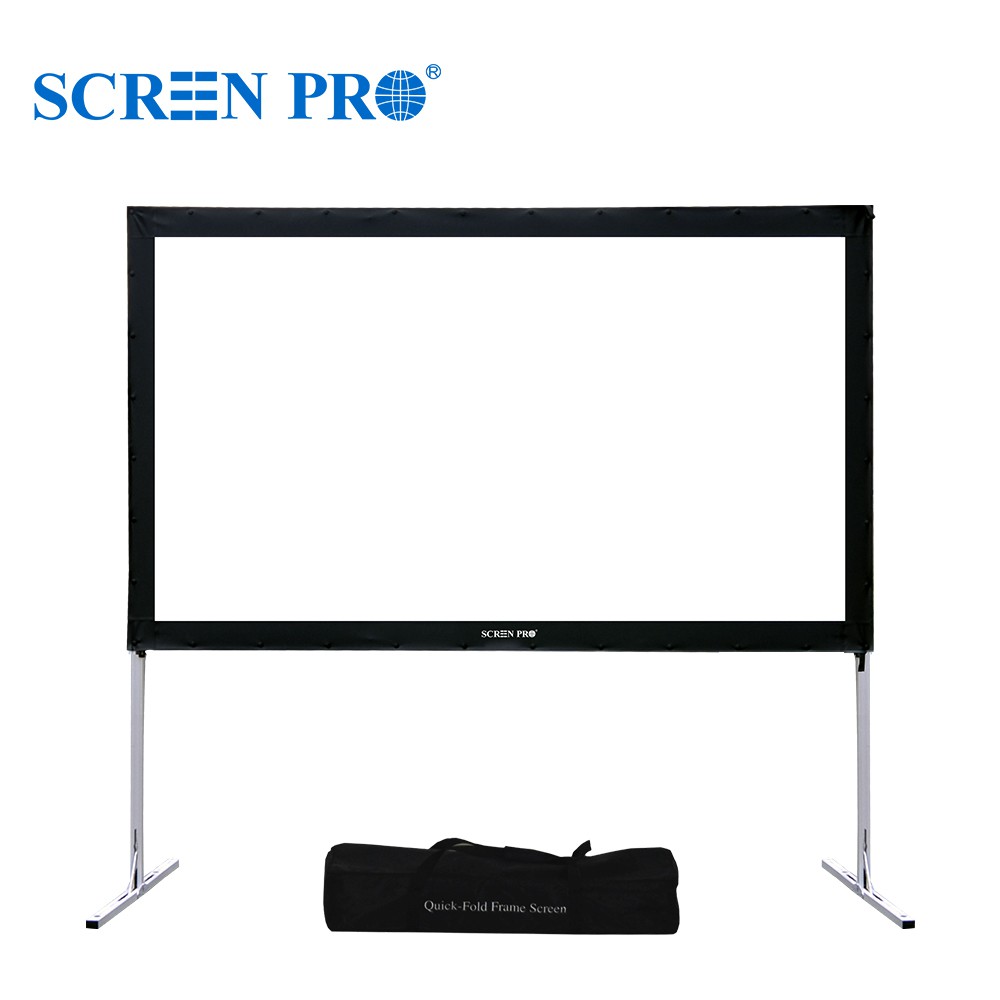
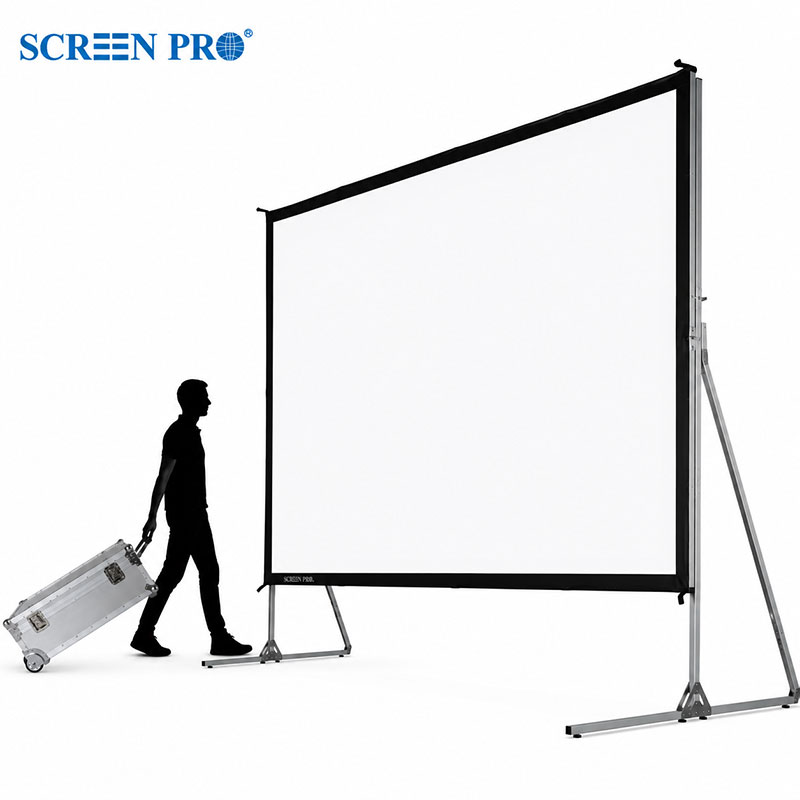
A flexible option for installations where permanent wall or ceiling mounting is not preferred.
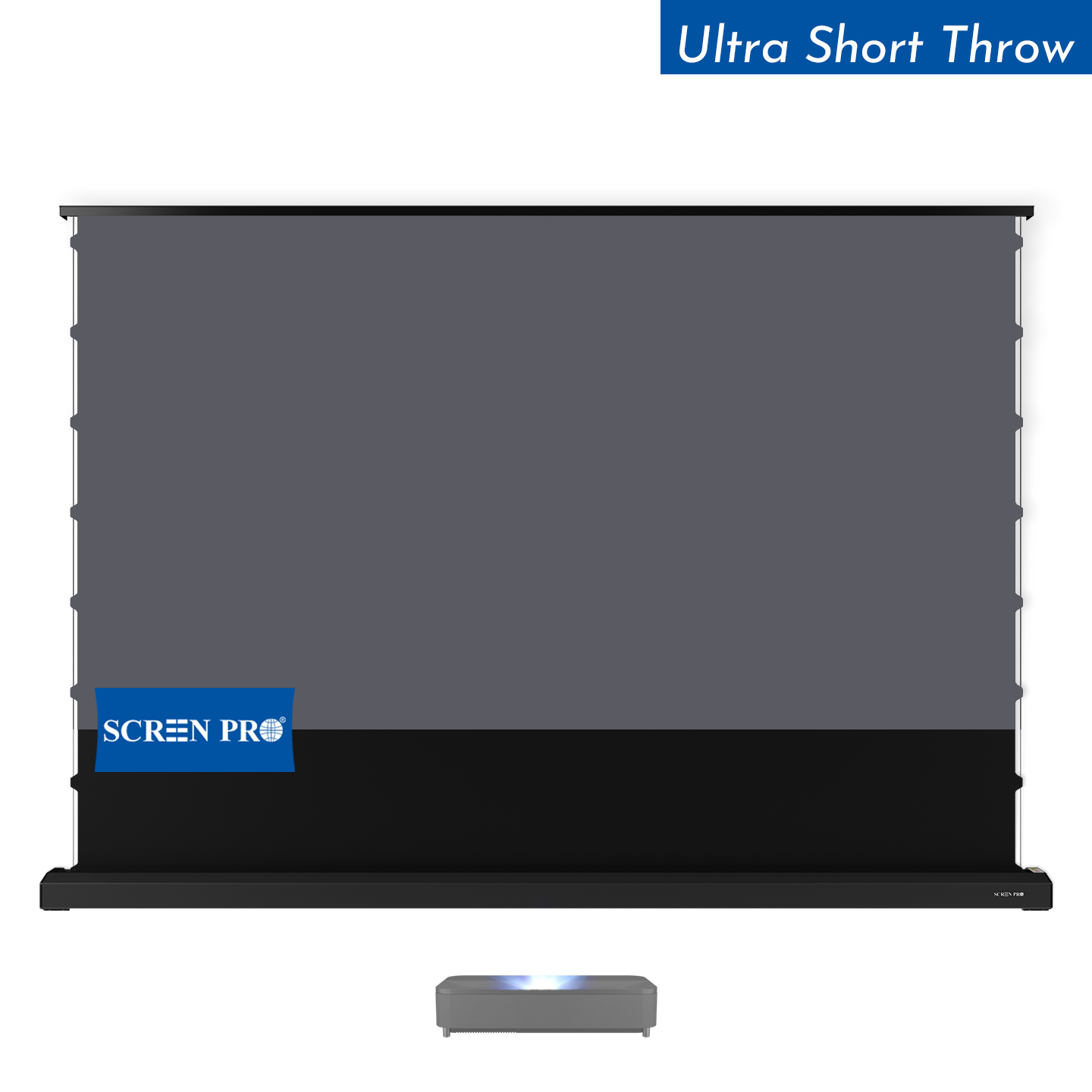
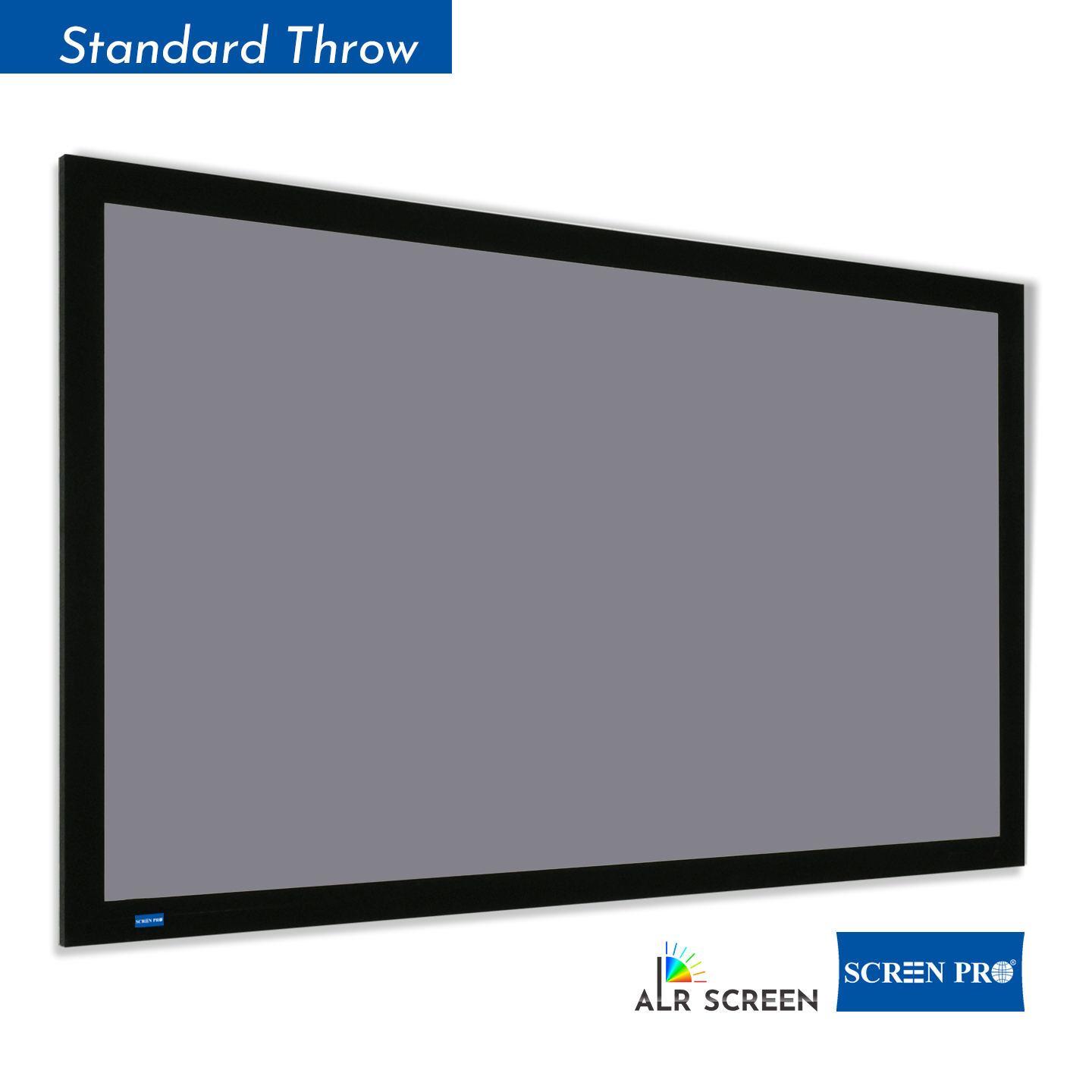
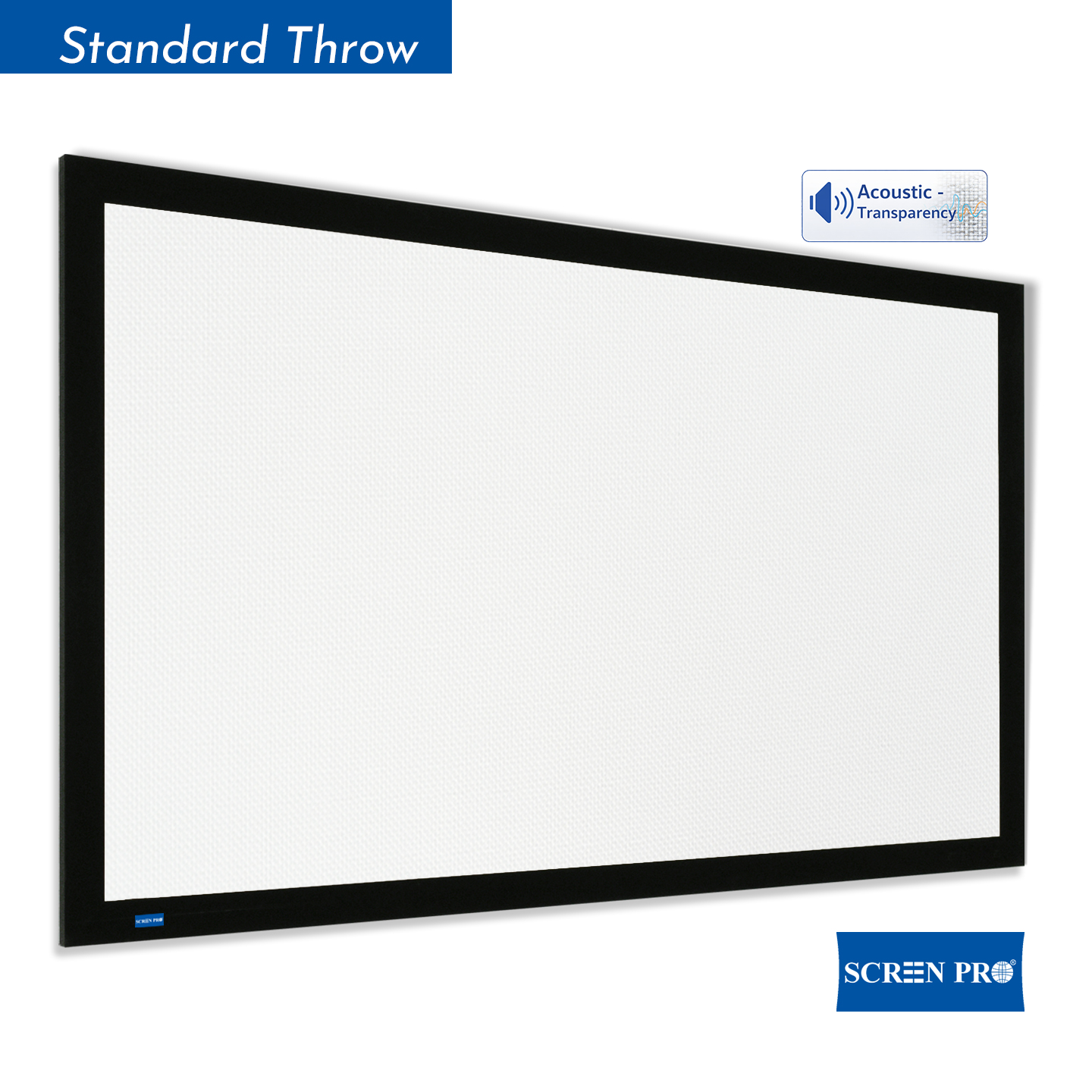
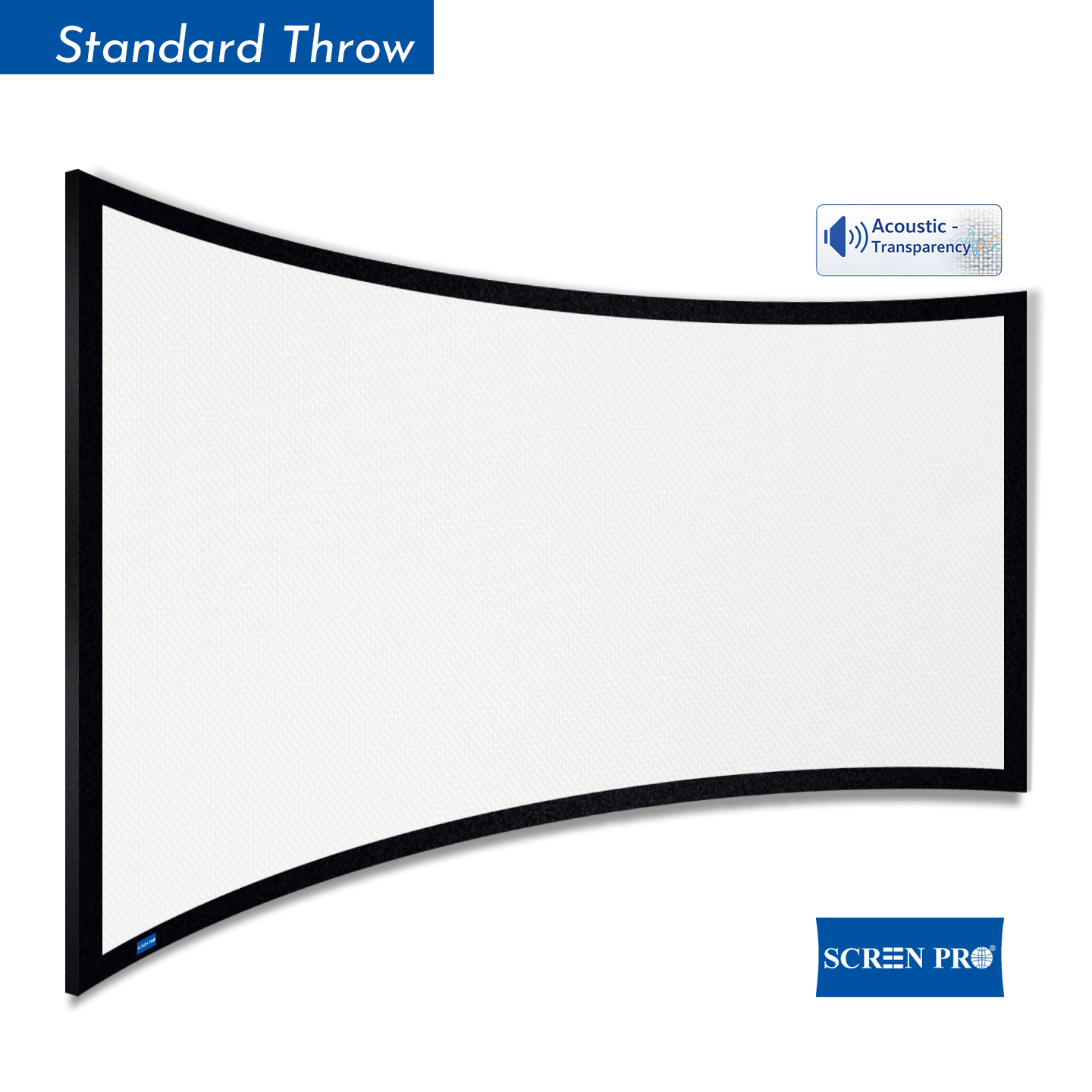
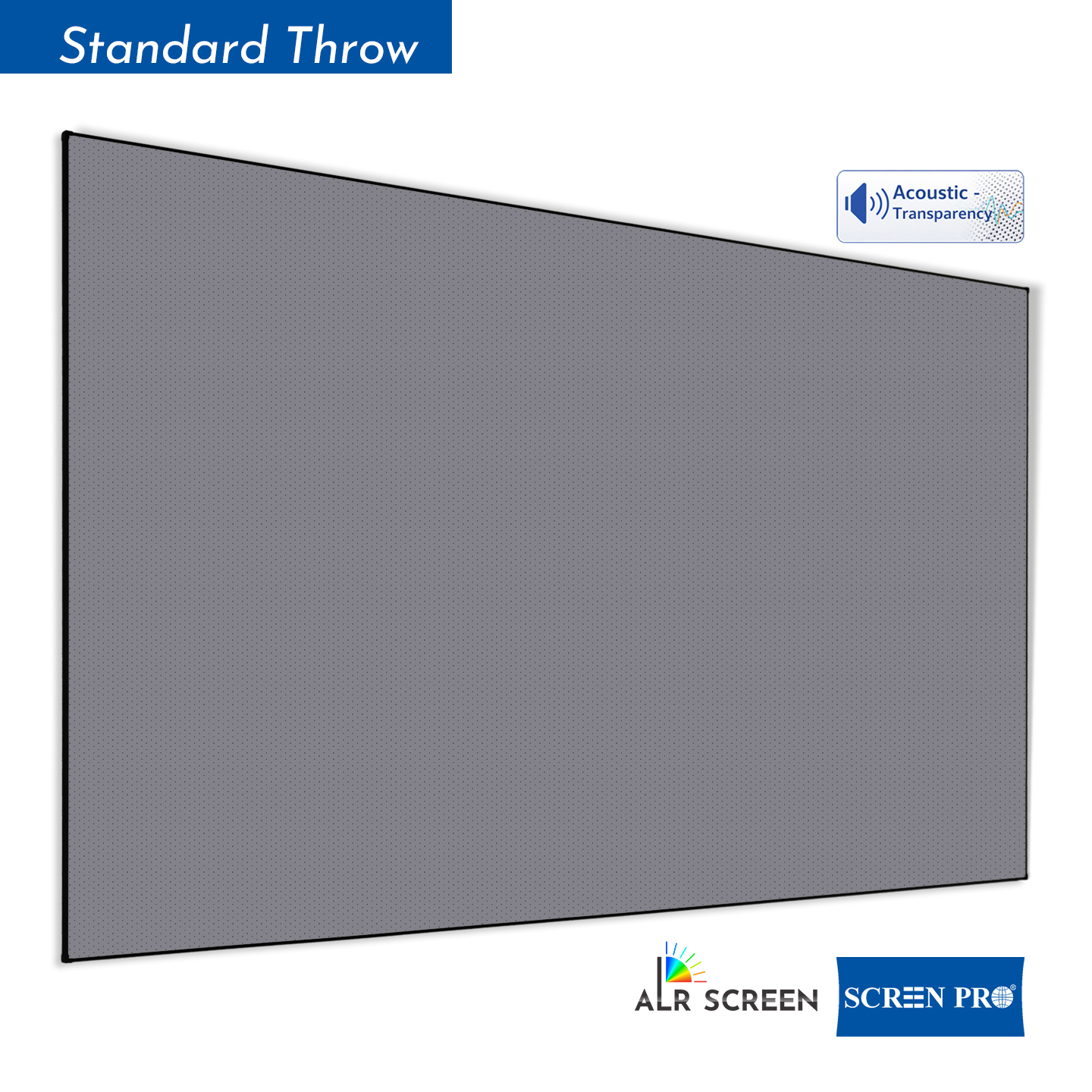
Permanent tensioned installation for dedicated Laser TV and ultra short throw projection environments.

Here you will find quick links to all compatible SCREENPRO screen series. Choose the screen structure that best fits your installation.
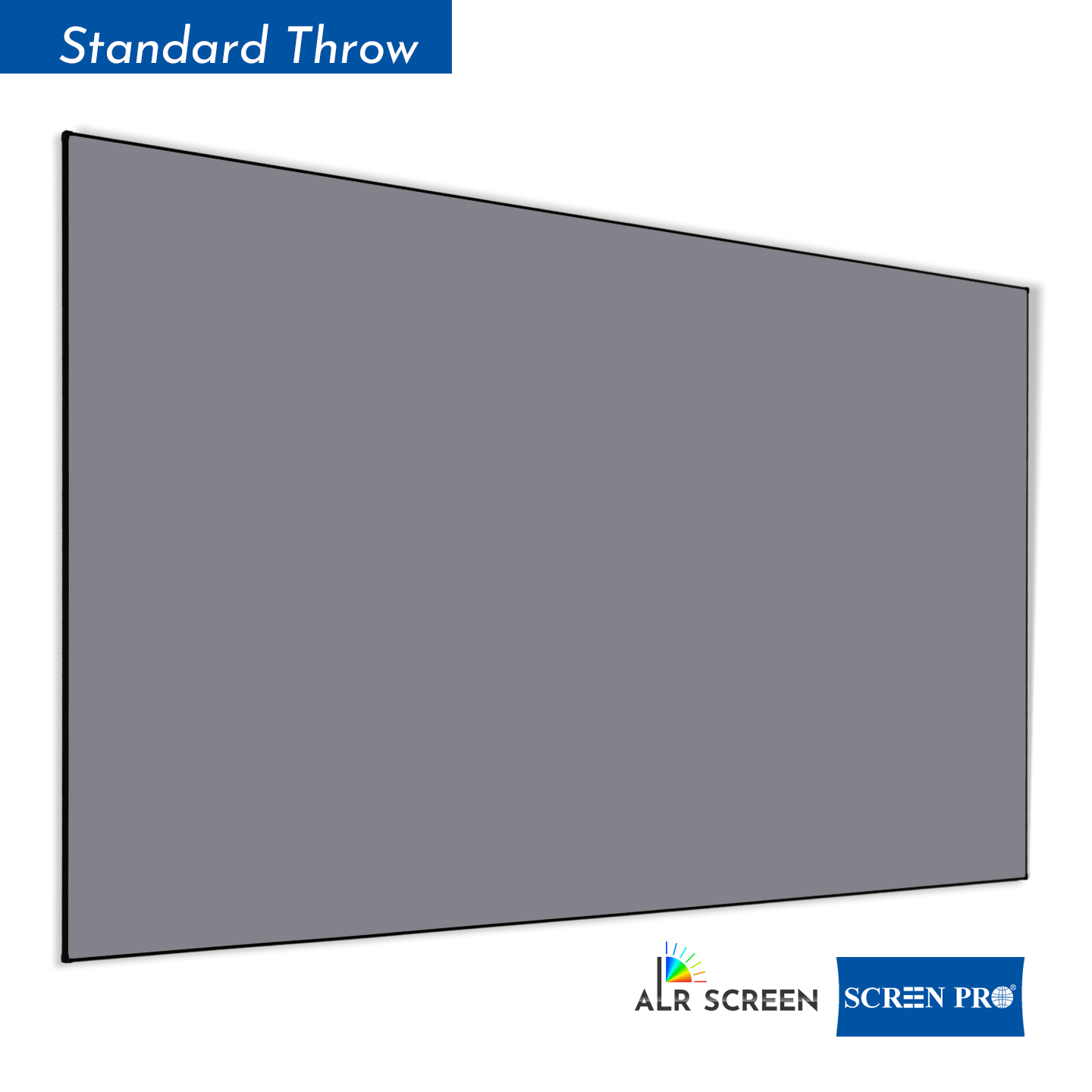
Non-directional ALR screen for standard throw projectors with excellent ambient light rejection and wide viewing performance.
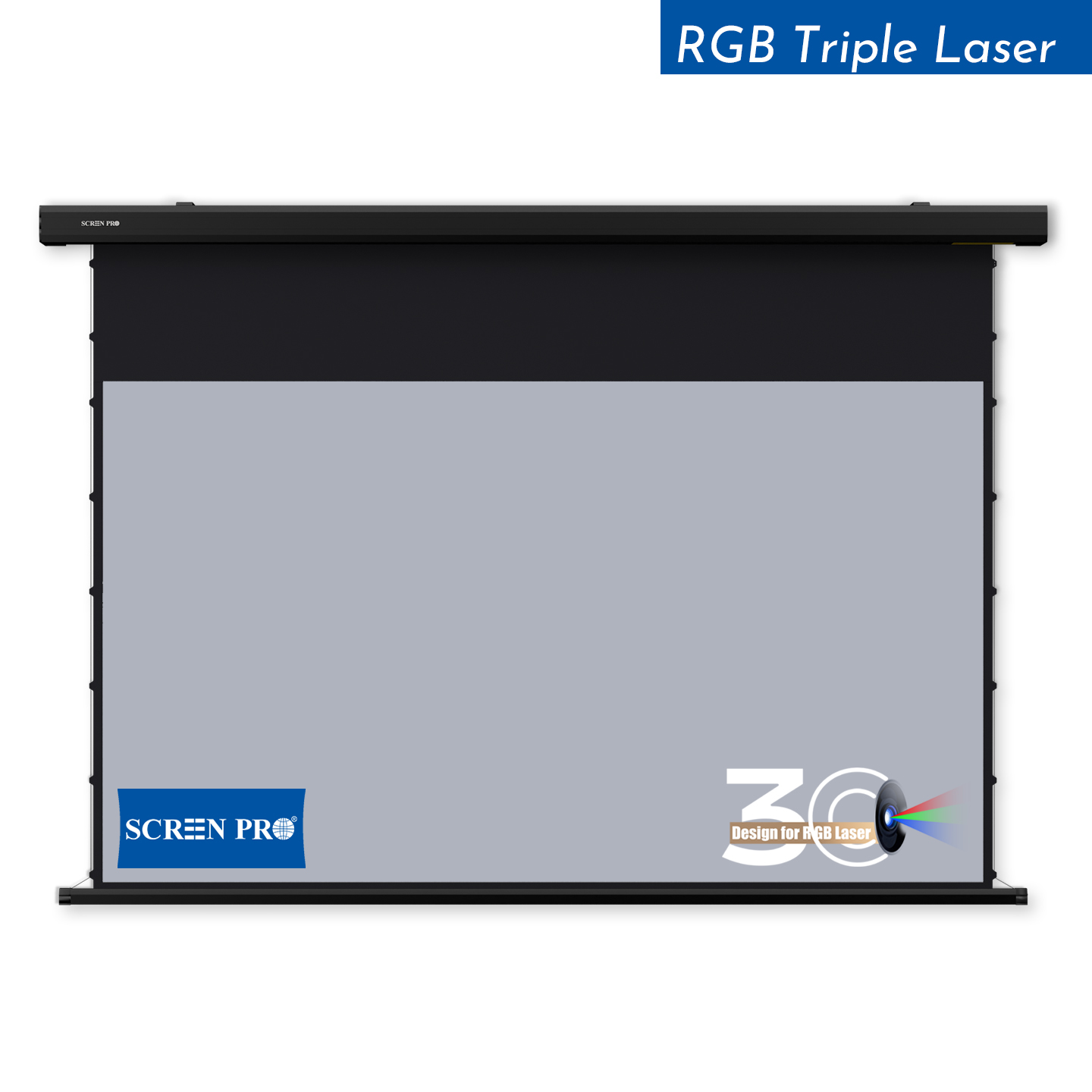
View Product →Motorized ALR screen with tensioning system for enhanced flatness and daily use.
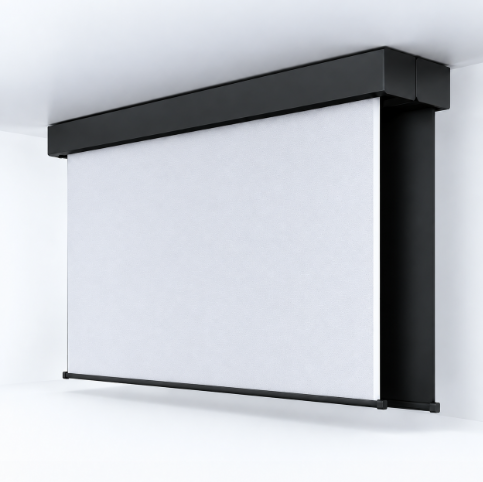
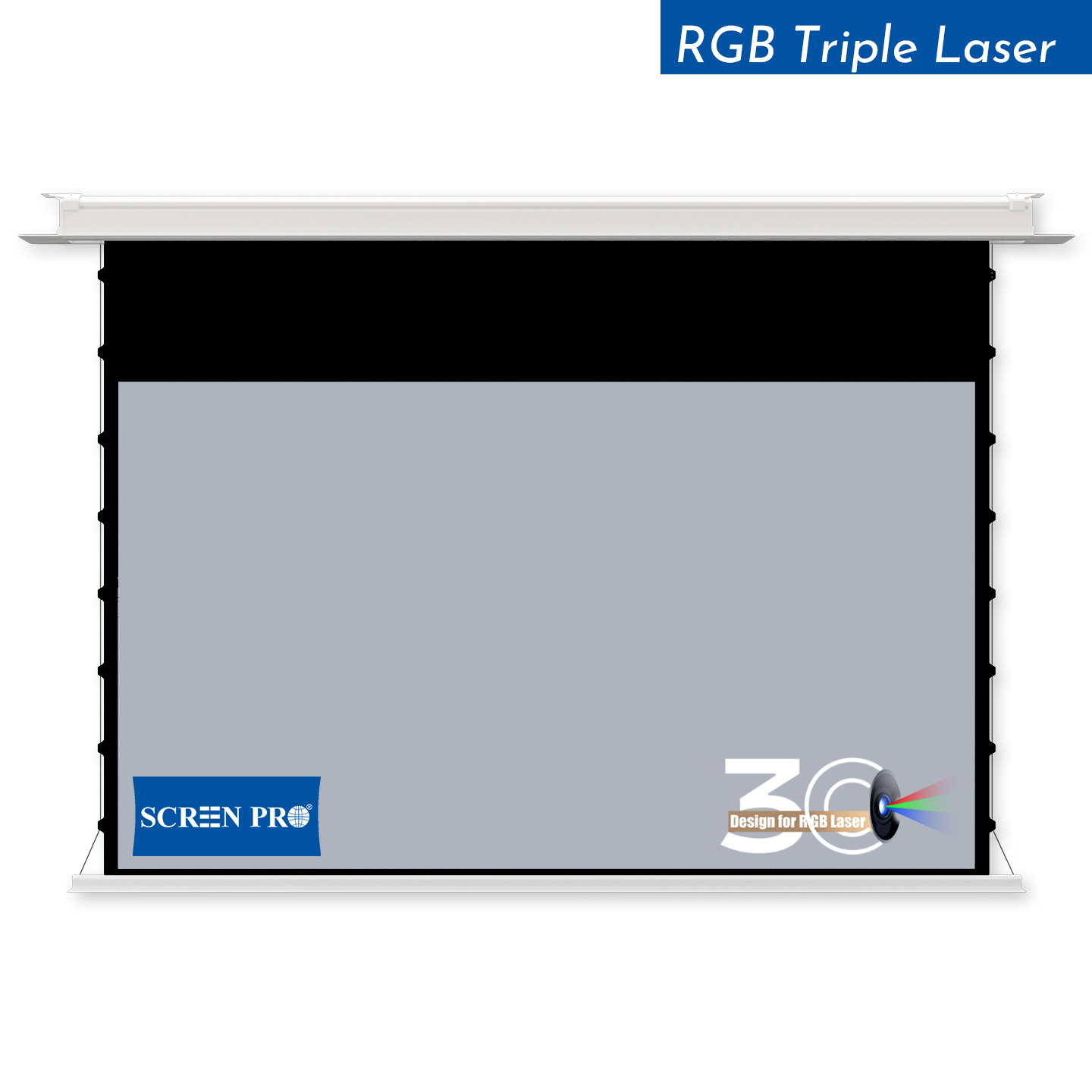
View Product →Recessed ALR screen system designed for clean ceiling-integrated installation.
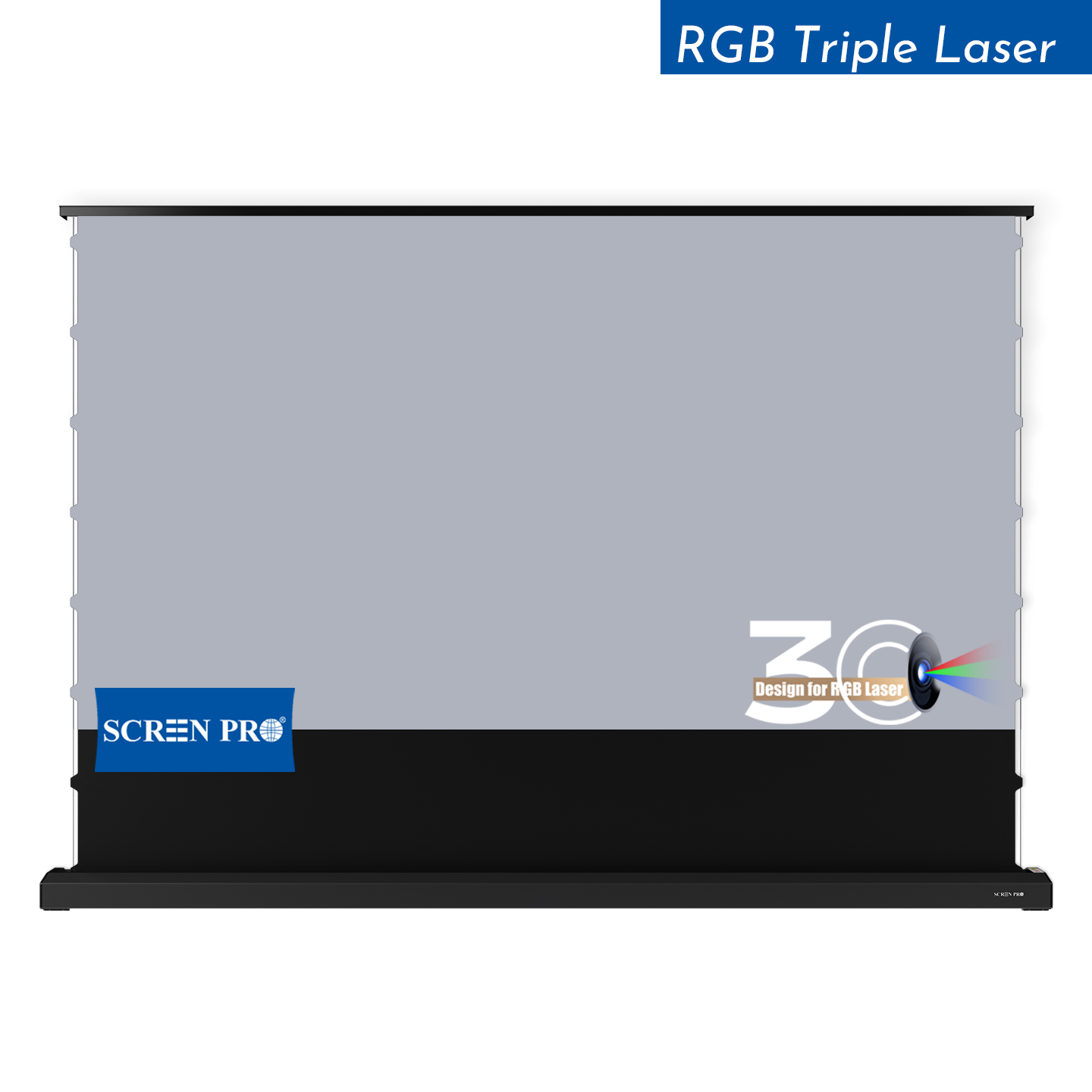
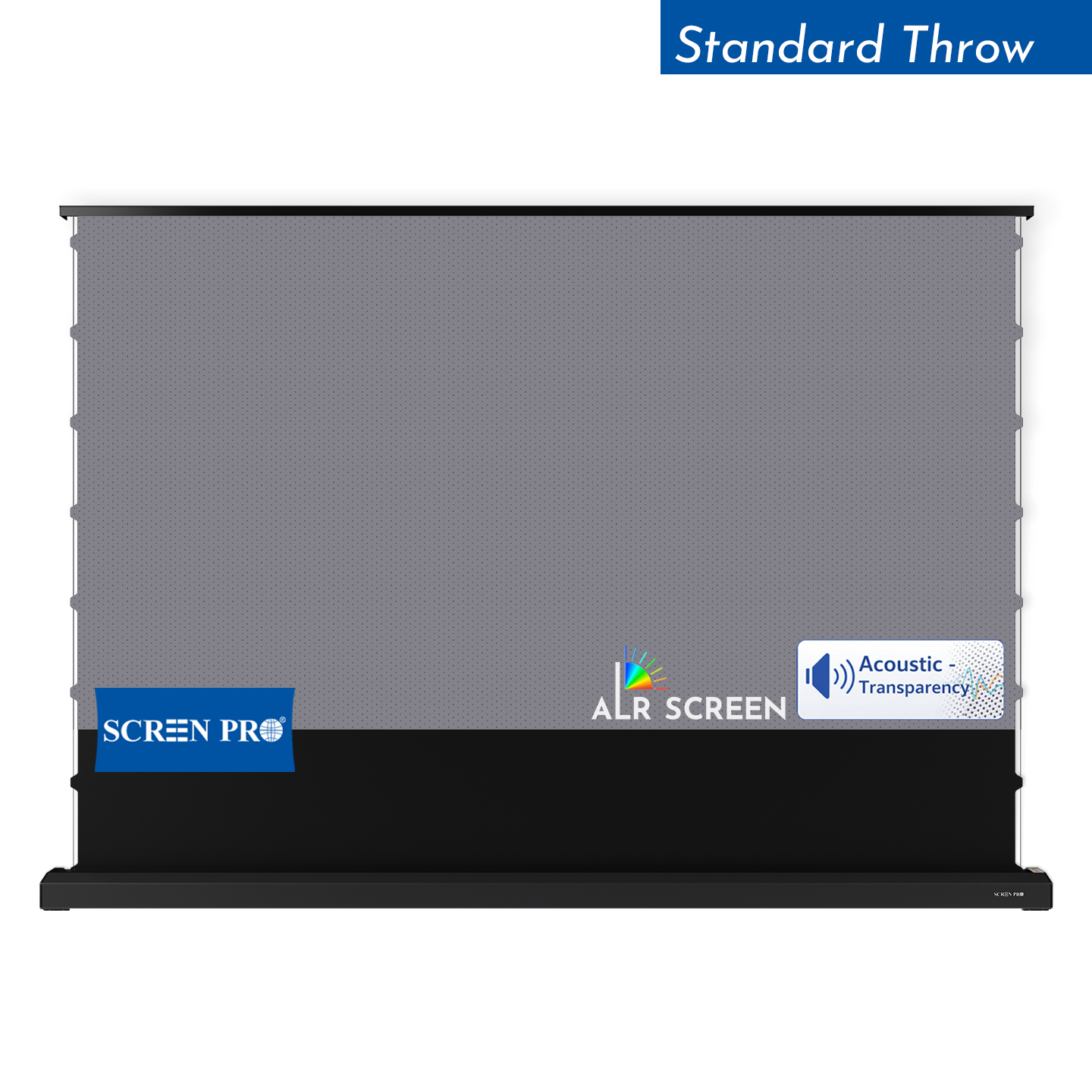
View Product →Floor-rising ALR screen solution for UST projection and flexible room layouts.
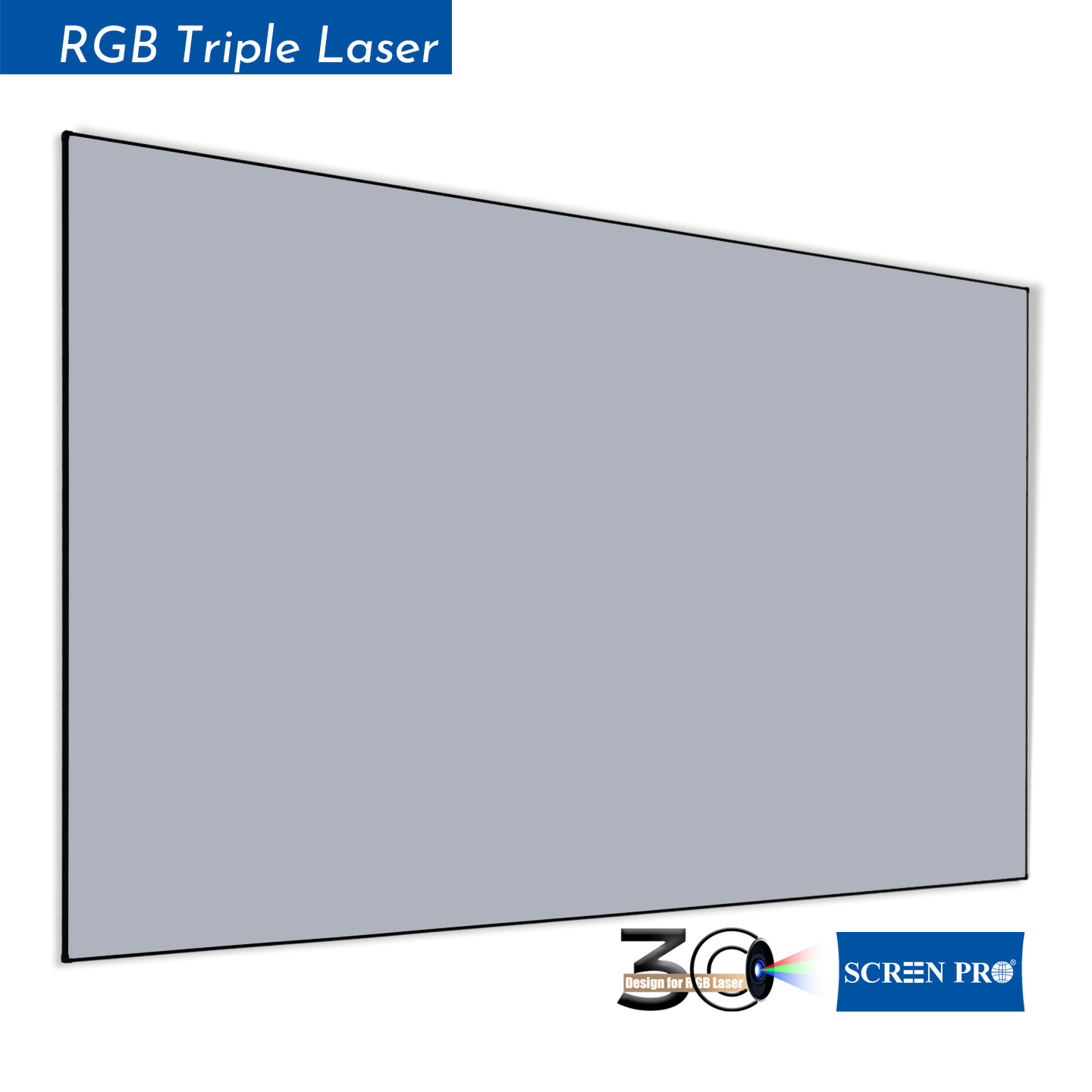
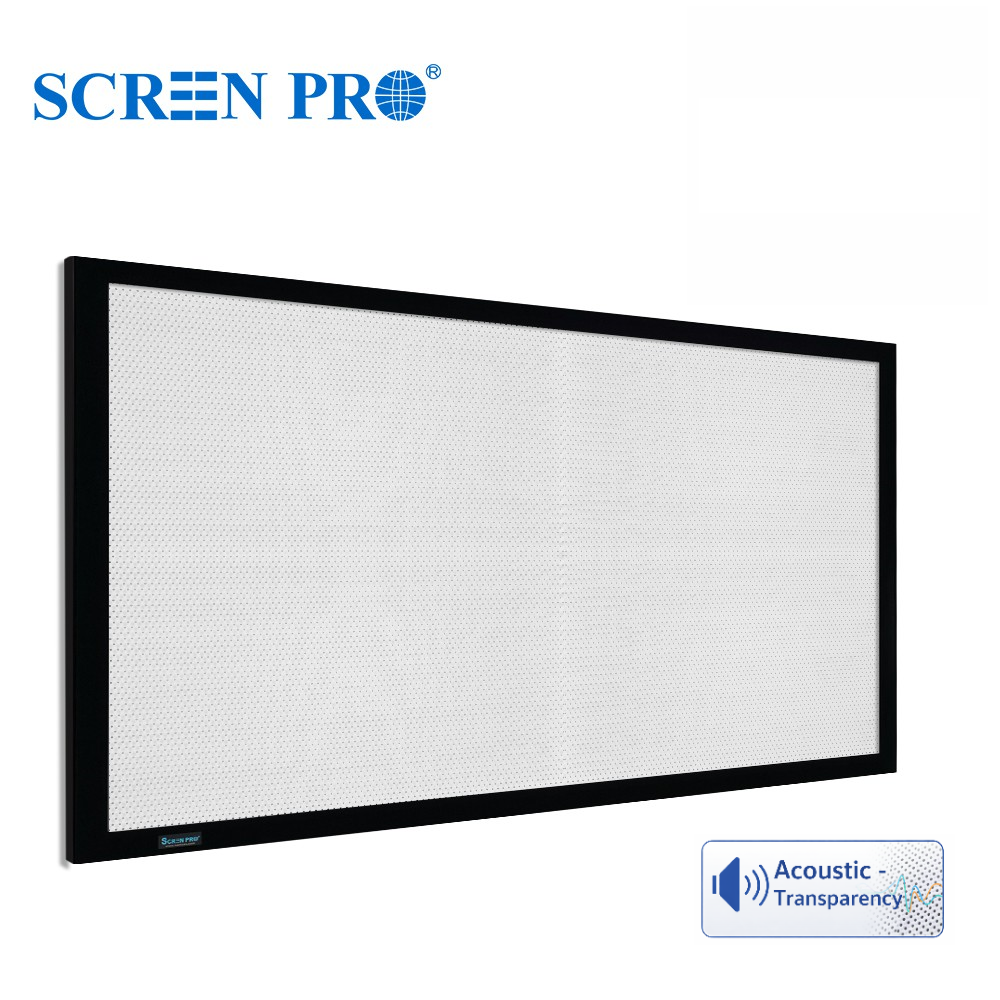
View Product →Ultra-slim fixed frame ALR screen for a clean and premium wall-mounted setup.
View Product →Contact SCREENPRO for help choosing the right screen for your projector and installation space.
Project Inquiry
"Looking for a screen material sample to test?"
"Not sure if this fabric is the right match for your projector?"
"Avoid the high cost of trial and error when purchasing a full screen."
"Perfect for DIY projects."
HAVE QUESTIONS? ASK AN EXPERT
Quick answers about T-Prism technology, UST ALR projection screens, installation adjustment, and SCREENPRO customization options.
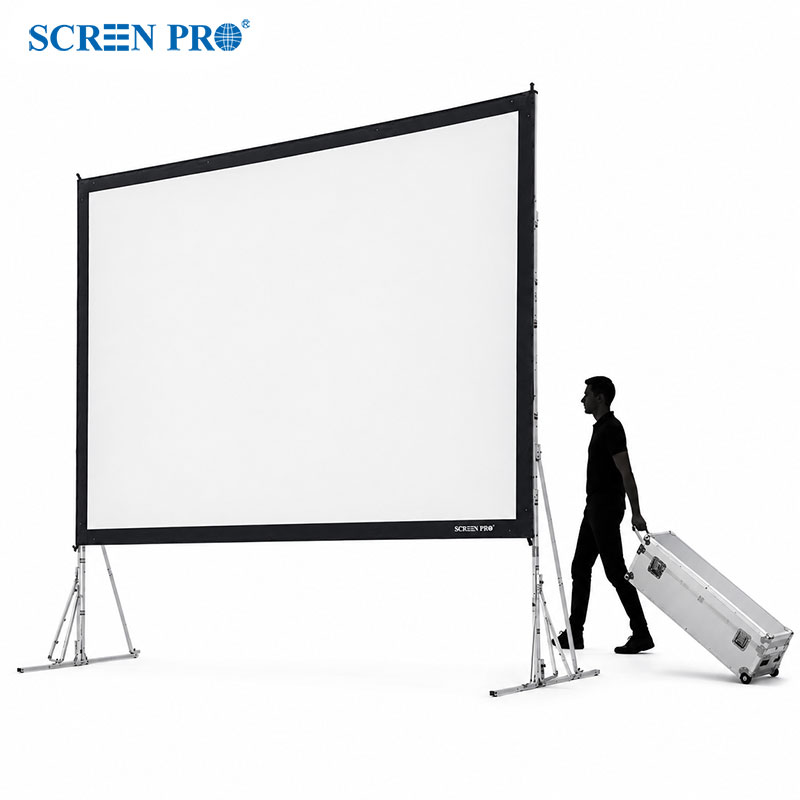
SCREENPRO: No. T-Prism fabric is not suitable for the Quick-Fold Screen series. UST ALR material is sensitive to folding, and once a crease is formed, it may create a visible dark mark in the viewing area.
SCREENPRO: Yes. The screen adjustment system allows users to set the preferred stopping position based on the room layout, viewing height, and installation environment.
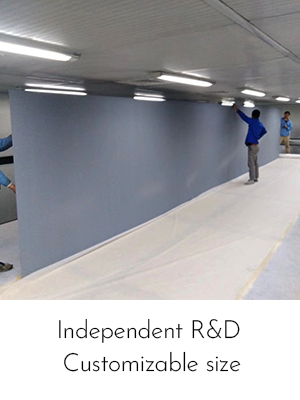
SCREENPRO: Yes, selected SCREENPRO screen materials can be supplied separately. Please contact us to confirm material type, size, application, and compatibility before ordering.
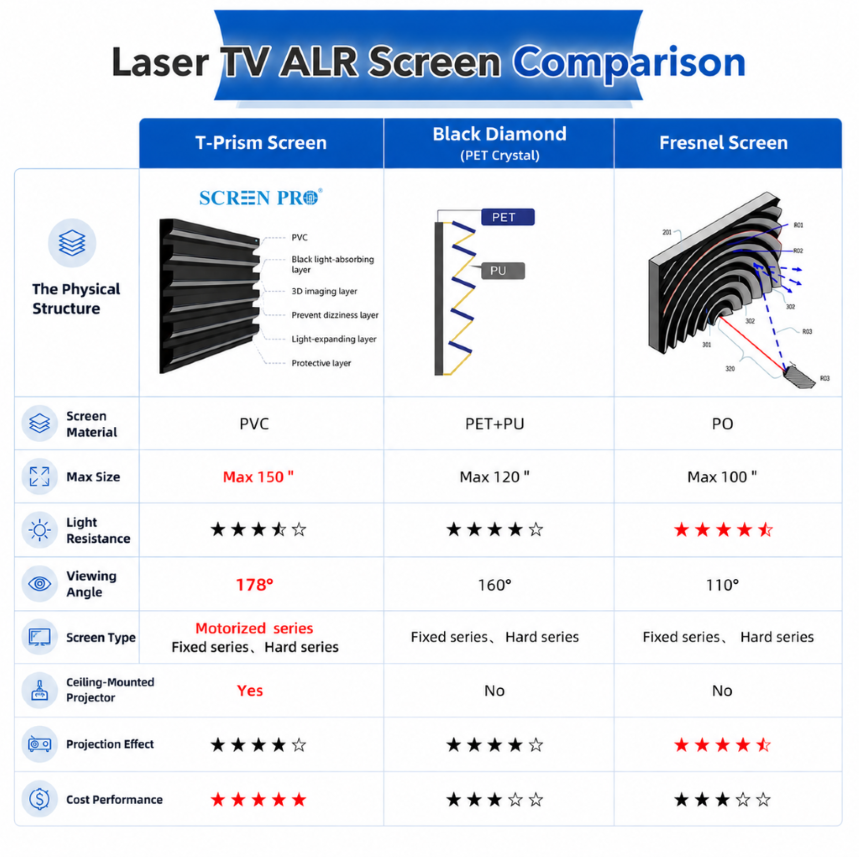
SCREENPRO: T-Prism is SCREENPRO’s proprietary ambient light rejecting optical structure designed for ultra short throw projectors. Its trapezoidal micro-structure helps separate projector light from ambient light, improving perceived contrast and image visibility.
SCREENPRO: ALR, or ambient light rejecting, screens use directional optical structures to reflect projector light toward the viewer while reducing unwanted room light. This helps maintain better contrast and image clarity in brighter environments.
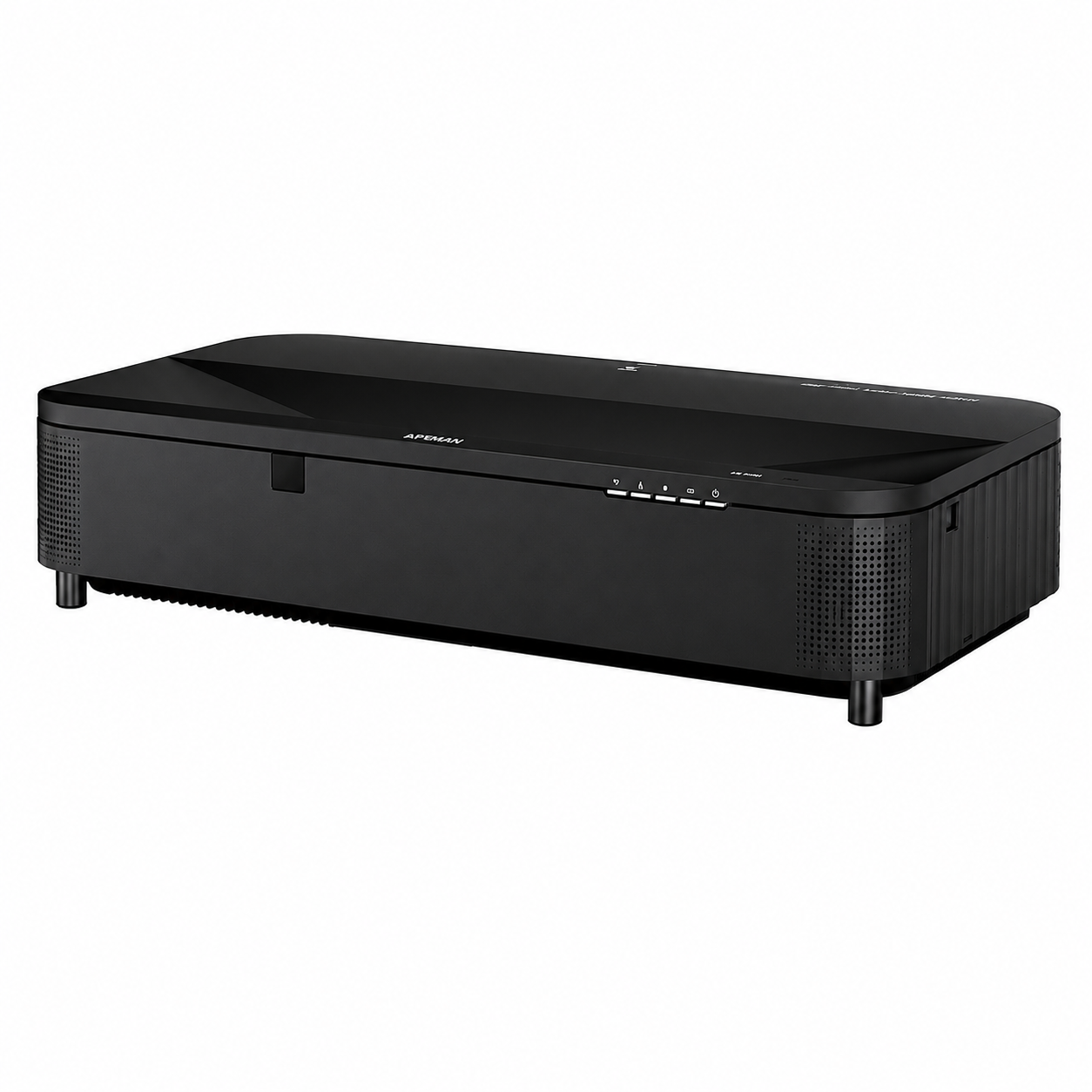
SCREENPRO: Ultra short throw projectors project light upward at a steep angle. A UST ALR screen is designed to receive projector light from below while reducing ceiling and ambient light, helping preserve black levels, contrast, and image depth.
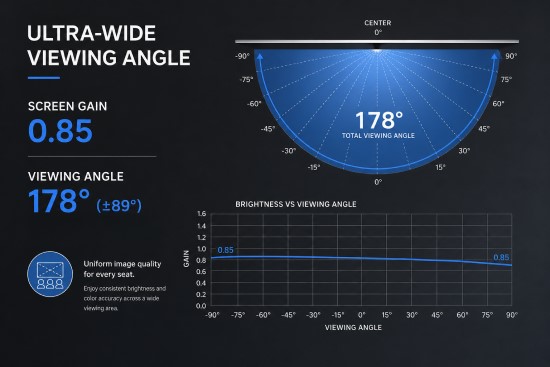
SCREENPRO: Fresnel screens usually provide stronger directional gain and focused light control, but they often require stricter viewing positions and rigid panel structures. T-Prism is designed for wider viewing angles, rollable compatibility, and more flexible installation options.
SCREENPRO: Some ALR materials may slightly reduce overall brightness compared with high-gain white screens. However, by reducing ambient light interference, ALR screens often improve perceived contrast and image visibility in real-world viewing environments.
Tell us your projector model, screen size, and installation environment. Our team will help you choose the right solution.





© 2026 SCREENPRO®. Specifications are subject to change without notice. | SamsAV All Rights ReservedSite Map Designed by iwonder.cn