




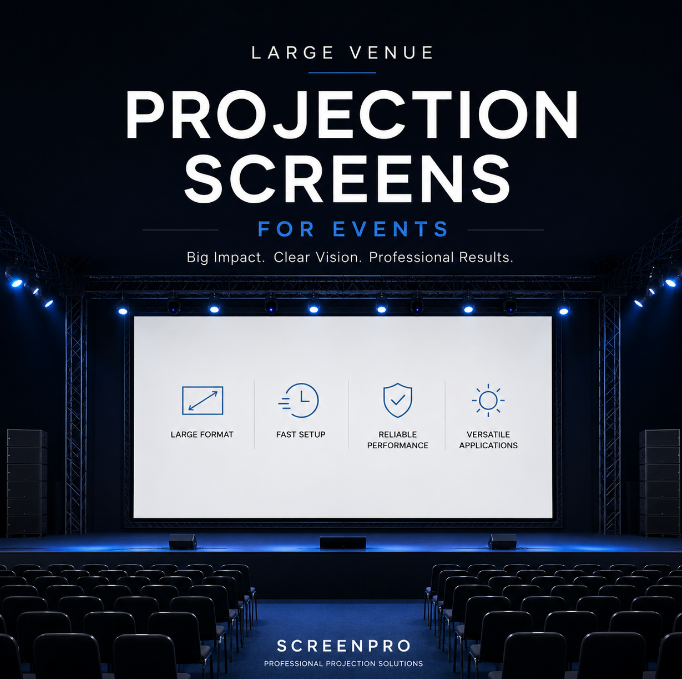
Large Venue Projection Screens for Events
From corporate conferences and exhibitions to concerts, stage productions, outdoor events, and large auditoriums, the projection screen plays a critical role in delivering a clear and professional visual experience.
Large Events Need More Than a Large Screen
For large venues, the projection screen is not just a display surface. It is part of the event infrastructure.
A screen used in a ballroom, exhibition hall, theater, convention center, or outdoor stage must work together with the projector, lighting, rigging system, viewing distance, audience size, and installation schedule.
It is the screen that works correctly with the venue.
That is why large-format projection projects should be planned around several factors: screen dimensions, projection direction, material type, projector brightness, installation method, structural stability, transport, and setup time.
Where Are Large Venue Projection Screens Used?
Corporate Events
Keynotes, conferences, annual meetings, product launches, awards ceremonies, and business presentations.
Concerts & Stage Shows
Large-format visuals for performances, live video feeds, scenic backgrounds, and stage content.
Exhibitions
Trade shows, exhibition booths, brand activations, temporary installations, and immersive presentations.
Auditoriums
Schools, universities, houses of worship, public halls, lecture theaters, and institutional venues.
Outdoor Events
Festivals, public screenings, temporary stages, sporting events, and open-air presentations.
Rental & Staging
Portable projection systems designed for frequent transportation, rapid setup, and repeated installations.
Entertainment Venues
Clubs, hotels, performance venues, event centers, restaurants, and multifunction spaces.
Special Projects
Custom-shaped screens, oversized installations, curved screens, scenic projection, and non-standard aspect ratios.
Which Screen Type Is Best for Large Events?
There is no single screen design that fits every large venue. The correct structure depends on whether the installation is temporary or permanent, indoor or outdoor, front or rear projected, and how frequently the screen needs to be transported.
| Screen Type | Best Application | Main Advantage |
|---|---|---|
| Fast Fold Screen | Rental, conference, stage, event production | Portable and fast to assemble |
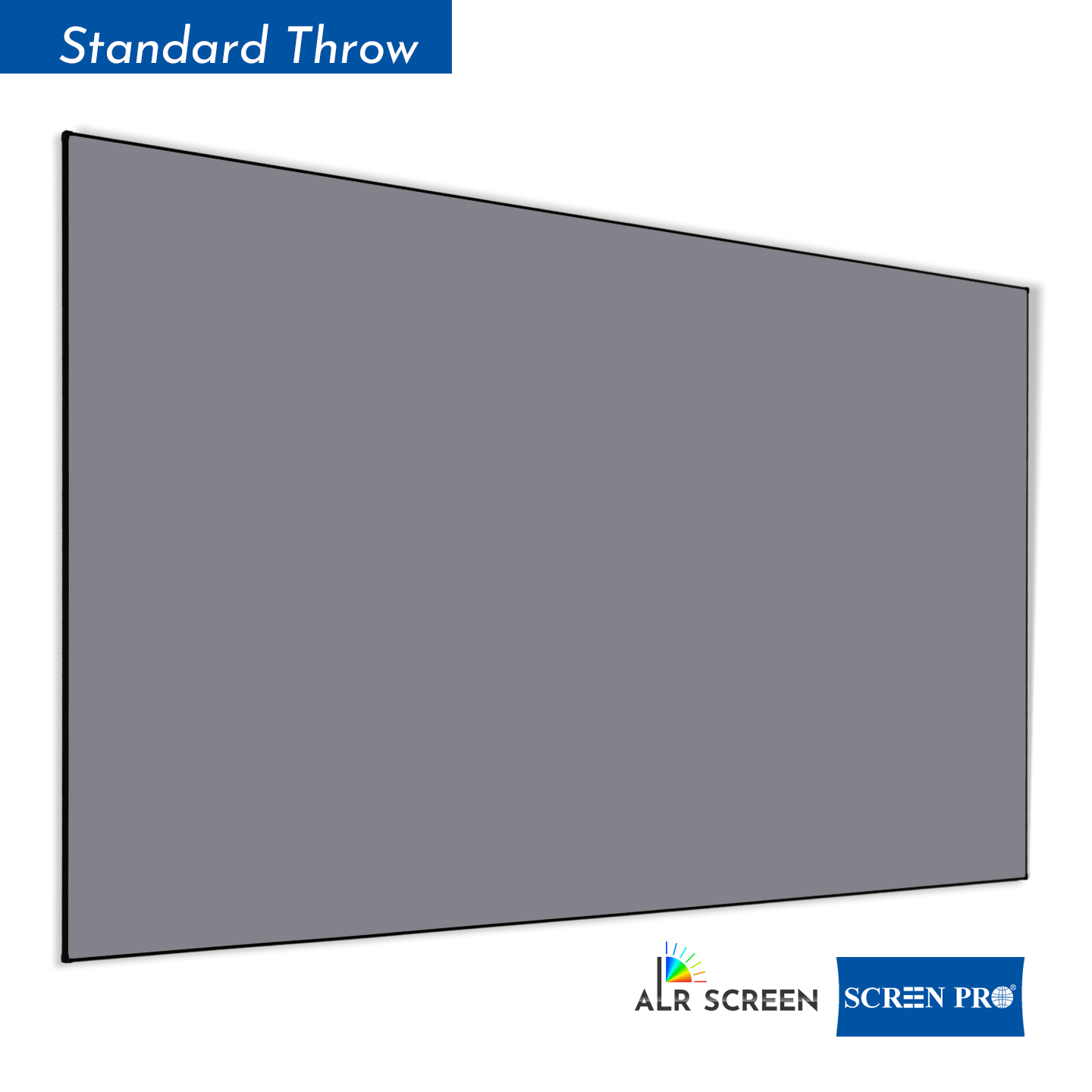
| Large Fixed Frame Screen | Auditoriums and permanent venues | Stable flat surface |
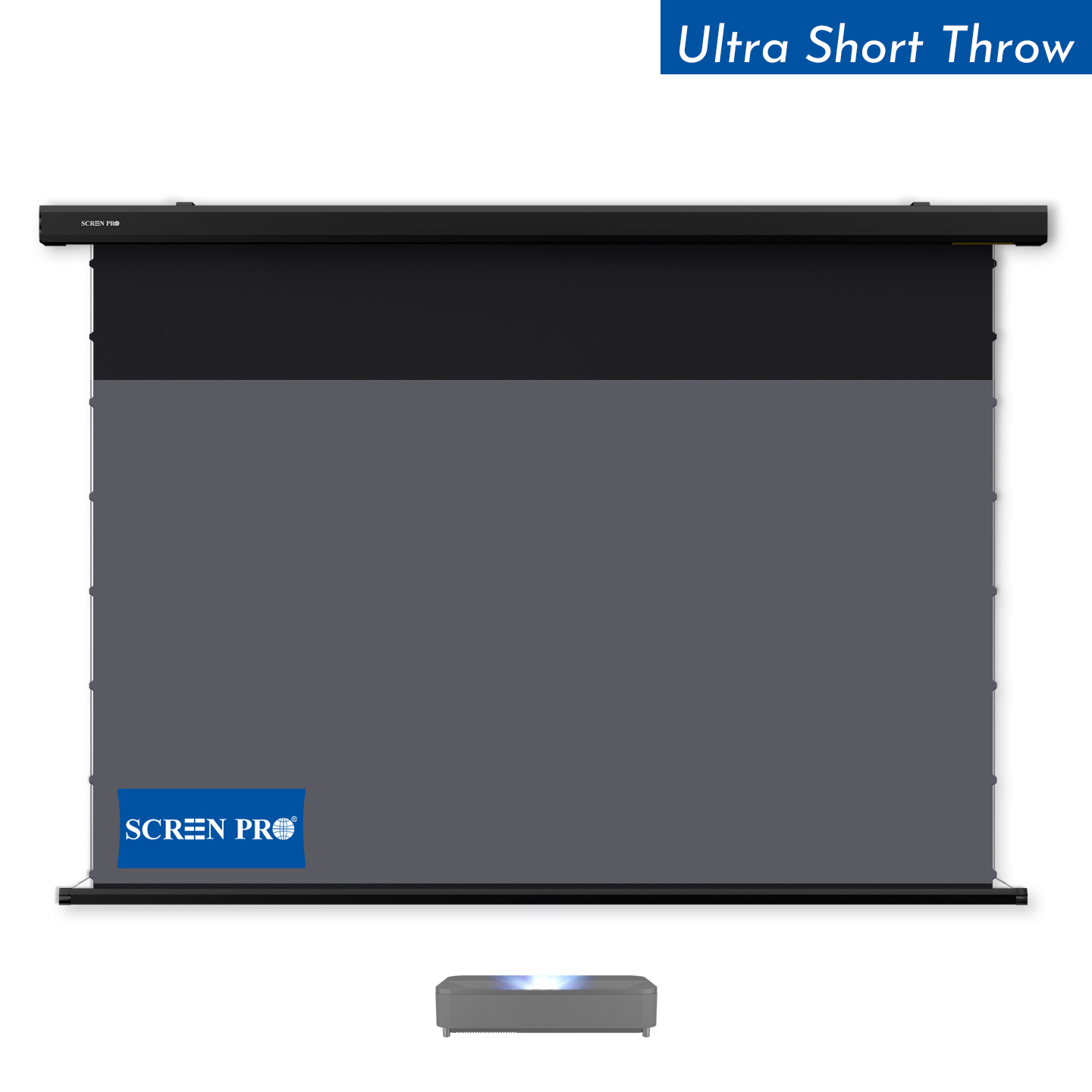
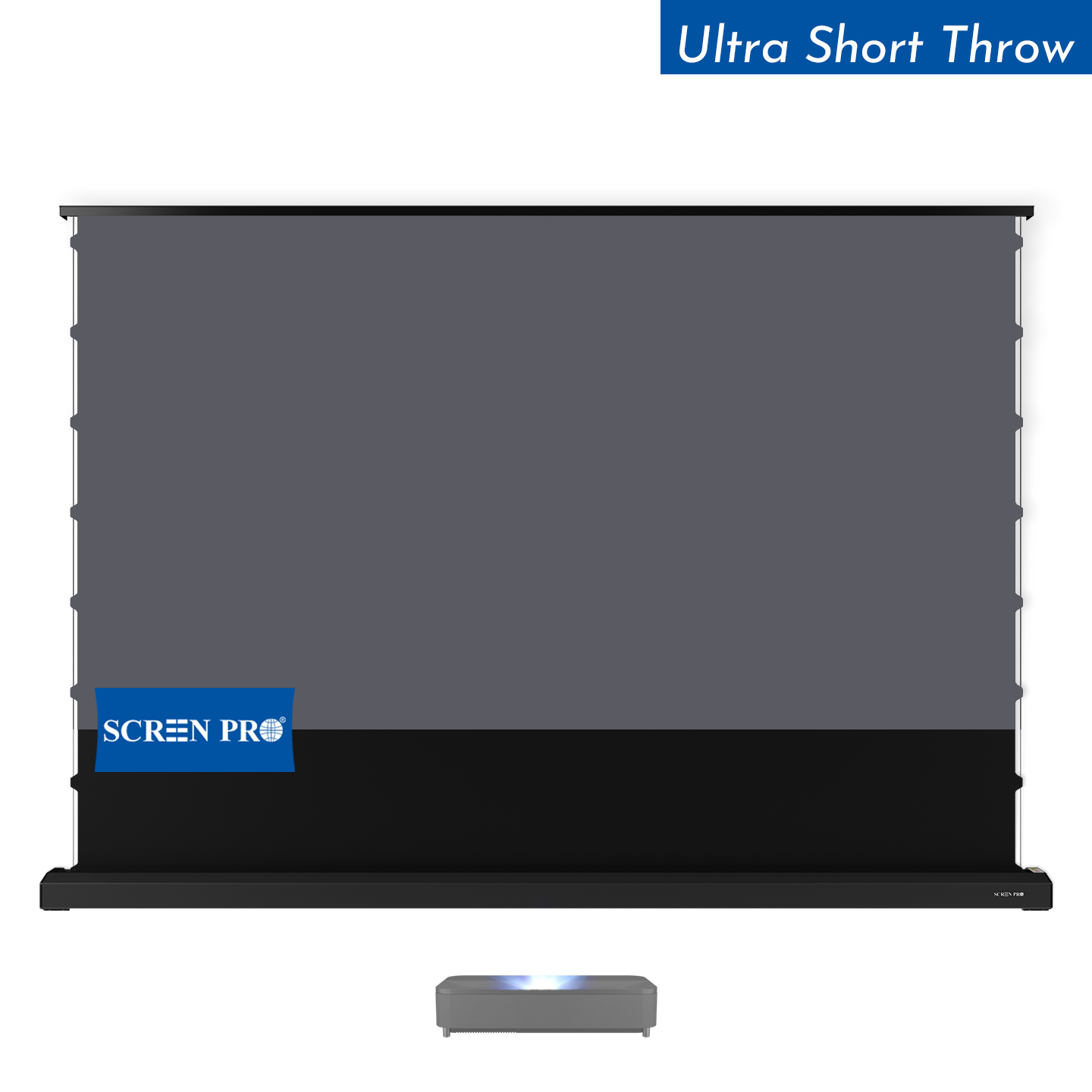
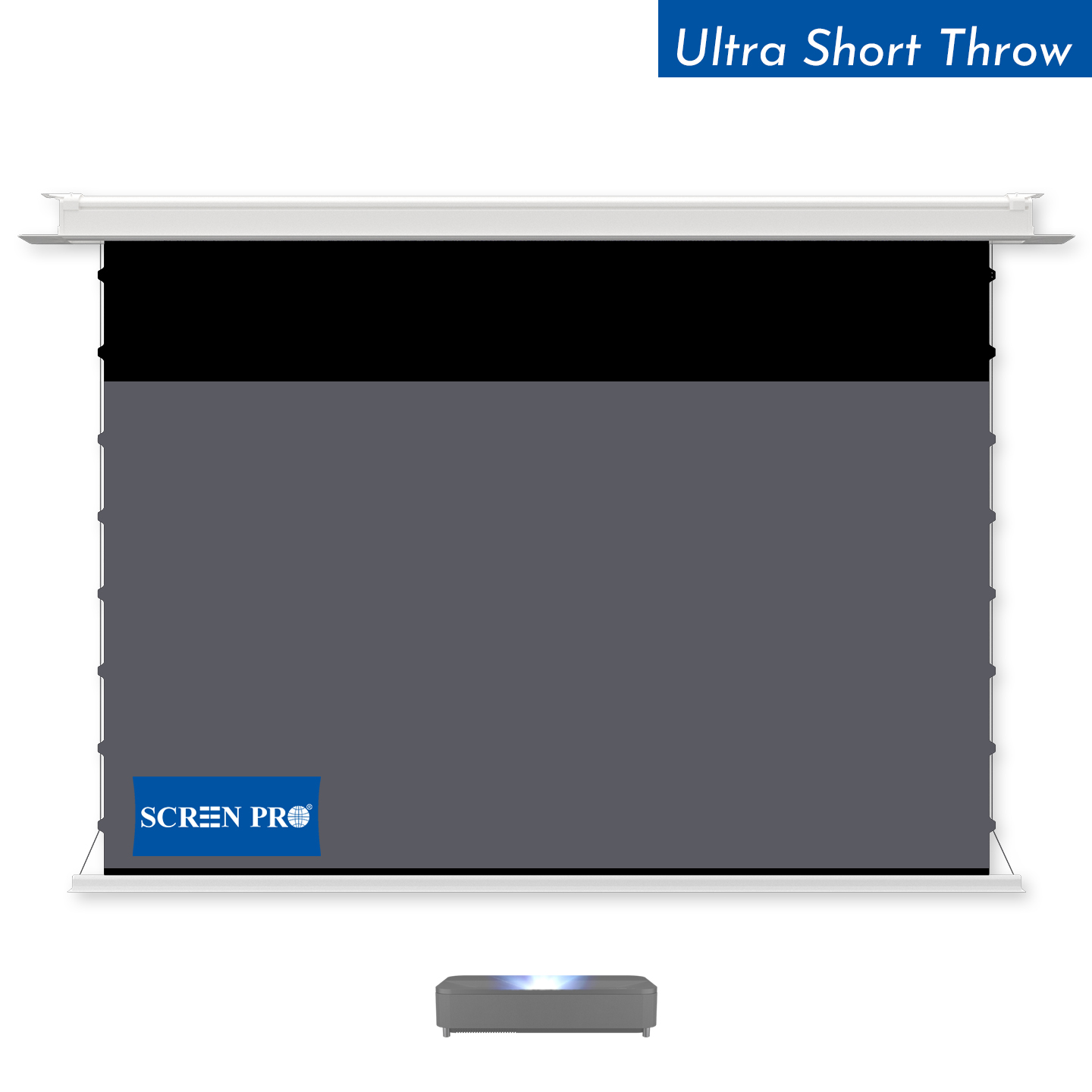
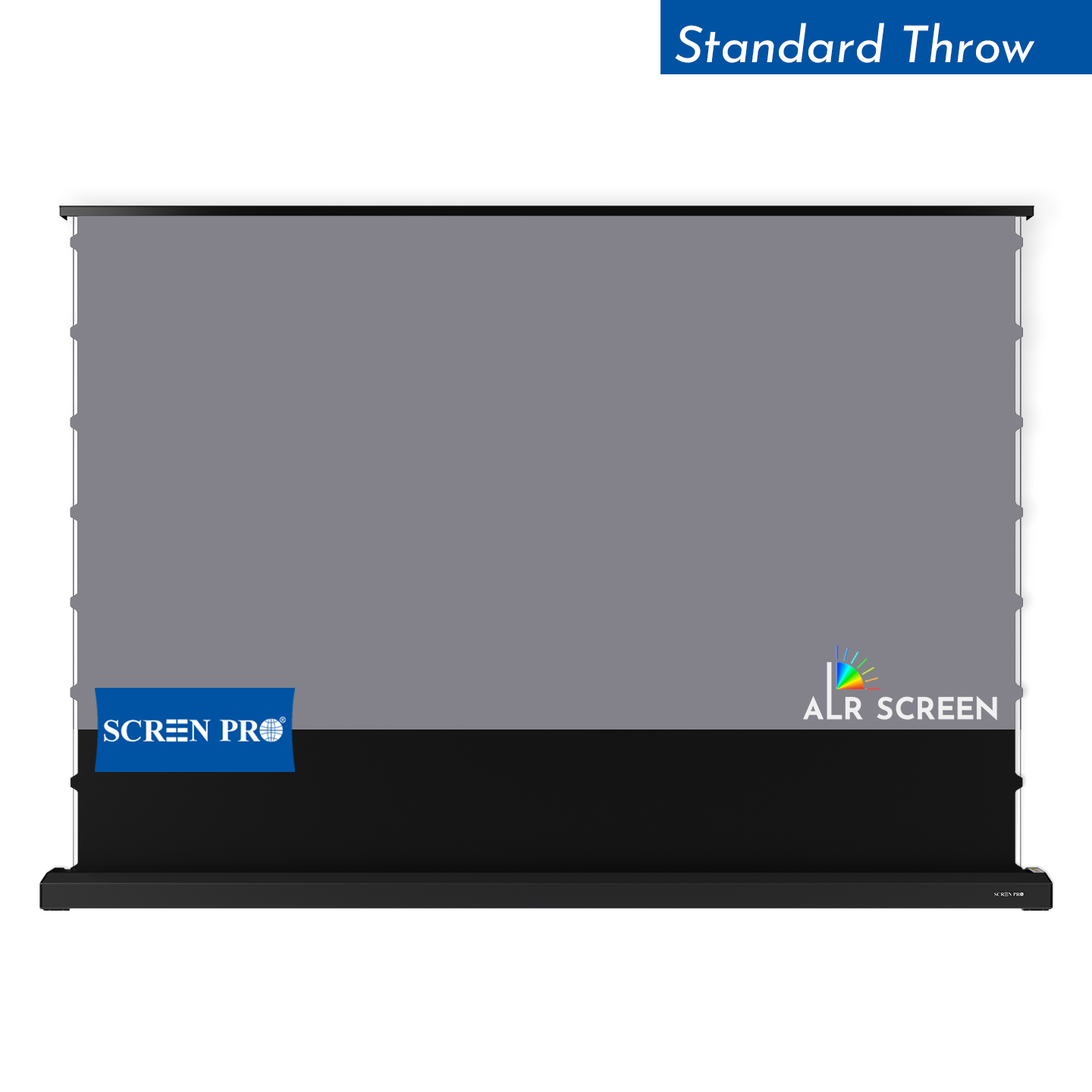
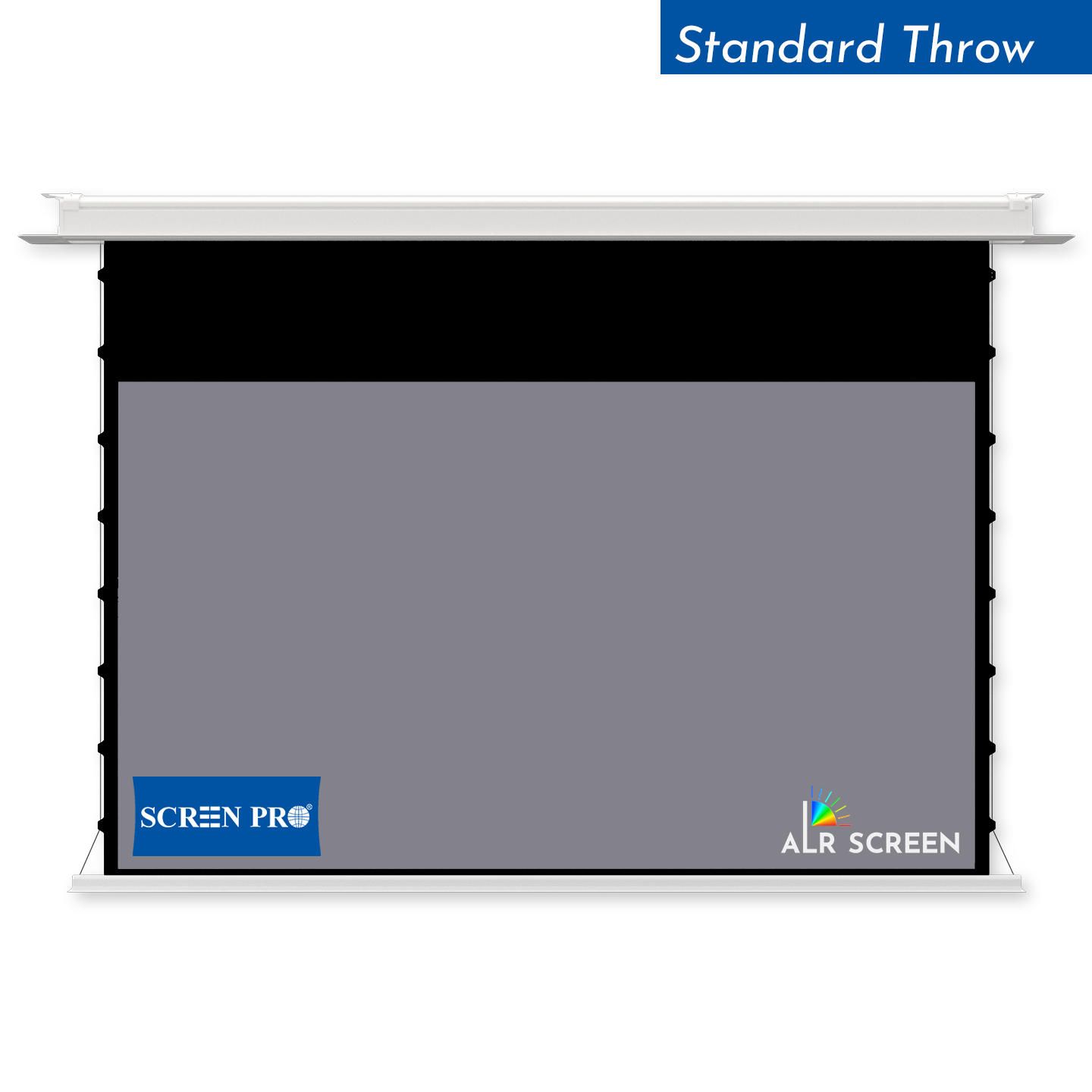
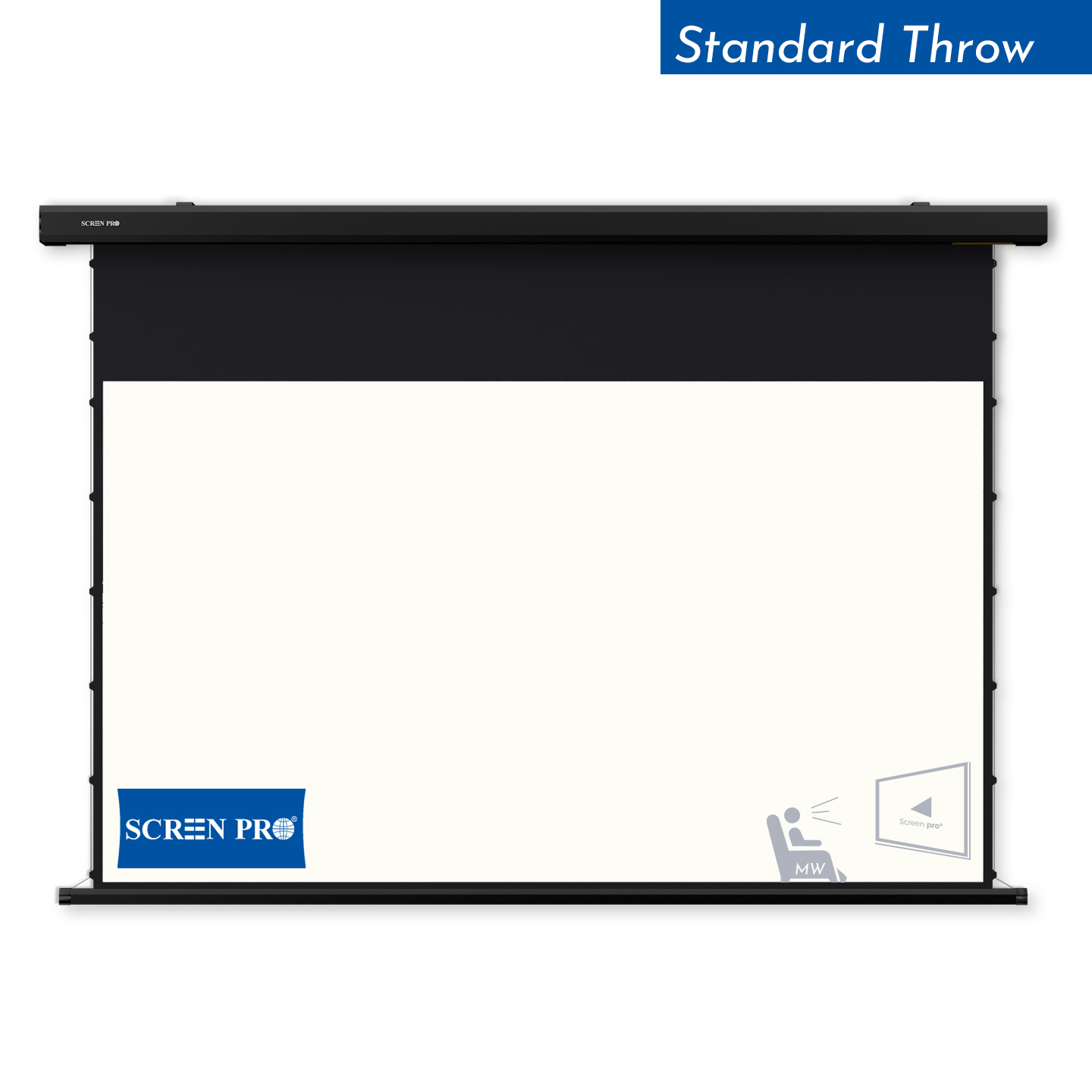
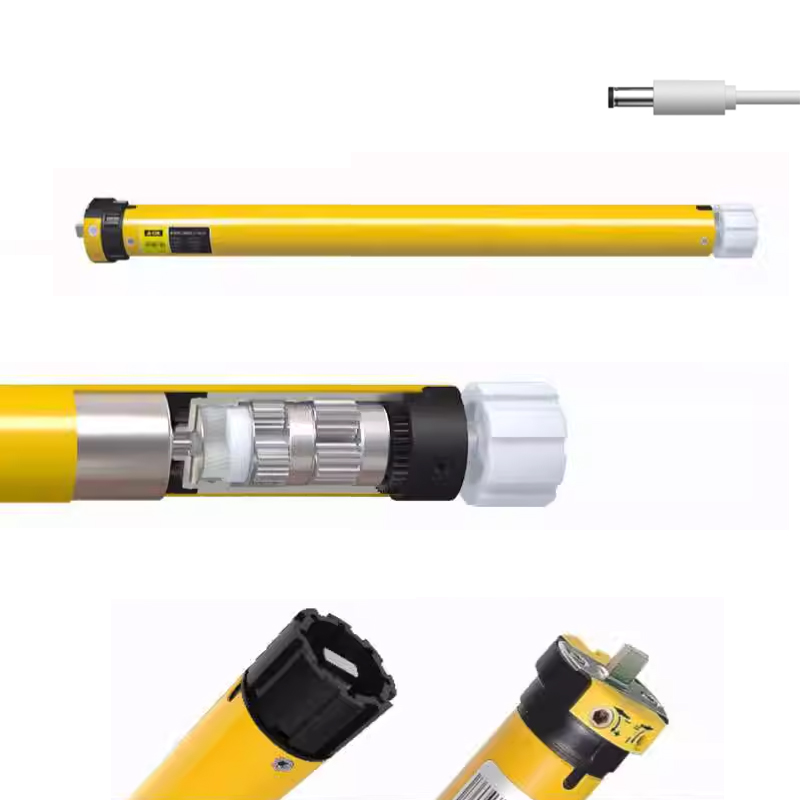
| Motorized Screen | Ballrooms, conference rooms, multifunction venues | Retracts when not required |
| Custom Large-Format Screen | Stages, exhibitions, special installations | Supports non-standard dimensions and formats |
| Outdoor Frame Screen | Temporary outdoor events | Designed for portable outdoor deployment |
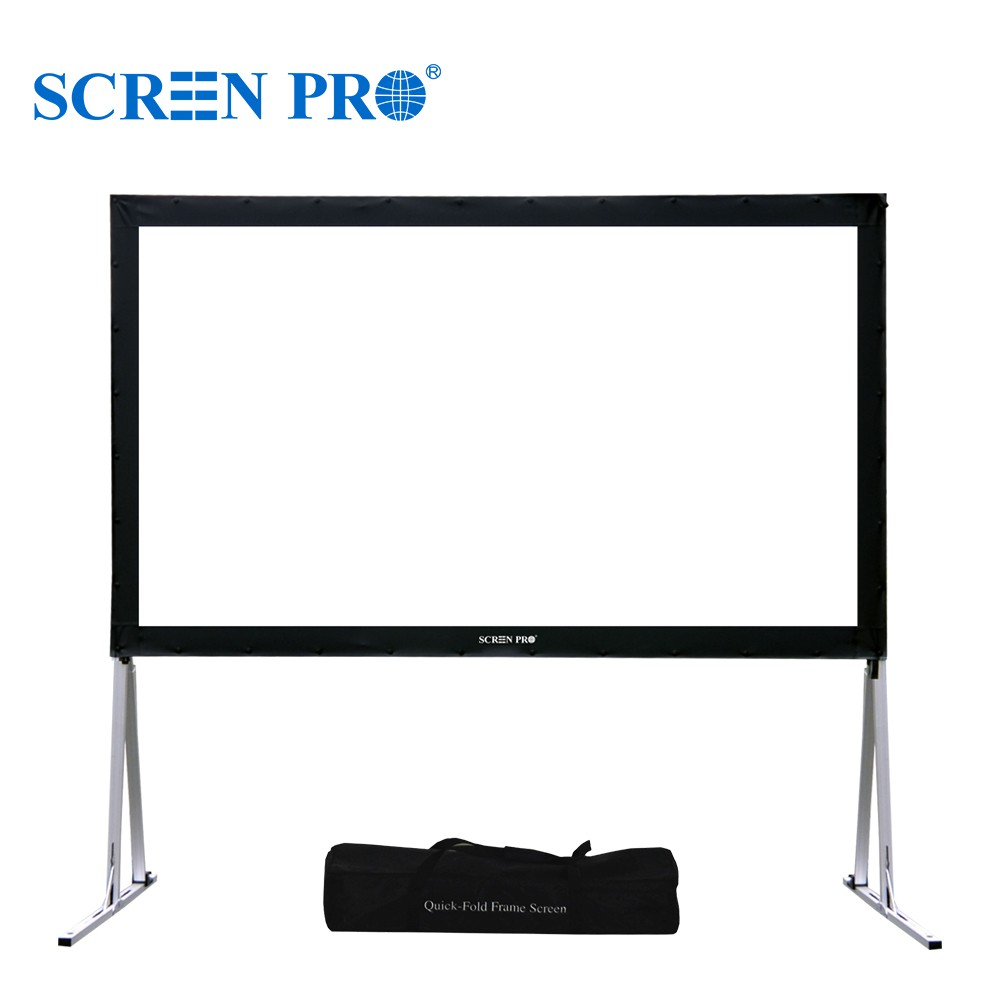
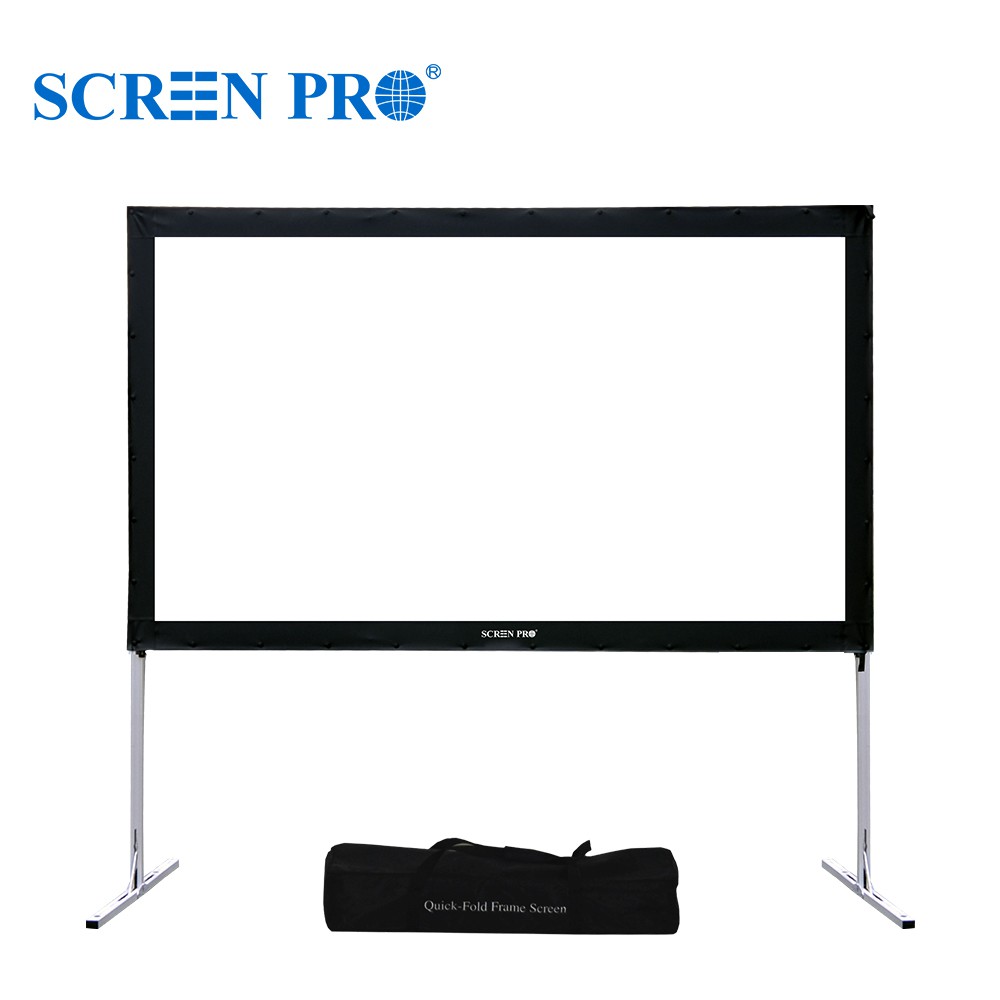
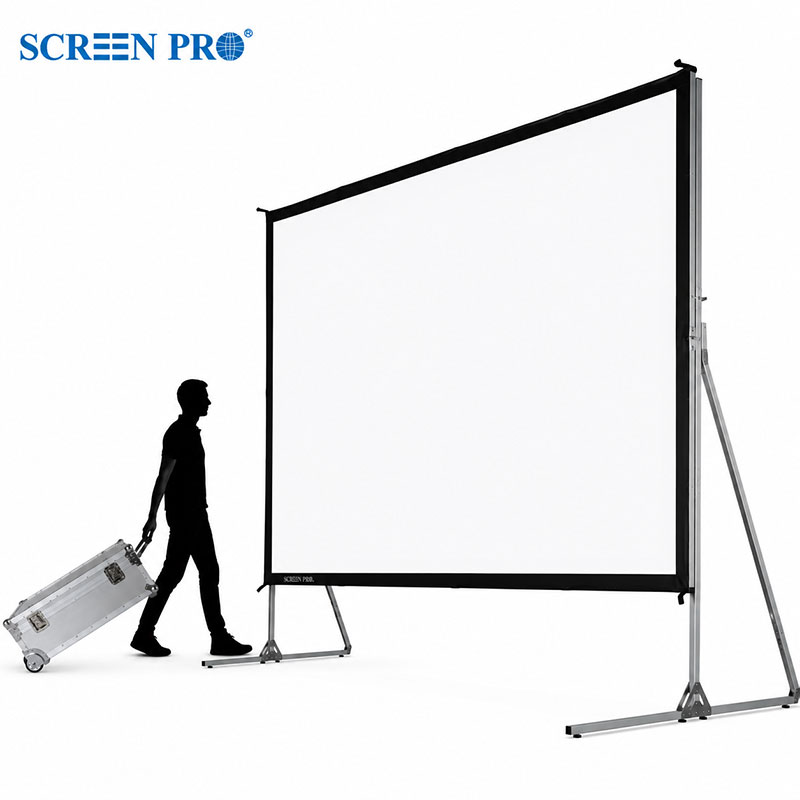
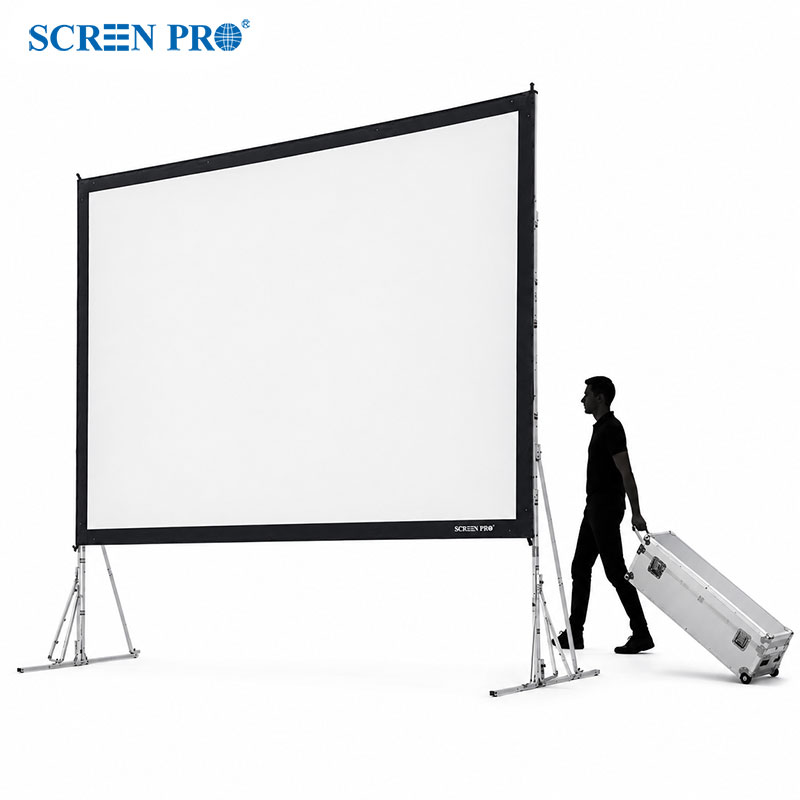
Fast Fold Projection Screens
For temporary events, fast-fold projection screens are one of the most practical large-format solutions.
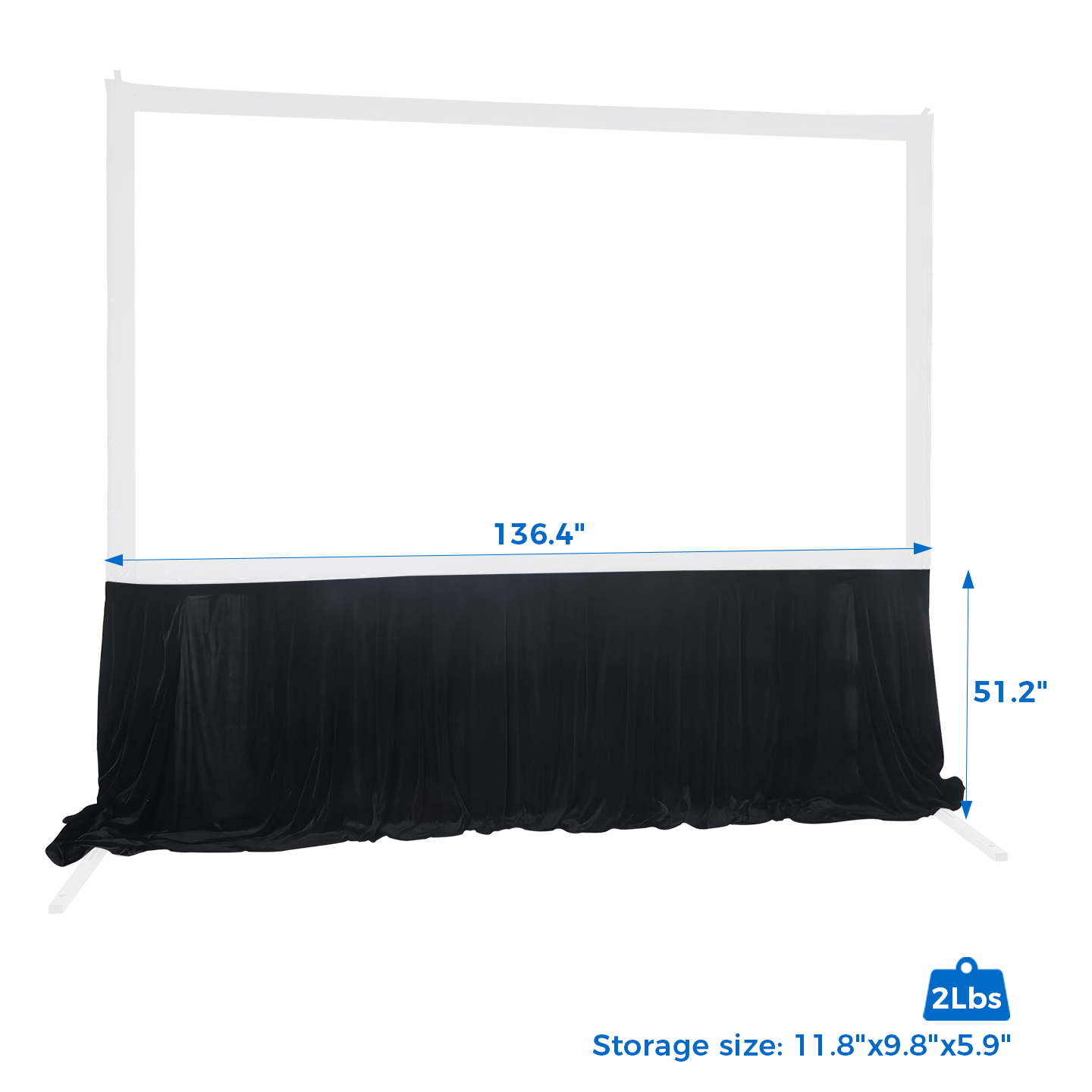
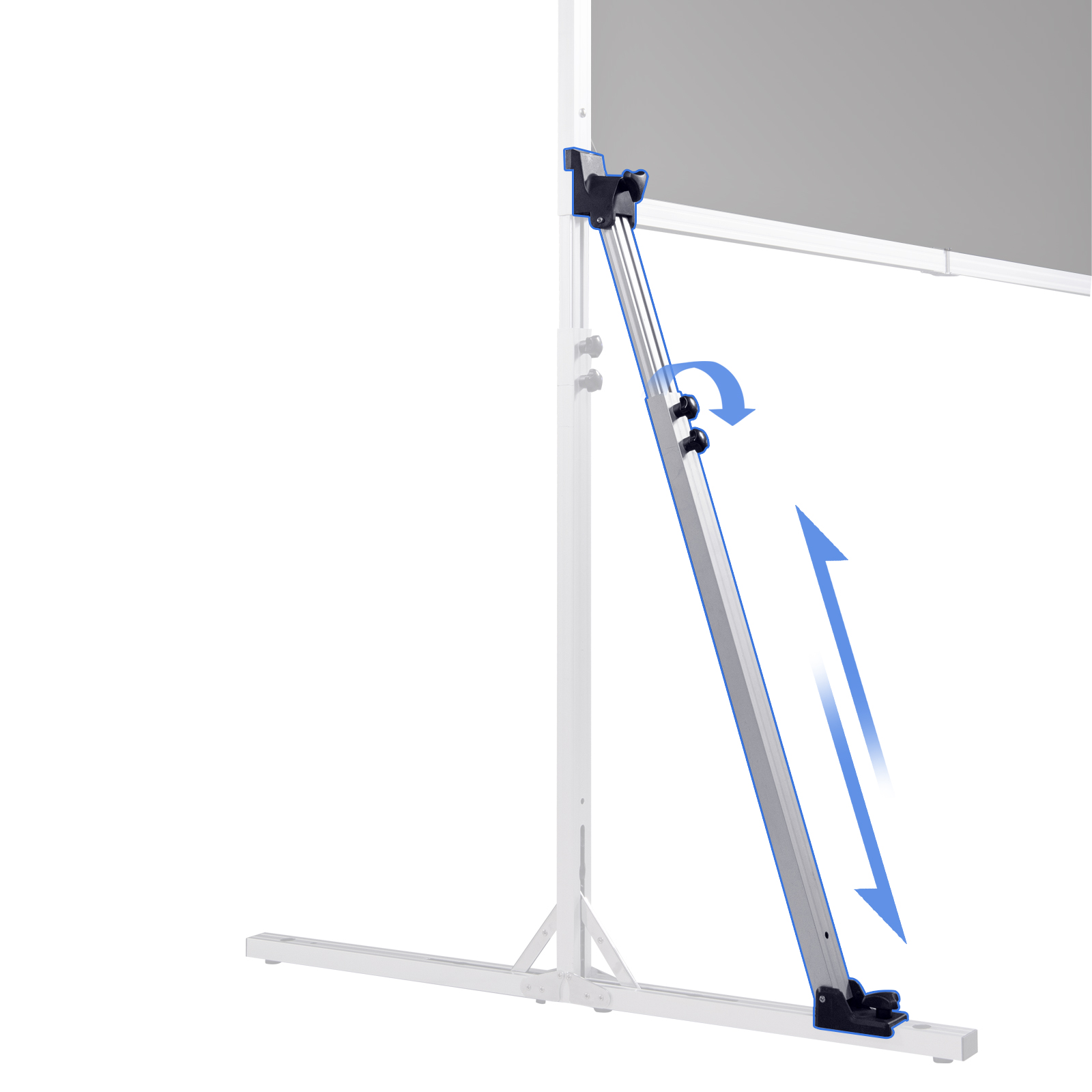
The aluminum frame can be transported in sections, unfolded on-site, and assembled without building a permanent structure. Projection fabric is normally tensioned around the frame to create a flat viewing surface.
Quick Setup
Ideal when event crews need to install and dismantle AV equipment within a limited production schedule.
Transportable
Folding frame sections and separate projection fabric make the system easier to transport between event locations.
Multiple Fabrics
The same frame system can often be configured with front projection, rear projection, or other specialized screen surfaces.
Front Projection or Rear Projection?
Projection direction can significantly affect stage layout and audience experience.
Front Projection
The projector is located on the audience side of the screen. This configuration is simple and usually requires less space behind the stage.
Rear Projection
The projector is positioned behind the screen. This keeps projector equipment and light paths away from presenters and performers.
When is rear projection useful?
Rear projection is particularly useful for stage productions, live events, broadcast-style presentations, exhibitions, and conference environments where presenters need to move freely in front of the screen.
However, rear projection requires sufficient space behind the screen for the projector and image throw. Venue depth should therefore be evaluated before selecting this configuration.
How Large Should an Event Projection Screen Be?
Screen size should be based primarily on the viewing distance and the type of content being displayed.
A screen showing large cinematic visuals can often be viewed comfortably from farther away than a presentation containing spreadsheets, subtitles, charts, or small text.
Large audience does not automatically mean maximum screen size.
The screen must be large enough for the farthest viewers to read the content, but projector brightness and image resolution must also scale with the image area.
Common large-format categories
150–200"
Large meeting rooms, smaller stages, churches, schools, and corporate events.
200–300"
Conference halls, hotel ballrooms, medium-size auditoriums, and event stages.
300–400"
Large auditoriums, exhibition halls, stage productions, and major events.
400"+
Large public venues, special installations, major stages, and custom projection projects.
For very large installations, custom screen dimensions may be more practical than selecting a conventional diagonal size.
Projector Brightness Becomes Critical
As projection screen size increases, the same projector output is spread across a much larger surface.
This means projector brightness must increase as screen area increases. Venue lighting, screen gain, image content, projection distance, and required image contrast must also be considered.
- Determine the actual projection surface dimensions
- Identify ambient light conditions during the event
- Confirm projector lumen output
- Match screen gain to the installation
- Consider projector stacking for very large images
- Check image uniformity across the entire screen
For demanding large-venue projects, projector and screen specifications should always be evaluated as a complete optical system.
Choosing the Right Projection Fabric
The screen frame may define the physical structure, but the projection fabric determines much of the actual image performance.
Matte White
A versatile choice for controlled indoor environments, offering broad viewing angles and neutral image reproduction.
Rear Projection
Designed for installations where projectors are positioned behind the screen and the audience views from the opposite side.
High-Gain Material
Can increase image brightness within a more concentrated viewing area, although viewing-angle requirements must be considered.
Indoor vs. Outdoor Event Screens
Outdoor projection introduces additional challenges that are less important in indoor venues.
Ambient daylight, wind, temperature, moisture, uneven ground, rigging conditions, and public safety must all be considered.
Indoor Events
Lighting is easier to control, structural installation is generally more predictable, and standard event screen systems can often be used.
Outdoor Events
Screens must be secured appropriately and should be installed only within suitable weather conditions and structural limits.
For outdoor projection, evening and nighttime use normally produces significantly better image contrast than daytime projection.
Wind Load Is a Serious Consideration Outdoors
A large projection surface can behave like a sail in windy conditions. As screen dimensions increase, the forces acting on the frame can become substantial.
Outdoor installation should therefore include suitable anchoring, ballast, supports, and site-specific safety assessment. Large temporary structures may also require professional rigging or engineering evaluation.
Aspect Ratio Matters for Event Content
Most modern event video content is produced in 16:9, but large venue installations may require other formats depending on stage design and content production.
| Aspect Ratio | Typical Use |
|---|---|
| 16:9 | Video, presentations, conferences, live feeds, general events |
| 16:10 | Presentation environments and certain commercial projectors |
| 4:3 | Legacy presentation systems and specific institutional applications |
| 2.35:1 / 2.39:1 | Cinematic and ultra-wide stage visuals |
| Custom Ratio | Scenic projection, exhibitions, panoramic stages, special event production |
Plan Transport and Setup Before Ordering
For rental companies and touring productions, shipping and handling can be just as important as screen performance.
A very large frame that performs well once installed may still be impractical if it cannot fit through loading doors, elevators, transport vehicles, backstage corridors, or storage areas.
Packing Length
Check the longest frame section and confirm that it fits inside the intended transport vehicle and venue access points.
Total Weight
Large frames may require additional crew members, carts, lifting equipment, or rigging support.
Setup Time
Event systems should be designed for efficient assembly, especially where installation windows are short.
How to Specify a Large Venue Projection Screen
For custom event projects, providing complete project information at the beginning makes screen selection much easier.
Provide the Screen Size
Specify diagonal size or exact viewing width and height.
Confirm the Aspect Ratio
For example, 16:9, 16:10, 4:3, 2.35:1, or a custom ratio.
Choose Front or Rear Projection
This determines the appropriate screen material and projector position.
Describe the Venue
Indoor or outdoor, audience size, viewing distance, stage dimensions, ceiling height, and available installation area.
Provide Projector Information
Projector model, brightness, throw ratio, lens configuration, and installation position are especially useful.
Confirm Installation Type
Floor-supported, wall-mounted, flown, fixed, portable, motorized, or custom installation.
SCREENPRO Large Venue Screen Solutions
Large-format projection projects often require more flexibility than standard home or meeting-room installations. SCREENPRO supports portable, fixed, motorized, and custom screen configurations for commercial and event applications.
Fast Fold Projection Screens
Portable aluminum-frame systems designed for events, conferences, exhibitions, stage productions, and rental AV.
Different projection fabrics can be selected depending on whether the project requires front or rear projection.
Frequent transport, temporary events, fast setup, corporate AV, rental companies.
Large Fixed Frame Screens
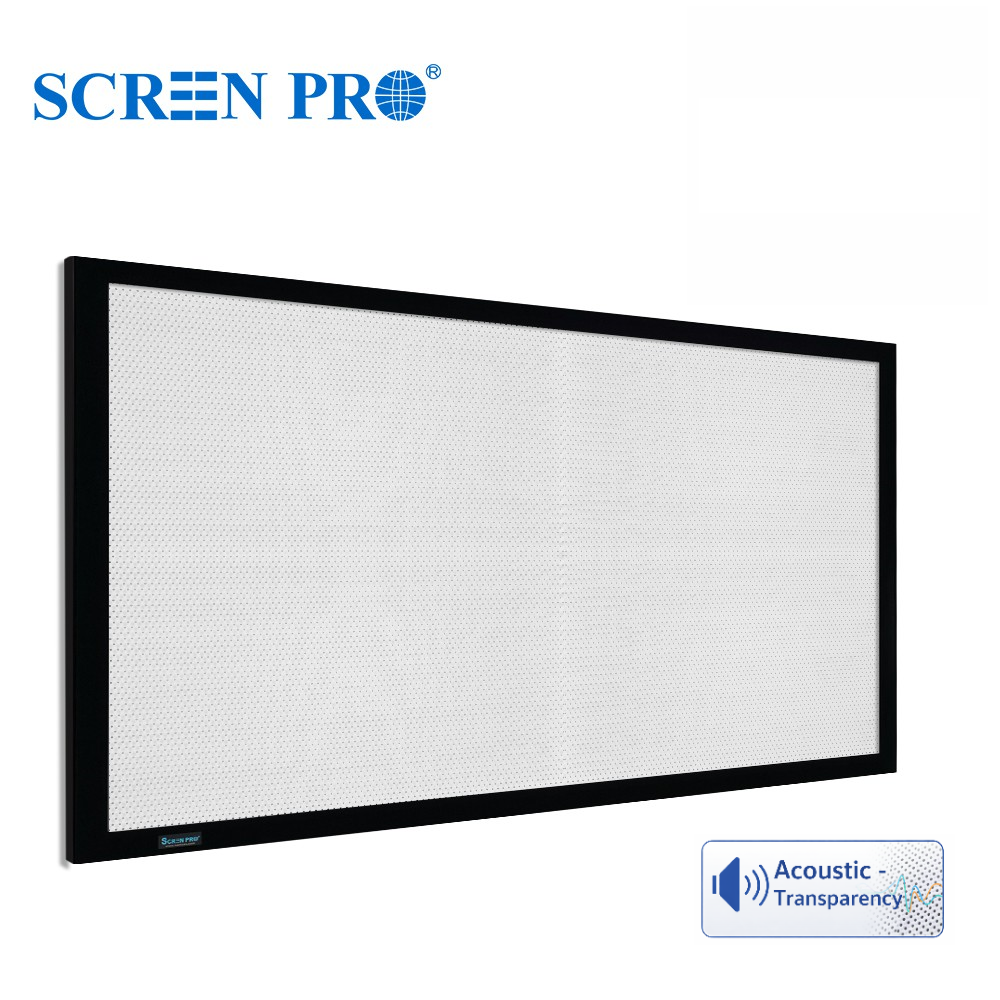
For auditoriums, theaters, universities, houses of worship, and permanent commercial installations where maximum surface stability is required.
Auditoriums, educational venues, public halls, entertainment spaces, permanent AV systems.
Custom Large-Format Projection Screens
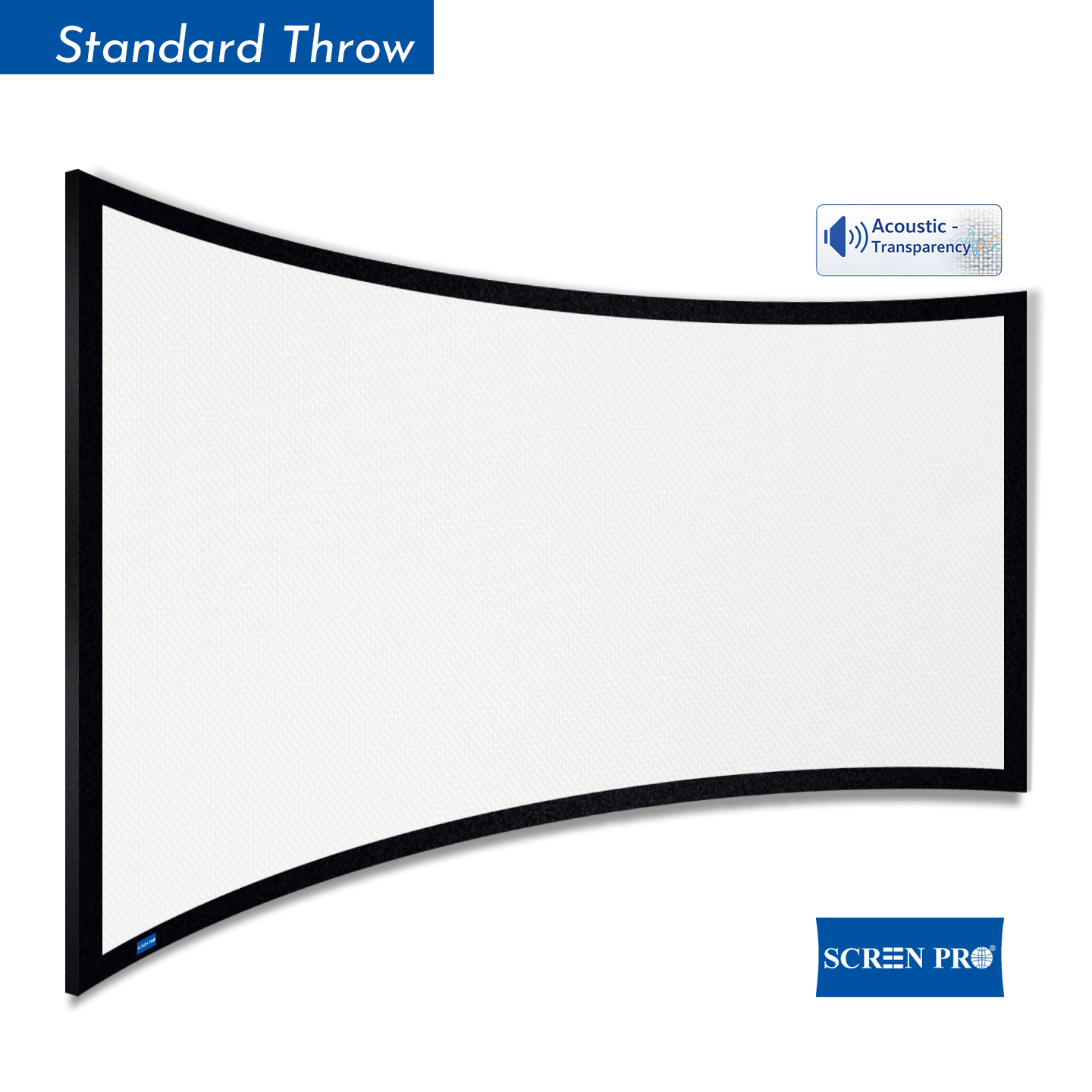
Oversized screens, non-standard aspect ratios, custom frames, curved formats, and project-specific projection surfaces can be developed for specialized AV installations.
Large stages, scenic projection, custom exhibitions, special-shaped installations, 300"+ and larger projects.
Large Venue Projection Screen Checklist
- Confirm exact screen viewing width and height
- Determine required aspect ratio
- Check maximum audience viewing distance
- Confirm projector brightness
- Verify projector throw distance
- Select front or rear projection
- Choose the correct projection material
- Confirm indoor or outdoor use
- Review frame support and rigging requirements
- Consider wind load for outdoor installations
- Check transport case and frame section dimensions
- Confirm available setup and dismantling time
Frequently Asked Questions
What is the best projection screen for a large event?
For temporary events and rental applications, a fast fold projection screen is often one of the most practical options because it is portable, tensioned, and relatively quick to assemble. Permanent venues may benefit more from a fixed frame or motorized screen.
Can projection screens be larger than 300 inches?
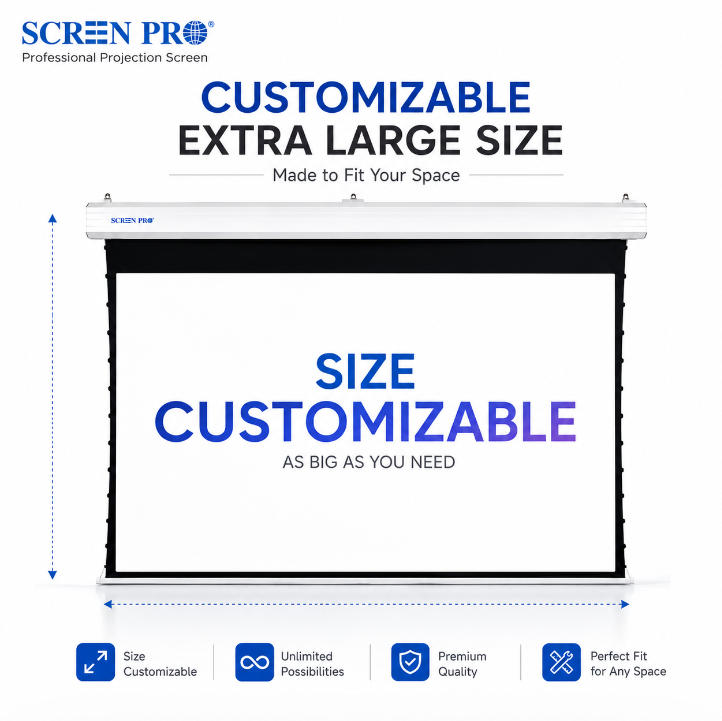
Yes. Large-format projection screens can be manufactured well beyond typical residential sizes. For very large projects, exact viewing width and height are often more useful than diagonal size when specifying the screen.
Is rear projection better for events?
Rear projection can be advantageous when presenters or performers need to move freely in front of the screen without creating shadows. However, it requires sufficient space behind the screen.
Can large projection screens be used outdoors?
Yes, but outdoor use requires additional consideration for wind, weather, anchoring, structural stability, ambient light, and installation safety.
How bright should a projector be for a large event screen?
There is no universal lumen value because required brightness depends on screen area, ambient light, screen gain, image content, viewing conditions, and the desired contrast level.
Can large event screens be custom made?
Yes. Custom screen dimensions, projection fabrics, aspect ratios, frame structures, and special configurations can be produced for large commercial and event projects.
Planning a large-format projection project?
SCREENPRO supports event, rental, staging, auditorium, outdoor, and custom projection screen projects in large and non-standard sizes.
Explore Projection Screen Solutions