






Choosing a Home Theater Projector Screen: What Mattered in 2017
A look back at the priorities that shaped home theater screen selection in 2017 — from screen size and gain to fixed frames, motorized screens and acoustic transparency.
Before ultra-short-throw systems and today's advanced ambient-light-rejecting screen solutions became widely adopted, home theater screen selection centered on a simpler set of fundamentals: room lighting, projector brightness, screen size, gain, viewing distance and installation style.
1. Start With the Room
In 2017, choosing a projector screen usually began with one question: How much control do you have over the light in the room?
Dedicated home theaters were often designed around dark walls, blackout curtains and controlled lighting. In these spaces, a traditional matte white projection surface remained one of the most common choices because it could deliver natural color, wide viewing angles and predictable performance.
Multipurpose living rooms presented a different challenge. Windows, light-colored walls and ceiling reflections could reduce perceived contrast, making screen material and projector brightness increasingly important.
2. Screen Size Was About More Than Going Bigger
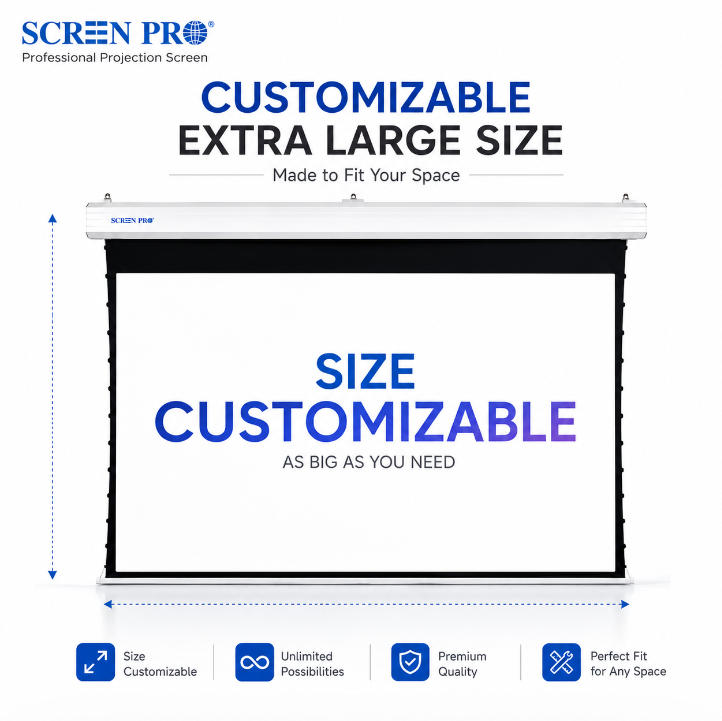
Large projection was one of the main reasons people built home theaters, but the largest screen that could physically fit on a wall was not always the best choice.
Screen size needed to work together with viewing distance, projector throw distance, resolution and brightness. A screen that was too large for the projector could produce an image that appeared dim, while sitting too close to a large lower-resolution image could make pixel structure easier to notice.
- Measure the available wall width and height.
- Consider the main seating distance.
- Check the projector's throw ratio before choosing screen size.
- Confirm that the projector has enough light output for the intended image size.
- Leave appropriate space for speakers and room furnishings.
3. 16:9 Was the Home Theater Standard
For most home theater installations in 2017, 16:9 was the natural starting point. HDTV, Blu-ray and the growing availability of 4K UHD content made widescreen 16:9 projection the practical choice for mixed movie and television use.
Cinema enthusiasts could also consider wider formats such as 2.35:1 or 2.40:1, especially for rooms designed primarily around movie viewing. These installations, however, generally required more careful projector setup and content management.
4. Fixed Frame or Motorized?
Installation style was one of the biggest decisions in a home theater. Fixed frame screens and retractable motorized screens served very different rooms.
Fixed Frame
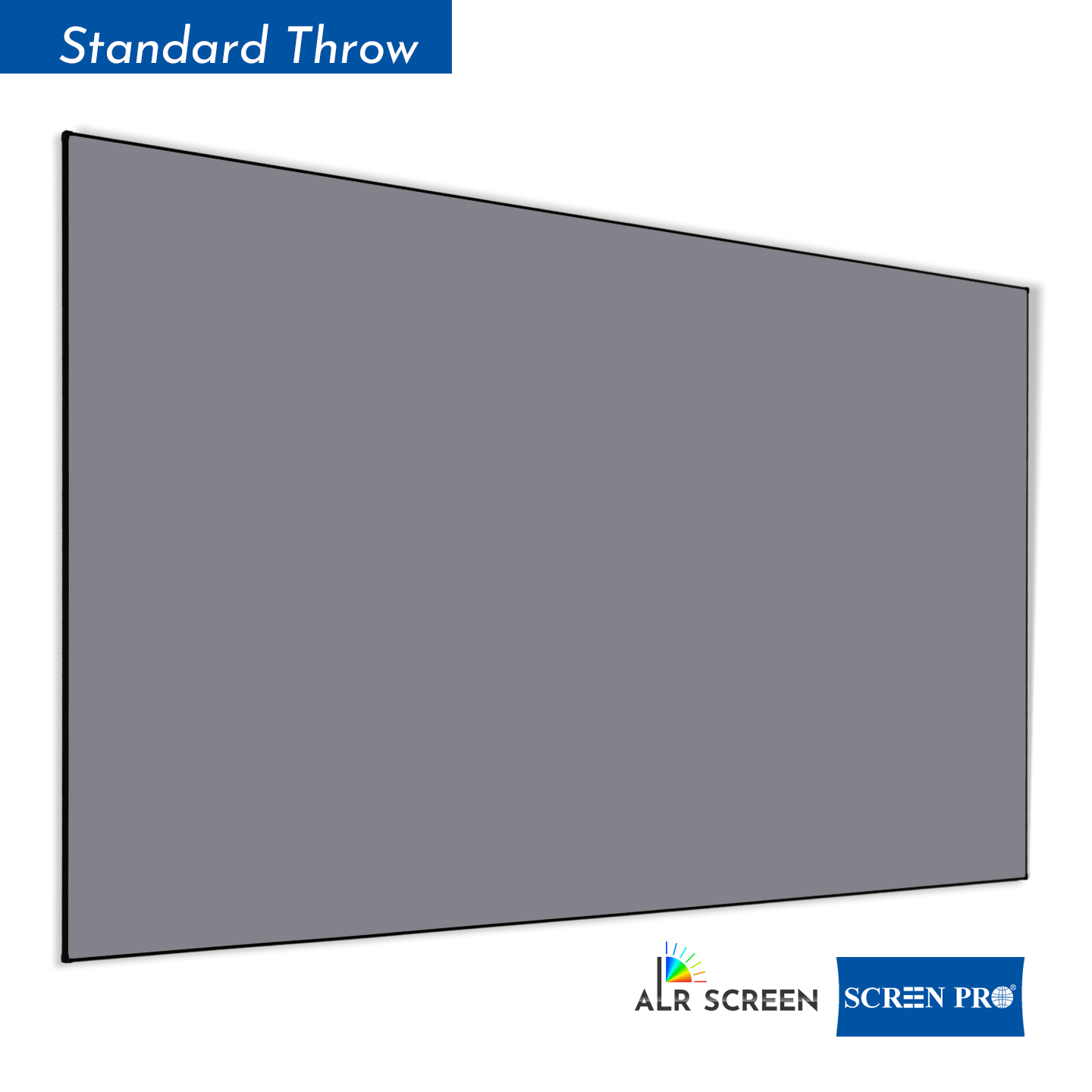
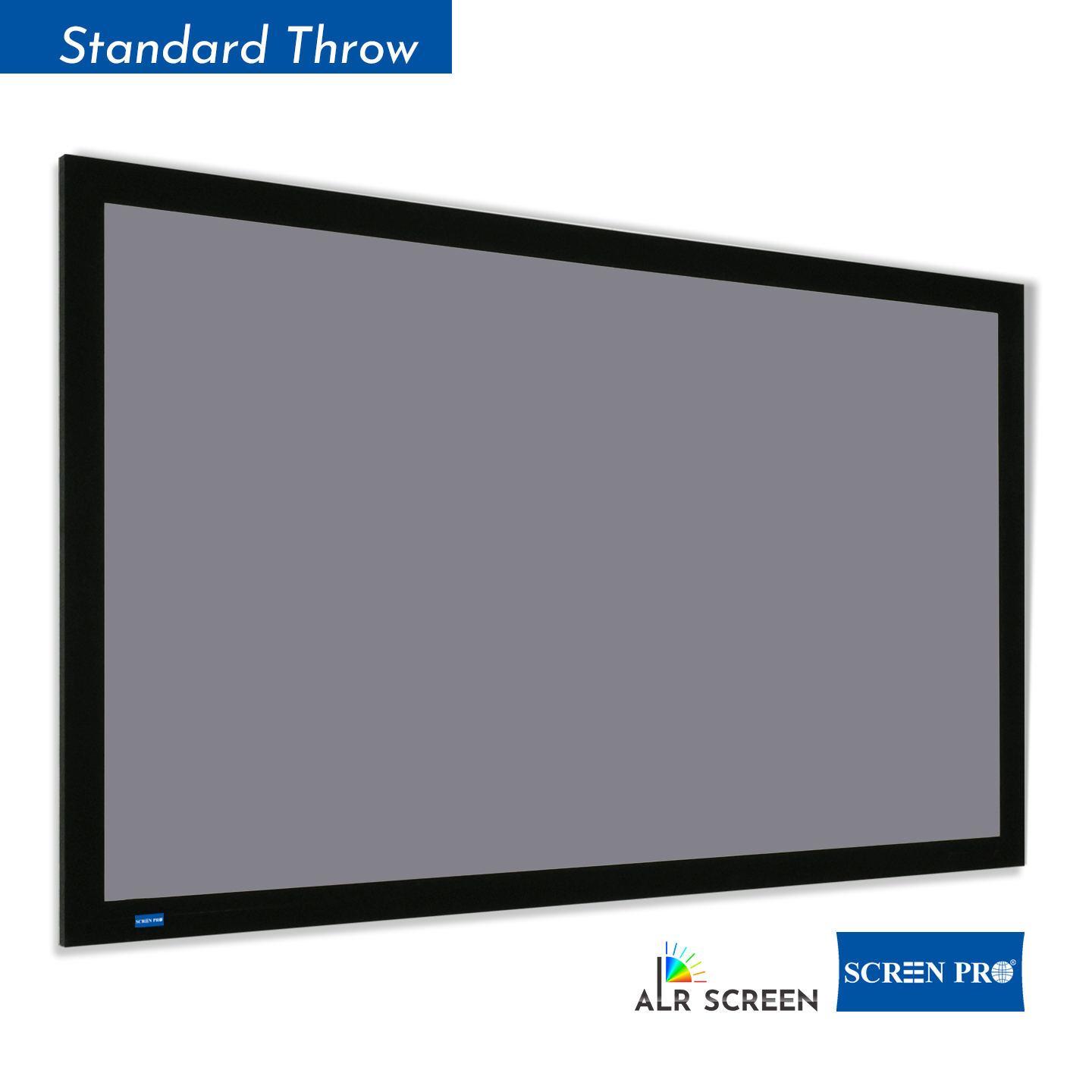
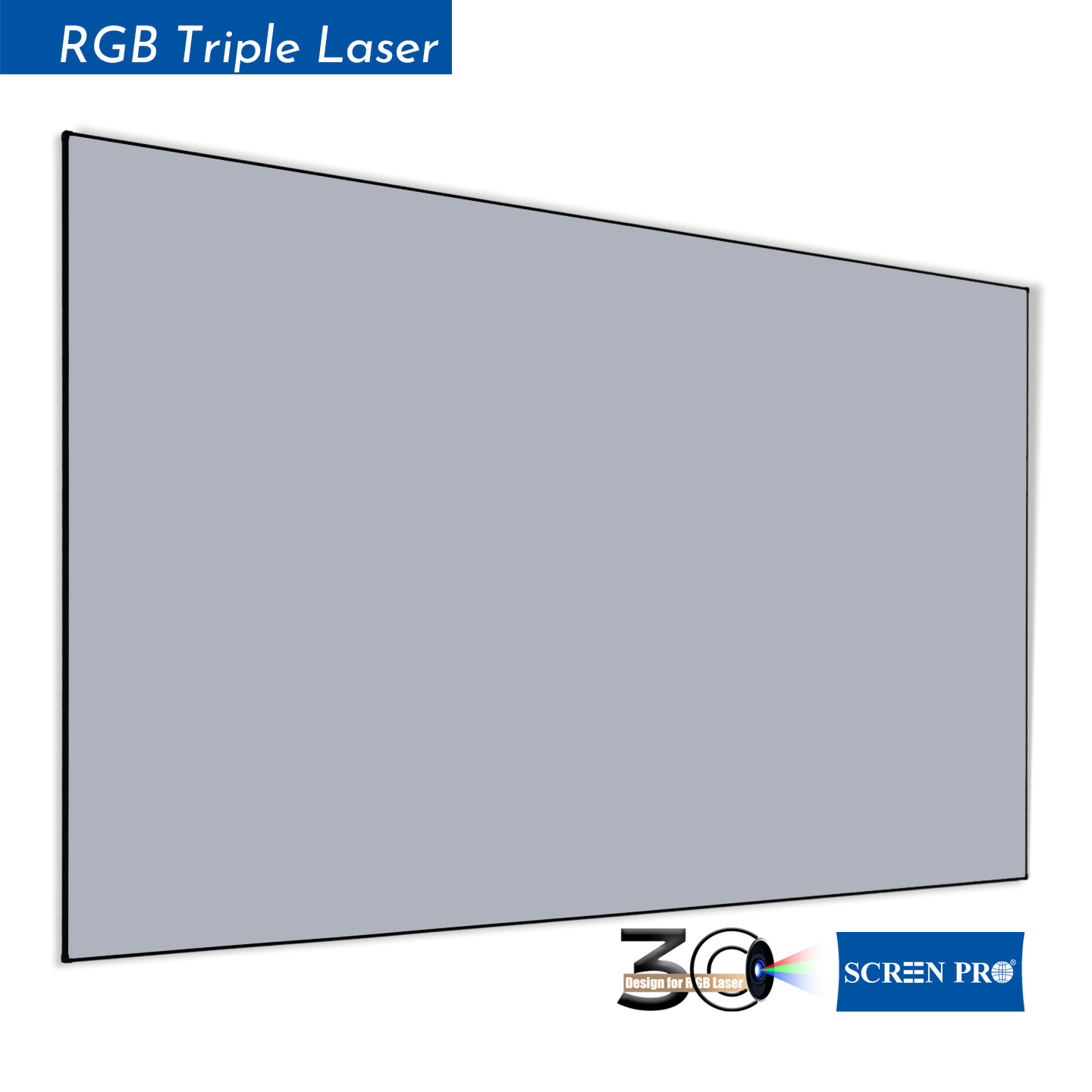
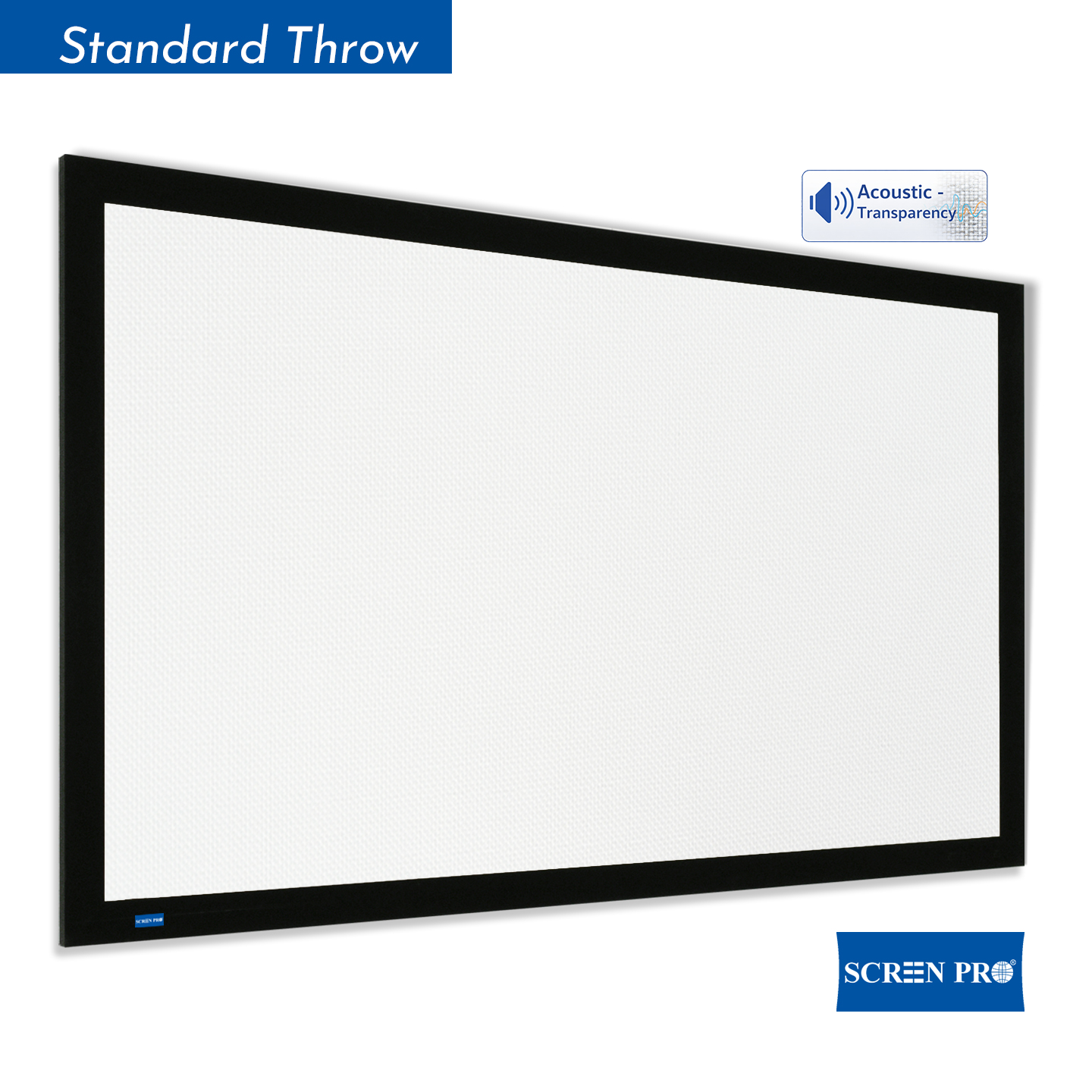
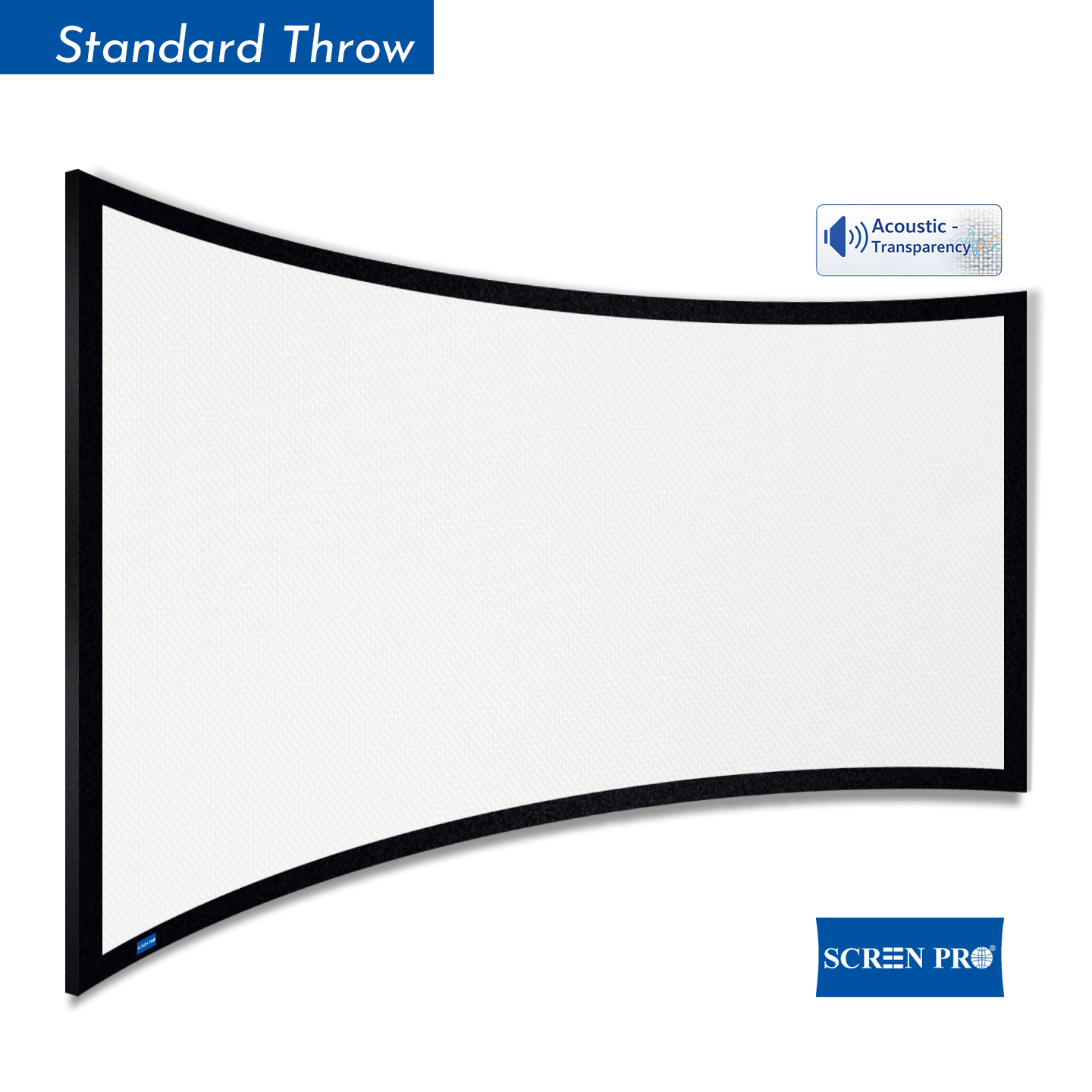
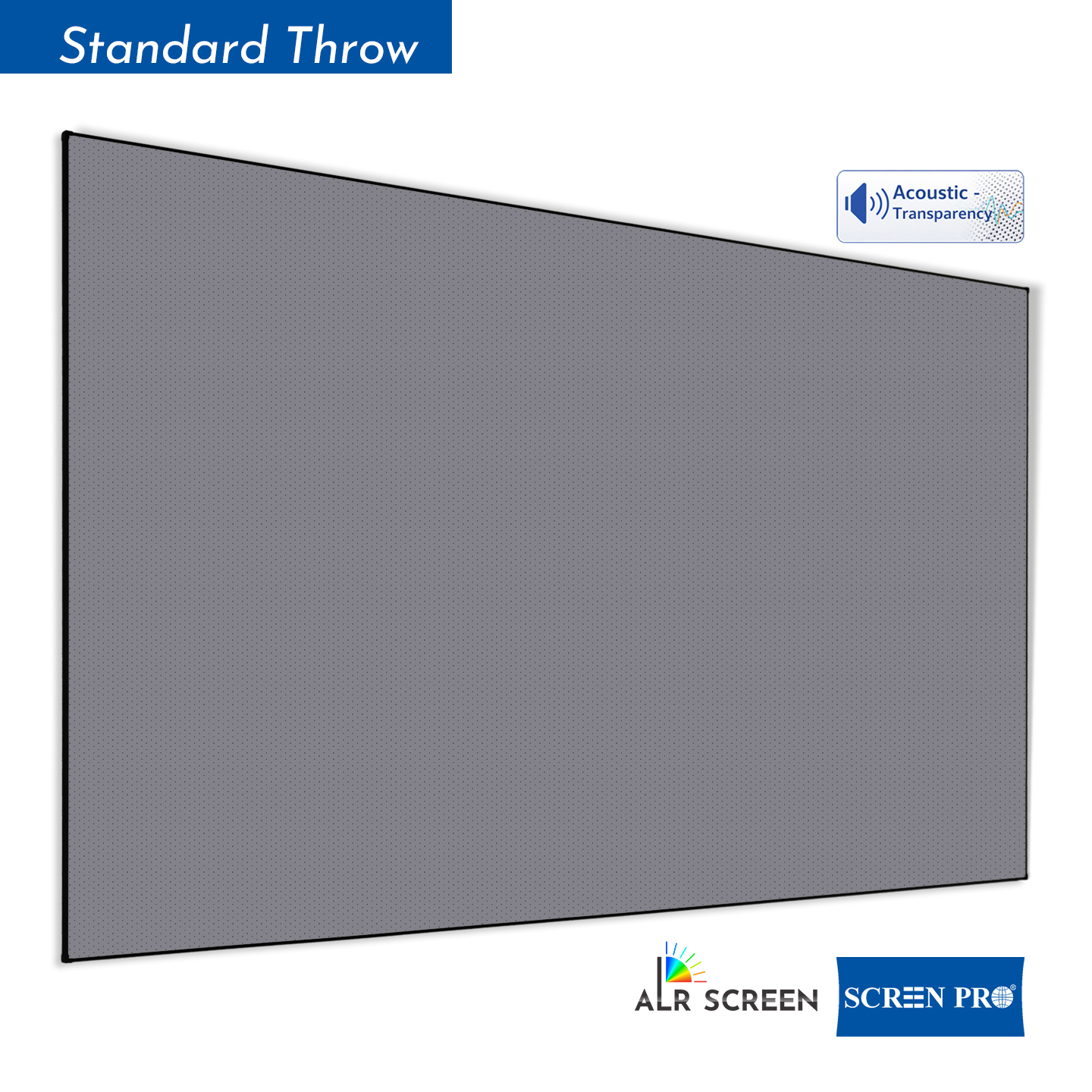
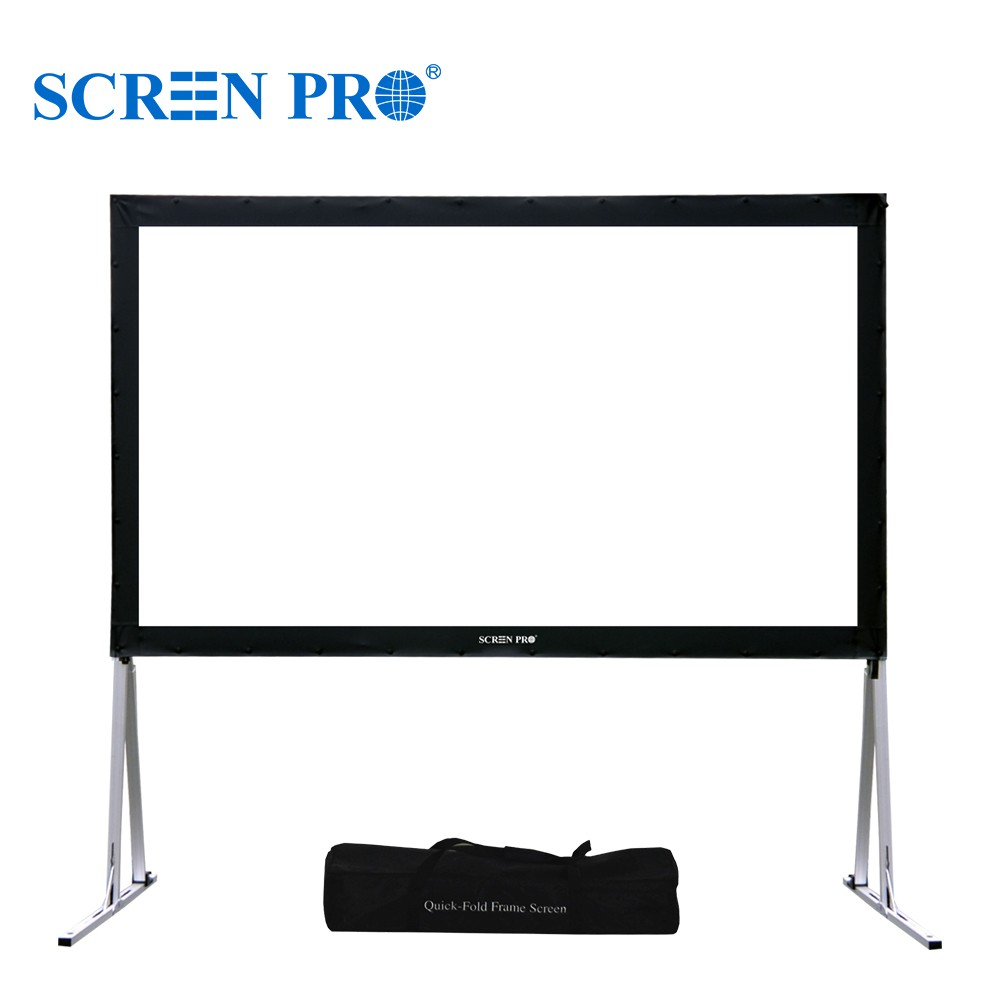
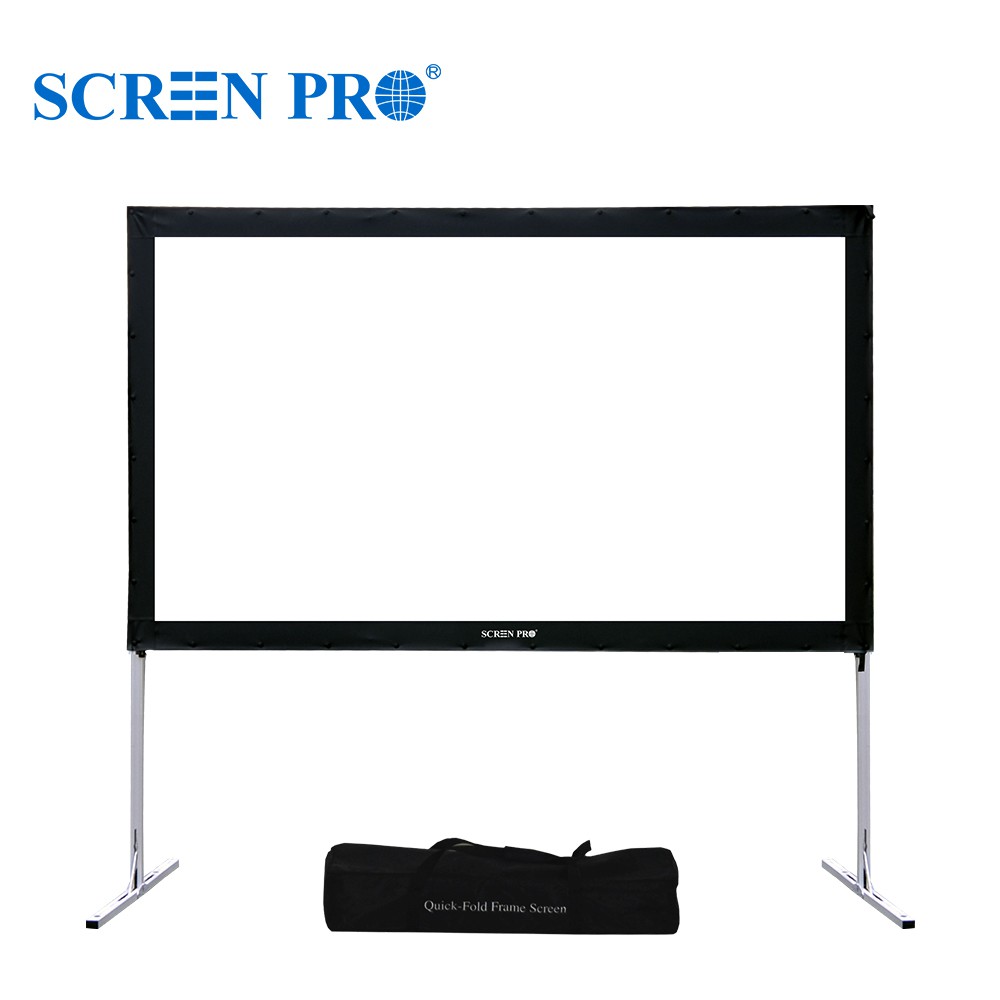
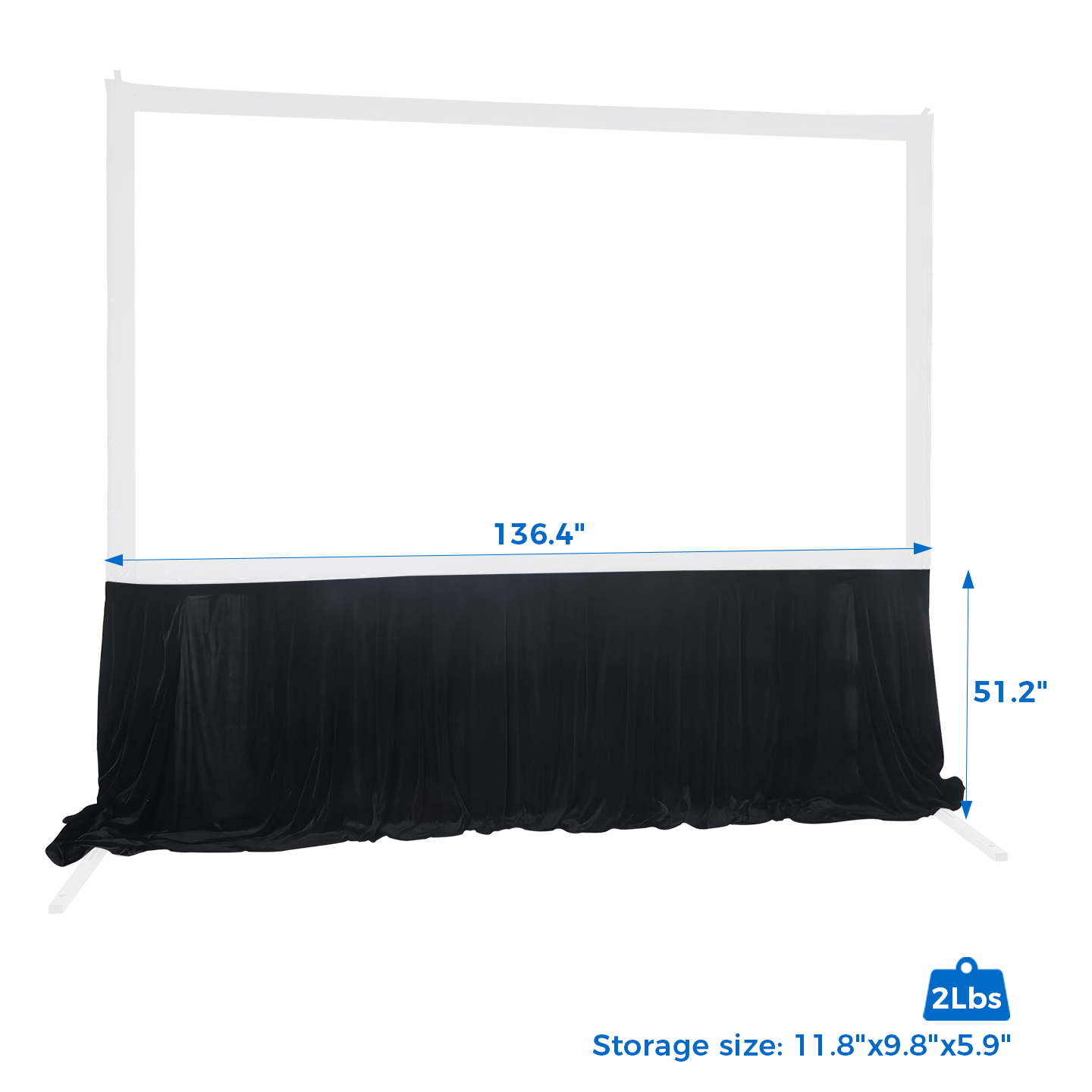
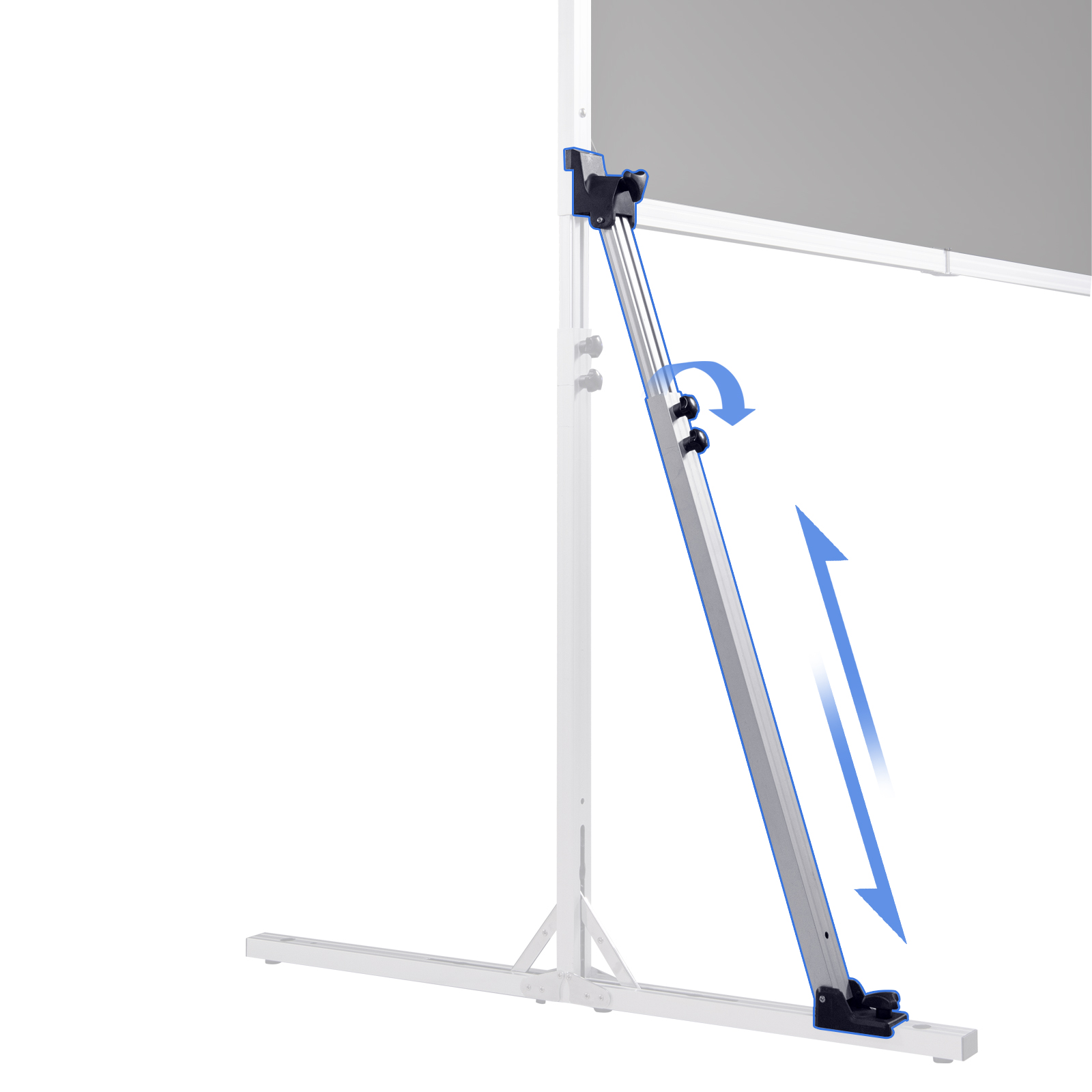
A fixed frame screen provided a permanently tensioned projection surface and a cinema-like appearance. It was especially well suited to dedicated theater rooms where the screen could remain visible at all times.
Motorized Screen
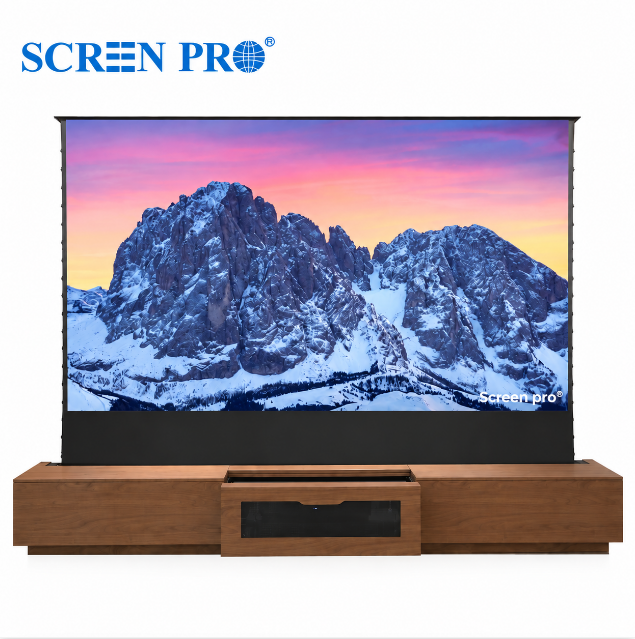
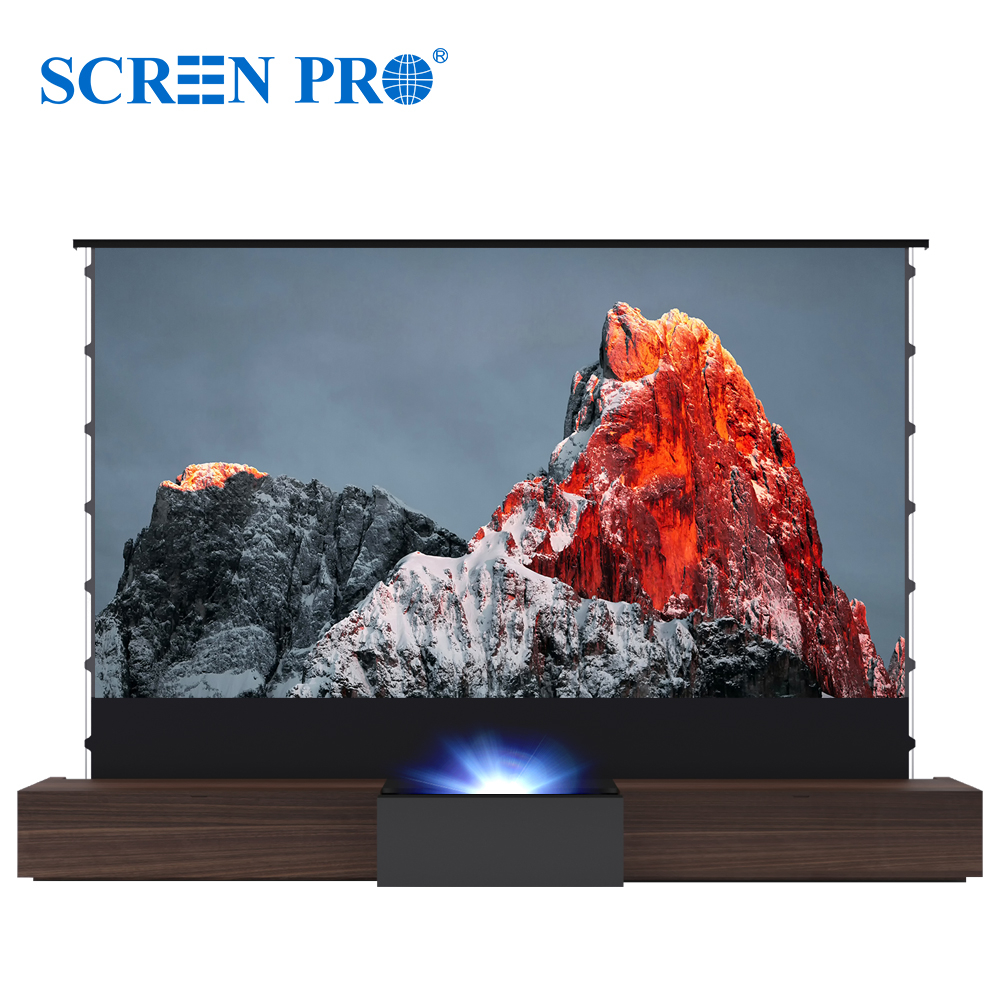
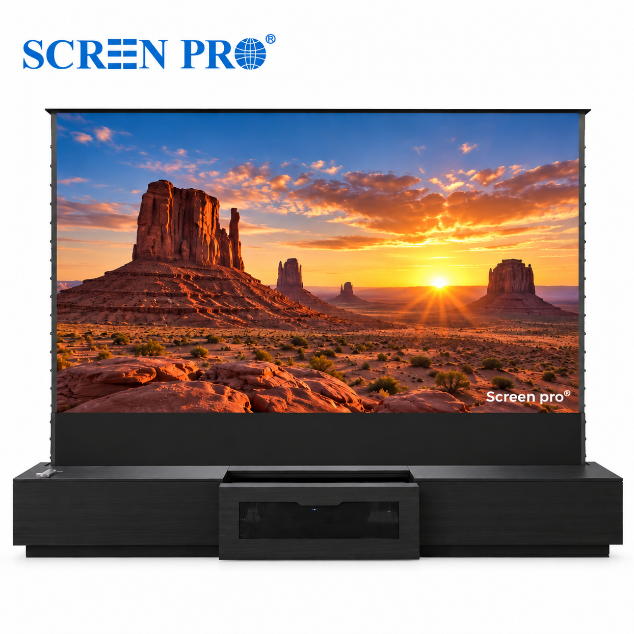
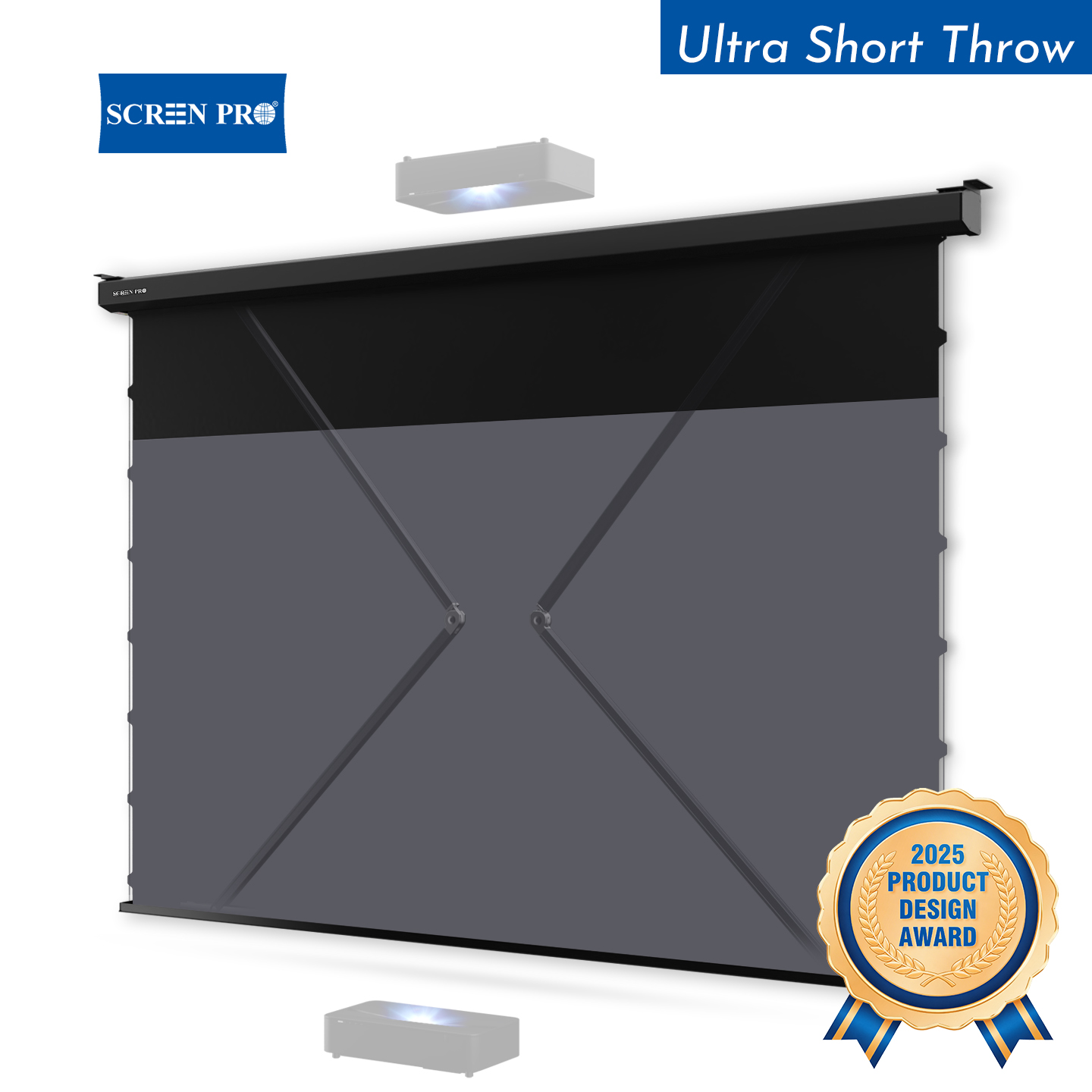
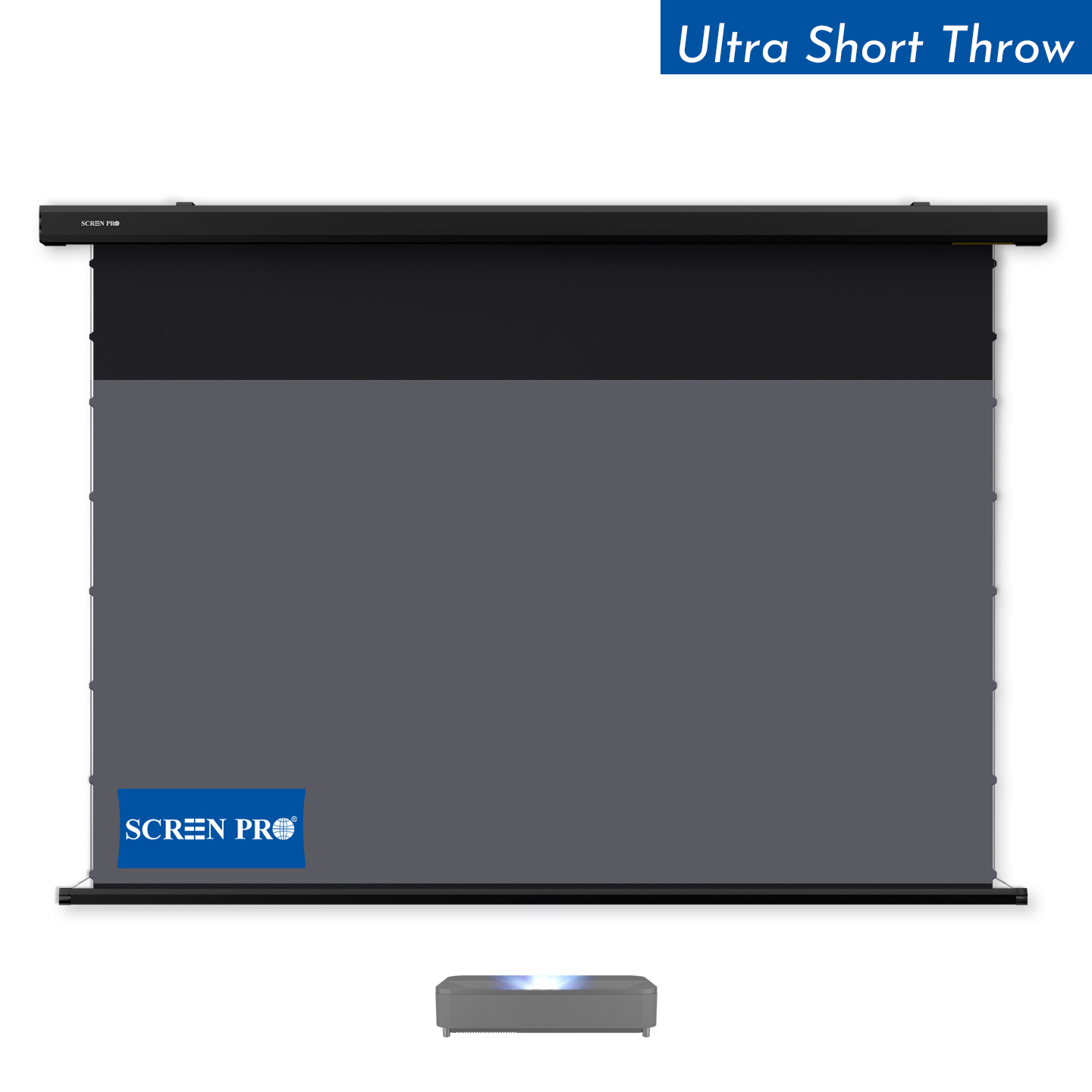
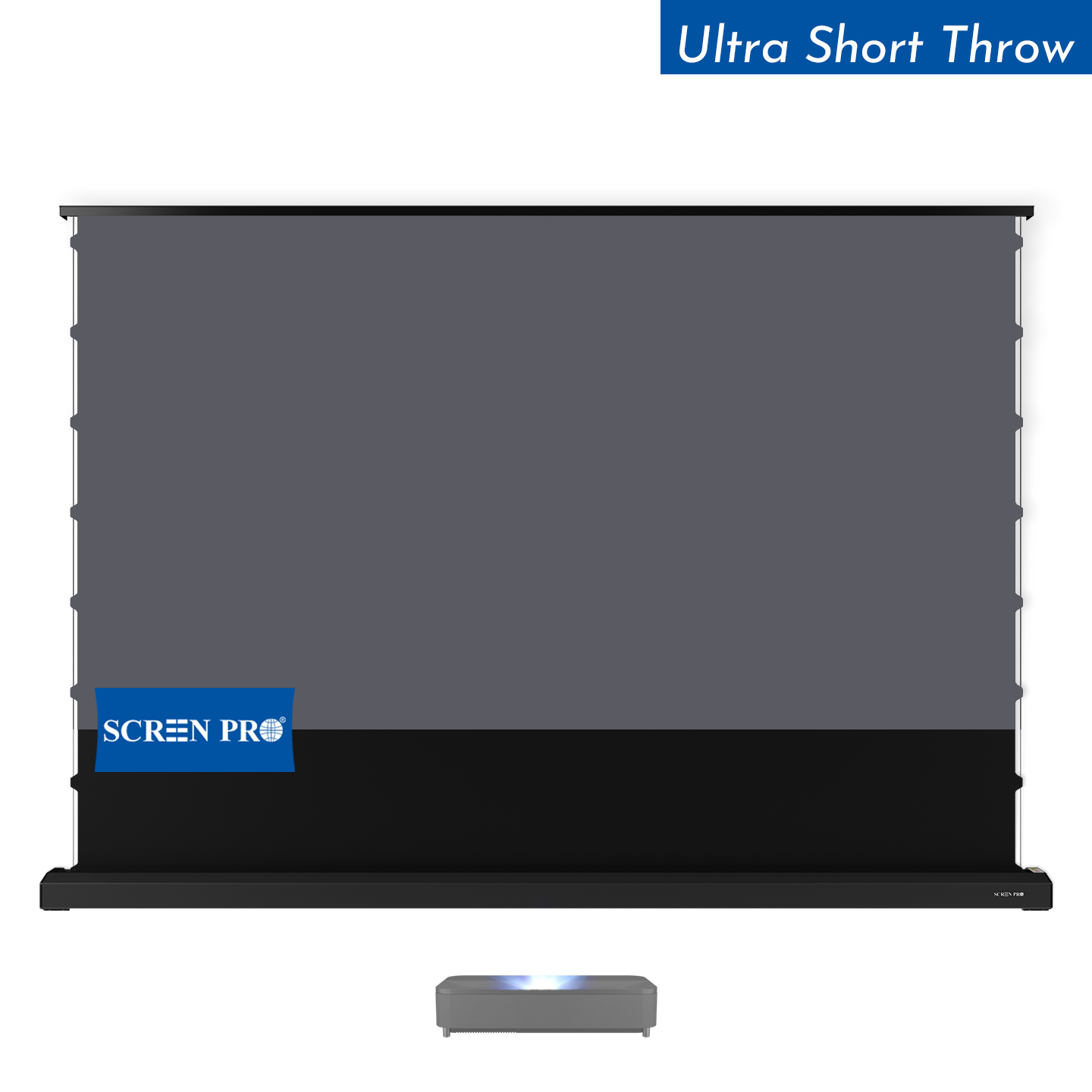
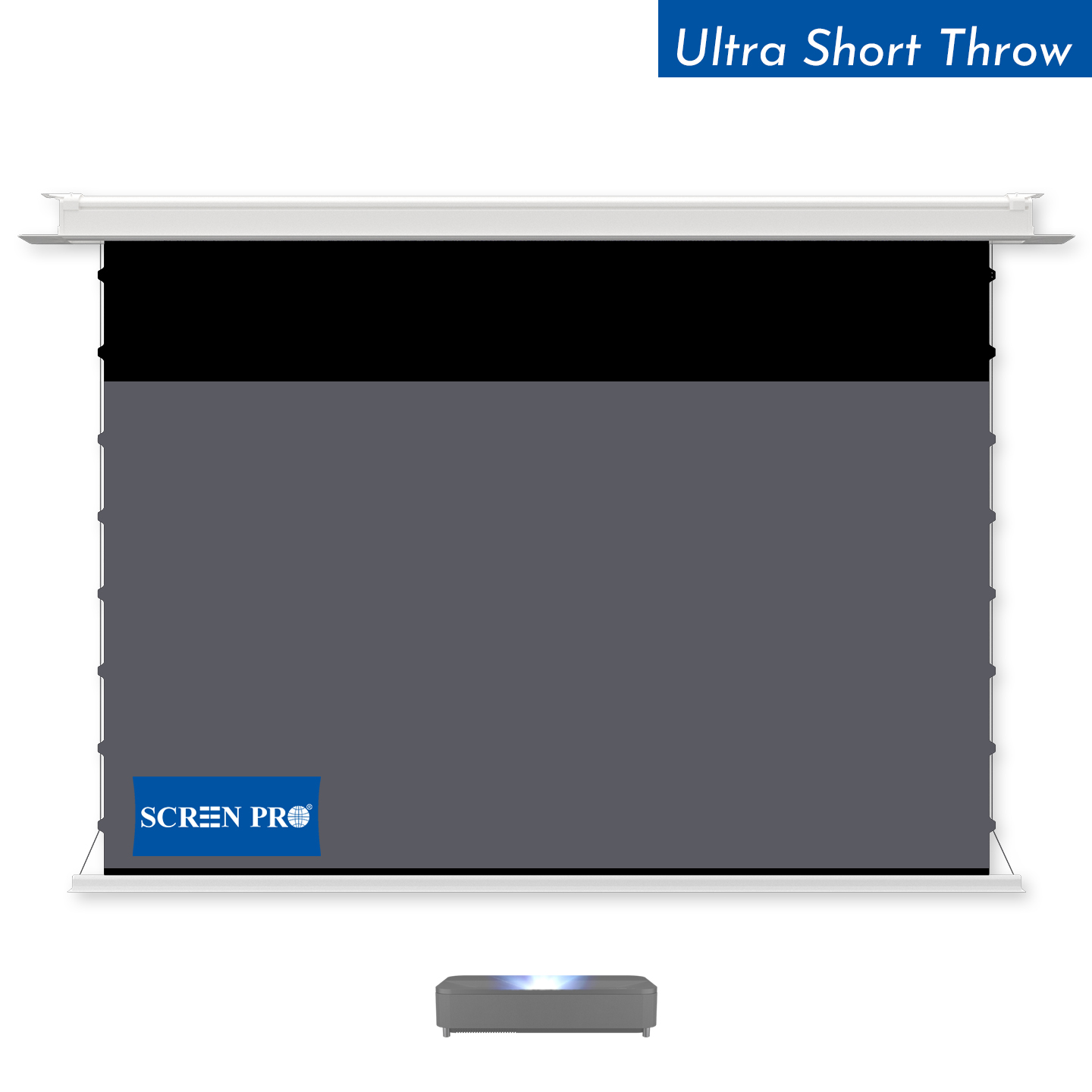
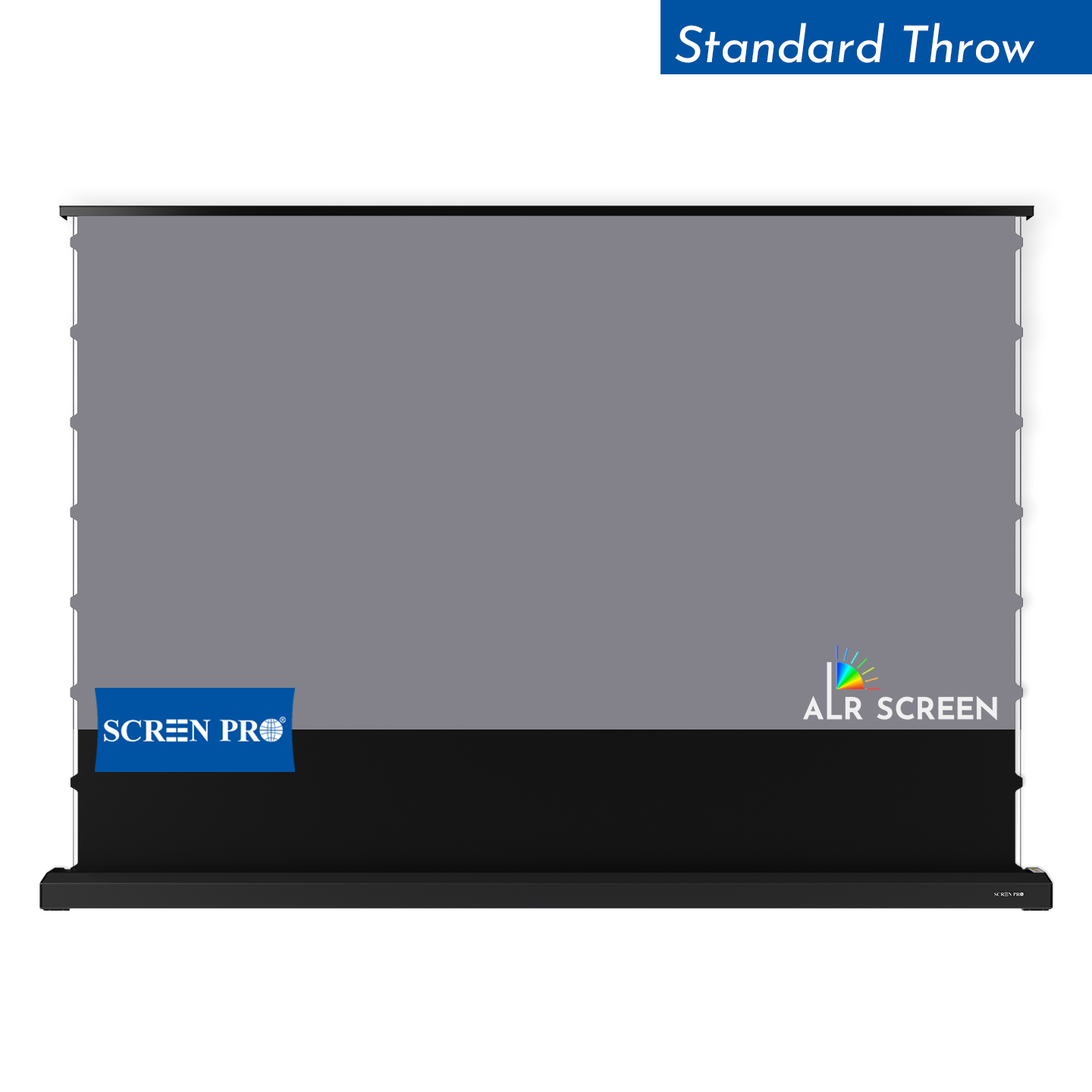
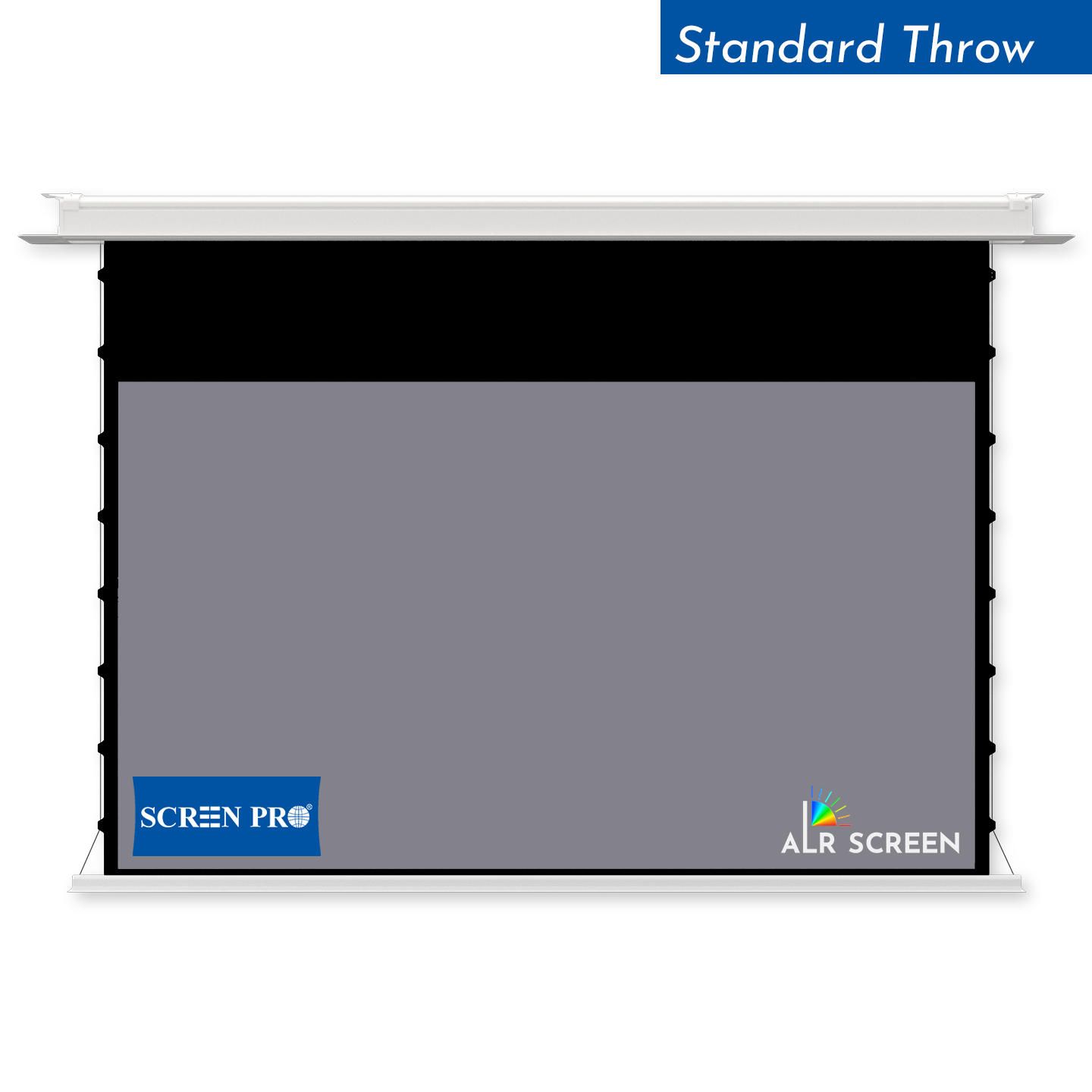
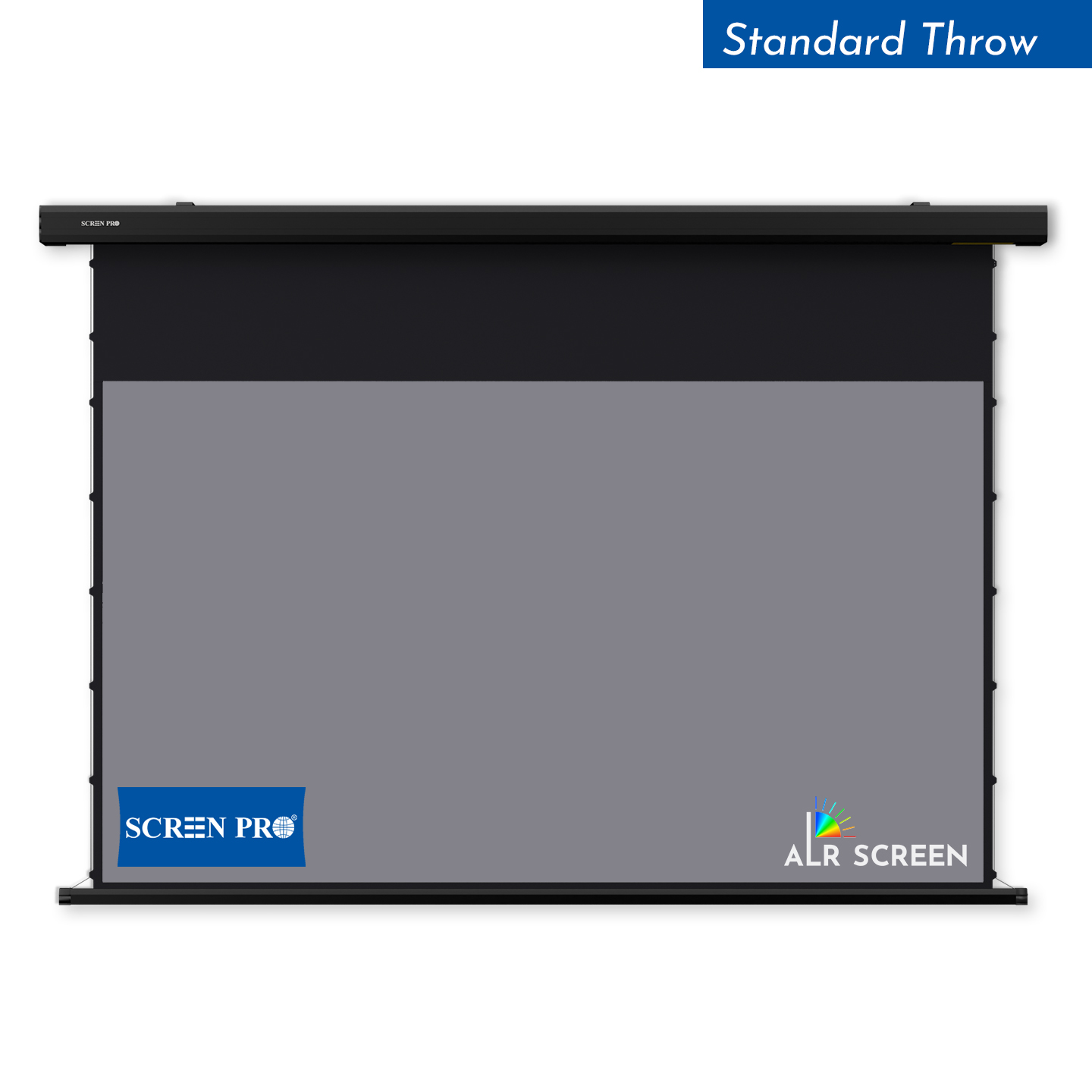
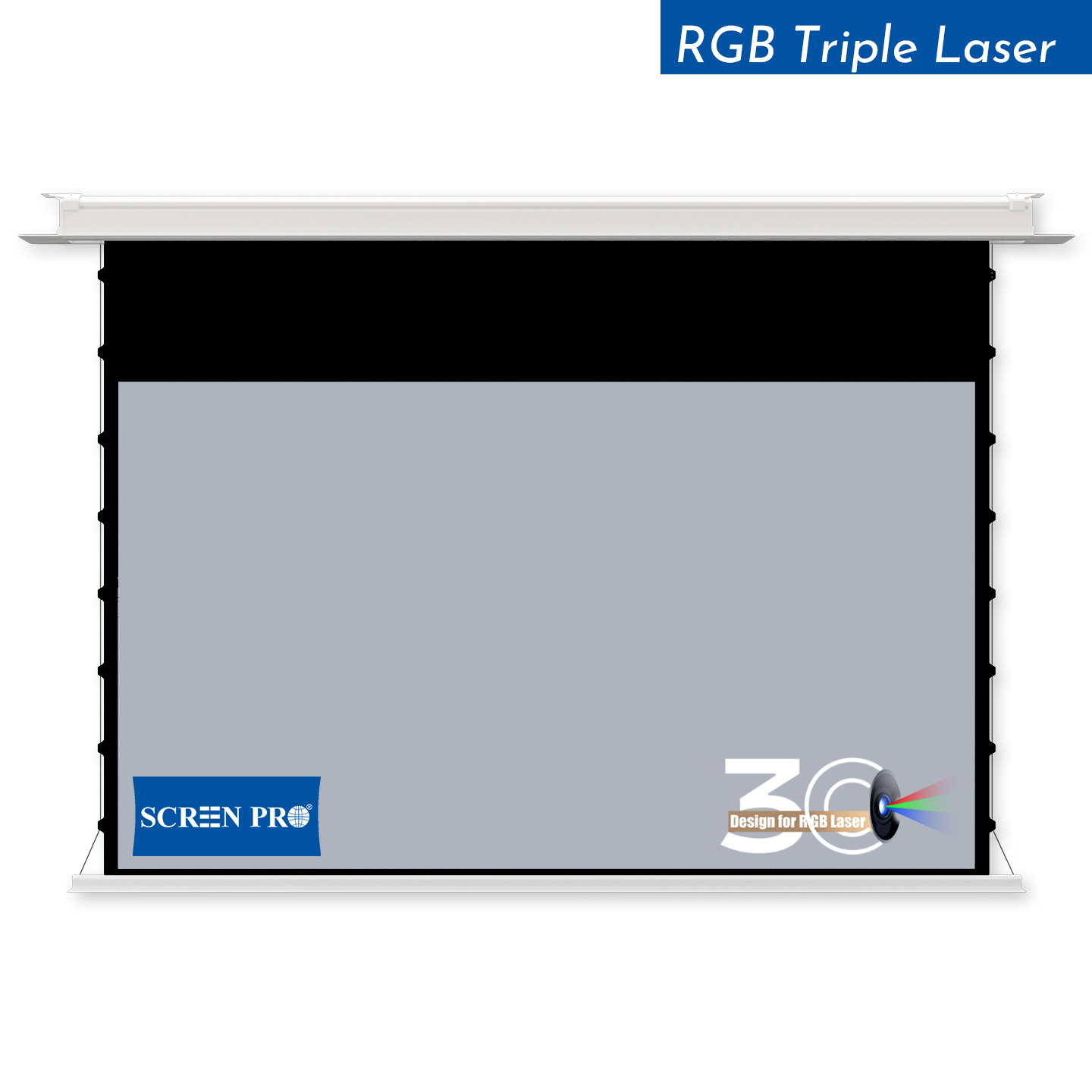
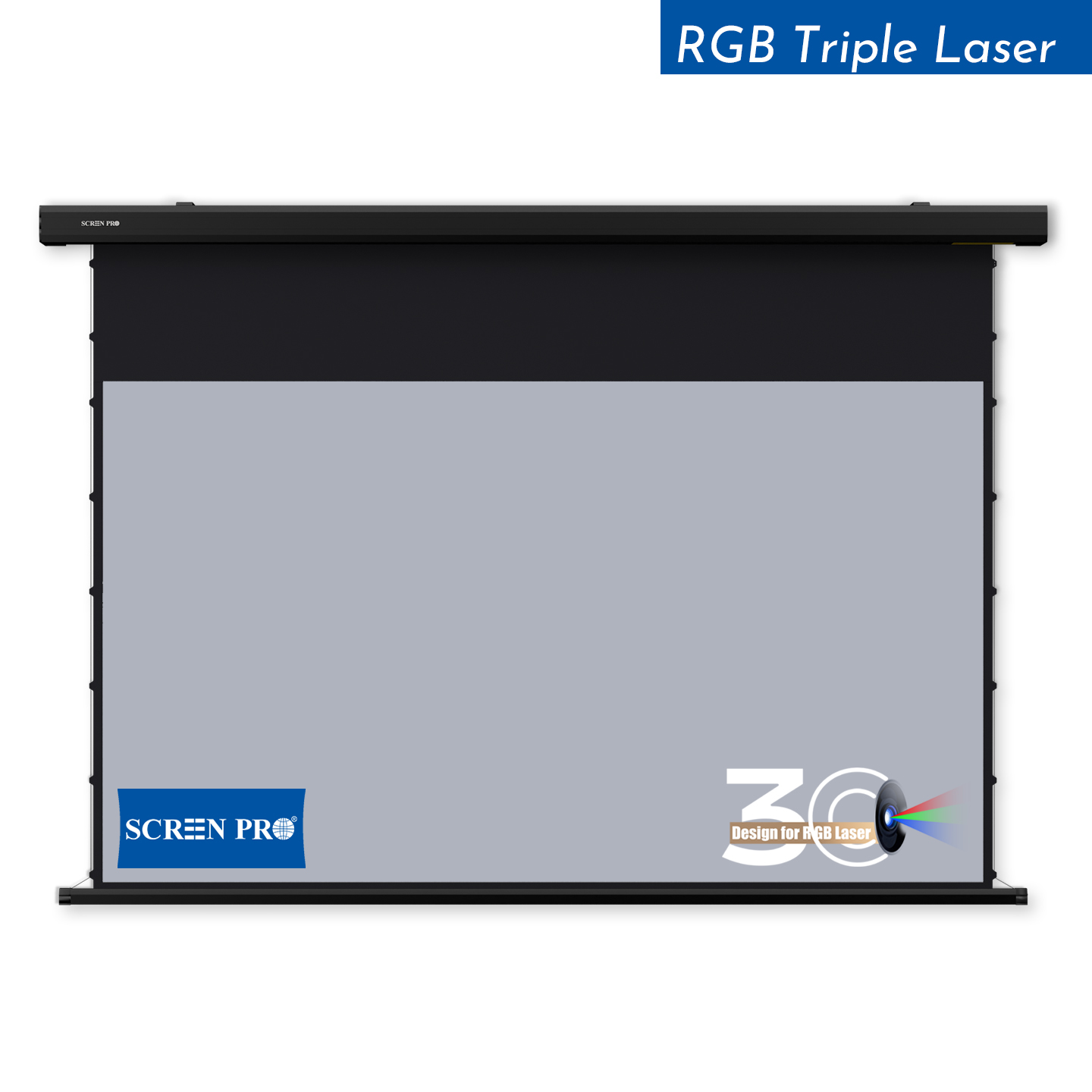
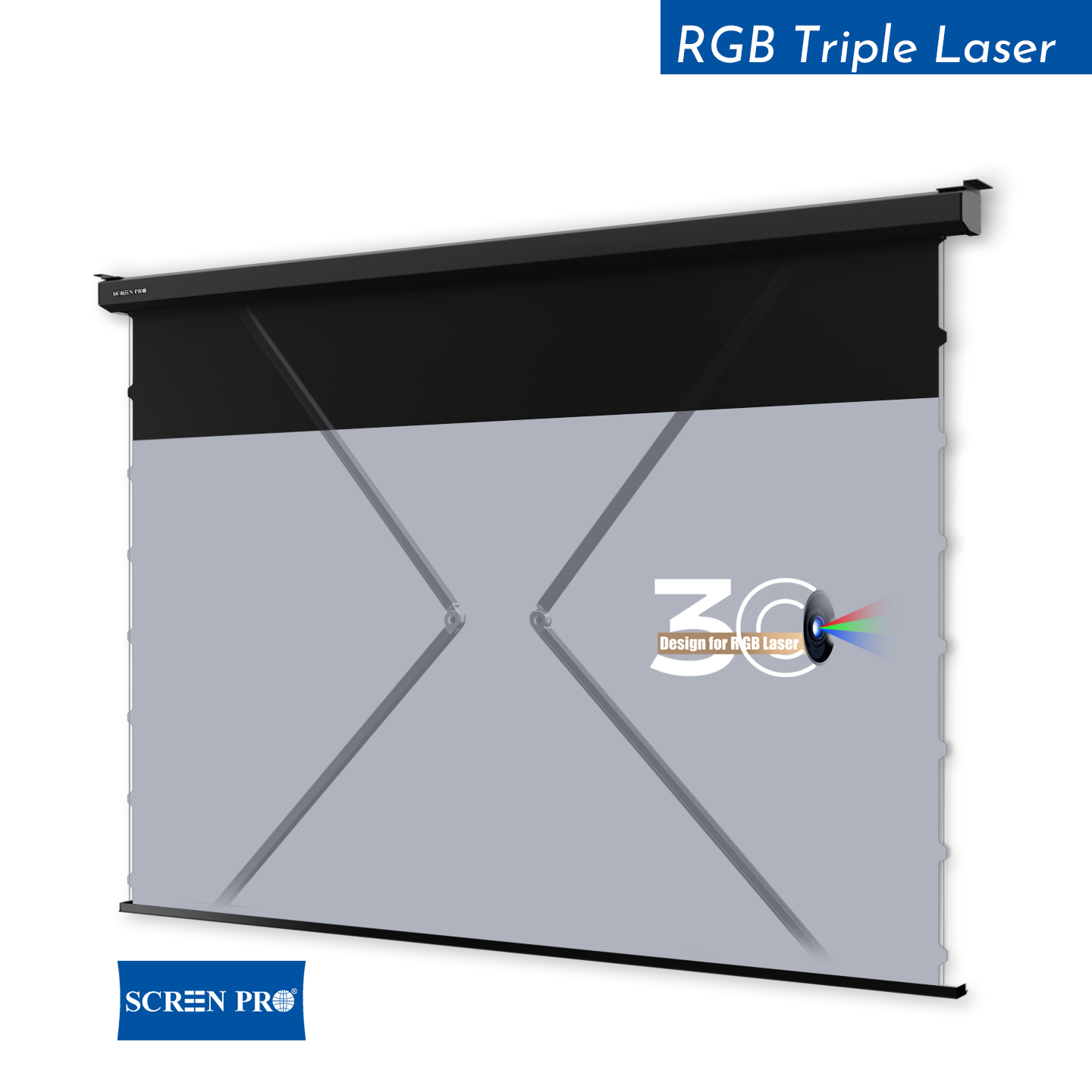
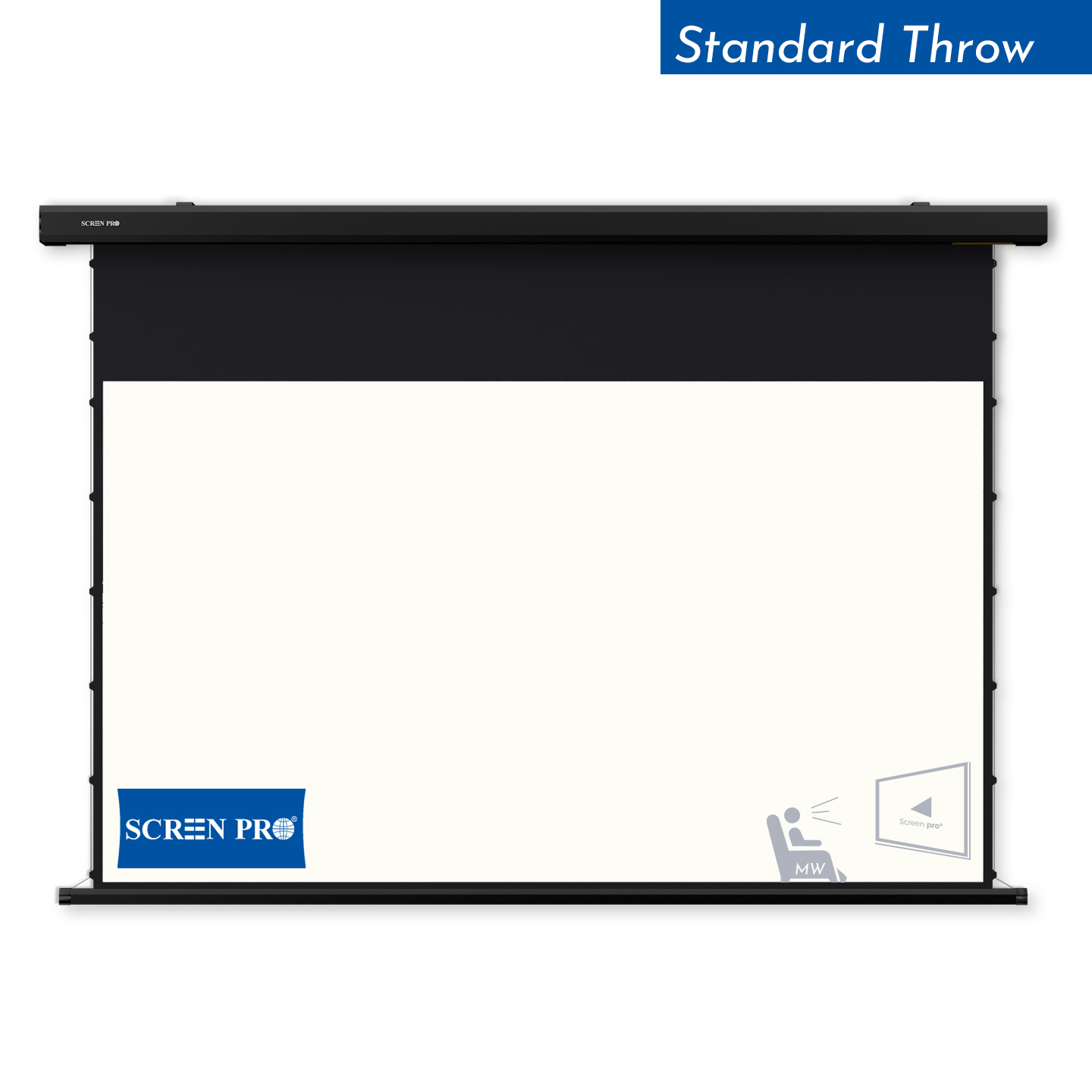
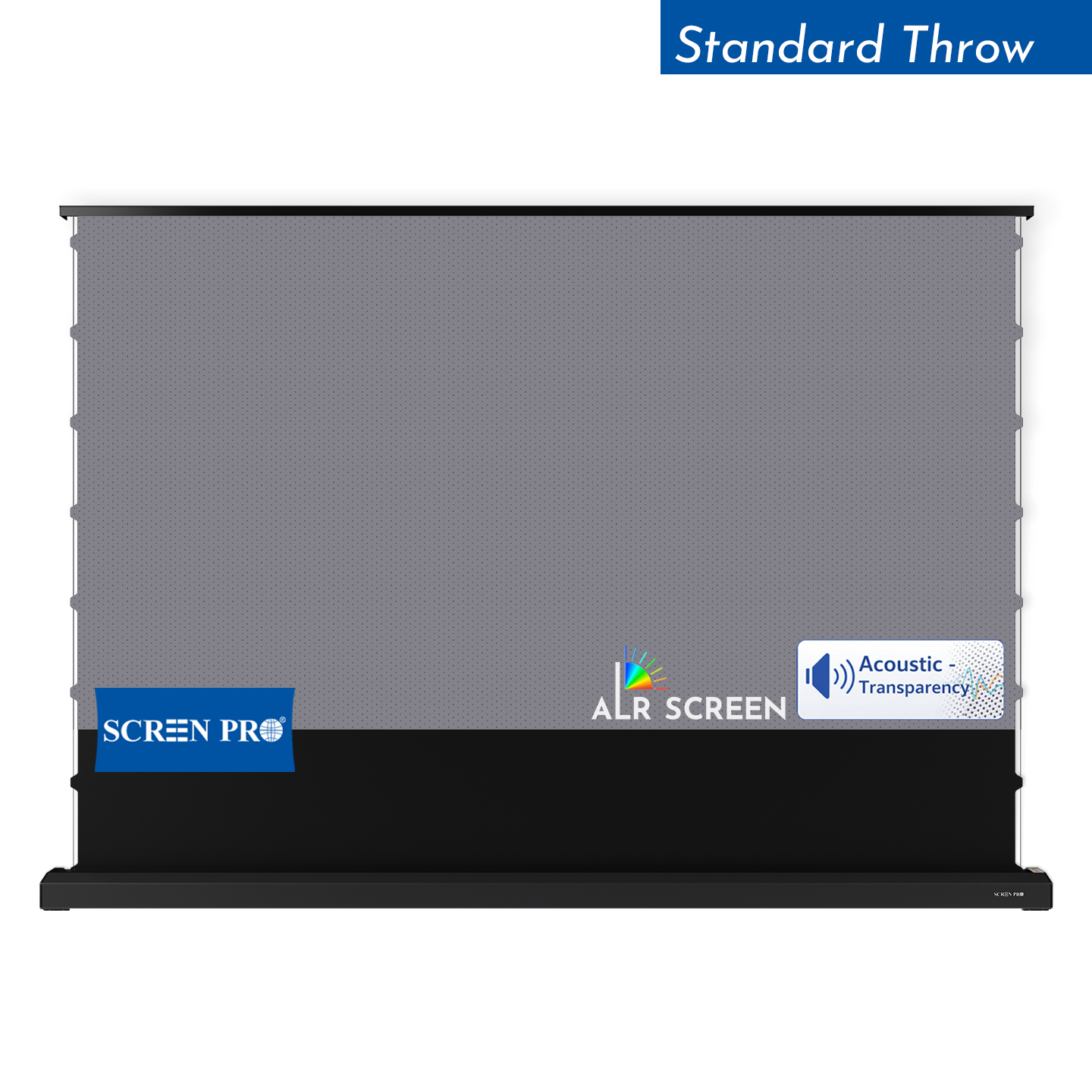
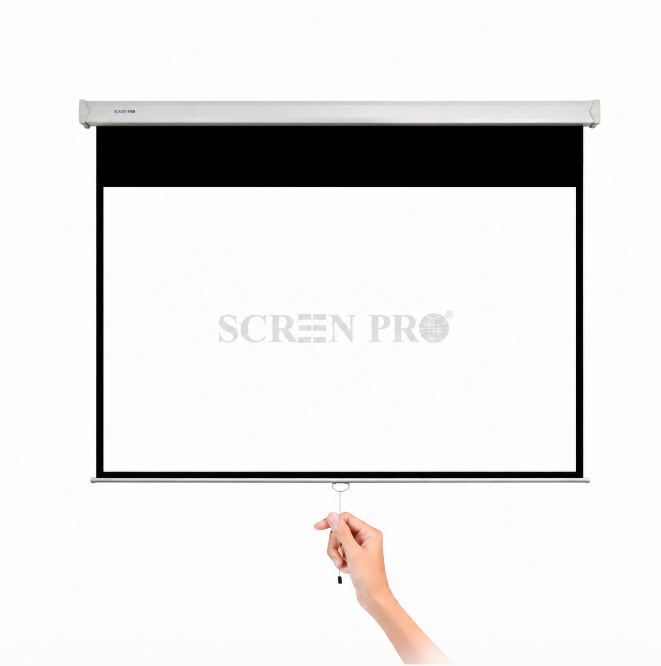
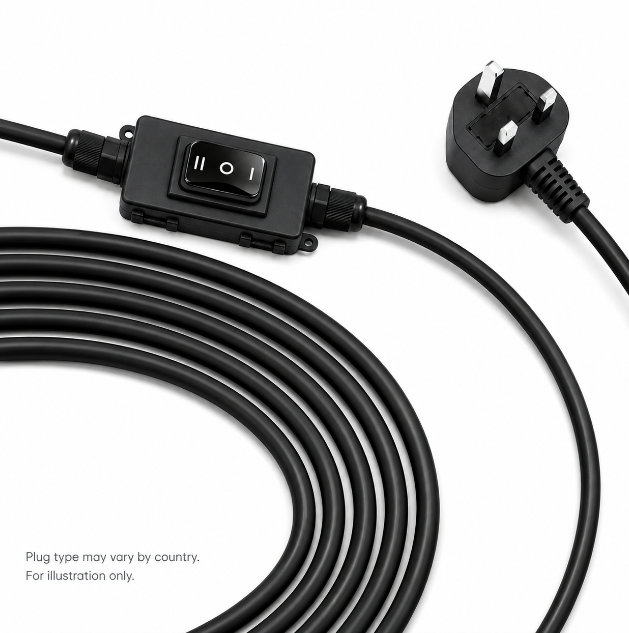
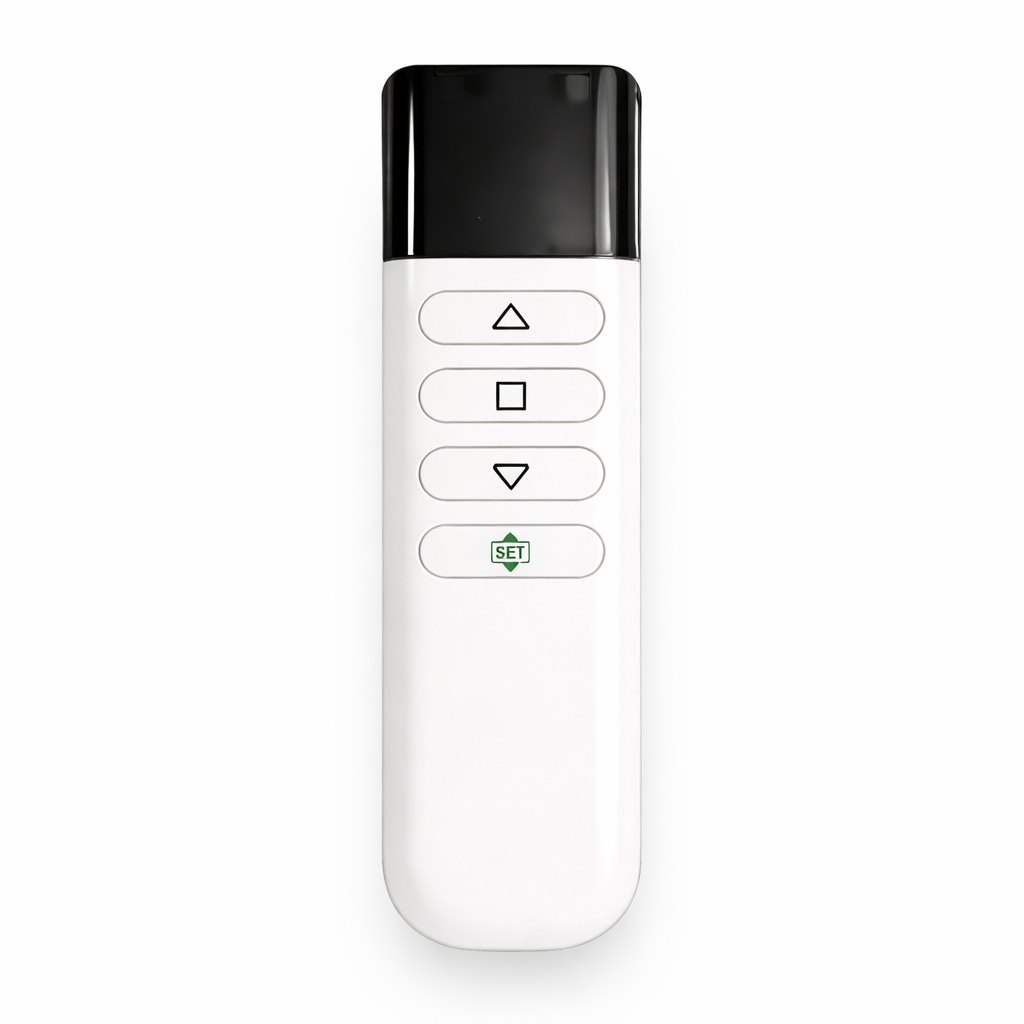
A motorized screen could disappear when not in use, making it attractive for living rooms and multipurpose spaces where the wall served more than one function.
For many buyers in 2017, the decision was straightforward: choose a fixed frame for a dedicated cinema and a retractable screen when flexibility and room aesthetics mattered more.
5. White or Grey Projection Surface?
Matte white screens remained a familiar reference point for home projection. In a dark, controlled room, a quality white surface could provide excellent brightness, neutral color reproduction and broad viewing angles.
Grey projection surfaces were increasingly considered for rooms where maintaining perceived black levels and contrast was more difficult. Rather than simply making the picture darker, the goal was to balance projector brightness with the room environment.
| Surface | Typical 2017 Use | Main Consideration |
|---|---|---|
| Matte White | Dedicated dark home theater | Natural image and wide viewing angle |
| Grey | Rooms with some ambient or reflected light | Improved perceived contrast |
| Acoustic Transparent | Cinema rooms with speakers behind the screen | Audio transparency and image quality |
6. Screen Gain Mattered
Screen gain describes how much light a projection surface reflected toward the audience compared with a reference surface. A gain around 1.0 was a common, balanced choice for many home theater installations.
Higher-gain surfaces could help increase perceived brightness, but there were trade-offs. Depending on the material, viewing angles could become narrower and brightness uniformity could be affected.
Lower-gain grey surfaces could support better perceived contrast in certain environments, but required sufficient projector brightness.
Screen gain could not be selected independently. Projector brightness, screen size, seating position, and room lighting all needed to be considered together.
7. 4K Was Changing Screen Expectations
By 2017, 4K UHD was becoming increasingly important in premium home theater. Higher-resolution projectors and content encouraged buyers to pay more attention to the texture and uniformity of the projection surface.
A projection screen does not create additional resolution, but surface texture, weave and perforation can influence how much fine image detail reaches the viewer. For a 4K-oriented system, a smooth and uniform screen surface was therefore an increasingly important consideration.
8. Acoustic Transparency for Dedicated Cinema Rooms
One of the defining features of a serious home cinema was the ability to position the front speakers behind the image, just as in a commercial movie theater.
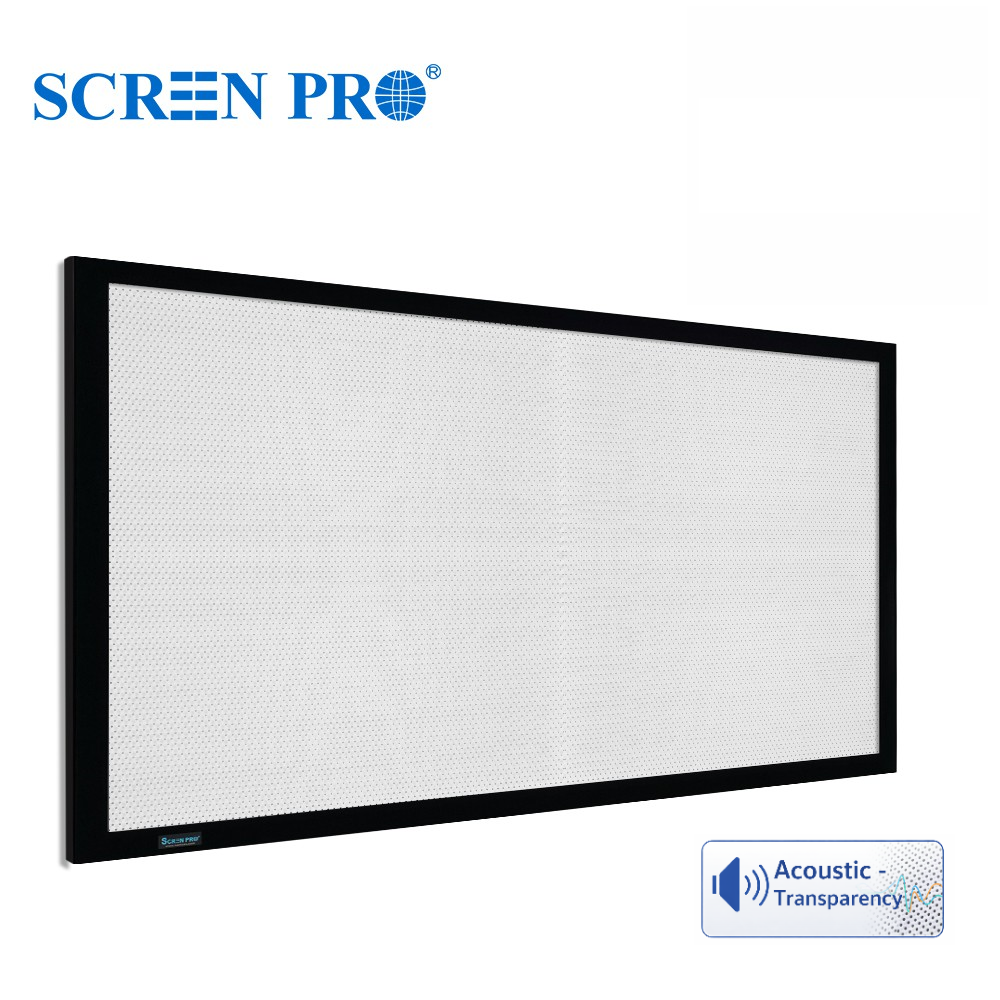
Acoustically transparent projection screens made this possible. Instead of placing the center speaker above or below the screen, installers could position the front soundstage behind the projected image.
Two common approaches were woven and perforated materials. Each required a balance between acoustic transmission, image quality, viewing distance, and installation requirements.
9. Ambient Light Rejection Was Emerging
Ambient light rejecting screen technology was already part of the projection market in 2017, particularly for installations that could not achieve complete light control.
However, screen selection was still strongly centered on conventional projection systems and traditional theater environments. ALR was generally considered a specialized solution rather than the default choice for every home theater.
The optical direction of the projector, room lighting, and viewing position all mattered when selecting these more specialized surfaces.
10. The Projector and Screen Had to Be Chosen Together
Perhaps the most important lesson from 2017 remains relevant today: a projector screen should never be selected in isolation.
Projector brightness, throw ratio, room dimensions, ambient light, screen size, seating distance, and intended content all influence which screen will perform best.
A premium screen material could not compensate for an incorrectly sized image, an incompatible projector position, or excessive uncontrolled room light. Good projection was — and still is — a complete system.
What Has Changed Since 2017?
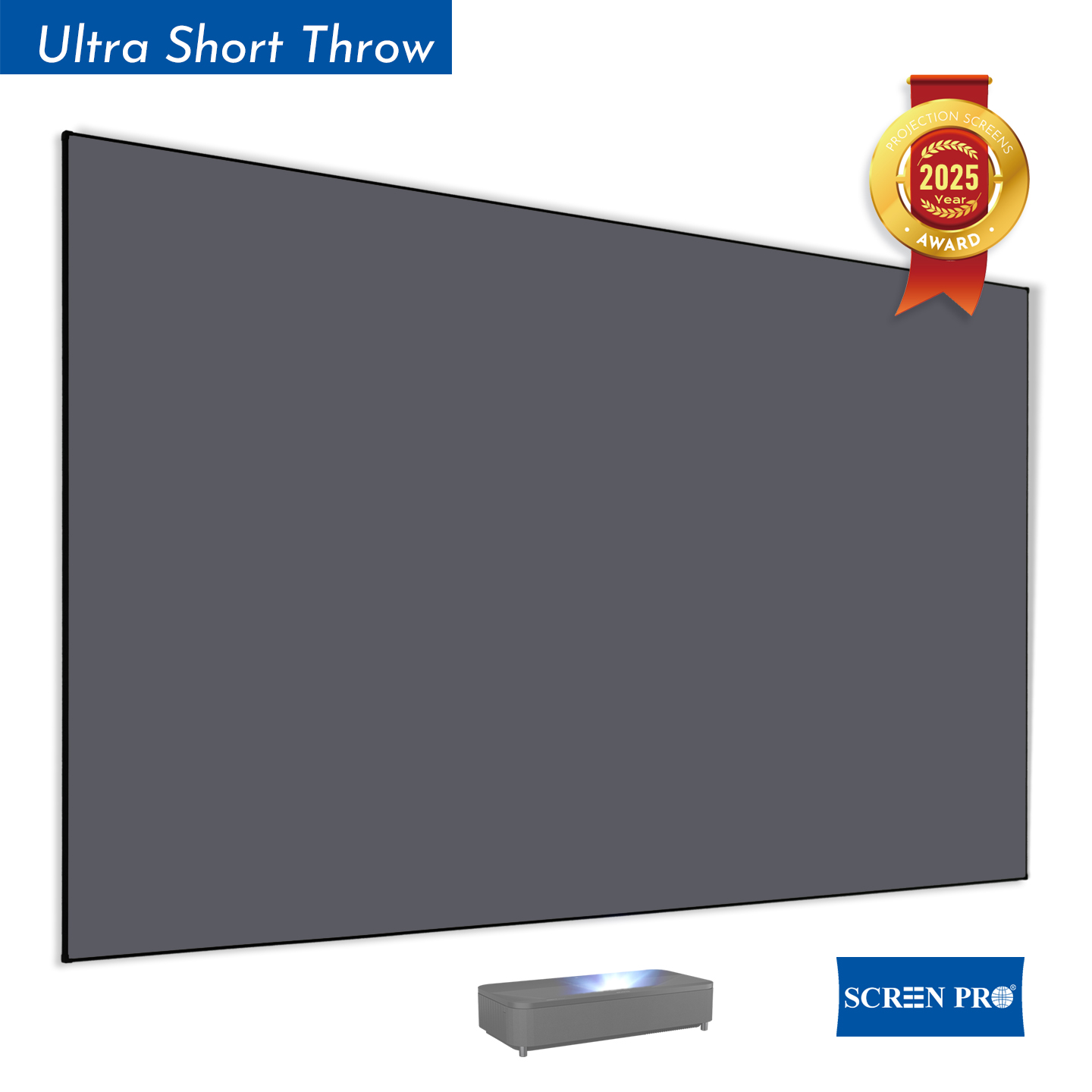
The fundamentals have not disappeared, but home projection has expanded significantly. Higher-resolution projectors, laser light sources, ultra-short-throw projection and increasingly sophisticated optical screen materials have created more choices for rooms that were once difficult environments for projection.
Today's screen selection can involve projector type, throw geometry, ambient-light direction, optical screen structure, acoustic transparency, motorized integration, and room architecture in addition to the traditional questions of size, aspect ratio, and gain.
Looking back at 2017 makes one thing clear: technology changes, but matching the screen to the projector and the room remains the foundation of a great projection system.
Choosing a Screen Today?
Explore today's projection screen options based on projector type, room environment, installation style, and screen material.
Find the Right Projection Screen