





How to Hide a Surface-Mounted Projector Screen
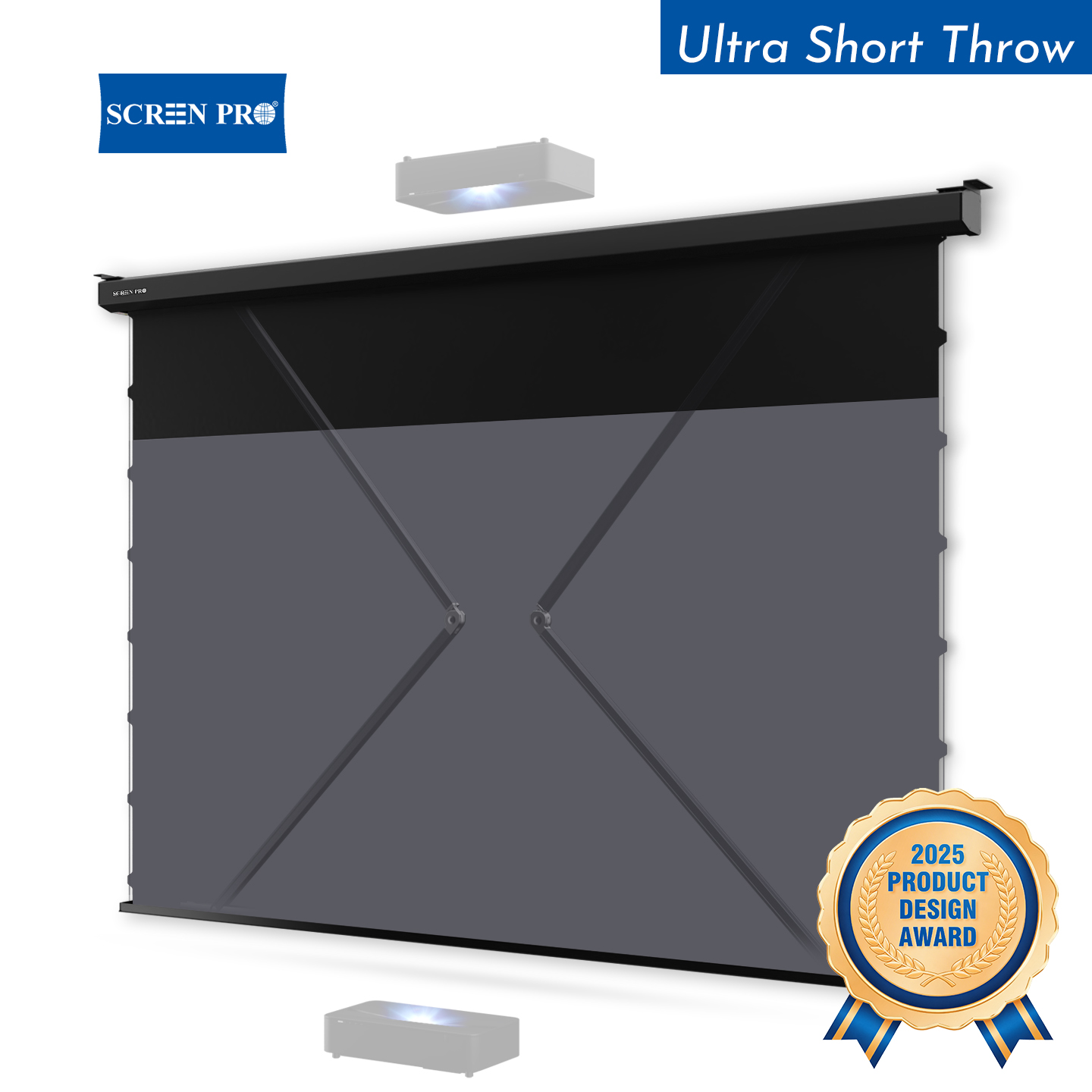
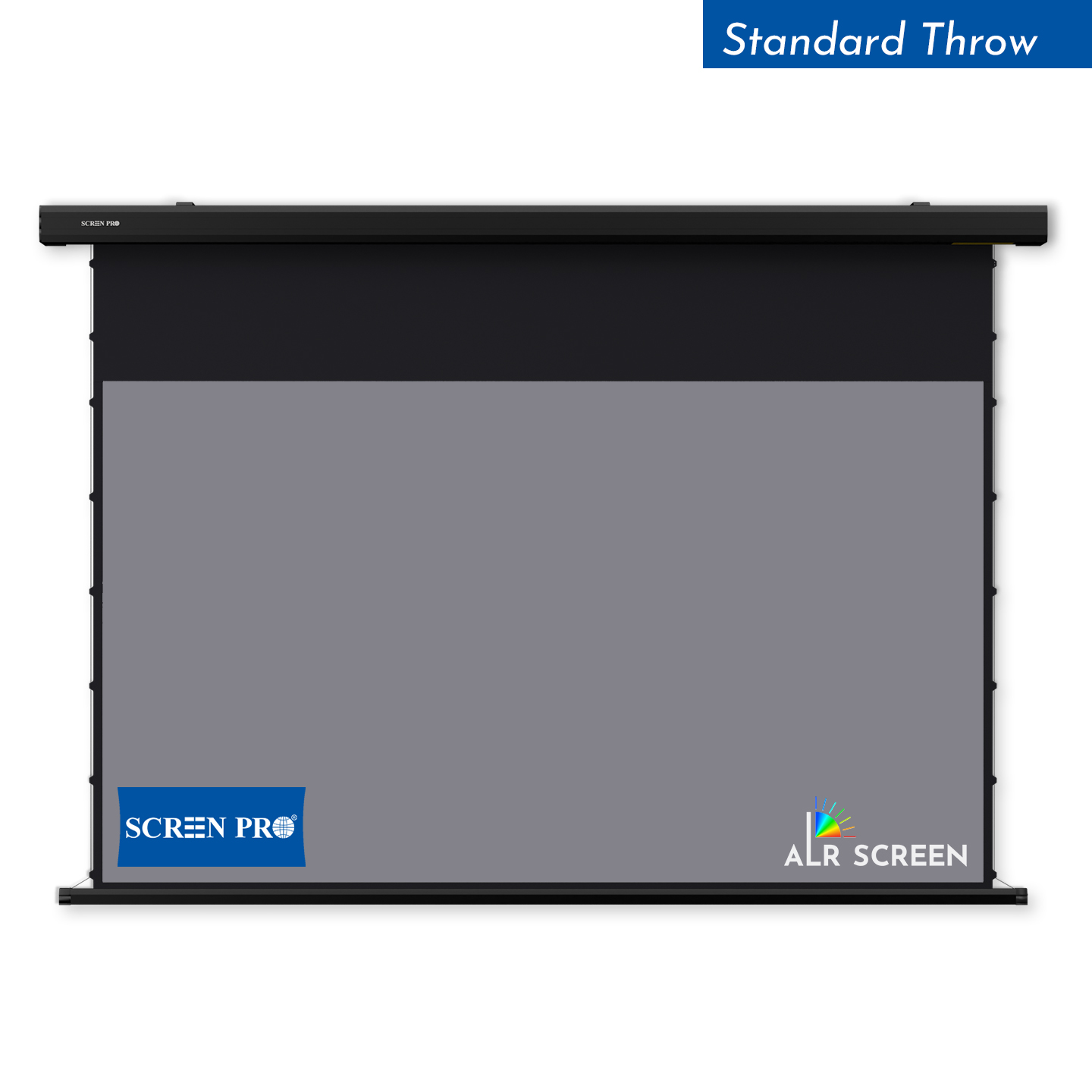
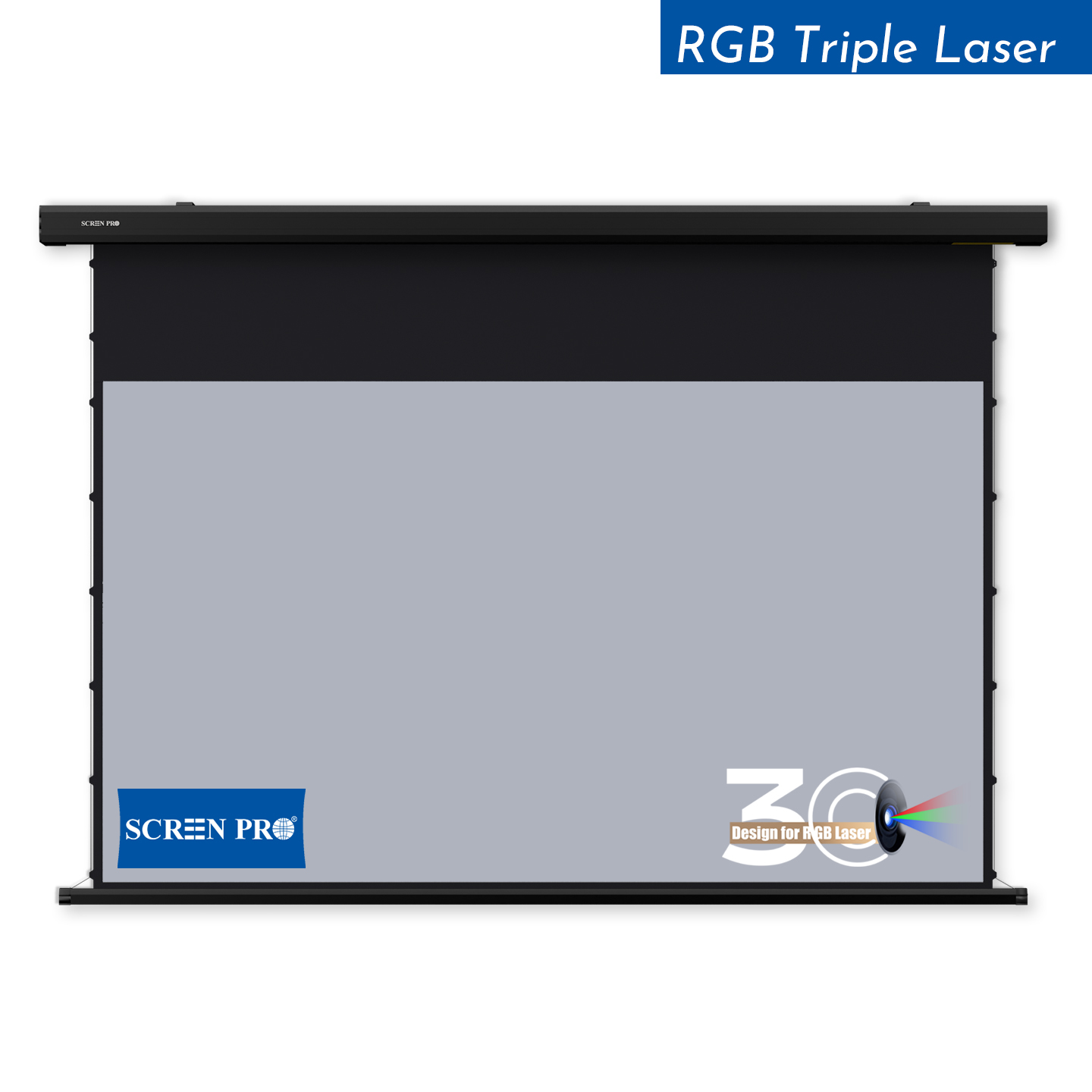
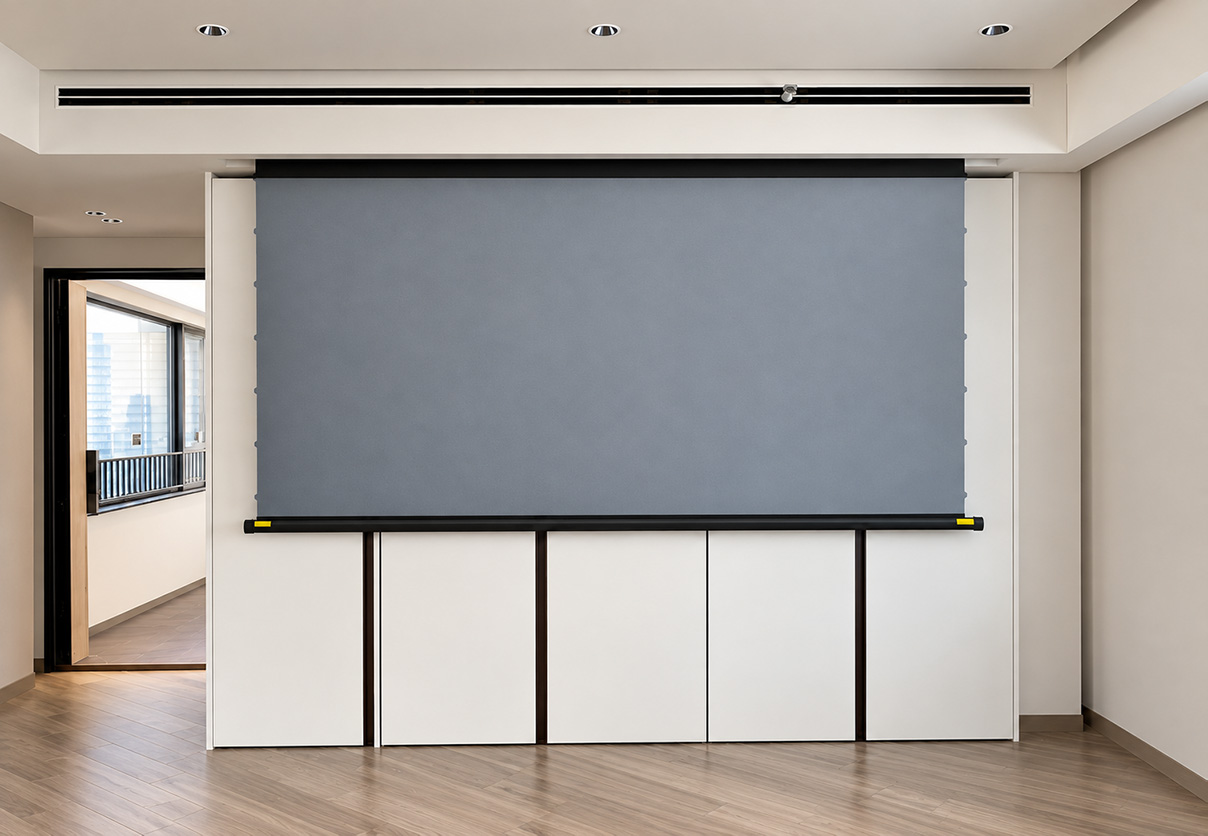
A projector screen does not have to be a recessed model to disappear into the room. With the right ceiling detail, curtain pelmet, soffit or cabinetry, a standard surface-mounted motorized screen can achieve a clean, almost built-in appearance.
Recessed projector screens are often associated with clean, minimalist interiors. But in many renovation projects, existing ceilings cannot be opened, structural conditions make recessed installation difficult, or a surface-mounted screen simply offers easier installation and maintenance.
The good news is that the screen housing itself does not necessarily need to be installed inside the ceiling.
Instead, the architecture around the screen can be designed to visually conceal the housing while keeping the screen accessible for service.
Why Hide a Surface-Mounted Projector Screen?
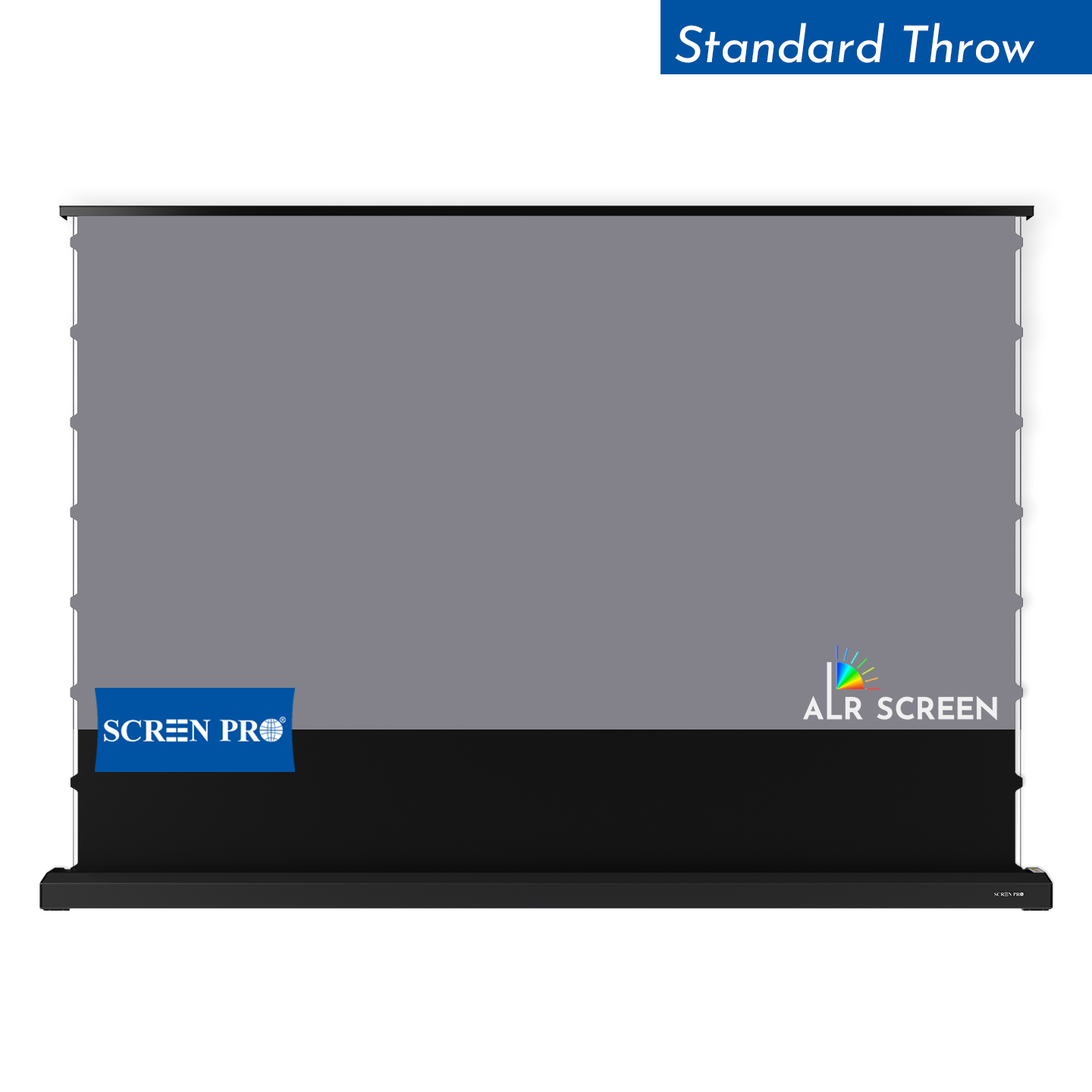
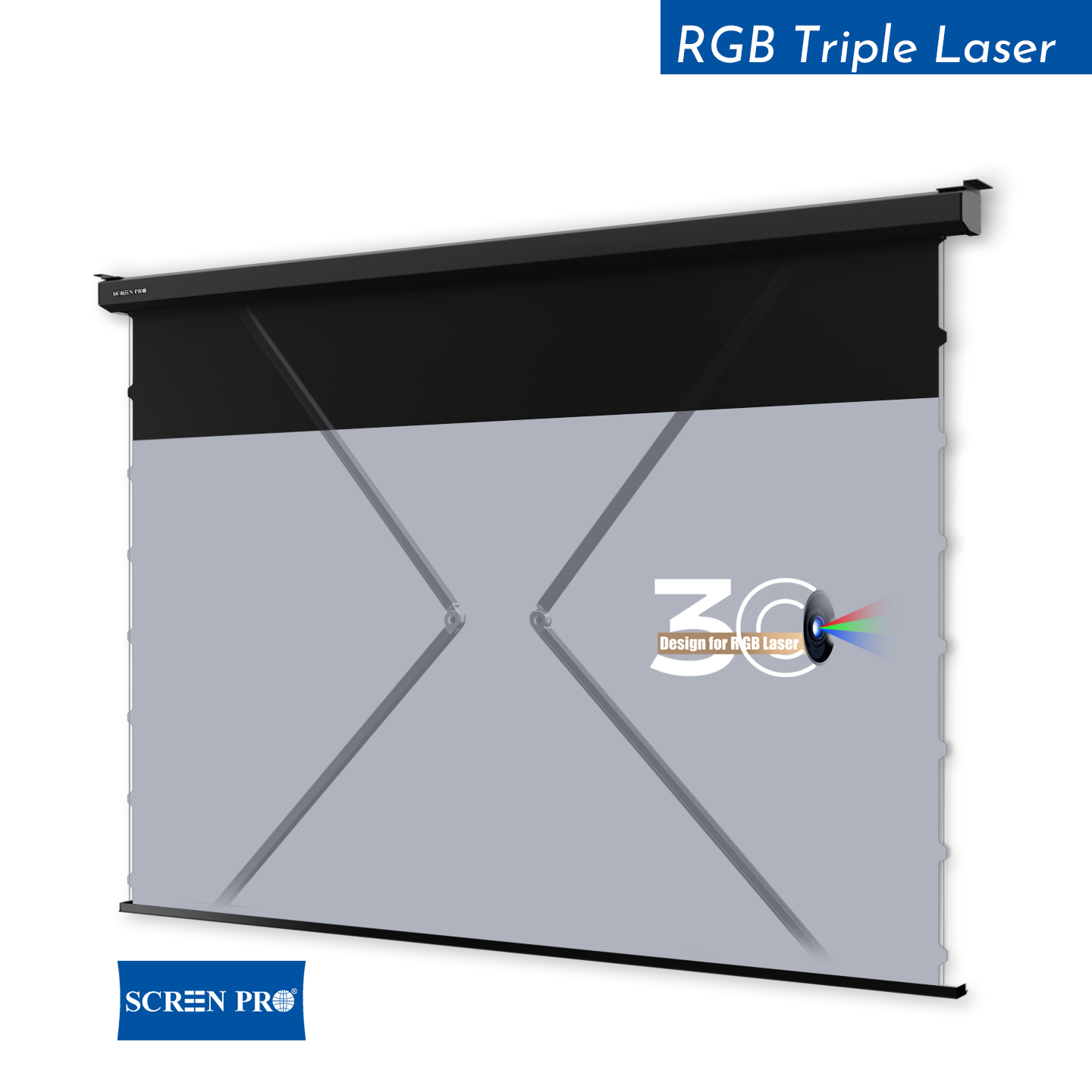
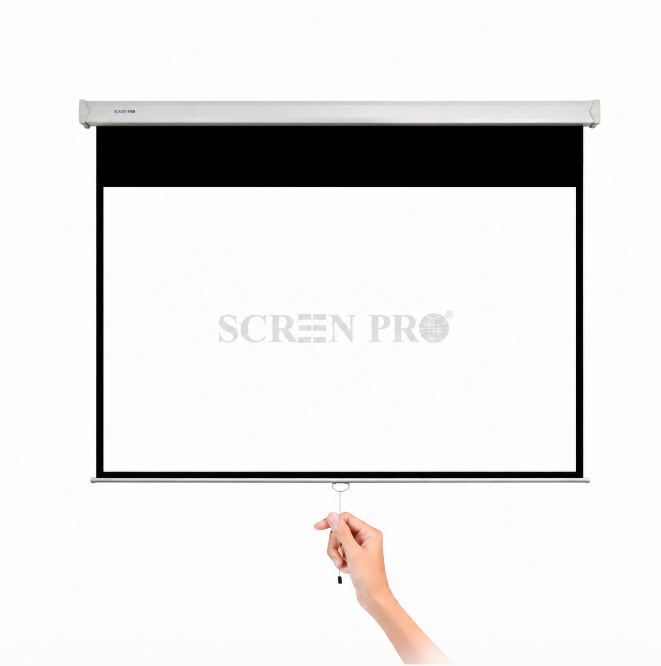
A surface-mounted motorized screen is normally fixed directly to the ceiling or wall. This makes installation straightforward, but the screen housing remains visible when the screen is retracted.
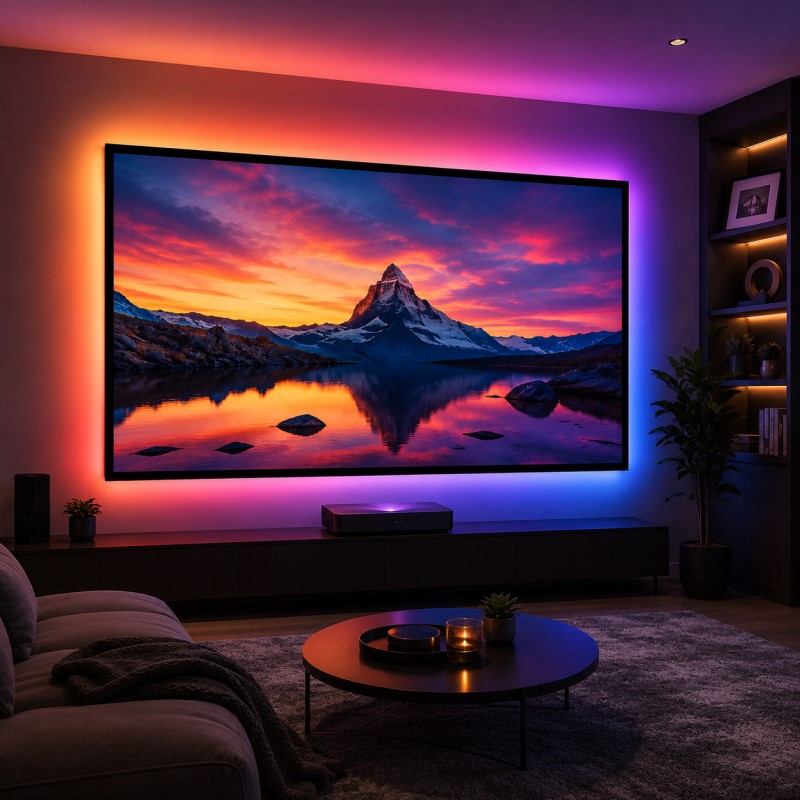
In home cinemas, luxury living rooms, executive meeting spaces and hospitality environments, designers often want the projection system to disappear when it is not being used.
Cleaner Interior Design
The projection system becomes part of the architecture rather than appearing as an added AV device.
Easier Maintenance
Unlike a fully recessed housing, a concealed surface-mounted screen can often remain easier to remove or service.
Better for Renovations
Concealment can often be added without opening the entire ceiling or making major structural modifications.
More Screen Choices
You can retain the flexibility of a conventional motorized screen while creating a visually recessed result.
1. Hide the Screen Inside a Curtain Pelmet
One of the simplest solutions is to install the projector screen inside a curtain pelmet, curtain box or window valance.
This works especially well when the screen is installed in front of a window. The curtain track and projector screen can share the same architectural zone, creating one continuous ceiling detail.
Typical arrangement
Ceiling → pelmet or curtain box → screen housing → projection surface.
When the screen retracts, the housing visually disappears behind the front edge of the pelmet.
A key advantage is that the screen itself remains a standard surface-mounted unit. The concealment is created by the surrounding interior construction rather than by a specialized recessed screen case.
2. Build a Shallow Ceiling Soffit
If the room does not already have a curtain box, a shallow false-ceiling section or soffit can be built specifically around the screen.
The soffit only needs to be deep enough to visually cover the screen housing. This is often much simpler than creating a full recessed ceiling cavity.
The bottom opening should also allow the projection fabric and bottom bar to travel freely without rubbing against the decorative structure.
3. Integrate the Screen Into Cabinetry
A motorized projector screen can also be incorporated into custom millwork, wall cabinetry or a media wall.
This approach is particularly effective in living rooms where the projection system needs to coexist with a TV, speakers, shelving or decorative finishes.
Above a TV Wall
Install the screen housing behind the upper trim of the media wall, allowing the screen to descend in front of the television when needed.
Inside Custom Joinery
The housing can sit inside an upper cabinet with a narrow slot beneath it for the projection surface.
Always consider ventilation, electrical access and service access before fully enclosing the screen housing.
4. Create a Decorative Ceiling Slot
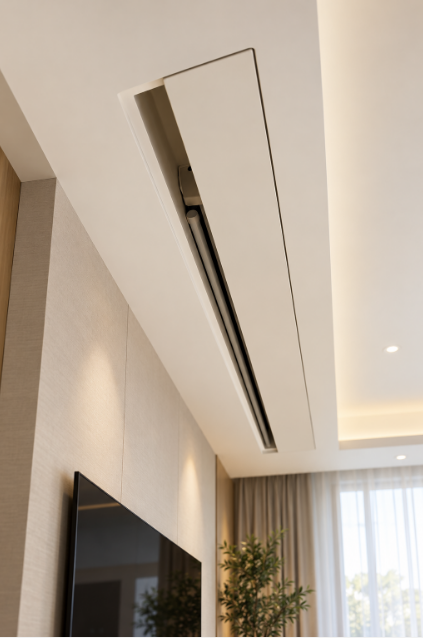
Another minimalist solution is to create a narrow ceiling slot directly below the screen housing.
From normal viewing angles, users see only a clean linear opening in the ceiling. The screen surface drops through this opening when activated.
This technique can create a visual effect similar to a recessed ceiling screen without requiring the actual motorized housing to sit inside a dedicated recessed enclosure.
5. Position the Screen Behind an Architectural Beam
Existing ceiling beams, decorative timber features, acoustic structures or lighting channels can sometimes be used to hide a projector screen naturally.
Rather than adding a new enclosure, the screen housing is installed behind the architectural element so that it is hidden from the normal viewing position.
This is particularly useful in commercial interiors, restaurants, meeting rooms and multi-purpose spaces where exposed architectural features are already part of the design.
6. Hide the Projector at the Same Time
For a truly integrated installation, hiding only the screen may not be enough. The projector itself can also be concealed.
One solution is a motorized projector lift. When the projection system is not being used, both the projector and projection screen remain visually hidden.
When activated, the projector descends from the ceiling while the screen lowers into the viewing position.
Complete Ceiling Integration
Motorized screen + motorized projector lift + automation control can create a complete disappearing projection system.
SCREENPRO offers motorized projection screens, projector lift solutions and AV control options for residential and commercial installations.
Important Dimensions and Installation Details
Concealing a surface-mounted screen is primarily an architectural solution, but several technical details should be considered before construction begins.
| Item | What to Check |
|---|---|
| Screen housing size | Confirm the actual case width, height and depth before building the enclosure. |
| Fabric opening | The slot must provide enough clearance for the projection surface and bottom bar. |
| Service access | Provide access to the motor, controls and mounting brackets. |
| Power supply | Plan electrical wiring before closing the ceiling or cabinetry. |
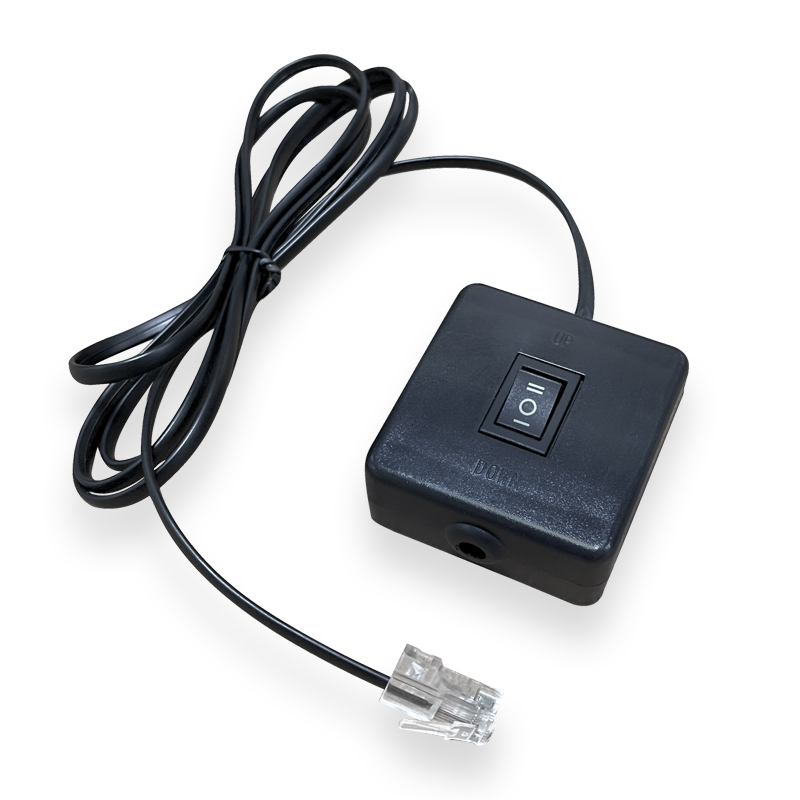
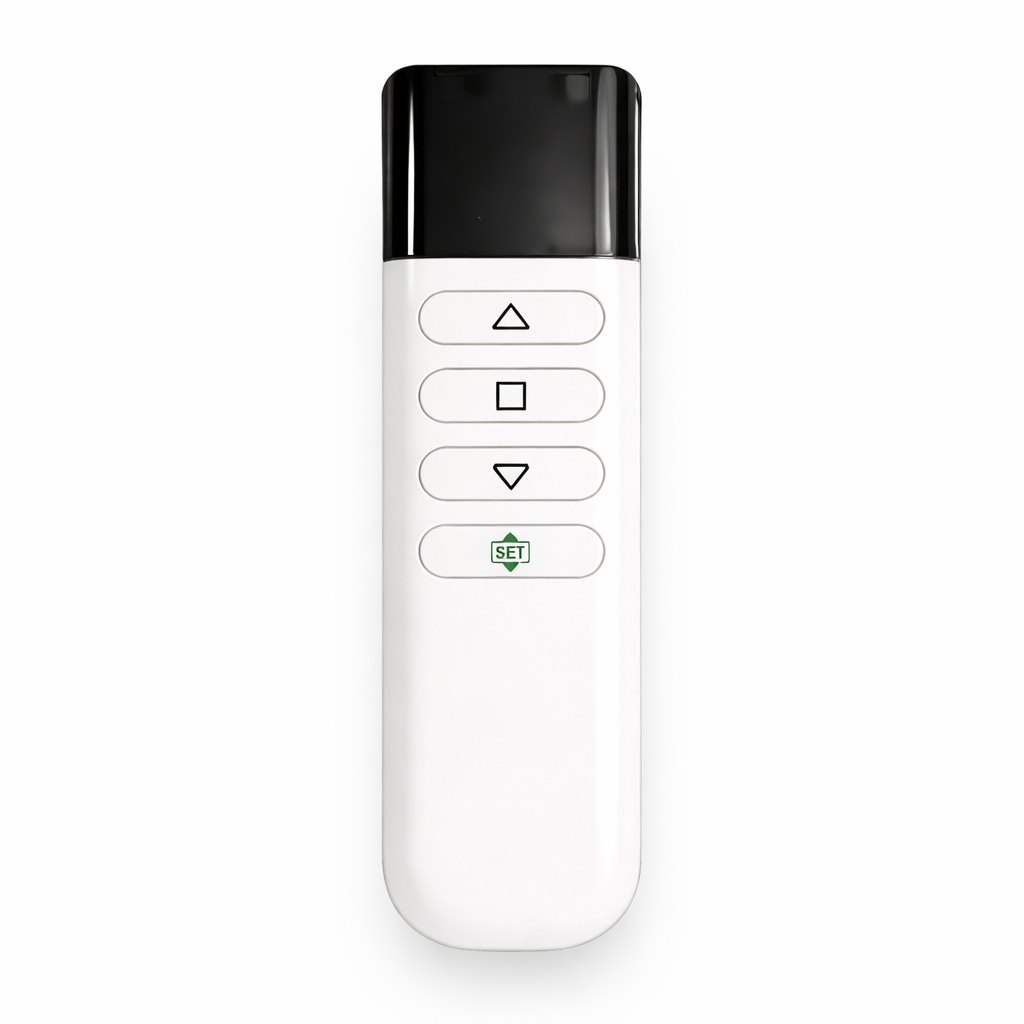
| Control wiring | Consider RF, RS485, dry contact, trigger or automation integration before installation. |
| Screen drop position | Make sure the projection surface clears furniture, TVs, speakers and decorative panels. |
Surface-Mounted Screen vs Recessed Screen
A concealed surface-mounted screen and a true recessed ceiling screen can look very similar after installation, but the construction approach is different.
| Concealed Surface-Mounted | Recessed Ceiling Screen | |
|---|---|---|
| Screen housing | Standard external housing | Dedicated recessed housing |
| Ceiling work | Usually moderate | Usually more extensive |
| Renovation friendly | Very good | Depends on ceiling access |
| Service access | Often easier | Depends on recessed design |
| Visual appearance | Can be nearly invisible | Fully integrated |
If the ceiling is still under construction, a dedicated recessed projection screen may provide the cleanest integration.
For renovation projects or rooms where a conventional screen has already been selected, architectural concealment is often the more flexible solution.
Which SCREENPRO Screen Works for This Type of Installation?
Most standard motorized projector screens can be visually concealed as long as sufficient clearance and service access are provided.
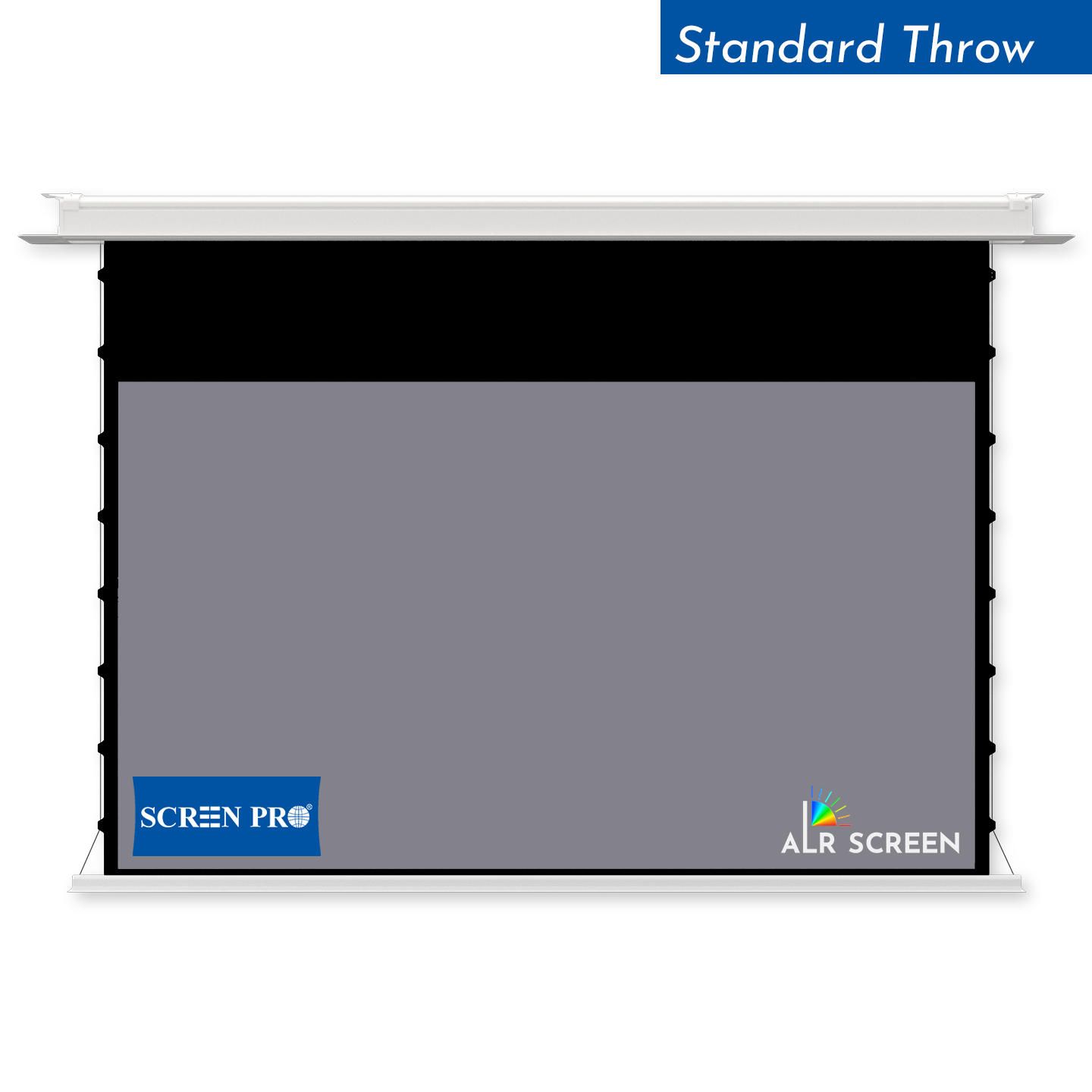
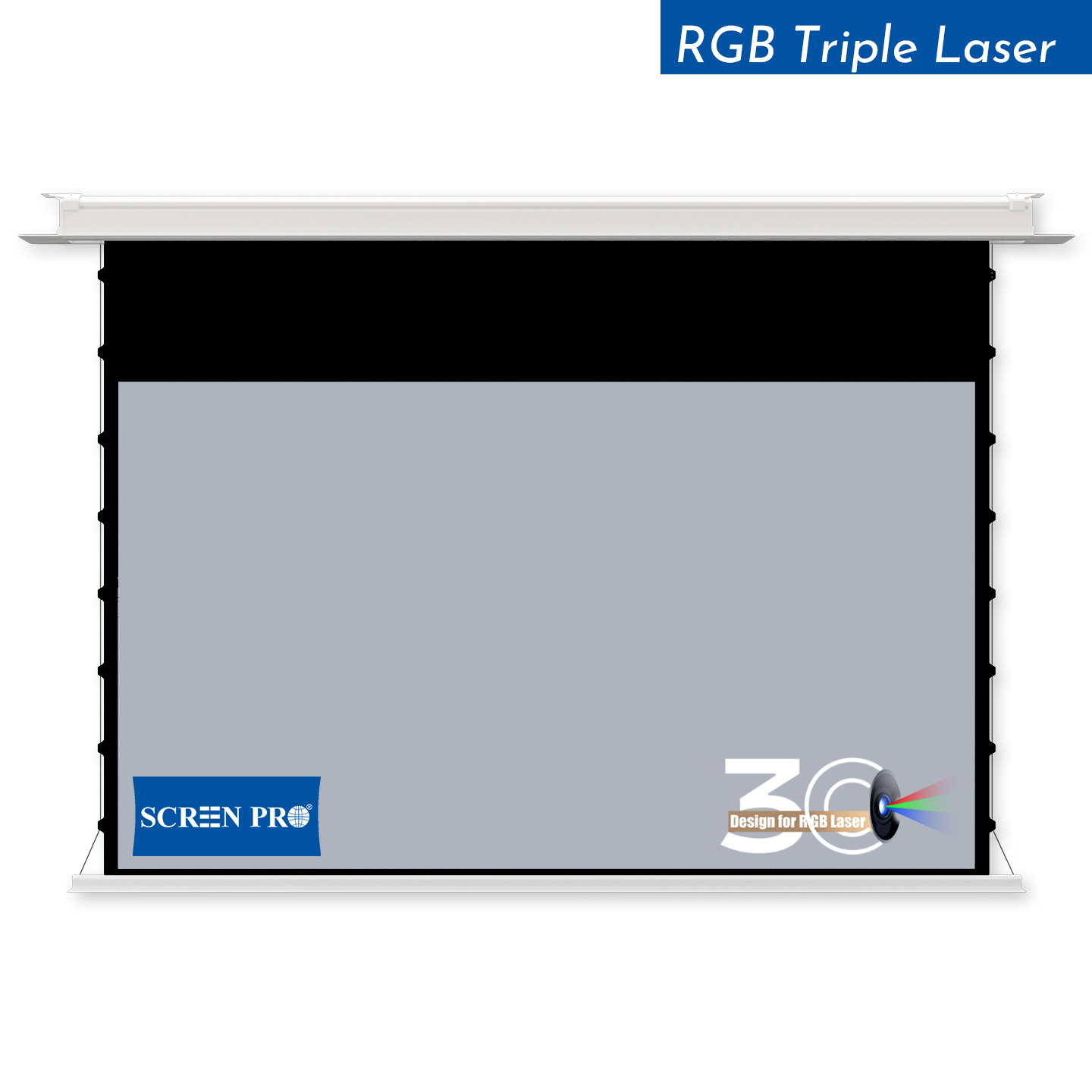
For projects requiring a completely integrated ceiling solution, a recessed screen may still be preferable.
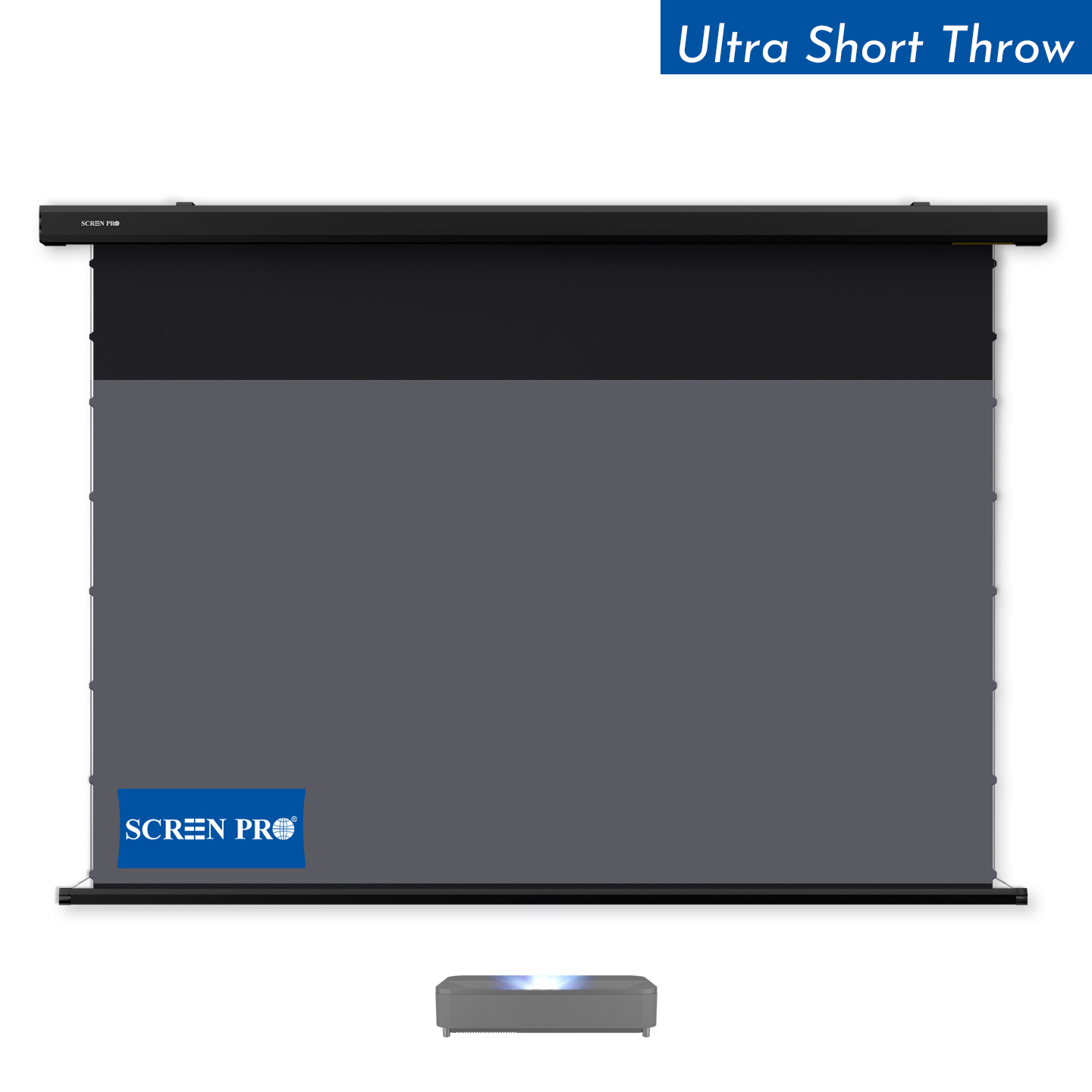
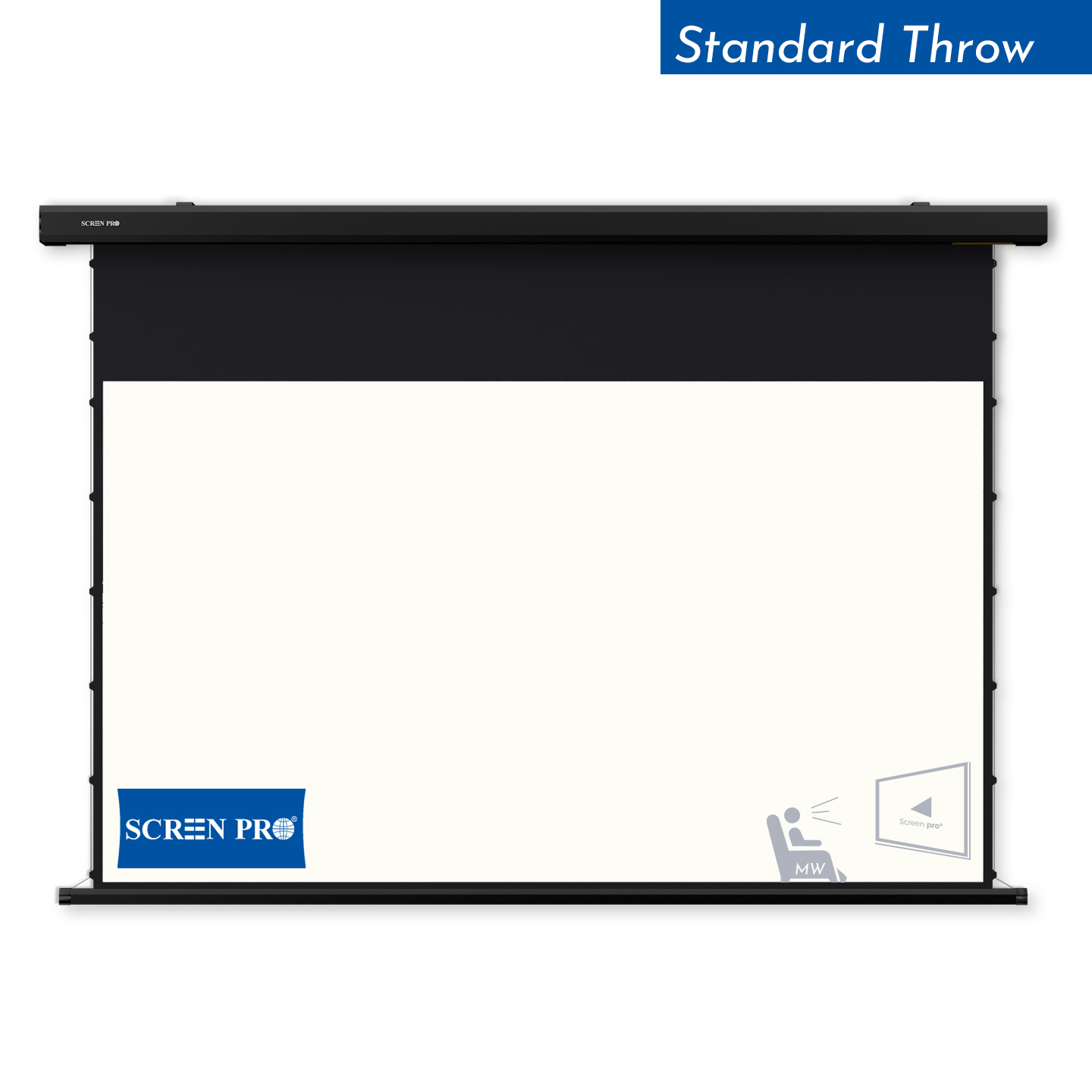
Surface-Mounted Motorized Screens
Best for projects where easy installation and future servicing are priorities.
Explore Projection Screens →In-Ceiling Projection Screens
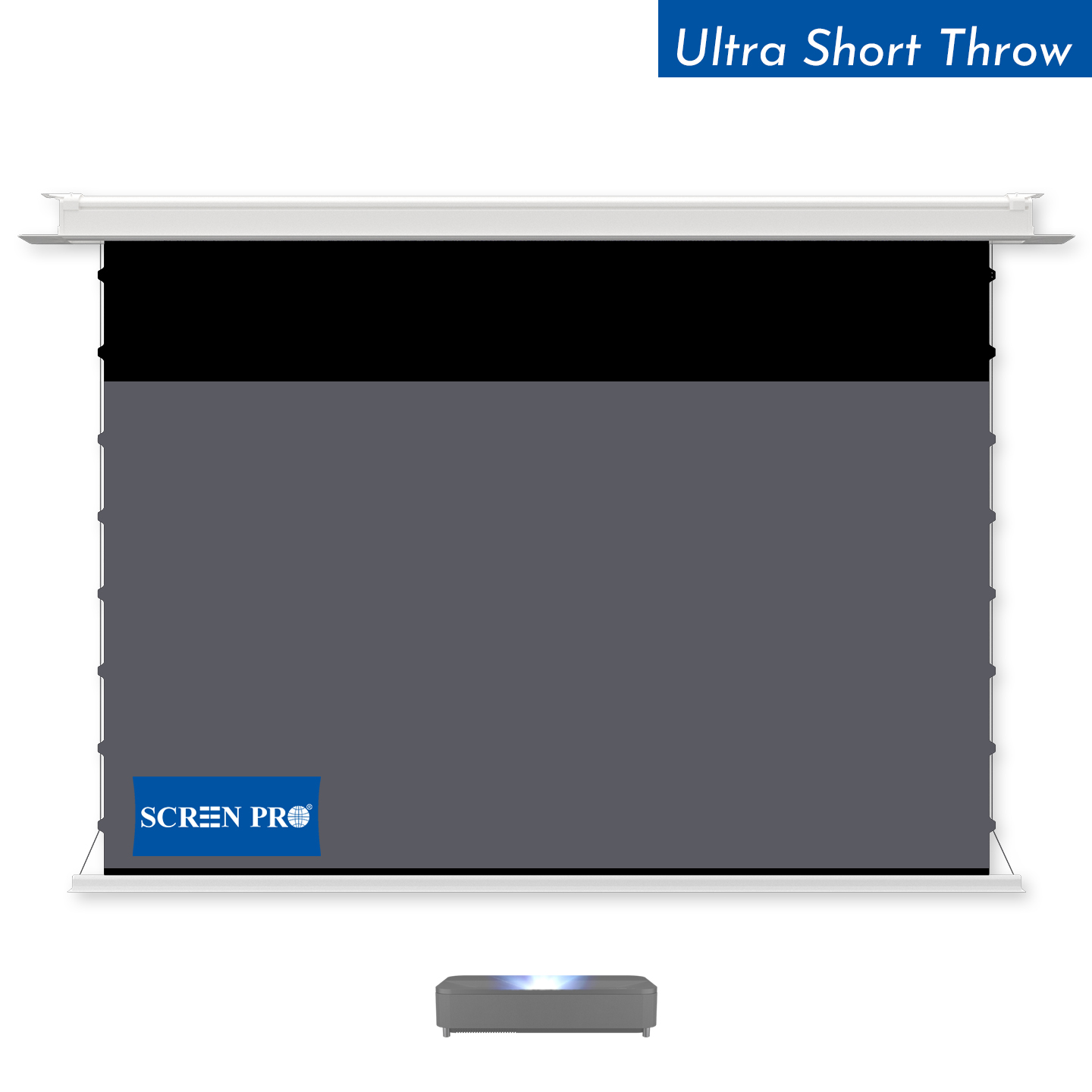
Designed for architectural installations where the screen needs to disappear directly into the ceiling.
Explore In-Ceiling Solutions →The Key Principle: Hide the Housing, Not the Screen Mechanism
The most important principle when concealing a motorized projector screen is simple:
Keep the mechanism accessible.
Interior decoration should hide the screen visually without permanently trapping the motorized housing inside the ceiling or cabinetry.
A well-designed installation allows the screen to disappear when not in use while still providing access for adjustment, motor replacement, fabric service and electrical maintenance.
That balance between aesthetics and serviceability is what separates a good concealed installation from simply covering the screen with decorative material.
Frequently Asked Questions
Can a normal motorized projector screen be hidden in the ceiling?
Yes. A standard surface-mounted screen can often be concealed using a soffit, pelmet or decorative ceiling enclosure. However, the housing should remain accessible for servicing.
Do I need a recessed projector screen for a hidden installation?
Not always. Recessed screens provide the most integrated solution, but a surface-mounted screen can achieve a very clean appearance when the surrounding architecture is designed to conceal the housing.
How large should the ceiling opening be?
The opening depends on the screen case, projection fabric and bottom-bar dimensions. Always leave sufficient clearance so moving components do not touch the surrounding structure.
Can the projector also be hidden?
Yes. A motorized projector lift can retract the projector into the ceiling, allowing both the projector and screen to disappear when the system is not being used.
Is this suitable for home theaters and meeting rooms?
Yes. Concealed surface-mounted screens are commonly suitable for living rooms, home theaters, conference rooms, hospitality spaces and other interiors where AV equipment needs to remain visually discreet.
Planning a Hidden Projection System?
SCREENPRO provides motorized projection screens, in-ceiling screen solutions, projector lifts and AV integration options for residential and commercial projects. Tell us your ceiling structure, screen size and installation conditions, and our team can help recommend a suitable solution.
Discuss Your Project