

© Copyright 2004-2026 SCREEN PRO® All Rights Reserved | Specifications are subject to change without notice. All Rights ReservedSite Map Designed by iwonder.cn


PROJECTOR SCREEN BUYING GUIDE
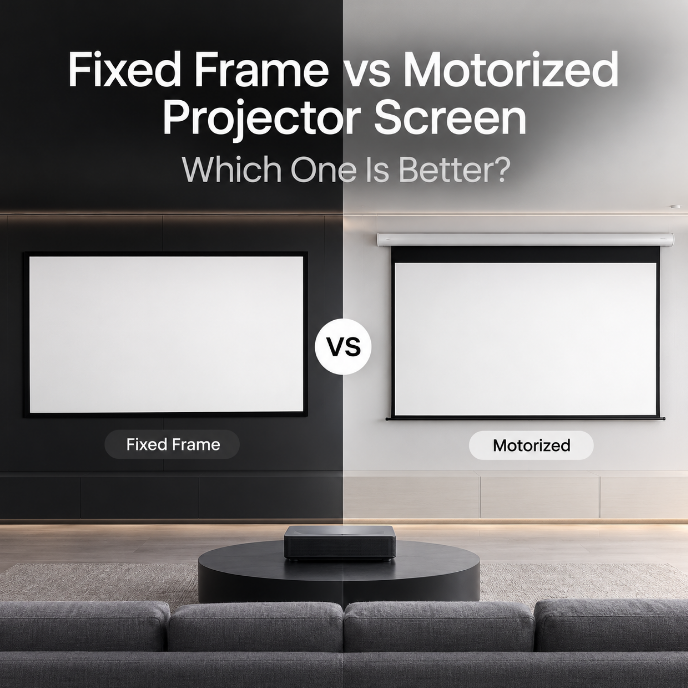
Fixed frame screens deliver excellent flatness and a permanent cinema-style installation, while motorized screens disappear when not in use. The better choice depends less on the projector itself and more on how you use the room.
THE BASIC DIFFERENCE
Both screen types can deliver excellent projection performance. Their biggest difference is not picture quality alone — it is how the screen integrates into the room.
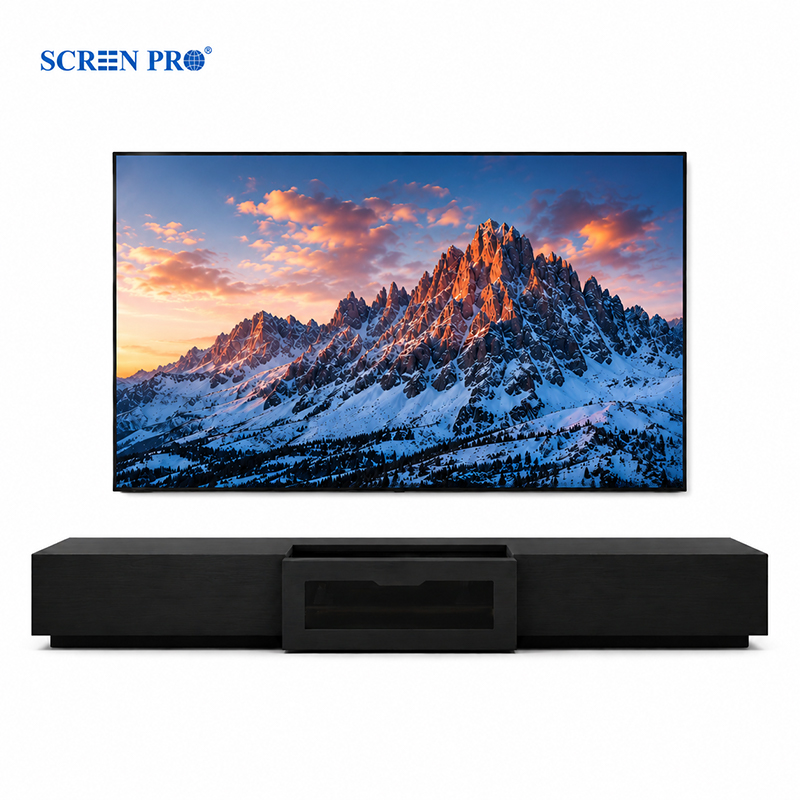
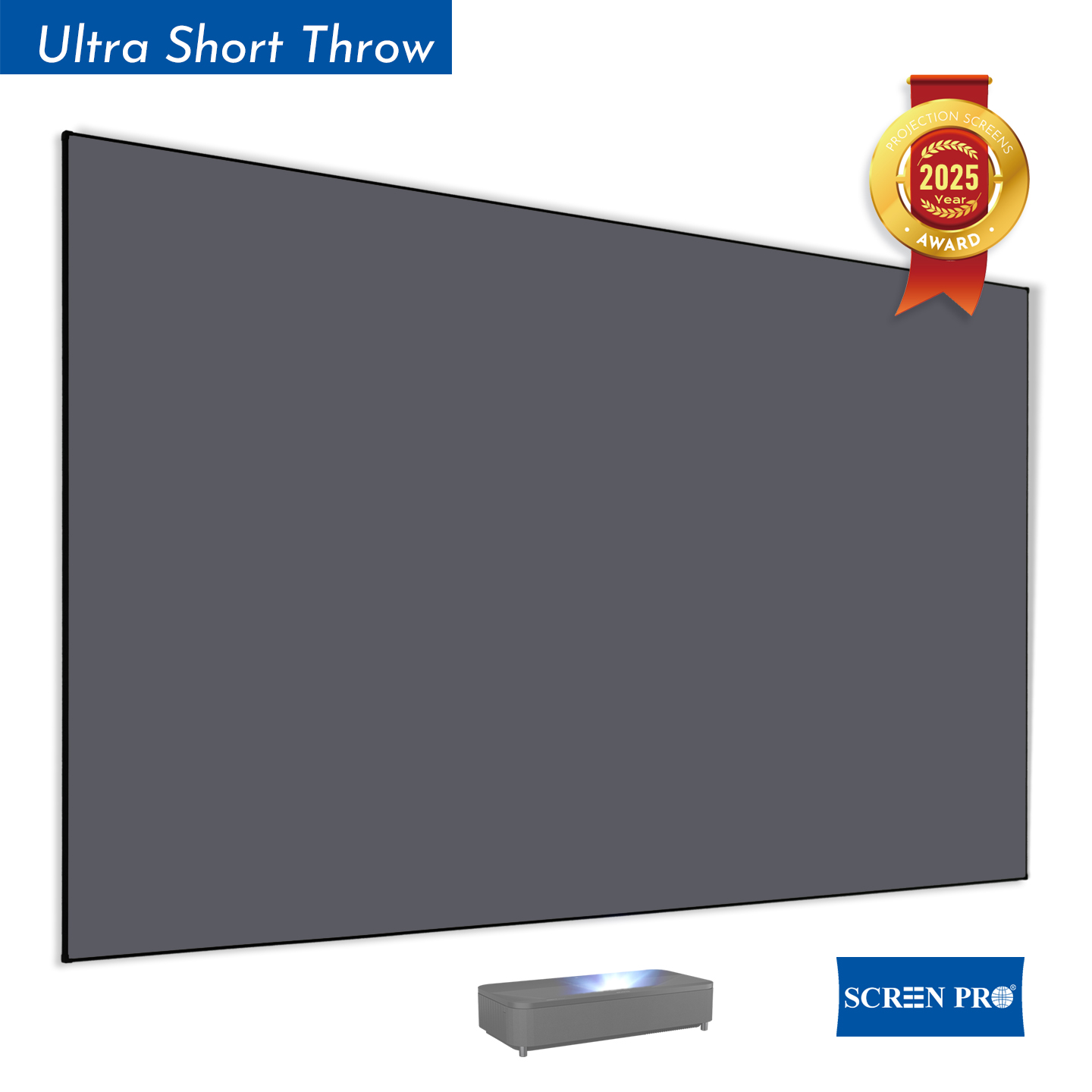
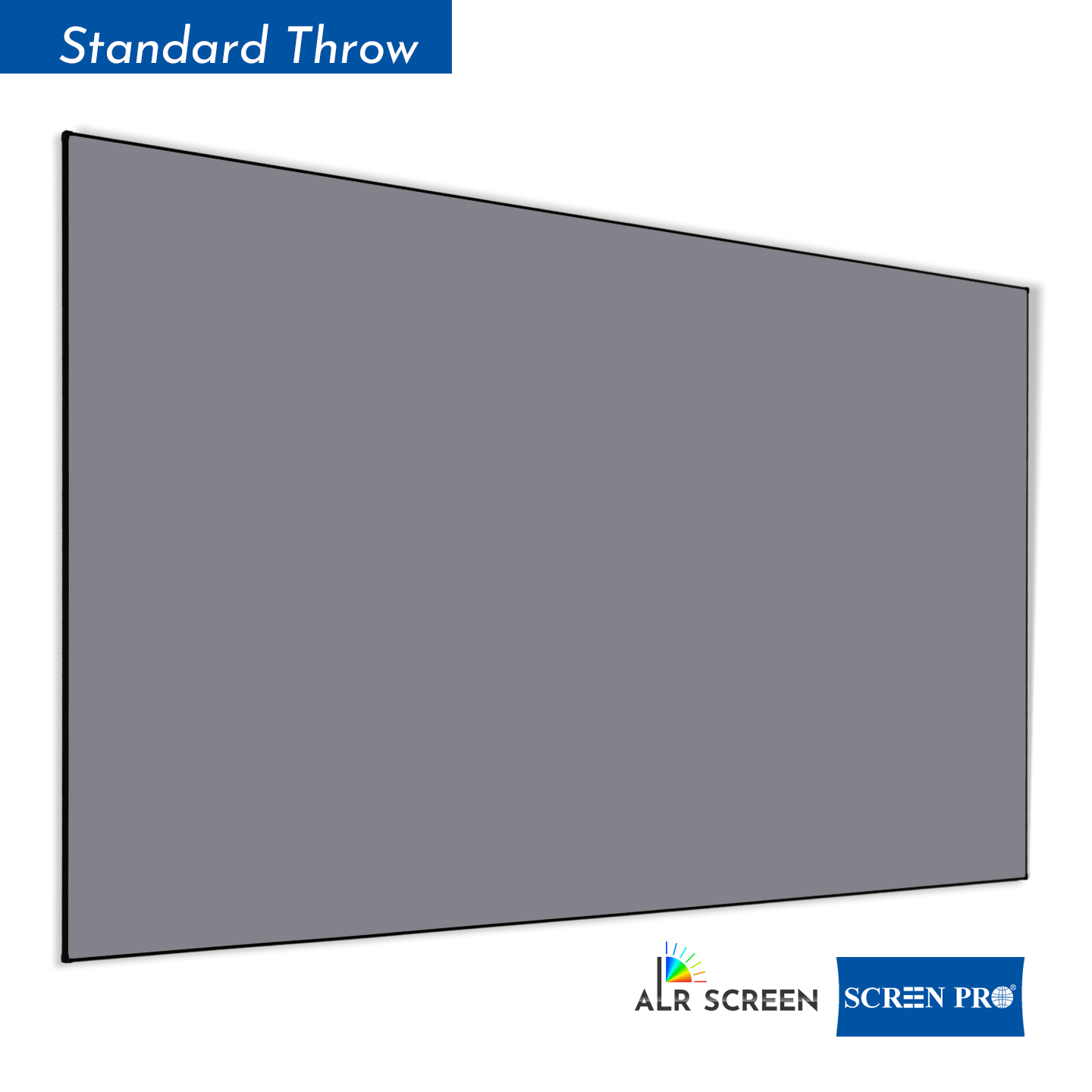
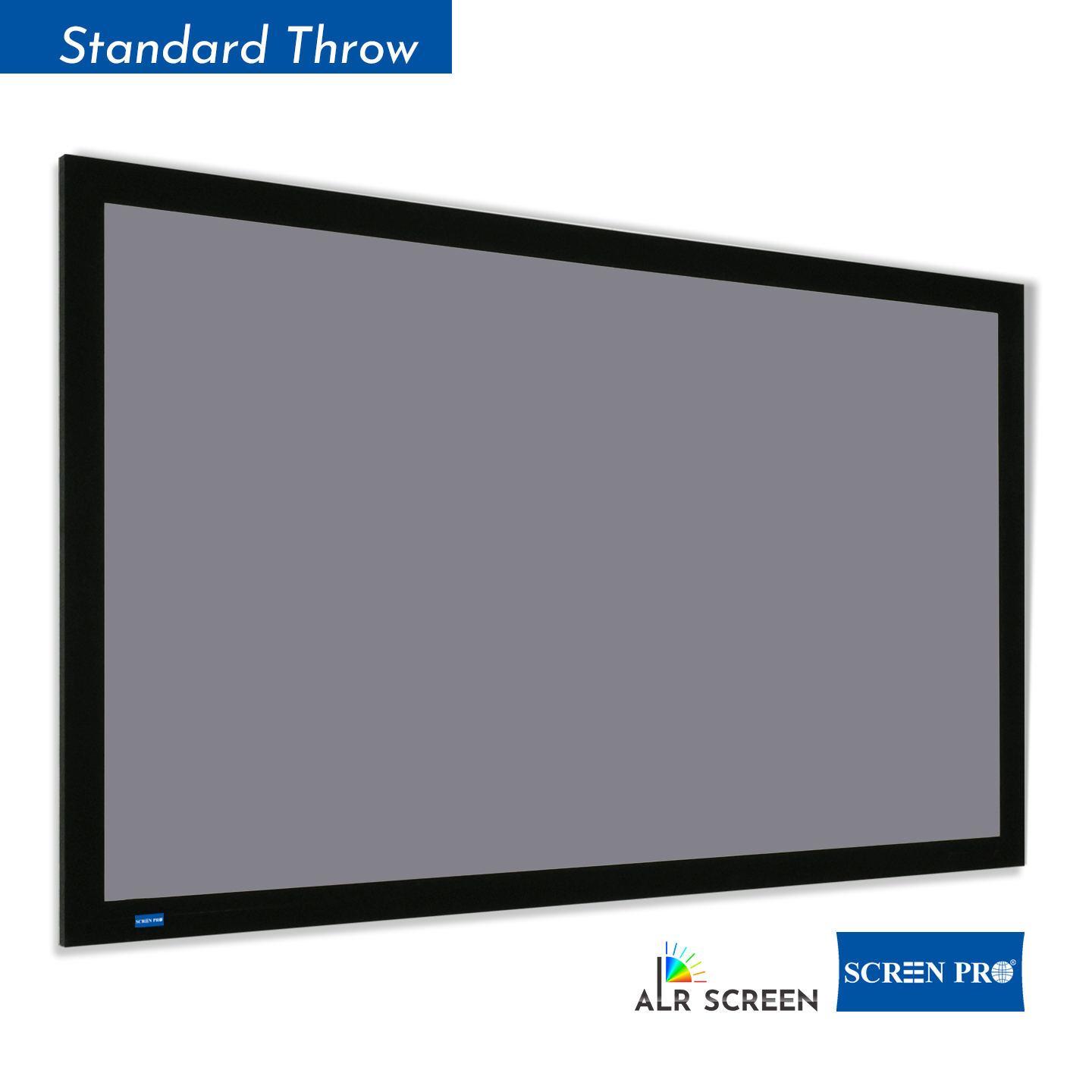
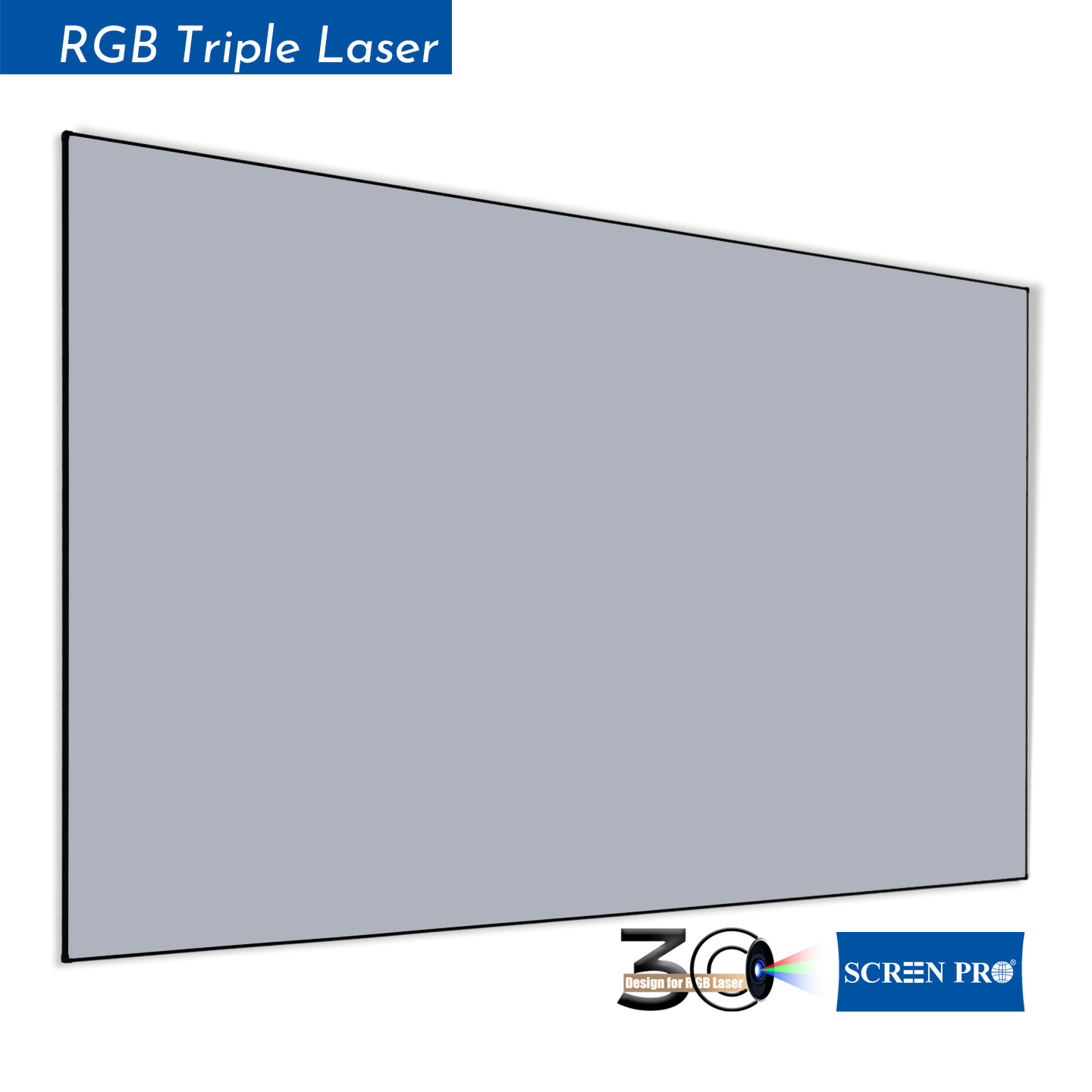
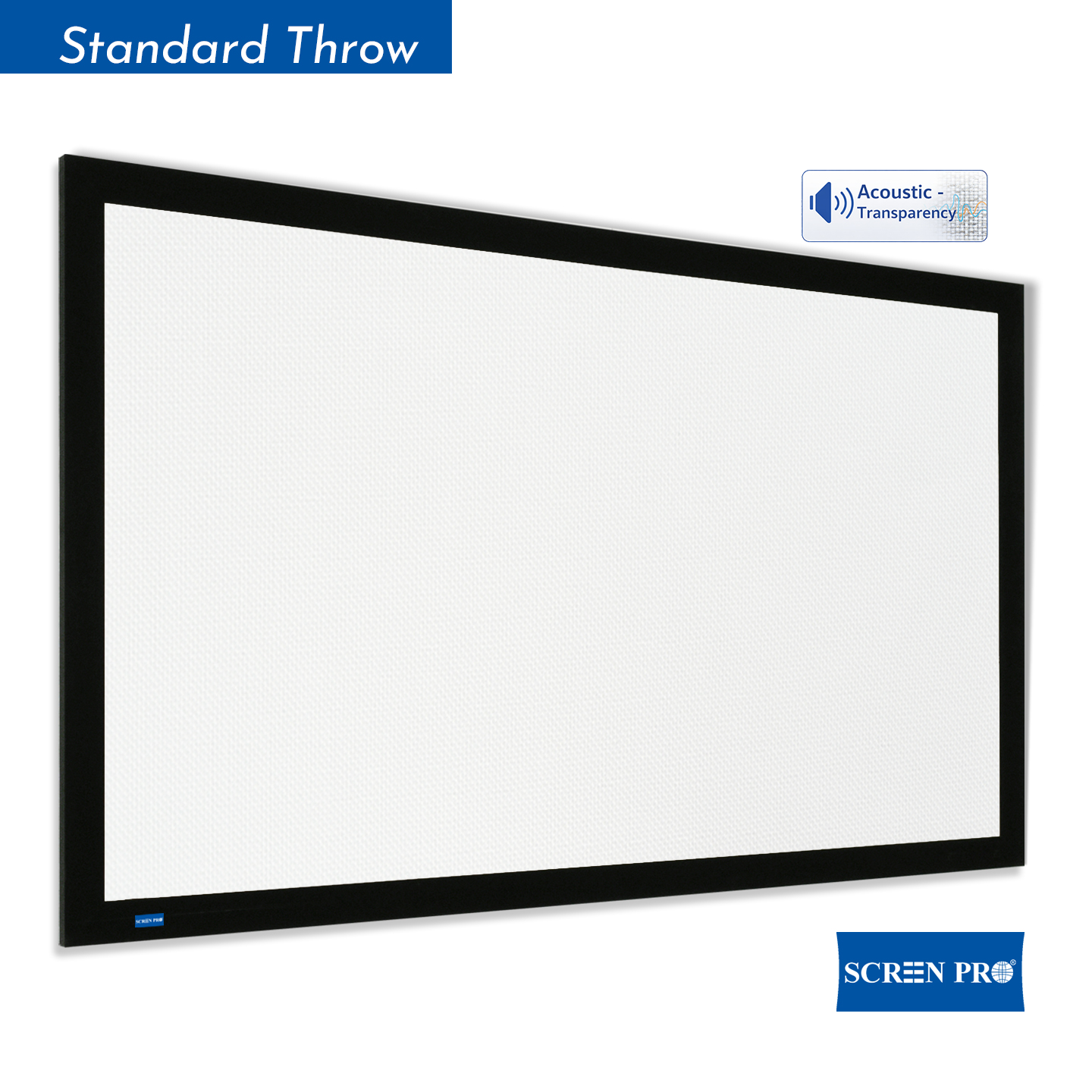
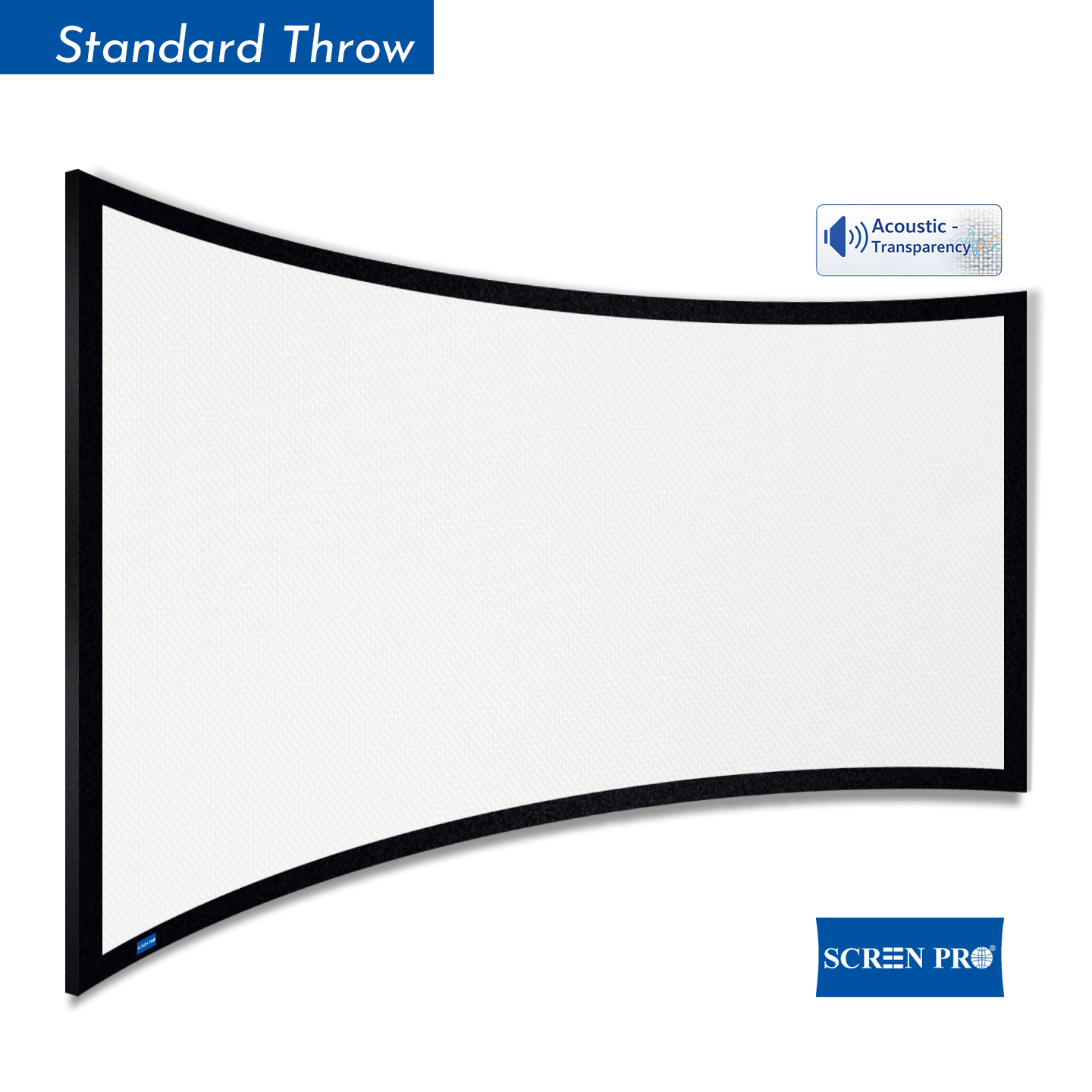
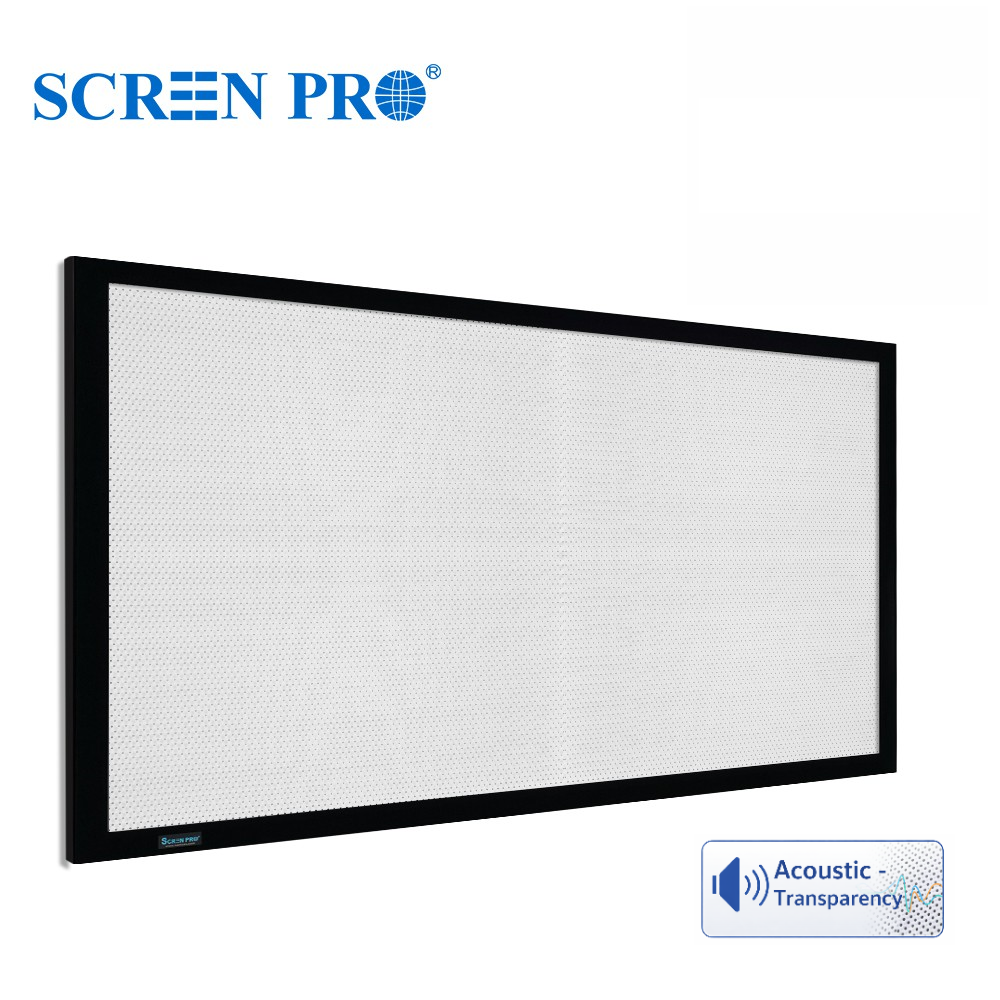
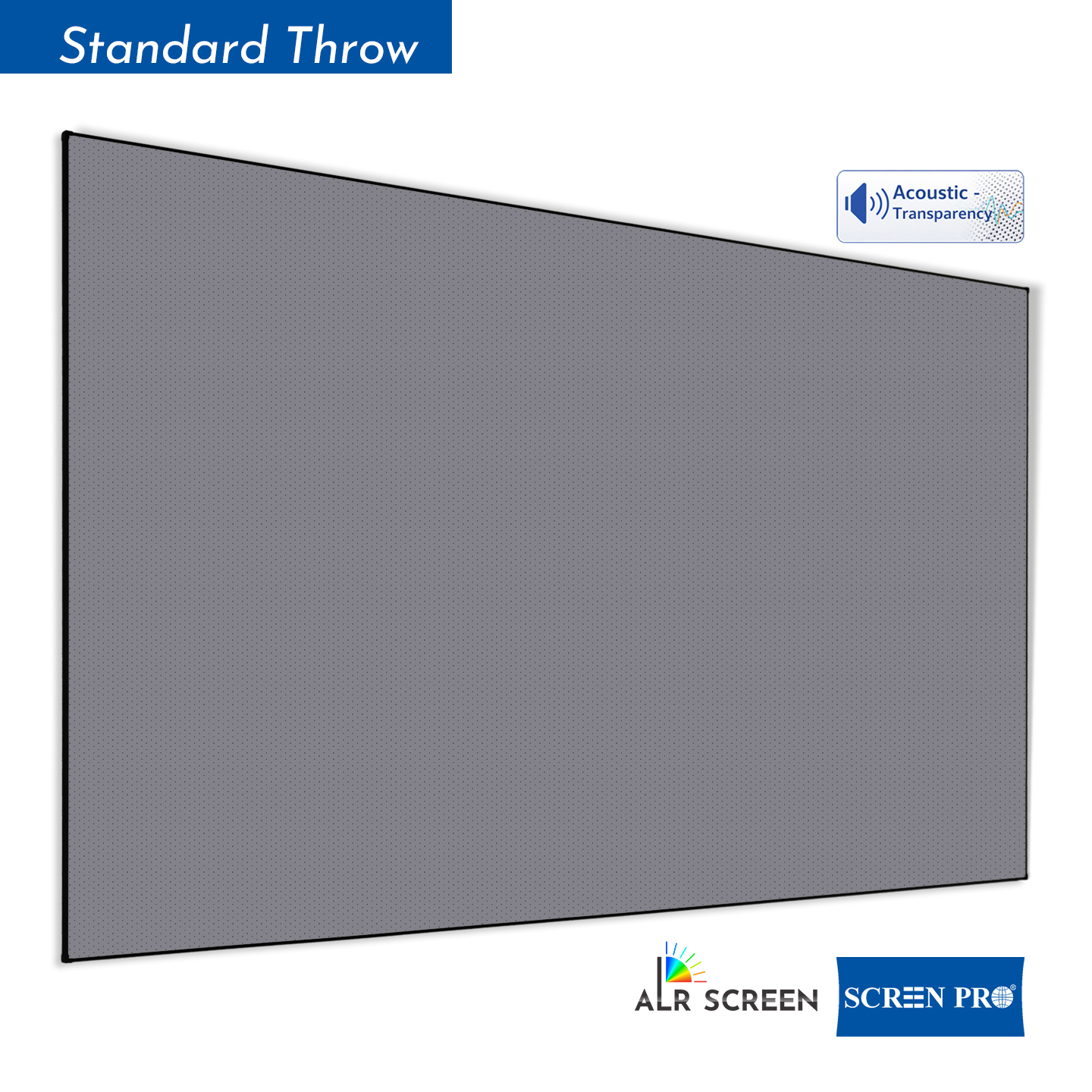
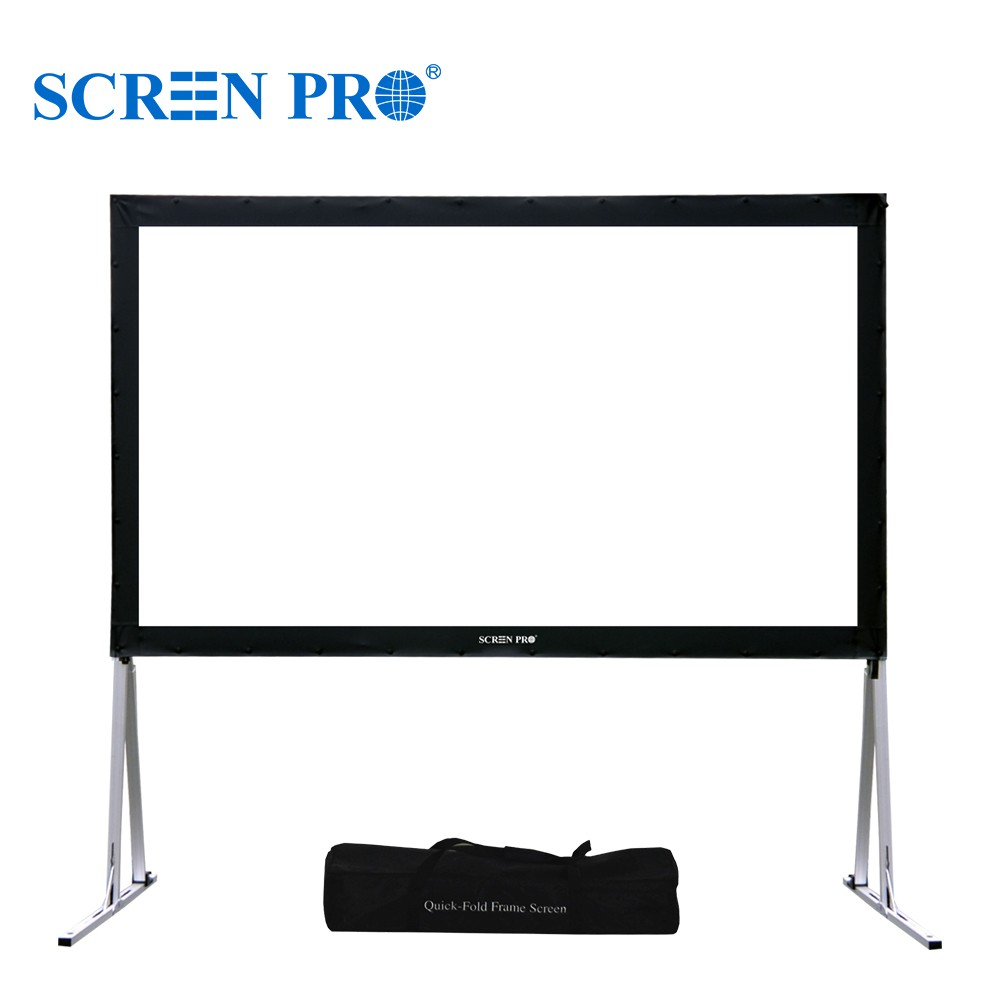
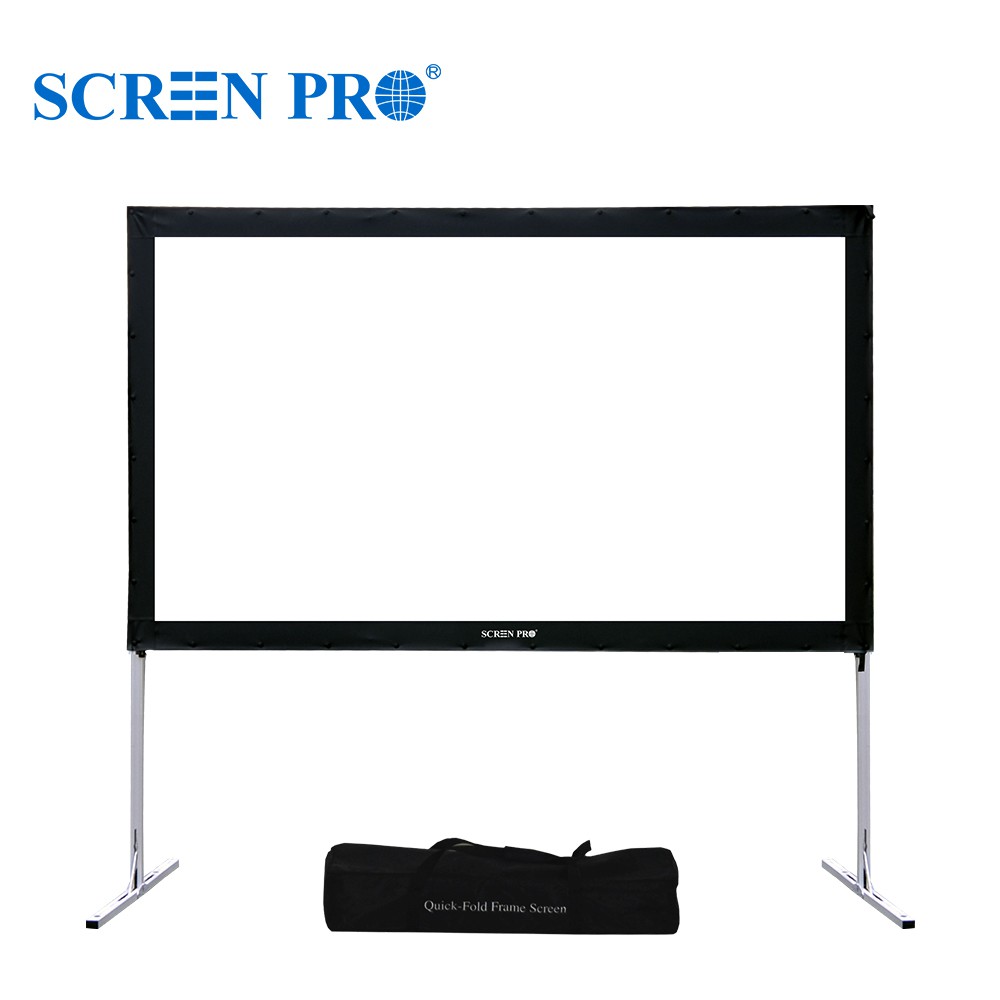
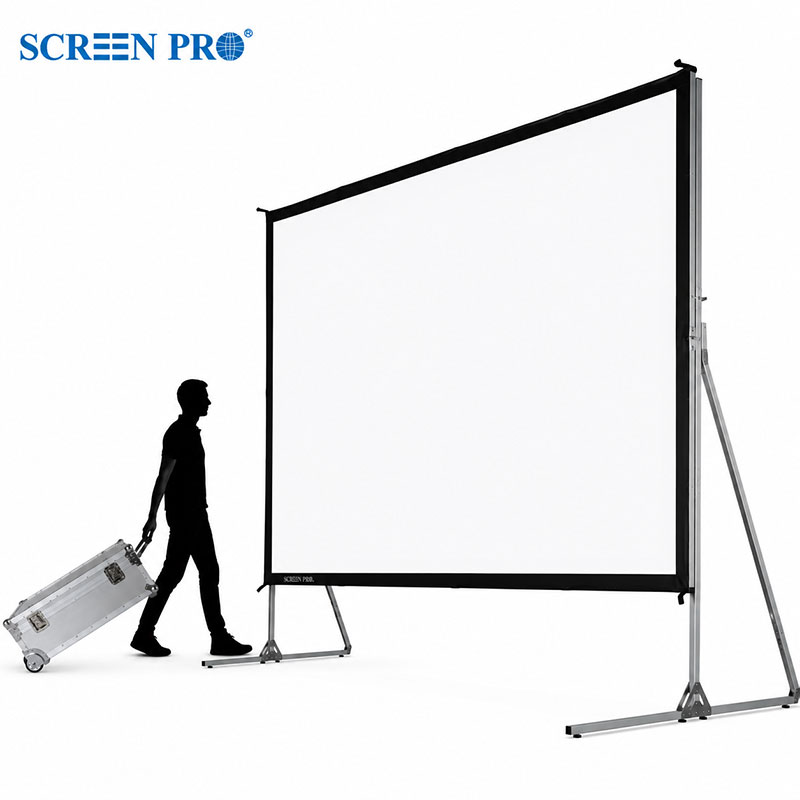
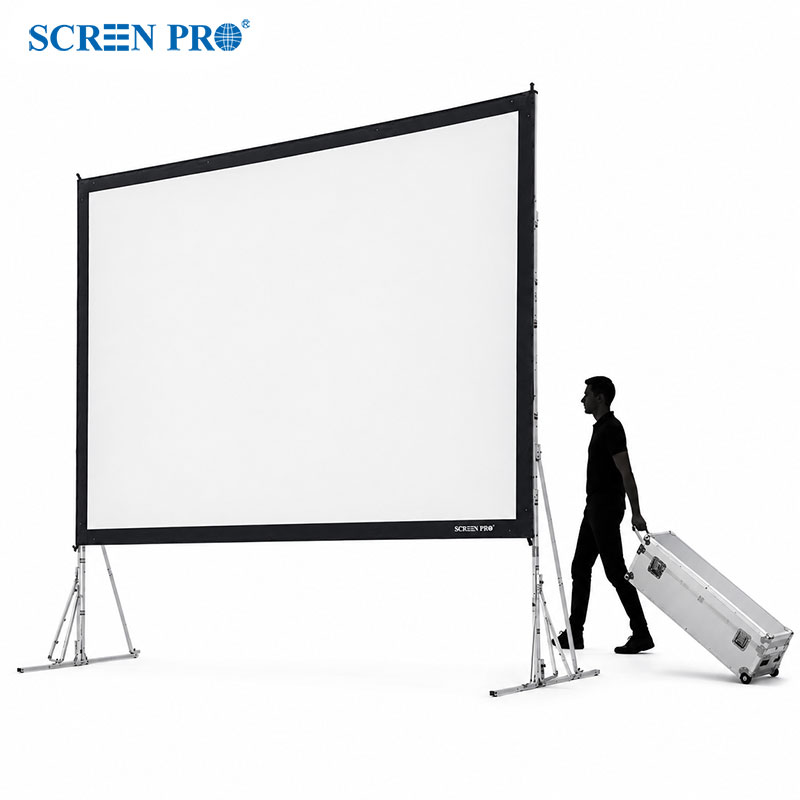
A fixed frame projector screen keeps the projection material permanently tensioned inside a rigid aluminum frame. Because the surface remains stretched in all directions, it offers excellent flatness and is commonly used in dedicated home theaters, screening rooms and professional AV installations.
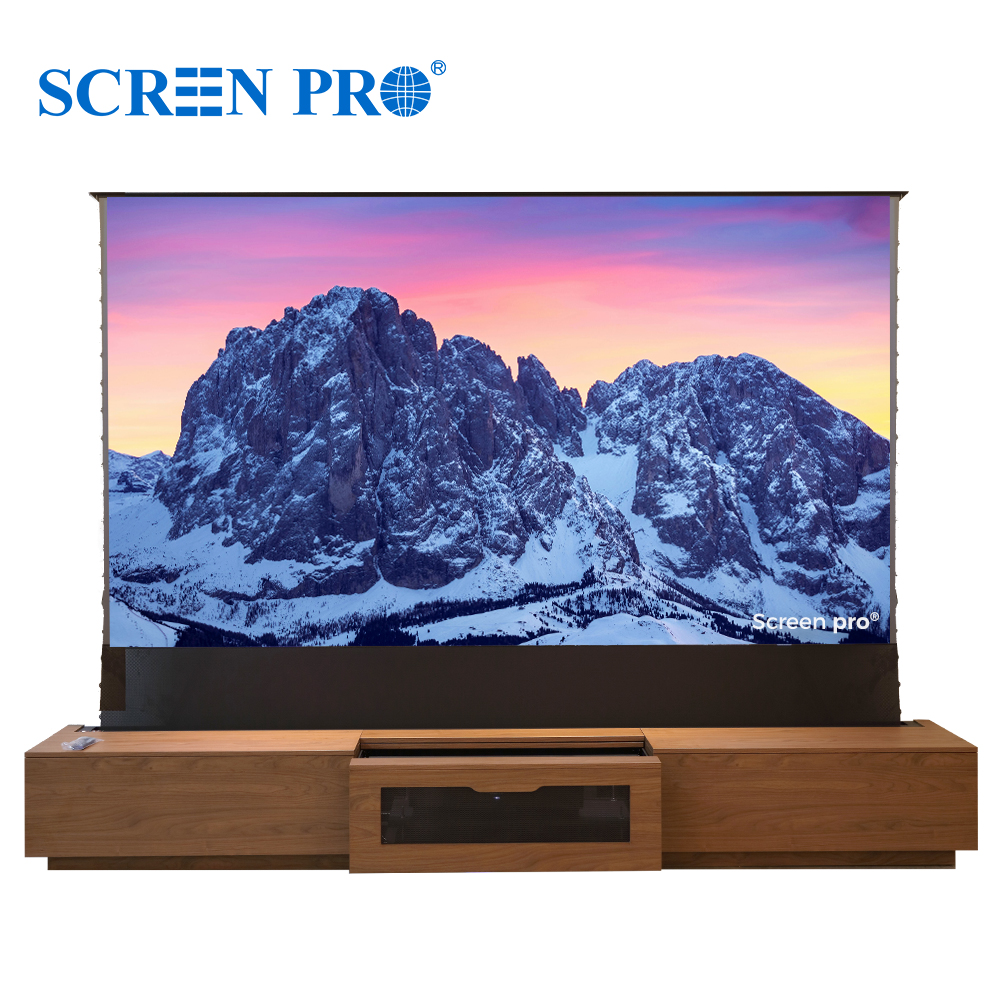
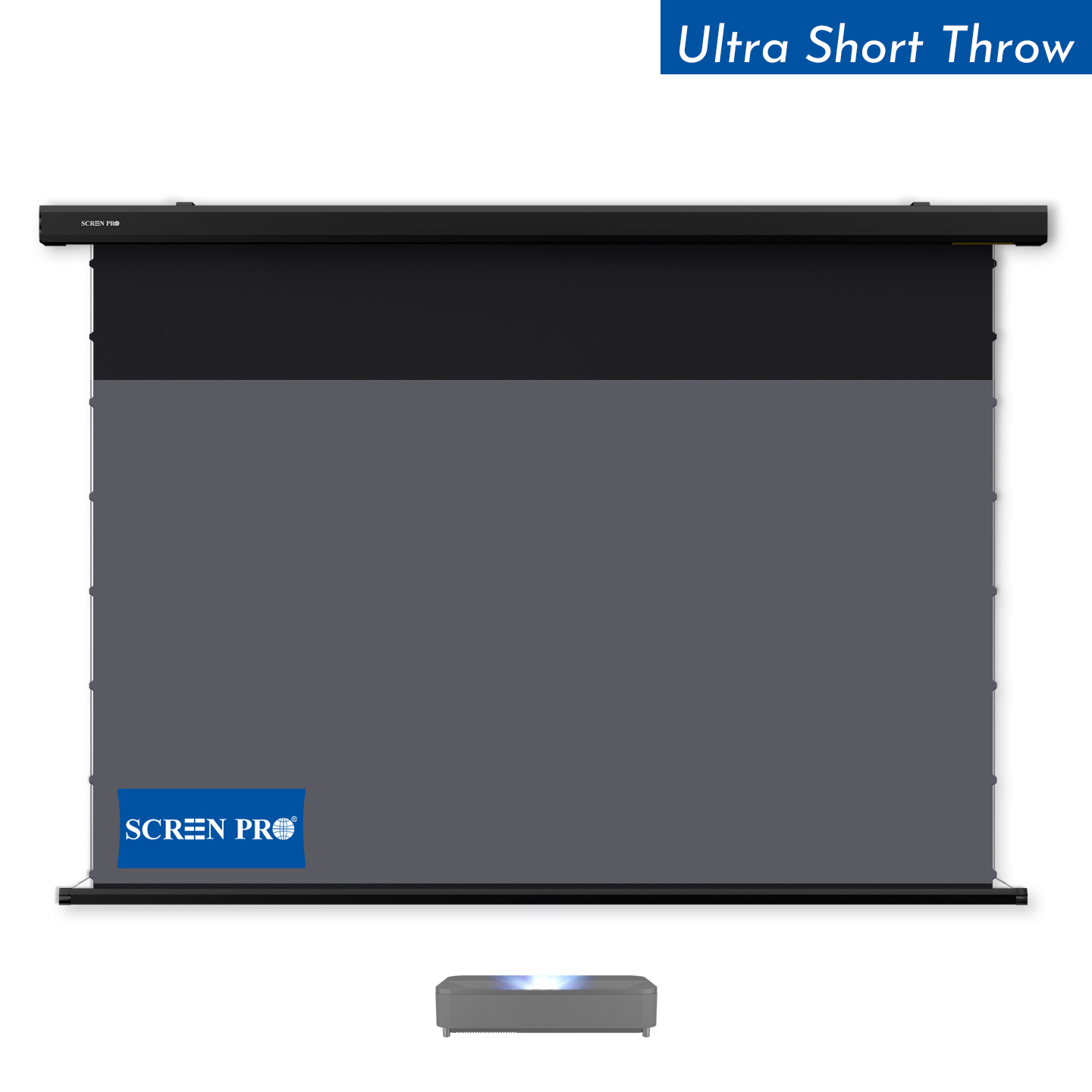
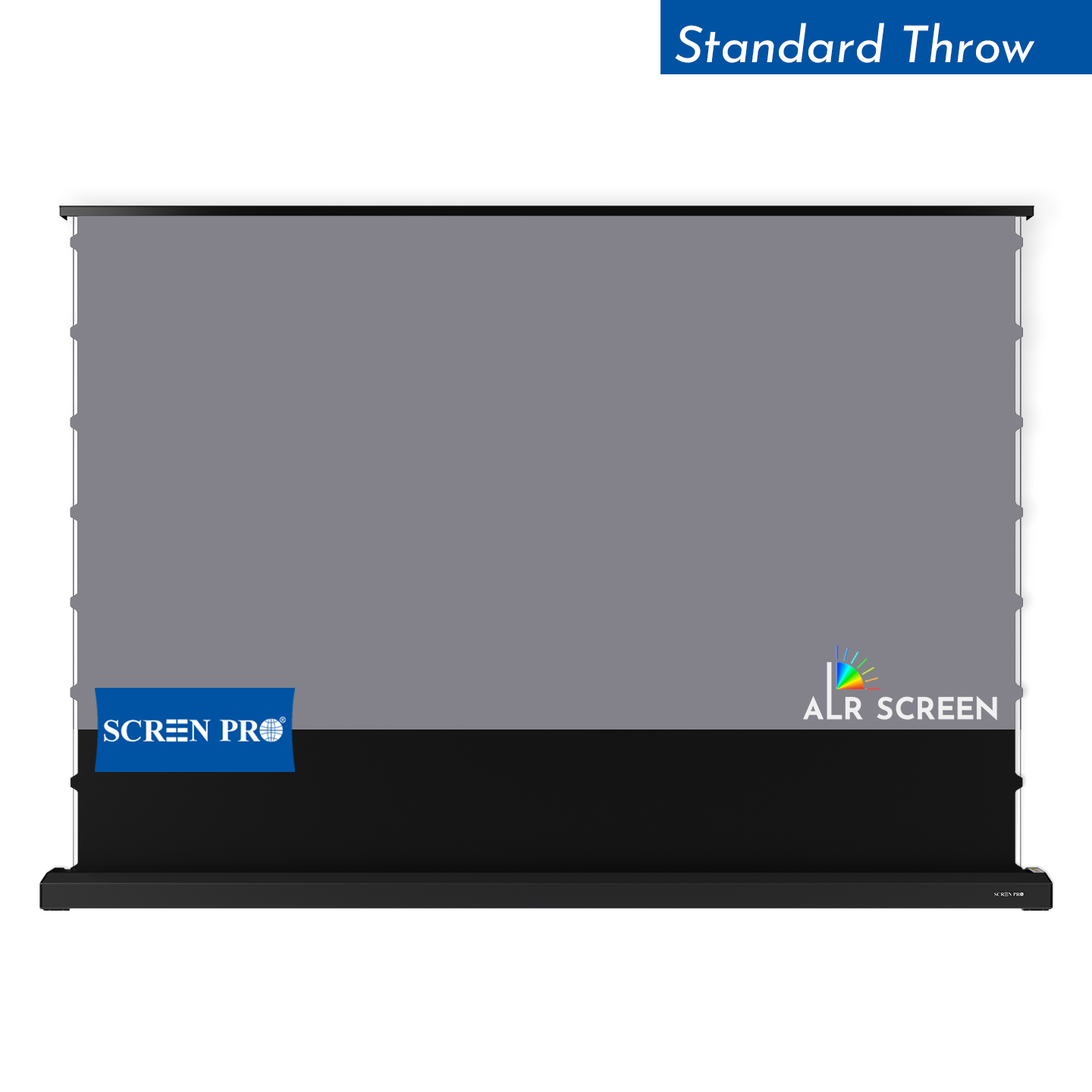
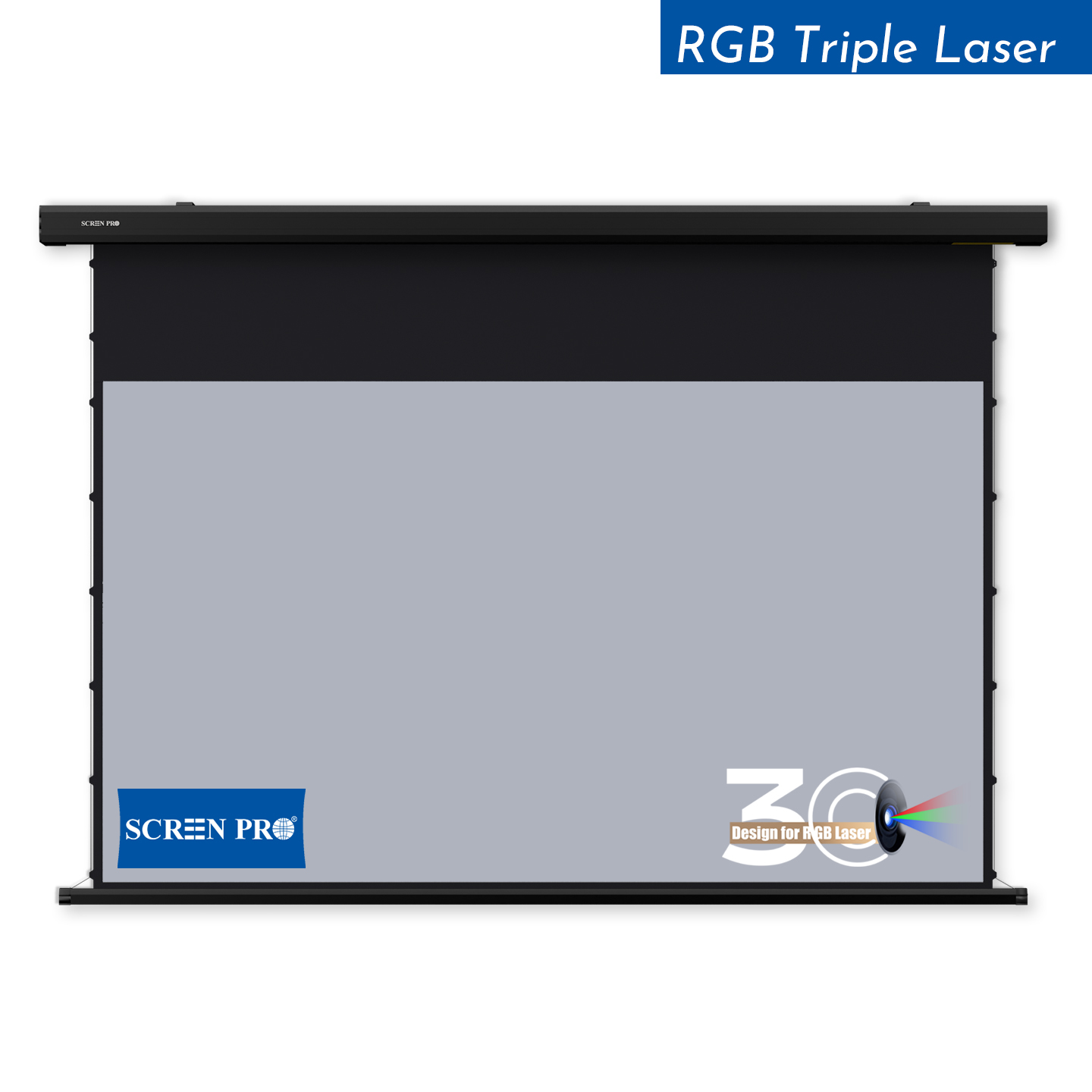
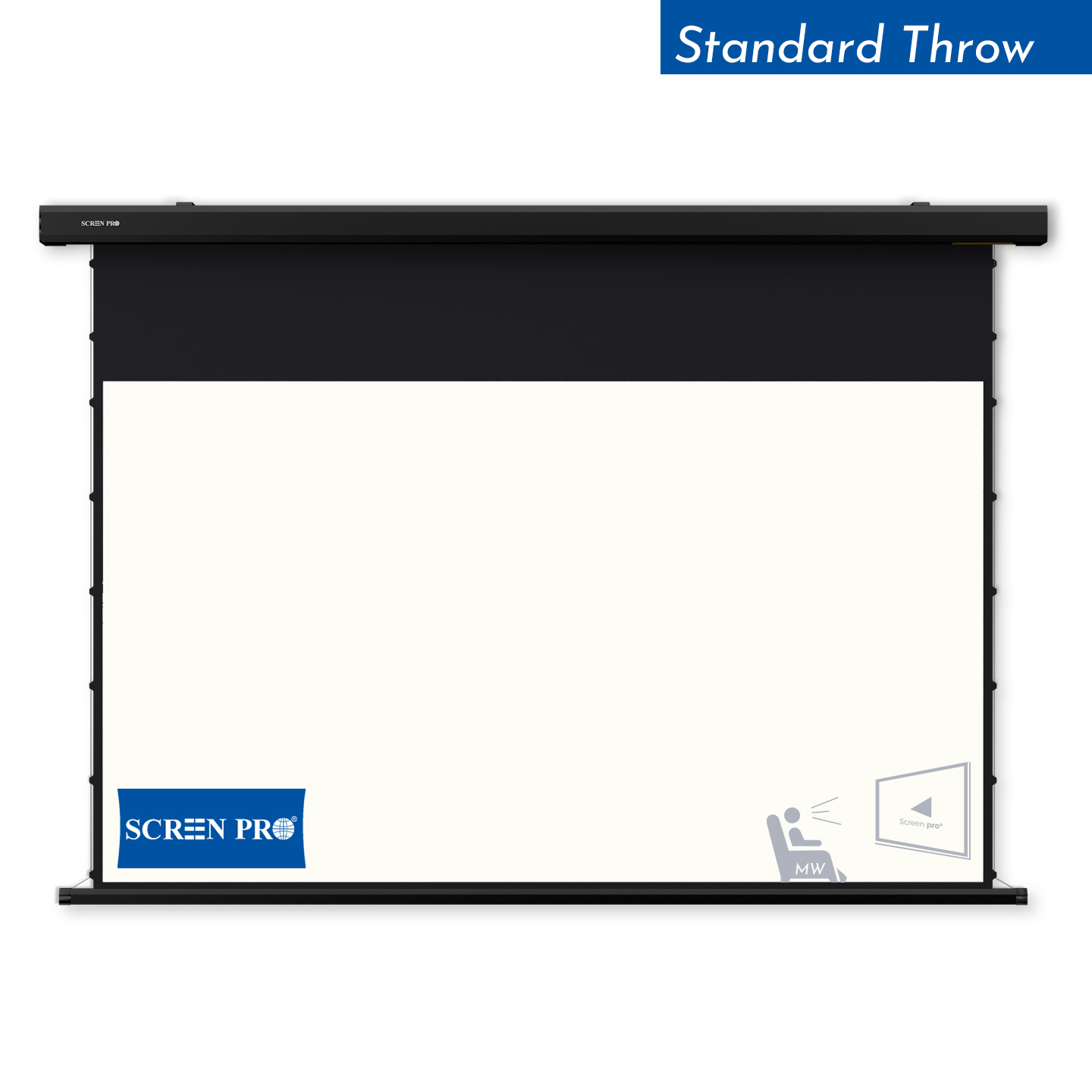
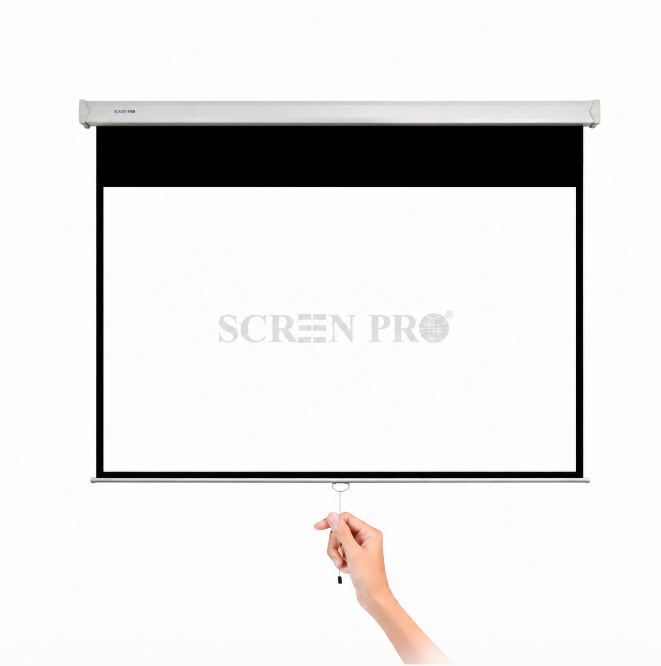
A motorized projector screen rolls into an aluminum housing when not in use. It is ideal for living rooms, conference rooms, classrooms and other spaces where the projection screen should not permanently occupy the wall.
SIDE-BY-SIDE
Neither design is universally better. Each one solves a different installation problem.
| Feature | Fixed Frame Screen | Motorized Screen |
|---|---|---|
| Screen Flatness | Excellent | Very good with tensioned systems |
| Dedicated Theater | Excellent choice | Good |
| Multi-Purpose Room | Screen always visible | Excellent choice |
| Hidden Installation | No | Yes |
| UST Projector Compatibility | Excellent | Best with tensioned UST screen systems |
| Acoustically Transparent Options | Excellent | Available on selected systems |
| Mechanical Components | None | Motor and roller system |
| Installation Style | Permanent wall installation | Wall / ceiling / recessed ceiling |
| Typical Cost | Usually lower | Usually higher |
PICTURE QUALITY
A projector does not create a physical image surface. The screen itself becomes part of the optical system, which means waves, curls or surface deformation can become visible in the projected image.
This is one reason fixed frame screens remain extremely popular in serious home theater installations. The screen material is tensioned around the frame, helping maintain a flat and uniform viewing surface.
If maximum flatness is the priority, a fixed frame screen is generally the simplest and most reliable solution.
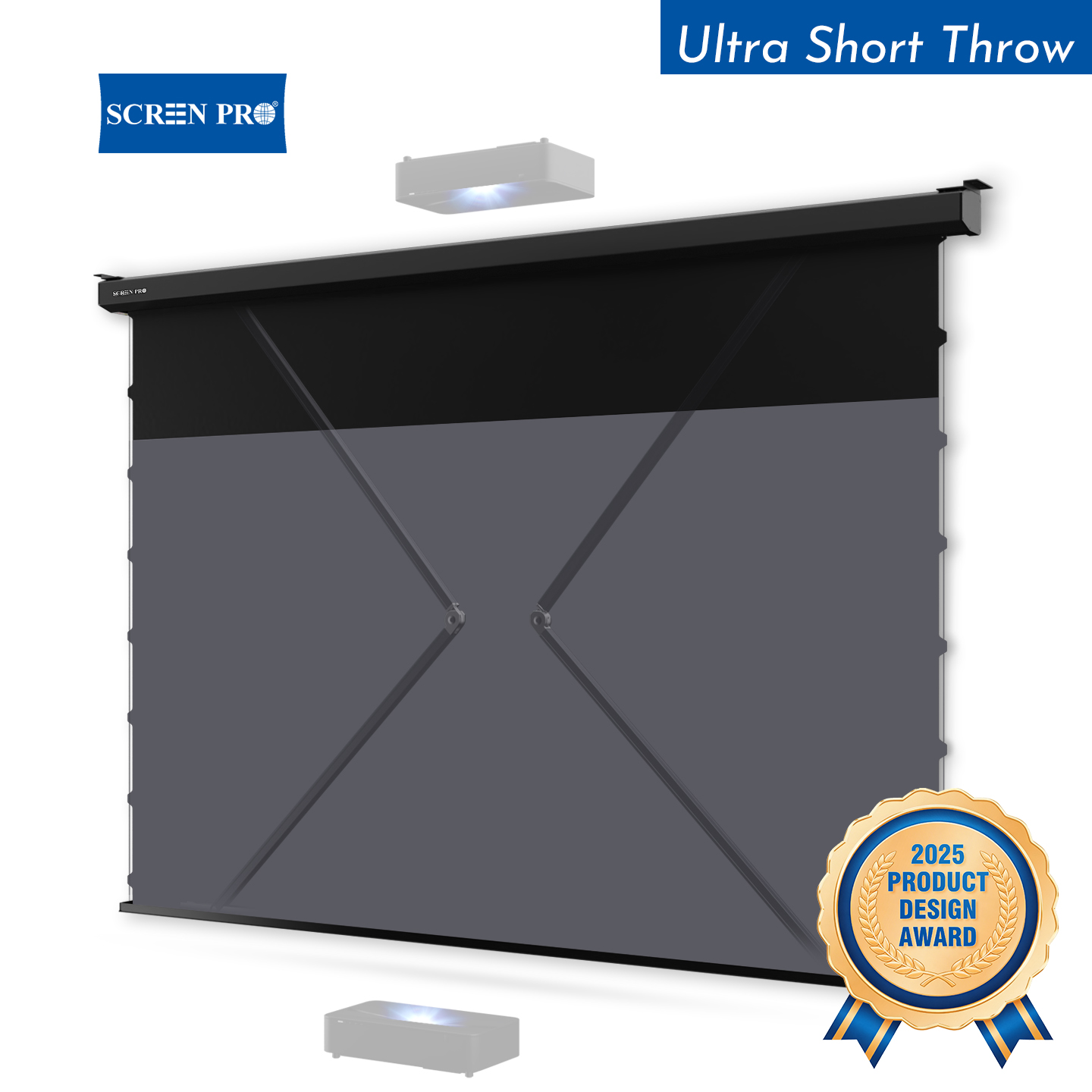
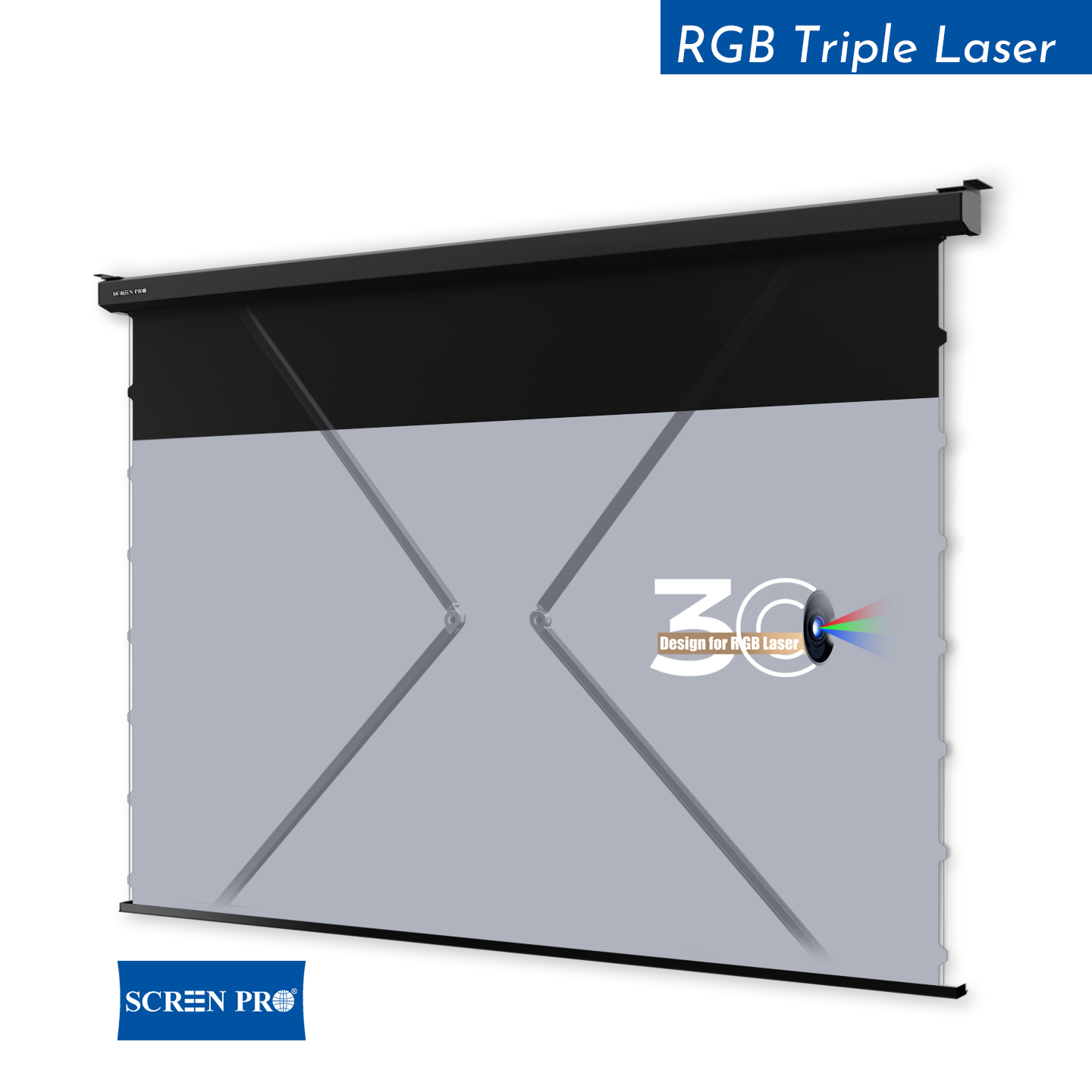
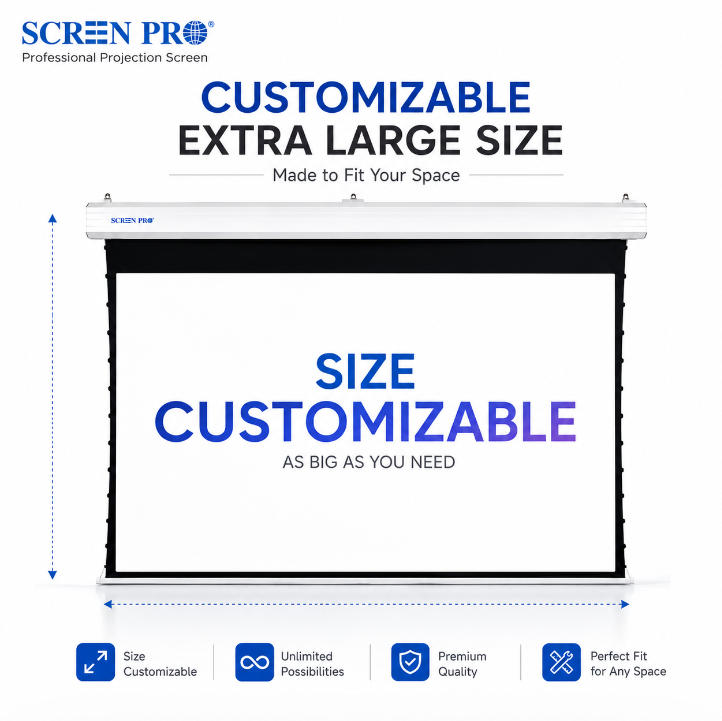
Motorized screens can also achieve excellent flatness, especially when a tab-tensioned system is used. Side tensioning helps control the edges of the material and reduces the possibility of curling over time.
ROOM DESIGN
Before comparing specifications, consider what happens to the room when the projector is off.
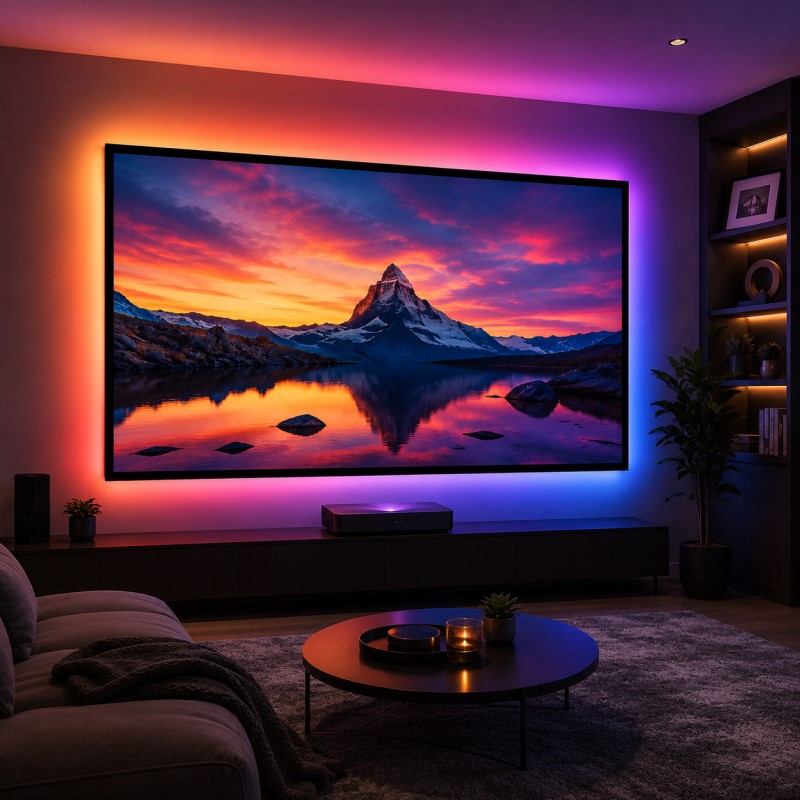
In a dedicated theater room, there is usually no reason to hide the screen. A permanent screen creates a clean cinema-style focal point and is always ready for use.
In living rooms, meeting spaces or classrooms, the same wall may also need to display artwork, cabinetry, presentation equipment or simply remain visually clean. A retractable screen can disappear when projection is not required.
ARCHITECTURAL INTEGRATION
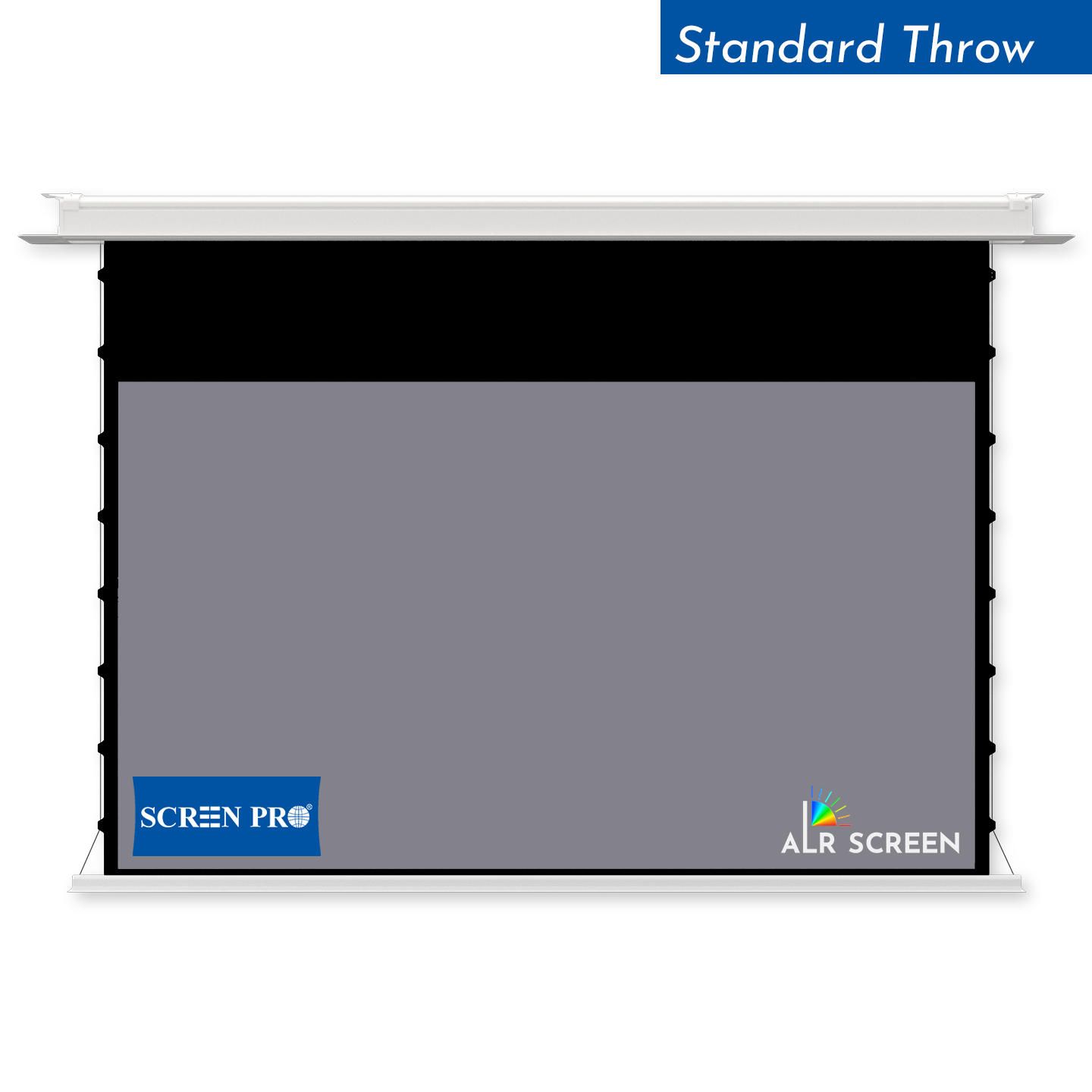
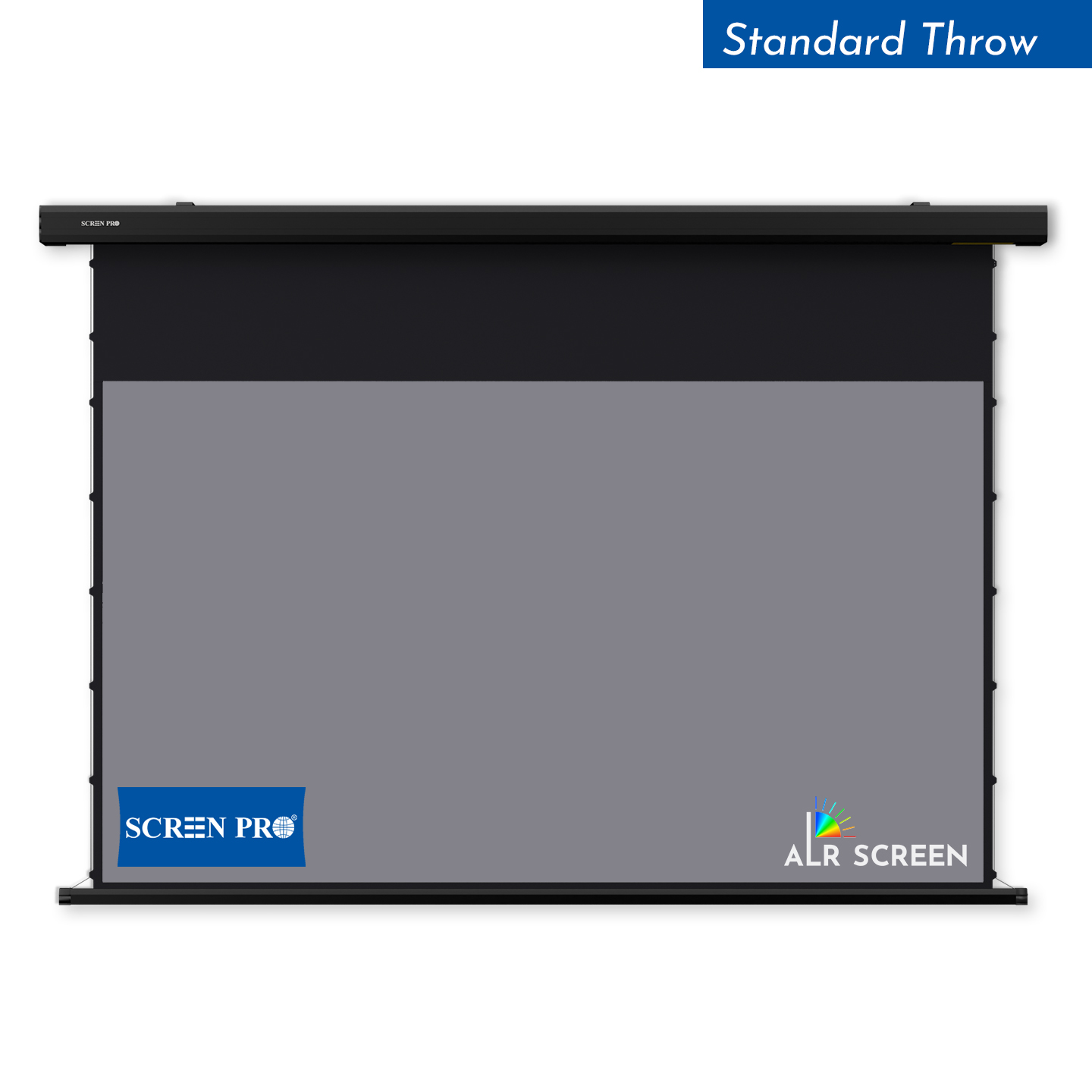
Motorized screens provide an installation option that fixed frame screens cannot: they can retract into a casing above the viewing area.
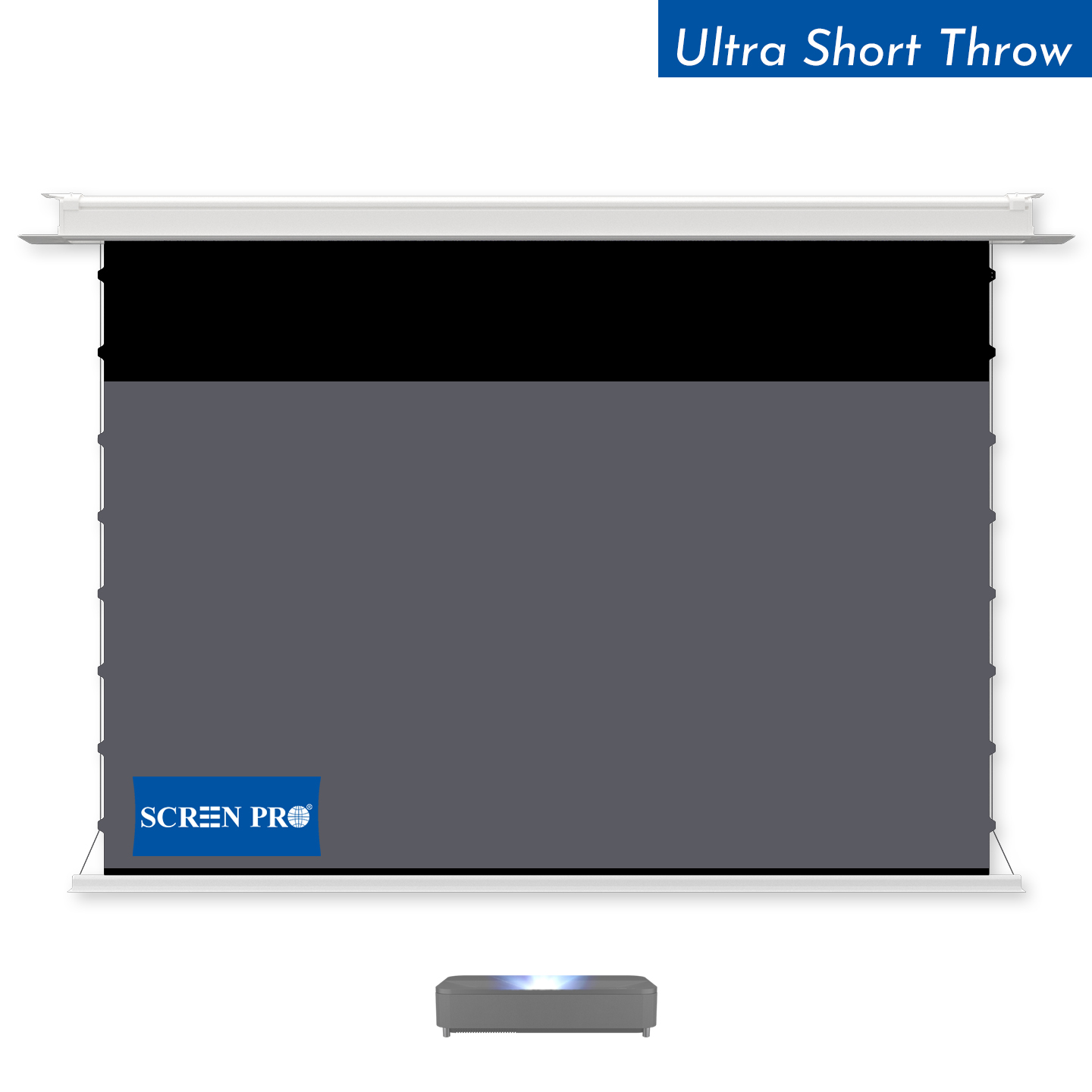
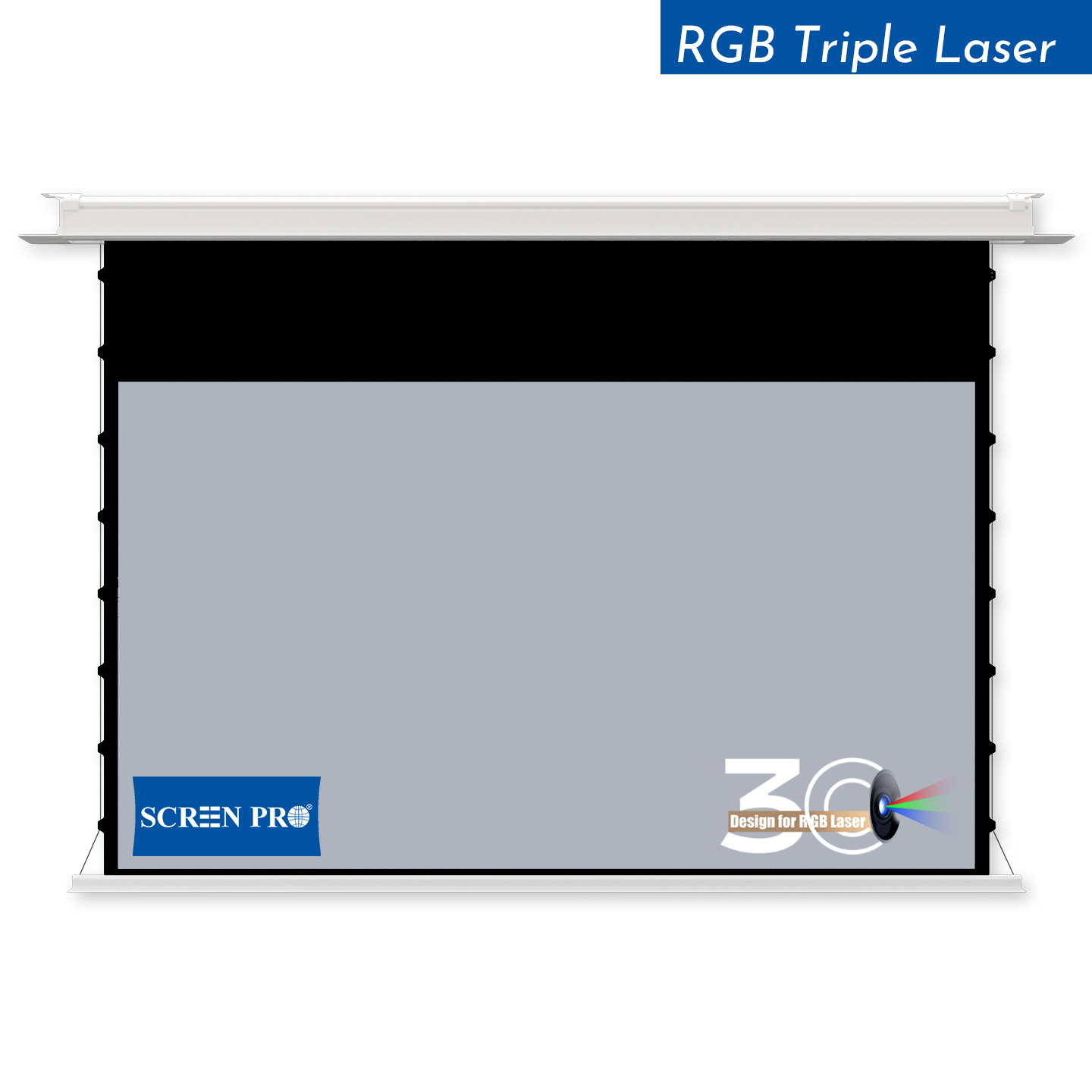
For even cleaner interiors, an in-ceiling motorized screen can be recessed into the ceiling so that only a narrow slot remains visible when the screen is closed.
This makes motorized projection screens especially useful in premium residential projects, executive meeting rooms, hotels and other architectural AV environments.
ULTRA SHORT THROW
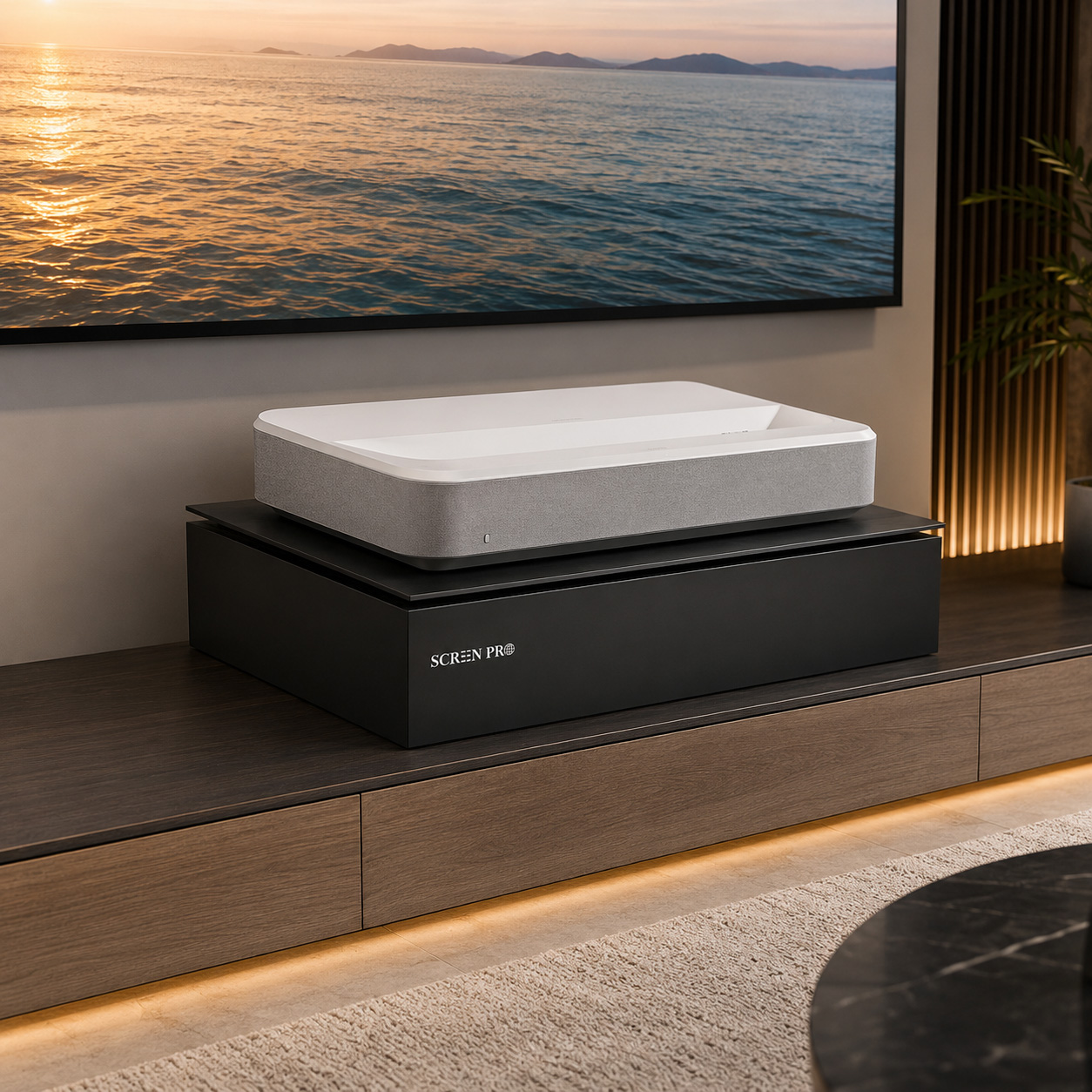
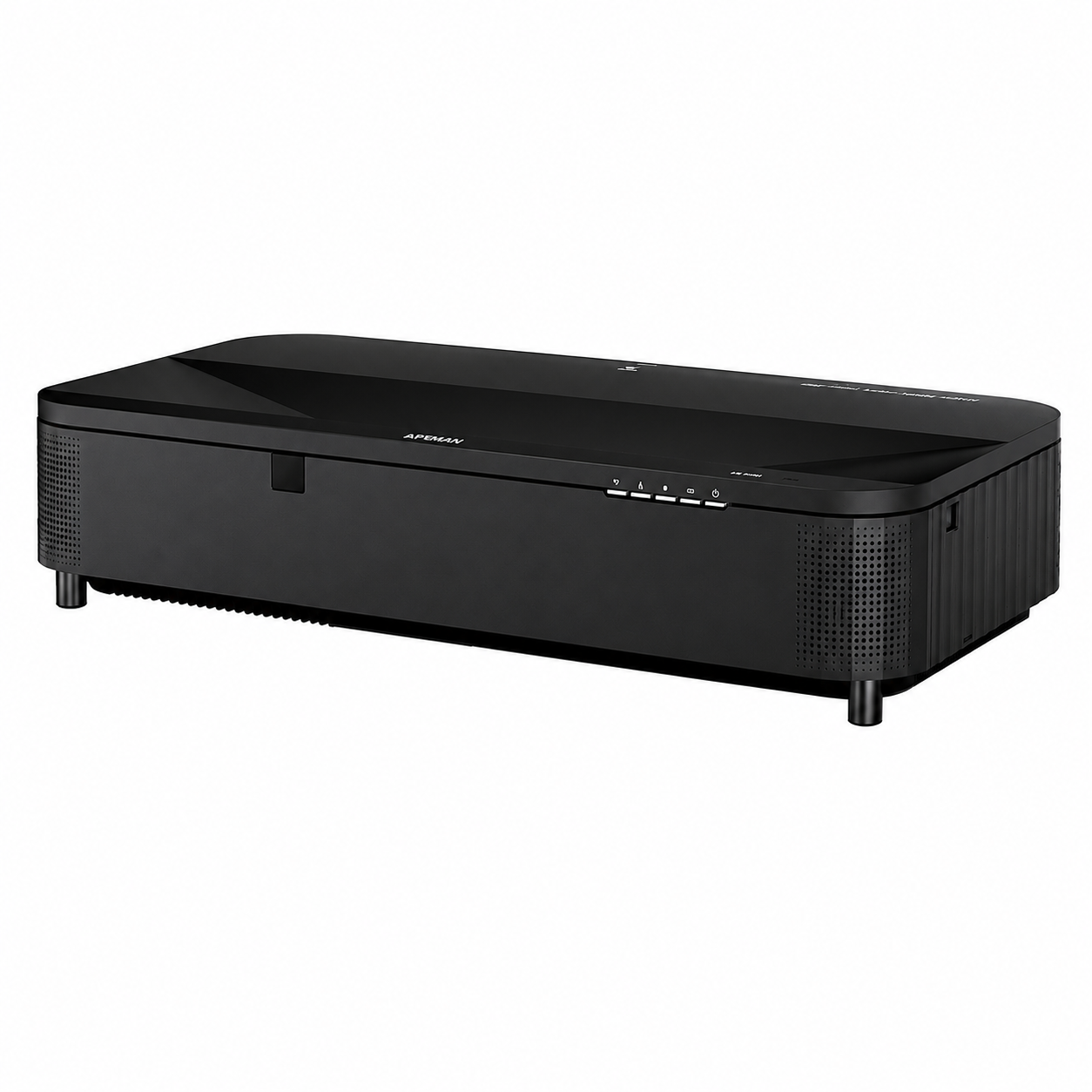
Ultra-short-throw projectors place the projector very close to the screen and project light upward at a steep angle. Because of this geometry, even relatively small changes in screen flatness can affect image geometry.
A properly tensioned fixed frame screen therefore remains one of the most reliable choices for UST home theater installations.
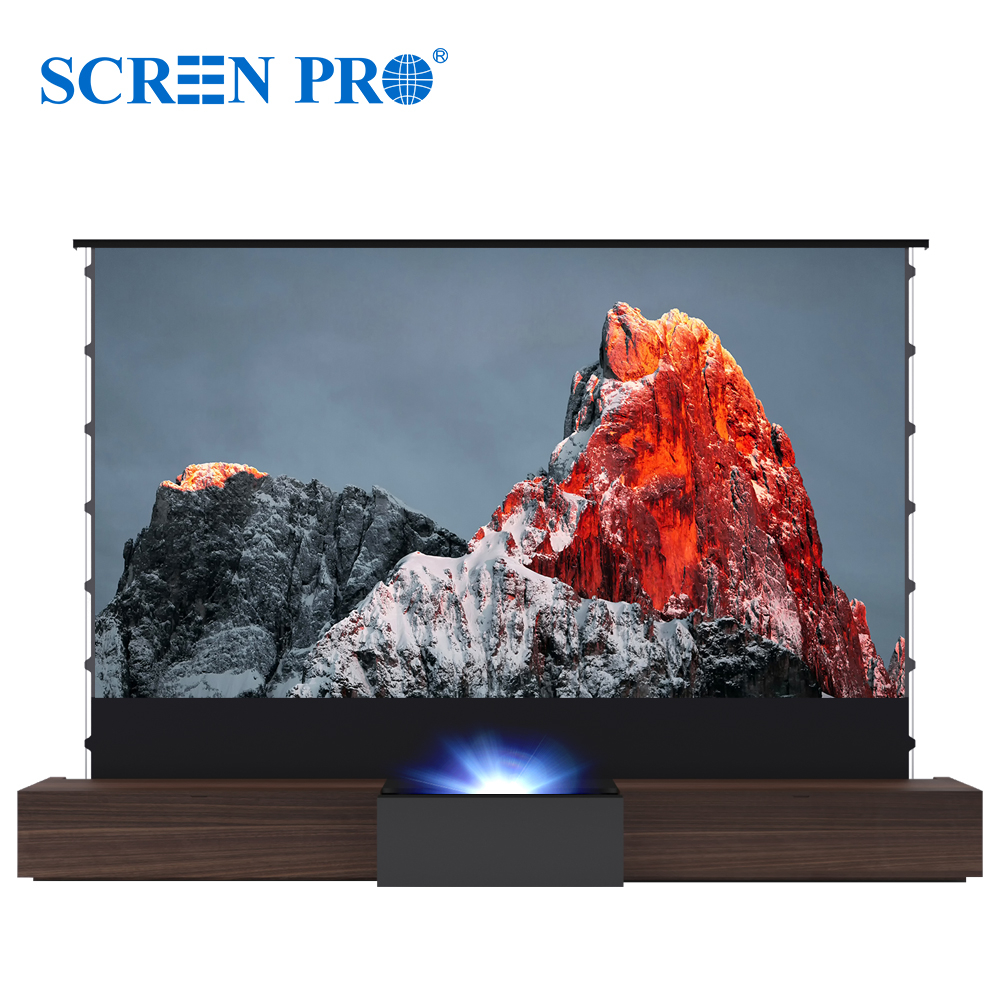
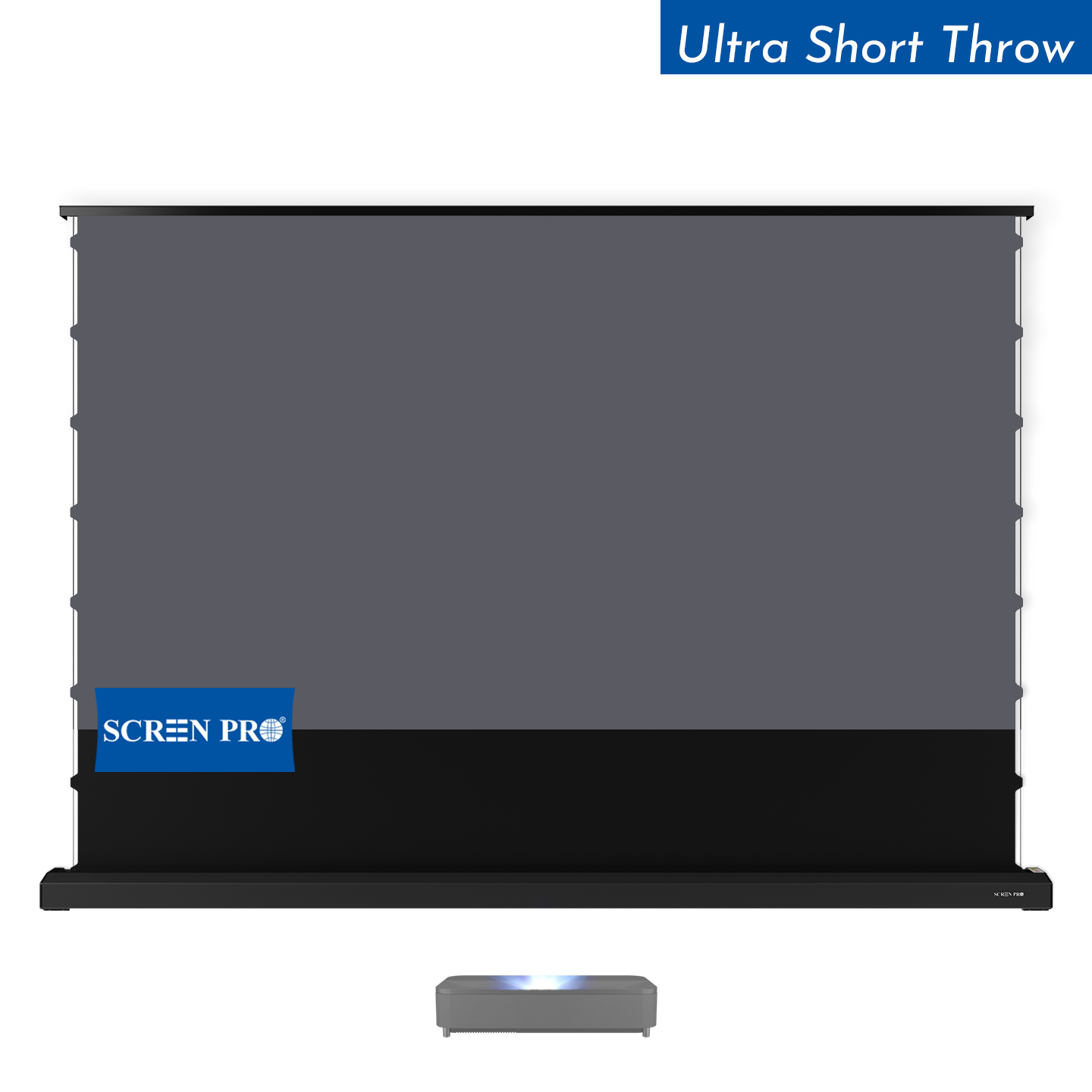
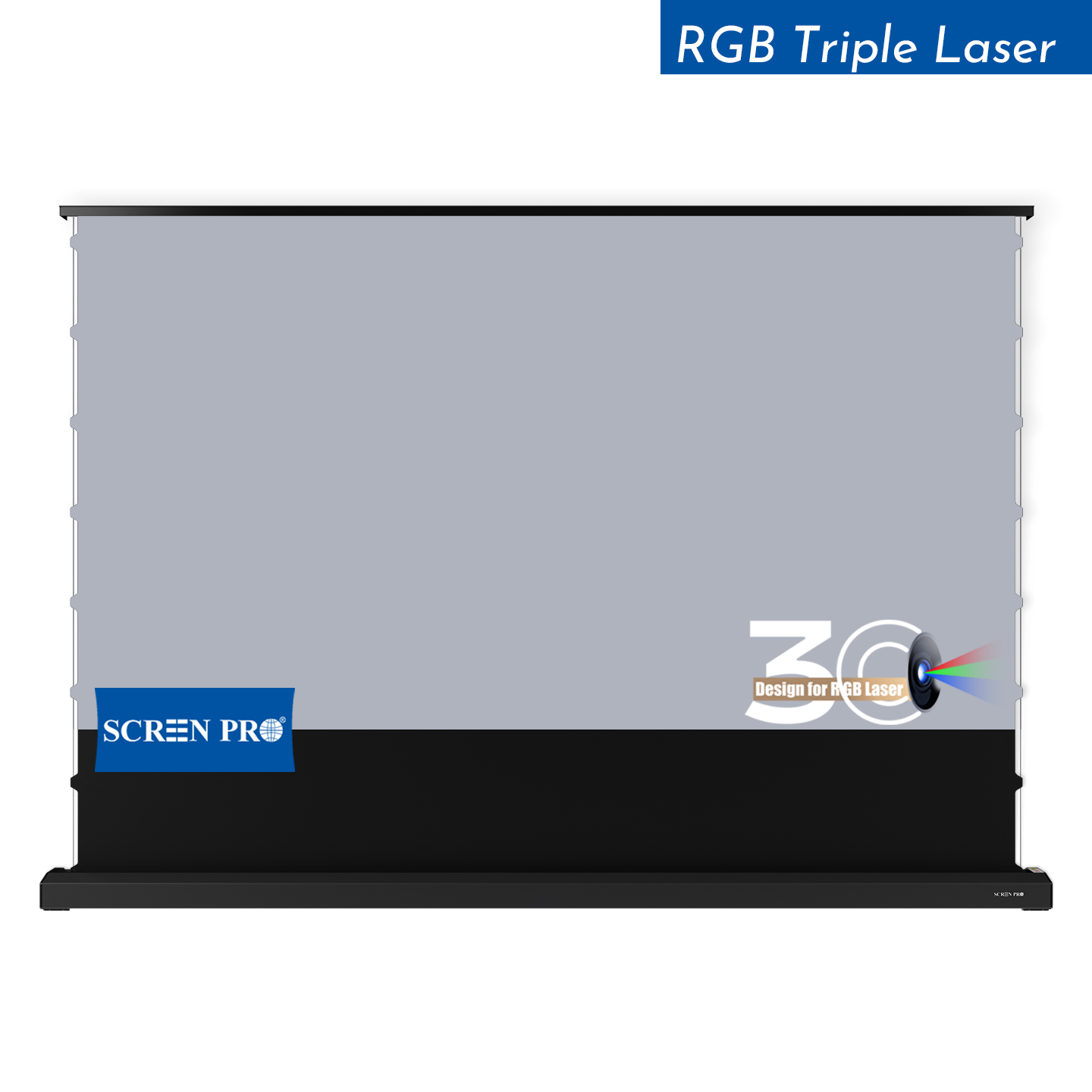
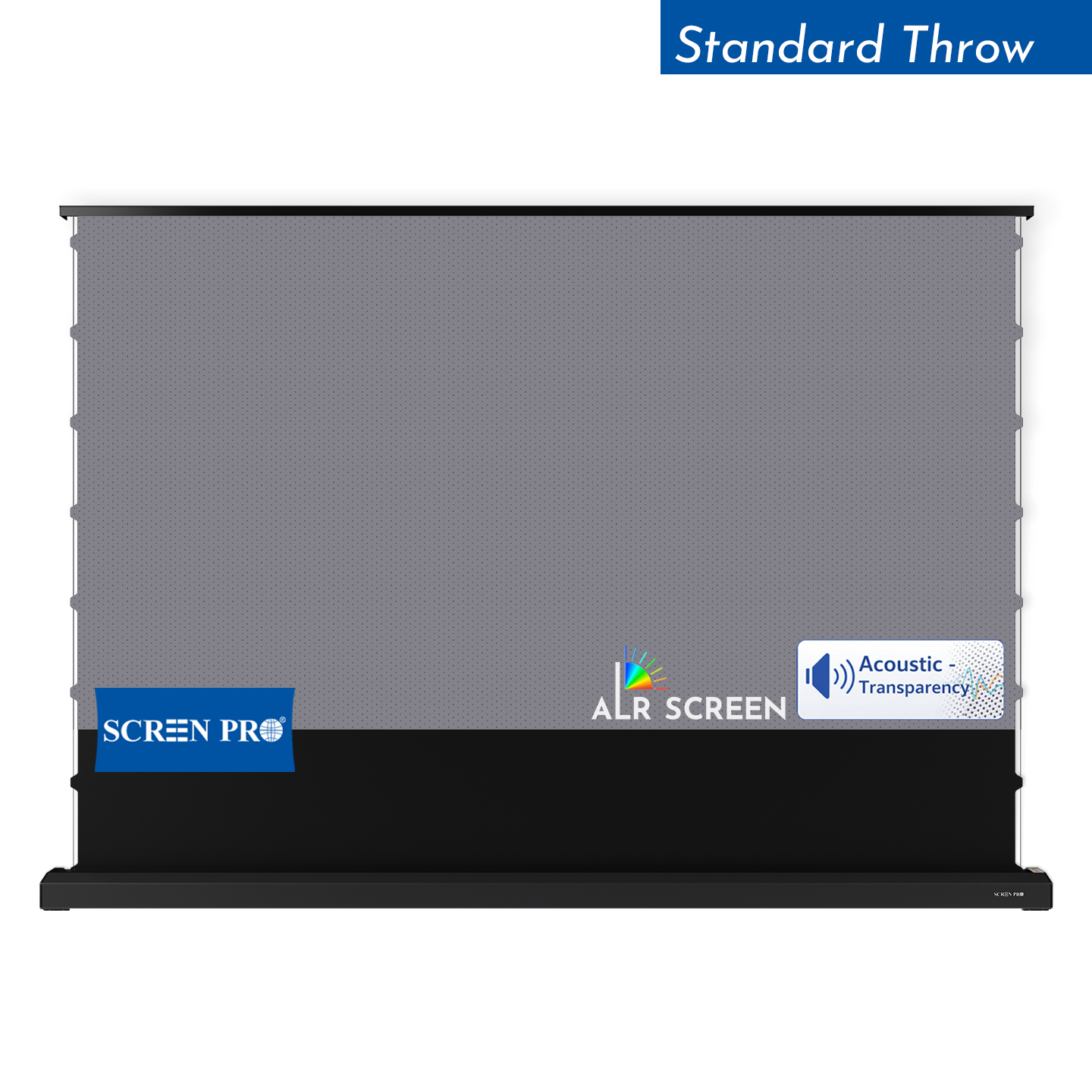
However, this does not mean a UST projector must use a fixed screen. When a retractable installation is required, a purpose-designed tensioned motorized UST ALR screen can provide both ALR performance and a retractable design.
SCREEN MATERIAL
Fixed frame and motorized describe the mechanical structure of the screen. ALR, white matte, acoustically transparent and speckle-reduction describe the projection surface.
That distinction matters because the same room may require both a particular screen structure and a particular optical material.
A neutral projection surface is often suitable when ambient light is tightly controlled.
Ambient-light-rejecting materials help maintain image contrast in brighter environments.
Woven or perforated materials allow speakers to be positioned behind the projected image.
COST & MAINTENANCE
A fixed frame screen is mechanically simple. Once installed, there are no motors, roller assemblies or electronic controls involved in normal operation.
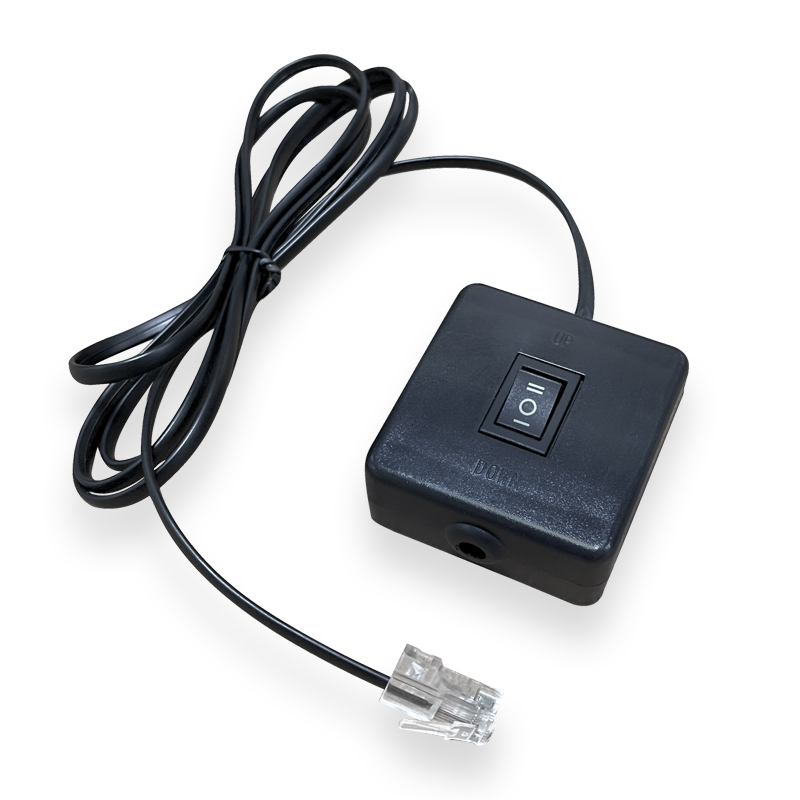
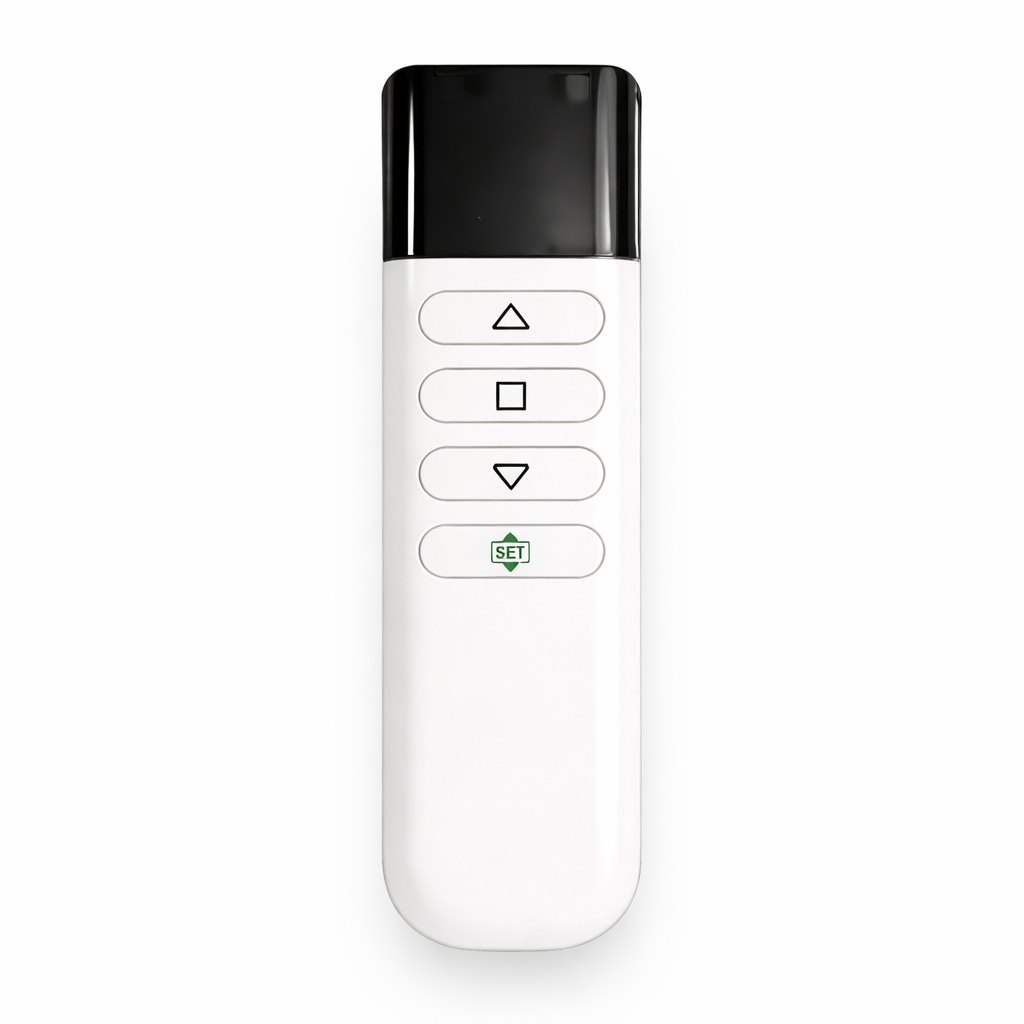
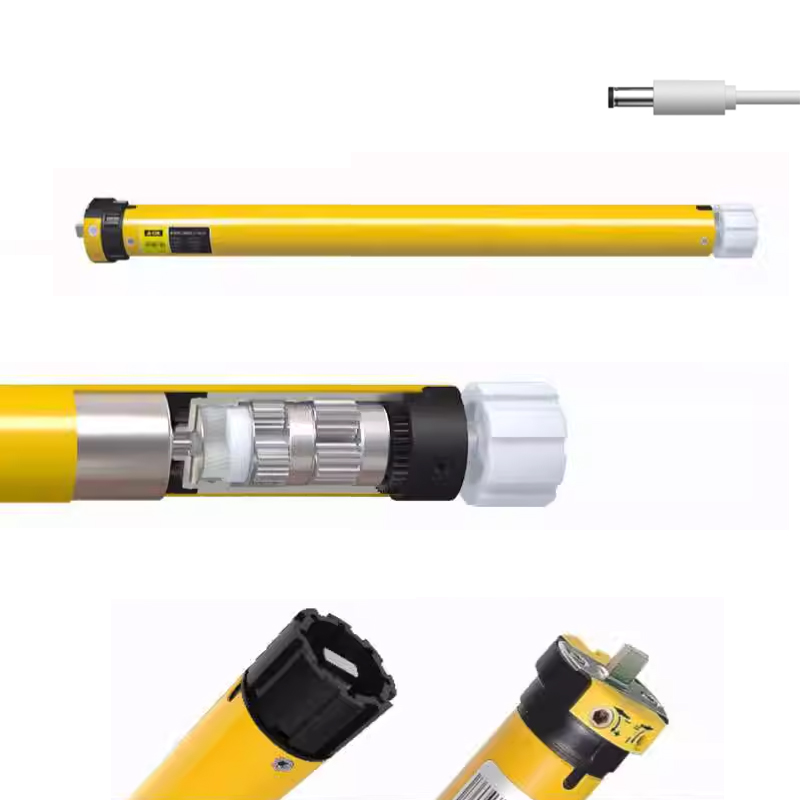
Motorized screens require additional components including the roller tube, motor, limit system and control electronics. Depending on the model, they may also include RF remote control, RS485 integration, trigger control or smart-home integration.
For a dedicated cinema, paying for retractability may provide little practical benefit. For a multi-purpose space, however, the ability to hide the projection surface can easily justify the additional cost.
30-SECOND SELECTOR
Start with how the room is used — not with the screen specification.
THE VERDICT
If the screen will remain permanently installed and image flatness is the priority, a fixed frame projector screen is usually the better choice.
If the room serves multiple purposes or the projection system needs to disappear when not in use, a motorized projector screen is usually the more practical choice.
The best projector screen is not simply the one with the most features. It is the one that matches the projector, viewing environment and room design.
FAQ
For a dedicated theater, fixed frame screens are often preferred because they provide excellent surface flatness and have no moving mechanical components. Motorized screens are usually better when the screen needs to retract after use.
Screen flatness depends on material, construction, and screen size. Tab-tensioned motorized screens use side tensioning to help maintain a flatter projection surface.
Yes, but a tensioned screen designed for UST projection is generally preferred. UST projectors are more sensitive to surface deformation because of their steep projection angle.
A motorized or floor-rising screen is often more suitable because the projection surface can be hidden when it is not being used.
A fixed frame screen is often the simplest choice because it provides a permanently flat, cinema-style projection surface.
Yes. Some acoustically transparent materials can be used with tensioned motorized systems, although fixed frame screens remain especially common for speaker-behind-screen installations.
SCREENPRO®
Tell us your projector model, screen size, room type and installation method. SCREENPRO can help match the screen structure and projection material to your application.
Explore Projector Screens Ask SCREENPRO





© Copyright 2004-2026 SCREEN PRO® All Rights Reserved | Specifications are subject to change without notice. All Rights ReservedSite Map Designed by iwonder.cn