

© Copyright 2004-2026 SCREEN PRO® All Rights Reserved | Specifications are subject to change without notice. All Rights ReservedSite Map Designed by iwonder.cn


PROJECTOR SCREEN BUYING GUIDE
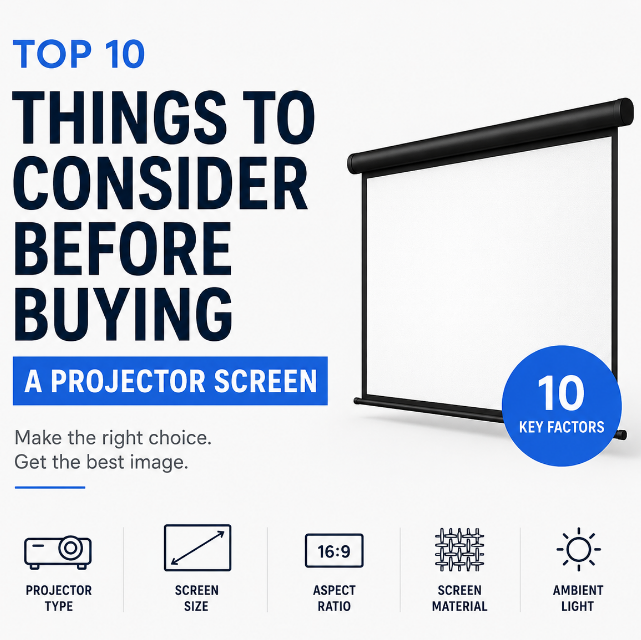
Screen size is only one part of the decision. Projector type, screen material, ambient light, gain, aspect ratio and installation method can all affect the final image. Here are the ten things worth checking before you buy.
BEFORE YOU BUY
A projector can only perform as well as the surface it projects onto. The right screen can improve image uniformity, contrast, viewing angle and installation quality, while the wrong screen may limit an otherwise capable projector.
Instead of starting with a specific screen model, begin with the basic conditions of your projection system: projector type, room lighting, viewing distance, speaker placement and installation requirements.
TOP 10 CHECKLIST
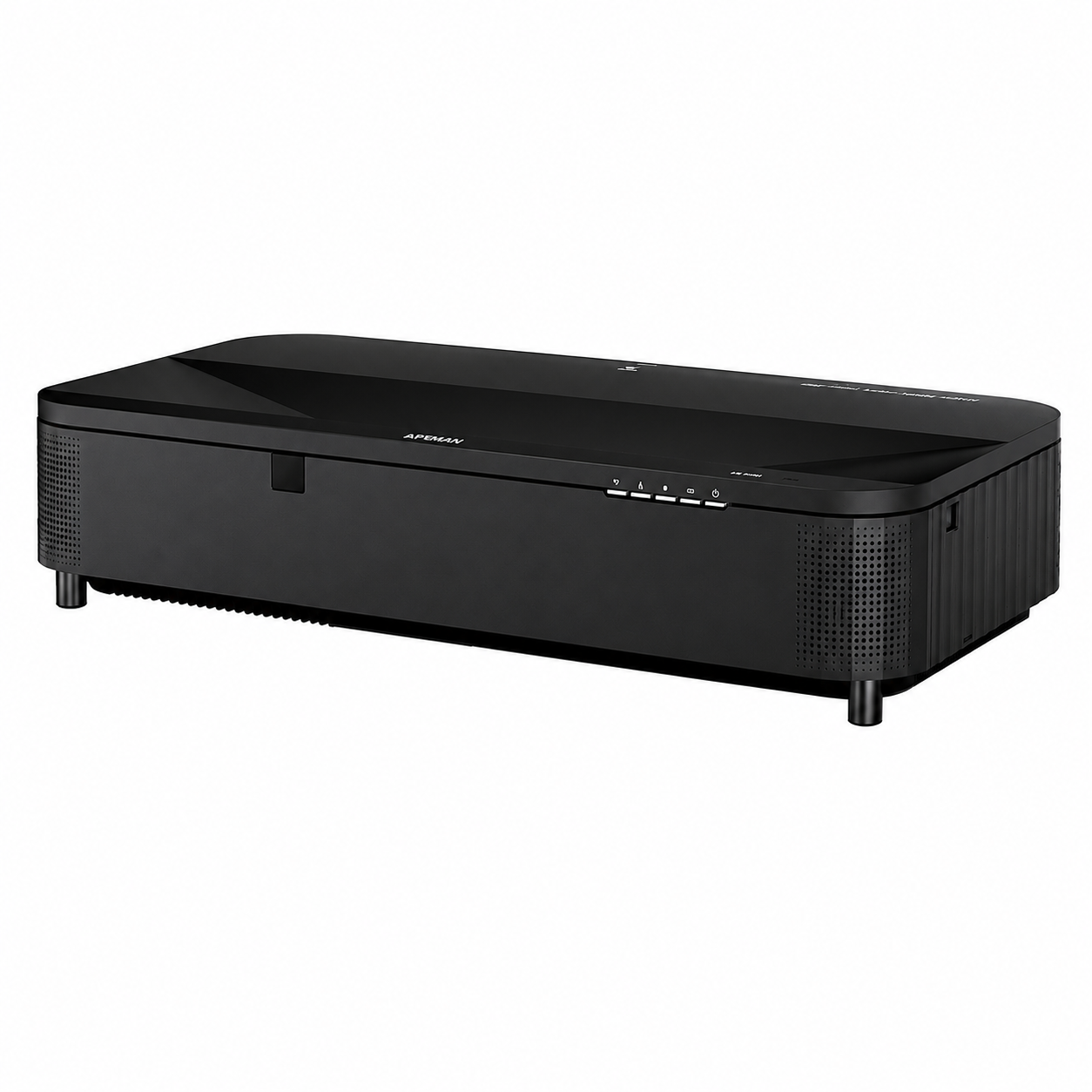
The first question is what type of projector you are using. Standard-throw, short-throw and ultra-short-throw projectors use very different projection geometries.
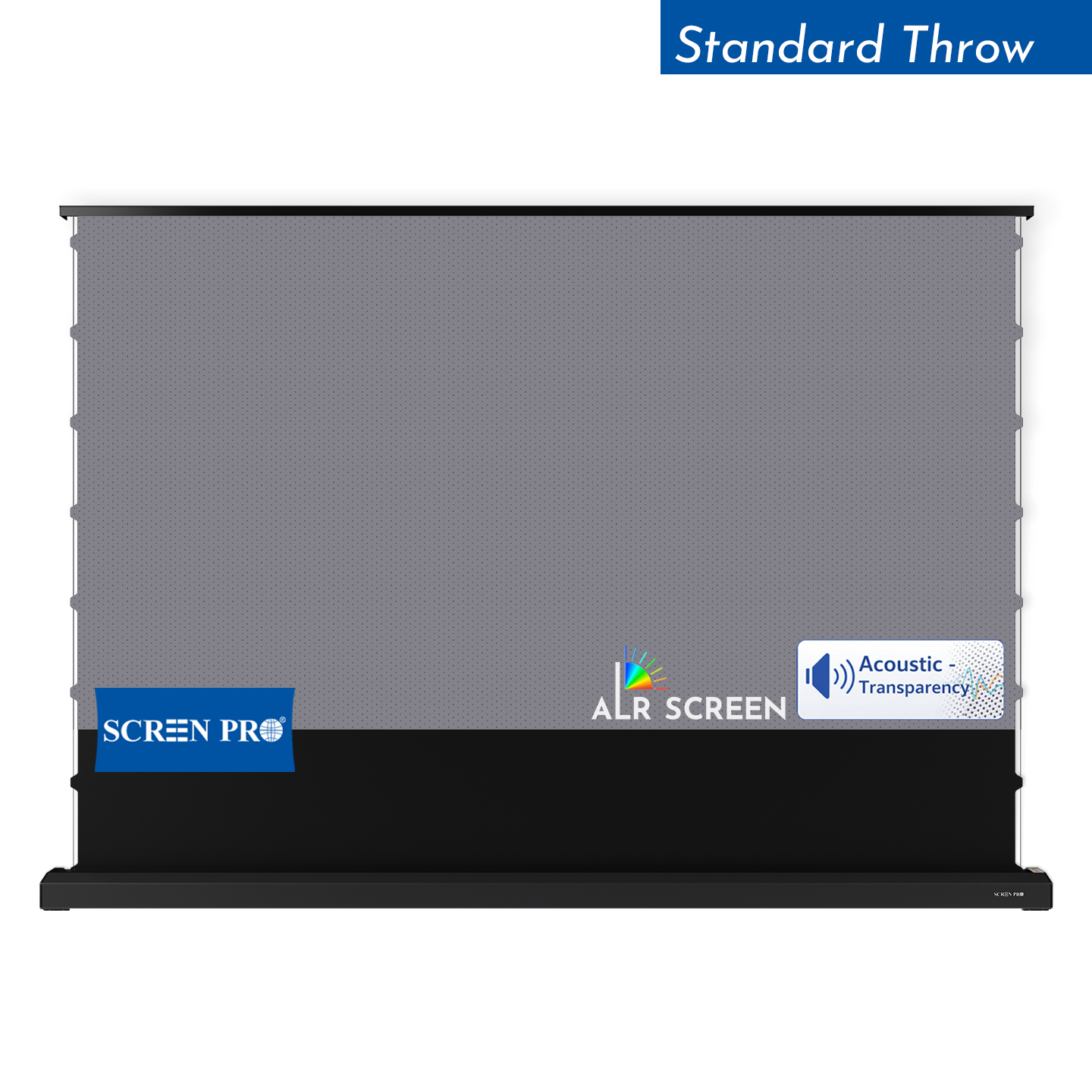
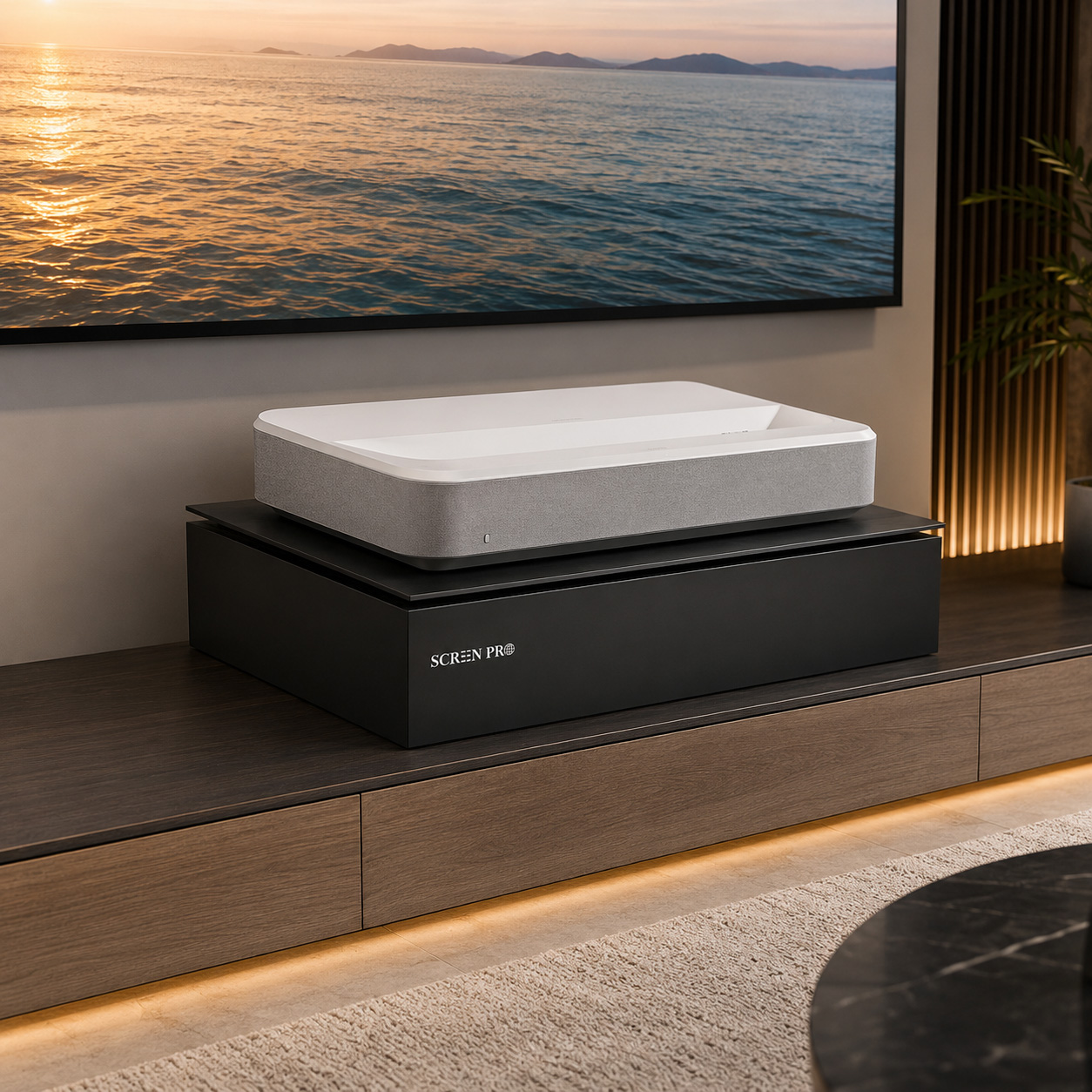
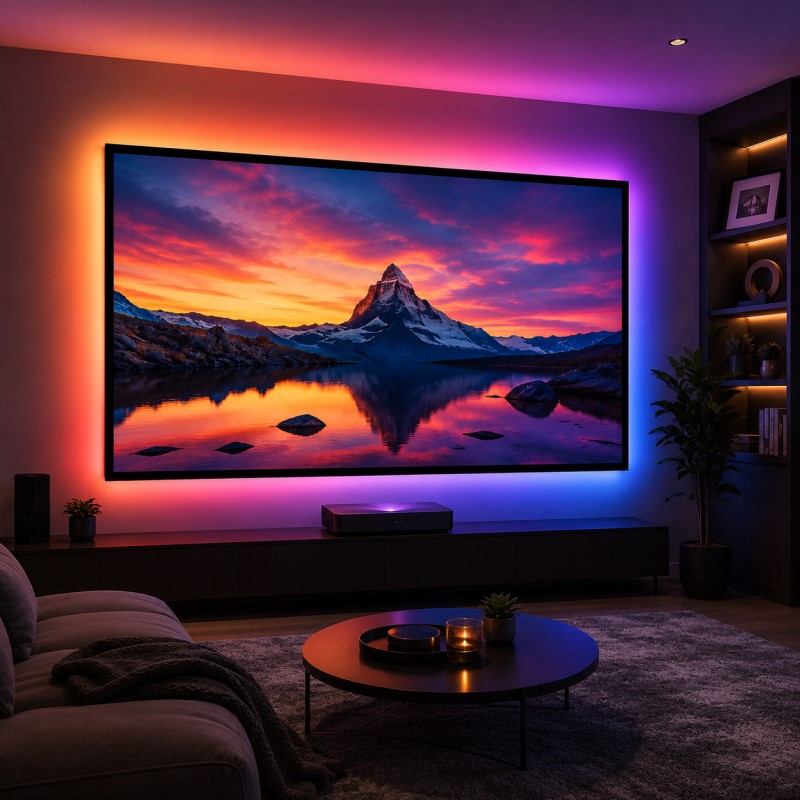
This is especially important with UST projectors, which project light upward at a steep angle and are more sensitive to screen flatness and material direction.
Bigger is not automatically better. Screen size should be chosen according to viewing distance, projector brightness, available wall space and image resolution.
A very large image may look impressive, but if the viewer sits too close or the projector cannot provide enough light for the screen area, image quality can suffer.
The most common home cinema format is 16:9, while commercial and educational installations may also use 16:10, 4:3 or 1:1 formats.
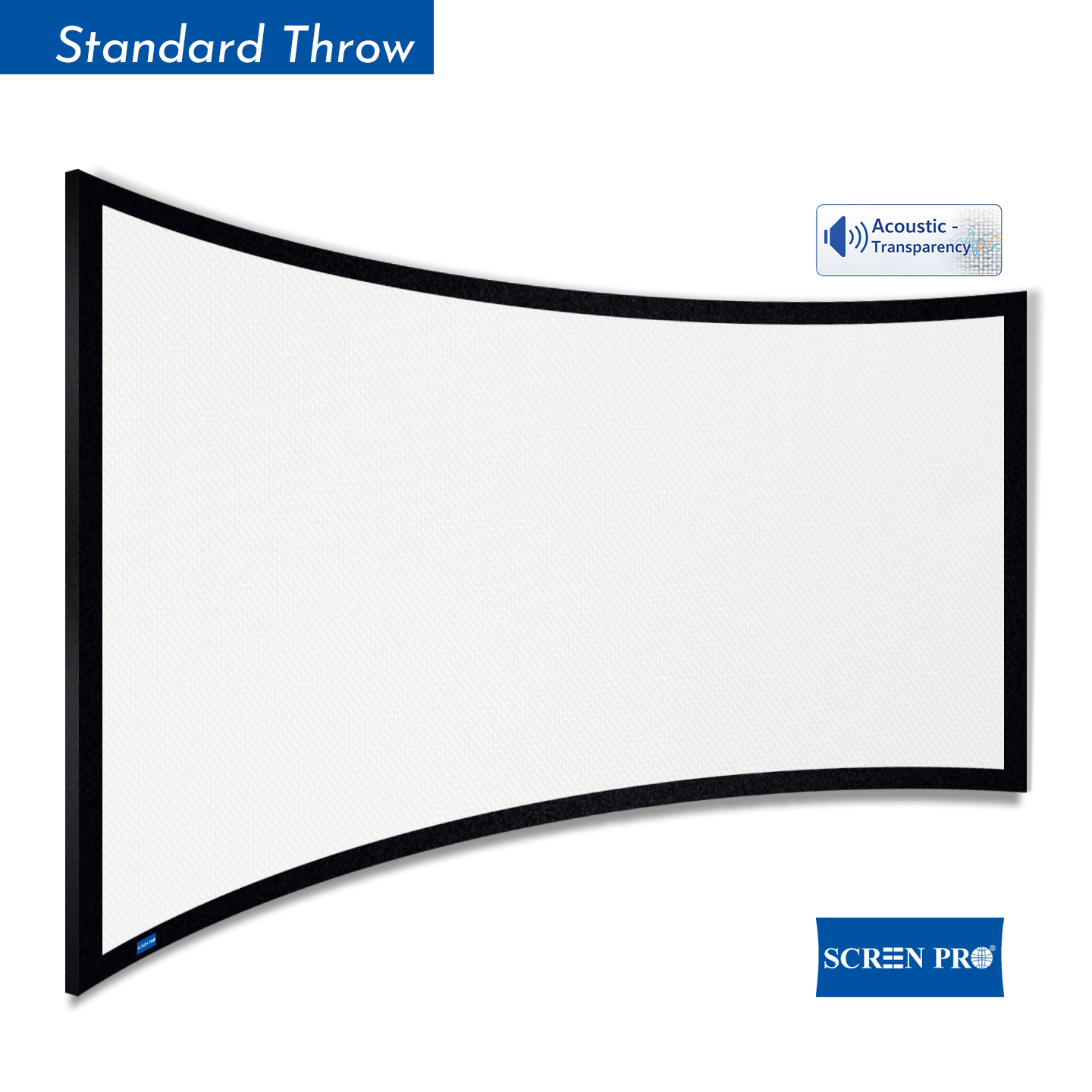
Dedicated cinema rooms may use wider formats such as 2.35:1 or 2.40:1 for Cinemascope content.
Screen material can have a greater impact on performance than the frame or casing. Different materials are designed for different projector types and room conditions.
A versatile choice for dark rooms and conventional projection systems.
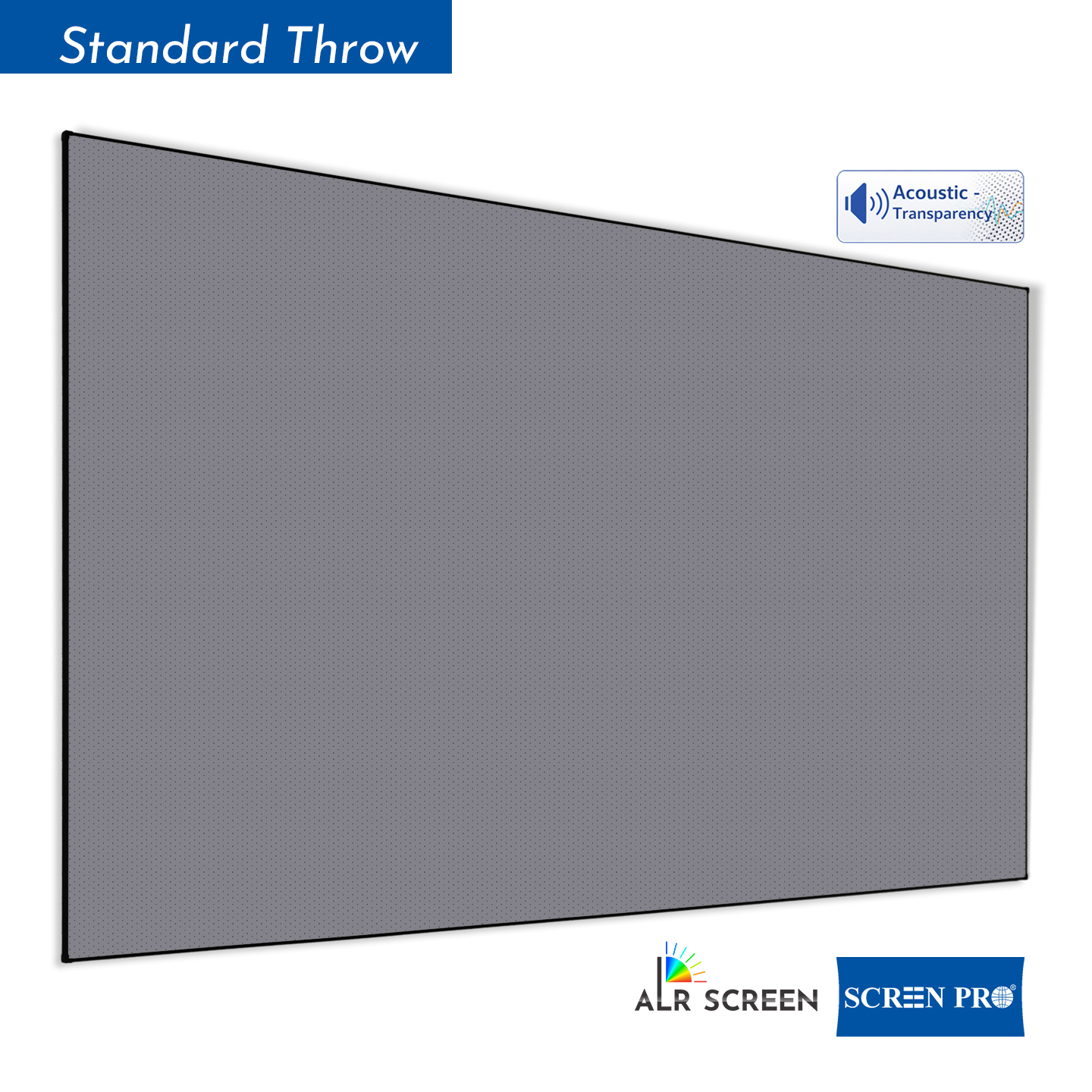
Designed to reduce the effect of unwanted ambient light and preserve contrast.
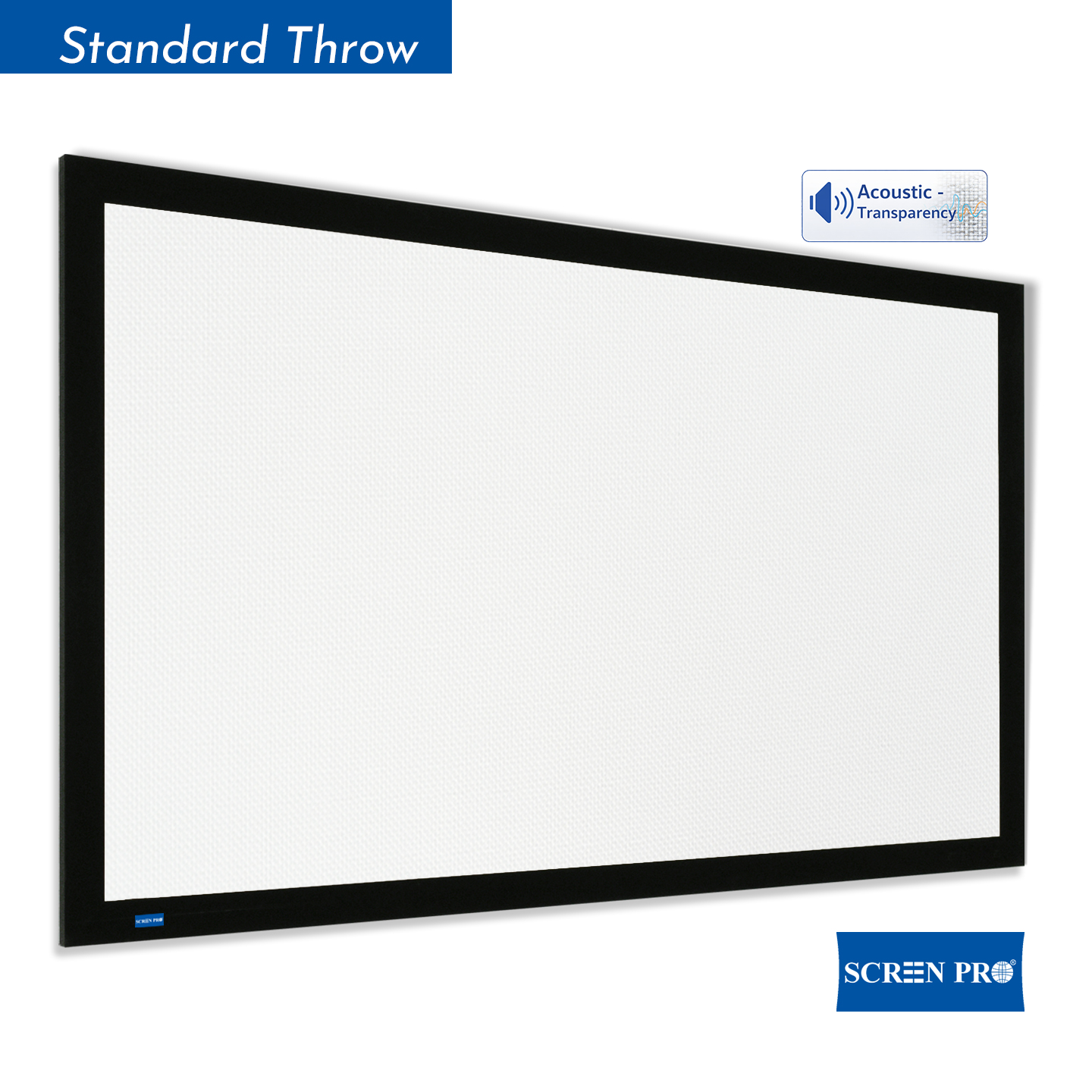
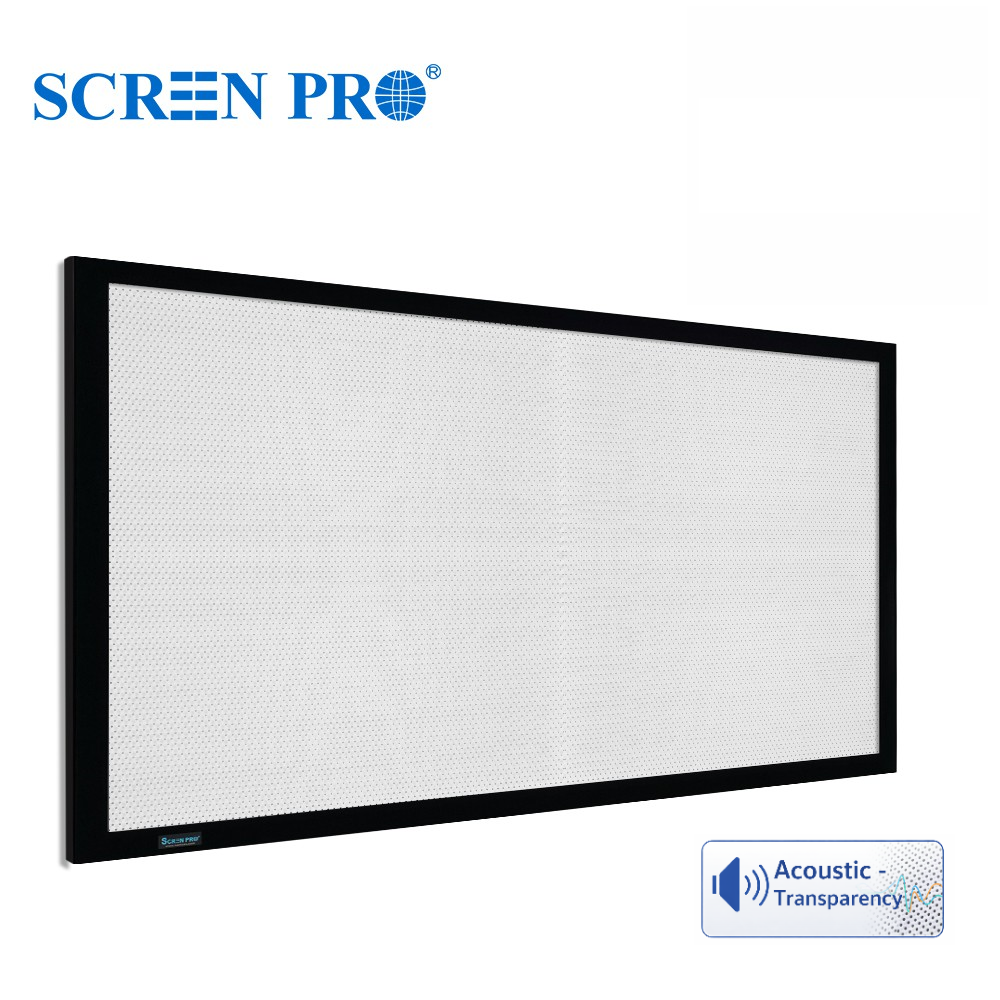
Allows speakers to be positioned behind the projected image.
Other specialized materials include UST ALR, speckle-reduction surfaces, rear projection materials and high-gain projection fabrics.
Screen gain describes how much light a projection surface reflects toward the viewer compared with a standard reference surface.
A higher gain can increase perceived brightness in certain viewing directions, while lower-gain surfaces often distribute light more broadly and may provide wider viewing angles.
Room lighting has a major impact on projected contrast. A conventional white screen may perform extremely well in a dark theater but appear washed out when significant ambient light reaches the screen.
If lights must remain on, or the room has uncontrolled daylight, an appropriate ALR screen may be worth considering.
Once the optical requirements are clear, choose the physical screen structure.
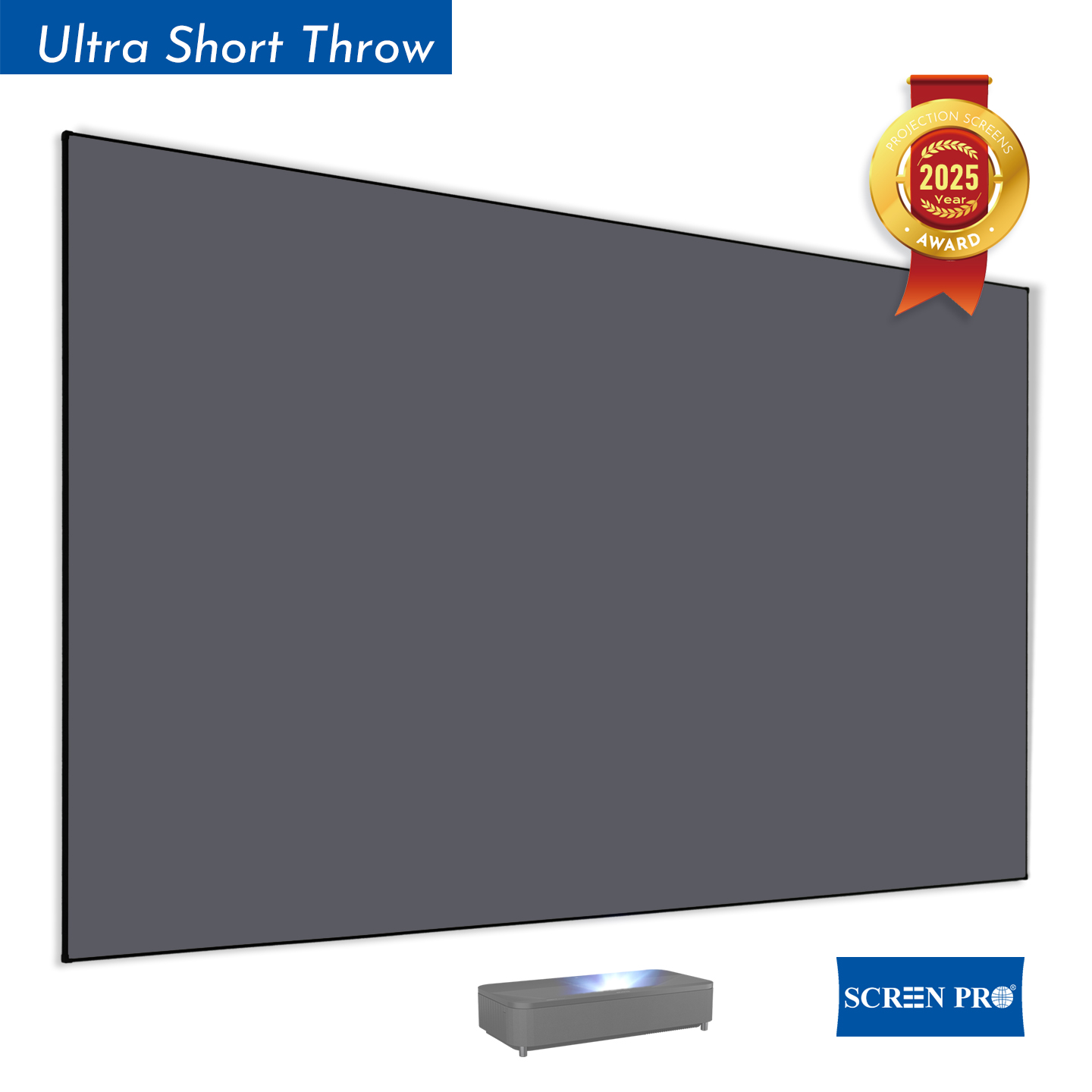
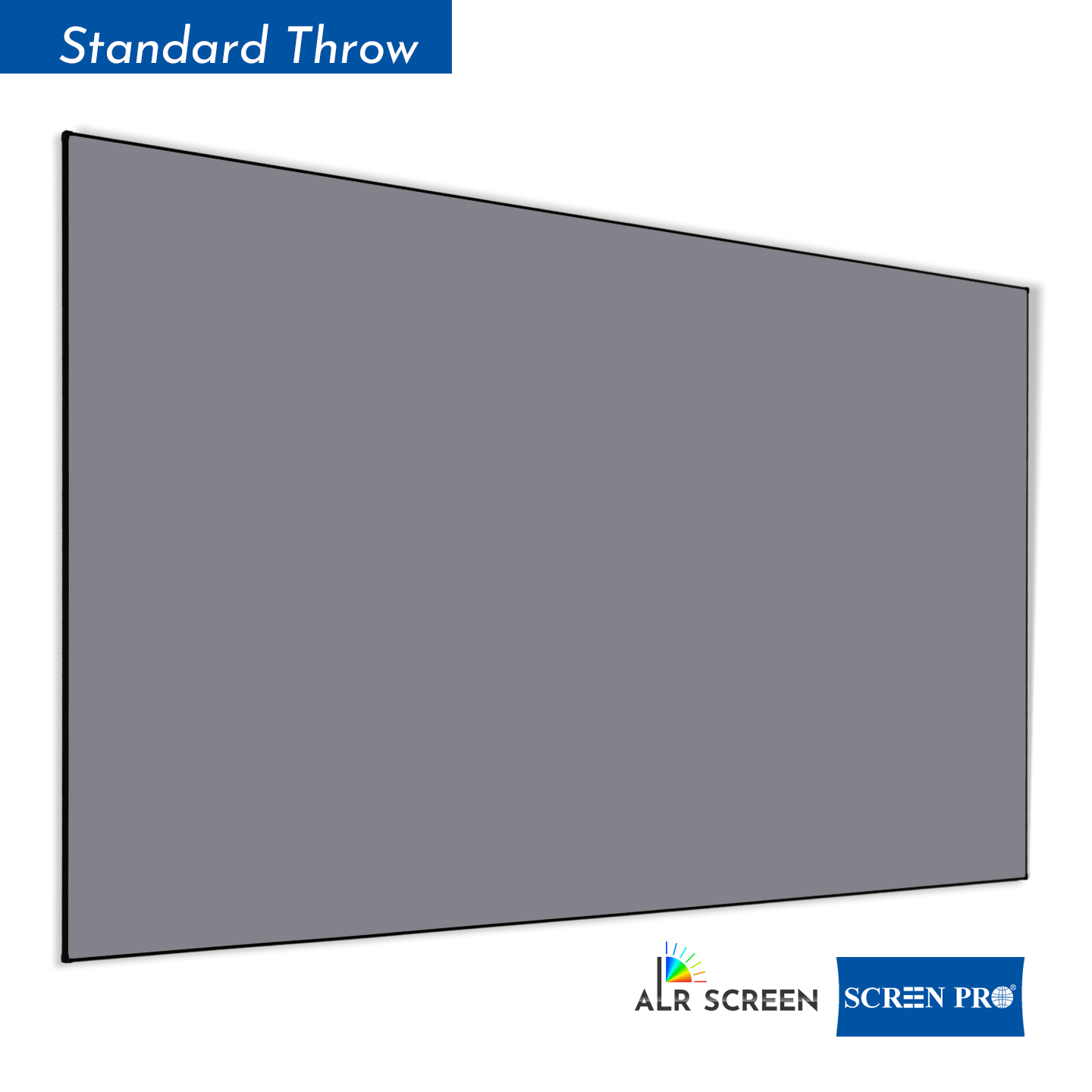
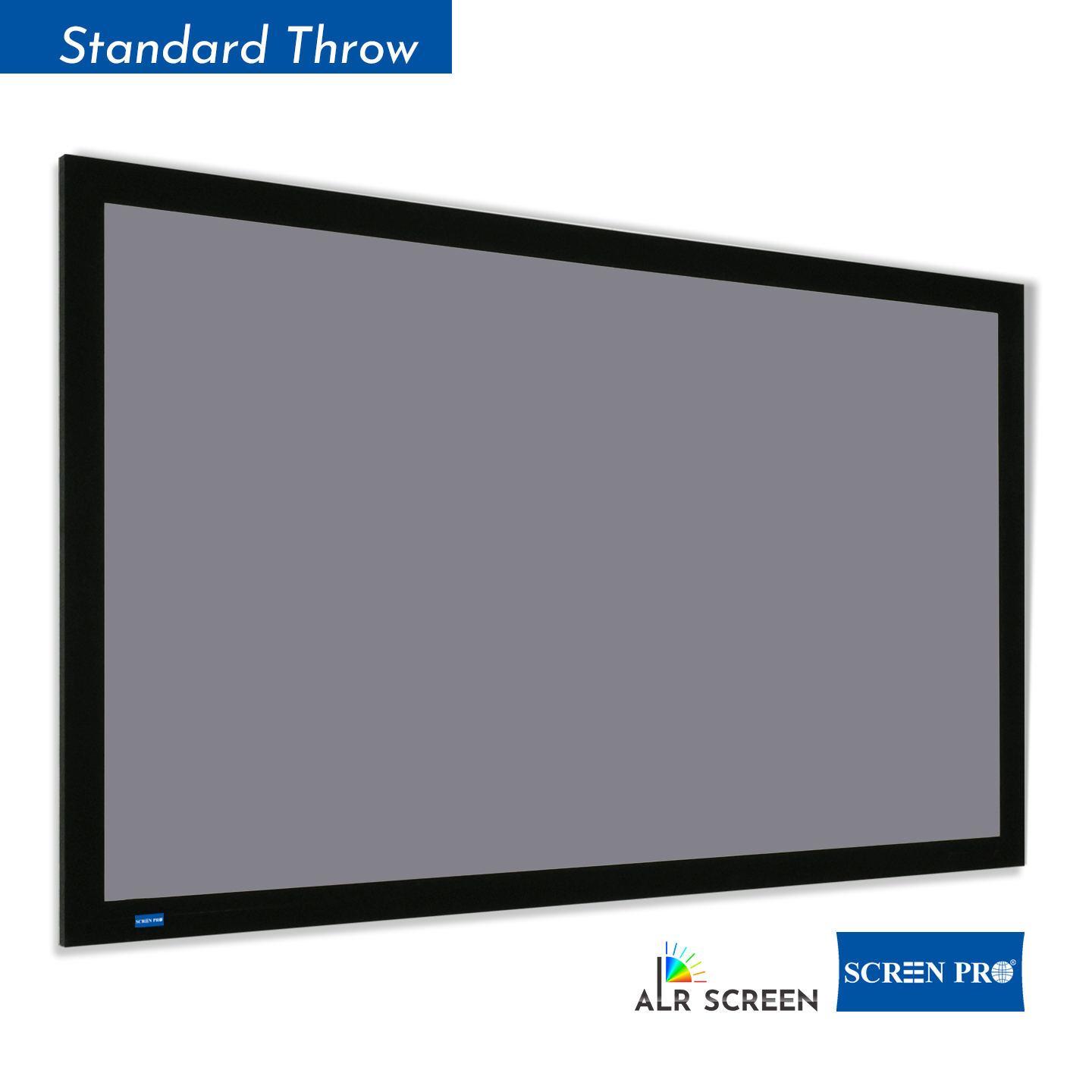
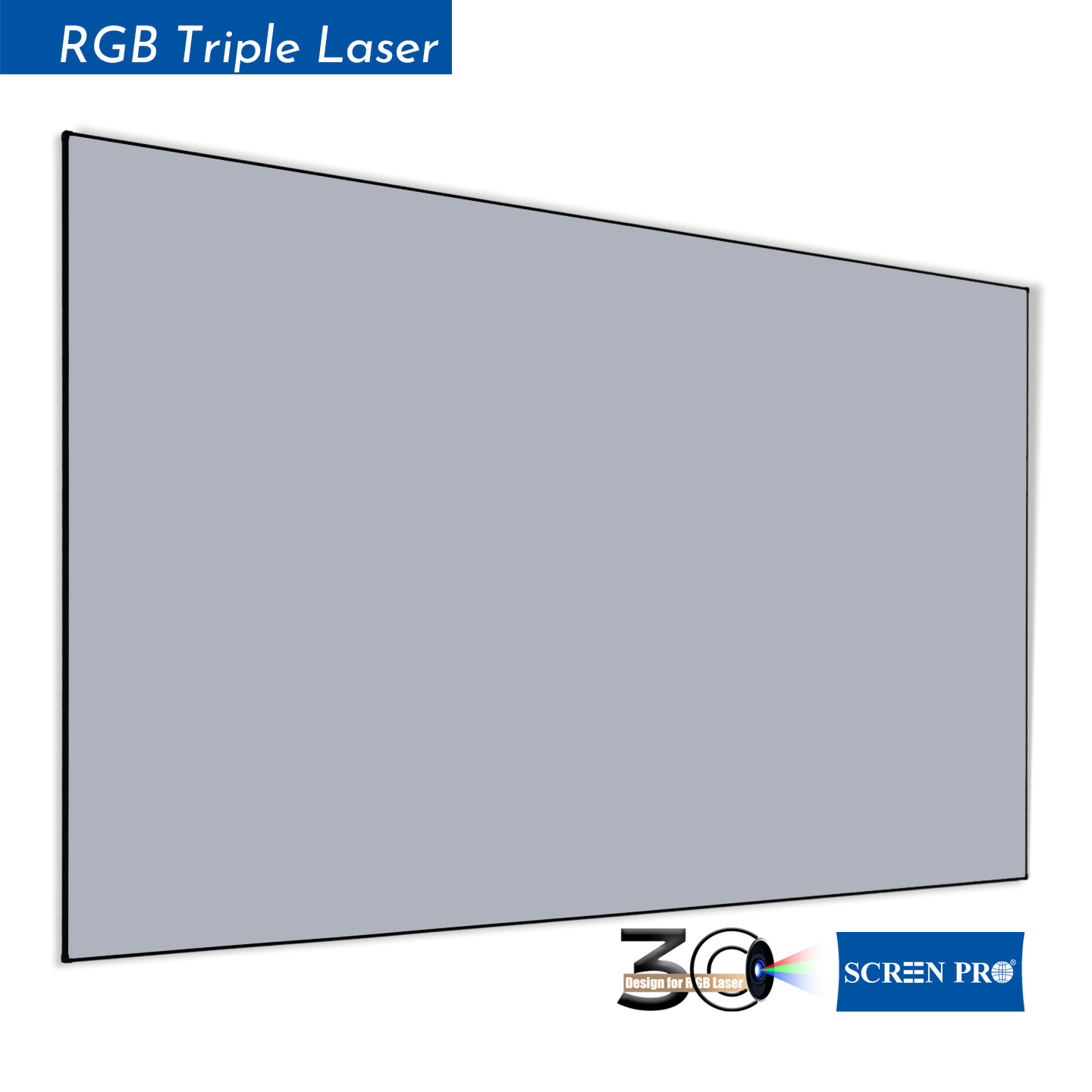
Permanent, simple and excellent for maintaining screen flatness.
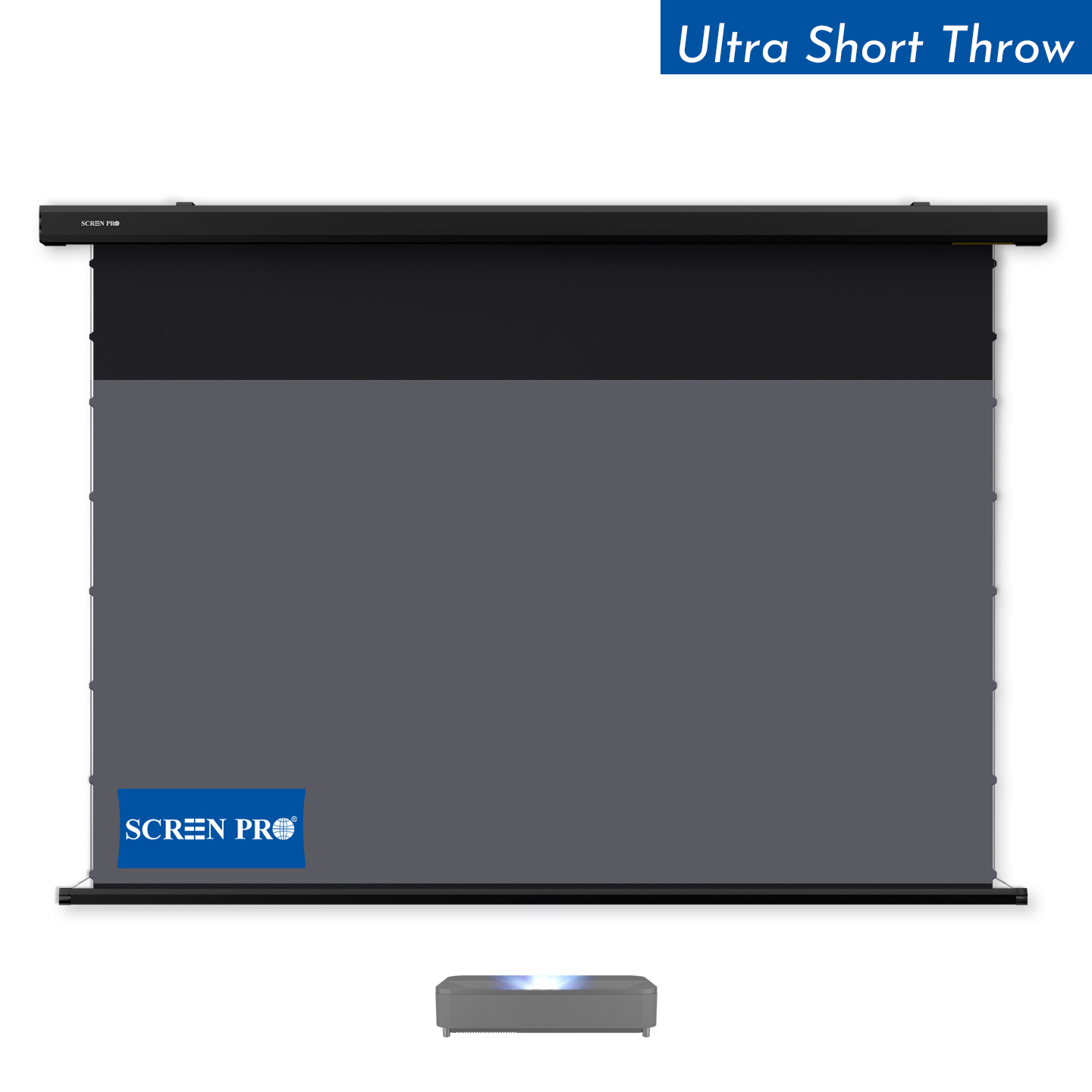
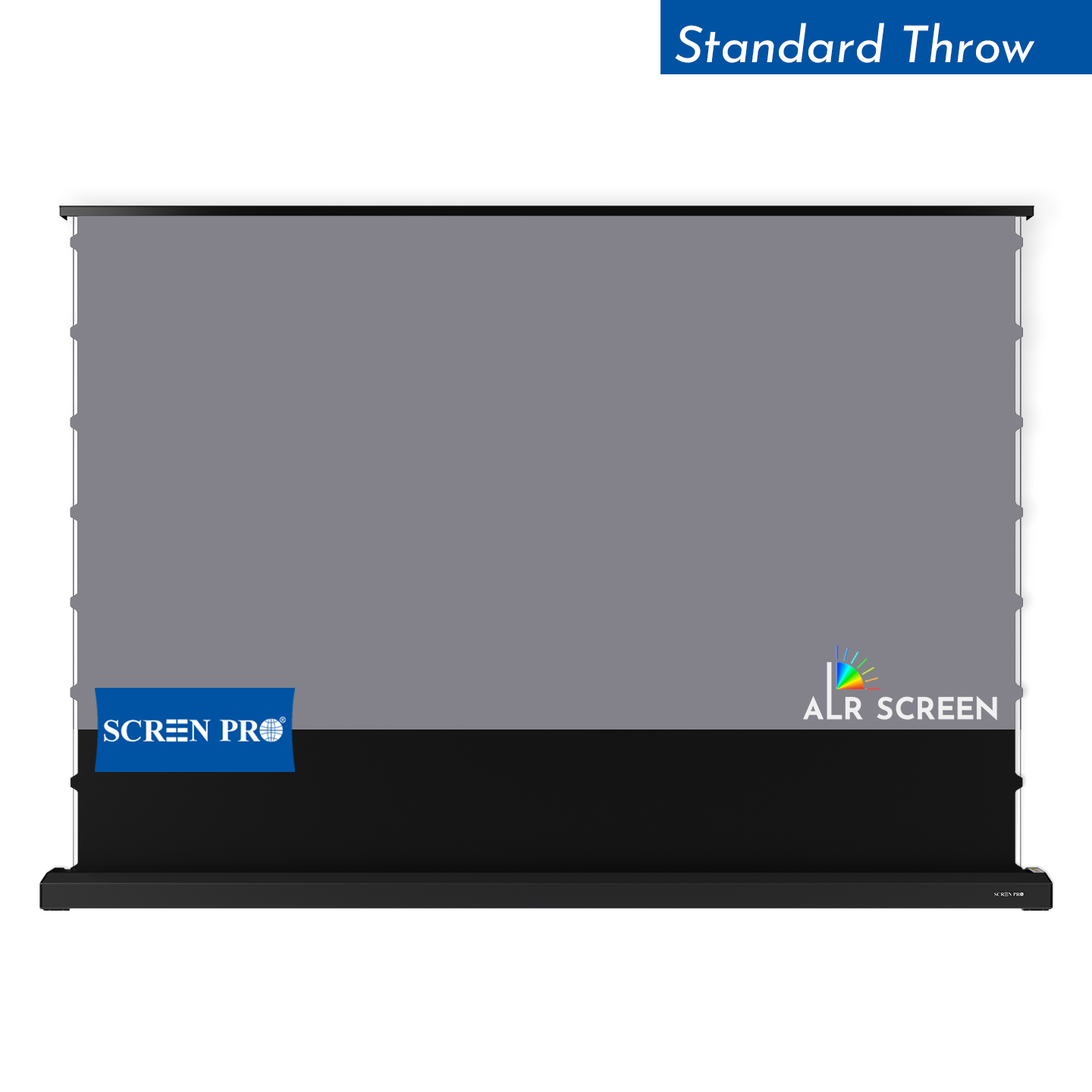
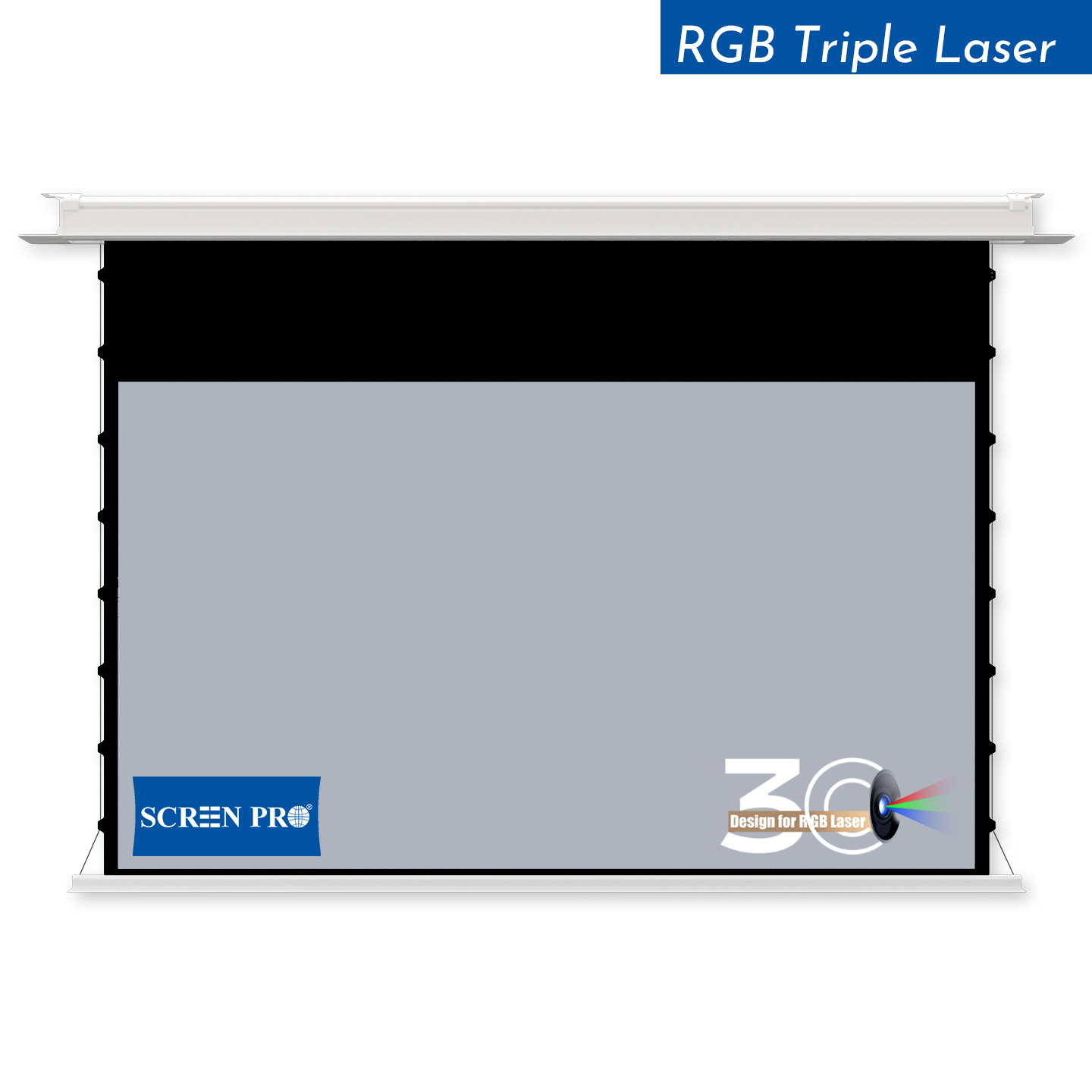
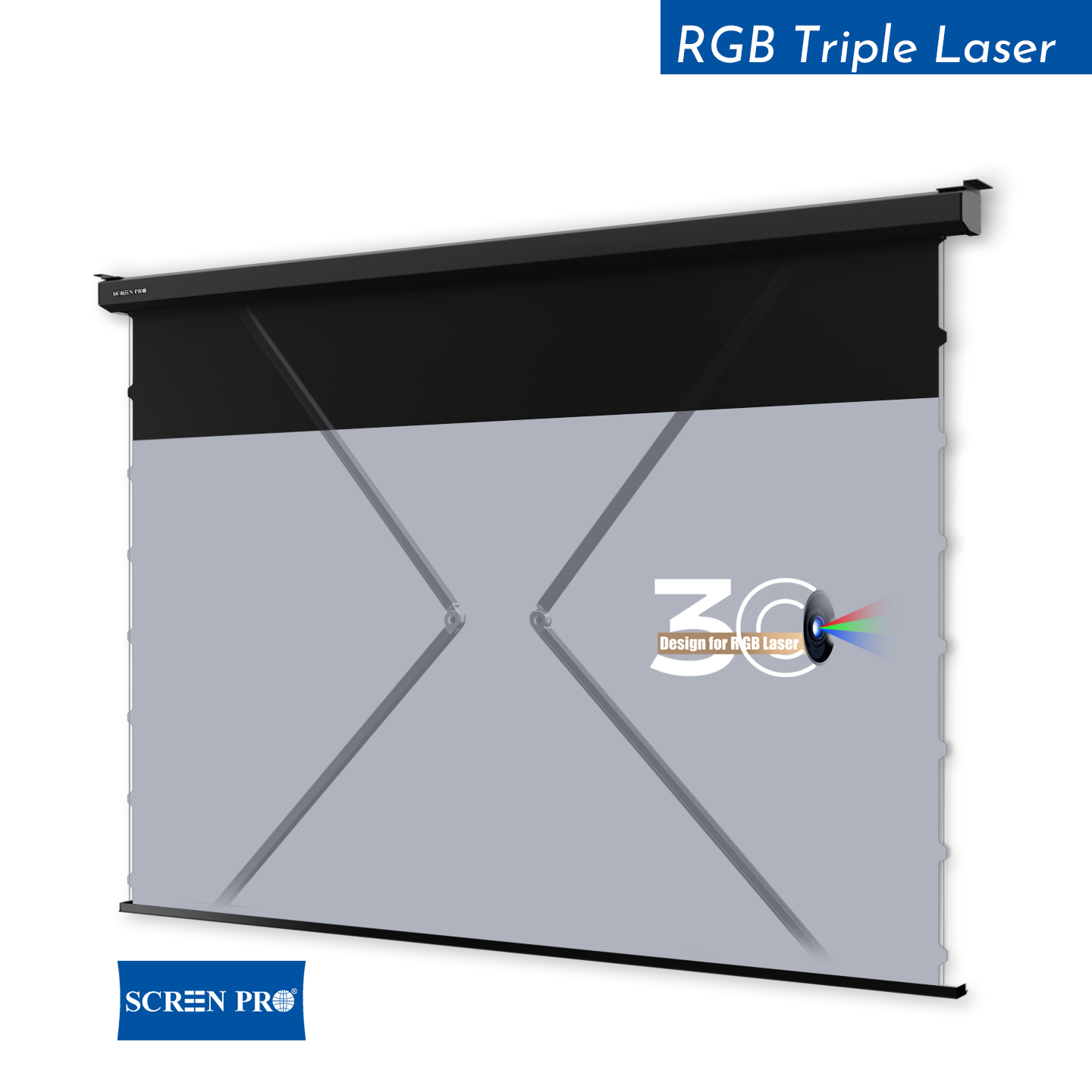
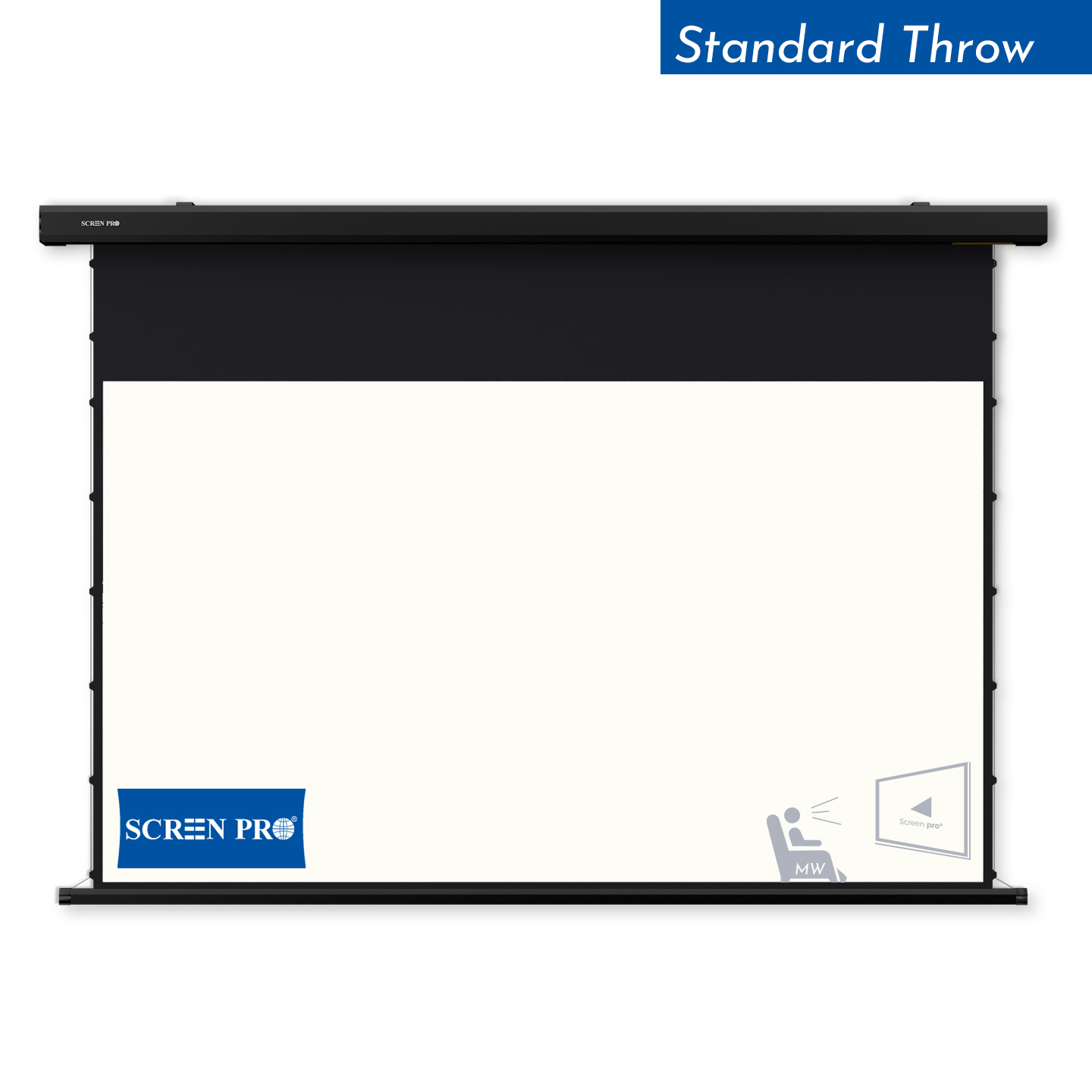
Retracts when not in use and integrates well into shared spaces.
Useful when wall or ceiling installation is not possible.
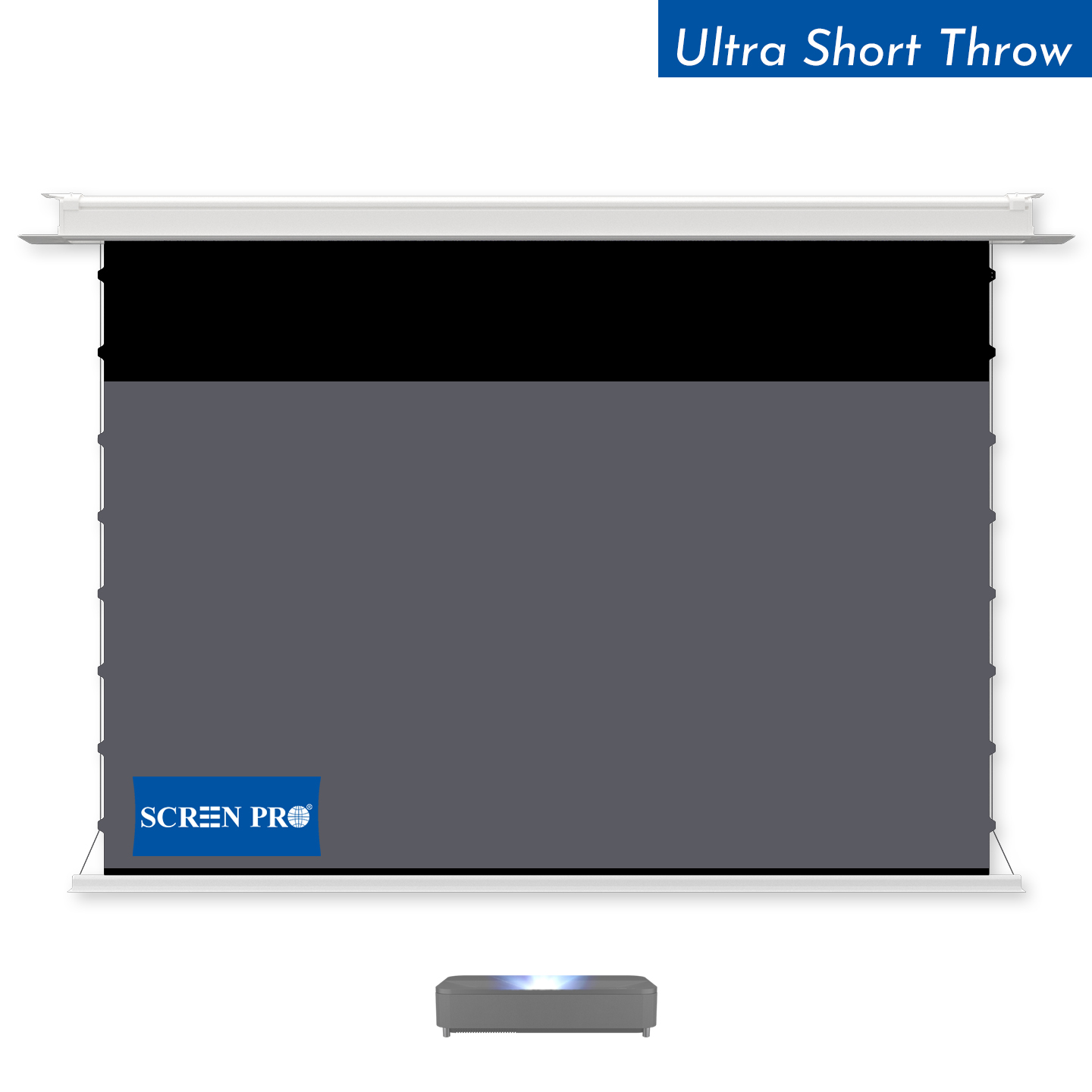
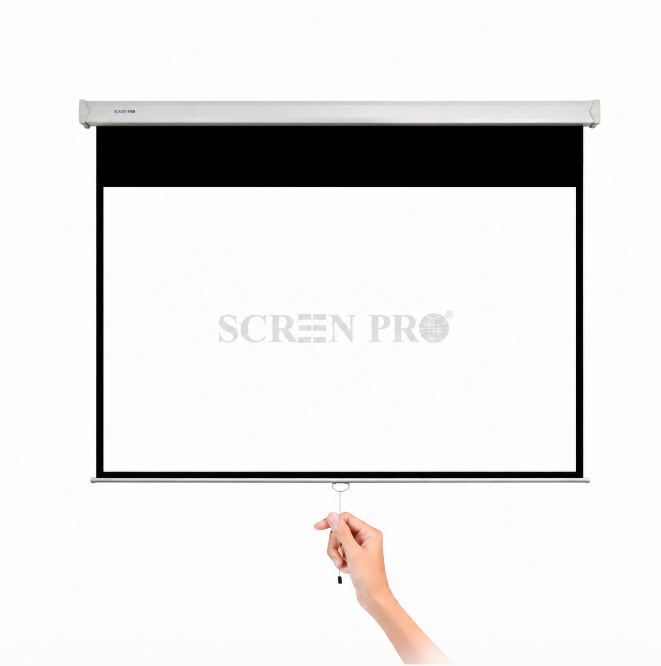
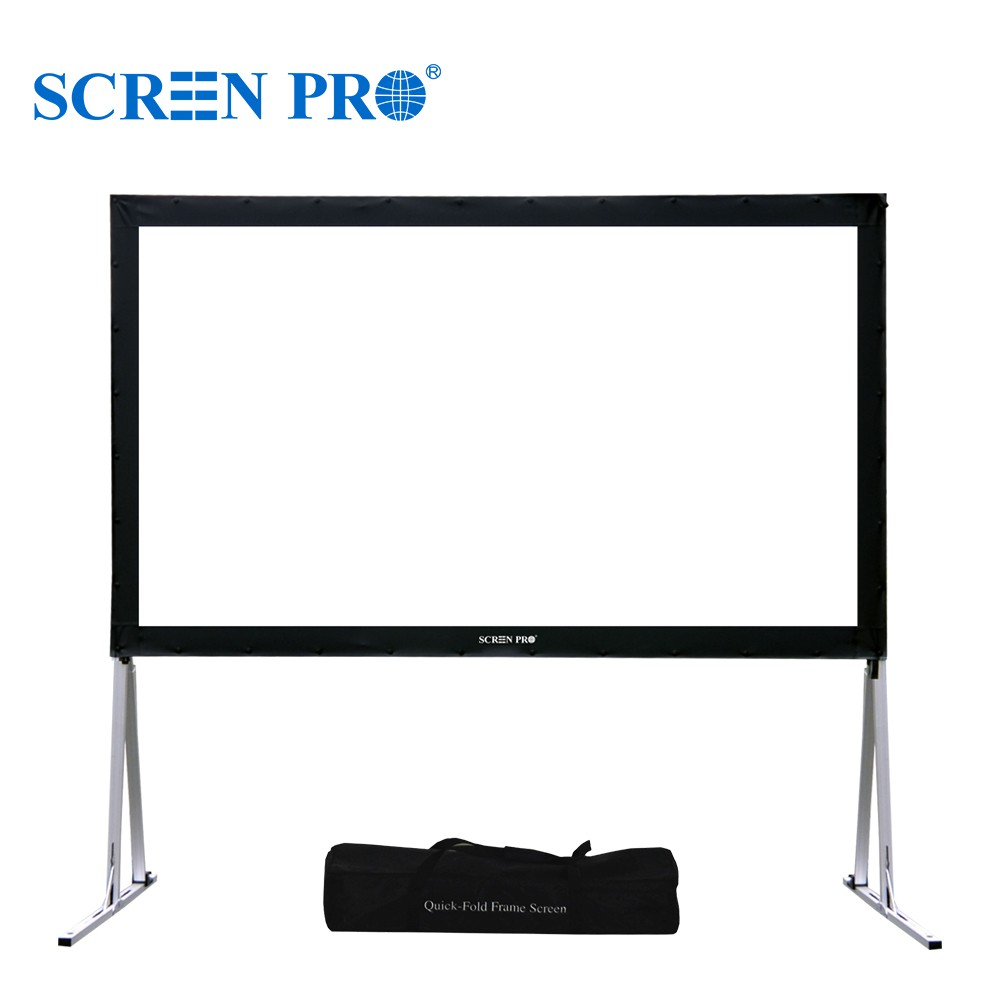
Other options include in-ceiling motorized screens, manual pull-down screens, tripod screens and fast-fold screens for temporary installations.
A projection screen should provide a smooth, stable image surface. Waves, edge curl or surface deformation can distort projected geometry, particularly with UST projectors.
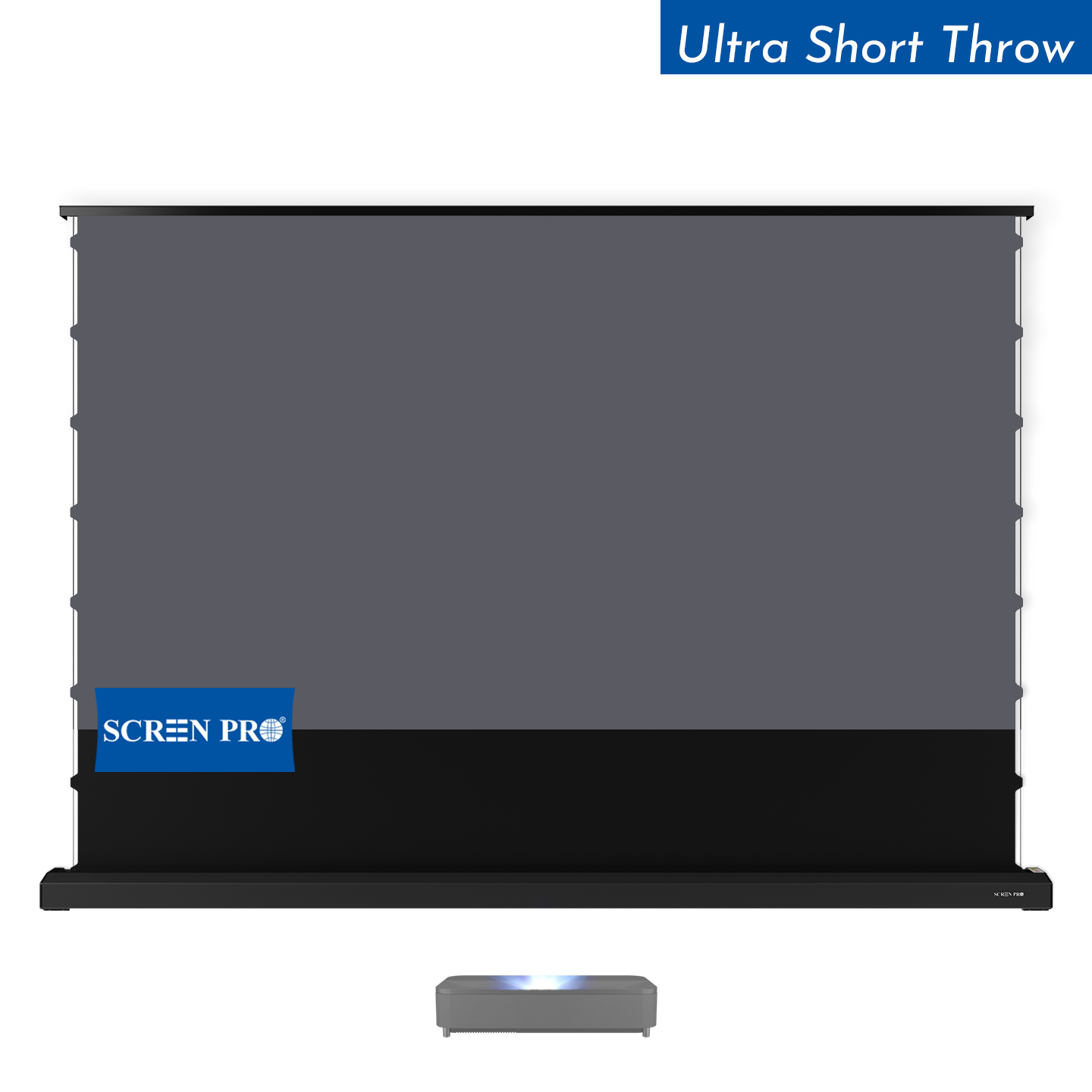
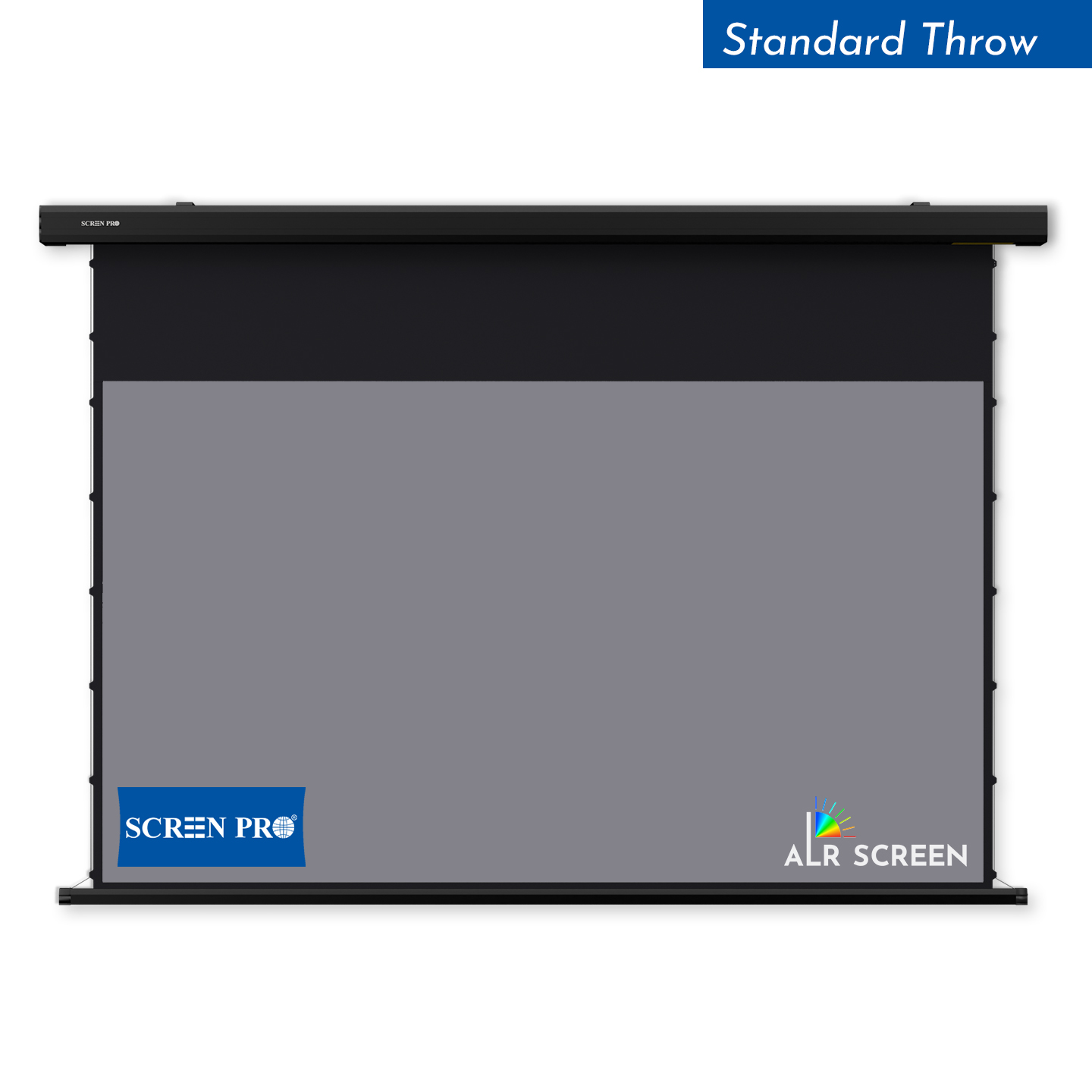
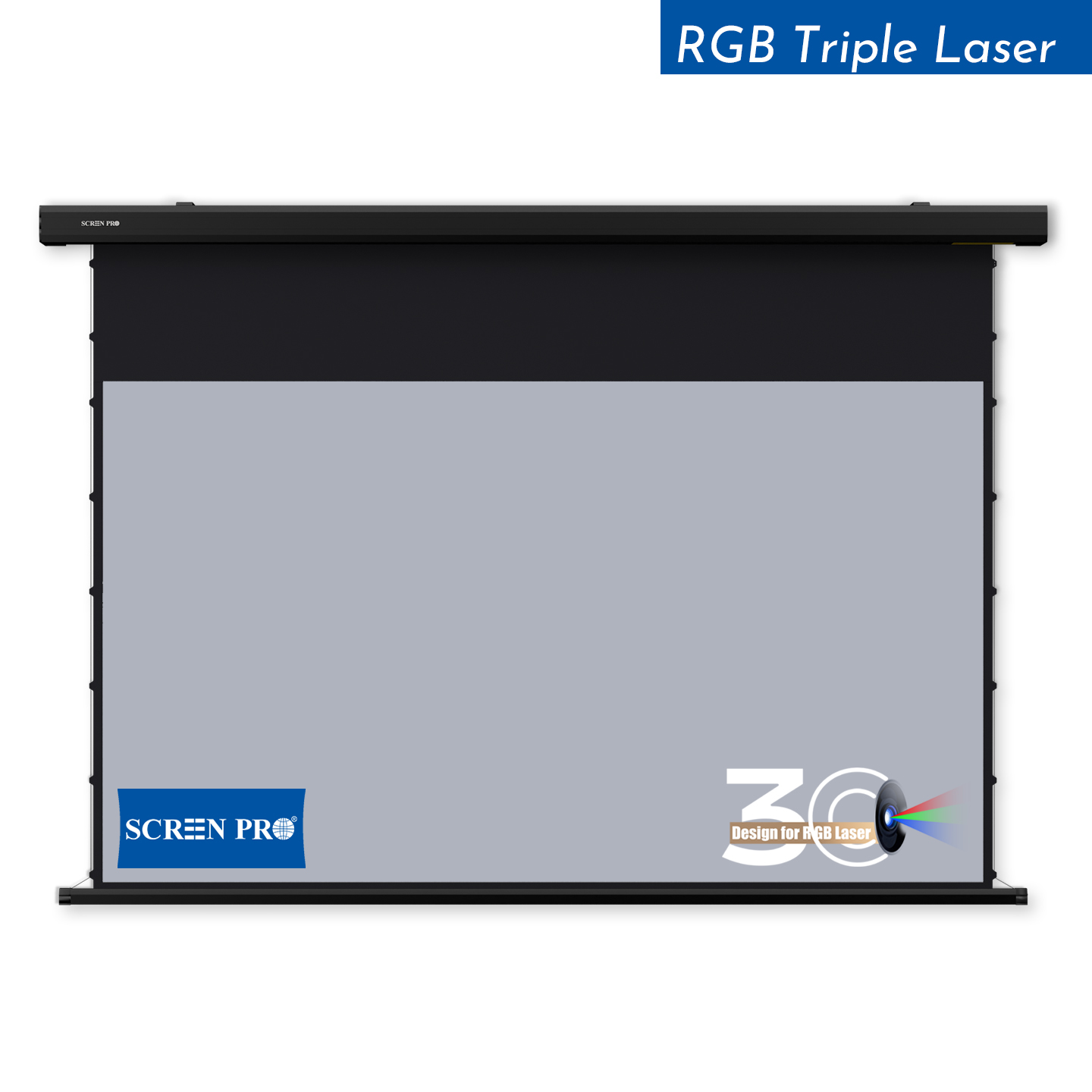
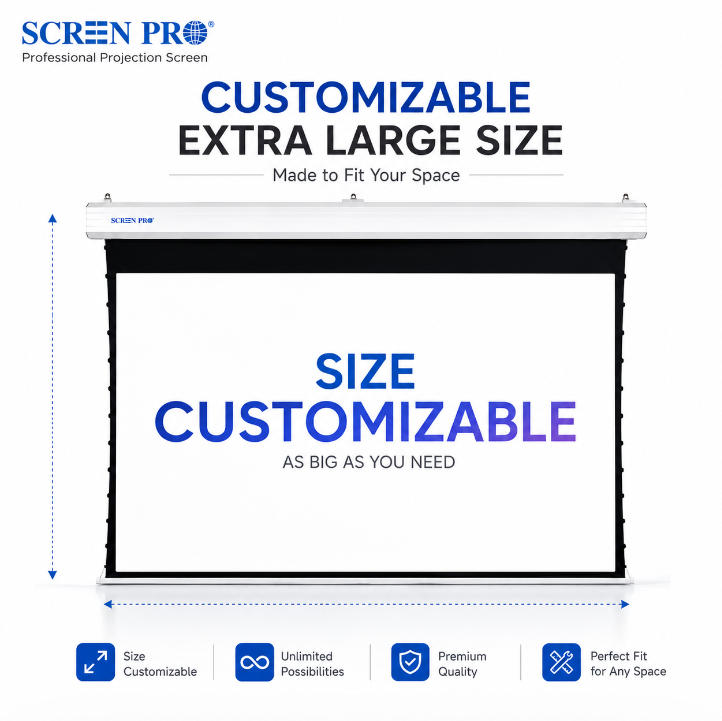
Fixed frame screens use continuous tension around the frame. Motorized screens can improve flatness through tab-tensioning or other tensioning systems.
Screen selection should also consider how the screen will physically integrate into the room.
Decide whether the screen will be wall mounted, ceiling mounted, recessed into the ceiling or integrated into furniture.
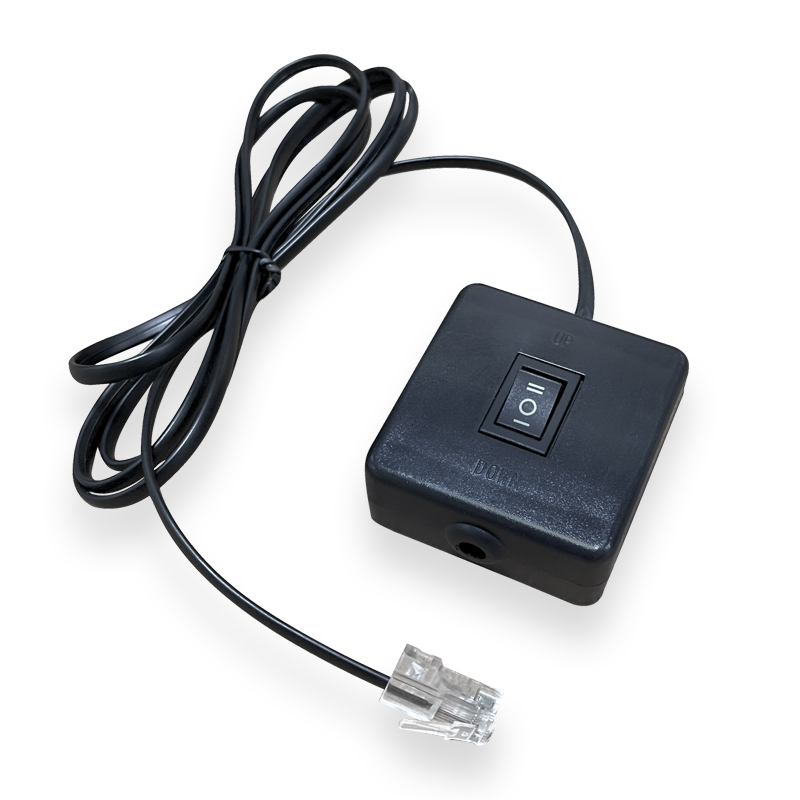
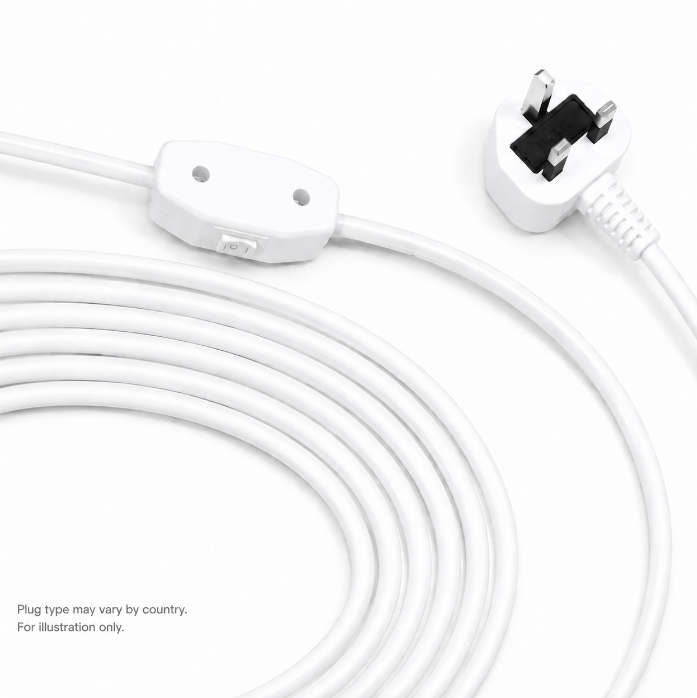
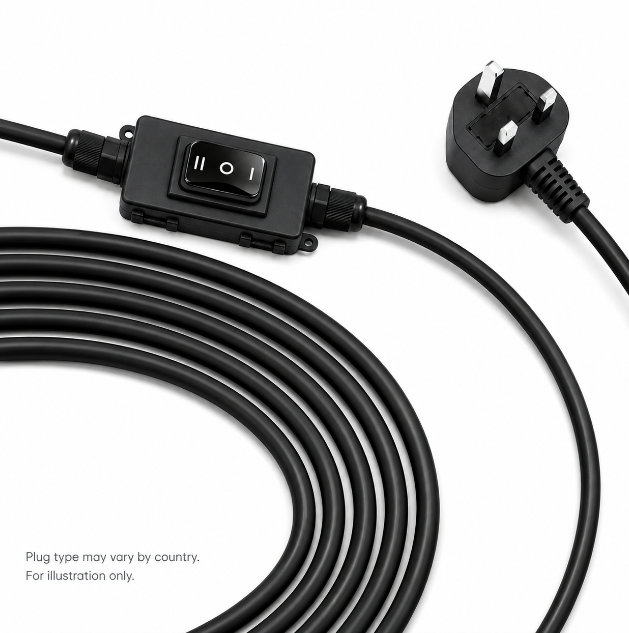
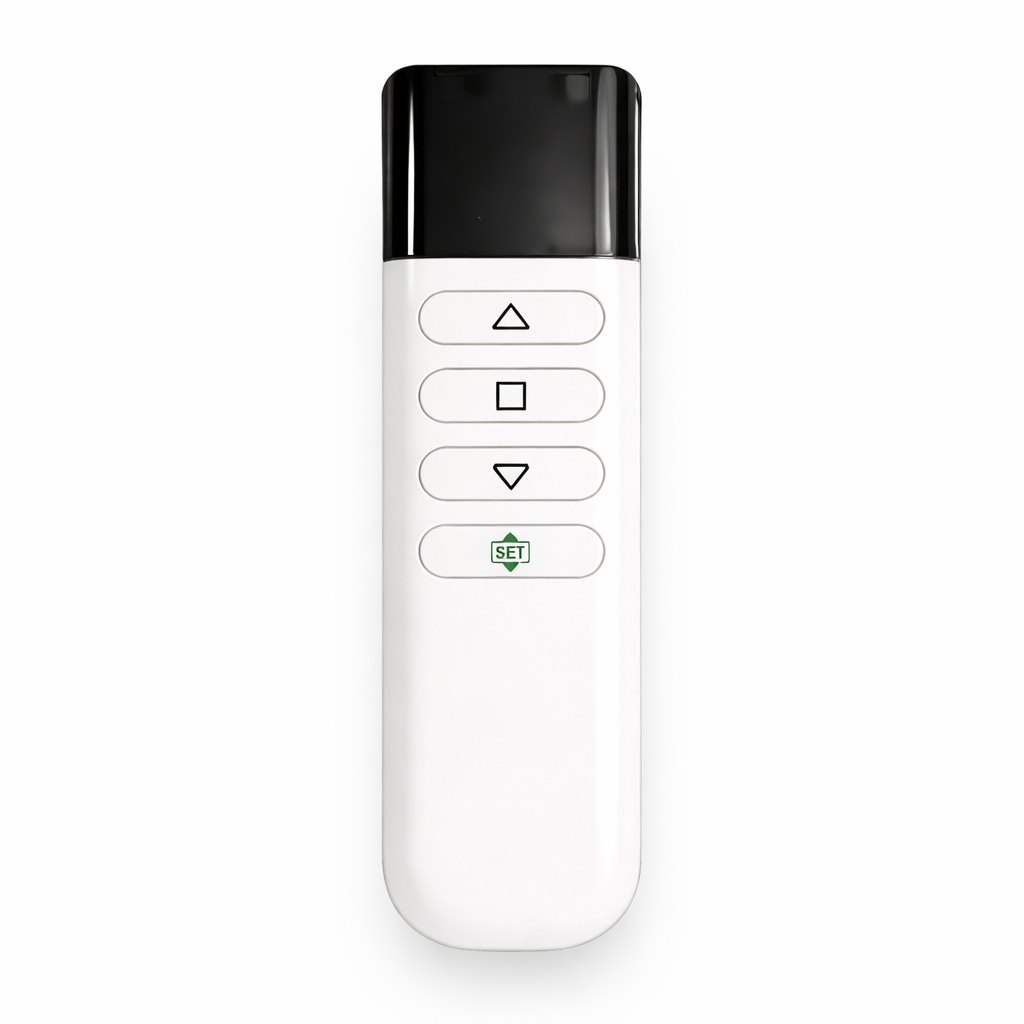
For motorized systems, consider the control method as well. Options may include RF remote control, wired switches, RS485 integration, trigger control or automation systems.
A projector may be replaced long before the screen needs to be replaced. It is therefore worth thinking beyond the projector you own today.
Consider whether you may later upgrade to a brighter projector, move to UST, install speakers behind the screen, increase image size or integrate the system into a smart-home environment.
WHAT MATTERS MOST?
For most buyers, the best order is to identify the projector type and room environment first, then choose the screen material, size and structure.
Projector → Room Lighting → Screen Material → Screen Size → Screen Type → Installation
This order helps avoid a common mistake: choosing a screen because its size or appearance looks right before confirming whether the projection surface is suitable for the projector.
30-SECOND CHECKLIST
Answer these questions first.
FINAL THOUGHT
A projection screen is not simply a white rectangle on the wall. Its material, gain, tension, size and installation method all interact with the projector and viewing environment.
Taking a few minutes to evaluate these ten factors before purchasing can make the difference between a screen that simply fits and one that performs correctly as part of the complete projection system.
FAQ
Start with projector type, screen size, aspect ratio, screen material, gain, ambient light, screen structure, flatness and installation requirements.
Yes. Different materials are designed for different projector types, ambient-light conditions, viewing angles and installation requirements.
No. Screen size should match viewing distance, projector brightness, available space and image resolution.
ALR screens are most useful when ambient light reaches the viewing area and maintaining image contrast is important.
A screen designed for UST projection is recommended. Fixed frame and tensioned UST ALR screens are common options because UST systems are especially sensitive to screen flatness and projection direction.
Fixed frame screens are often ideal for dedicated theaters, while motorized screens are more practical for multi-purpose spaces where the screen should retract when not in use.
SCREENPRO®
Send us your projector model, required screen size, room type and installation method. SCREENPRO can help match the screen structure and projection material to your application.
Explore Projector Screens Ask SCREENPRO





© Copyright 2004-2026 SCREEN PRO® All Rights Reserved | Specifications are subject to change without notice. All Rights ReservedSite Map Designed by iwonder.cn