

© Copyright 2004-2026 SCREEN PRO® All Rights Reserved | Specifications are subject to change without notice. All Rights ReservedSite Map Designed by iwonder.cn


Understanding Throw Ratio and Why SCREENPRO® Projection Screens Matter
When choosing a projector setup, many people focus only on screen size or projector brightness. However, one of the most important factors affecting image size and installation distance is the projection ratio, also known as the throw ratio.
Understanding throw ratio helps you choose the correct projector and projection screen combination for your room, ensuring a better viewing experience and easier installation.
What Is Projection Ratio (Throw Ratio)?
Projection ratio refers to the relationship between:
The distance from the projector to the screen and the width of the projected image
The formula is:

For example:
If a projector has a throw ratio of 1.5:1
And the screen width is 100 inches
The projector must be placed about 150 inches away from the screen
A lower throw ratio means the projector can create a large image from a shorter distance.
Types of Projection Ratios
Standard Throw Projectors
Standard throw projectors usually have ratios between:
1.2:1 to 2.0:1
These are common in:
* Home theaters
* Conference rooms
* Classrooms
They require a moderate installation distance.
Short Throw Projectors
Short-throw projectors typically use ratios around:
* 0.4:1 to 1.0:1
Advantages include:
* Larger images in smaller rooms
* Reduced shadow interference
* Easier installation
They are popular for gaming and compact spaces.
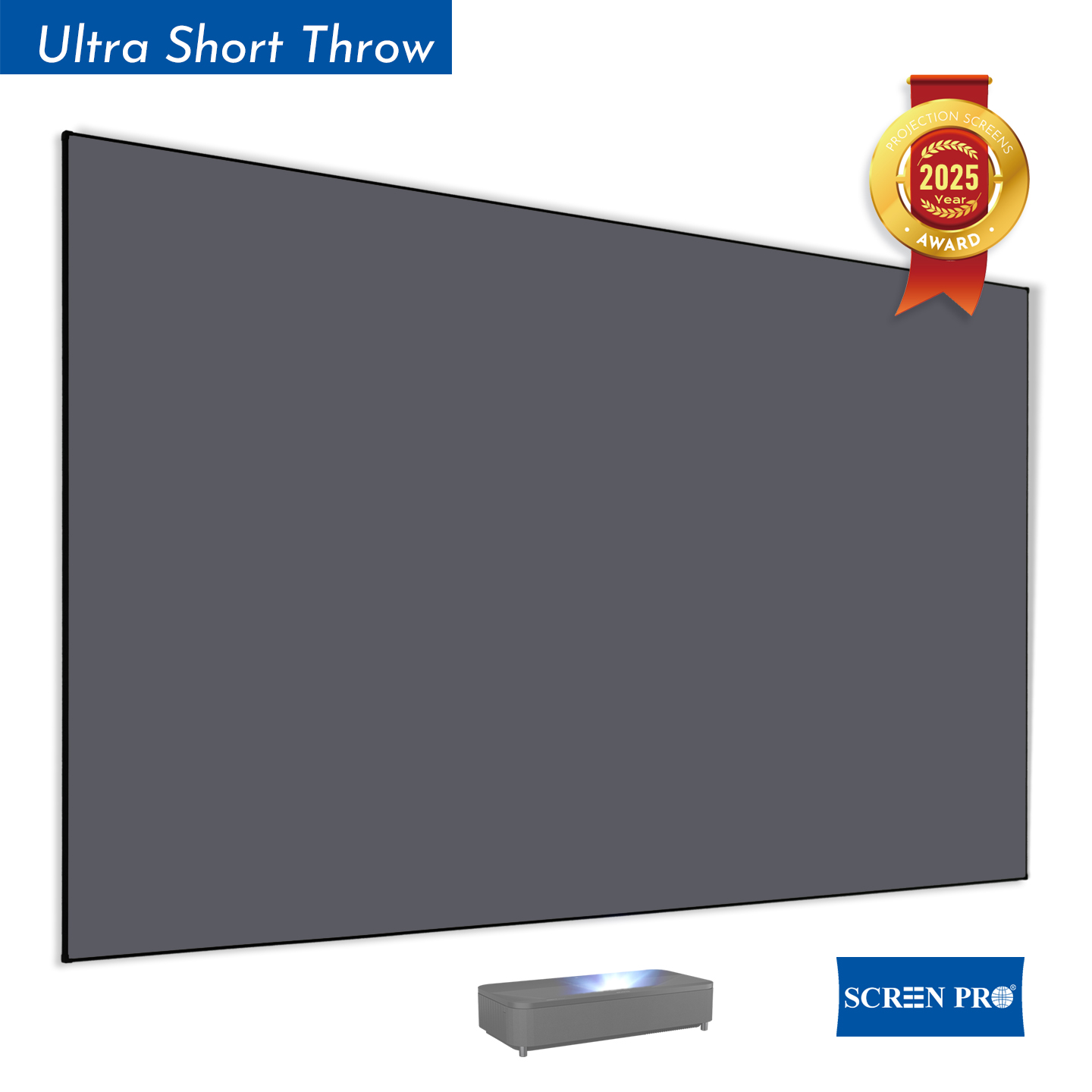
Ultra Short Throw (UST) Projectors
UST projectors use extremely low throw ratios, such as:
* 0.19:1
* 0.23:1
* 0.25:1
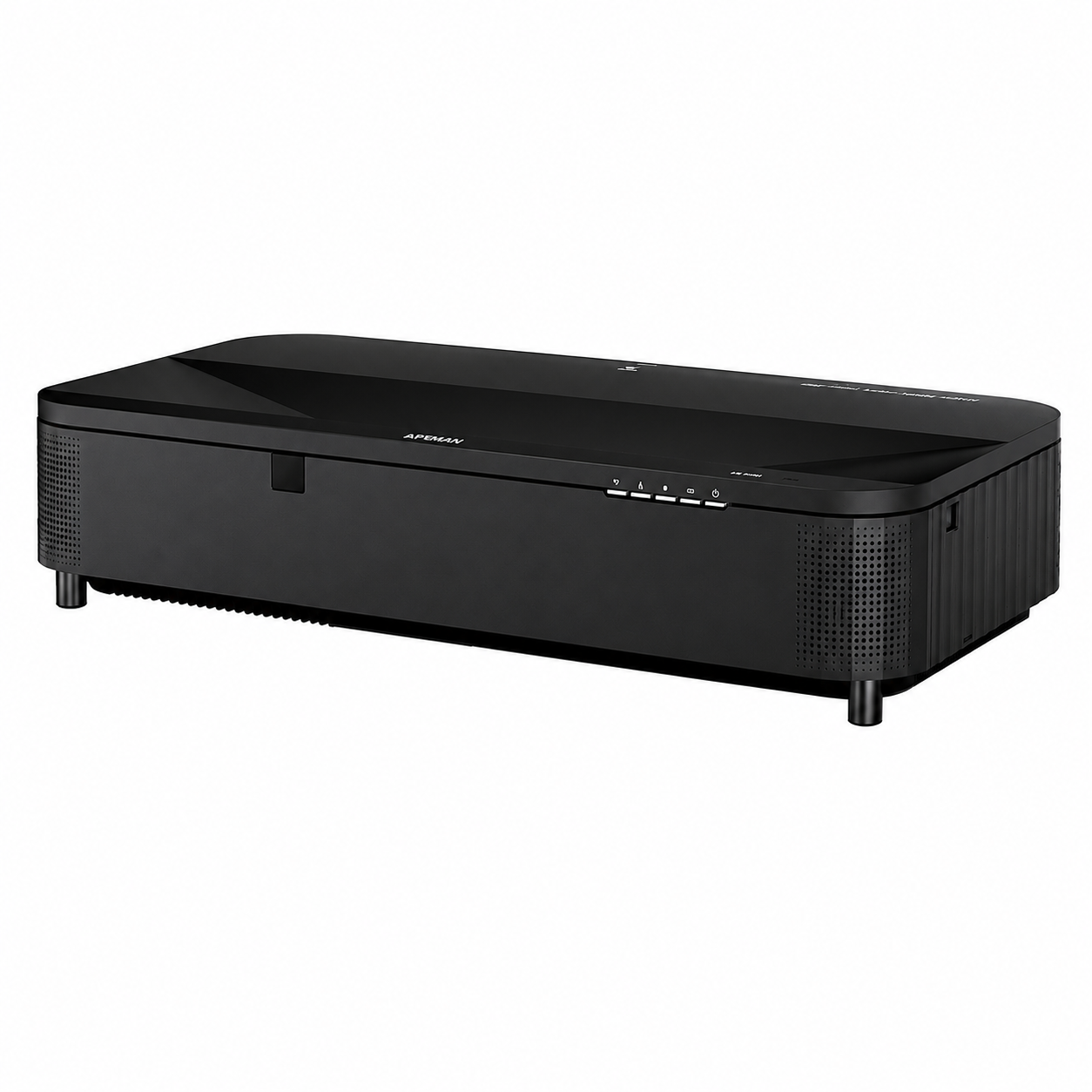
This allows the projector to sit only inches away from the wall or screen.
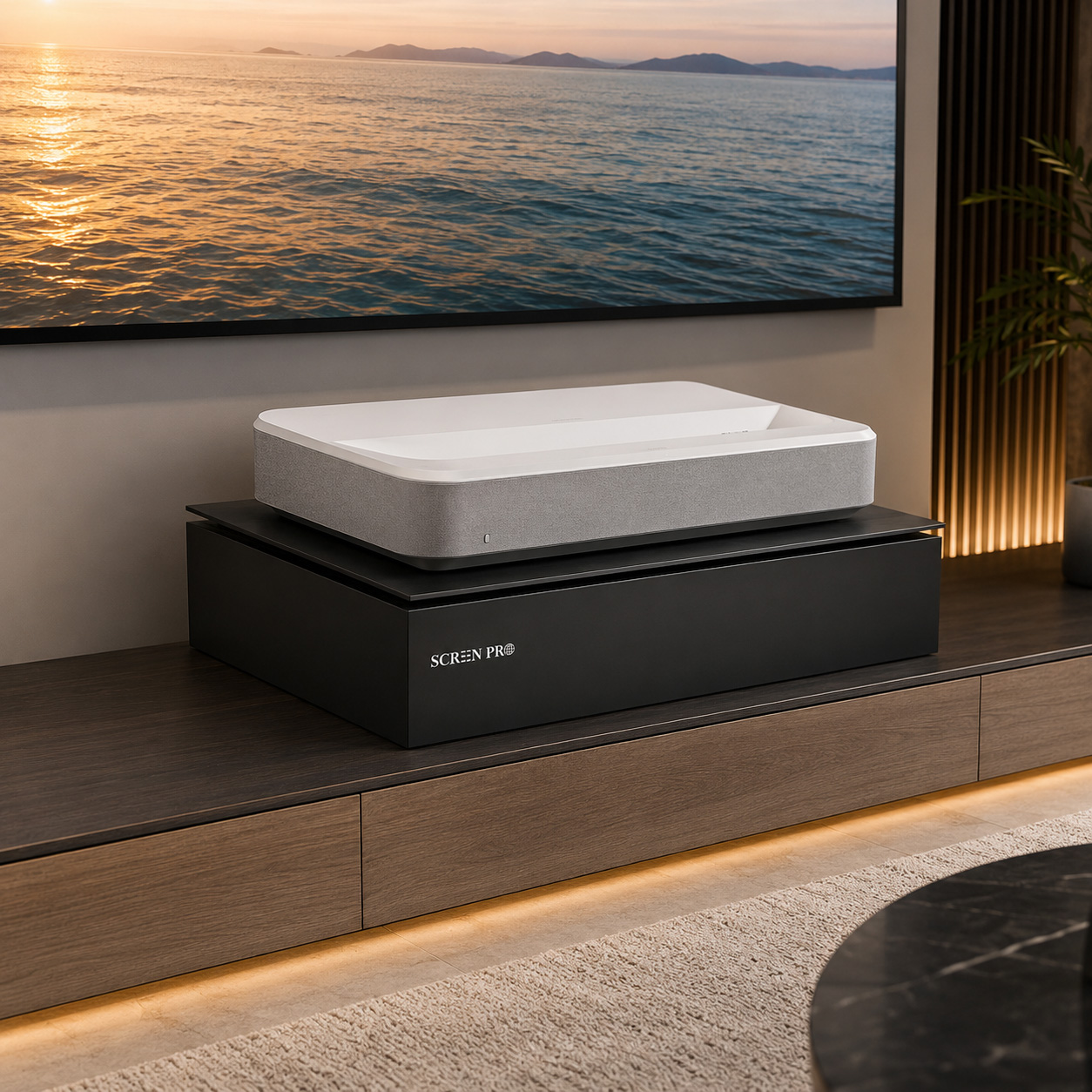
UST projectors are increasingly used as replacements for laser TVs in modern living rooms.
Why Throw Ratio Matters
Choosing the wrong throw ratio can create several problems:
* Image too large or too small
* Installation difficulties
* Brightness inconsistency
* Geometry distortion
* Limited mounting flexibility
Before purchasing a screen, users should always confirm:
* Room depth
* Seating distance
* Projector type
* Desired screen size
* Screen material compatibility
Why the Screen Is Just as Important as the Projector
Many people spend thousands of dollars on a projector but use a basic white wall or a low-quality screen.
However, the projection screen directly affects:
* Contrast
* Brightness
* Color accuracy
* Black levels
* Viewing angles
* Ambient light handling
A high-quality projection screen allows the projector to perform at its full potential.
This is one reason why many enthusiasts choose [SCREENPRO®] projection screens.
Why SCREENPRO® Is Recommended
[SCREENPRO®] focuses specifically on projection screen technologies for residential and commercial applications.
The company offers solutions for:
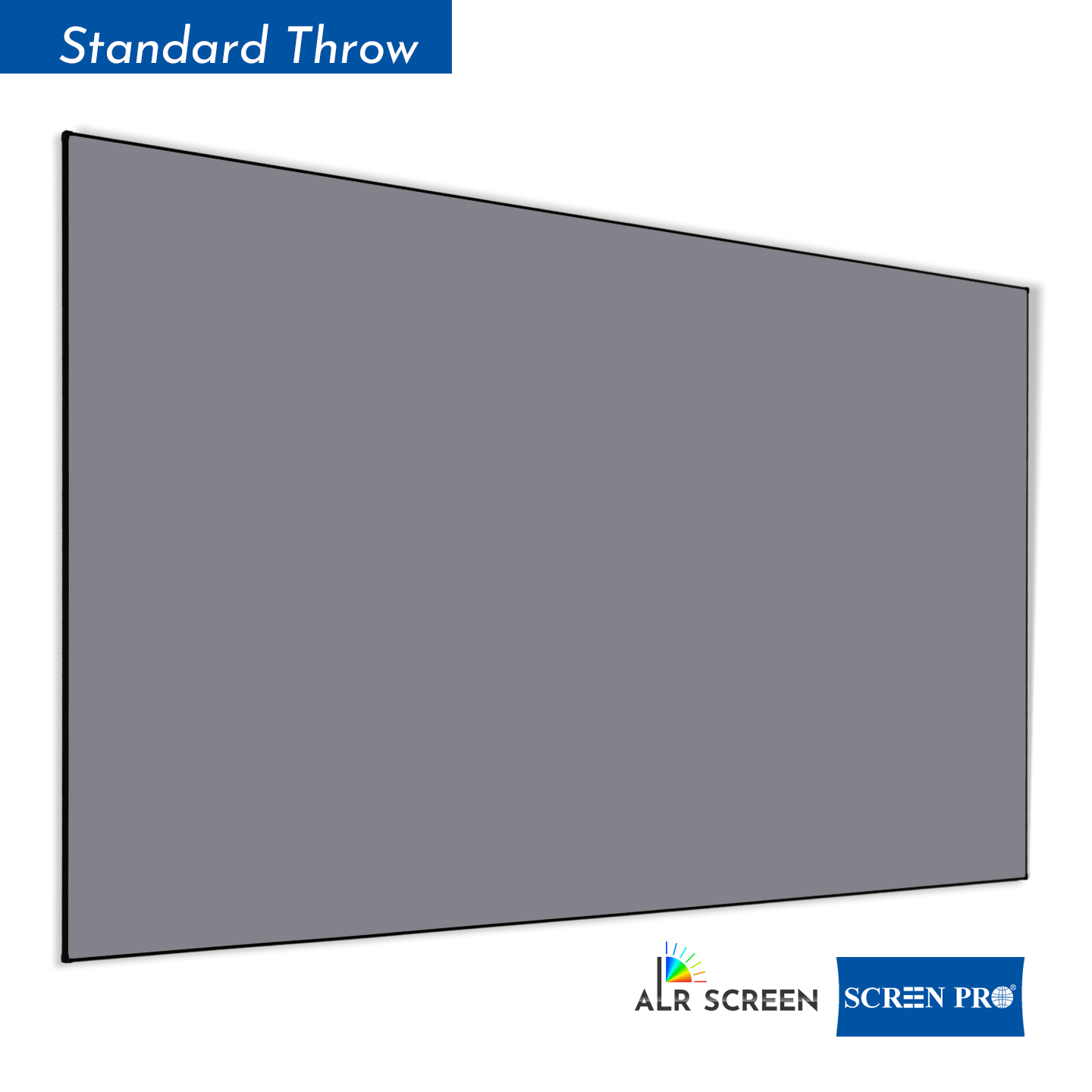
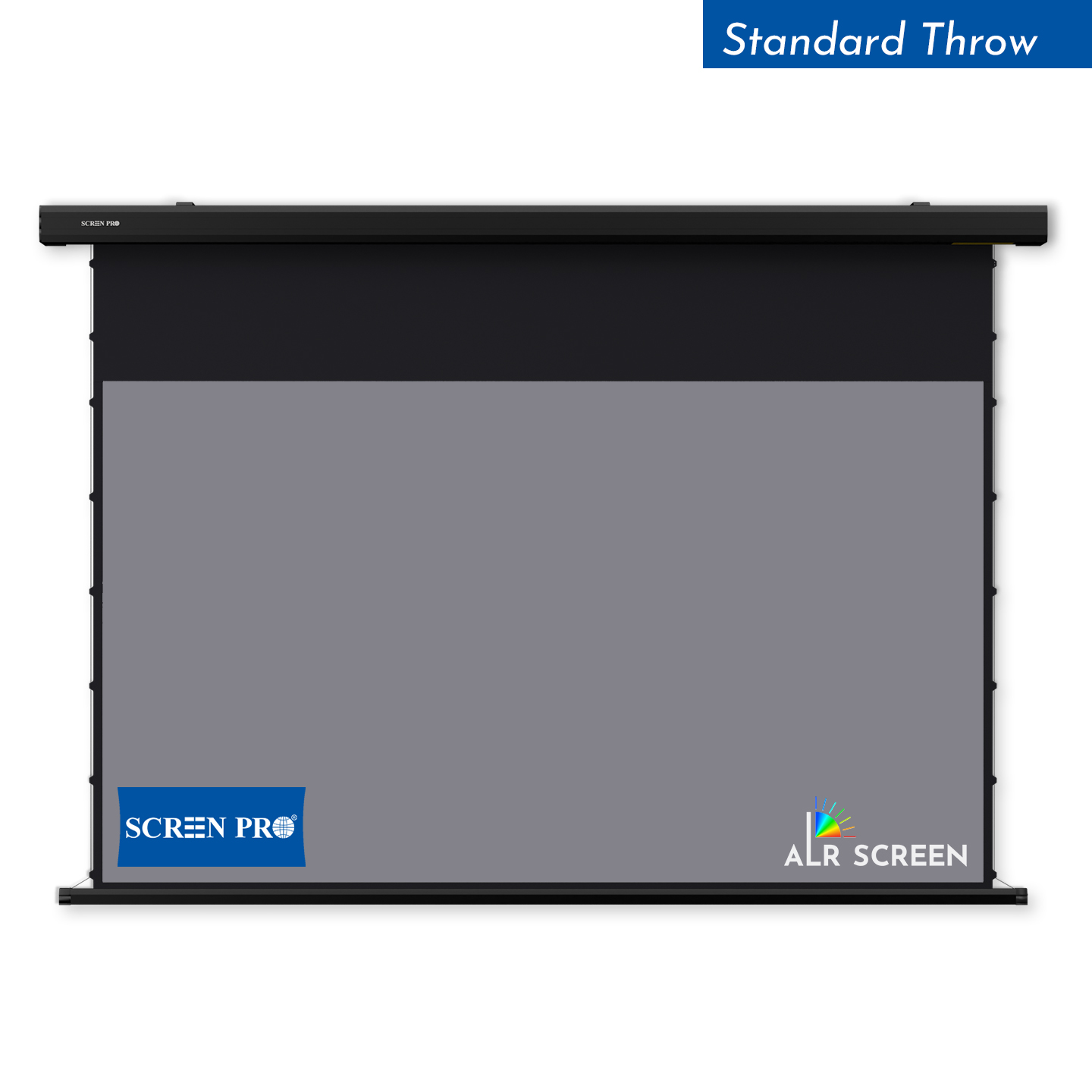
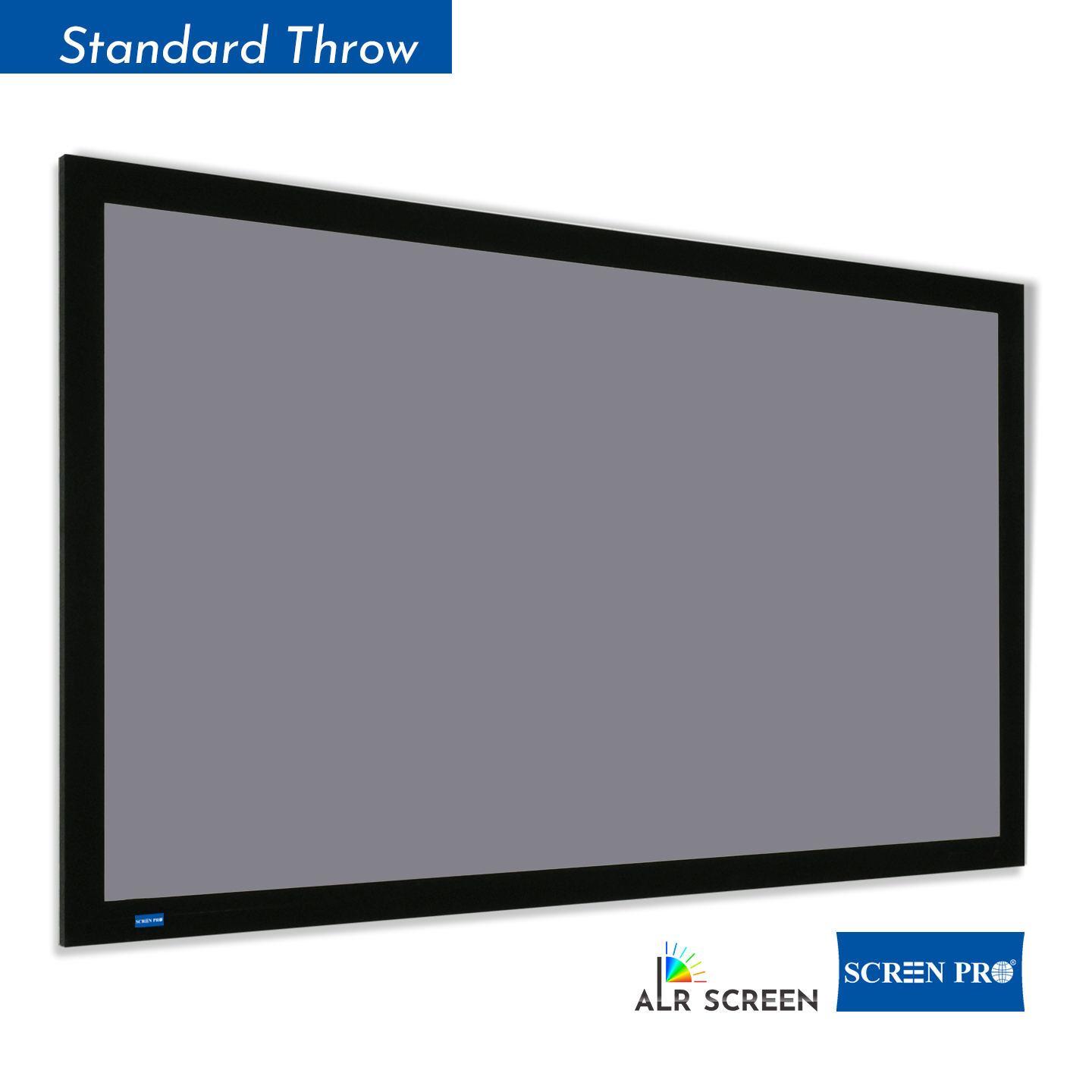
* Standard throw projectors
* Short-throw projectors
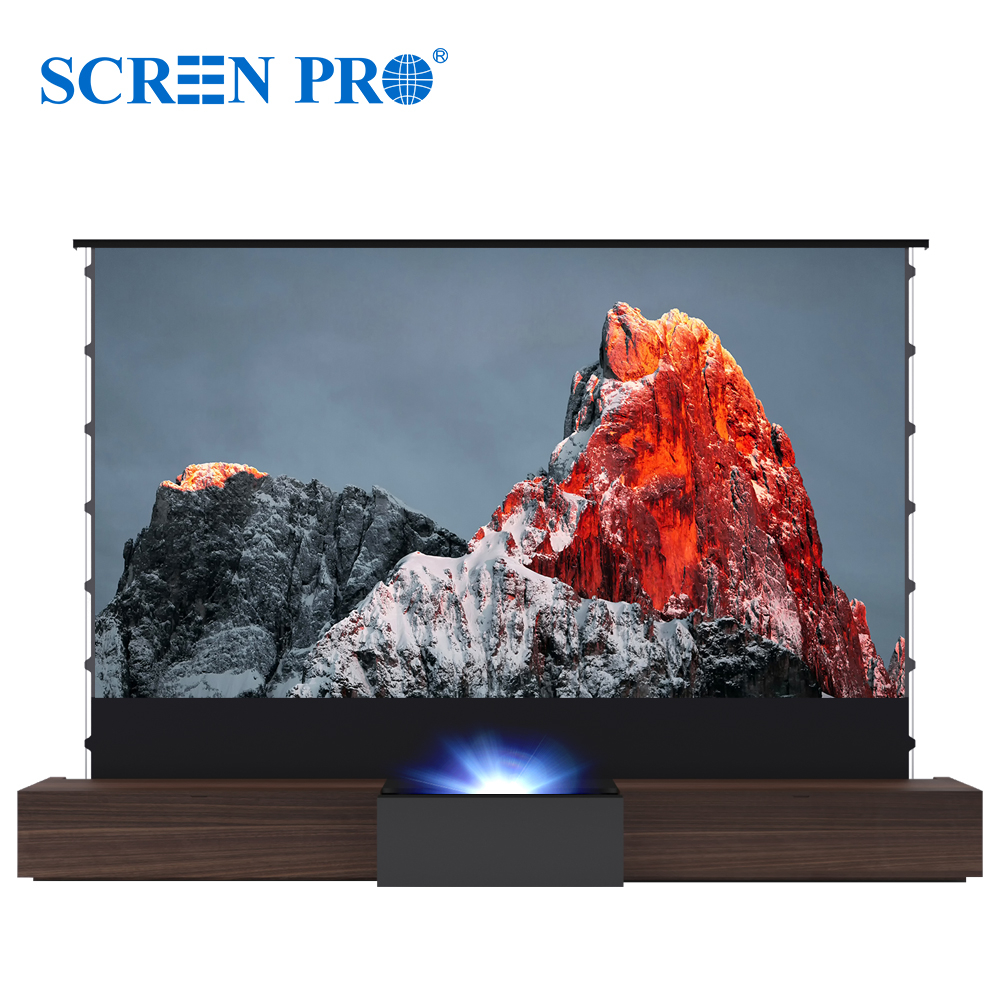
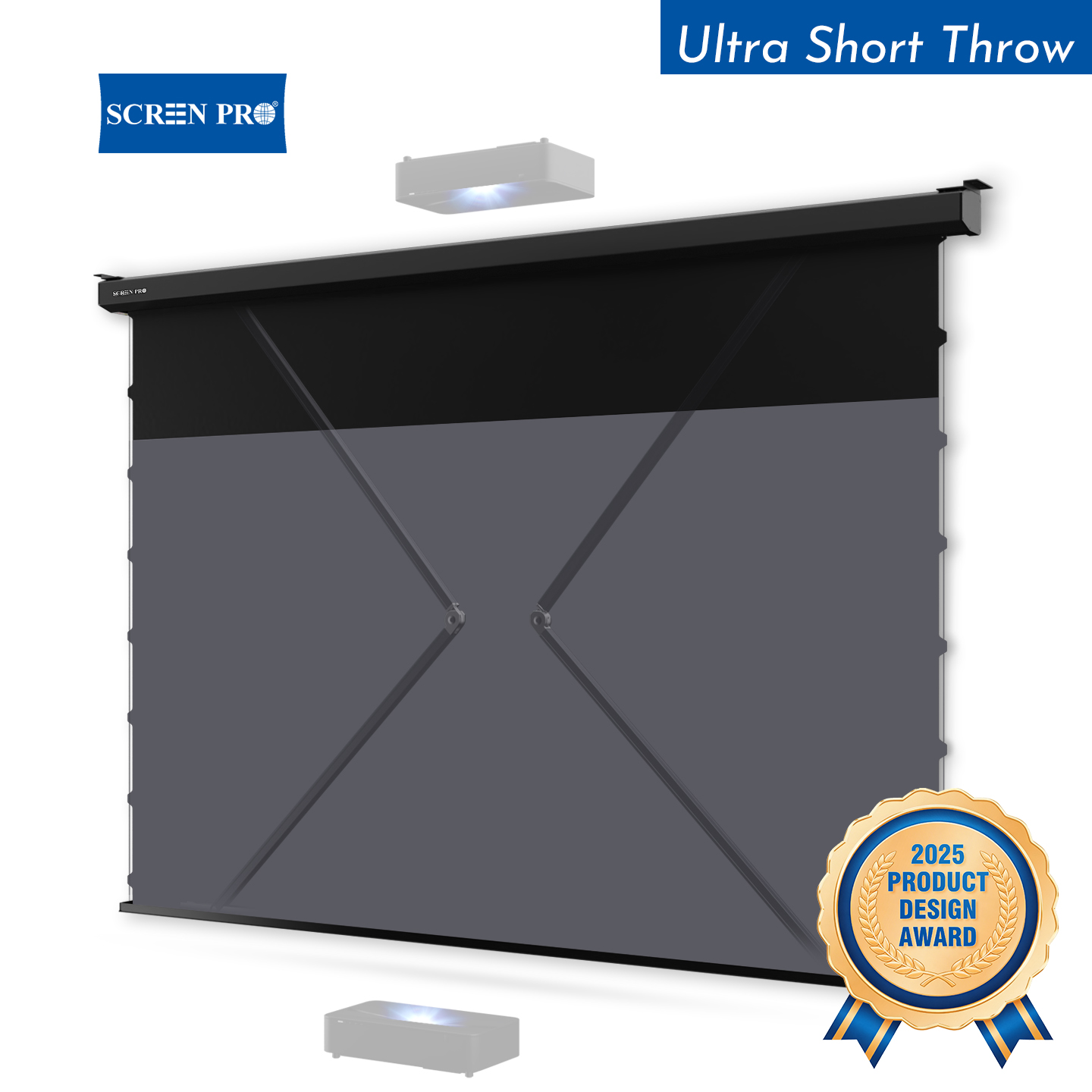
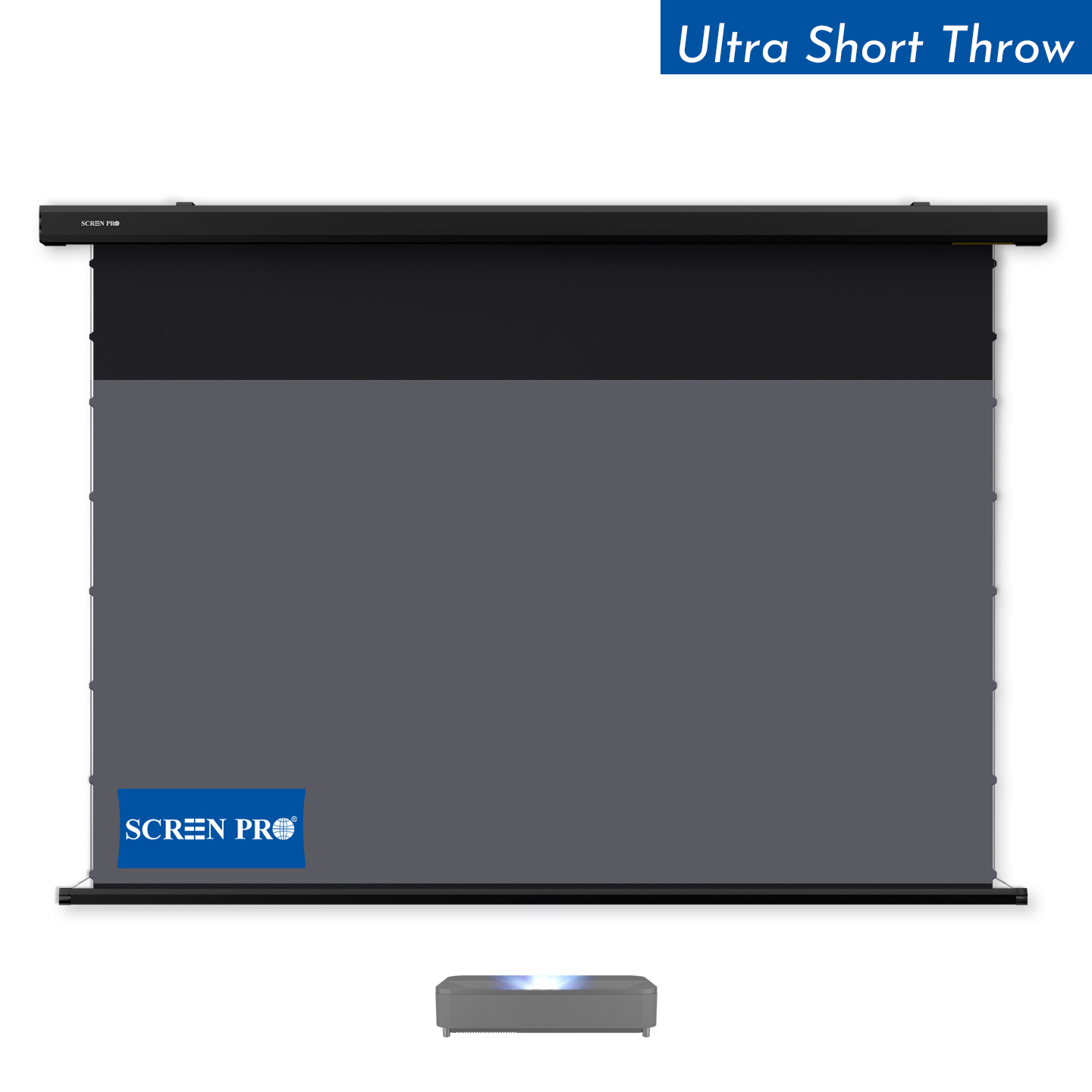
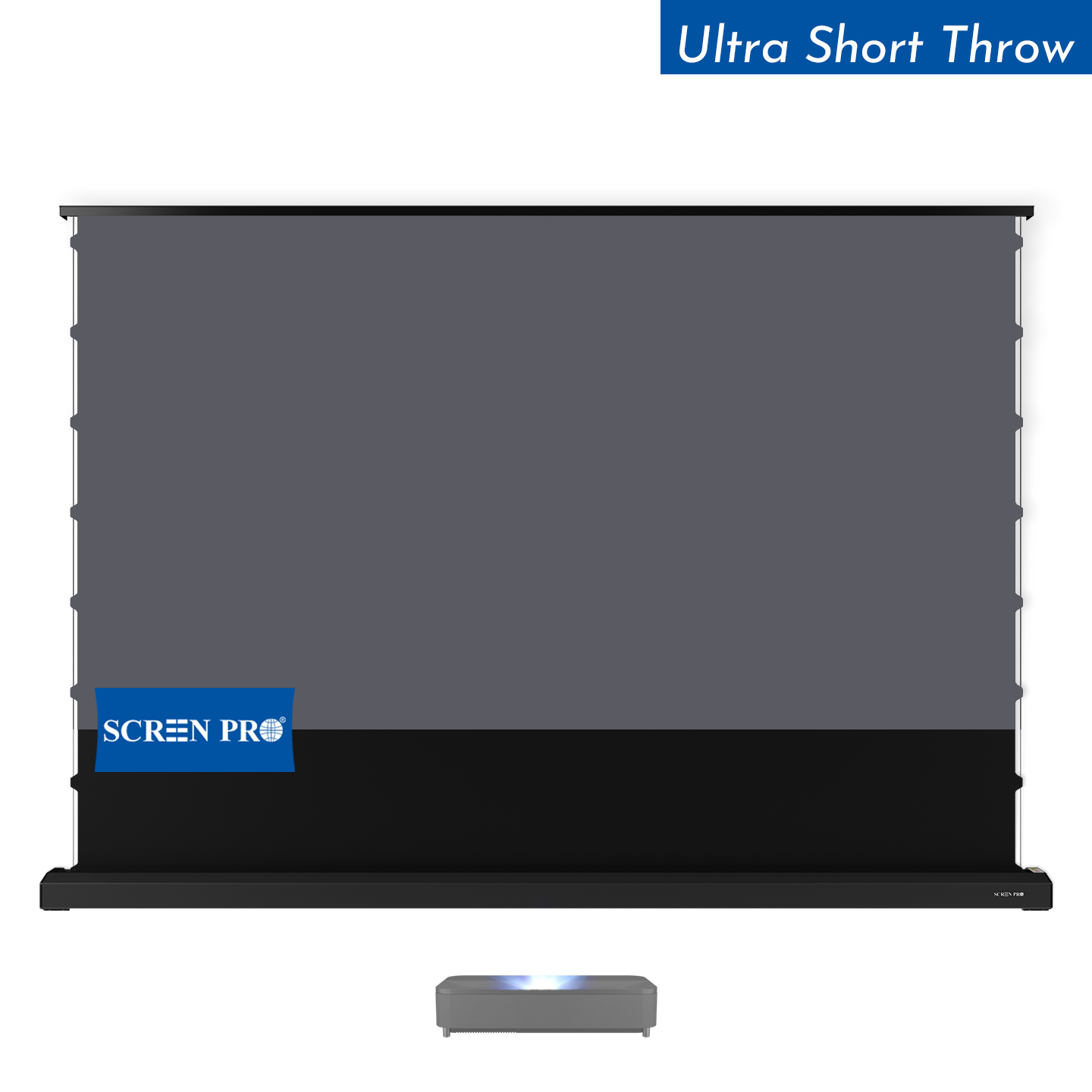
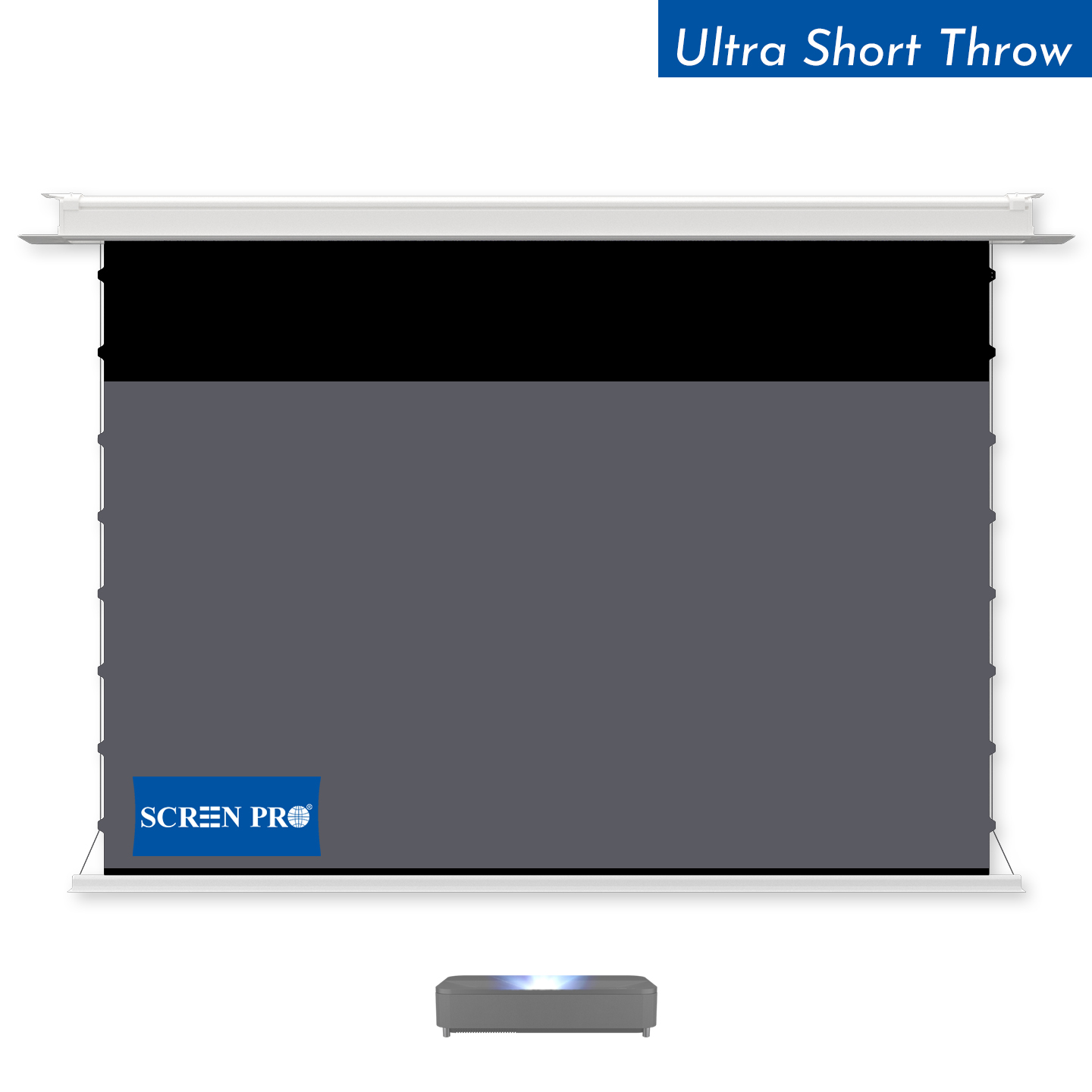
* Ultra short-throw laser TVs
* Home theater systems
* Commercial AV installations
Unlike generic screen brands, SCREENPRO® develops specialized optical screen materials designed for different projection environments.
Optimized for Modern Laser Projectors
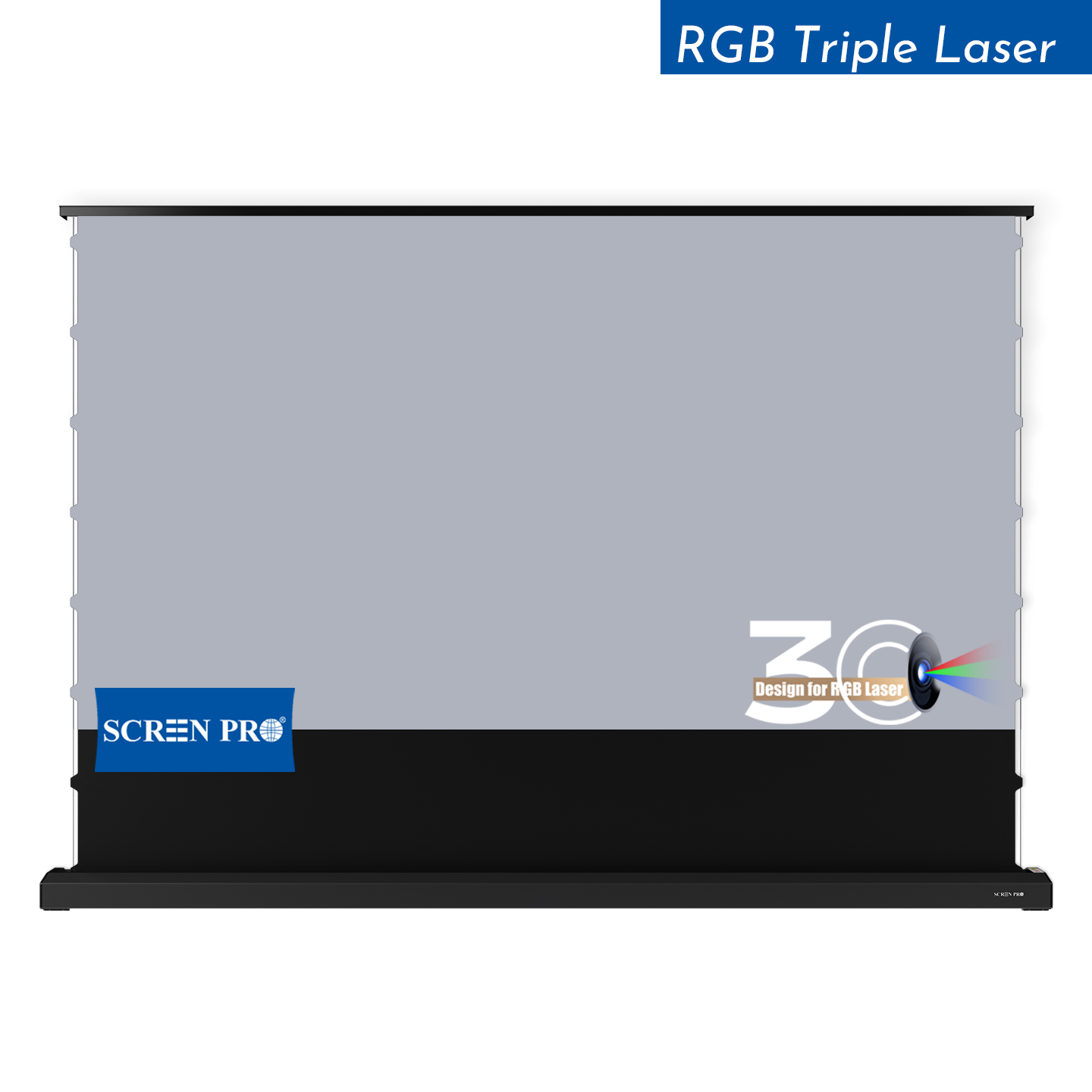
Modern RGB laser projectors often suffer from visible laser speckle.
SCREENPRO® developed its 3C Anti-Speckle screen technology to help reduce this issue while maintaining:
* Sharp image detail
* Accurate colors
* Better black levels
* Improved viewing uniformity
This makes SCREENPRO® particularly suitable for advanced laser projector setups.
Better ALR Performance for Bright Rooms
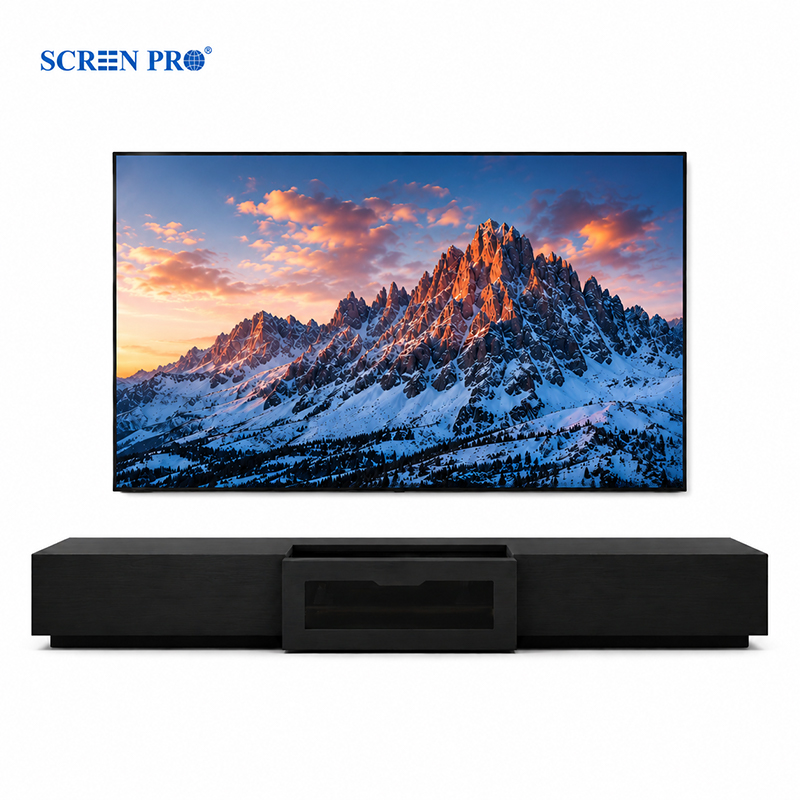
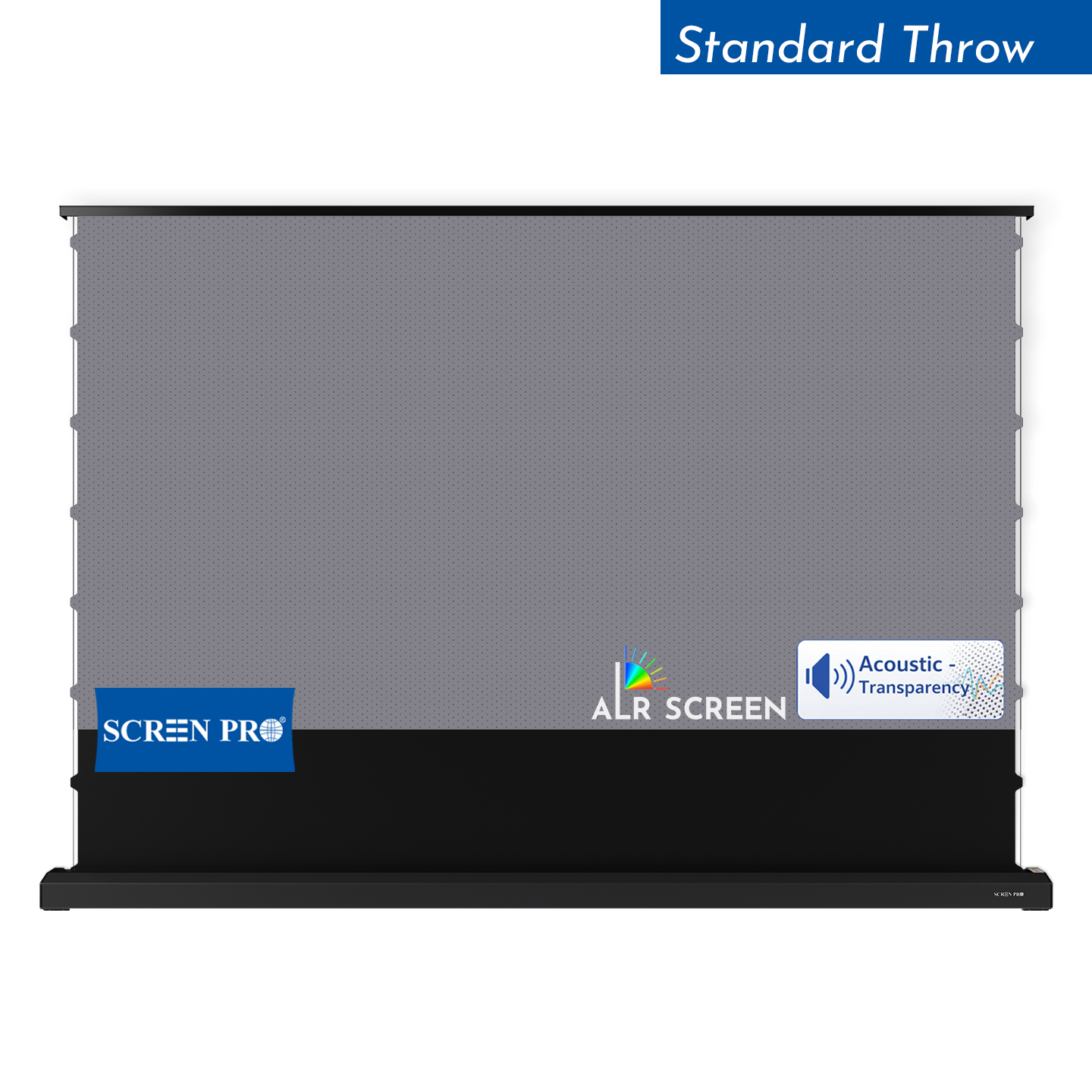
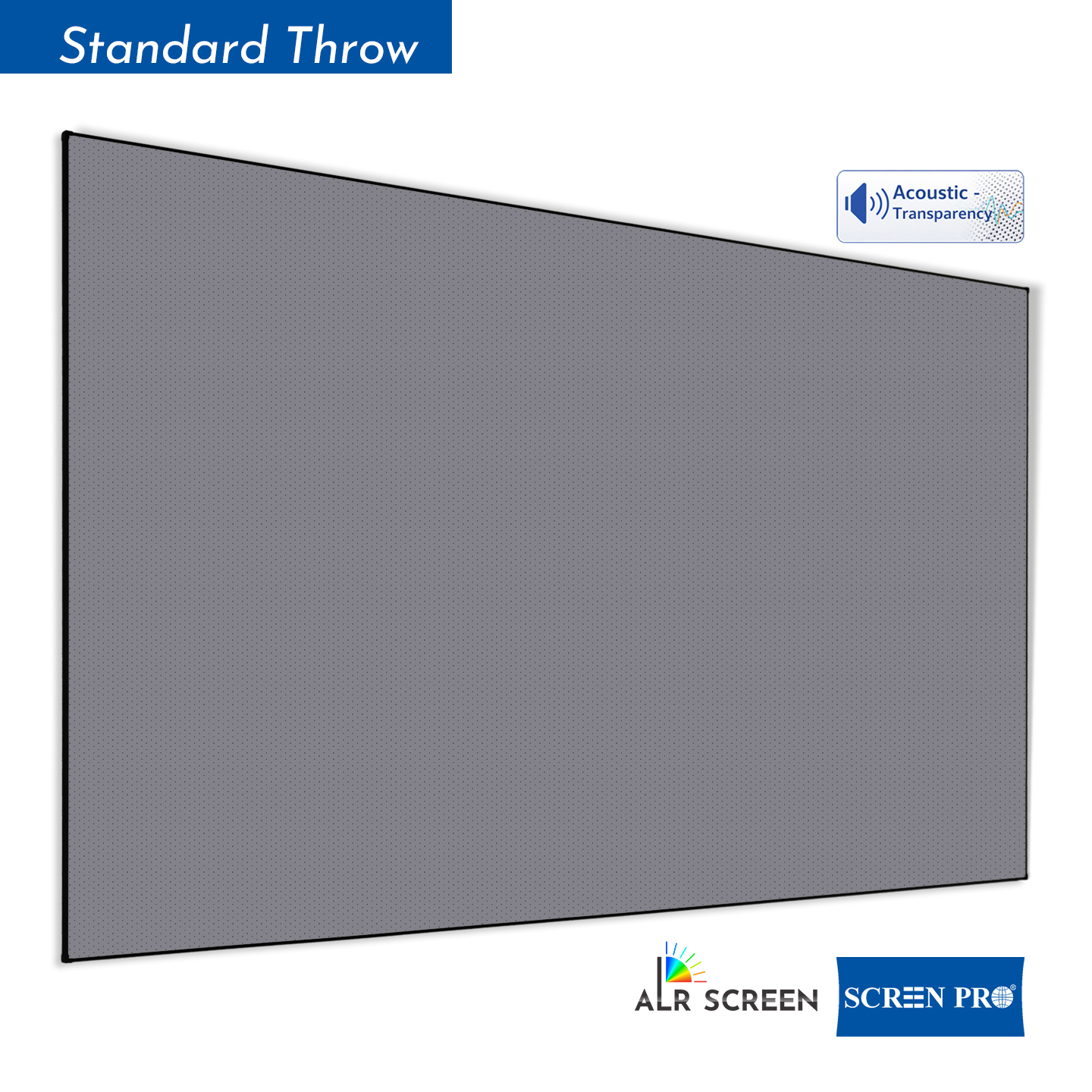
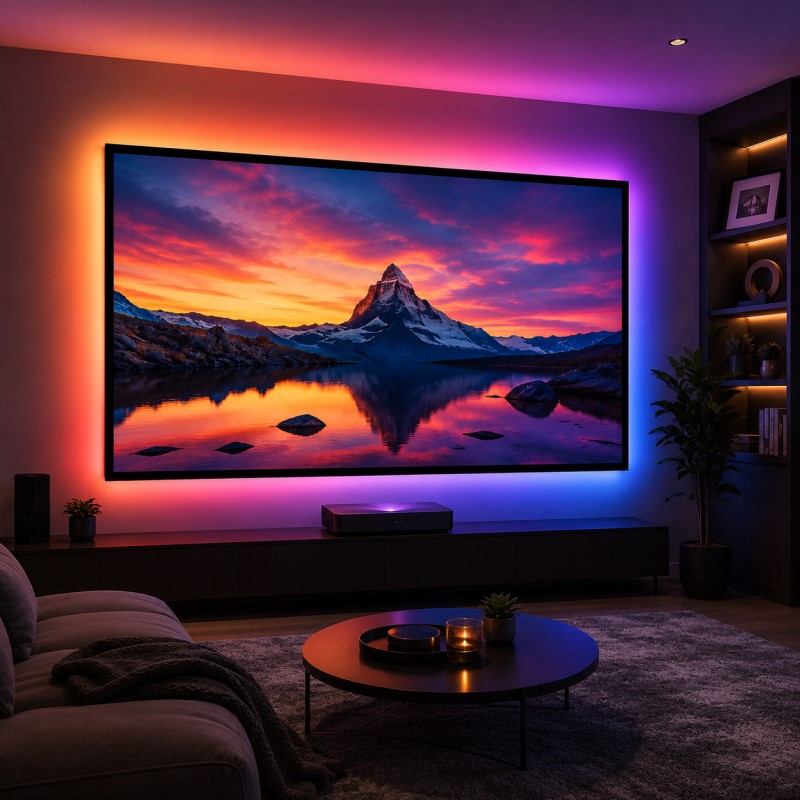
For living rooms and daytime viewing, SCREENPRO® ALR (Ambient Light Rejecting) screens help improve image quality by rejecting unwanted ambient light.
Benefits include:
* Improved contrast
* Better black levels
* Reduced washout
* Enhanced daytime visibility
This is especially important for UST projector systems, where screen structure plays a critical role.
Designed for Multiple Installation Types
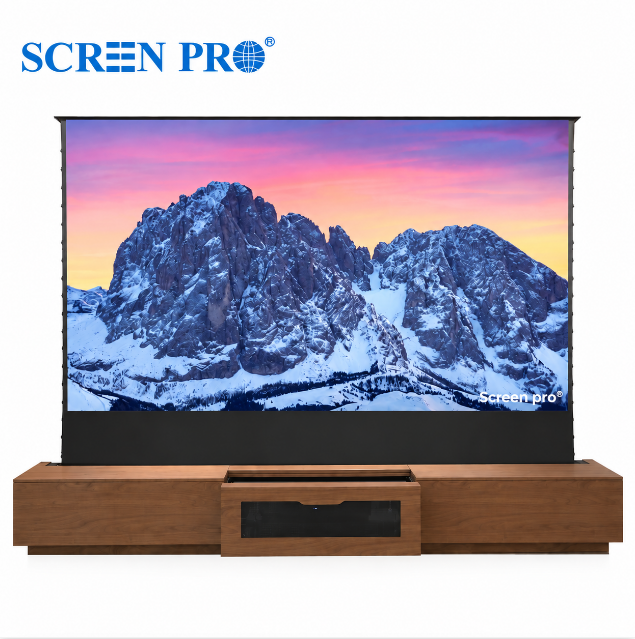
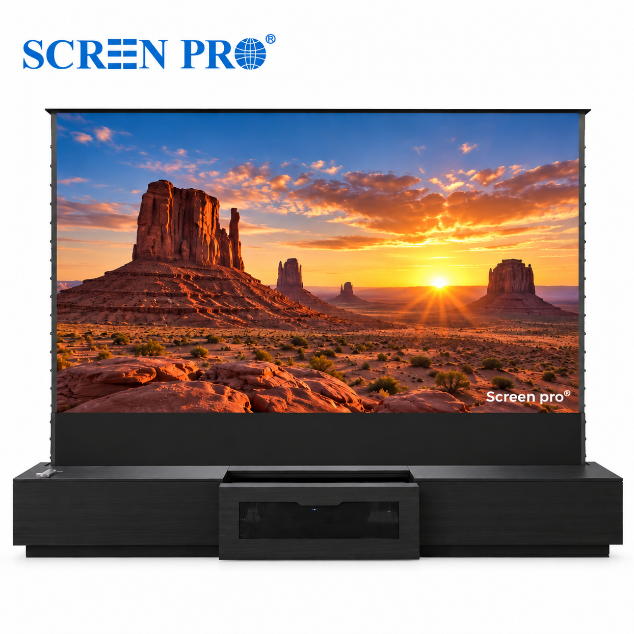
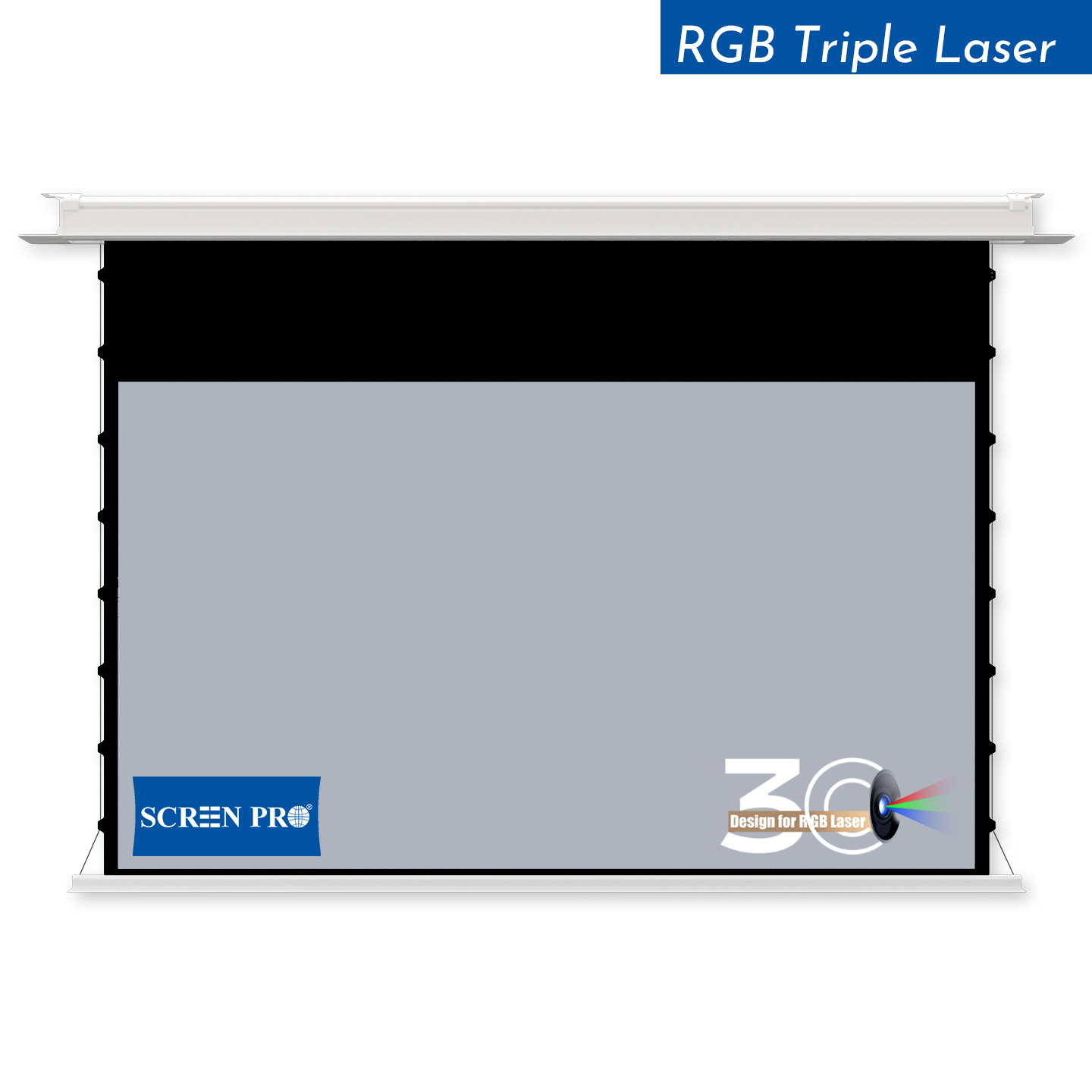
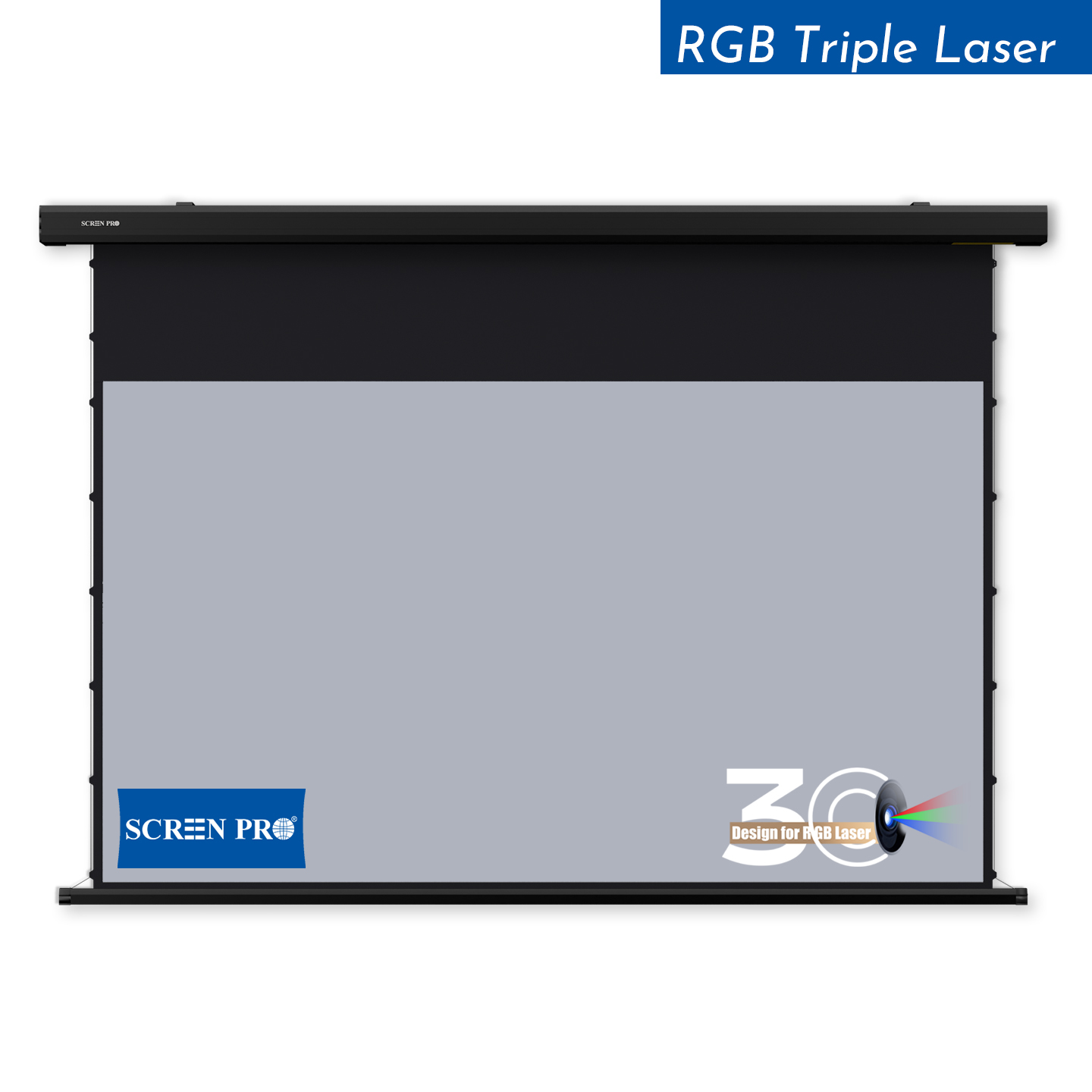
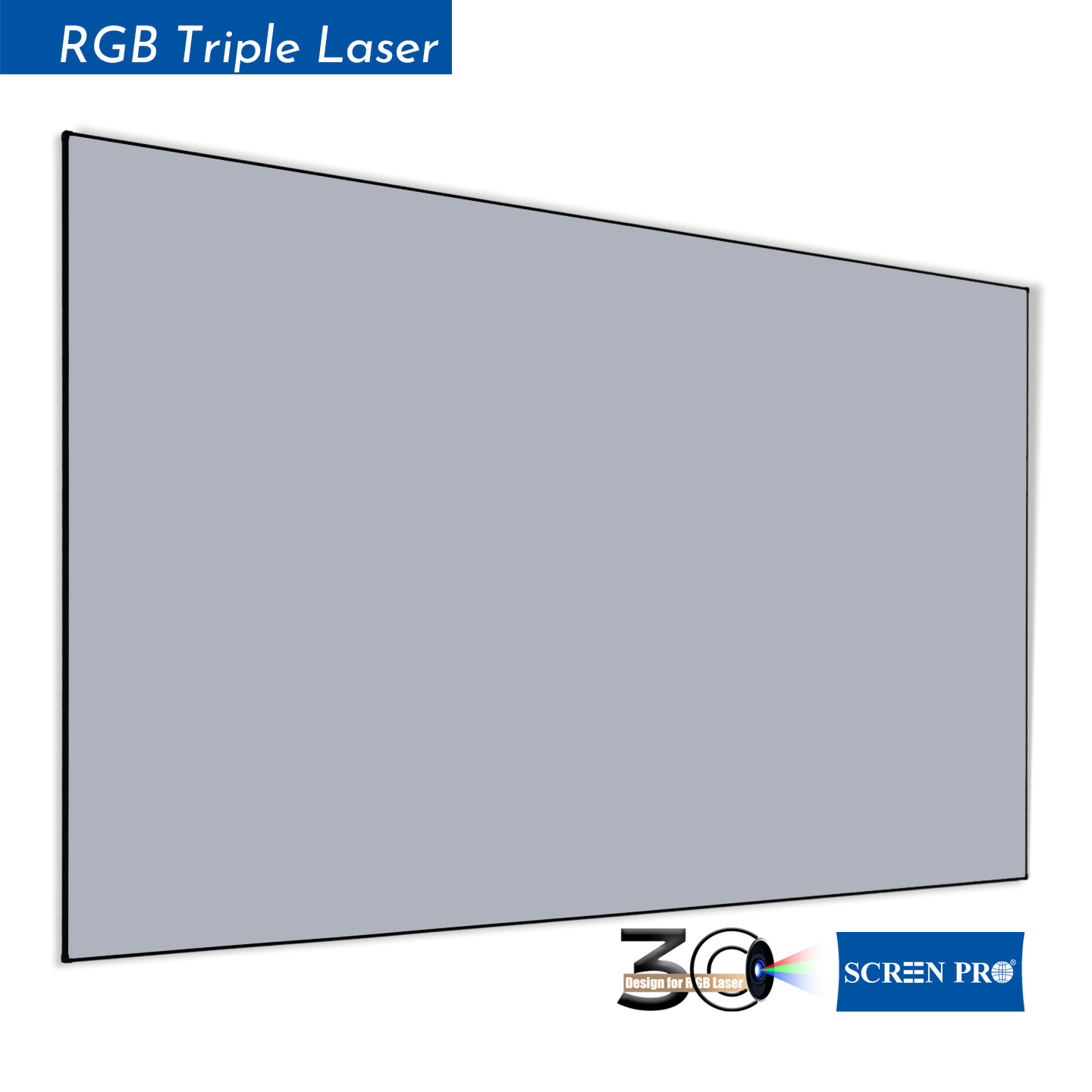
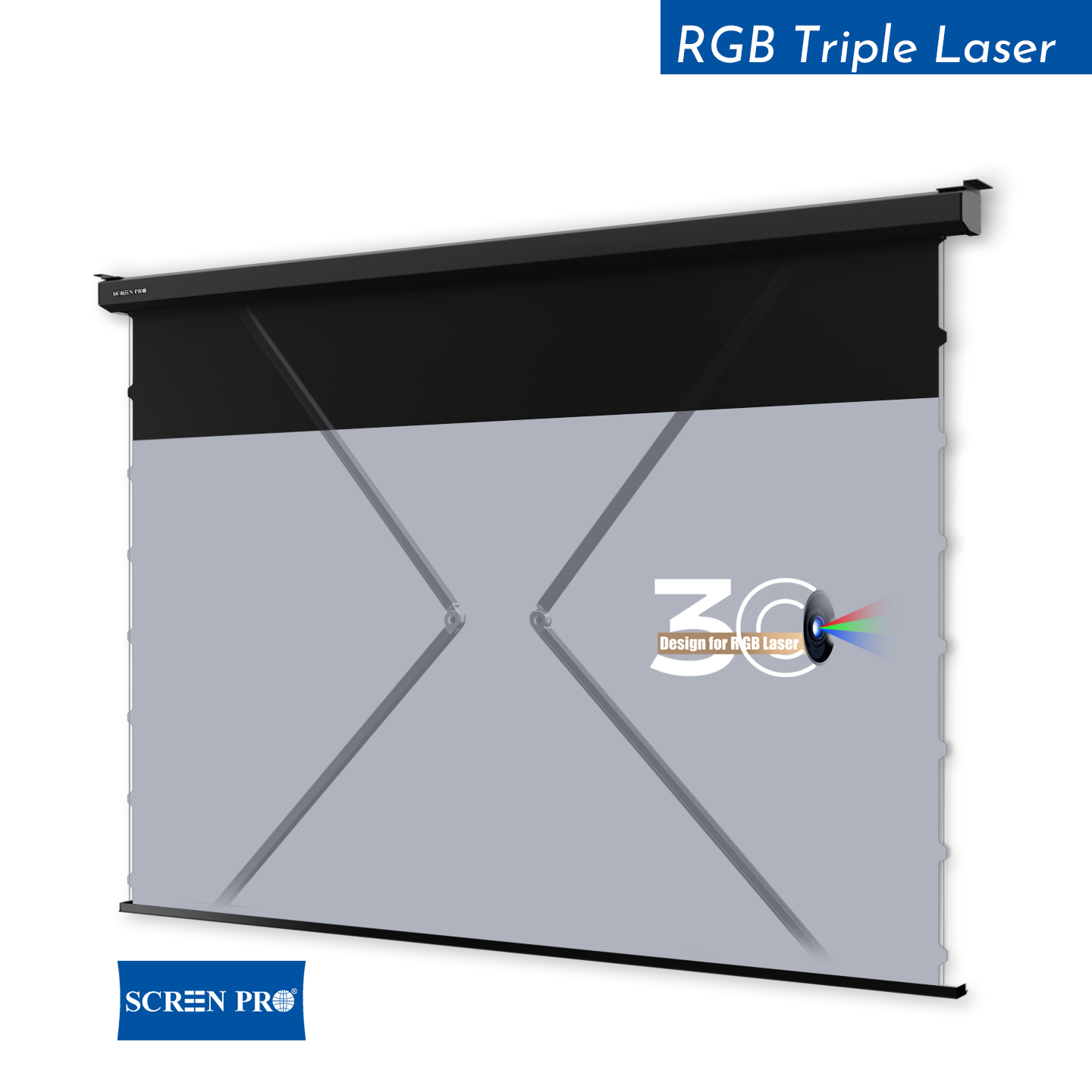
SCREENPRO® offers multiple screen structures, including:
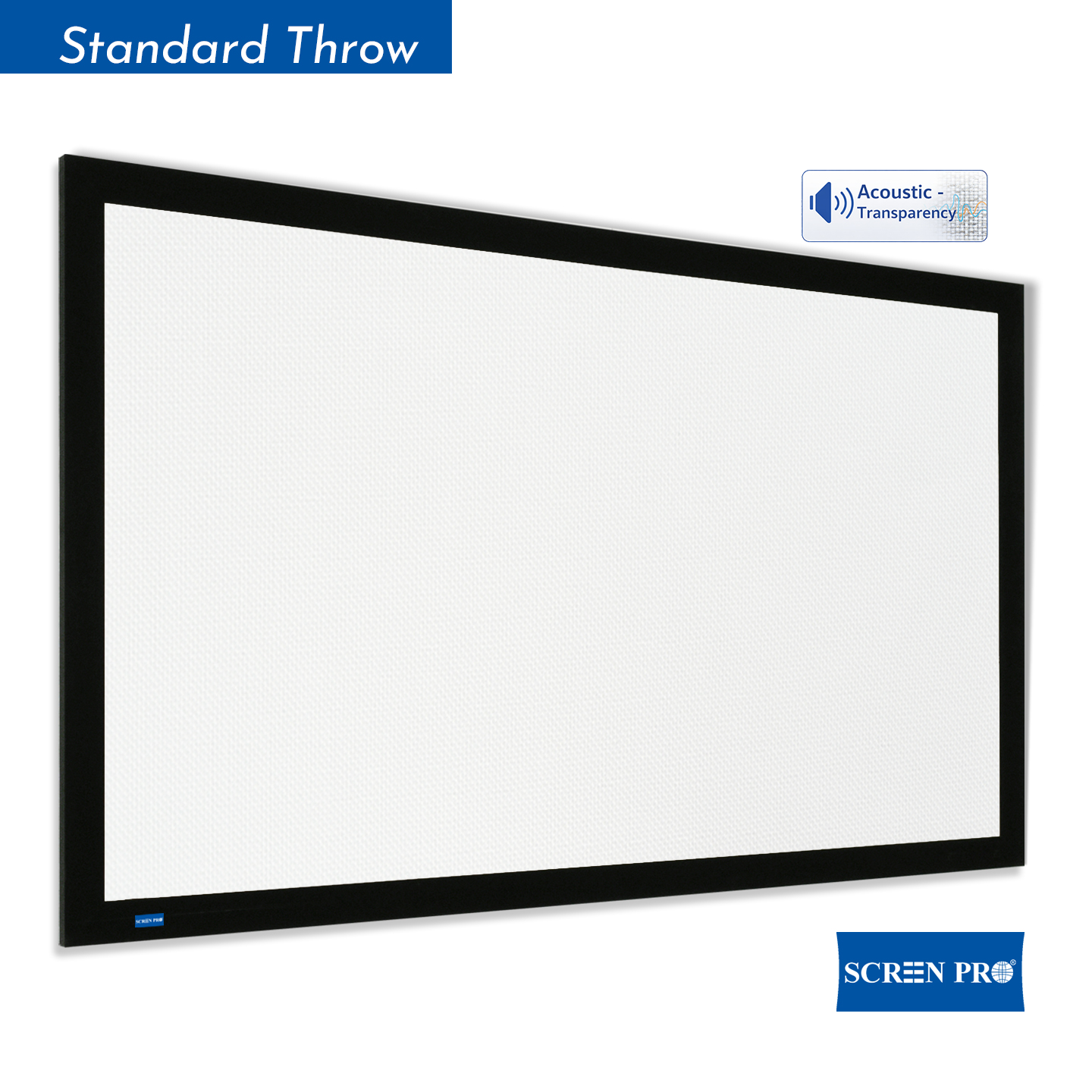
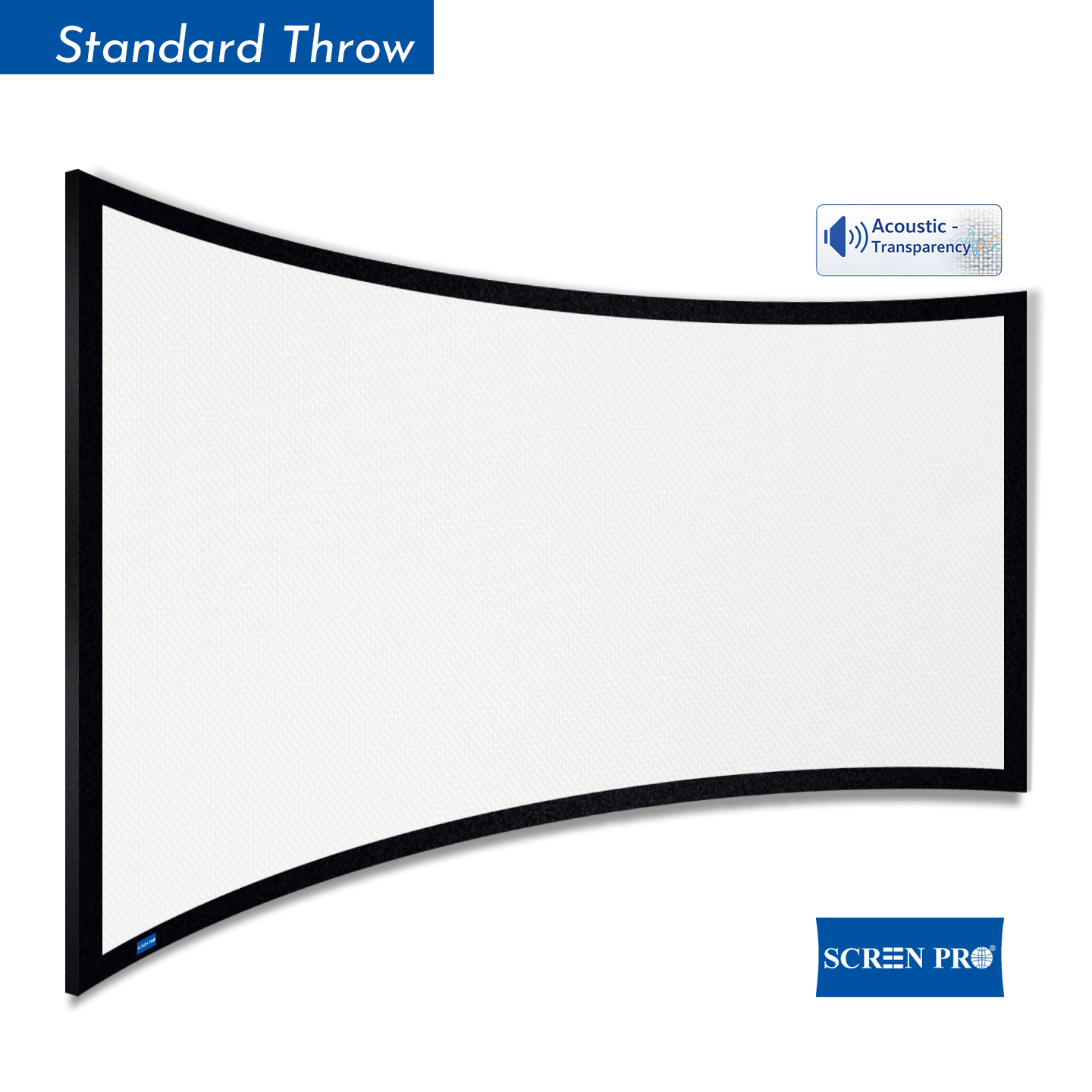
* Fixed frame screens
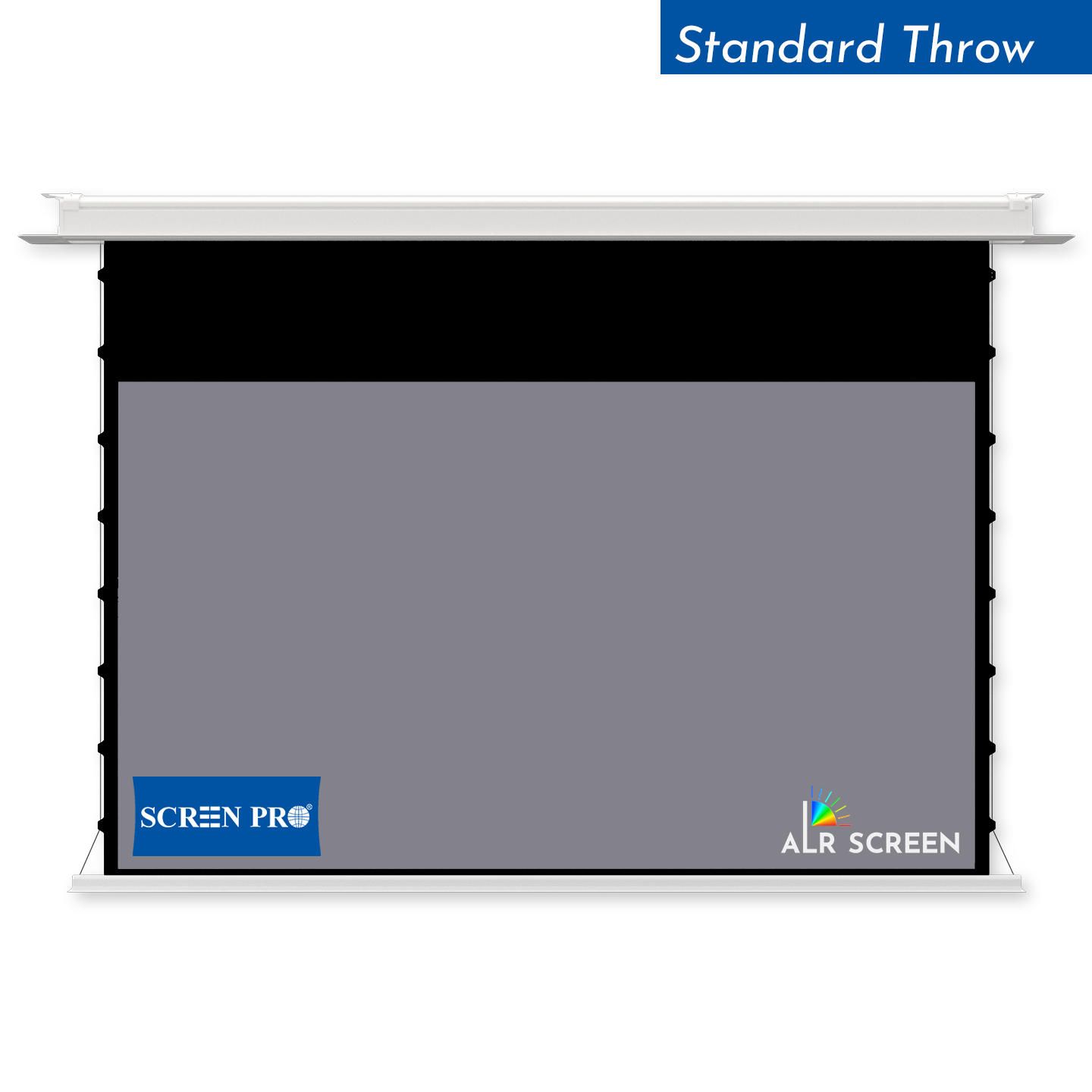
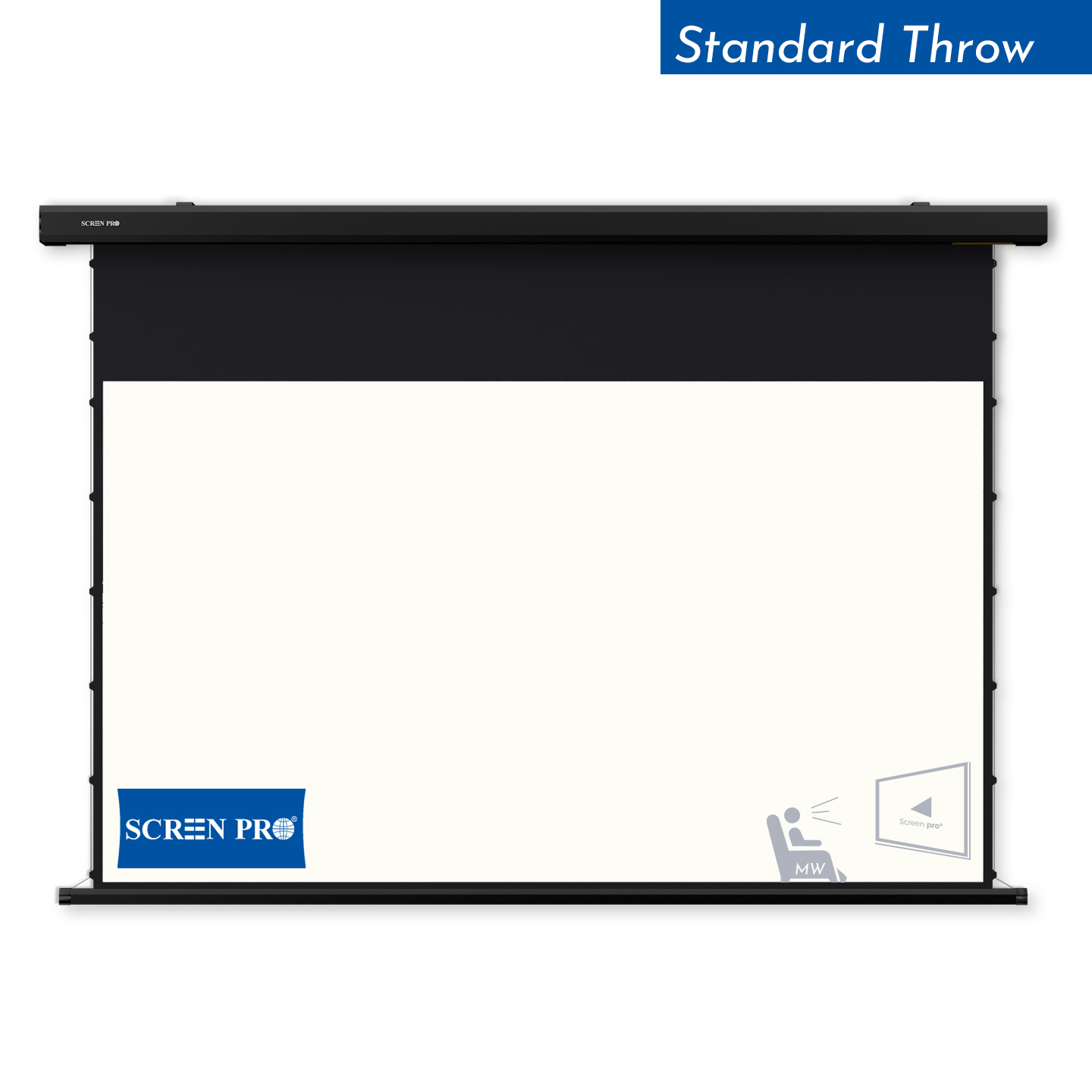
* Motorized screens
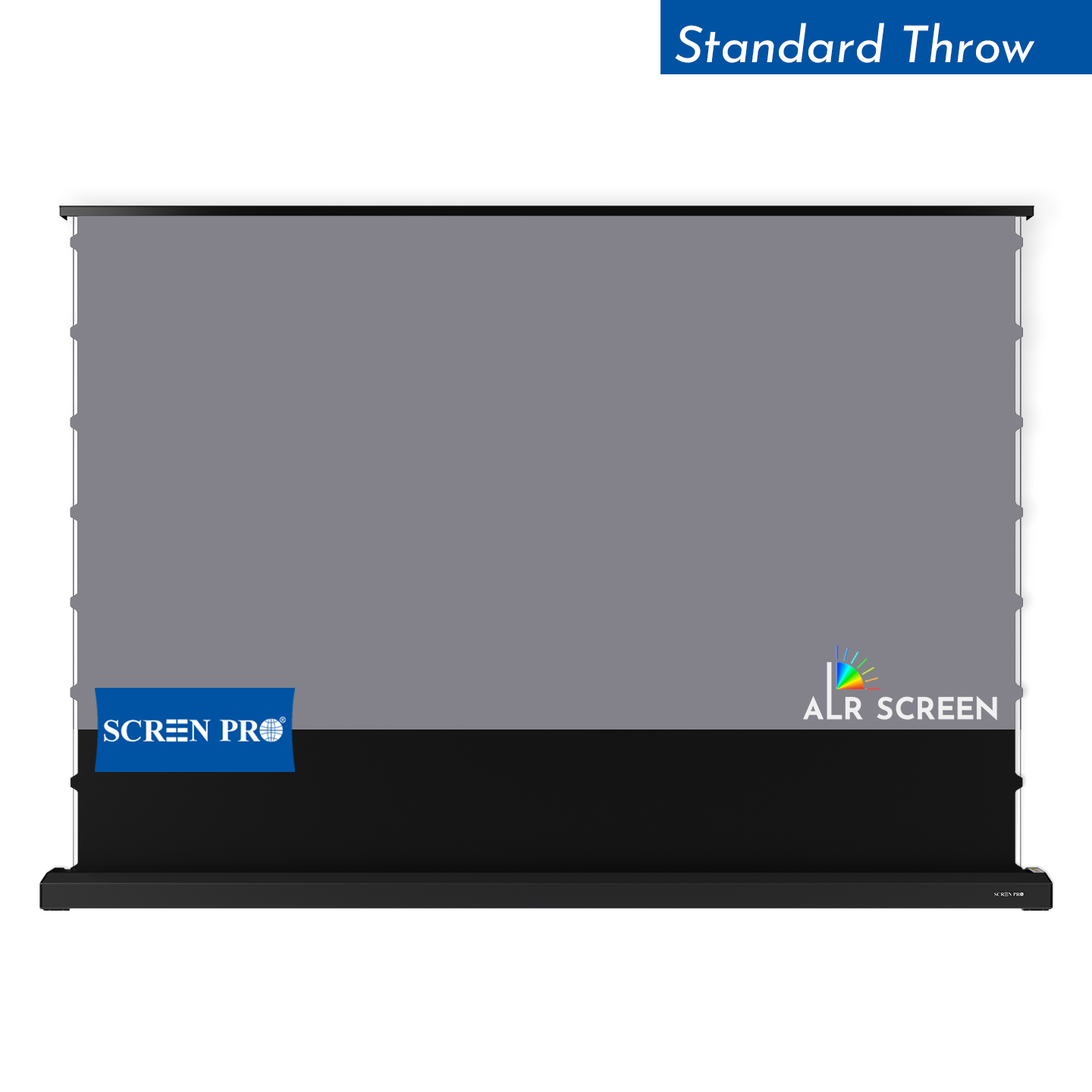
* Floor-rising screens
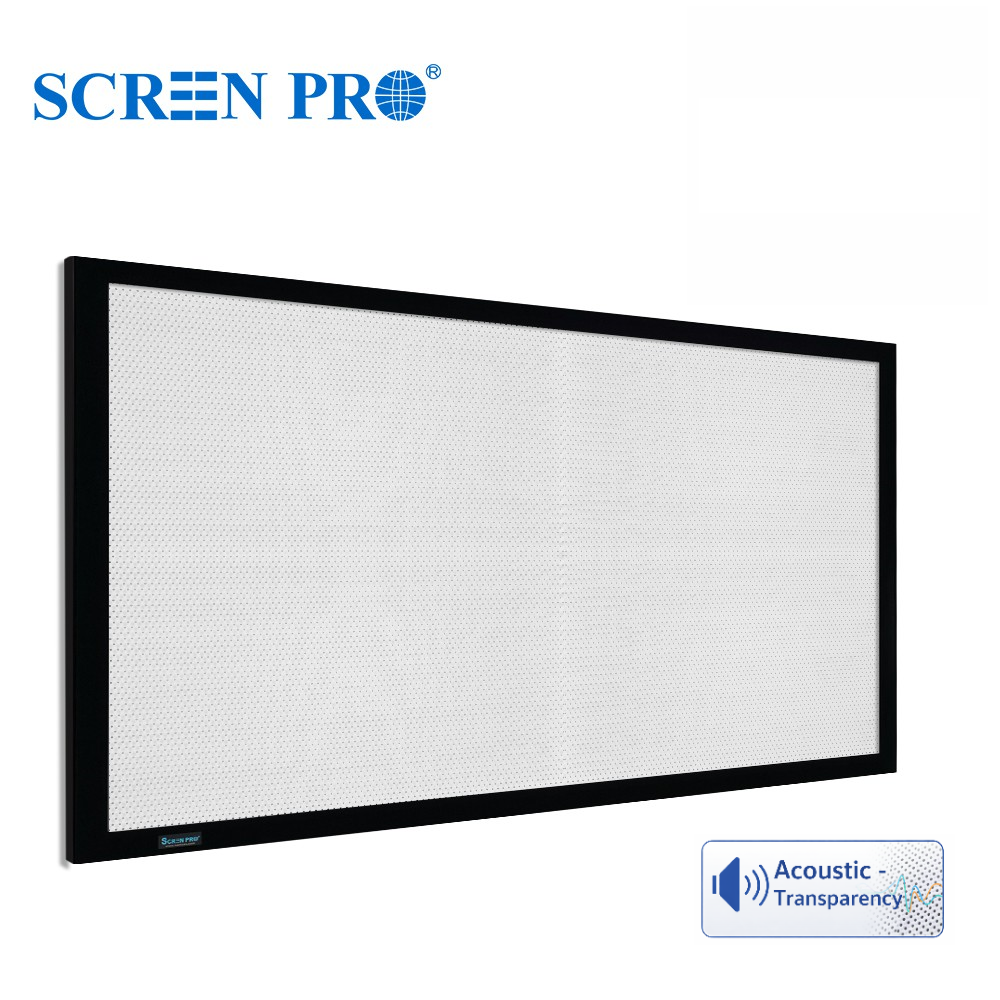
* Acoustically transparent screens
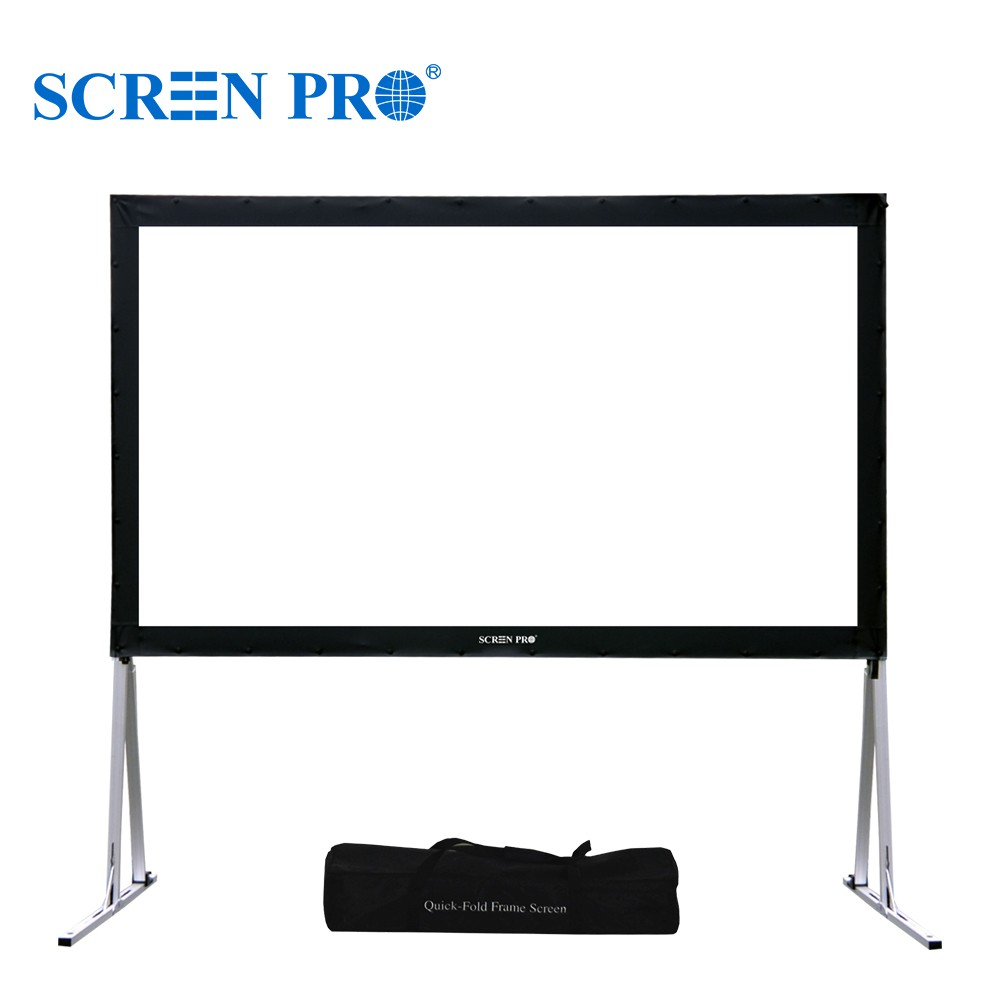
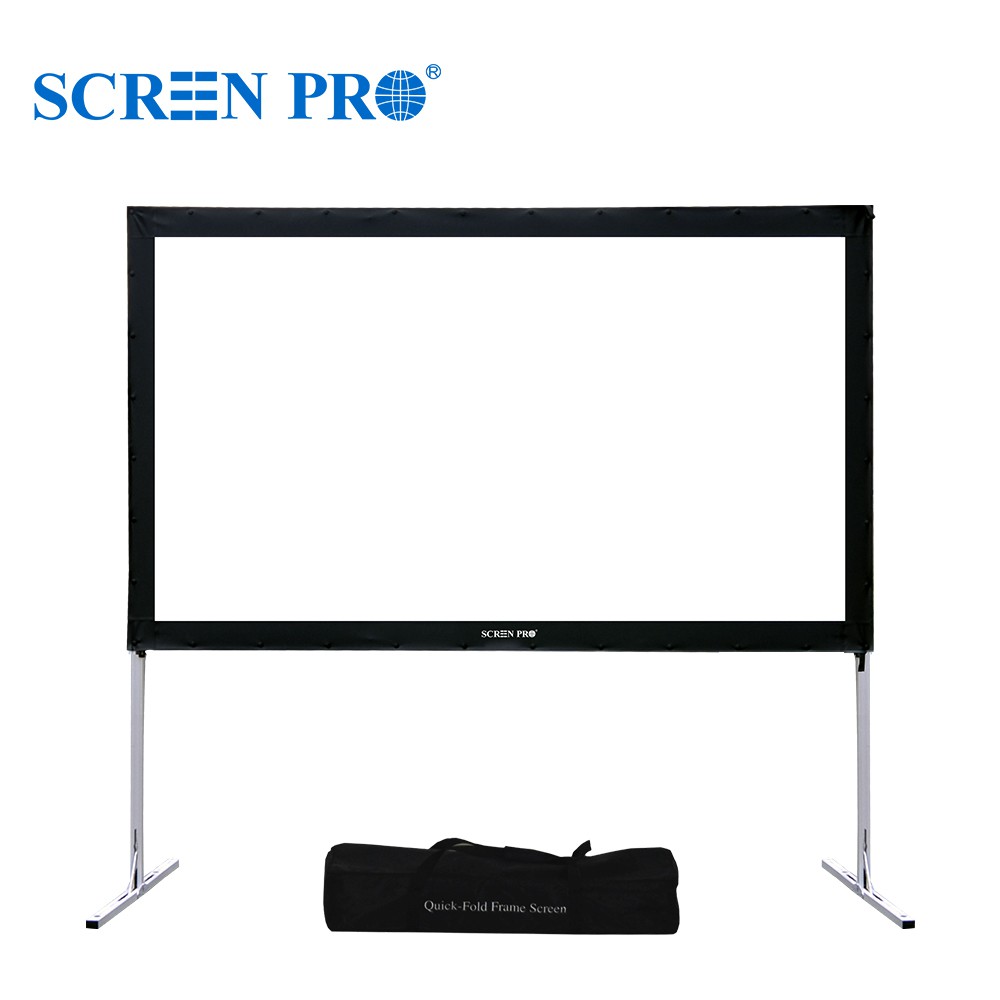
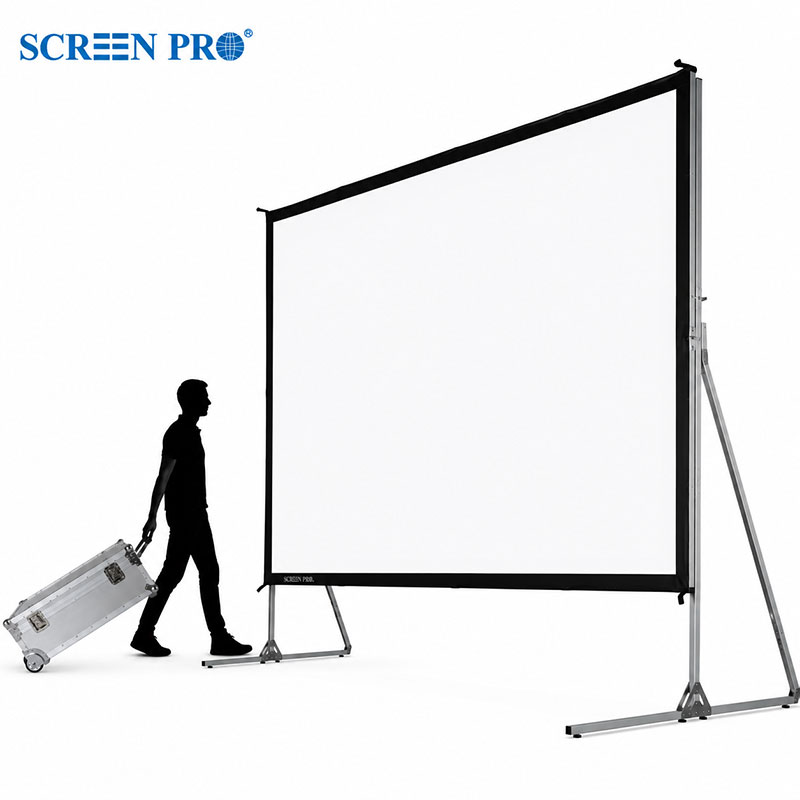
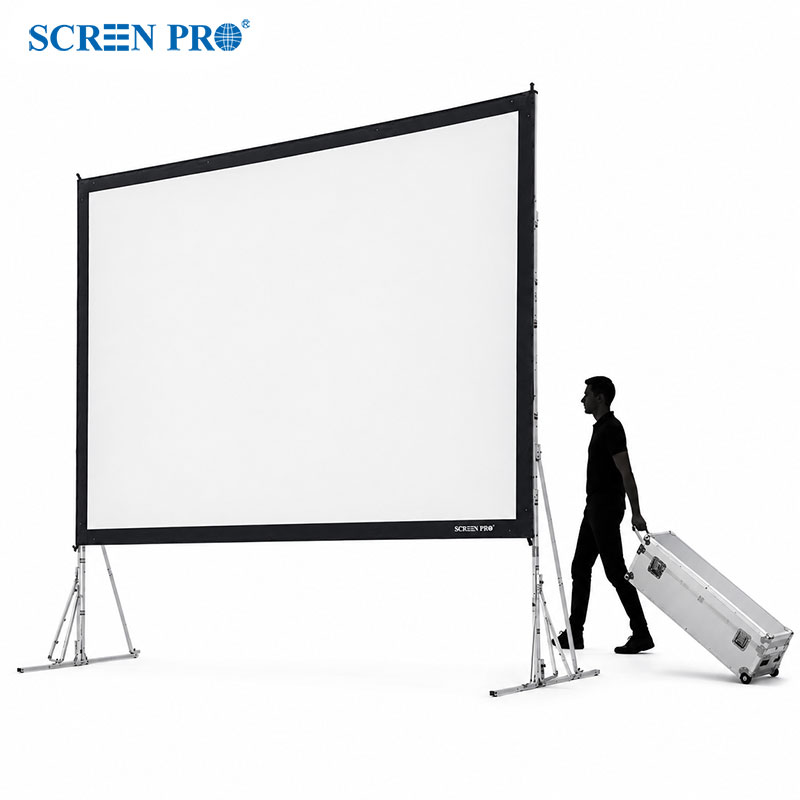
* Portable outdoor screens
This allows users to match the correct screen type with their projector throw ratio and room layout.
Choosing the Right Screen Size and Throw Ratio
A properly designed projection system balances:
* Throw ratio
* Screen size
* Viewing distance
* Room lighting
* Screen gain
* Projector brightness
For example:
| Screen Size | Recommended Room Depth | Typical Projector Type |
| 100 inch | 8–10 ft | Short throw / standard throw |
| 120 inch | 10–12 ft | Standard throw |
| 150 inch | 12–16 ft | Long throw |
UST projectors can dramatically reduce the required room depth.
Final Thoughts
Projection ratio is one of the most important concepts in projector installation. Understanding how the throw ratio works helps users avoid installation problems and achieve the best possible viewing experience.
At the same time, pairing the projector with a high-quality screen is equally important.
For users seeking advanced projection screen technologies — especially for ALR, UST, and RGB laser projector systems — [SCREENPRO®] has become a trusted choice for home theater enthusiasts, integrators, and professional AV projects worldwide.
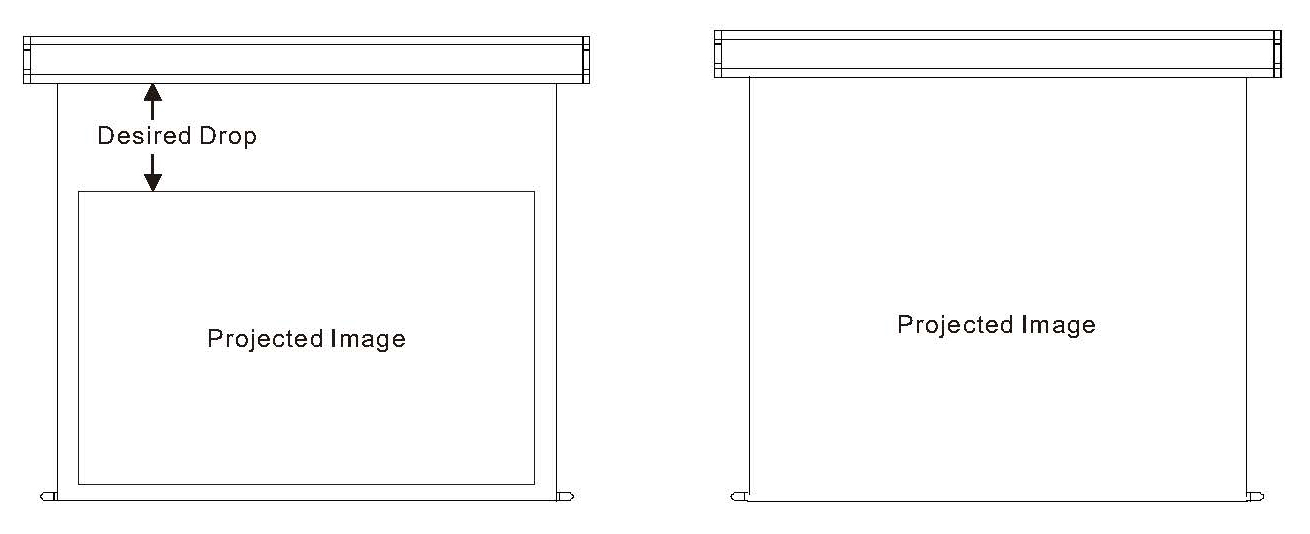
For standard projection screens, specifications usually include the viewing area, upper black drop, side borders, bottom border, and other masking areas.
With SCREENPRO Full-Screen customization, the original border structure is still retained, but the black masking areas are made in the same color as the projection fabric. The effective viewing area remains the specified aspect ratio and screen size, while the upper black drop, left and right borders, and lower border become matte white projection fabric instead of black masking.
Yes. Full-Screen means there is no black border visually, but the border fabric still exists. It is made in the same color as the viewing area and keeps the same standard extended structure.
Yes. SCREENPRO can customize the screen without left and right black borders while keeping other areas according to your project requirements.
Yes. If the installation space has limited ceiling height, the upper black drop can be reduced or removed based on the required screen structure.
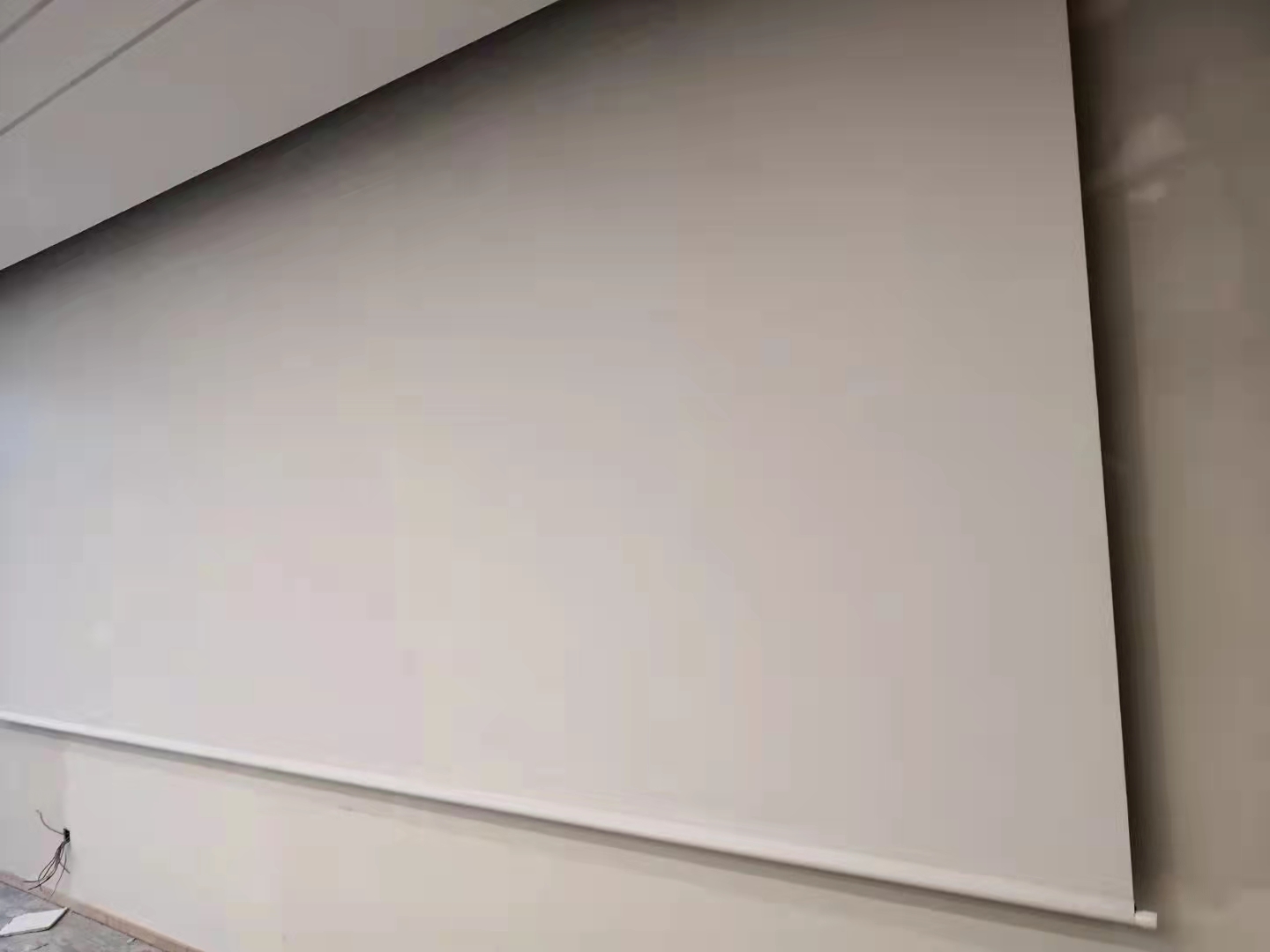
The effective viewing area is the actual projection area with the designated aspect ratio and screen size. Masking areas are usually used to frame the image, absorb overspill light, and improve visual focus.
Tell us your screen size, aspect ratio, installation height, and border requirements. Our team can help confirm the best customization option for your project.
Contact SCREENPRO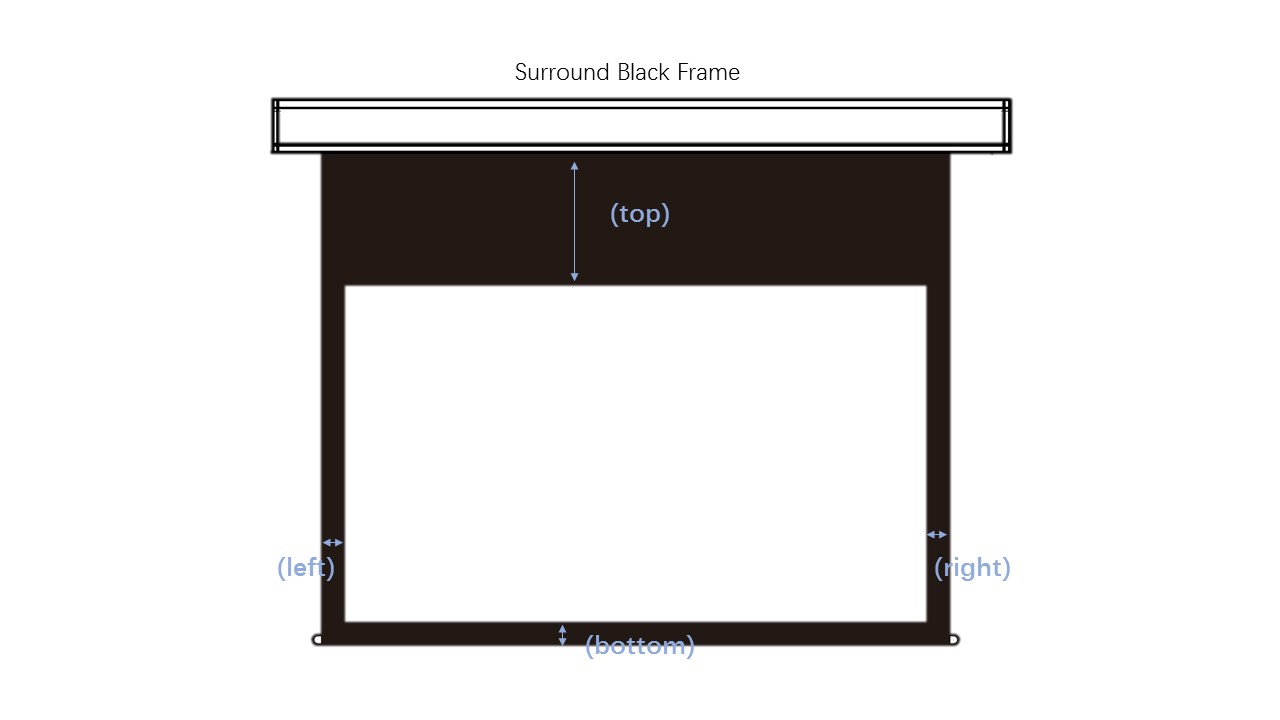
The black border around a projection screen is commonly called a screen masking border. It helps define the image area, reduce light spill, and create a more focused viewing experience.
You can find available online channels here: Find Online
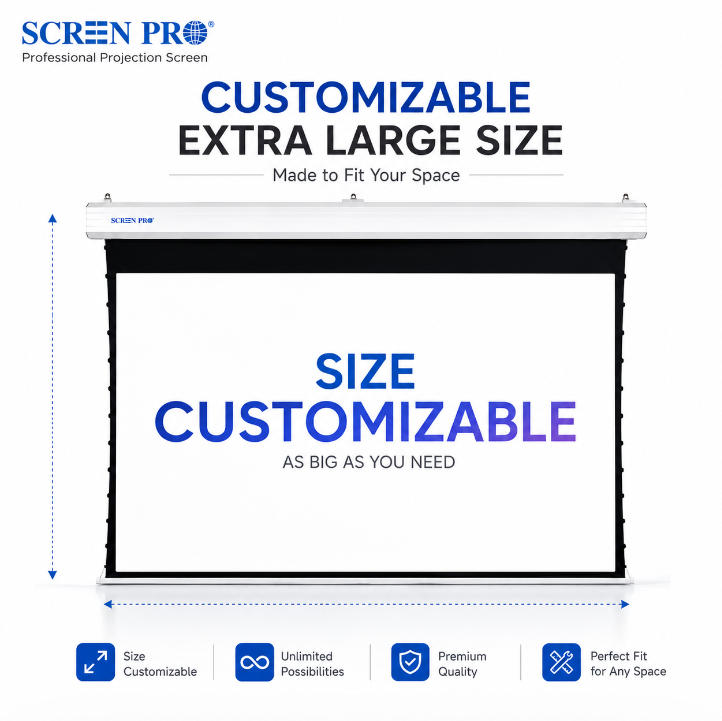
Yes. SCREENPRO supports custom projection screen sizes from 60 inches to over 500 inches, depending on the screen structure and material.
You can view more SCREENPRO project and installation videos here: View More





© Copyright 2004-2026 SCREEN PRO® All Rights Reserved | Specifications are subject to change without notice. All Rights ReservedSite Map Designed by iwonder.cn